15 Years in Business
Fifteen years of packaging work has developed our understanding of sizing, structure, materials, print, finishing and repeat production.
Packaging experience, practical production knowledge and hands-on support for businesses that need their packaging to fit, print and perform properly.
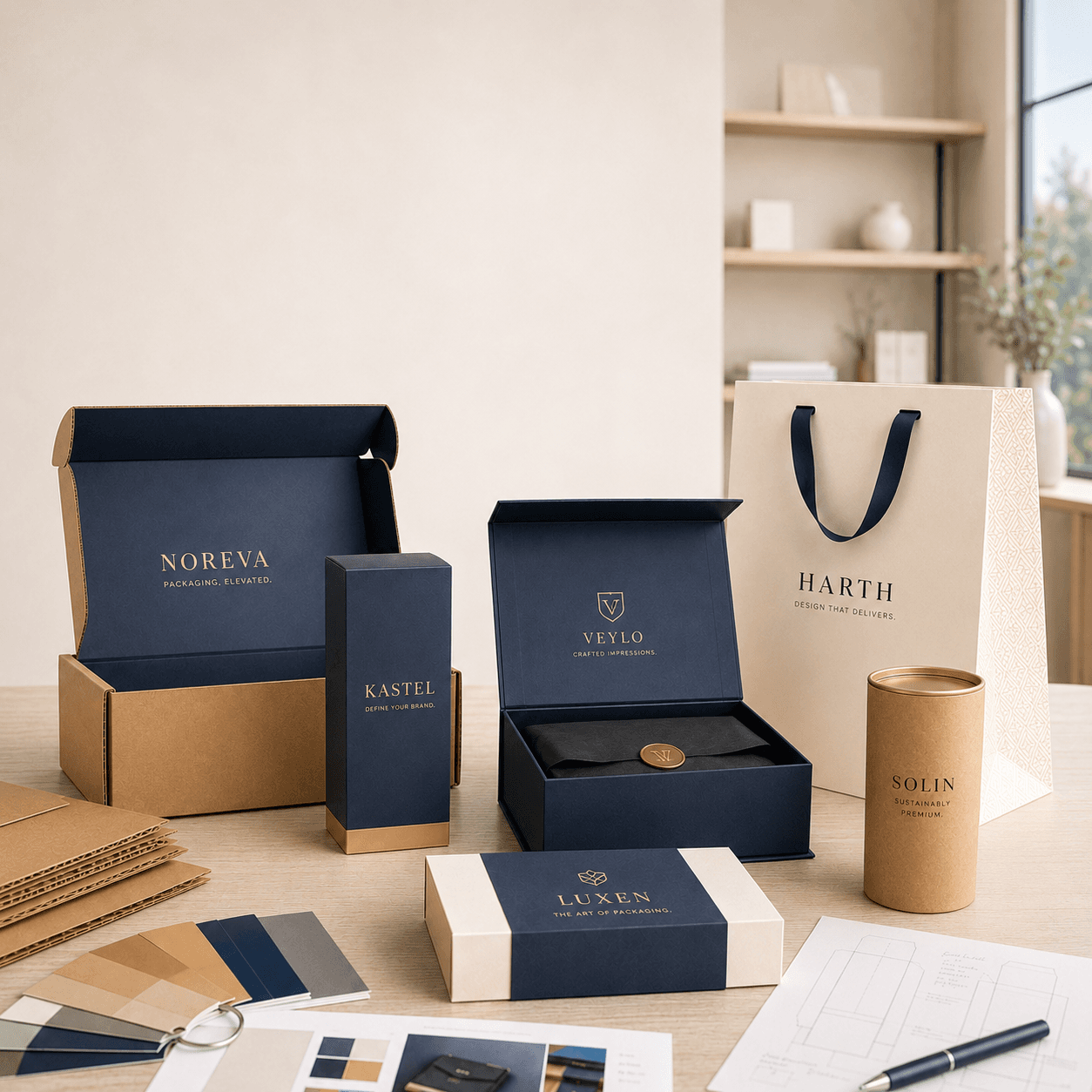
Custom packaging involves far more than placing a logo on a box. The structure must suit the product, the board must handle its weight and the artwork must remain clear after cutting, creasing and folding. The finished packaging also needs to work during filling, storage, display, delivery and customer use.
Fifteen years in business has given Custom Packly experience across these connected decisions. We have seen how a small sizing error can create product movement, how the wrong board can weaken a carton and how artwork can lose impact when folds, flaps or seams are not considered early enough.
That experience shapes how we work today. We start by understanding the product and how the packaging will be used. We then consider structure, material, print, finish and production requirements in the right order.
Businesses that need a clear view of the available packaging types can begin with Custom Packaging, where boxes, bags, sleeves, tubes, inserts and other paper-based options are brought together around real product needs.
Fifteen years of packaging work has developed our understanding of sizing, structure, materials, print, finishing and repeat production.
Our team combines packaging knowledge, artwork awareness and commercial understanding to help businesses make informed decisions before production.
Experienced production partners support the technical work behind printing, cutting, creasing, folding, finishing and packaging assembly.
We have supported more than 500 companies with packaging needs that range from early product launches to established repeat production.
Production experience across millions of boxes provides practical insight into materials, structure, colour, finishes and quality consistency.
Each completed order adds to our understanding of product fit, approval checks, production requirements and reliable reordering.
The most useful packaging advice comes before the artwork is approved and the material reaches the press.
A visually impressive design cannot correct a box that is too loose, a flap that interferes with filling or a board that is unsuitable for the product’s weight. A premium finish may also add unnecessary cost when a clean printed surface would produce the right result.
Our role is to identify these practical issues early. We look at how the packaging opens, how the product sits inside it and where pressure may fall during handling. We also consider which panels carry the most important artwork and whether inserts, dividers or stronger board would improve the finished result.
The aim is not to make the project more complicated. It is to make each important decision clearer before production begins.
The right packaging starts with accurate information about the product and how it will move through the business.
Before recommending a structure or material, we may consider:
These checks help reduce avoidable adjustments and make the quote, dieline and approval stages more accurate.
Experience across different packaging types allows us to recommend a structure based on the product rather than forcing every project into the same box.
A detailed view of available materials, printing, finishes, inserts and structural choices is available through Customisation.
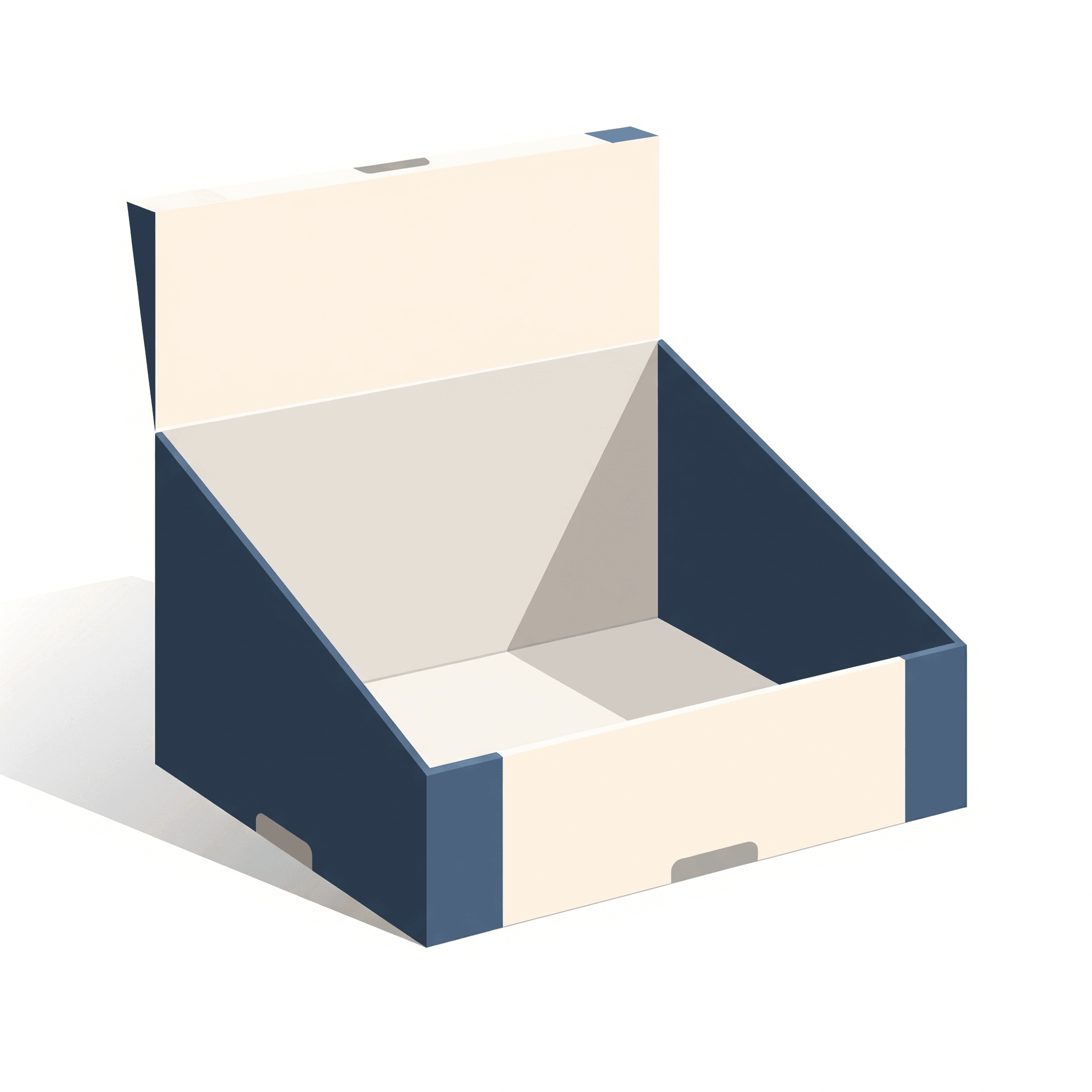
Lightweight paperboard cartons for beauty, wellness, food, retail and other products that need clear print, accurate folds and efficient assembly.
Corrugated structures for ecommerce, subscription products and delivery where closure security, board strength and customer presentation must work together.
Firm presentation packaging for gifts, jewellery, apparel, cosmetics and launches where structure, finish and opening experience carry more weight.
Supporting packaging types that improve retail handover, product grouping, protection, display and presentation across a complete product line.
Packaging quality depends on a chain of connected production steps. Board selection affects strength and folding. Printing affects colour and fine detail. Cutting and creasing affect how cleanly the structure forms. Finishing can improve presentation, but only when it suits the material and artwork.
Our production partners bring 30 years of experience to these technical stages. That knowledge supports projects using paperboard, corrugated board, kraft materials and rigid board, along with offset printing and finishes such as matte, gloss, foil, embossing and spot UV.
A production-ready dieline brings these choices together. It defines the cut shape, folds, flaps, glue areas and artwork panels before the packaging is made. Businesses preparing box artwork can use the Dieline Tool to begin working with the correct structure and dimensions.
Expert review still matters. A technically valid file may need adjustments if artwork sits too close to a crease, a logo crosses a seam or an important detail falls on a closure panel.
Product dimensions, weight, handling and presentation needs shape the structure before print or finishes are selected.
Strong presentation matters, but the packaging must still close properly, protect the contents and remain practical to fill.
Dielines, artwork placement, board choice and finish requirements should be checked before the full order moves forward.
Consistent specifications, stored information and repeat production planning help future orders match the approved packaging.
Different order sizes create different packaging decisions.
A first order may focus on proving product fit, testing a new design and controlling the initial commitment. MOQ starts from 50, which gives smaller businesses and new product launches a practical starting point.
Larger programs may require thousands or tens of thousands of units, consistent colour across repeat runs and better planning around storage or scheduled production. Custom Packly supports both ends of that requirement, including bulk storage options and repeat-order discounts where they apply.
A free sample before full production provides another checkpoint for the approved design. It allows important details to be reviewed before the full quantity is made, particularly when fit, inserts, print placement or finishes need close attention.
The same principle applies whether the order contains 50 pieces or forms part of an ongoing production program: make the important decisions early and keep the approved specifications clear.
Some businesses come to us with exact dimensions, completed artwork and a known box style. Others have a product, an early design idea and several unanswered questions.
Both starting points are valid.
Our team can help assess structure, material, size, print, finish, inserts and artwork preparation. Support is available through chat, email and call, with 24/7 access for questions and project discussions.
Clear communication is especially important when a project includes unusual dimensions, premium finishes, multiple products or a firm launch date. Sharing the product size, required quantity, packaging use and artwork status gives the team enough context to recommend a suitable next step.
The most useful packaging conversation begins with what the packaging needs to hold, protect and present.
Share the product dimensions, weight, quantity and intended use through Get a Quote. Add your artwork or finish ideas when available. The team can then help narrow the structure, material and production route before pricing is finalised.
That approach keeps the decision grounded in the product and gives the finished packaging a stronger chance of working properly from its first use through future repeat orders.
Share your product details, dimensions, quantity and artwork needs. We’ll help choose the right packaging style and send a clear quote.