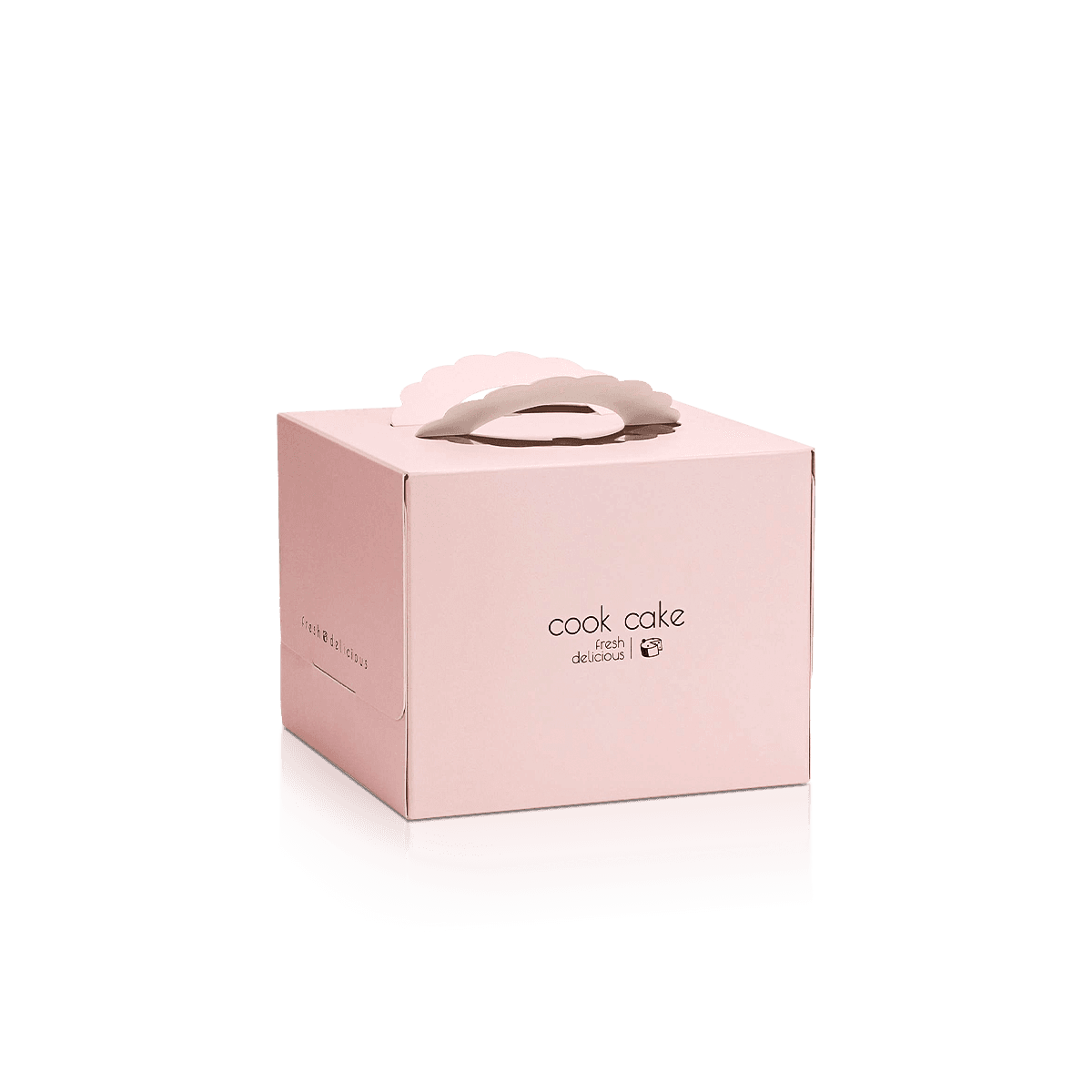
Custom Cake Boxes
Give celebration cakes a stable base, safe clearance and a confident handover with cartons planned around boards, height, decoration and delivery.
Free Design Support
Clear Pricing
Flexible Quantities
Unlimited Customization
Premium Materials
Offset Precision
Free Shipping
Quick Turnaround
Custom Printed Cake Boxes Sized Around the Finished Cake
Custom Cake Boxes should follow the finished cake, not its diameter alone. The cake board, full height, side finish and topper all affect the space needed inside the carton.
A tight box can mark buttercream, scrape piping or make the cake hard to remove. An oversized box can let the board slide. The right fit gives staff room to place the cake while keeping its base under control.
Bakeries that also sell pastries, chocolates and smaller sweets can keep their print style consistent through Custom Bakery and Confectionery Packaging.
Start with the cake board
Measure the full cake board first. Include scalloped edges, foil wrap and any part that extends beyond the cake.
The internal base needs enough room for staff to lower and lift the board without touching the walls. It should not leave so much space that the board moves while carried.
Use the highest finished point
Measure from the underside of the cake board to the tallest final detail. Include piped peaks, fruit, flowers, chocolate sails and toppers.
Confirm whether the topper travels on the cake, lies inside the box or is added after collection. That choice can change the required height.
A Firm Base Keeps the Cake Level
The bottom panel carries the cake. Deep walls cannot correct a base that bends when someone lifts the carton.
Light sponge cakes may work well in paperboard. Dense mud cakes, cheesecakes and large celebration cakes may need stronger board or a corrugated construction. The choice should follow the cake weight and box span.
Match the board grade to the weight
White paperboard offers a clean print face for daily bakery orders. Kraft gives a more natural look. Corrugated board adds stiffness for larger and heavier cakes.
A bakery may use the same diameter for a light sponge and a dense mud cake. The heavier recipe can need a stronger box base even when the footprint stays the same.
Control the cake board inside the box
The cake board should stay flat and centred during carrying. A close base fit, folded corners or a simple support can limit movement.
The fit must still allow easy removal. Staff should not need to tilt the cake or pull the board against the walls.
Tall Cakes Need Access From More Than the Top
Lowering a tall cake through high walls creates risk before the lid even closes. Piping, flowers and textured finishes can brush against the carton on the way down.
Custom Cake Boxes for tall designs can use folding side panels, a front opening or a removable lid. These choices let staff place the cake on the base first, then close the box around it.
Open the walls around the cake
A front or side opening can help with tall buttercream cakes and detailed celebration pieces. The panel should close firmly without pushing tabs towards the cake.
Wide access also makes removal easier at the venue. Customers do not need to lift a heavy cake above tall walls.
Treat tiered cakes as a separate need
Tiered cakes add weight, height and a higher centre of gravity. They may need reinforced corrugated board and stronger support under the cake board.
Confirm whether the tiers travel assembled or separately. Separate cartons may be safer than one very tall box when the design allows it.
Windows Must Leave Enough Board for Strength
A clear window can show colour and detail before the box opens. The cut-out should not remove support from the lid, corners or carrying points.
Top windows suit lower cakes that look best from above. Side windows can show tall layers, flowers or a branded topper. Custom Window Carton Boxes can balance the view with the board needed around the opening.
Frame the cake, not empty space
The window should follow the best viewing angle. A smaller opening may present the cake better than a full clear panel.
Leave enough printed board for the logo, order label and care notes. The clear area should support the design rather than compete with it.
Test large windows with chilled cakes
Cold cakes can form condensation when they move into warmer air. Moisture may fog the window or soften exposed board.
Test the usual chill time, pickup process and travel period. A 3D mockup can confirm window placement. A physical sample is more useful when a large window, heavy cake or chilled handover creates a real risk.
The Lid Must Close Clear of the Finish
A box can have enough final height and still damage the cake while closing. The lid path, side flaps and tabs all need to clear the finished design.
A hinged lid can suit low and medium-height cakes. It should open far enough for easy loading and close without pulling the walls inwards.
Keep flaps away from the cake
Dust flaps and tabs should fold towards the carton walls, not the product. Staff need to see where each part goes during a busy shift.
Simple folds also reduce forced closing. When the lid needs pressure to lock, the fit or closure may need review.
Use handles only for suitable weights
An integrated handle can suit smaller cakes, mini celebration orders and gifts. Custom Handle Boxes combine carrying and presentation in one piece.
A handle should not be the only support for a heavy cake. Large cakes still need a firm base and two-handed carrying.
Chilled Cakes Need Space and Moisture Control
Most whole cakes sit on a separate cake board, so contact with the carton is limited. Side finishes or a moving board may still touch the inner walls.
State whether the cake is chilled, frozen or held at room temperature. Also note if cream, ganache or buttercream may reach the carton.
Let the cake board carry the weight
A suitable board supports the cake and creates a clean base between the product and carton. It can also help control grease from rich cakes.
Leave enough side room to protect soft finishes. The box walls should not act as supports for the icing.
Plan for cold-to-warm movement
Chilled cakes may release moisture during pickup and travel. This can affect clear windows, board and printed surfaces.
Material and coating choices can be reviewed with wider Custom Food Packaging needs when the bakery also sells slices, pastries or chilled desserts.
Print Should Help at the Pickup Counter
Cake boxes often sit in a stack before collection. The side panels may be easier to see than the printed lid.
Use print to support quick order checks as well as brand presentation. A clear panel can hold the customer name, cake size, flavour or storage note.
Keep labels off the main artwork
Plan a blank area for order stickers. This prevents labels from covering the logo, window or key design.
Handling notes such as keep chilled or carry level should sit where the customer can see them before leaving the store.
Give each size a clear code
Two boxes can share the same footprint but have different heights. A bold size code helps staff select the correct carton before assembly.
Premium offset printing can support clear colour and fine detail. Foil, embossing or spot UV may suit wedding and gift orders. Daily cake boxes often benefit more from clean print and a surface that handles well.
Plan Cake Box Sizes Around the Menu
Too many near-matching sizes can slow service and take up storage space. Group cakes by cake-board footprint, finished height and weight.
One base size may support several flavours when the cake board stays the same. Height often needs its own split because toppers and finish styles can vary.
Separate daily cakes from statement cakes
A bakery may use one lower box for standard cakes and one taller option for detailed orders. This avoids placing every cake in an oversized carton.
Cupcakes and small individual cakes belong in Custom Cupcake Boxes when each item needs its own cavity.
Store the approved size details
Record the cake board, internal height, base strength and intended cake weight for each regular box. Keep the code visible on flat cartons.
This makes reordering easier and reduces mistakes when several boxes look alike.
Delivery Adds Movement and Carrying Risk
A cake carried from a counter to a nearby car faces less handling than one travelling across town. The box should reflect the real handover.
For delivery, consider turns, stops and uneven roads. The cake board should not slide across the base when the vehicle changes speed.
Keep the board stable in the vehicle
A close base fit or small support feature can reduce side movement. The box should sit on a flat, non-slip surface.
Printed cake packaging protects the product during normal handling. It cannot correct a tilted seat, loose loading area or rough driving.
Make home removal easy
Customers should be able to open the box without lifting the cake over high walls. Front access or folding sides can help with tall and heavy cakes.
Care notes can remind them to carry the box level and chill the cake when required.
Repeat Orders Depend on the Cake Specification
A repeat cake box remains reliable only when the cake board, height and weight stay within the approved limits. A new topper or thicker board can change the fit even when the cake diameter stays the same.
Keep one record for each regular size. Include the cake board, maximum height, likely weight, window, closure and print version.
Test new cake lines without excess stock
MOQ starts from 50 for suitable launches, seasonal designs and new bakery concepts. Larger quantities can follow once the box works well in daily use.
Custom Packly can also support thousands, tens of thousands and larger repeat orders. The same core box can carry new seasonal artwork when the cake size remains unchanged.
Review product changes before reordering
Tell the packaging team when the cake board supplier changes, a topper becomes taller or a denser recipe adds weight.
The customisation options can adjust the board, closure, window and print around those changes.
Quote From the Board, Height and Weight
A useful quote needs the finished cake details, not only its diameter. Include:
- Cake board length and width
- Maximum height from the underside of the board
- Approximate cake weight
- Single-tier or tiered design
- Topper, flower and decoration clearance
- Chilled or room-temperature handover
- Window or handle preference
- Collection or local delivery use
- Quantity for each size and print version
- Preferred board appearance and finish
- Launch date and likely repeat volume
Photos of the finished cake beside its board can explain shapes that measurements miss. Add these details to Get a Quote so the base, opening and print can be planned together.
Support From First Fit to Repeat Run
A cake box should feel simple even when the cake is delicate. Custom Packly reviews the board size, final height, weight and carrying method before production.
Free design support and a 3D mockup can confirm artwork, window placement and label areas. Local production and a 4 to 6 day turnaround can support planned launches after approval.
The final Custom Cake Boxes should give staff clear access, keep each cake board level and help the finished cake arrive intact.
FAQs
Related Industries

How it works
Simple steps from idea to delivery
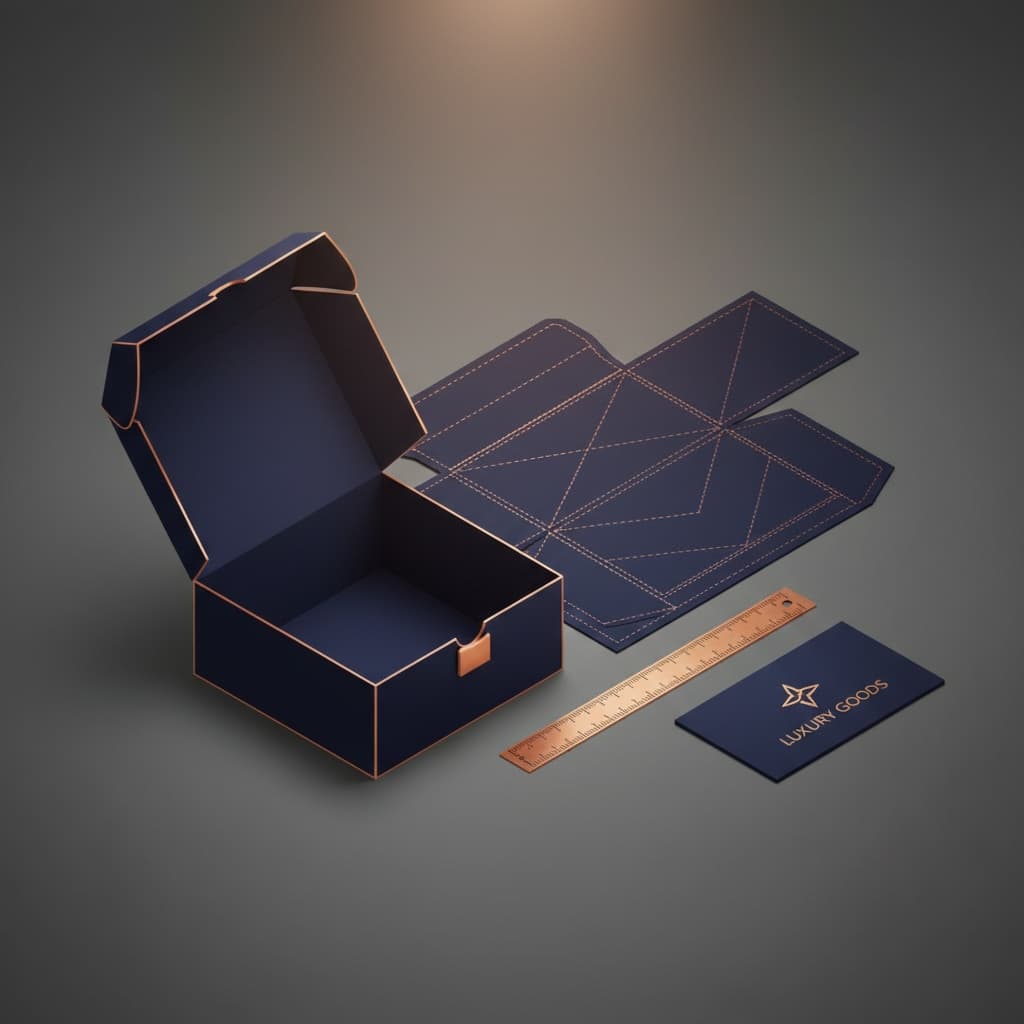
Tell Us Your Specs
Tell Us Your Specs
Provide size, quantity, printing, and finishes.
Get a Fast Quote

Get a Fast Quote
Instant transparent pricing, no hidden fees.
Design and Approval

Design and Approval
Artwork checks, revisions, and final sign-off.
Produce

Produce
Expert manufacturing to meet deadlines.
Ship to Your Door

Ship to Your Door
Hassle-free, flexible delivery options.
Start Your Custom Packaging Quote
Share your product details, dimensions, quantity and artwork needs. We’ll help choose the right packaging style and send a clear quote.