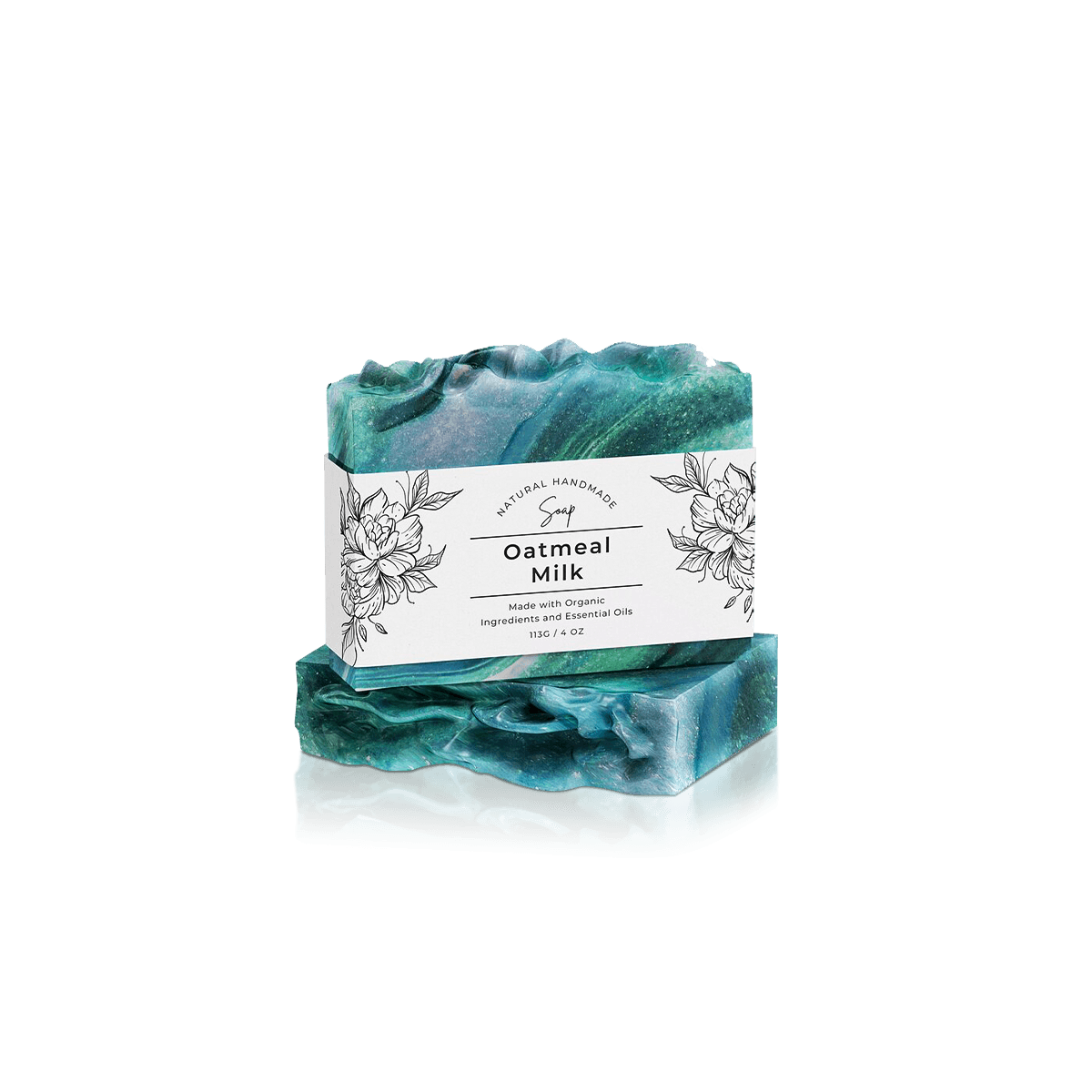
Custom Soap Sleeves
Frame handmade soap without hiding its colour, texture or stamp using fitted sleeves planned around cured bar size, scent variants and retail handling.
Free Design Support
Clear Pricing
Flexible Quantities
Unlimited Customization
Premium Materials
Offset Precision
Free Shipping
Quick Turnaround
Let the Soap Stay Visible Without Looking Unfinished
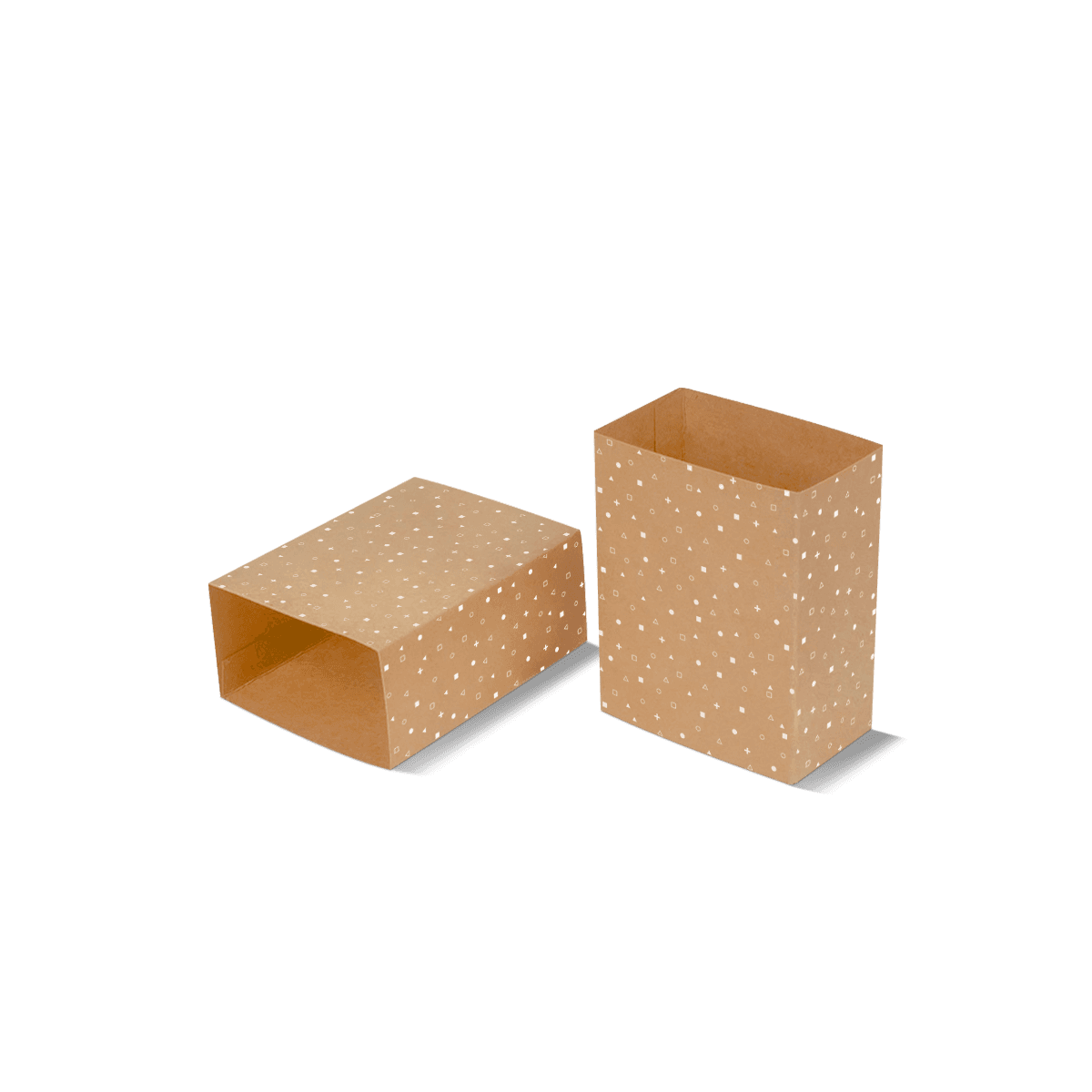
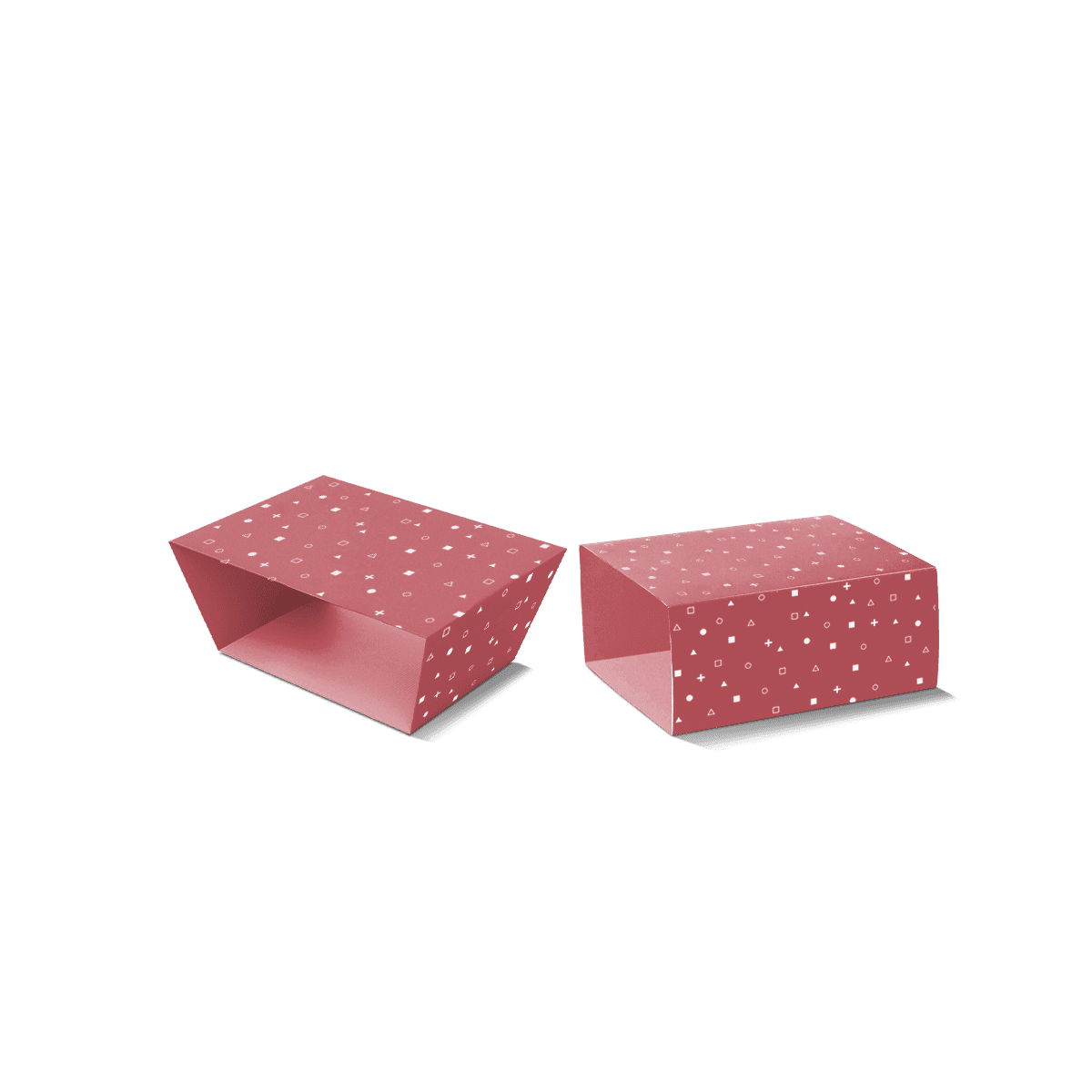
Custom Soap Sleeves wrap around part of a bar while leaving selected areas exposed. They suit soaps with a distinctive colour, texture, stamp or layered appearance and provide space for branding and product details.
Unlike a full carton, a sleeve does not enclose every face. That lighter structure can reduce board use and give customers a direct view of the bar. It also demands accurate fit. A loose band can slide away from the front while an overly tight one can mark soft edges or become difficult to apply.
Within Custom Beauty Packaging, soap sleeves frame the bar, carry essential information and keep handcrafted character visible
Measure Soap After Curing and Finishing
Custom Soap Sleeves should be sized from the bar in the condition it will reach the packing table. Freshly cut soap can change as it cures while hand-finished edges may vary between batches.
Use the Finished Bar Dimensions
Measure several finished bars rather than relying only on the mould size. Record the largest practical dimensions and note rounded corners, bevelled edges, raised stamps or textured tops.
A sleeve based on one unusually small bar may feel too tight on the rest. One based on the largest extreme may slide on the average bar. The dieline needs a sensible allowance for normal variation.
Check Fold and Assembly Direction
The sleeve should fold cleanly around the bar without springing open or creating bulky corners. Board thickness, grain and crease position all affect the finished tension.
Decide whether staff will slide a pre-glued sleeve over the soap or wrap a flat band around it and close the seam during packing. That choice changes the overlap, glue area and packing speed.
The free Dieline Tool can support early sizing and artwork setup, but production dimensions should reflect the actual soap and chosen board.
Set the Right Sleeve Tension
A secure sleeve should stay centred during handling without compressing the soap.
Allow for Handmade Variation
Cold-process and hand-cut bars may not be perfectly uniform. A little tolerance helps the sleeve move over the product without catching on corners.
Too much clearance lets the sleeve rotate, expose the glue seam or cover an area meant to remain visible.
Protect Textured Surfaces
Raised logos, botanical tops and decorative swirls need space. Place folds and seam pressure away from the feature the customer is meant to see.
Test application and removal. The sleeve should not flatten a stamp, crumble a soft edge or require the customer to shake the soap free.
Decide How Much Bar to Reveal
Custom Soap Sleeves can expose the ends, part of the front or a shaped area through a cut-out. The choice depends on what customers need to see and how much printed information the product carries.
Open Ends for Colour and Texture
An open-ended sleeve reveals layered colours, natural texture or stamped ends. Keep enough sleeve width to hold the bar securely and present the brand clearly.
Bars with fragile decorations or loose botanicals may need more coverage because exposed ingredients can catch on neighbouring products.
Cut-Outs for a Controlled View
A die-cut opening can frame a logo stamp or colour section while leaving more board around the bar. It should not weaken a narrow panel or cross a main fold.
Use the actual bar to place the opening because handmade stamps and decorative layers may move slightly between batches.
Full Coverage When Exposure Is Not Suitable
Products that need greater separation from handling or dust may be better suited to Custom Soap Boxes.
An inner paper wrap can also sit beneath the sleeve when the business wants the banded appearance with more coverage.
Keep Oils and Fragrance in Mind
The soap formula affects how the sleeve performs. Oil-rich bars, strongly scented products and bars with surface moisture can mark unprotected paper.
Match Board to the Soap Surface
Test direct contact between the cured soap and chosen board. Uncoated kraft can complement a natural presentation, but it may show oil transfer more readily than a suitable coated paperboard.
A coating can improve print appearance and reduce surface marking, but the choice should still suit the product and disposal message.
Use an Inner Wrap Where Needed
The sleeve is primarily a branding and presentation structure. It should not be treated as a sealed moisture barrier.
A paper wrap or other suitable primary layer may be needed when the soap can stain the sleeve or requires greater separation before purchase.
Separate Strong Scents in Storage
Keep unused sleeves dry and flat. Completed soaps should be stored so sleeves do not absorb moisture or fragrance from nearby products.
Separate strong scent families where practical, especially before gift assembly or retail dispatch.
Give Small Panels a Clear Information Order
Custom Soap Sleeves have less printable space than full cartons, so the artwork needs a firm hierarchy.
Lead With the Soap Identity
The front should make the brand, soap name and main distinction easy to read. A scent such as lemon myrtle, sandalwood or lavender should not compete with several equal-sized claims.
Keep key words away from folds and exposed edges. A panel that looks generous on screen can feel crowded once wrapped around a small bar.
Place Ingredients and Weight Carefully
Ingredients, net weight, business details, batch information and usage notes may sit on the rear or underside. Small type should stay away from the glue seam and remain readable.
Leave enough space for variable information when batch codes or labels are applied after printing.
Differentiate Scent Variants
Keep one stable brand system, then change a controlled element for each scent. This may be a colour block, illustration, product name or end-panel detail.
The difference should remain obvious when several bars sit together. For print planning across multiple products, Custom Printed Boxes explains how artwork and colour can stay consistent through repeat production.
Choose Board and Finishes for the Brand Position
The best material should support the soap surface, desired appearance and way the sleeve will be handled.
Kraft for a Natural Presentation
Kraft board can suit handmade, botanical and minimally styled soaps. Dark inks, simple illustrations and restrained typography often work well on its natural surface.
Colours may appear more muted on brown stock than on white board, so artwork should be reviewed on the intended material.
White Paperboard for Brighter Artwork
White paperboard provides a cleaner base for pale colours, detailed illustrations and stronger contrast. It can also make ingredient text easier to organise on narrow panels.
The Custom Sleeve and Band Packaging collection covers related structures for products needing partial coverage, bundling or a printed band.
Use Finishes Selectively
Matte or gloss finishes can change how colours appear. Foil, embossing or spot UV can highlight a logo or scent name when the detail is large enough.
Avoid placing heavy decoration where the sleeve bends around a tight corner. A finish should support the soap story without reducing legibility or complicating folding.
Prepare Sleeves for Retail and Delivery
Custom Soap Sleeves can present bars neatly on shelves, at markets and in online orders, but the exposed product still needs suitable handling.
Keep Bars Stable on Shelf
The sleeve should create a stable resting face. Rounded bars and irregular tops may roll or lean when the band does not control their position.
Test the product in trays, baskets or shelf displays. The soap name should remain visible without constant repositioning.
Add an Outer Box for Online Orders
Sleeved soaps should not move freely inside a delivery carton. Use an outer box sized for the order and separate bars from heavier bottles, jars or metal accessories.
Paper dividers, tissue or a fitted arrangement can reduce rubbing against exposed soap edges.
Plan Sets Around Scent and Shape
Gift sets may combine bars with different sizes or fragrances. Keep the sleeves visually connected while making each scent easy to identify.
When a set needs a structured outer presentation, Custom Cardboard Sleeves can support a tray, grouped products or a wider branded cover.
Control Variants Without Rebuilding Every Sleeve
One dieline can support several scents when the finished bars share the same dimensions and surface profile.
Confirm Which Bars Truly Match
A new mould, exfoliating top or embedded decoration can change the height enough to affect sleeve tension. Check each bar family before assigning it to an existing structure.
Keep separate dielines where a bar is meaningfully thicker, more rounded or more textured.
Create a Scent and Artwork Register
Record the soap name, finished dimensions, artwork filename, colour cue, ingredient panel and approval date. Include whether the bar touches the sleeve directly or uses an inner wrap.
This record reduces mistakes when one scent changes while the rest of the collection remains unchanged.
Illustrative Case Study: Six Scents, Two Bar Shapes
A fictional soap maker sells four rectangular everyday bars and two taller botanical bars. The everyday soaps share one sleeve structure with a different colour panel and ingredient list for each scent.
The botanical bars need a second dieline because their textured tops increase the depth. Both structures use the same logo position, kraft board and typography.
Repeat orders follow demand rather than dividing quantities evenly. Core scents move into larger production while limited botanical releases remain smaller.
Scale From Market Runs to Wholesale Orders
Custom Soap Sleeves start from an MOQ of 50, which can suit a first release, seasonal scent or short event run. Custom Packly also supports thousands, tens of thousands and larger recurring production as distribution grows.
Plan quantities by scent and bar size. Keep approved dimensions and artwork records for reorders so sleeve tension, colour placement and information panels remain consistent.
Quote the Finished Soap and Packing Method
An accurate quote for Custom Soap Sleeves needs the cured bar dimensions, normal size variation and intended assembly method.
Provide:
- Finished length, width and depth
- Bar weight and shape
- Raised stamps, bevels or textured tops
- Direct paper contact or inner-wrap use
- Pre-glued sleeve or wraparound band preference
- Quantity for each scent
- Ingredient and batch-information needs
- Kraft or white paperboard preference
- Print colours and finish ideas
- Retail, gifting or online delivery use
- Artwork status and target date
The main Custom Packly site connects industry packaging, structural choices and artwork support across one production brief. Send the finished measurements and scent quantities through Get a Quote so pricing reflects the real bars and sleeve construction.
FAQs
Related Industries
Related Packaging Styles

How it works
Simple steps from idea to delivery
Tell Us Your Specs
Tell Us Your Specs
Provide size, quantity, printing, and finishes.
Get a Fast Quote

Get a Fast Quote
Instant transparent pricing, no hidden fees.
Design and Approval

Design and Approval
Artwork checks, revisions, and final sign-off.
Produce

Produce
Expert manufacturing to meet deadlines.
Ship to Your Door

Ship to Your Door
Hassle-free, flexible delivery options.
Start Your Custom Packaging Quote
Share your product details, dimensions, quantity and artwork needs. We’ll help choose the right packaging style and send a clear quote.