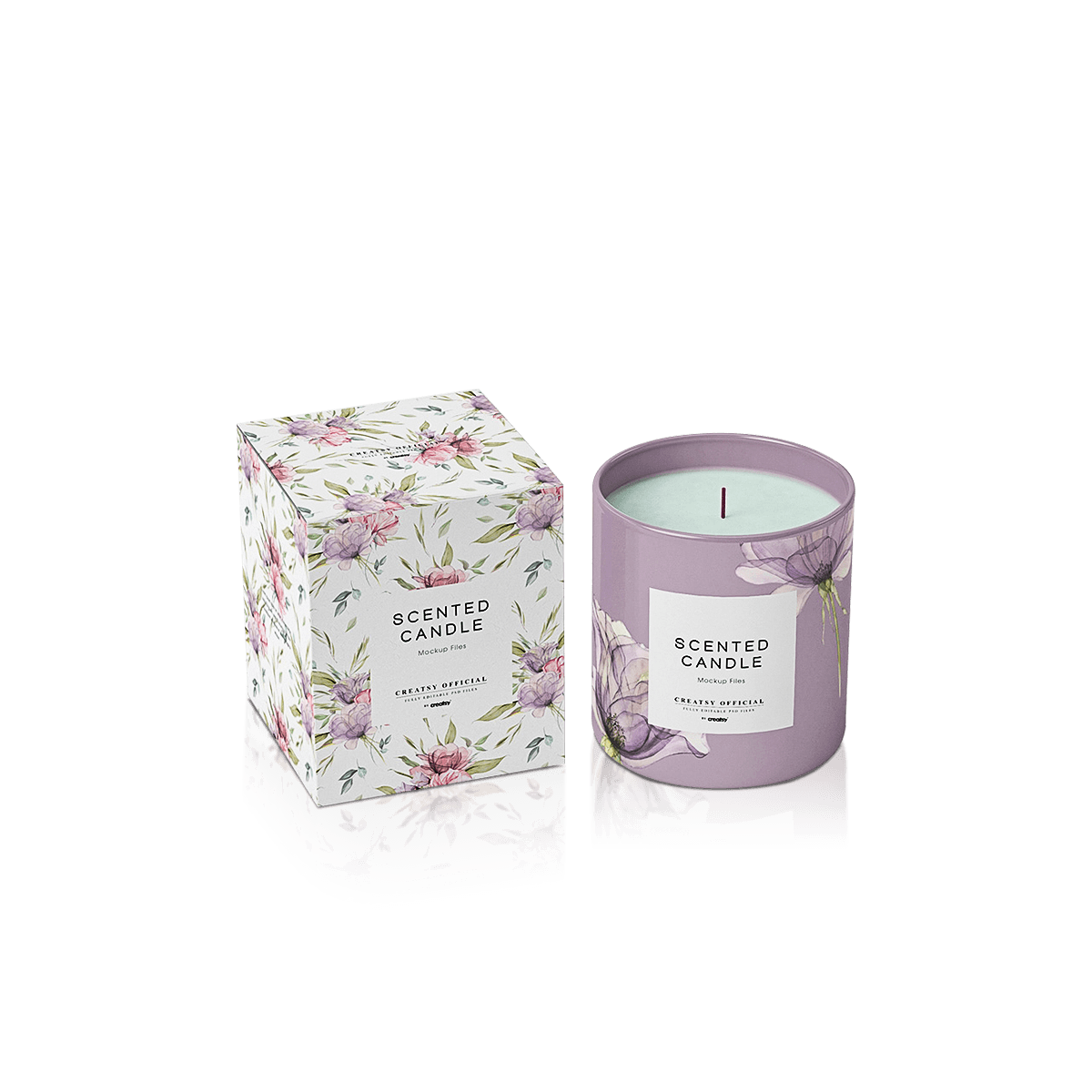
Custom Candle Packaging
Match jar candles, tins, pillars and gift sets with structures that control movement, carry clear scent details and arrive ready to sell.
Free Design Support
Clear Pricing
Flexible Quantities
Unlimited Customization
Premium Materials
Offset Precision
Free Shipping
Quick Turnaround
Custom Candle Packaging for Jars, Tins and Gift Sets
Custom Candle Packaging should follow the candle inside, not a standard box size. A glass jar carries most of its weight through the base. A metal tin needs clearance around the lid. Pillars, tapers and tealights need protection against rubbing, dents or broken edges.
The outer packaging also needs room for the scent, candle type, fill weight and approved care information. Retail shelves need quick product checks. Gift orders need a neat reveal. Online orders need stronger protection around the printed carton.
Candles can share scent colours and naming with other products in Custom Candle and Home Fragrance Packaging. The candle structure should still change with the vessel, weight and selling method.
Jar candles and lidded vessels
Glass, ceramic and concrete jars need support below the vessel. Custom Candle Packaging should leave safe space above the lid while limiting movement around the lower body.
Measure the widest point with the label and lid fitted. Include raised knobs, dust covers and seals that stay with the product.
Tins and travel candles
Tins are lighter, but a close box can scuff the lid or make filling slow. A loose box can let the tin slide.
Several scents can share one size when the finished tin, lid and label stay the same.
Pillars, tapers and tealights
Bare candles can rub against paper or an inner wrap. Pillars need steady side support. Tapers need controlled end space. Tealights often work better in a tray that keeps each cup upright.
Choose the inner wrap before setting the final outer dimensions.
Measure the Finished Candle, Not the Empty Vessel
Accurate Custom Candle Packaging begins with a cooled, labelled product in its final retail state. Empty vessel dimensions do not show the lid height, label thickness or filled weight.
Check several candles from the real production run. Handmade vessels and glass jars can vary slightly. Use the largest safe measurement rather than one ideal sample.
Include every part inside the box
Record the full length, width and height with the lid fitted. Include dust covers, seals, paper bands, care cards and inner wraps when they enter the carton.
Leave a small loading gap. Staff should not need to force the candle past a label edge or textured coating.
Use filled weight for board decisions
The full weight affects board thickness, base closure and insert strength. An empty carton may feel firm but bow once it holds a large candle.
Share the finished weight for each size. A 200 g candle and a 500 g candle should not be quoted from vessel dimensions alone.
Plan for wax contact where needed
Bare candles may transfer wax, colour or fragrance oil through rubbing. Select a suitable wrap, liner or barrier layer before the outer box is sized.
Confirm direct-contact needs with the candle maker or material adviser. The printed carton provides structure and presentation, but it may not replace a required inner layer.
Keep Heavy Candle Jars Centred
Movement is a major risk in Custom Candle Packaging. A shifting jar can strike the walls, loosen its lid or arrive off-centre.
The internal support should hold the vessel without gripping the label or decorative coating. It should also let the customer lift the candle out without pulling on the lid.
Support the base first
A paperboard cradle or base pad can spread the weight and keep the jar away from a folded seam.
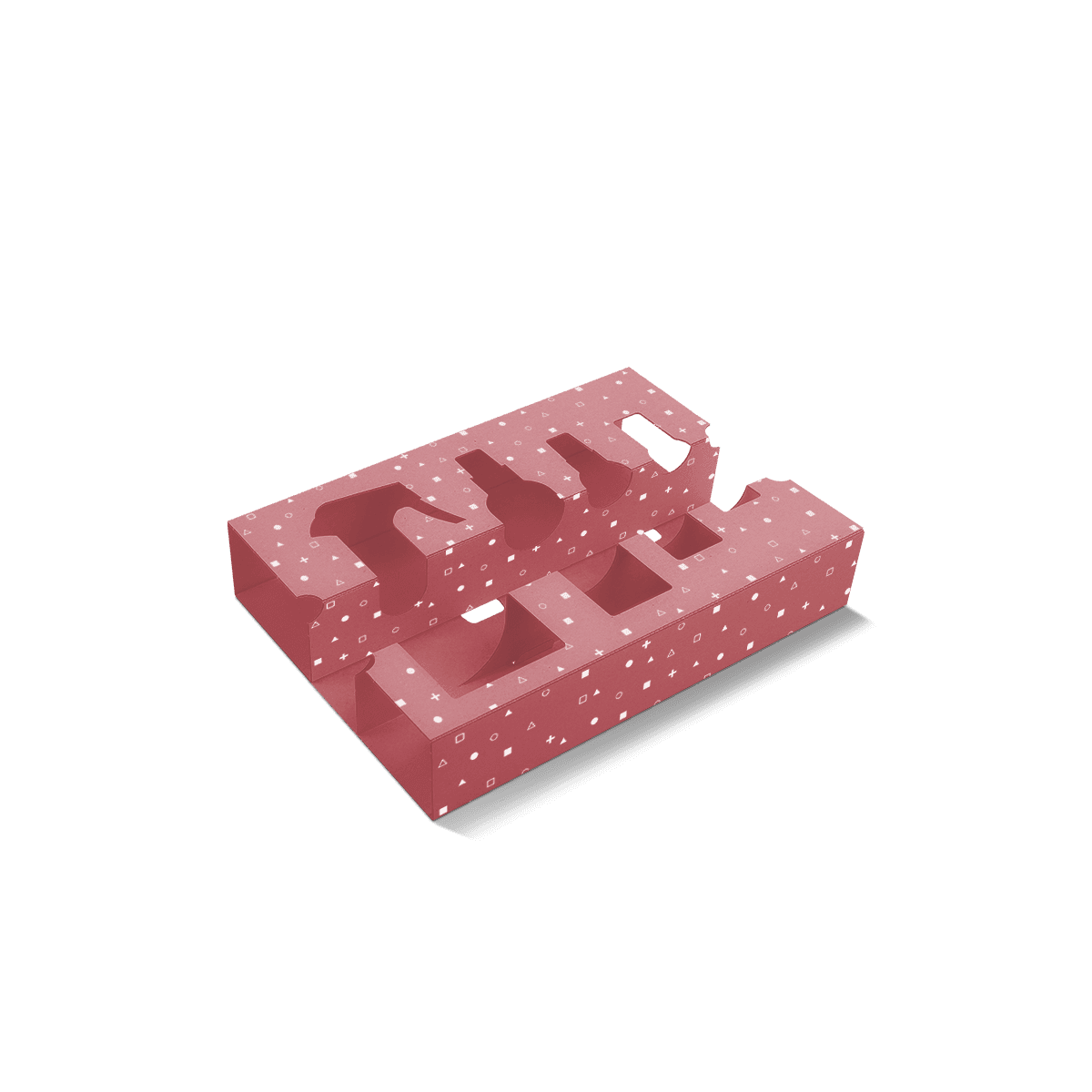
Fitted Custom Inserts and Dividers help when a jar is narrow, heavy or part of a set. The cut-out should follow the real base, including raised rims.
Limit side and top movement
A close outer fit may suit a light tin. Heavy glass often benefits from support at more than one point.
Leave clear space above the lid. A top pad can reduce vertical movement, but it should not press on a loose lid, handle or glass rim.
Test product removal
Finger notches or open insert edges can make a close fit easier to use. Test the insert with labels, seals and coatings in place.
The customer should not need to shake the box or pull the candle by its lid.
Choose Retail and Delivery Layers Separately
Custom Candle Packaging for a store shelf is not always strong enough for courier delivery. Retail cartons focus on presentation, information and product fit. Delivery packaging protects the complete order from movement and impact.
Decide where the candle will be sold before selecting the structure.
Folding cartons for individual candles
Custom Folding Cartons and Tuck Boxes suit many jars, tins and pillars. They store flat before filling and provide clear panels for artwork.
A stronger bottom can suit heavier candles. The right closure depends on filled weight, height and filling speed.
Tubes and rigid boxes for gifting
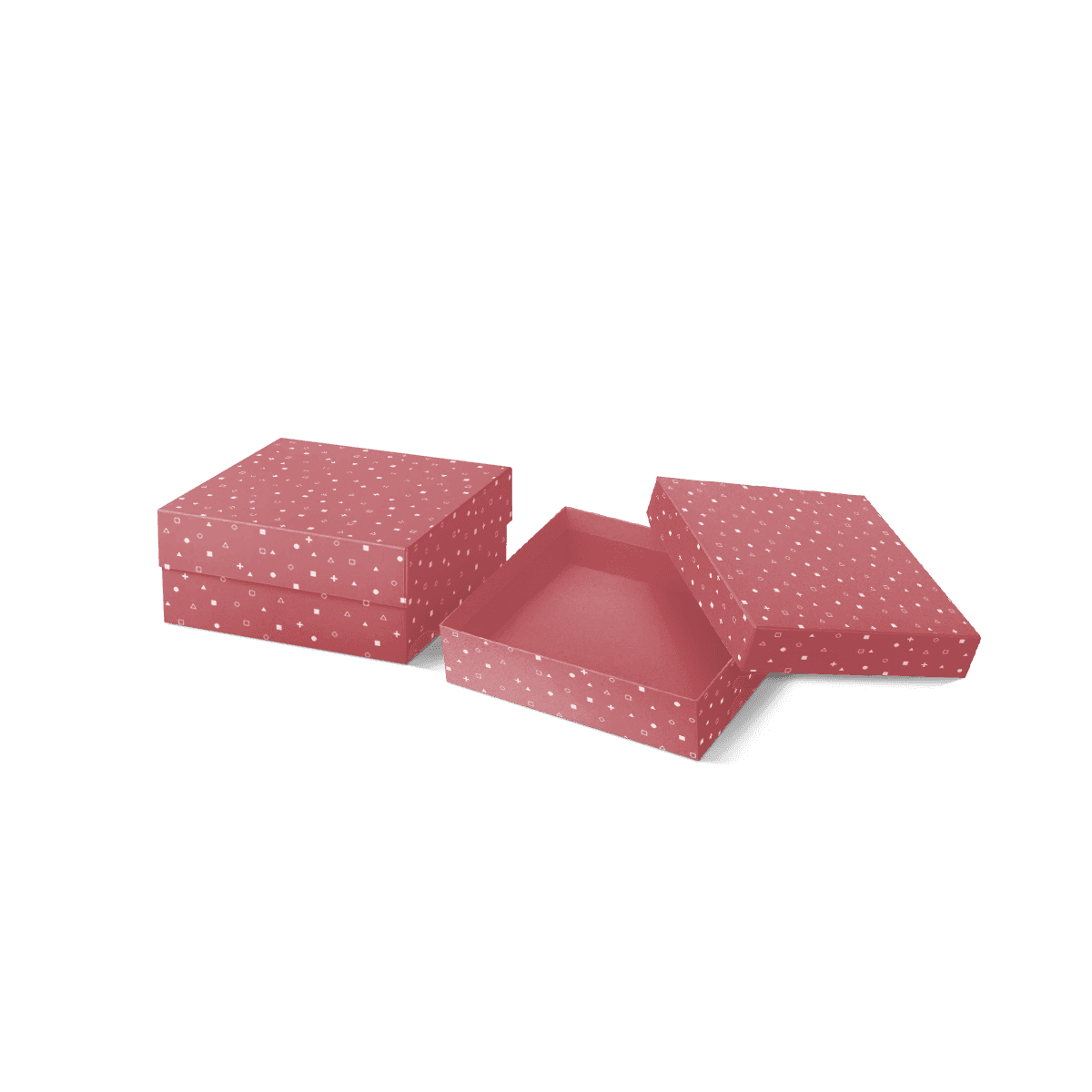
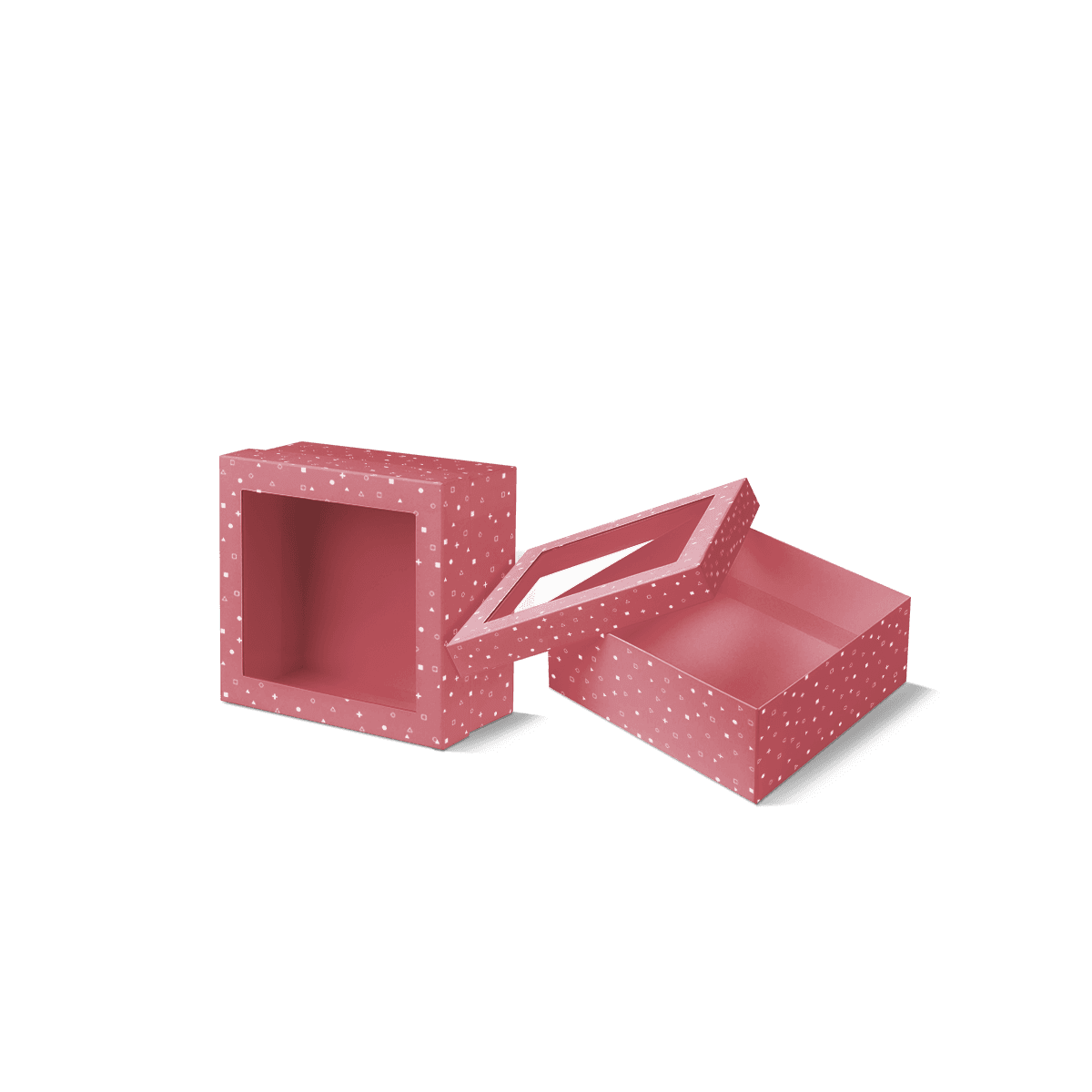
Round tubes can suit cylindrical jars and create a lift-off reveal. Rigid boxes can suit gift sets or limited releases that need a firmer frame.
Both take more storage space than flat cartons. Use them when the opening and product value justify the structure.
Corrugated mailers for online orders
The retail carton presents the candle. The shipping outer protects the order. Custom Candle Mailer Boxes can add corrugated strength, fitted space and cushioning.
Keep candle jars apart from each other and away from hard accessories. Test the full shipment with every inner box and filler in place.
Make Scent and Candle Size Easy to Find
Custom Candle Packaging often uses one structure across many scents. A controlled artwork system keeps the brand consistent while making each fragrance easy to recognise.
Fix the logo, candle type and fill weight in the same positions. Change one strong cue such as the scent colour, name or illustration.
Lead with the buying details
Customers should see the brand, scent and candle type first. Fragrance notes can follow in smaller text.
Do not let decorative artwork hide whether the product is a jar candle, pillar, tealight set or refill.
Use top and end panels
Boxes may sit close together or inside drawers. Repeat the scent name or colour cue on the visible top or end.
This also helps staff select the right carton during filling.
Reserve space before artwork becomes crowded
Plan areas for approved care text, barcode, batch details and business information from the start.
Keep small type away from folds, glue seams and heavy textures. Only print statements approved for the candle and intended market.
Select Board and Finishes Around Handling
The best material for Custom Candle Packaging depends on the vessel, filled weight and use. Paperboard can suit individual retail candles. Rigid board can suit gift presentation. Corrugated board adds delivery strength.
Material choice should solve the physical need first.
White paperboard for detailed print
White paperboard supports bright colour, fine text and product imagery. It suits candle lines with pale scent cues or botanical art.
Choose enough stiffness to hold the filled product without bowed panels. Tall cartons may need more support than short boxes of the same weight.
Kraft for a simple, warm look
Kraft works well with dark ink and restrained artwork. Pale colours may look softer on the brown surface.
The natural appearance does not remove the need for a strong base or fitted support.
Use finishes with restraint
Matte, gloss, foil, embossing and spot effects can all work on candle packaging. One or two focused details usually create a clearer result than several competing effects.
Dark matte surfaces may show marks. Fine foil lines can lose clarity near folds. Customisation can align the board, print, finish and insert with the finished candle.
Arrange Candle Gift Sets by Weight and Removal Order
Custom Candle Packaging for gift sets should protect every item and show the main candle first. A set may include several candle sizes, matches, a snuffer, a wick trimmer or a care card.
Hard accessories should never sit loose beside glass.
Keep vessels apart
Use separate cavities or firm dividers between jars. Support weight below each candle rather than relying only on thin walls between products.
Check the filled box while it is flat, upright and carried by hand.
Give accessories a fixed position
A narrow slot can hold a wick trimmer or match tube. A shallow recess can hold a card.
Keep metal tools away from glass lids unless a divider or top layer separates them.
Avoid decorative empty space
Large gaps make the products move and can make the gift feel underfilled. Use balanced spacing that reflects the real contents.
For example, a set with one large jar and two travel tins can place the jar in the centre with equal side cavities for the tins. This keeps the layout balanced without making the box wider than needed.
Control Sizes, Scents and Seasonal Artwork
Custom Candle Packaging becomes harder to manage when several jar sizes and fragrance designs are ordered together. Separate structural versions from artwork versions before production.
One vessel size may carry six scents. A larger jar may need a second dieline, even when the artwork uses the same design system.
Record each approved size
Name each box by candle size or vessel code. Keep the approved internal dimensions, board, insert and lid clearance together.
Check the fit again after any change to the jar, lid, label or wrap.
State quantities by scent
Share the full order quantity and the amount required for each artwork. Core fragrances may need more boxes than seasonal releases.
MOQ starts from 50. Custom Packly also supports thousands of units and larger candle packaging runs as demand grows.
Sample when the fit carries risk
A 3D mockup can confirm artwork placement. A physical sample may be useful for heavy jars, unusual lids, close insert tolerances or mixed gift sets.
Check filling speed, shelf stability and product removal before full production.
Prepare the Details for a Useful Quote
A clear Custom Candle Packaging quote starts with the finished candle. Product volume alone does not explain the vessel shape, lid or weight.
Provide:
- candle type, such as jar, tin, pillar, taper or tealight
- finished length, width and height
- filled candle weight
- vessel material and base shape
- lid dimensions and raised details
- label, dust cover, seal or wrap thickness
- individual box or gift-set use
- insert, divider or base-pad needs
- retail, gifting or online delivery use
- preferred board, print and finish
- total quantity and quantity per scent
- artwork status
- required delivery date
Send these details through Get a Quote. Custom Packly can then assess the structure, internal fit and print plan without relying on a generic candle size.
FAQs
Related Packaging Styles
How it works
Simple steps from idea to delivery
Tell Us Your Specs
Tell Us Your Specs
Provide size, quantity, printing, and finishes.
Get a Fast Quote

Get a Fast Quote
Instant transparent pricing, no hidden fees.
Design and Approval

Design and Approval
Artwork checks, revisions, and final sign-off.
Produce

Produce
Expert manufacturing to meet deadlines.
Ship to Your Door

Ship to Your Door
Hassle-free, flexible delivery options.
Start Your Custom Packaging Quote
Share your product details, dimensions, quantity and artwork needs. We’ll help choose the right packaging style and send a clear quote.