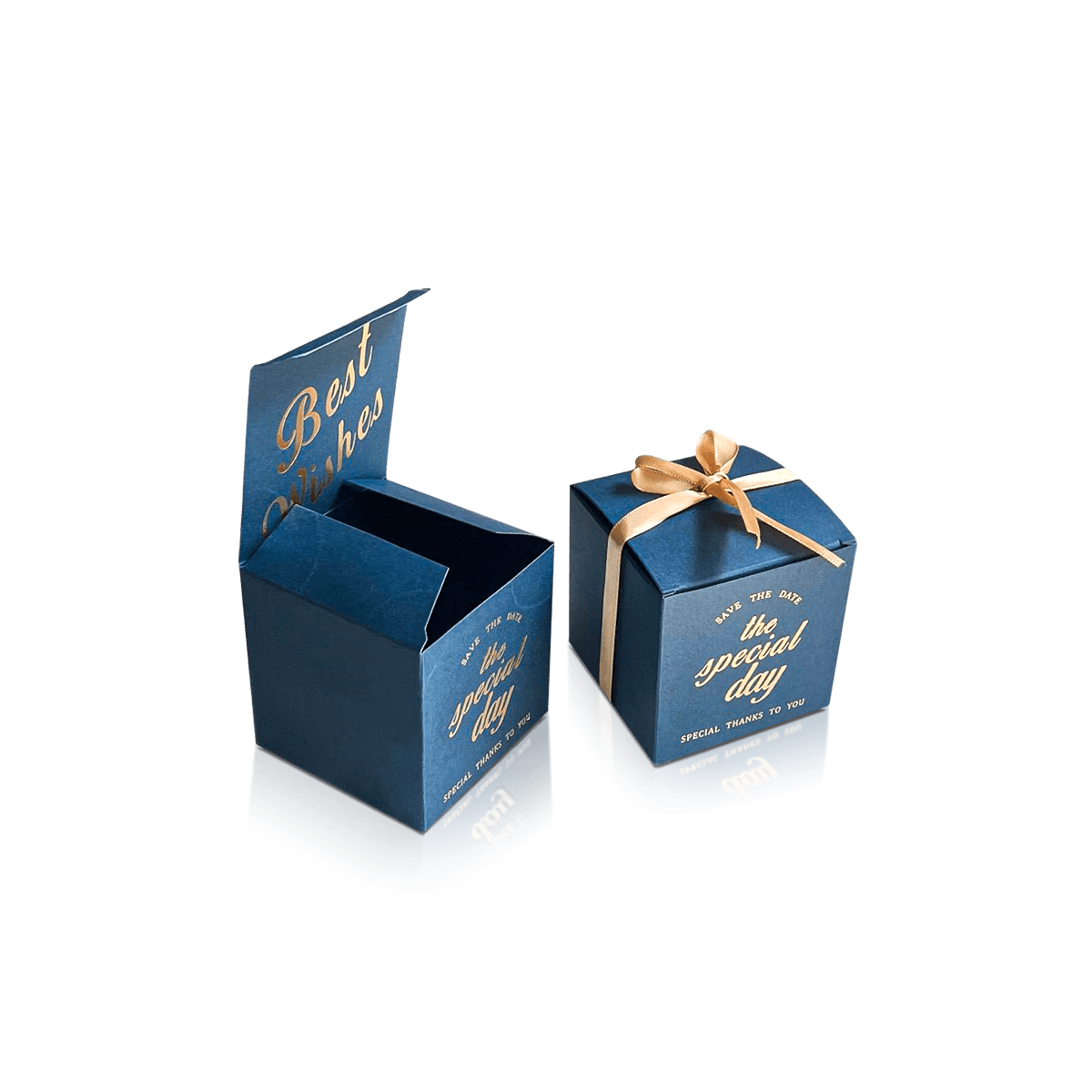
Custom Event Packaging
Coordinated boxes, bags and display pieces for registration, tables and take-home use, planned around venue setup, guest movement and one clear event identity.
Free Design Support
Clear Pricing
Flexible Quantities
Unlimited Customization
Premium Materials
Offset Precision
Free Shipping
Quick Turnaround
Custom Event Packaging that keeps every touchpoint organised
Custom Event Packaging gives an event team a consistent way to present registration items, sponsor products, table gifts, samples and take-home materials. Each piece should look connected while doing its own job well.
A registration box needs fast identification. A table favour needs a small footprint. A booth sample needs easy access. A take-home gift needs a secure closure and a practical carry method.
The packaging should also work behind the scenes. Staff must be able to store, sort and move it without damaging the print or mixing event versions.
Custom Event and Corporate Packaging covers corporate gifting, welcomes and conference use. Custom Event Packaging has a wider venue role. It can bring several physical touchpoints into one event system from arrival to departure.
Registration and arrival points
Registration packaging may hold badges, agendas, access items and small gifts. Staff should be able to identify each version without opening it.
Place guest names, ticket types or event streams on removable labels. Keep the main box or bag free from details that may change close to the event.
Tables, seats and guest rooms
A box placed on a table or seat should not crowd menus, notebooks or glassware. Hotel-room pieces must fit the available desk, bed or counter space.
Check the real placement before approving the dimensions. A box that looks balanced in isolation may feel too large once the full setting is in place.
Booths and sampling stations
Samples should remain visible and easy for staff to replenish. Printed cards, codes and product information need fixed places so they do not cover the products.
The packaging may stay open for several hours. Its lid, tray or display panel should remain stable through the event.
Match each package to the guest journey
Custom Event Packaging works best when every item appears at the right stage of the event. The guest should receive only what is useful at that moment.
Before entry
Invitations, access cards or send-ahead boxes can introduce the event before arrival. These pieces may need postal protection, clear opening instructions and dated information.
Keep entry details easy to find. Do not bury an access card beneath merchandise or decorative fill.
During the event
Agendas, tasting items, samples and sponsor gifts may be used during sessions. Their packaging should open quickly and remain easy to hold.
Guests who are standing or moving between rooms may benefit from Custom Paper Bags. Handle strength and bag size should suit the full contents, including items collected later in the day.
At the final handover
A departure gift may carry a thank-you note, product sample or event keepsake. It should stay closed while the guest travels home.
Small table gifts can use Custom Event Favour Boxes when the item needs compact placement and simple take-home use.
Keep one event identity across different pieces
Custom Event Packaging should look like one planned system even when it includes cartons, bags, sleeves and displays. The event name, host brand and main colours need a clear visual order.
Set the main visual rules first
Confirm the logo position, type style, event colours and key message before designing individual items. These rules should stay consistent across each package.
The shape and artwork can still change to suit its use. Consistency does not require every item to look identical.
Give sponsors a controlled position
Sponsor marks may appear on bags, sample boxes or cards. Set their size and position before artwork begins.
Keep the host or event identity clear. A long row of equal logos can make the main message hard to see.
Use removable print for short-life details
Dates, room names and session details may change. Put these details on a sleeve, label or card where possible.
Custom Sleeve and Band Packaging can refresh a reusable box for different event days, locations or sponsor groups without changing the main structure.
Choose structures by the work they must do
The right Custom Event Packaging structure depends on how the item will be stored, presented and carried. Appearance matters, but the working conditions should lead the choice.
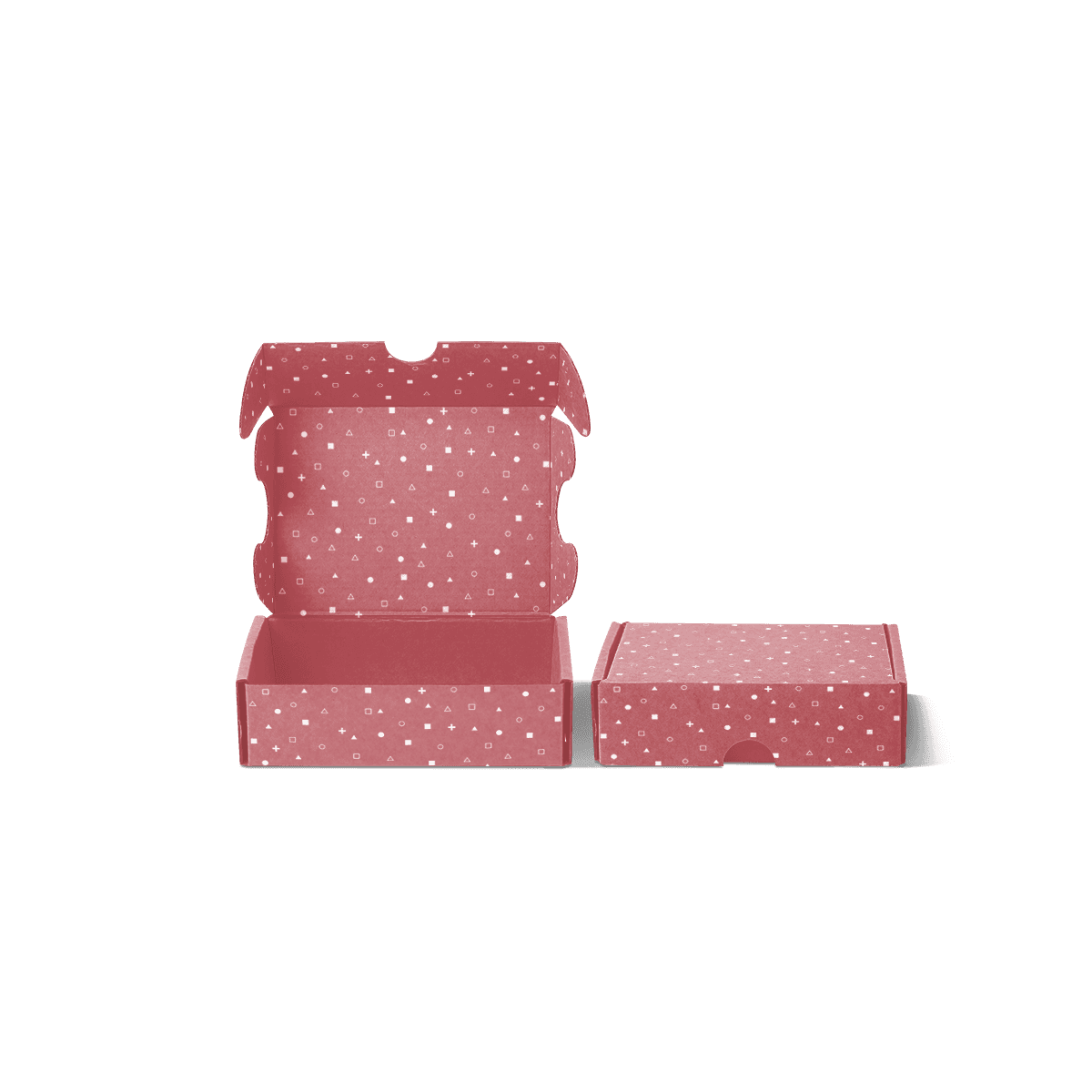
Folding cartons for compact handouts
Folding cartons suit small merchandise, confectionery, samples and printed materials. They store flat before the event and can be formed close to the required date.
Choose a base that supports the filled weight. A simple tuck may suit a light item while a faster-forming or reinforced base may suit heavier contents.
Mailer boxes for distributed event kits
Corrugated mailers suit boxes sent to speakers, guests or remote attendees. They provide stronger walls and enough room for printed instructions or inserts.
The box may travel on its own when the structure and finish allow it. Fragile goods or delicate print may still need a plain outer shipping carton.
Rigid boxes for selected guests
Rigid boxes suit awards, VIP handovers or small premium groups. Their firm walls give a more formal opening and can support detailed inserts.
They arrive formed and take more storage space. Confirm loading access and the venue holding area before using them for a large event.
Display structures for sampling areas
Custom Display Boxes can organise products at counters, booths and registration desks. A transport carton may open into a display or hold refill stock behind the visible products.
The display should remain stable when guests remove items. Test it with the real product weight and expected stock level.
Make venue setup faster and safer
Custom Event Packaging should reduce work during load-in rather than create extra steps. The final plan needs to account for master cartons, assembly and movement between venue zones.
Sort by event zone
Separate registration, stage, table, booth and guest-room stock before it reaches the venue. Mark each master carton with the location, day and intended use.
Operational labels belong on the outer cartons. Keep them away from guest-facing packaging.
Use liftable master cartons
A carton filled with many boxes, bottles or printed pieces can become too heavy for one person. Use smaller carton groups where needed.
This also makes row-by-row table placement and room delivery easier.
Reduce assembly steps
Count every fold, insert and closing step. A decorative structure may become impractical when staff must prepare hundreds in a few hours.
Form one complete unit and time the process. Check whether temporary event staff can repeat it without special tools or lengthy instructions.
Provide a reference image
A clear photo of the filled box helps staff place every item in the correct position. Add a short checklist for versions with several products or sponsor cards.
This prevents inconsistent presentation and reduces the chance of missing items.
Control sponsors, dates and late changes
Events often involve several approval teams and changing details. Custom Event Packaging should separate permanent branding from information that may move or expire.
Use one approved master design
Keep the event logo, host details and main artwork fixed. Change guest groups, session details and sponsor offers through cards or labels.
This reduces the number of fully printed outer versions and makes spare boxes more useful.
Add hidden version codes
A small code on an inner flap or master carton can identify VIP, media, speaker or delegate contents. Staff can check the correct version without opening the box.
Use plain text as well as colour. Venue lighting and fast handling can make colour-only systems unreliable.
Keep schedules off the main box
Session times and room details can change close to the event. Print them on a booklet, card or removable band.
The main box can then remain useful if the agenda changes or an attendee moves to another stream.
Approve components separately
Approve the outer packaging, insert, card and label as separate parts. Then review the complete filled item before production.
Print materials, finishes and versioned pieces can be planned through Customisation. One approval set helps keep colour and placement consistent across the event.
Protect food, products and printed materials
Custom Event Packaging may hold items that should not touch or move together. Food, fragrance, liquids and paper materials need their own protection.
Keep food in suitable inner wrapping
Food items should remain in the wrapper or container required for that product. The event box can organise and present them, but it should not replace suitable primary food packaging.
Confirm whether any printed material will touch the food before selecting board, coatings or liners.
Separate scent from food and paper
Candles, soaps and fragrance products can affect food, fabric and printed pieces. Use closed inner cartons or dividers when these goods share one event box.
Keep scented refill stock away from catering items during venue storage.
Secure liquids and glass
Bottles, jars and pumps need fitted support. Place leak-prone products upright where possible and away from agendas or cards.
Test the filled box after a carry and tilt check. Labels should remain visible and the products should stay in their planned positions.
Keep documents flat
Agendas, maps and certificates should sit in a lid pocket or firm document tray. Avoid placing them beneath heavy merchandise.
Guests should be able to remove important papers without emptying the entire box.
Plan quantities by event zone and use
Custom Event Packaging quantities should follow the final event operation rather than one combined attendee number. Different areas may need separate totals, spares and artwork versions.
Count guest-facing pieces separately
Record registration items, seat drops, table gifts and departure pieces as separate totals. One attendee may receive more than one package during the event.
This makes ordering and venue sorting more accurate.
Allow practical spares
Extra units may be needed for guest changes, damaged stock or last-minute speakers. Keep spares undated where possible.
A neutral main box with a variable card or sleeve gives the event team more flexibility.
Plan refill stock for displays
Booth and sampling packaging may need refill items throughout the day. Keep display stock and refill stock in separate master cartons.
Staff should be able to replenish the display without moving guest gifts or printed event materials.
Match production to the event scale
A 50-unit run can suit a private dinner, VIP room or single-site launch. Larger orders can support multi-day conferences, festivals and national events with thousands of pieces across several event zones.
Suitable approved work can use local production with a 4 to 6 day turnaround. Timing depends on the structures, quantity, print and number of versions. Allow additional time for filling, sorting and venue delivery.
Quote the complete event operation
An accurate Custom Event Packaging quote needs the event flow, item list and venue plan. Empty box sizes alone do not show where each package will be used or how quickly staff must prepare it.
Provide:
- Event type and firm dates
- Guest total and event zones
- Registration, table, booth and take-home needs
- Every product’s size and weight
- Food, liquid, fragrance or fragile-item concerns
- Preferred box, bag or display use
- Inserts, dividers and document pockets
- Host and sponsor artwork
- Fixed and changing print details
- Quantity for every package and version
- Filling location
- Venue access and storage details
- Split delivery points
- Artwork status
These details show where one structure can serve several event needs and where a separate box, bag or display will work better.
Custom Packly can provide design support and a free sample before full production when structure, fit or venue use needs a final check.
Send the event plan, item list and quantity breakdown through Get a Quote. The recommendation can then account for guest use, staff setup and venue handling as one coordinated event packaging plan.
FAQs
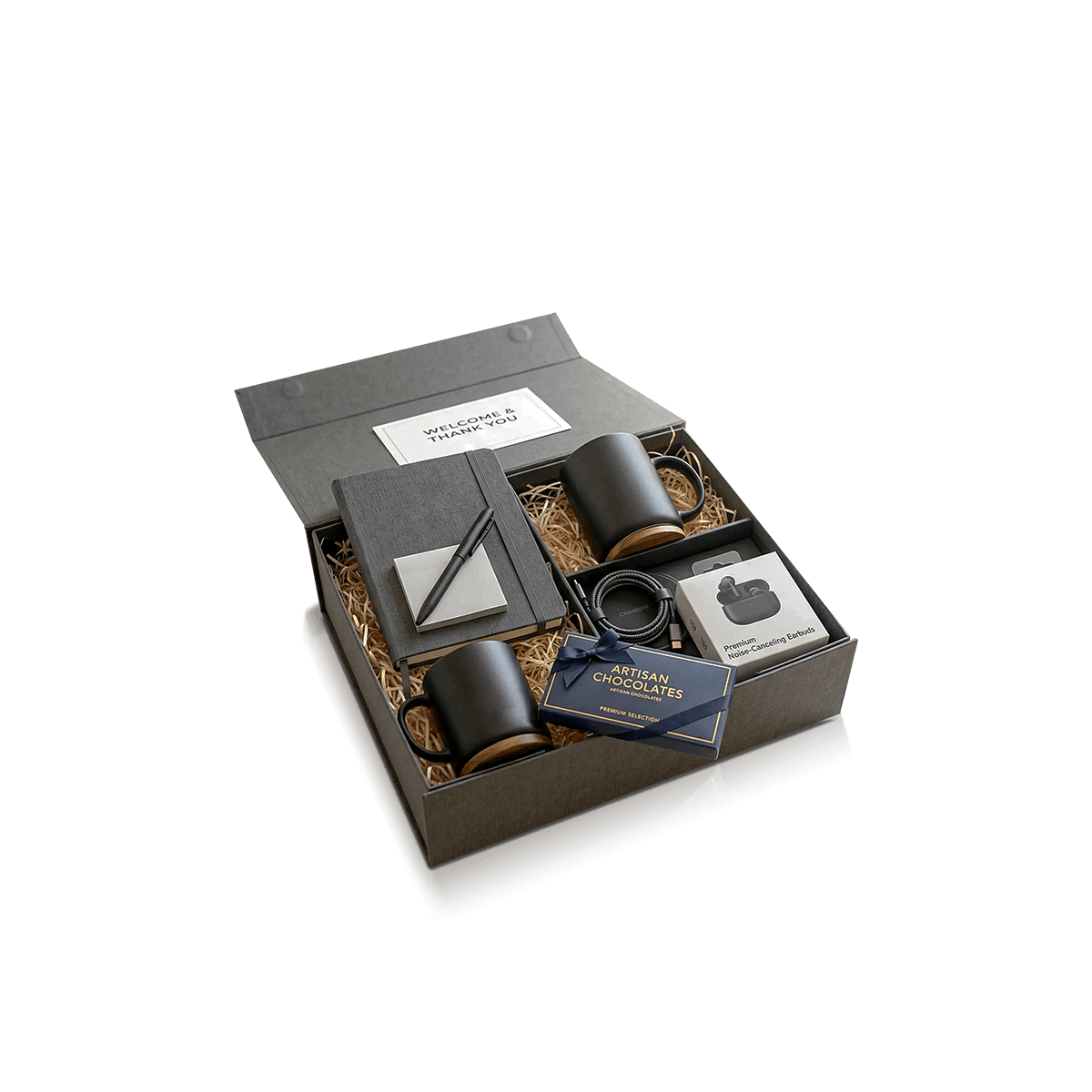
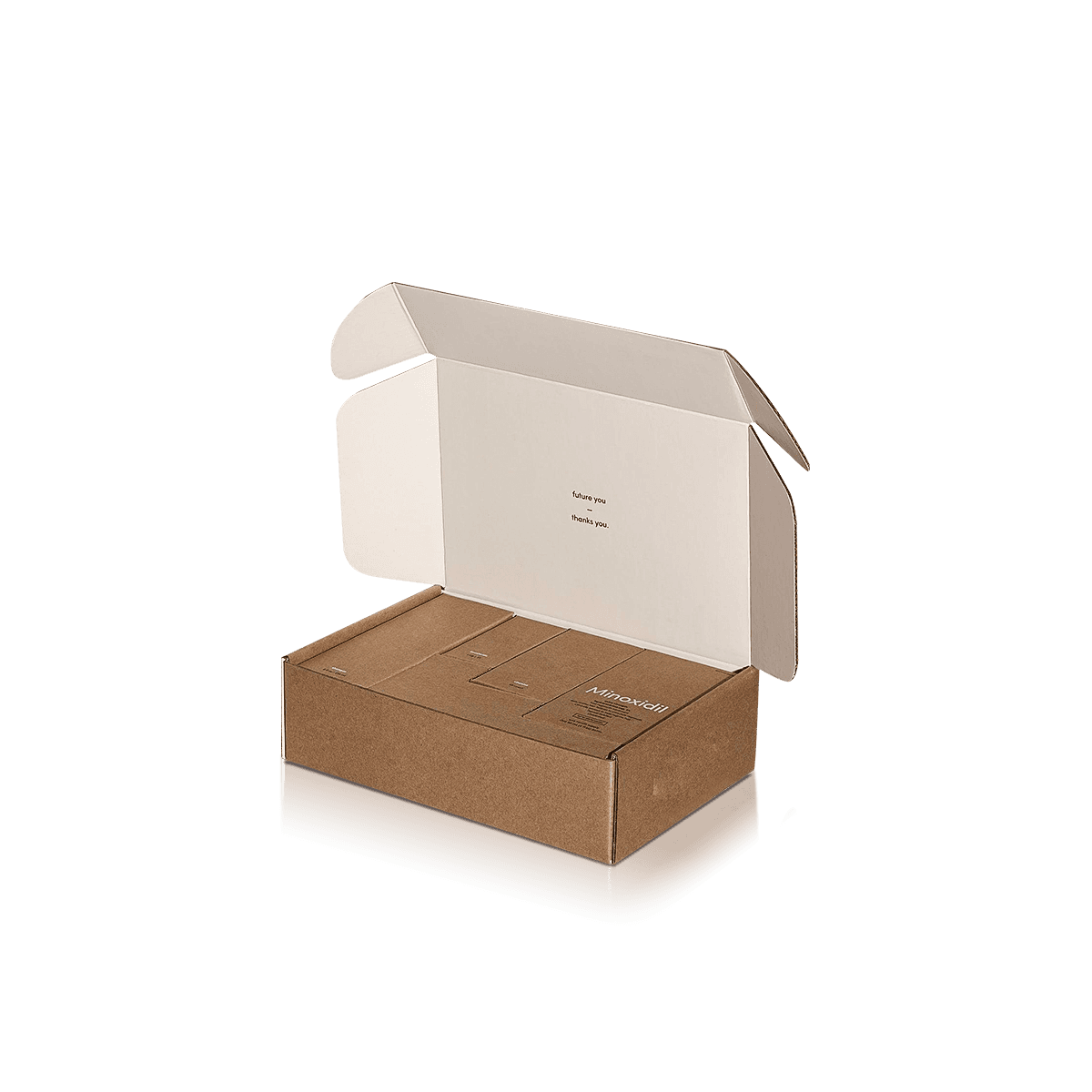
Related Packaging Styles
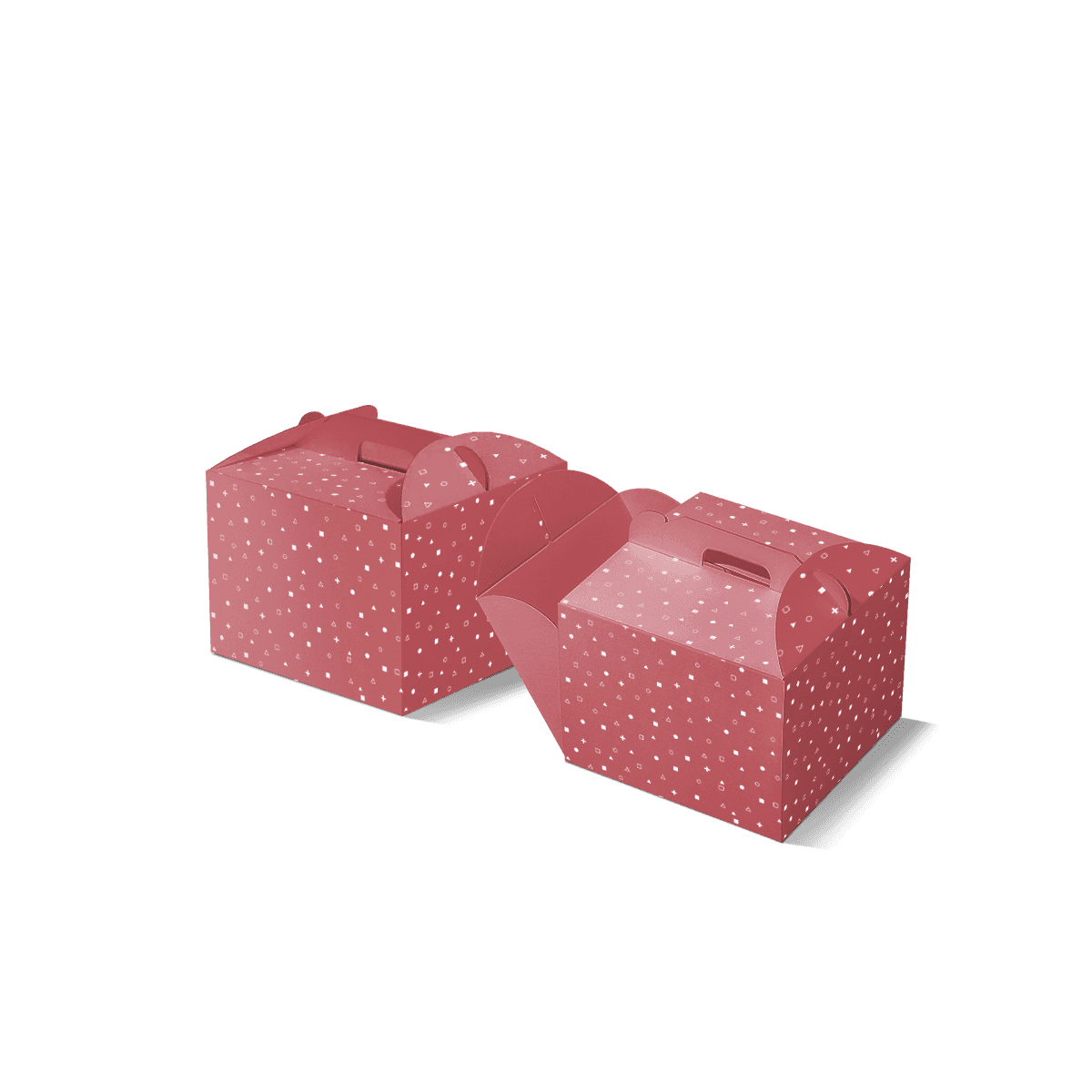

How it works
Simple steps from idea to delivery
Tell Us Your Specs
Tell Us Your Specs
Provide size, quantity, printing, and finishes.
Get a Fast Quote

Get a Fast Quote
Instant transparent pricing, no hidden fees.
Design and Approval

Design and Approval
Artwork checks, revisions, and final sign-off.
Produce

Produce
Expert manufacturing to meet deadlines.
Ship to Your Door

Ship to Your Door
Hassle-free, flexible delivery options.
Start Your Custom Packaging Quote
Share your product details, dimensions, quantity and artwork needs. We’ll help choose the right packaging style and send a clear quote.