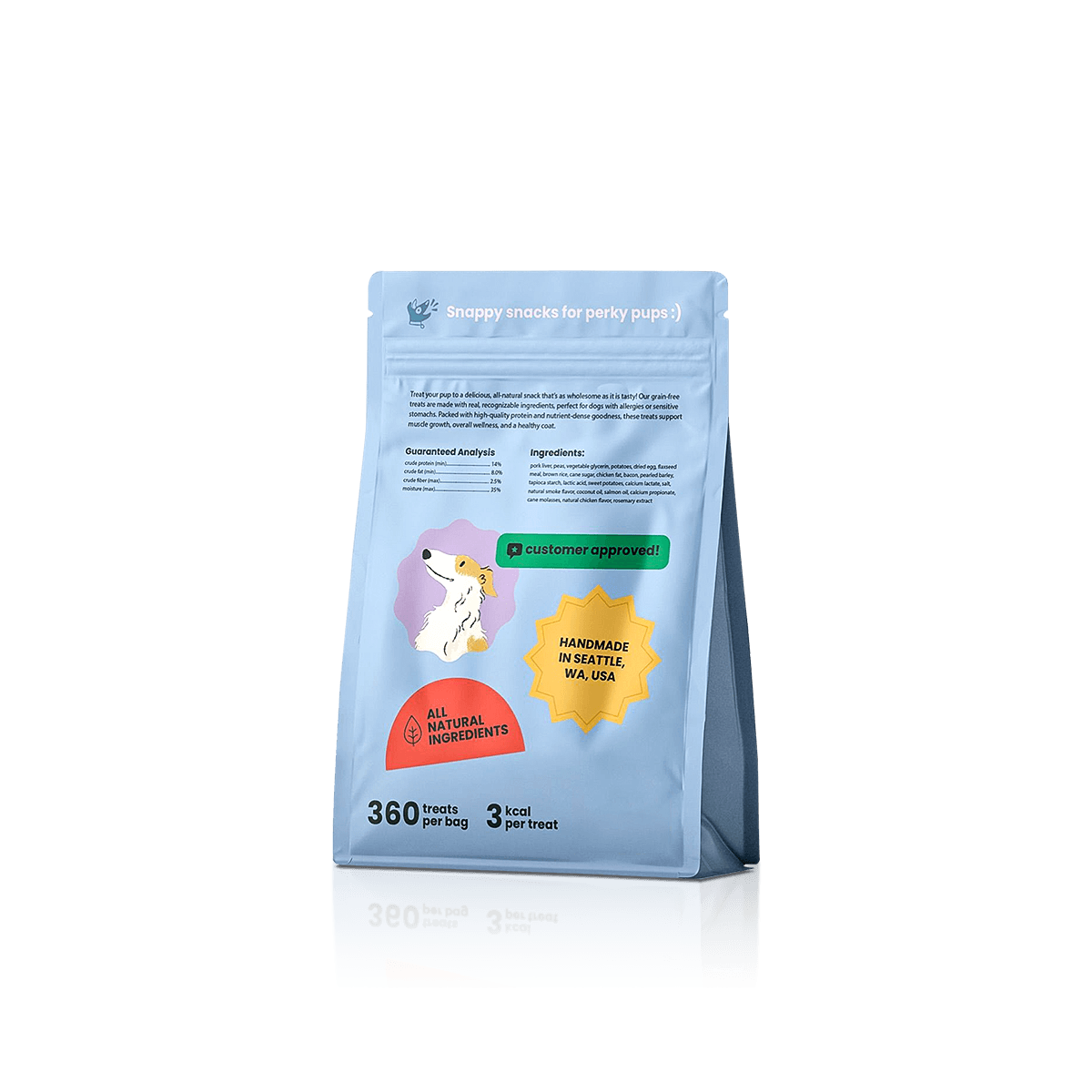
Custom Pet Treat Pouches
Resealable flexible packaging for biscuits, freeze-dried pieces, jerky and training rewards, planned around barrier needs, filling, shelf stability and daily use.
Free Design Support
Clear Pricing
Flexible Quantities
Unlimited Customization
Premium Materials
Offset Precision
Free Shipping
Quick Turnaround
Custom Pet Treat Pouches for Freshness, Resealing and Shelf Stability
Custom Pet Treat Pouches should protect aroma, texture and flavour while staying easy to open, reseal and display. Dry biscuits, freeze-dried pieces, soft rewards, jerky strips and dental bites do not place the same demands on film, seals or pouch depth.
Start with the actual treat. Its oil level, sharp edges, crumb risk, serving size and expected shelf life affect the pouch construction. A sample pouch may need a three-side seal, while a daily-use product may need a stable base and dependable zipper.
These pouches sit within Custom Pet Product Packaging, where food, grooming goods, toys and accessories can share a clear brand identity without using the same structure.
Treat texture changes the job
Crunchy biscuits can break and produce crumbs. Freeze-dried cubes can have sharp corners. Jerky strips may bridge across a narrow opening. Soft rewards may carry more oil and need stronger resistance to grease and aroma transfer.
Give the pouch supplier the real product. Two treats with the same weight can need very different widths and barrier levels.
Match the Barrier to the Recipe and Shelf Life
The barrier is one of the most important decisions for Custom Pet Treat Pouches. It should match the recipe, moisture sensitivity, oil content, aroma strength, storage conditions and intended life before opening.
High-barrier structures can help limit exposure to oxygen, moisture and outside odours. The inner sealing layer must also suit the product and heat-sealing process. Do not select a film only because it looks premium. Australian pet food packaging suppliers commonly offer resealable, high-barrier structures for dry food and treats.
Dry and freeze-dried treats
Dry biscuits and freeze-dried treats often need protection from moisture. The pouch must also resist puncture from hard corners. A structure that works for soft pieces may not suit a sharp bone-shaped biscuit.
Test seals after filling because crumbs or dust can interfere with the seal area.
Oily treats and strong aromas
Jerky, fish treats and rich training rewards can need stronger grease and aroma control. Check whether oils may migrate to the surface or affect print appearance over time.
A dark matte surface may show grease marks clearly, so material performance should lead the decision.
Choose a Pouch Shape From Filling and Daily Use
The right shape comes from how the treats are filled, displayed and used at home. Stand-up pouches suit many everyday rewards. Flat pouches work well for trial portions or single-use products. Flat-bottom pouches can provide a broader base and a more structured shelf face. These are among the main pet food pouch types offered by Australian suppliers.
Stand-up pouches for everyday rewards
A bottom gusset lets the pouch expand as it fills and helps it stand on the shelf. This works well for training bites, biscuits and small jerky pieces.
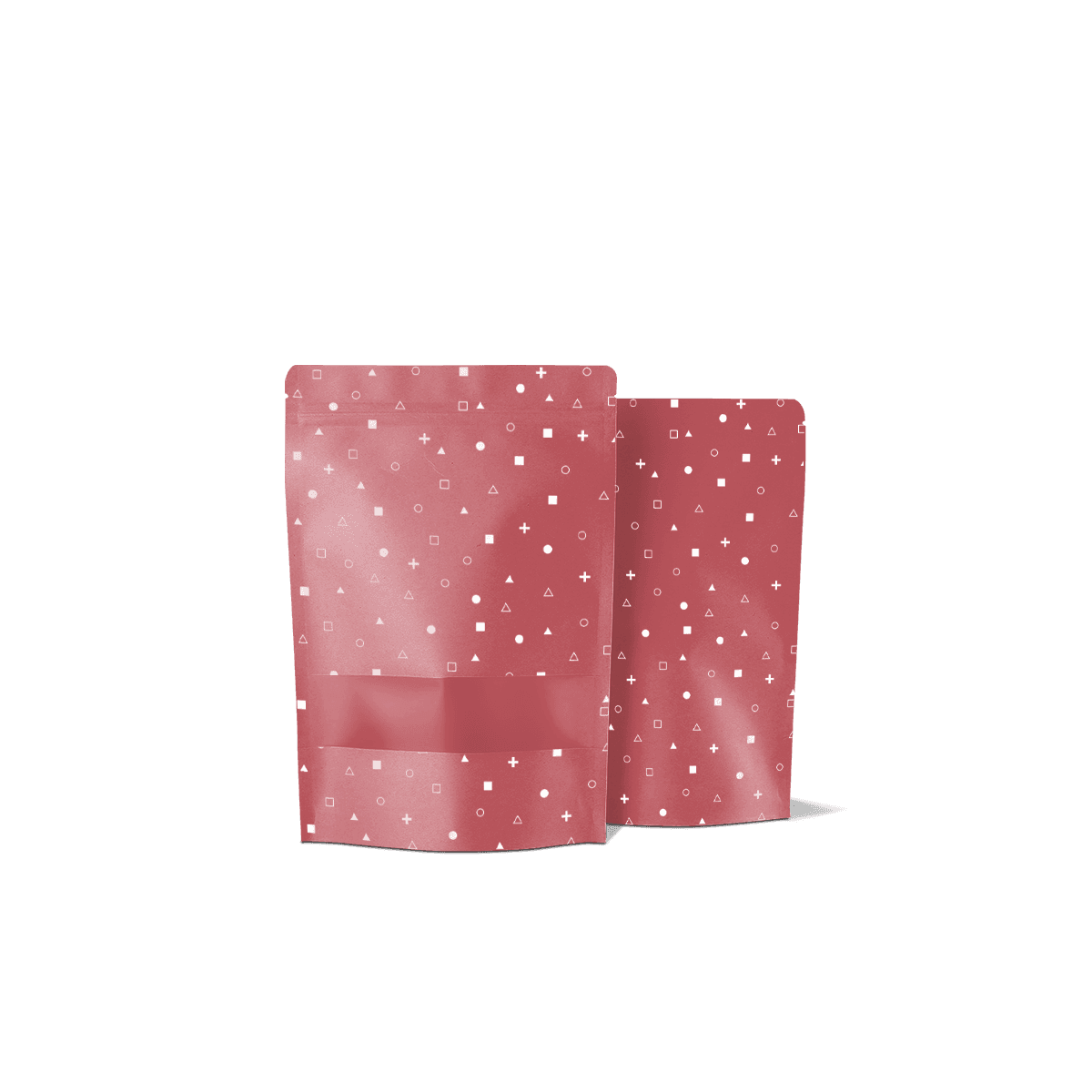
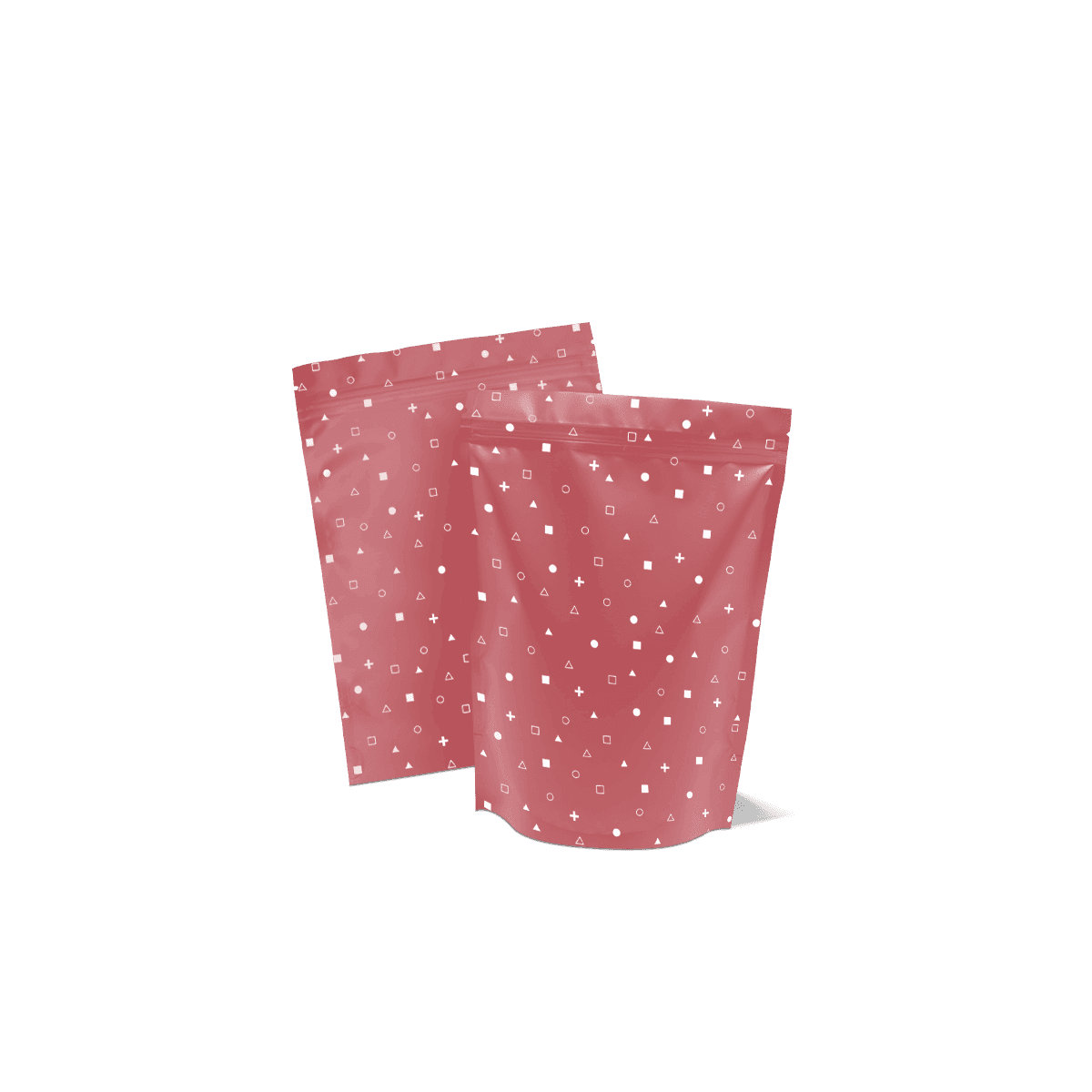
Custom Stand Up Pouches can include a zipper, tear notch and clear or printed panels. The finished width and gusset depth should reflect the actual product volume rather than a guessed weight conversion.
Flat pouches for samples and single serves
Flat or three-side-seal pouches can suit samples, single chews and trial flavours. O F Packaging also positions flat pouches for smaller pet food quantities, samples and treats.
Custom Flat Pouches should still allow enough seal width around the product. Long chews or sharp pieces may need extra clearance.
Flat-bottom pouches for larger portions
A flat-bottom shape can create a tidy shelf block and more space across the front, back and side panels. It can suit heavier fills or brands that want a box-like appearance without an outer carton.
The base must open fully during filling. A partly opened base can make the pouch lean or reduce usable volume.
Set the Zipper and Opening Around Real Hands
Resealable pet treat pouches are opened many times, so the zipper should close with a clear feel and sit low enough to leave a useful opening. It should not cut into the main artwork or make large treats hard to reach. Resealability is a common feature across Australian pet treat packaging because it supports repeated use and home storage.
Tear notch position
Place the tear notch above the zipper and below the top seal. Leave enough material for a clean first opening. A notch that sits too close to a corner can start an uneven tear.
For wider pouches, consider how the tear travels across the top. Test the opening with the final film and seal width.
Zipper height and treat access
Small training bites can pass through a narrow opening. Large biscuits and dental chews need more room. If the zipper sits too high or the pouch is too narrow, customers may struggle to reach the last pieces.
Leave enough headspace for heat sealing without trapping treats in the top area. This also gives staff a cleaner filling target.
Protect Treats Through Filling, Storage and Delivery
Pet treat pouches must survive more than shelf display. They move through filling, sealing, cartons, storage and courier handling. The design should reduce broken treats, punctures and seal contamination.
Control the drop into the pouch
Fragile biscuits can break when dropped from too much height during filling. Long strips can bridge at the opening. Fine crumbs may collect in the seal zone.
Consider pouch width and filling method together. A wider mouth may improve loading even when the product volume is modest.
Use shipping cartons that limit movement
Use an outer carton that limits sliding and supports the filled pouches without crushing the zipper or top seal.
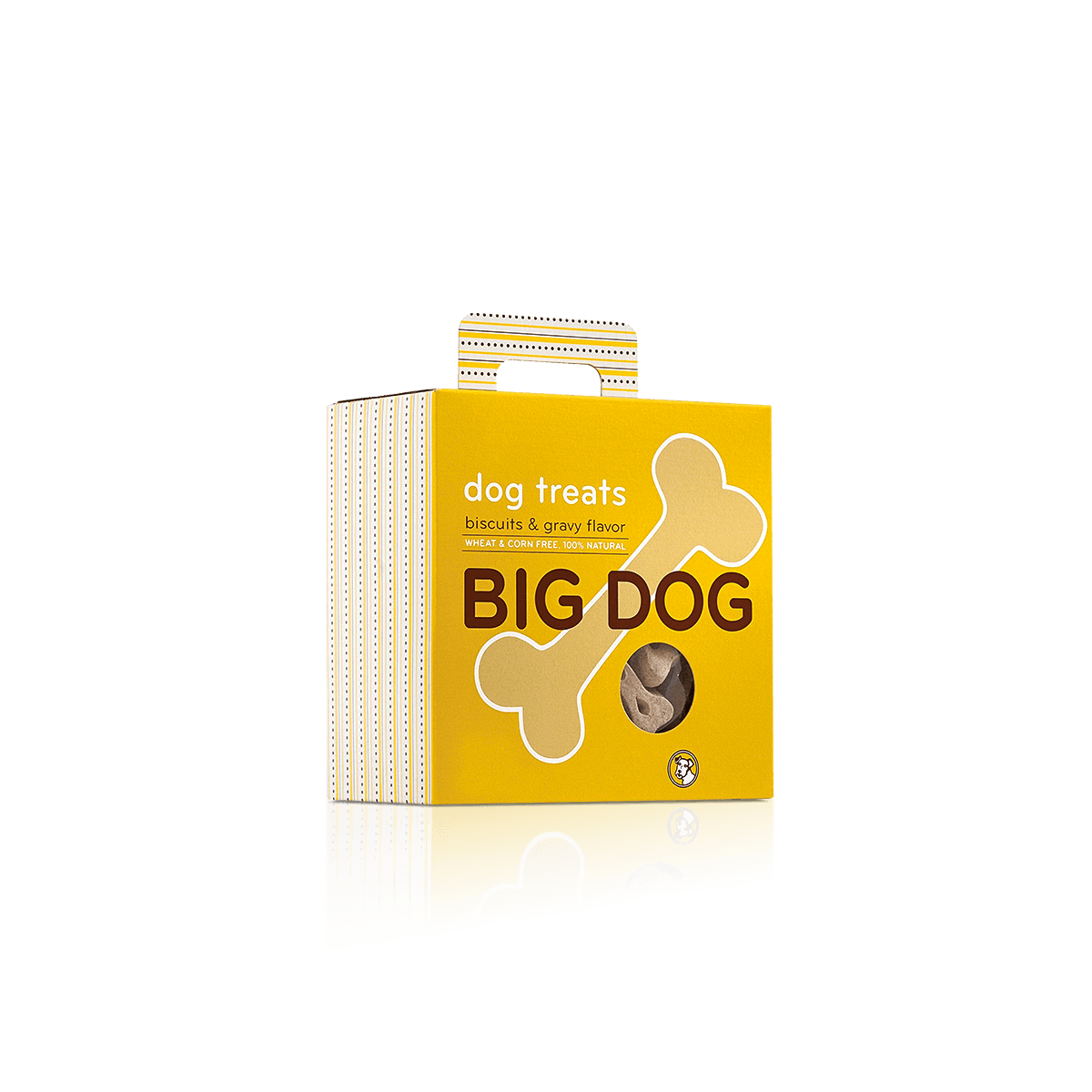
Custom Dog Treat Boxes can group fragile or giftable treats, while flexible pouches handle direct product contact and repeated use.
Test puncture risk from the treat itself
Fill samples to the intended weight, then test them with the actual treat. Empty-pouch strength alone does not show puncture risk.
Use Windows Only When They Improve the Choice
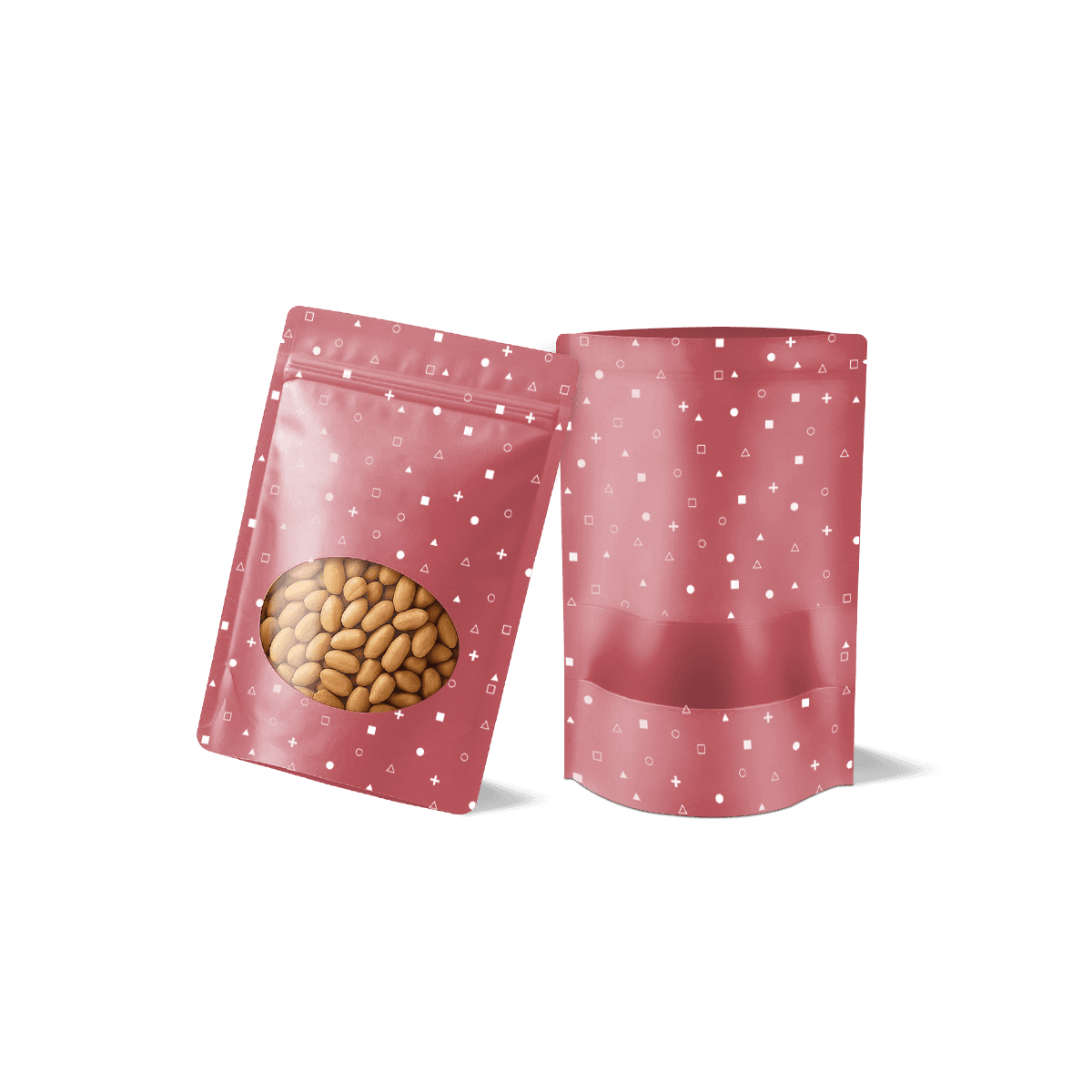
A window can show biscuit shape, treat size or texture. It also changes the material structure and may affect light protection, barrier choice and artwork space. Clear windows are widely available on stand-up pet food pouches, but they must still suit the product and intended barrier.
Place the view where treats settle
Treats fall towards the base. A high window may show empty space after opening. A lower or centred window can give a more honest view of the contents.
Check how crumbs collect. Fine crumbs against a clear panel can make the pouch look untidy even when the product is sound.
Keep important print away from the window
Do not place flavour, net weight or feeding purpose across a clear area unless contrast remains strong. Keep key information on a stable printed panel.
The window also needs clear edges and enough distance from seals, zipper tracks and normal print tolerances.
Make Animal, Flavour and Treat Purpose Clear
Pet treat packaging needs fast recognition. The front should show whether the treats suit dogs, cats or more than one pet. It should also state the flavour, texture and use, such as training, dental care or an occasional reward.
Keep one information order
Use the same position for the brand, product name, animal type, flavour and net weight. This helps customers scan several recipes without confusion.
Customisation can coordinate colour, print areas, windows and surface finishes across several pouch sizes.
Separate flavour from function
Chicken, beef and fish may describe flavour. Training, dental and calming describe use. Keep these cues separate so the product does not rely on one colour band to explain everything.
Use only approved claims supplied for the product. Artwork should present them clearly without overstating them.
Plan Artwork Around Seals, Folds and Gussets
Artwork must account for zipper zones, top seals, side seals and the way the gusset opens. A logo can look centred on a flat proof but shift once the pouch is filled.
Review the filled shape
Use a mock-up that shows the expected fill. Check whether the front bows, the base opens and the side artwork remains readable.
Keep small text and barcodes on flatter areas where they remain readable.
Protect coding space
Leave a clean zone for date and batch coding. Avoid heavy texture, foil or busy print in that area unless the coding method has been tested.
Keep the barcode away from strong curves and gusset folds. Scan a filled sample rather than a flat film proof.
Choose finishes for handling
Matte or gloss surfaces can change how marks and reflections appear. The design should remain easy to read under retail lighting and in online product images.
Set Sizes From Product Volume, Not Weight Alone
The same 200 grams can occupy very different amounts of space. Dense training bites may need less volume than large freeze-dried pieces. Long chews may need length more than width.
Run a fill test
Place the real product into a sample pouch. Check the fill height, headspace, zipper access and base stability. The pouch should not look underfilled or strained.
A fill test also shows whether the front remains flat enough for the main artwork.
Create a practical size ladder
Trial, everyday and refill pouches should feel related, but each needs its own fill check. A small pouch can still need a wide mouth when the treats are large.
Organise recipes and artwork versions
State the quantity for each flavour, size and design. One total figure is not enough when print files change.
Include the pet type, recipe, size and revision in each filename.
Scale From One Proven Pouch Specification
MOQ starts from 50 for a first recipe, sample quantity or launch test. Custom Packly also supports larger quantities, thousands of pouches and ongoing production as demand grows.
Start with the product that has the highest oil level, sharpest edges or most difficult fill. Once the film, zipper and dimensions work, related recipes can use the approved specification where product behaviour stays similar.
A physical sample is valuable for barrier, seal, zipper, window and fill checks. A 3D mock-up can review artwork placement, but it cannot replace testing with the real treats.
Local production can support a 4 to 6 day turnaround after the material, dimensions, artwork and order details are approved, subject to the confirmed job.
Quote Custom Pet Treat Pouches From the Filling Plan
An accurate quote for Custom Pet Treat Pouches needs the product details, pouch construction and quantity for each design. Include:
- Treat type and animal
- Recipe, oil level and texture
- Expected shelf life and storage conditions
- Direct food-contact requirements
- Filled weight and estimated product volume
- Treat dimensions and sharp-edge risk
- Stand-up, flat or flat-bottom preference
- Zipper, tear notch, window or hang-hole needs
- Quantity for each size and artwork version
- Print coverage and finish preferences
- Filling and heat-sealing method
- Artwork status, required date and delivery location
Custom Food Packaging can support food-contact product lines beyond pet treats. Send the complete filling brief through Get a Quote so the pouch can be assessed around freshness, access and shelf use.
FAQs
Related Industries
Related Packaging Styles
How it works
Simple steps from idea to delivery
Tell Us Your Specs
Tell Us Your Specs
Provide size, quantity, printing, and finishes.
Get a Fast Quote

Get a Fast Quote
Instant transparent pricing, no hidden fees.
Design and Approval

Design and Approval
Artwork checks, revisions, and final sign-off.
Produce

Produce
Expert manufacturing to meet deadlines.
Ship to Your Door

Ship to Your Door
Hassle-free, flexible delivery options.
Start Your Custom Packaging Quote
Share your product details, dimensions, quantity and artwork needs. We’ll help choose the right packaging style and send a clear quote.