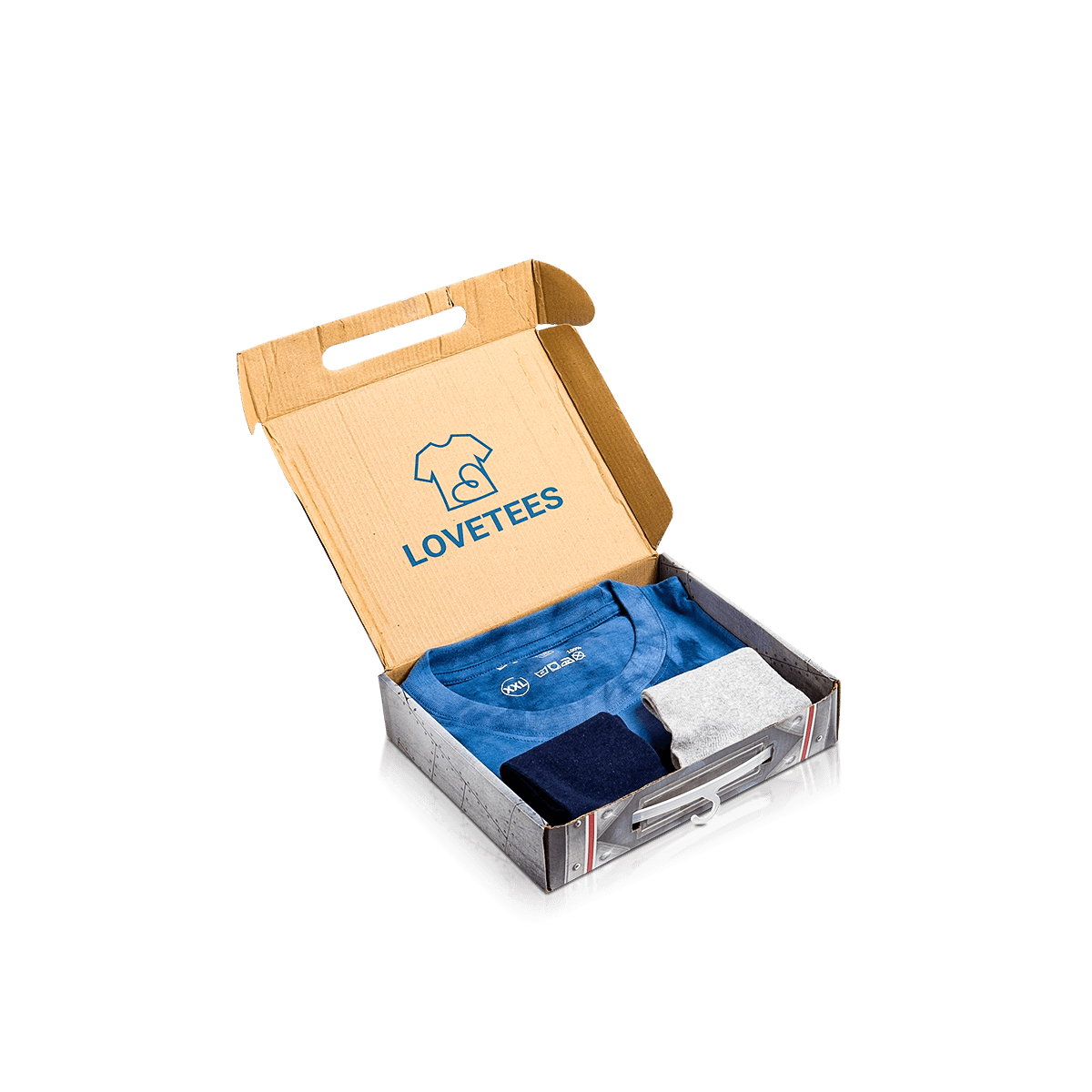
Custom Fashion Packaging
Coordinate garment boxes, mailers, sleeves and shopping bags with one clear visual system for boutiques, online orders, launch drops and premium gifting.
Free Design Support
Clear Pricing
Flexible Quantities
Unlimited Customization
Premium Materials
Offset Precision
Free Shipping
Quick Turnaround
Custom Fashion Packaging Across Retail, Delivery and Gifting
Custom Fashion Packaging brings every customer-facing packaging piece into one clear visual system. It can cover garment boxes, ecommerce mailers, printed sleeves, tissue, shopping bags and gift presentation without forcing every product into the same structure.
The aim is consistency with purpose. A folded T-shirt needs a different level of support from footwear, a silk scarf or a premium outfit set. Custom Fashion Packaging keeps the logo, colours and brand tone recognisable while changing the board, depth and opening style to suit each item.
This wider Custom Fashion Packaging approach sits within Custom Retail and Apparel Packaging. It is especially useful for fashion labels that sell through boutiques, online orders, events and short launch drops.
One identity across several pieces
Customers should recognise the brand before they read the name. Use a stable logo position, type style and core colour across the main pieces.
In Custom Fashion Packaging, the box, mailer and bag do not need identical artwork. It works best when each piece shares a few clear details, then uses its own layout for the way it is handled.
When clothing sits beside accessories, fragrance or gift items, Custom Retail Packaging can carry the same visual rules across the wider store offer.
Match presentation to product value
A daily basic may only need a neat sleeve or close mailer. A higher-priced coat, dress or accessory set may justify a rigid box, tissue and printed card.
Set the presentation level from the product value and buying moment. This keeps cost and material focused on details the customer can notice.
Keep seasonal artwork easy to change
Avoid printing short dates, colour names or campaign messages on every permanent box. A sleeve, label, card or tissue design can carry those changing details.
This lets the main Custom Fashion Packaging remain useful after a limited release has ended.
Give Custom Fashion Packaging the Right Structure
The right Custom Fashion Packaging starts with the item’s folded size, weight, surface and selling method. A strong brand look cannot correct a box that is too deep or a sleeve that crushes the garment.
Folded clothing needs controlled space
Shirts, knitwear, activewear and dresses need enough room to keep the planned fold without pressure. Thin garments can share a shallow box when their folded face is similar.
Heavy knitwear, jackets and layered sets need more depth. Test the largest and thickest item before approving one box for several clothing sizes.
Shoes and firm accessories need stronger edges
Footwear, belts and structured accessories can place more force on the side walls. The box should hold its shape when lifted, stacked and opened more than once.
A fitted card support or light divider may help with mixed gift sets. Use inserts only where they stop movement or improve the first view.
Premium pieces deserve a slower reveal
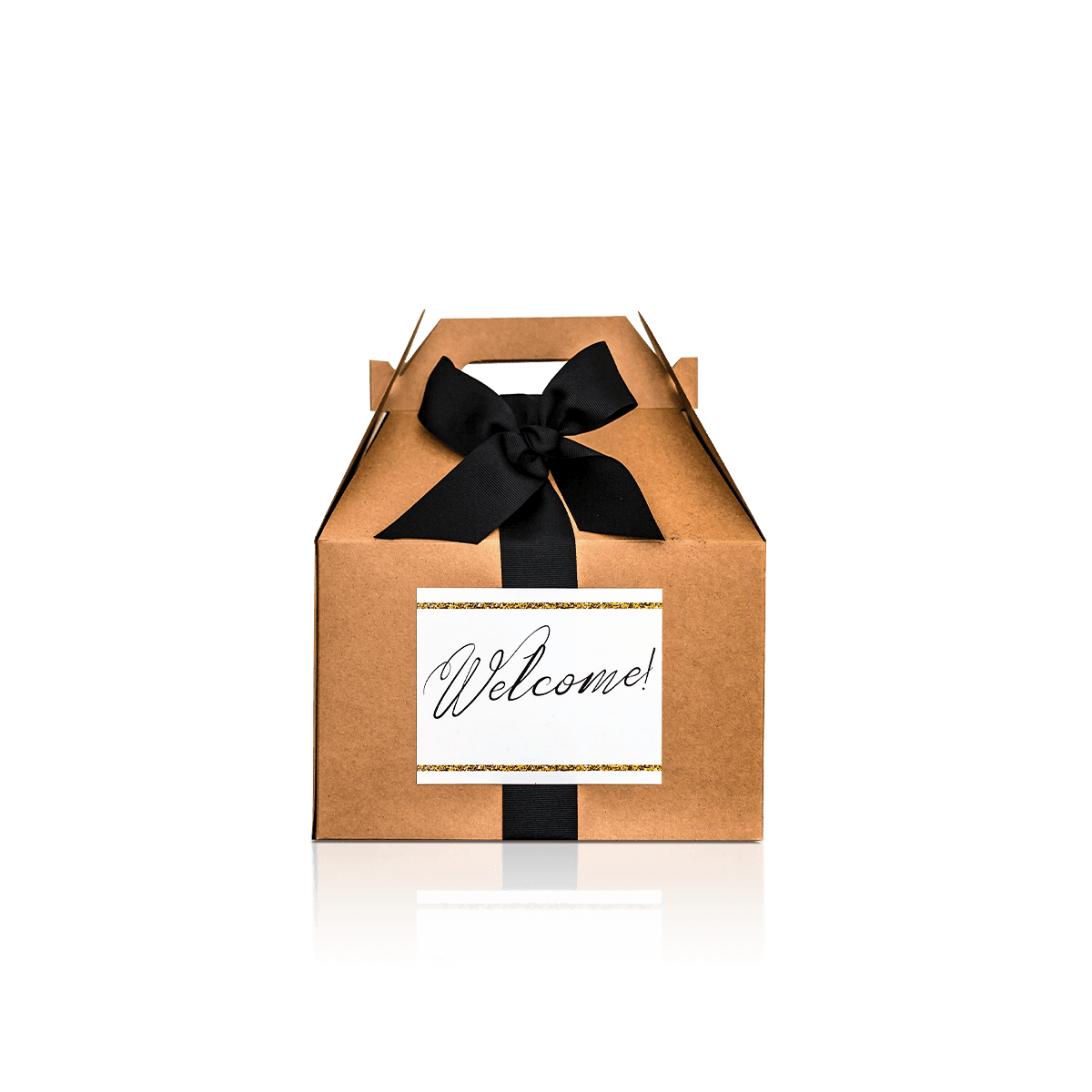
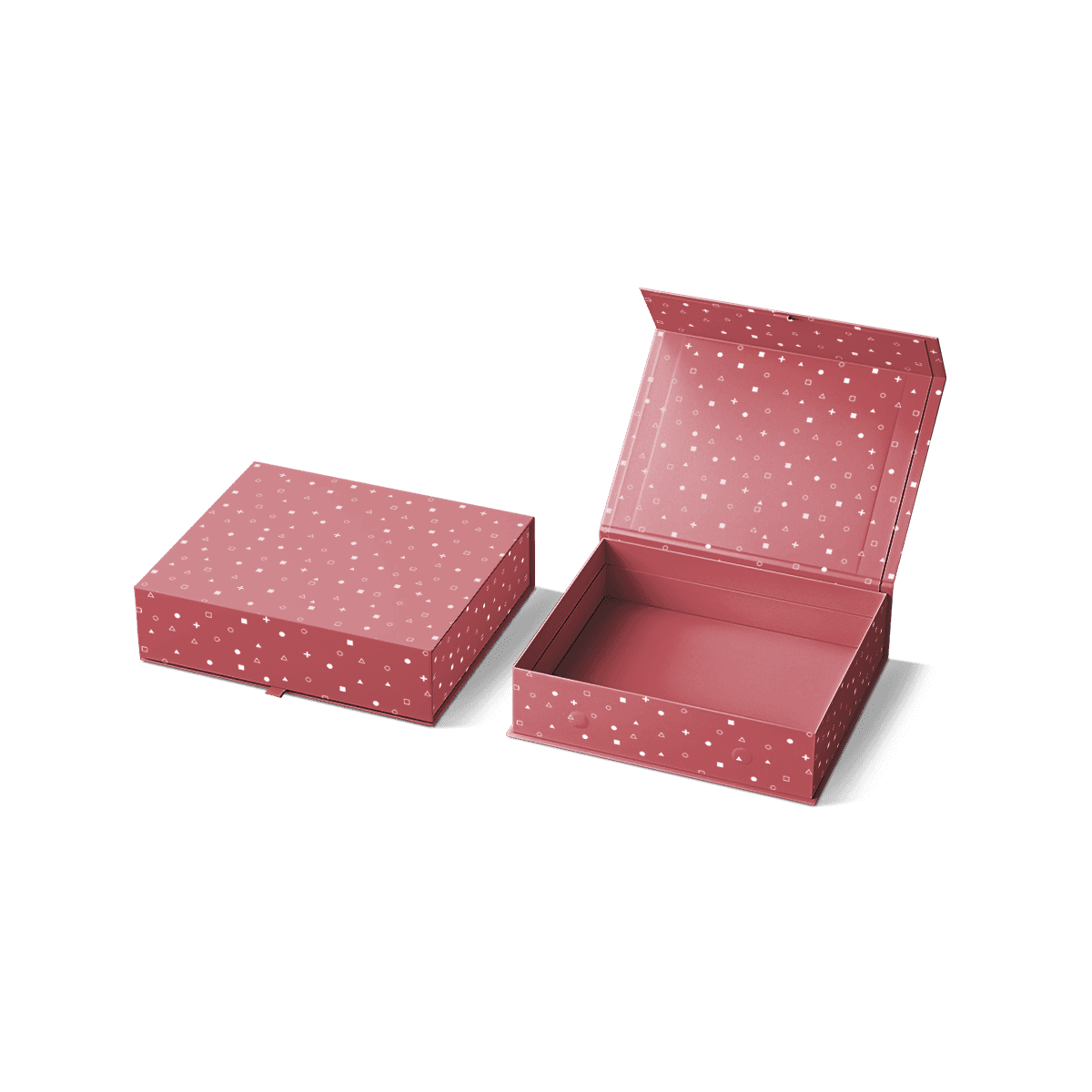
Custom Rigid Boxes suit designer garments, limited collaborations, formalwear and high-value gifts. Their firm walls and controlled opening can make the packaging feel worth keeping.
Rigid board should support the product position. It should not be added to an everyday item only to make the order feel heavier.
Keep One Visual Identity Without Making Everything Identical
Custom Fashion Packaging should look related across a clothing collection, but each piece still needs the right print area and handling details. Consistency comes from a planned hierarchy, not from copying one layout onto every box and bag.
Lock the core brand elements
Choose the logo treatment, main typeface, colour references and preferred image style before creating several dielines. These elements form the base for Custom Fashion Packaging across garment groups.
A simple brand sheet can also record foil colour, coating choice and minimum clear space around the logo. This helps later orders stay close to the first approved run.
Use product cues for fast identification
Add a clear size panel, colour block, product name or barcode zone where store and warehouse teams can see it. End-panel labels work well when boxes sit in stacks.
Keep changing details separate from the main artwork where possible. One printed box can then serve several colours or sizes without causing picking errors.
Give hero products more detail
A signature item may use foil, embossing or a special sleeve while core pieces use simpler print. Both can still belong to the same Custom Fashion Packaging system.
This creates a visible product hierarchy without changing the whole brand look.
Prepare Fashion Packaging for Boutiques, Ecommerce and PR
Custom Fashion Packaging must suit the point where the customer receives it. Each handover needs a different balance of protection, speed and presentation.
Boutique purchases need easy carrying. Online orders need transit strength. PR mailouts need an arranged first view that photographs well.
Boutique purchases need a clean handover
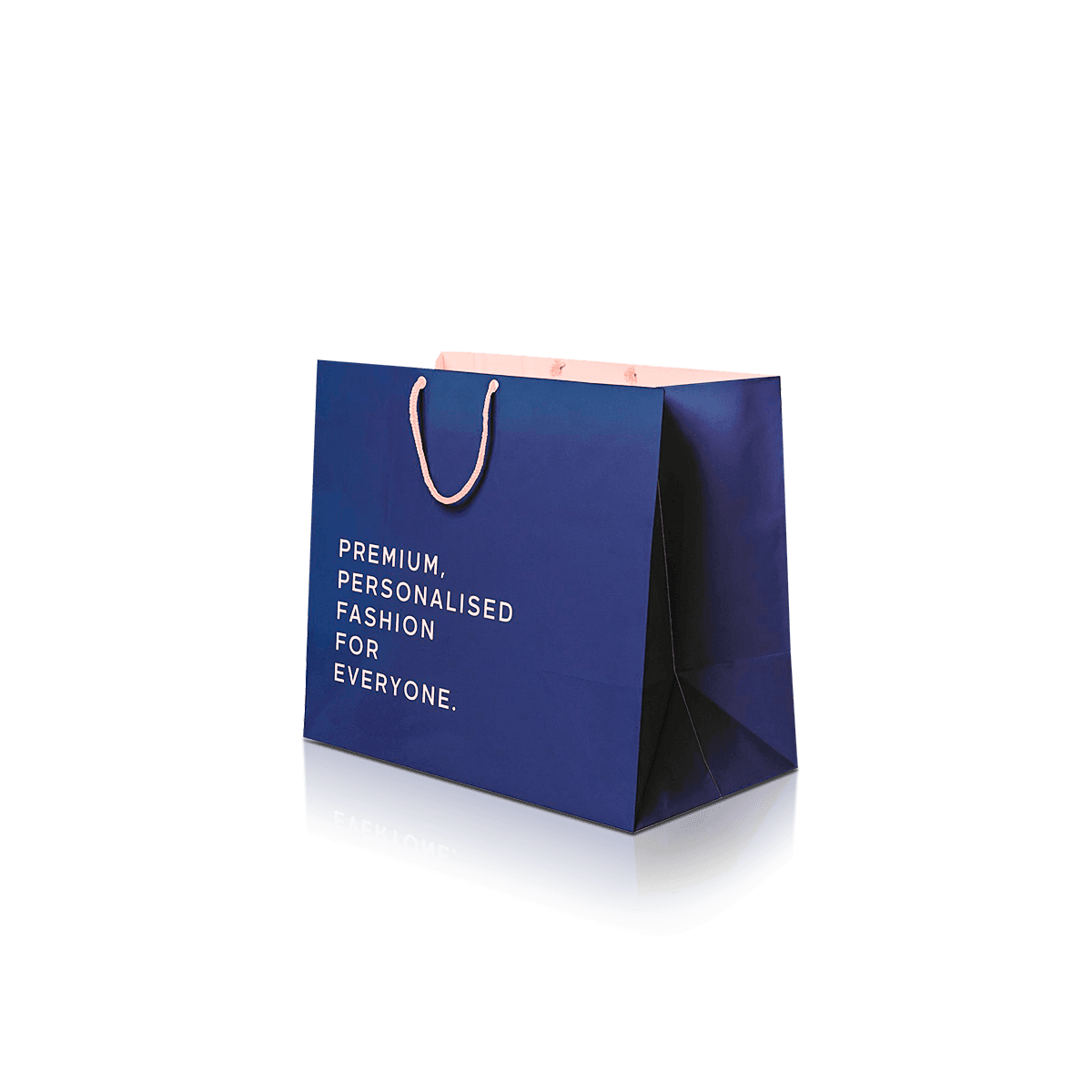
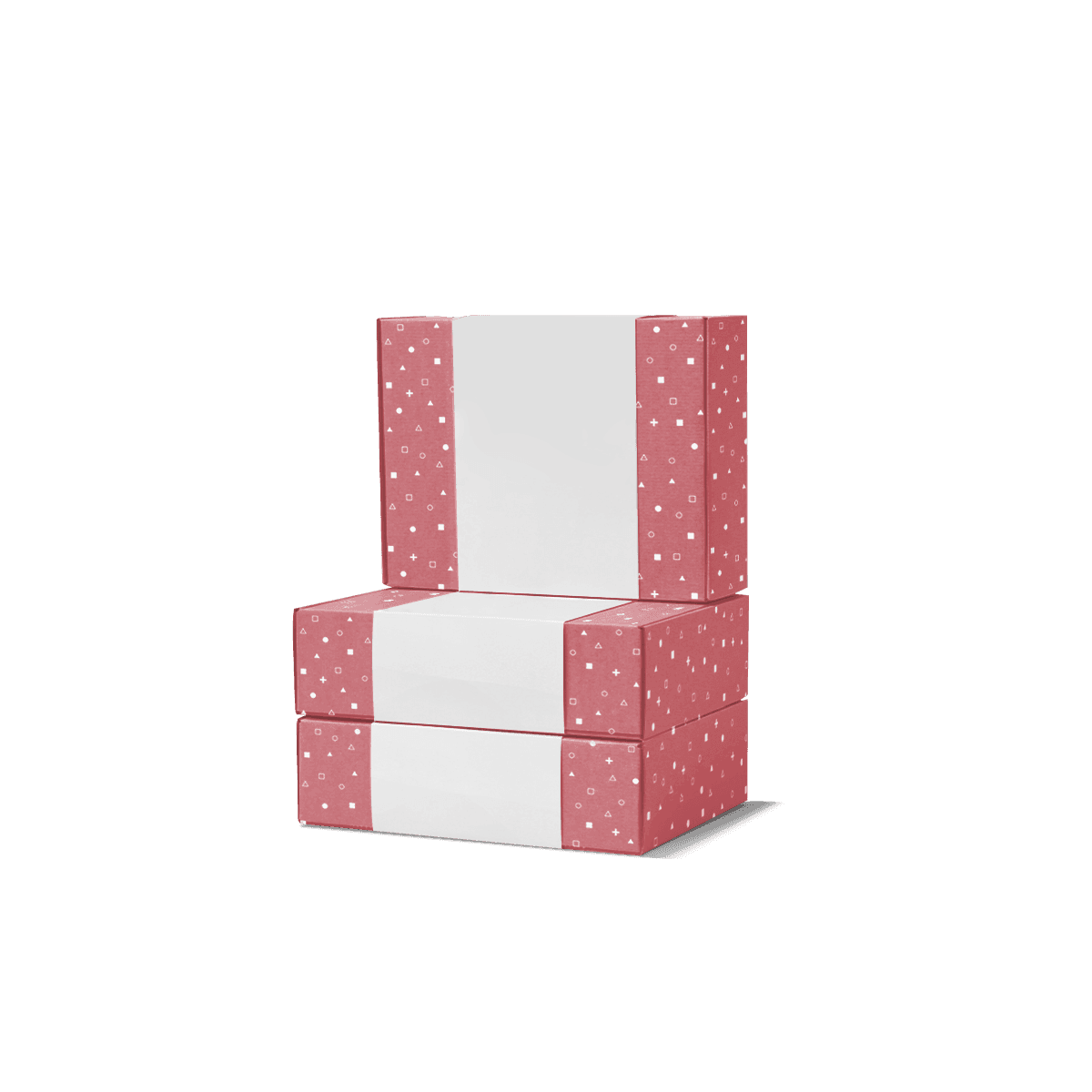
The garment may leave the store in tissue, a sleeve or a gift box. Custom Boutique Shopping Bags can carry the same logo, typography or colour used on the inner pieces.
Choose handles and bag size around the real boxed order. A bag that is too large lets a small box fall sideways, while a tight bag can mark the corners.
Online orders need an outer that works
Custom Mailer Boxes can protect folded clothes and provide the branded opening in one piece. This can remove the need for a presentation box inside another shipping carton.
Allow a plain area for the courier label. Test the closure, filled weight and garment movement before using the same mailer for every order size.
PR mailouts need a clear viewing order
Creator gifts and editorial mailouts often combine garments, accessories and a printed note. Place the main item where it appears first, then hold smaller pieces in defined positions.
A shallow tray, paper divider or card platform can keep the arrangement stable. The design should still be quick to assemble because PR quantities may be small but deadlines are often fixed.
Select Materials by Use, Weight and Reuse
Material choice for Custom Fashion Packaging should follow handling needs rather than one broad claim about quality. Paperboard, corrugated board, rigid board and paper bags may all appear across the same fashion brand.
Paperboard suits light retail pieces
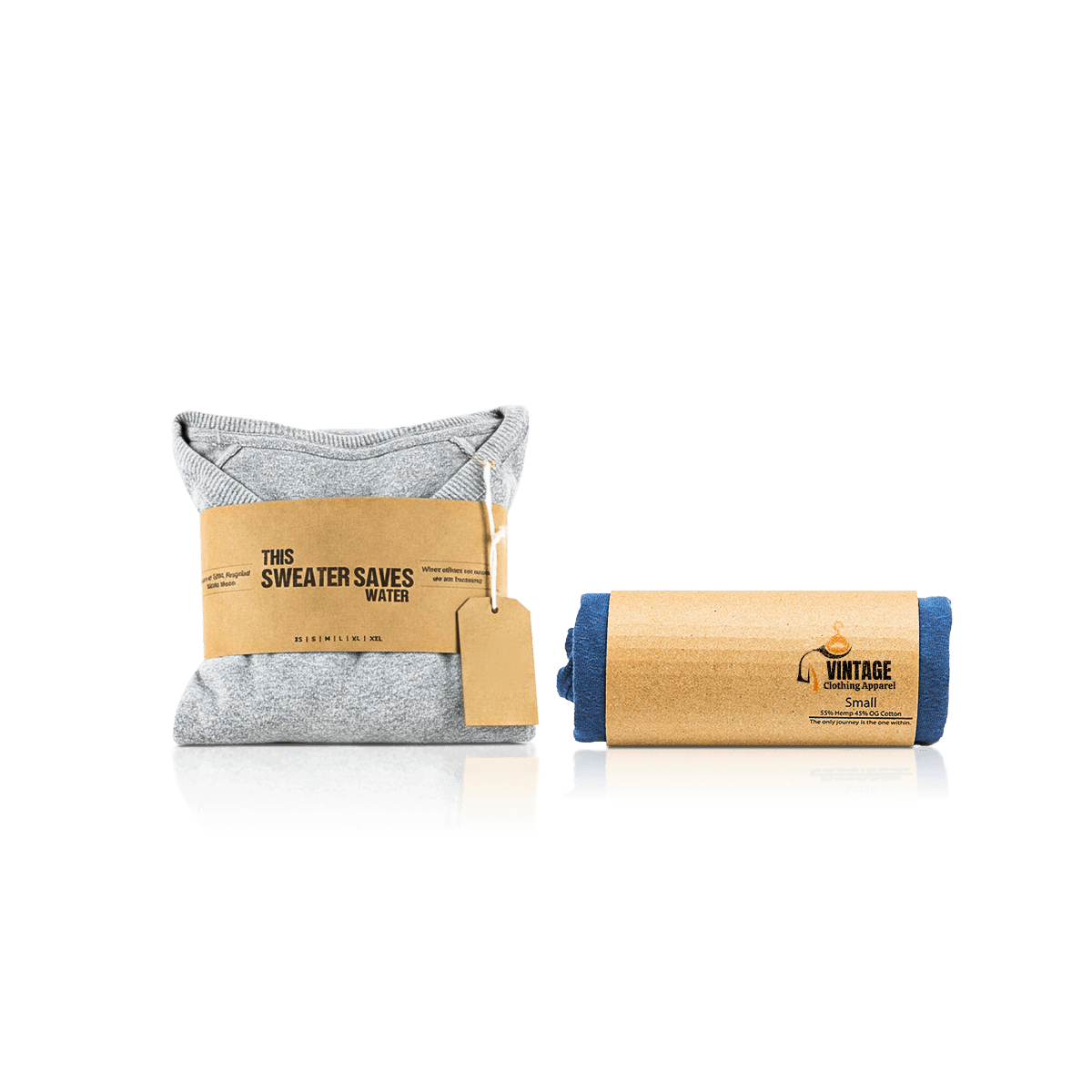
Folding cartons and sleeves work well for scarves, ties, hosiery, lingerie and small clothing items. White board supports clean colour and fine text. Kraft board creates a warmer, low-ink look.
The board must score cleanly and wrap without cracking. A stock that is too heavy can feel awkward around a small soft product.
Corrugated board suits delivery and larger garments
Fluted board gives mailers firm edges while keeping the box light enough for normal fulfilment. The flute should match the filled weight, box span and expected stacking.
A shallow mailer for one shirt needs less strength than a larger order holding a coat and several garments.
Rigid board suits keepsake presentation
Rigid Custom Fashion Packaging works when the customer is likely to store the garment or reuse the box. It can suit wedding pieces, premium knitwear, designer collaborations and corporate fashion gifts.
Review paper wraps, magnets, ribbons and laminated surfaces together before making recycling claims. The full construction matters, not only the main board.
Use Print and Finishes as a Brand Hierarchy
Print in Custom Fashion Packaging should help customers understand the brand and the product level. It does not need every premium effect on every piece.
Control colour across different surfaces
The same ink can appear different on white paperboard, brown kraft and uncoated corrugated board. Approve colour with the actual material in mind.
Pantone references can help when a signature colour must stay close across boxes and bags. Full-colour offset printing supports detailed artwork, fine type and consistent campaign graphics.
Place finishes where they stay visible
Foil, embossing, debossing and spot UV work best on flat panels away from folds, shipping labels and closure areas. Use one strong detail rather than several effects competing in a small space.
The Customisation choices can be planned across material, print, tissue, handles and inserts so the finished set feels intentional.
Keep inside print concise
Inside print can carry a short message, care note or campaign line. It should support the opening without taking attention away from the garment.
For seasonal Custom Fashion Packaging, inside cards or tissue can change more easily than the main box artwork.
Reduce Extra Layers Without Losing Presentation
Good Custom Fashion Packaging uses each layer for a clear reason. Extra tissue, inner boxes and filler add cost, storage and filling time when they do not improve protection or presentation.
Let one box perform two jobs
A well-designed mailer can act as the delivery outer and the branded reveal. A rigid gift box may still need a plain shipping carton, but an everyday garment often does not need both.
Test label placement and surface scuffing before removing an outer layer. The main printed face should still arrive clean.
Right-size product families
Group products by folded footprint, depth and weight. A few well-planned sizes can cover many garments without leaving large empty areas.
Do not force fine tees and heavy hoodies into one box. The larger box may waste board and make the smaller item look poorly placed.
Use inserts only where they solve movement
Soft clothes often need tissue or a paper band rather than a thick fitted insert. Firm accessories may need a cradle or divider.
Custom Fashion Packaging should feel considered, not crowded. Every inner part should protect, organise or explain the product.
Plan Permanent Lines and Short Drops Separately
Fashion calendars change quickly, so Custom Fashion Packaging should separate the parts that remain from the parts tied to one launch.
Keep permanent boxes flexible
Use the main logo and stable brand details on boxes needed throughout the year. Add colour names, dates and garment variants through labels, cards or sleeves.
This reduces leftover packaging when one shade or collection ends sooner than planned.
Give a short drop one changeable layer
Within Custom Fashion Packaging, a launch sleeve, printed tissue or insert card can add a campaign look without replacing the whole set.
A capsule release can also use one shared mailer size when the garment stack remains close across the selected items.
Order quantities from the real product mix
MOQ starts from 50, while Custom Packly also supports larger runs and repeat production in the thousands. Quantity planning should follow expected demand by box size and artwork, not an even split across every product.
Core garments may need the largest quantity. Premium gifts and PR pieces may use fewer units but require more assembly and finishing work.
Build a Quote Brief for the Whole Fashion Collection
A useful Custom Fashion Packaging quote should show how the pieces work together. Sending only a logo and total quantity leaves important size, use and material decisions unresolved.
Prepare:
- Product groups and items using each packaging piece
- Final folded dimensions or product measurements
- Number of garments or accessories in each box
- Filled weight for mailers and gift sets
- Boutique, ecommerce, event or PR use
- Quantity by size, structure and artwork
- Brand colours and approved logo files
- Barcode, size and label requirements
- Tissue, sleeves, cards, dividers or bags needed
- Preferred materials and finish ideas
- Launch date, delivery date and artwork status
Custom Packly can use these details to identify which pieces should share print, which need their own size and where a 3D mockup is enough. A physical sample is more useful for a complex gift arrangement, unusual closure or high-risk fit.
Send the collection brief through Get a Quote for practical help with structures, quantities and artwork planning.
FAQs
Related Industries
Related Packaging Styles

How it works
Simple steps from idea to delivery
Tell Us Your Specs
Tell Us Your Specs
Provide size, quantity, printing, and finishes.
Get a Fast Quote

Get a Fast Quote
Instant transparent pricing, no hidden fees.
Design and Approval

Design and Approval
Artwork checks, revisions, and final sign-off.
Produce

Produce
Expert manufacturing to meet deadlines.
Ship to Your Door

Ship to Your Door
Hassle-free, flexible delivery options.
Start Your Custom Packaging Quote
Share your product details, dimensions, quantity and artwork needs. We’ll help choose the right packaging style and send a clear quote.