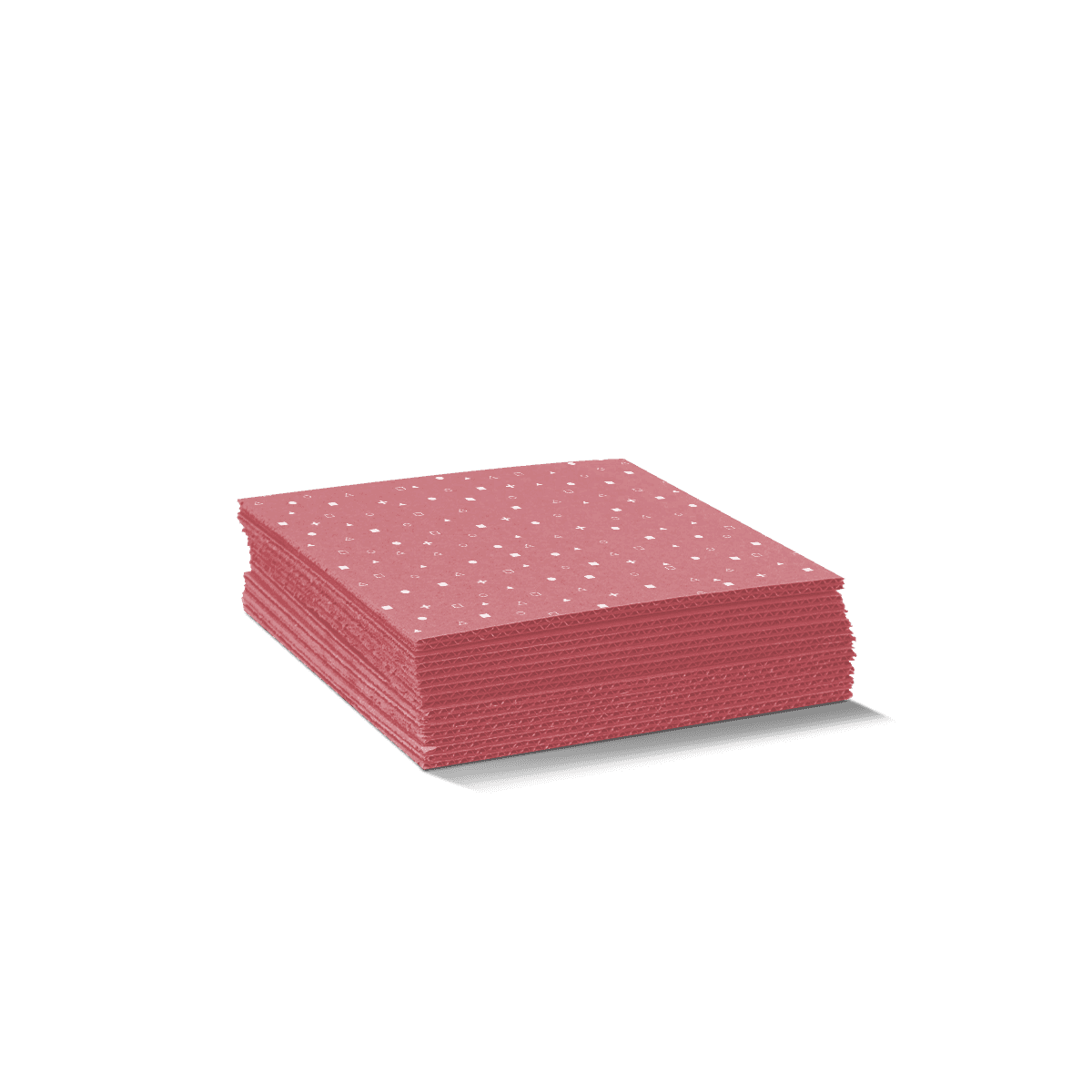
Custom Layer Pads
Flat protective pads for separating product layers, reducing surface contact, improving stack stability and keeping boxed items cleaner in transit.
Free Design Support
Clear Pricing
Flexible Quantities
Unlimited Customization
Premium Materials
Offset Precision
Free Shipping
Quick Turnaround
Flat Pads That Separate Products by Layer
Custom Layer Pads sit between product layers inside boxes, cartons, gift packs or shipping cartons. They help separate stacked products, reduce surface contact and keep items more stable during packing, storage and delivery.
This packaging style is different from a shaped insert or divider. A die cut insert holds a product by shape. A partition insert creates compartments. A layer pad works as a flat separator, support sheet or protective board between levels of products.
Layer pads are useful for jars, bottles, cartons, jewellery packs, candles, food jars, retail multipacks, components, boxed products, sample kits and fragile items that need cleaner stacking. They can protect printed surfaces, spread weight and stop products from rubbing directly against each other.
The best Custom Layer Pads are sized to match the inner box, product footprint and packing method. If the pad is too small, products can shift around it. If it is too large, it can bow, jam or slow packing.
When Layer Pads Solve the Packing Problem
Custom Layer Pads are the right choice when products need separation between levels rather than individual cavities. They are simple, practical and often easier to pack than complex internal structures.
Stacked products that need a clean break
Layer pads work well when products are stacked in rows or tiers. A pad between each level stops direct contact and helps keep the stack more controlled.
This is useful for retail cartons, bulk product boxes, trade packs and ecommerce orders where products must sit in levels but do not need individual cells.
Printed surfaces that need protection
Products with printed labels, coated cartons, gloss finishes or soft-touch surfaces can mark during movement. A layer pad creates a flat barrier between products so surfaces are less likely to rub.
This can be valuable for jewellery boxes, cosmetic cartons, food jars, candle boxes and premium retail products where surface condition matters.
Products that need weight spread
A layer pad can help distribute pressure across a stack. Instead of the weight above pressing directly on caps, lids or small product points, the pad spreads the load more evenly.
This is especially useful when products have uneven tops, small closures or delicate printed areas.
Layer Pad Uses Inside Different Box Styles
Custom Layer Pads can sit inside many packaging styles, from simple cartons to printed product kits. Their job changes depending on the outer box and product journey.
Shipping cartons and bulk boxes
In shipping cartons, layer pads help separate rows of products and improve stack stability. They can sit between jars, cartons, bottles, boxed items or components.
For stronger shipping conditions, the pad thickness should match the product weight and carton depth. A light pad may be enough for small items, while heavier packed products may need corrugated board.
Gift boxes and product kits
In gift boxes, layer pads can create a cleaner second layer. The customer lifts the first level or opens the top view, then sees another organised product layer beneath.
This can work for jewellery sets, sample kits, beauty routines, corporate gifts and seasonal packs. For Custom Jewellery and Accessories Packaging, layer pads can help separate small boxes, pouches, cards and accessories without making the pack feel crowded.
Retail multipacks
Retail multipacks often need neat stacking and quick packing. Layer pads help product rows stay level, which makes the carton easier to load and check before closing.
They also make the inside of the pack look more organised when products are opened, counted or displayed during fulfilment.
Board Choice for Layer Separation
The material for Custom Layer Pads should match the product weight, surface finish and level of protection required. Since layer pads are usually flat, the board choice carries most of the performance.
Paperboard for light product layers
Paperboard layer pads suit light products, small boxed goods, cosmetics, jewellery packaging, accessories and product kits. They create a clean separation without adding too much bulk.
White paperboard can keep the inside of the box clean and bright. Kraft board suits natural-looking product ranges, handmade goods and eco-led packaging styles.
Corrugated board for stronger stacks
Corrugated board works better when the products are heavier, stacked in bulk or packed for delivery. It gives more stiffness and helps the pad resist bending between product layers.
For cartons that also need internal compartments, Custom Punch Partition Inserts can work with layer pads where products need both vertical separation and horizontal layer support.
Surface finish should suit contact
Layer pads often touch the product directly. The surface should be clean, smooth enough for the product finish and suitable for the packing environment.
For products with glossy labels or delicate print, avoid rough material that may scuff during movement. For heavier industrial-style packing, strength may matter more than presentation.
Sizing Details That Keep Pads Useful
Custom Layer Pads only work well when they fit the box and product layout correctly. A small sizing error can make them slide, bend or slow the packing process.
Inner box size controls the pad
The pad should usually be based on the internal length and width of the outer box, not the external box size. Internal sizing helps the pad sit flat without curling at the edges.
If the box has folded flaps, internal seams, dividers or corner supports, those details should be considered before the pad size is finalised.
Product height affects pad position
Product height matters because layer pads add thickness between levels. A pad that seems thin on its own can affect box closure when several layers are stacked.
Before production, check the full stack height: product layer, pad, next product layer and lid or flap clearance.
Clearance stops friction at the edges
The pad should not be so tight that it scrapes the box wall during packing. A small clearance can help staff place it quickly.
However, too much clearance allows the pad to shift. The right balance depends on product size, box style and whether the pad sits loose or is held by other internal packaging.
Layer Pads Compared With Other Inserts
Custom Layer Pads are simple, flat and efficient, but they are not the answer for every product. They work best when products are already stable and mainly need horizontal separation.
Layer pads versus partition inserts
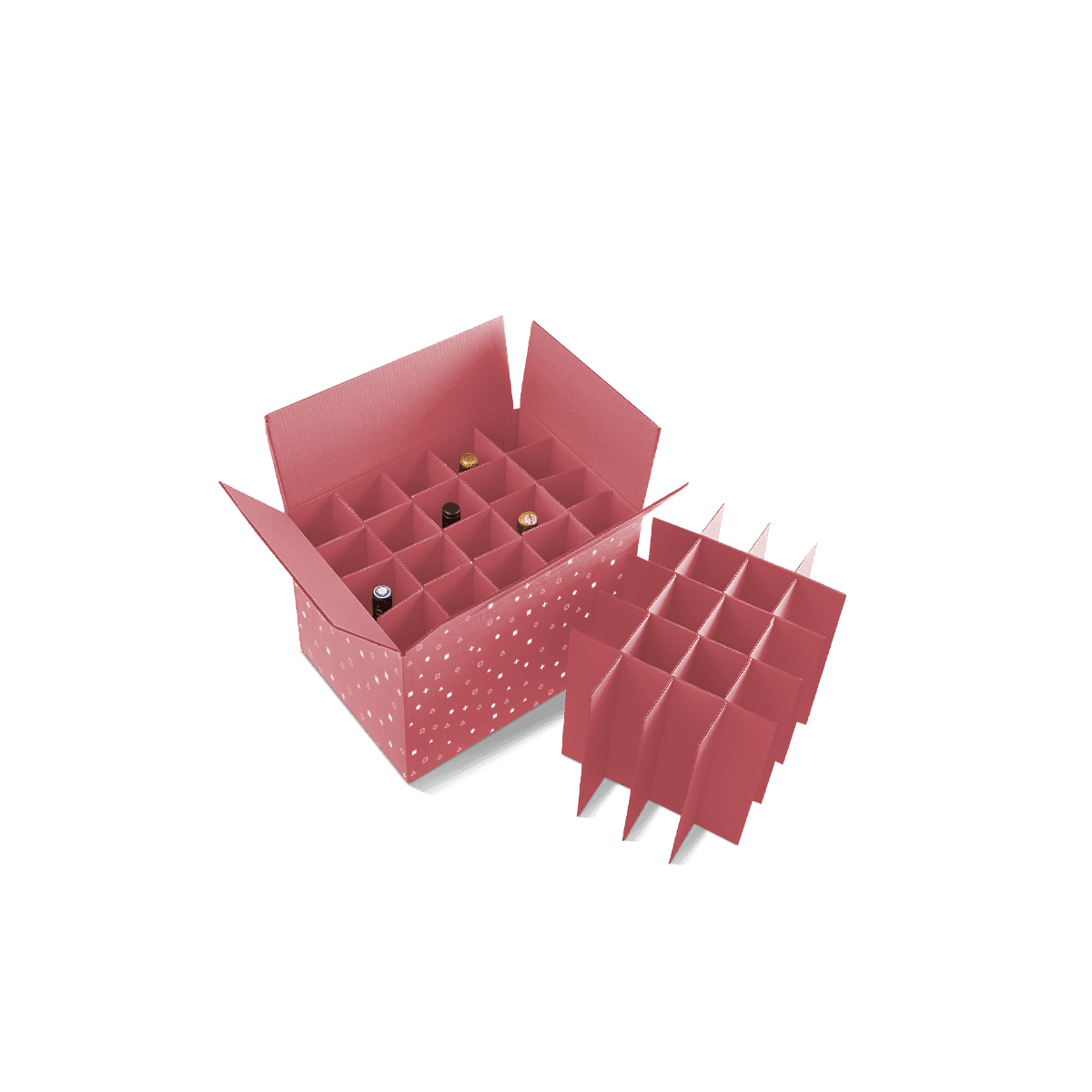
Custom Partition Inserts create upright compartments. Custom Layer Pads separate products between levels.
Use partitions when products need individual cells. Use layer pads when rows, stacks or levels need a clean barrier.
Layer pads versus bottle dividers
Custom Bottle Dividers are better when bottles need upright separation. Layer pads are better when bottles, jars or cartons are stacked in levels and need a sheet between layers.
Some bottle packs may use both: dividers for side separation and layer pads for stacked rows.
Layer pads versus packaging inserts
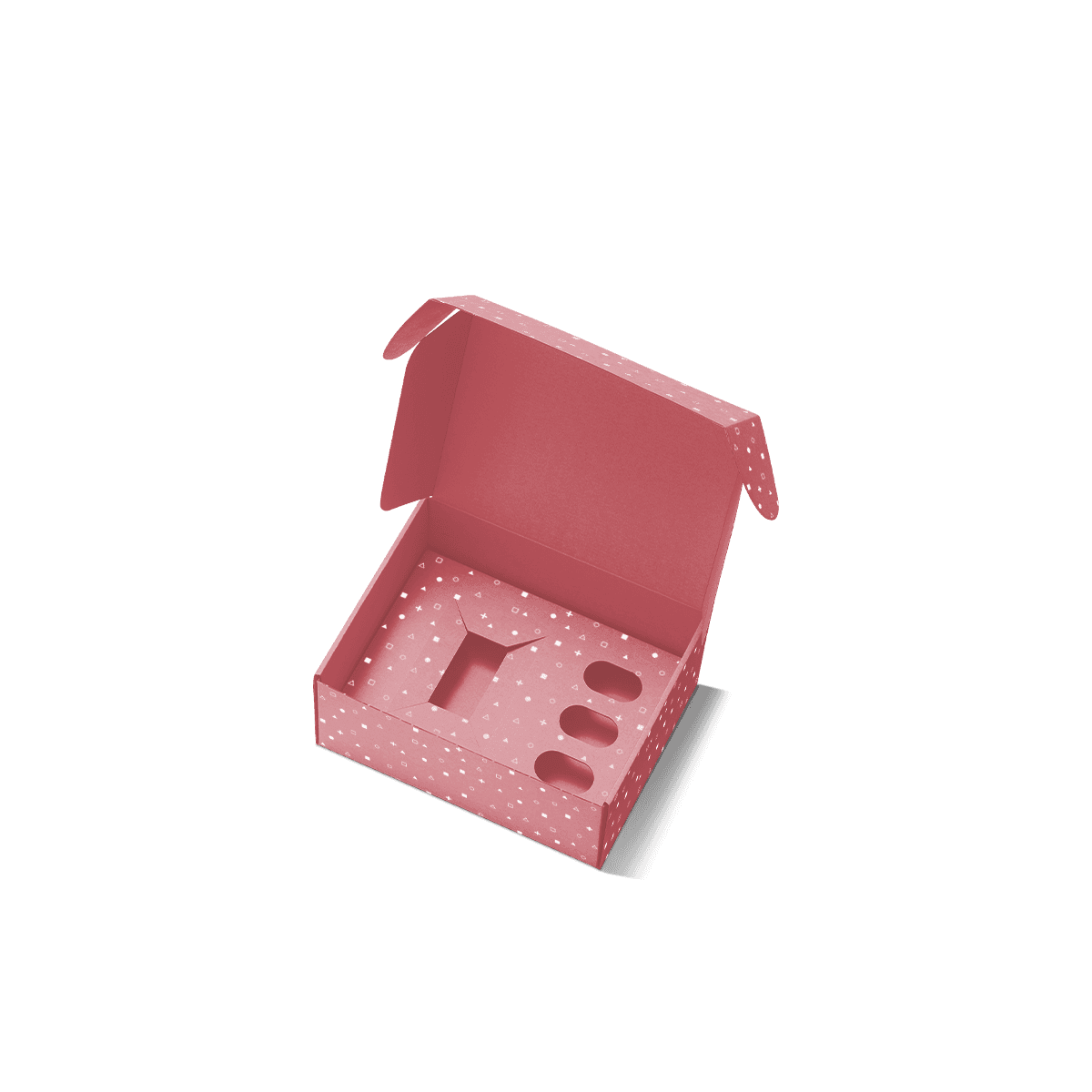
Custom Packaging Inserts can include shaped holders, dividers, platforms and presentation pieces. Layer pads are the flatter and simpler option.
They are often the better choice when the product does not need a shaped hold but still needs surface protection, stack control or weight spread.
Packing Speed and Storage Advantages
Custom Layer Pads are often chosen because they are easy to use. They do not need complex folding, locking or assembly in most cases.
Fast placement during fulfilment
A layer pad can be dropped into the carton between product levels. This makes it useful for teams that pack repeat orders, bulk boxes, retail cartons or subscription-style product runs.
Simple placement also reduces training time. The packing team only needs to know where each pad sits in the product stack.
Flat storage before packing
Layer pads store flat, which helps save space. They can be bundled, counted and labelled for different product sizes or box formats.
This is helpful for brands with several SKUs, seasonal ranges or repeat packing cycles where internal packaging needs to stay organised before use.
Easy counting for repeat orders
Because layer pads are flat, they are easier to count and allocate than complex inserts. This can reduce packing errors when each carton needs one, two or several pads.
MOQ starts from 50, with support for larger production runs, repeat orders and high-volume packaging programs when the same pad size becomes part of your regular packing process.
Print and Branding on Layer Pads
Custom Layer Pads do not always need print. Many pads are hidden between product levels. However, visible pads can carry branding, instructions or product separation details when useful.
Plain pads for hidden protection
Plain kraft, white or corrugated pads are usually enough when the pad is used for internal separation only. The goal is to protect products and support the stack, not add decoration.
Plain pads are often best for shipping cartons, bulk packs and layered product storage.
Printed pads for staged unboxing
Printed layer pads can work well in gift boxes or product kits where the customer removes a pad to reveal another level. A simple message, product group label or brand colour can make the second layer feel intentional.
Printing should stay practical. If the pad touches product labels or delicate surfaces, heavy ink coverage or raised finishes may not be ideal.
Instructions on visible sheets
A visible layer pad can include short instructions such as product order, use sequence or a simple “lift to reveal” cue. This can reduce extra cards while keeping the unboxing clear.
For premium packs, a clean message on a layer pad can feel more integrated than a loose insert card.
Dieline and Setup Checks Before Production
Custom Layer Pads may look simple, but sizing and material checks still matter. A flat pad can cause problems if it does not match the box, product height or packing sequence.
Check pad size against the inside box
Measure the internal box length and width. Also note any inner flaps, seams, handles, dividers or inserts that may reduce the usable space.
The Dieline Tool can support early setup, but final pad sizing should still be checked against the exact inner box and product stack.
Check stack height before approval
Layer pads add thickness. If a carton has several layers, the combined height can affect box closure, product pressure and lid fit.
This check is important for shallow boxes, rigid gift boxes, mailer boxes and cartons with tightly packed products.
Check how the pad is removed
If the customer will remove the pad during unboxing, it should be easy to lift. A small notch, finger space or slightly smaller fit can improve usability.
For hidden bulk packing, removal may not matter. For gift packs, it can change the whole opening experience.
Quote Details That Prevent Pad Mistakes
A strong quote request for Custom Layer Pads should include the box size, product stack and how many layers need separation.
Send these details when possible:
- internal box length and width
- product dimensions and weight
- number of product layers
- number of pads per box
- whether pads are visible to the customer
- product surfaces that need protection
- preferred material such as kraft, white or corrugated board
- whether the pad needs print
- carton closure style and internal height
- order quantity and repeat-order plans
- artwork status or dieline status
For wider decisions across materials, inserts, printing and finishes, Customisation can help align the pad with the full packaging structure before final pricing.
A Simple Insert With a Practical Job
Custom Layer Pads are a smart choice when products need flat separation, surface protection or cleaner stacking inside a box. They can support bulk cartons, gift boxes, retail multipacks and product kits without adding complex assembly.
The value comes from correct sizing, board choice and stack planning. A well-made layer pad can reduce rubbing, spread weight, organise levels and make the packing process easier.
Send your product details, internal box size, quantity and layer count through Get a Quote. Custom Packly can help size the pad so it fits the box, protects the product and supports repeat packing.
FAQs
Related Packaging Styles
How it works
Simple steps from idea to delivery
Tell Us Your Specs
Tell Us Your Specs
Provide size, quantity, printing, and finishes.
Get a Fast Quote

Get a Fast Quote
Instant transparent pricing, no hidden fees.
Design and Approval

Design and Approval
Artwork checks, revisions, and final sign-off.
Produce

Produce
Expert manufacturing to meet deadlines.
Ship to Your Door

Ship to Your Door
Hassle-free, flexible delivery options.
Start Your Custom Packaging Quote
Share your product details, dimensions, quantity and artwork needs. We’ll help choose the right packaging style and send a clear quote.