
Custom Foldable Rigid Boxes
Flat-pack rigid packaging with premium presentation, fold-up assembly and space-saving storage for gifts, events, retail and product launches.
Free Design Support
Clear Pricing
Flexible Quantities
Unlimited Customization
Premium Materials
Offset Precision
Free Shipping
Quick Turnaround
Premium Rigid Boxes That Store Flat
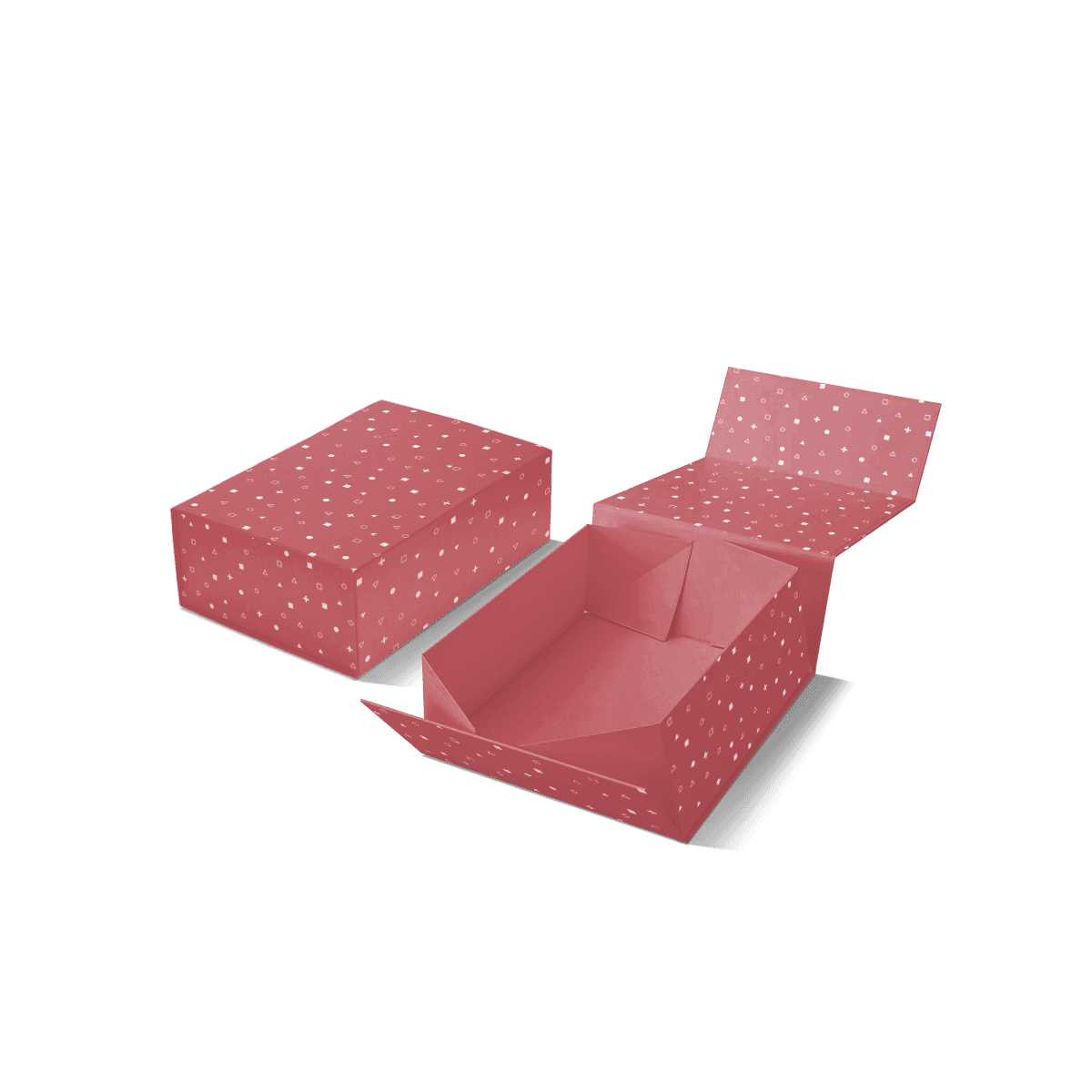
Custom Foldable Rigid Boxes give brands the premium feel of rigid packaging with the storage advantage of flat-pack delivery. The box folds into shape when needed, so it takes up less warehouse, retail backroom or event packing space than a fully formed rigid box.
This structure suits brands that want a high-end box but do not want bulky cartons of assembled packaging filling their storage area. It works well for corporate gifts, event packs, influencer kits, beauty sets, apparel accessories, jewellery, wellness products, retail bundles and seasonal launches.
The main advantage is practical luxury. Custom Foldable Rigid Boxes can still feel strong and polished, but they are easier to store before use. That makes them useful for growing brands, campaign teams and businesses with limited packing space.
This style belongs within Custom Rigid Boxes when the packaging needs premium presentation without the full storage load of a set-up rigid box.
Flat before packing, rigid after setup
A foldable rigid box usually arrives flat, then folds into a formed box before product packing. The structure may use fold lines, wrapped panels, magnetic closures, adhesive corners or locking sidewalls depending on the design.
Once assembled, the box should feel firm enough for gifting, retail display and customer unboxing.
Best for storage-conscious premium packaging
This style is especially useful when the box is attractive enough to be kept, but the business still needs efficient storage before fulfilment. It gives brands more flexibility during launches, seasonal campaigns and repeat gift programs.
Fold Lines That Need to Hold Their Shape
Custom Foldable Rigid Boxes depend on fold lines that perform cleanly every time the box is assembled. If the fold points feel weak, stiff or uneven, the finished box can lose its premium feel.
The fold lines must allow the box to flatten for storage, then stand neatly when opened. This is different from a standard rigid box, which is already formed before it reaches the packing team. A foldable style needs both presentation quality and assembly reliability.
The fold quality affects the corners, sidewalls, lid alignment and final shape. A good foldable rigid box should not look like a compromise after setup. It should feel intentional, firm and ready for the product.
Crease placement controls the shape
Creases must sit in the right position so panels fold cleanly into place. Poor crease placement can create uneven corners, raised edges or panels that do not sit flat.
For premium packaging, small alignment errors are easy to notice. This is why foldable rigid packaging needs careful dieline planning before production.
Repeated folding needs stronger edges
Some boxes are assembled once and kept that way. Others may be opened, flattened or handled several times during packing. If repeated movement is expected, the fold areas need extra attention.
The wrap, board and fold design should support the way the box will actually be used.
Assembly Speed at the Packing Table
Custom Foldable Rigid Boxes should be easy to assemble without making the packing process feel slow or awkward. A premium box is only practical if staff can form it consistently during real fulfilment.
The assembly method depends on the structure. Some boxes lift into shape quickly. Some use magnets. Some need sidewalls pressed into place. Some include adhesive or locking points. The right choice depends on order volume, product weight and how much time the packing team can spend per unit.
A simple fold-up action can be useful for event teams, retail staff, warehouse teams and small brands that pack in batches.
Fast setup matters for launches
Product launches and event packs often need many boxes packed within a short window. A foldable rigid structure can help when storage space is limited before the campaign, but setup speed still needs to be tested.
The sample should show how long the box takes to form, how the corners sit and whether staff can assemble it without damaging the wrap.
Clear locking points reduce mistakes
If the box has side locks, hidden magnets or folding panels, the setup should feel obvious. Staff should not need to guess which panel folds first.
A clear assembly sequence helps reduce packing errors and keeps every finished box looking consistent.
Gifts, Events and Campaign Packs
Custom Foldable Rigid Boxes are strong for gift and event packaging because they combine premium appearance with easier storage before the campaign. They can be packed flat, stored in smaller quantities and assembled closer to the event date or fulfilment run.
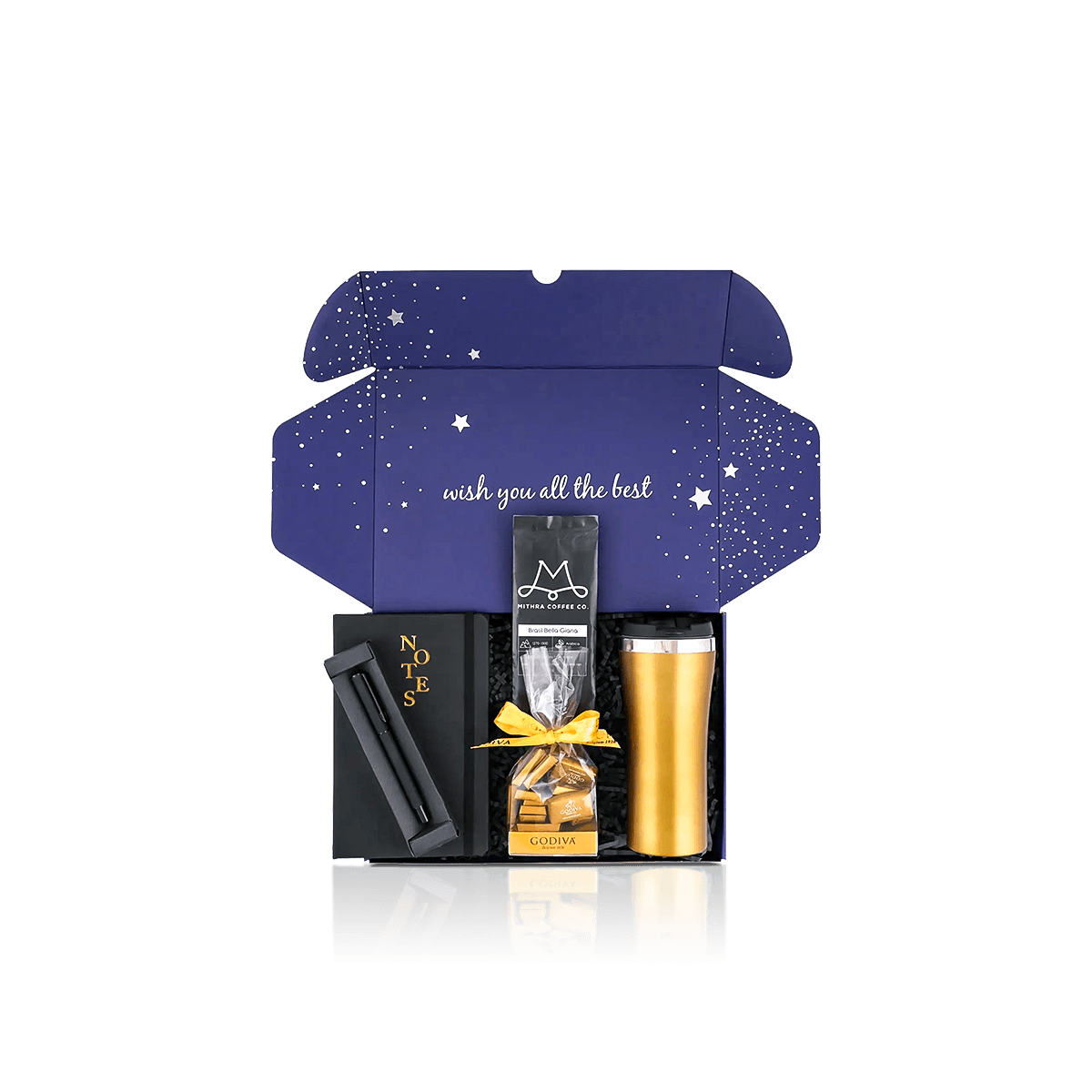
This makes them useful for conference gifts, welcome packs, product launch kits, staff recognition gifts, influencer mailouts and seasonal retail bundles. The box can feel high-end when opened, while the business avoids storing large volumes of pre-formed rigid boxes for weeks or months.
For Custom Event and Corporate Packaging, foldable rigid structures can help manage branded gift programs where presentation matters but storage and packing logistics also matter.
Event teams need efficient storage
Event packaging often arrives before the products are ready to pack. Flat-pack rigid boxes can reduce the space needed before assembly, which helps when items are staged in offices, venues or temporary packing areas.
The finished box still needs to look premium for attendees, clients or recipients.
Gift sets need a neat first view
When the box is opened, the product layout should feel planned. Inserts, dividers or product trays can help hold items in place so the gift set looks organised.
A foldable rigid box should not feel loose once assembled. The base, lid and insert must work together.
Board, Wrap and Fold Durability
Custom Foldable Rigid Boxes use rigid board panels and wrapped surfaces to create a premium look. The difference is that the panels must fold into shape, so the wrap and board need to handle movement.
The wrong material choice can create cracking, bubbling or uneven corners. A strong board gives the box structure, while a suitable wrap helps the fold areas remain neat. Dark colours, textured wraps and heavy finishes may need extra checking because fold lines can show stress more clearly.
Custom Packly can help choose board, wrap and finish options that suit the product, storage method and assembly process.
Wrapped panels need clean movement
The wrap should sit smoothly across flat panels and fold areas. If the wrap pulls too tightly, it may stress at the crease. If it is too loose, it may wrinkle during assembly.
This is why sampling matters for foldable rigid packaging. The box must be checked both flat and assembled.
Corners show the quality first
Corners are one of the first details customers notice. When a foldable rigid box is assembled, the corners should look square, clean and stable.
A box that saves storage space should not look temporary or weak after setup.
Magnetic Closures and Fold-Up Support
Many Custom Foldable Rigid Boxes use magnets, fold-over panels or locking walls to help the structure hold its shape. These features affect how secure the box feels after assembly.
Magnets can create a smooth closing action and premium feel. Fold-over side panels can help build wall strength. Locking points can keep the base aligned during packing. The right method depends on the product weight, box size and opening style.
The closure should match the customer experience. A beauty or jewellery gift may benefit from a soft magnetic snap. A larger corporate pack may need stronger side support and a firmer structure.
Magnets add a polished close
A magnetic close can make a foldable rigid box feel closer to a luxury presentation box. It helps the lid or flap return neatly and gives the customer a satisfying closing action.
Magnet placement should be checked in the sample so the box closes cleanly after the product is inside.
Sidewalls need enough support
Foldable sidewalls must stand straight after assembly. If the product is heavy or the box is large, the wall structure may need extra support.
Weak sidewalls can make the packaging feel less premium, even if the print and finish are strong.
Inserts for Products That Travel Inside
Inserts inside Custom Foldable Rigid Boxes need to do more than make the product look tidy. They also help stabilise the assembled box and stop products moving during handling.
The insert can be paperboard, cardboard, divided, layered or shaped around the product. It should sit securely in the assembled base and leave enough room for the lid or closure to work properly.
A foldable rigid box may be stored flat before packing, so the insert plan must match the assembly flow. Some inserts are packed separately. Others may be designed to drop in after the box is formed.
Insert fit affects assembly
If the insert is too tight, staff may struggle to place it inside the formed box. If it is too loose, the product can shift and affect the presentation.
The insert should support the product without adding unnecessary packing time.
Product weight changes the base
Heavier products need stronger base support. A foldable rigid box may need reinforced panels, a firmer tray or a more structured insert.
This is important for candles, jars, bottles, electronics accessories and multi-item corporate gifts.
Print That Works Flat and Assembled
Custom Foldable Rigid Boxes need artwork that looks correct in two states: flat before assembly and formed after setup. Artwork should be planned around fold lines, panel direction, visible edges and the final viewing angle.
The outside panels can carry logos, product names, patterns, campaign artwork or full-colour print. Inside panels can carry a message, brand colour or unboxing detail. Because the box folds, artwork must avoid awkward placement across creases unless the design is planned for that effect.
Premium offset printing helps keep colours sharp across panels. Finishes such as foil, embossing, debossing, spot UV, matte lamination, gloss lamination and soft-touch coating can add value, but they should be placed carefully around folds.
Panel direction matters
A design that looks fine flat may not read correctly once the box is assembled. Logos, patterns and text must face the right direction on the finished box.
For campaign packs, the top panel should usually carry the strongest brand mark because it is the first surface seen before opening.
Finishes need fold-safe placement
Foil, embossing and spot UV should not be placed in areas where folding stress may affect the finish. A finish that sits too close to a crease may crack, distort or lose sharpness.
Safer placement gives the finished box a cleaner premium look.
Sampling the Fold-Up Experience
Sampling is important for Custom Foldable Rigid Boxes because the box needs to be judged flat, during assembly and after it has been formed. A digital mockup cannot show whether the sidewalls stand correctly or whether the magnetic close feels strong enough.
Custom Packly offers a free sample before full production, which is especially useful for foldable rigid structures. The sample helps confirm assembly order, fold strength, lid alignment, corner finish, insert fit and closure feel.
The best test is practical. Assemble the box several times, pack the real product, close it, lift it and check whether the structure still feels rigid.
What to test before approving
Check the folding sequence, corner shape, wall firmness, insert fit, magnet strength, finish behaviour and product hold. Also test whether staff can assemble the box without instructions after seeing it once.
A premium structure should feel simple once the design is right.
When to adjust the dieline
Small dieline changes can improve setup speed and finished shape. A panel may need more clearance, a crease may need adjustment or an insert may need a slight size change.
These refinements are easier to make before full production.
Small Runs, Large Runs and Storage Savings
Custom Foldable Rigid Boxes can support both first runs and larger repeat programs. MOQ starts from 50, which helps brands test a premium launch, gift pack or seasonal campaign before moving into higher volumes.
As the product range grows, the same structure can scale into thousands, tens of thousands or larger repeat runs. The storage benefit becomes more valuable at volume because flat-pack boxes usually take less space than formed rigid packaging.
For repeat production, the important details are assembly consistency, board quality, fold performance, artwork version control and storage planning.
First runs test the setup
A first run should test both the customer experience and the packing process. The box may look excellent after assembly, but it also needs to form quickly and hold the product securely.
This is useful for brands testing a new premium range or event pack.
Repeat runs need clear specs
For larger programs, keep the fold structure, magnet placement, insert size and finish details consistent. Changing one element can affect assembly and closure.
Repeat-order discounts and bulk storage support can help manage packaging across seasonal launches and ongoing programs.
When Another Rigid Box Is Better
Custom Foldable Rigid Boxes are best when storage efficiency is a priority and the box still needs a premium finished look. Another rigid style may work better when the product needs a different opening action or maximum formed strength from the start.
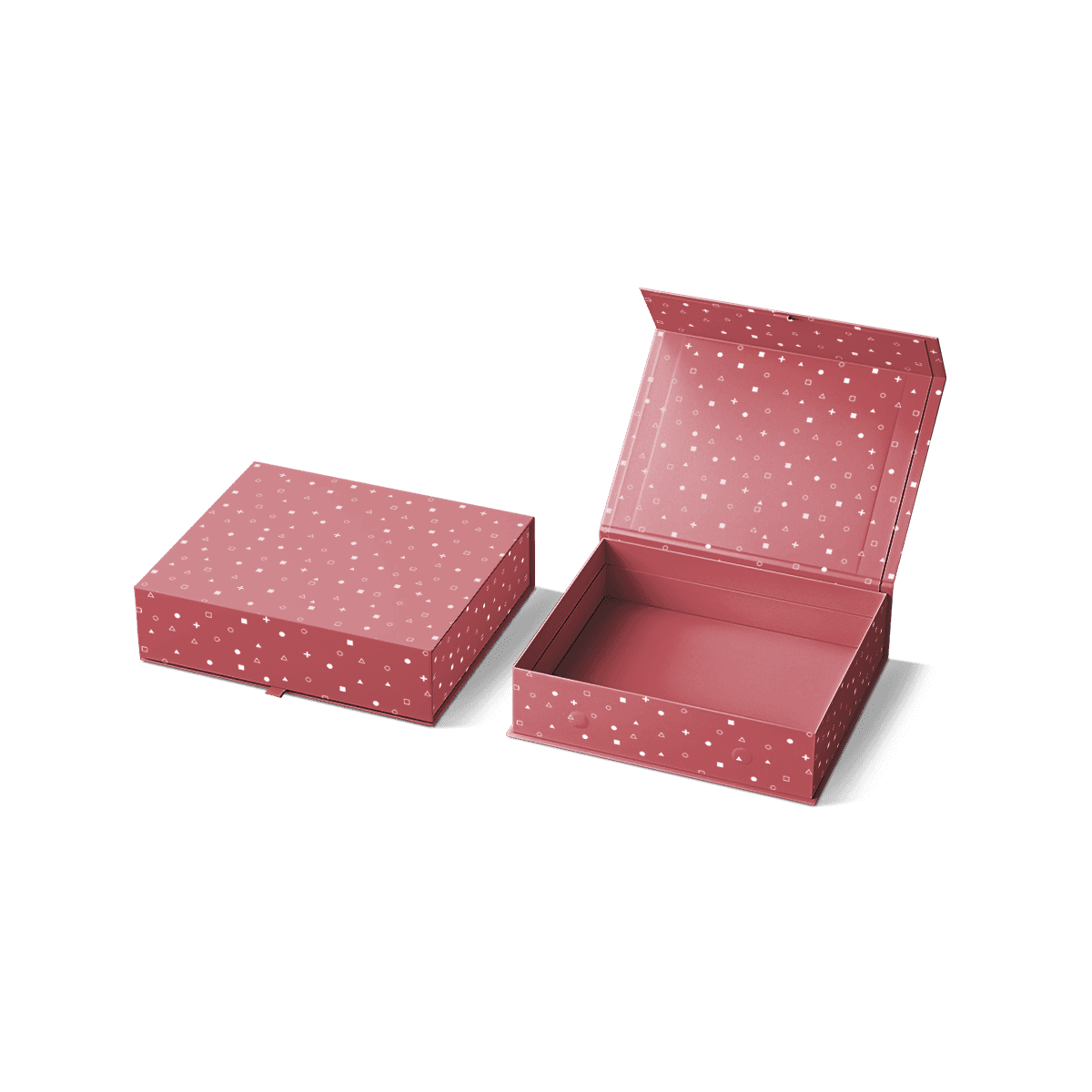
If you want a book-like opening with a connected lid, Custom Book Style Rigid Boxes may suit better. This style is useful when the box should open like a presentation case.
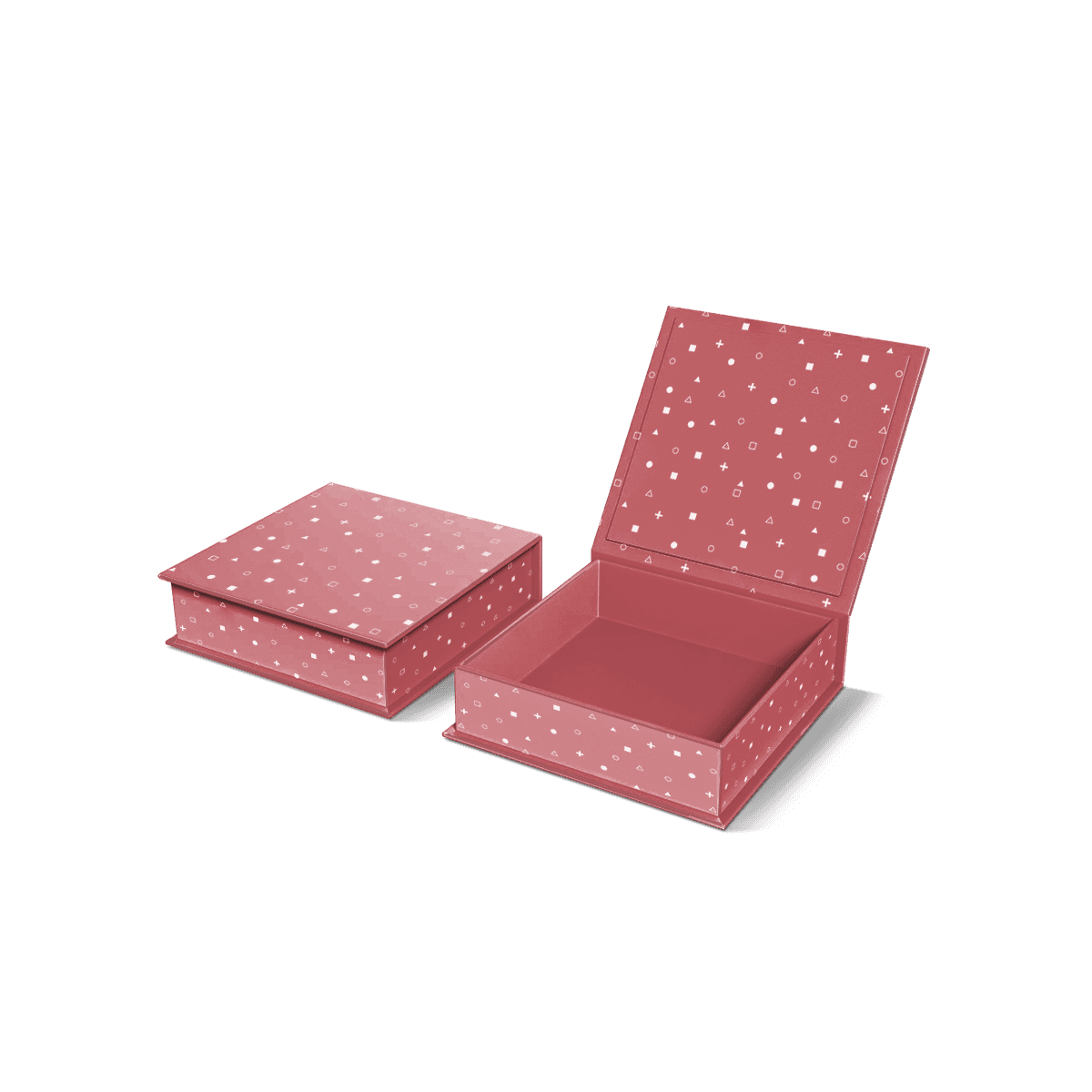
If the product needs a deeper lid-and-base feel, Custom Telescopic Rigid Boxes can create a stronger covering action and a more traditional rigid-box profile.
Foldable rigid packaging remains the stronger option when the business needs premium presentation, easier storage and planned assembly at the packing stage.
Choose foldable when storage matters
A foldable structure makes sense when the box volume is large, storage space is tight or packaging needs to be shipped and staged before a campaign.
It keeps the premium look while making pre-packing logistics easier.
Choose formed when setup is not an issue
A formed rigid box may be better when storage space is available and the box needs the strongest possible ready-made structure. The decision should match product weight, launch timing and fulfilment flow.
Quote Details for a Foldable Rigid Build
A clear quote request for Custom Foldable Rigid Boxes should include product details, storage needs and assembly expectations. This structure depends on how the box folds, how it locks and how the product sits after setup.
Send the product dimensions, product weight, first order quantity, expected repeat quantity and finish ideas. Also mention whether the box should use magnets, inserts, ribbon, printed inside panels or a specific folding style.
The quote should not only price the box. It should help confirm whether the structure will assemble well, store efficiently and present the product correctly.
Useful quote details include:
- Product length, width, height and weight
- Whether the product is packed as one item or a set
- Required box style, lid style or fold-up reference
- Insert, divider or tray needs
- Magnet, ribbon or locking preference
- Outside and inside print areas
- Finish preferences such as foil, embossing or soft-touch
- First run quantity and expected repeat volume
- Storage limits or campaign packing timeline
- Artwork status and required delivery timing
Send these details through Get a Quote so the fold structure, print setup and production plan can be checked together.
FAQs
Related Packaging Styles
How it works
Simple steps from idea to delivery
Tell Us Your Specs
Tell Us Your Specs
Provide size, quantity, printing, and finishes.
Get a Fast Quote

Get a Fast Quote
Instant transparent pricing, no hidden fees.
Design and Approval

Design and Approval
Artwork checks, revisions, and final sign-off.
Produce

Produce
Expert manufacturing to meet deadlines.
Ship to Your Door

Ship to Your Door
Hassle-free, flexible delivery options.
Start Your Custom Packaging Quote
Share your product details, dimensions, quantity and artwork needs. We’ll help choose the right packaging style and send a clear quote.