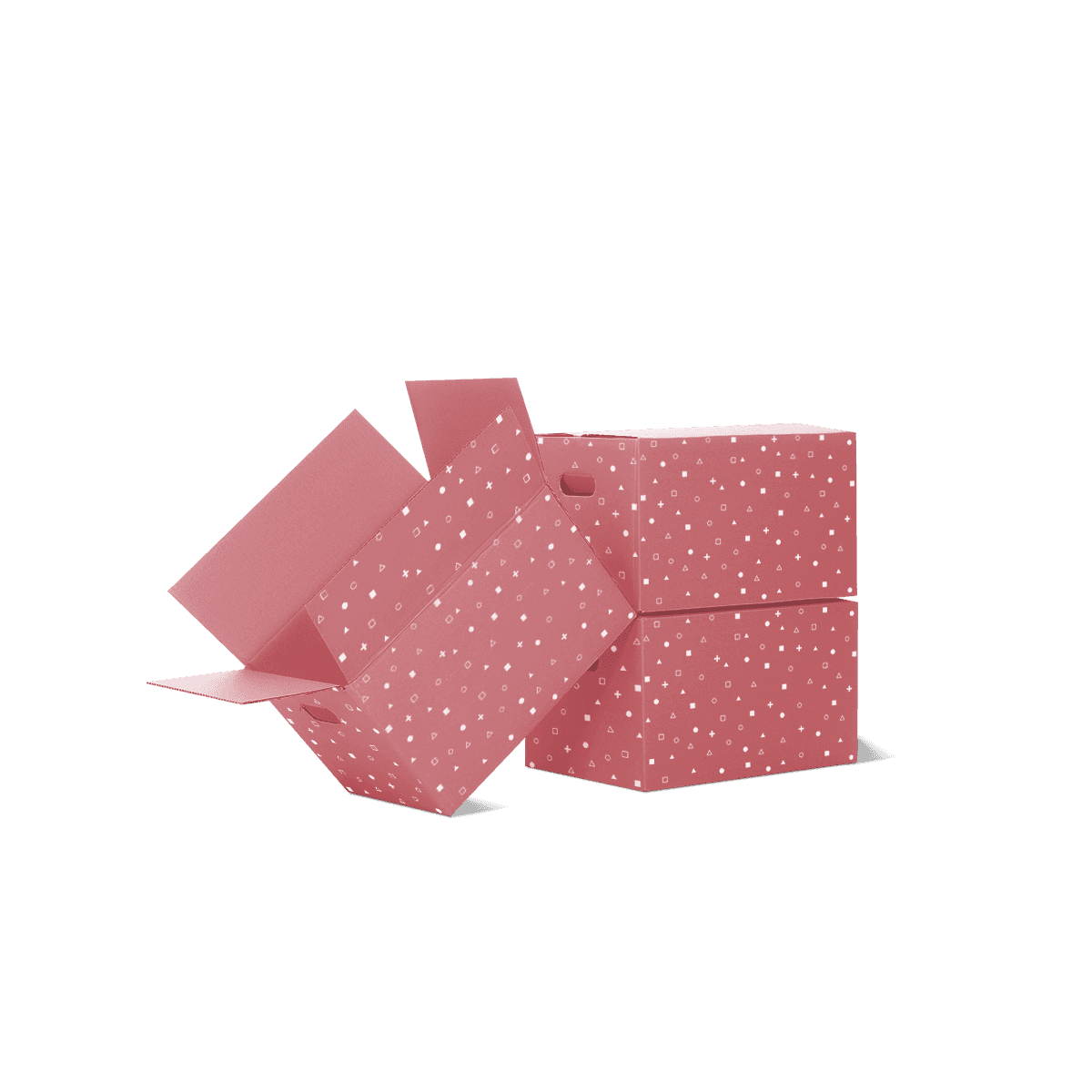
Custom Die Cut Shipping Boxes
Precision-cut corrugated shipping boxes for products that need a shaped fit, stronger presentation, secure locking features and efficient fulfilment handling.
Free Design Support
Clear Pricing
Flexible Quantities
Unlimited Customization
Premium Materials
Offset Precision
Free Shipping
Quick Turnaround
Precision-Cut Shippers for Secure Delivery
Custom Die Cut Shipping Boxes are corrugated shipping boxes cut to a custom shape, size and closure style so the structure fits the product and packing process more precisely than a standard carton. They are useful when a business needs protection, branded presentation and a more controlled opening experience in one shipping-ready box.
Unlike a regular slotted carton that closes with centre-meeting flaps, die cut shipping boxes can use locking tabs, tuck panels, shaped flaps, carry features, internal supports, display openings or product-specific folds. This gives ecommerce, retail, subscription and product teams more control over how the box packs, seals, opens and presents the product.
Custom Packly makes Custom Die Cut Shipping Boxes for brands that need corrugated strength without making the delivery experience feel plain. They sit within the broader Custom Shipping and Postal Boxes range and work especially well when the box needs to feel purpose-built rather than pulled from a stock shelf.
Shaped Shipping Boxes for Better Product Control
Custom Die Cut Shipping Boxes are best when the product needs a closer fit, a cleaner closure or a more intentional shipping structure. The die cut format allows the box blank to be shaped around your product, packing method and brand experience.
This matters when standard shipping cartons leave too much space, need too much void fill or fail to present the product neatly when opened. A die cut shipper can hold goods more securely, guide the packer during assembly and create a better first impression when the customer opens the order.
For ecommerce and retail fulfilment, this structure can also reduce friction. A clear fold pattern, locking tabs and product-specific dimensions help teams pack faster with fewer decisions. For small product ranges, subscription boxes and branded dispatch, the right die cut structure can make every shipment feel more considered.
MOQ starts from 50, with capacity for larger production runs, repeat orders and high-volume packaging programs as your brand grows. That makes Custom Die Cut Shipping Boxes suitable for trial launches, seasonal campaigns and ongoing fulfilment.
What Die Cutting Changes in a Shipping Box
Die cutting changes the shape and function of a shipping box by cutting the flat board into a custom layout before folding. This gives the box features that standard flap cartons cannot easily achieve.
Locking tabs and shaped flaps
Locking tabs help the box close more neatly and can reduce the need for extra tape on lighter shipments. Shaped flaps can improve closure feel, guide assembly and help the box hold its form during handling.
The exact closure should match the product weight and shipping risk. Some die cut shipping boxes can close securely with tabs alone, while heavier products may still need tape, seals or an outer label for extra security.
One-piece construction
Many die cut shipping boxes use a one-piece corrugated blank. This means the lid, base, flaps and locking features form from the same sheet. It can make packing simpler because staff do not need to match separate lids, sleeves or inserts unless the product requires them.
A one-piece design also supports a cleaner unboxing experience. The customer opens the box in a predictable way and sees the product placed with more intention than in a loose shipping carton.
Custom openings and access points
Die cut structures can include finger notches, display openings, tear paths, handles or shaped panels. These features should be used carefully. A cut-out that helps presentation can weaken a panel if it is placed in the wrong area or made too large.
Custom Packly helps balance function and strength so the die cut feature supports the shipment instead of creating a weak point.
Products That Benefit From a Die Cut Shipper
Custom Die Cut Shipping Boxes suit products that need more than a basic outer carton. They are especially useful when the product shape, customer experience or packing workflow needs extra control.
Subscription and product kits
Subscription boxes often need a neat internal layout, branded reveal and enough strength for repeat courier delivery. A die cut shipping box can be sized around a fixed kit, with inner panels or inserts planned around the product mix.
This is useful for beauty boxes, wellness packs, pet treat bundles, gift kits, sample boxes and small product collections. The structure can guide the packer, reduce product movement and make the opening moment more organised.
Retail products shipped direct
Retail products sold online often need protection during delivery but still need to feel presentable when they arrive. Custom Die Cut Shipping Boxes can bridge that gap.
A candle, skincare set, accessory pack, tech product or food-safe outer pack can ship in a corrugated structure while still showing branded print, neat folds and a more polished opening. For smaller deliveries where a compact postal style is more suitable, Custom Postal Boxes may be a better fit.
Pet, wellness and refill products
Pet, wellness and refill products often ship in repeat sizes and benefit from strong product control. A shaped corrugated box can hold pouches, tubs, bottles, sachets or accessory kits more securely.
For treats, grooming products, toys or pet subscription packs, Custom Die Cut Shipping Boxes can support branded dispatch while keeping the product arrangement tidy. Businesses in Custom Pet Product Packaging often need this mix of protection, repeat packing and brand appeal.
Corrugated Strength Around Cut Edges
A die cut shipping box still needs the right corrugated board, because custom shapes only work when the structure can handle the product and delivery route. The cut pattern, flute choice and panel design all affect final strength.
Board grade and flute choice
Lighter products may work well with a standard corrugated grade, while heavier or more fragile products may need a stronger board. The right choice depends on the packed weight, box size, product shape and how the parcel will be handled.
Die cut boxes need special attention around tabs, slots, notches and fold lines. If the board is too weak, locking features can bend or tear. If the board is too heavy for the design, small tabs may become harder to fold cleanly.
Panel support and crush resistance
Every cut changes how force moves through the box. Large openings, deep notches and narrow tabs can reduce panel strength if they are not planned properly.
A strong die cut design keeps key support areas intact. It places locks, hand holds and product access points where they help function without cutting away too much structural board. This is especially important for ecommerce shipments, warehouse storage and stacked cartons.
Kraft and white corrugated surfaces
Kraft corrugated board gives Custom Die Cut Shipping Boxes a natural and practical look. White corrugated board creates a cleaner surface for print, product information and branded colour.
Both options can work well. The better choice depends on how visible the box is to the customer, whether it carries shipping labels and how much printed branding needs to show around folds and closure points.
Custom Fit Without Overpacking
A die cut shipper should reduce wasted space, not create a complicated packing task. The best design holds the product firmly while still leaving enough room for fast assembly, easy loading and safe closure.
When a box is too large, the product can move inside the pack and arrive damaged. When the box is too tight, staff may push the product against the board, crush corners or slow down packing. Custom sizing helps solve both problems.
Custom Die Cut Shipping Boxes can be planned around single products, multi-unit bundles, refill packs, jars, bottles, sample kits or subscription layouts. If several products sit inside one box, inserts, dividers or shaped internal panels can help control movement without relying only on loose filler.
This is where the dieline matters. The flat box layout must account for board thickness, folds, tabs, locking points and the real product footprint. The Dieline Tool can help prepare initial dimensions, while the production team can guide the final structure before sampling.
Print Placement Around Tabs and Labels
Printing on Custom Die Cut Shipping Boxes needs more planning than printing on a plain rectangular carton. Artwork must work around folds, locks, tabs, shipping labels and opening points.
A large logo may look strong on screen but lose impact if part of it falls across a crease or gets covered by a courier label. Product names, batch codes, QR codes, barcodes and handling marks should sit on panels that remain visible after the box is folded and sealed.
Outside print is useful for doorstep branding, warehouse identification and retail dispatch. Inside print can improve the unboxing experience, especially for kits, subscription products and product launches. For shipping boxes, the aim is balance. The box should look branded, but it still needs clear shipping information and practical packing zones.
Premium offset printing can support sharper colour and cleaner brand detail. Simpler single-colour or limited-colour layouts may suit operational cartons better, especially for repeat fulfilment or wholesale dispatch. Custom Packly helps place artwork where it supports both brand visibility and packing function.
Die Cut Features Worth Considering
The best die cut features solve a real packing, protection or presentation problem. Extra cuts should not be added only because they look interesting.
Finger notches and easy opening
Finger notches can make the box easier to open without damaging the product or tearing the lid. They work well on subscription packs, gift boxes and ecommerce orders where the opening experience matters.
However, notches should not sit too close to high-pressure areas. A poorly placed notch can make a closure weaker or create a point where the board starts to tear.
Carry handles and product access
Carry handles can help larger or awkward products, but they need the right board strength and load position. A handle cut into a weak panel may fail if the product is heavy or shifts inside the box.
Product access openings can help retail display or quick identification. For shipping, the opening needs careful sizing so it does not expose the product or reduce transit protection.
Internal locks and product supports
Internal locks can hold small items, cards, sachets, pouches or accessories in place. They are useful when you want fewer loose inserts or less void fill.
For fragile or mixed product sets, a separate insert may still work better. The decision depends on product shape, presentation need and whether the box needs to be packed quickly at scale.
When a Smaller Postal Format Works Better
Custom Die Cut Shipping Boxes are not always the most efficient choice for slim, light or letterbox-friendly items. A compact structure can be better when postage size, mailbox fit or delivery convenience is the main goal.
Custom Letterbox Boxes suit slim products that need to fit through standard letterbox-style delivery where possible. They are useful for documents, sample packs, flat beauty items, small accessories and lightweight ecommerce orders.
A die cut shipper makes more sense when the product needs shaped support, stronger side walls, a custom opening experience or a more substantial delivery format. Choosing between the two comes down to product depth, weight, protection needs and how the customer should receive the order.
Sampling Before the Cutting Run
Sampling is especially useful for Custom Die Cut Shipping Boxes because small changes in tabs, slots and fold lines can affect how the box performs. A digital proof can show artwork, but a physical sample shows whether the structure actually packs well.
A sample helps check the product fit, closure tension, board strength, tab alignment, opening feel and print placement. It can also reveal whether staff can assemble the box quickly or whether the design needs small changes before production.
For complex die cut designs, sampling can prevent costly production issues. It is better to adjust a notch, tab or fold depth before the full run than to discover later that the box is slow to pack or too loose in transit.
Custom Packly provides a free sample before full production, along with free expert design support. Local production and a 4 to 6 day turnaround can help move the project from approved structure to finished boxes without a long overseas wait.
Planning First Runs and Repeat Orders
Custom Die Cut Shipping Boxes can support small launches and larger repeat packing programs when the structure is planned correctly from the start. The first run should prove the size, assembly flow and delivery performance.
For small runs, the focus may be product fit, brand presentation and launch timing. For larger runs, the focus often shifts to packing speed, storage, repeat consistency and cost control. MOQ starts from 50, and larger runs can be planned around forecasted usage, seasonal peaks and product range expansion.
For repeat orders, keep the approved dieline, artwork version, board grade and print details consistent. This makes reordering smoother and helps avoid small changes that affect fit or packing speed.
Bulk storage and repeat-order planning can also help teams avoid stockouts during sales periods. For ecommerce, pet, wellness and subscription brands, reliable box supply is often just as important as the box design itself.
Quote Details That Speed Up Production
A clear quote request for Custom Die Cut Shipping Boxes should explain the product, the shipping risk and the structure you want to achieve. The more specific the details, the easier it is to recommend the right board, dieline and print setup.
Useful details include:
- Product dimensions and packed weight
- Quantity for the first run and expected repeat volume
- Whether the box needs locking tabs, a handle, inserts or tear-open access
- Preferred kraft, white or printed corrugated board
- Inside print, outside print or both
- Artwork status and brand colour requirements
- Shipping method, storage needs and launch deadline
If the structure is still undecided, share the product type, product photos and how the box will be used. The team can help choose whether Custom Die Cut Shipping Boxes, postal boxes, letterbox boxes or another shipping style will suit the job better.
FAQs
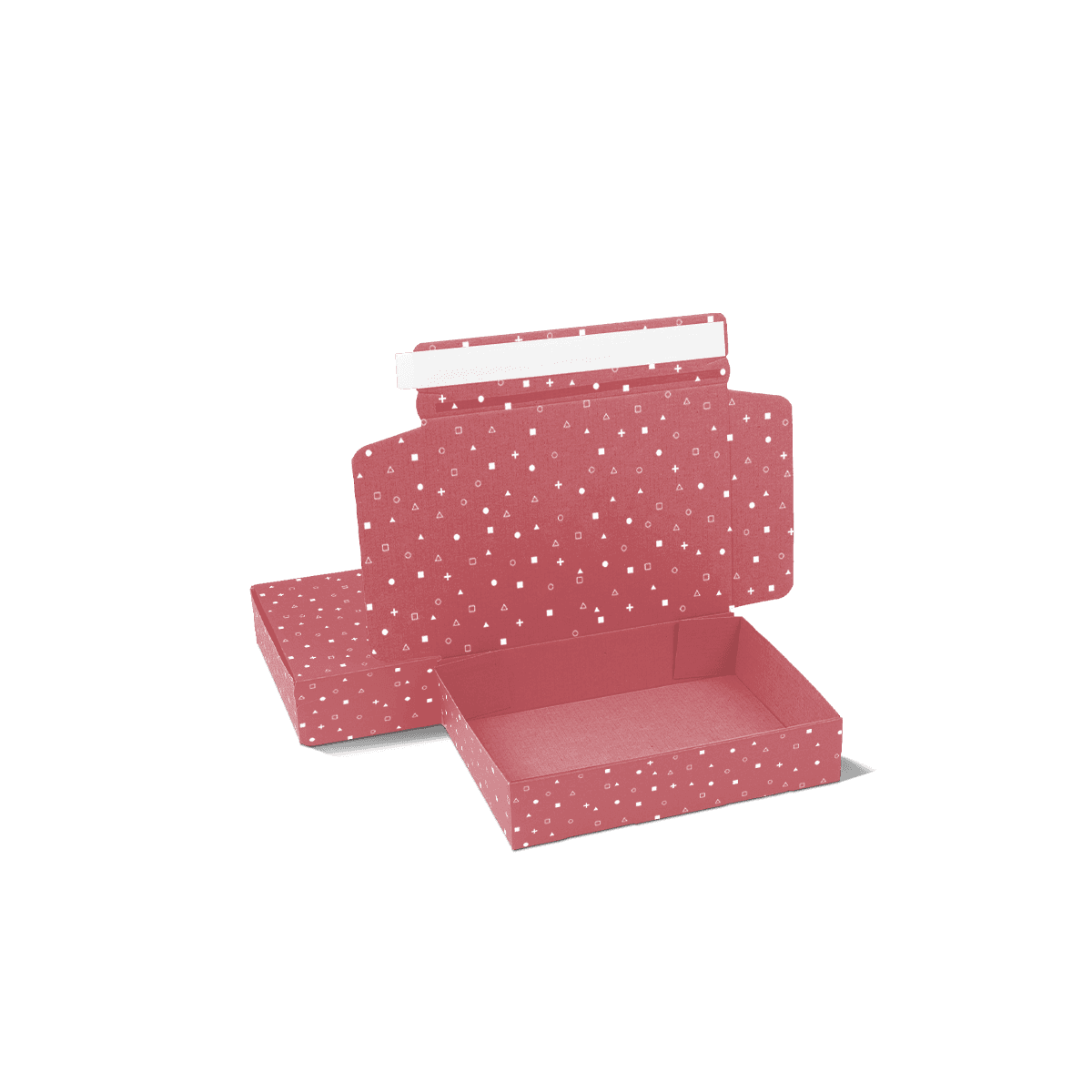
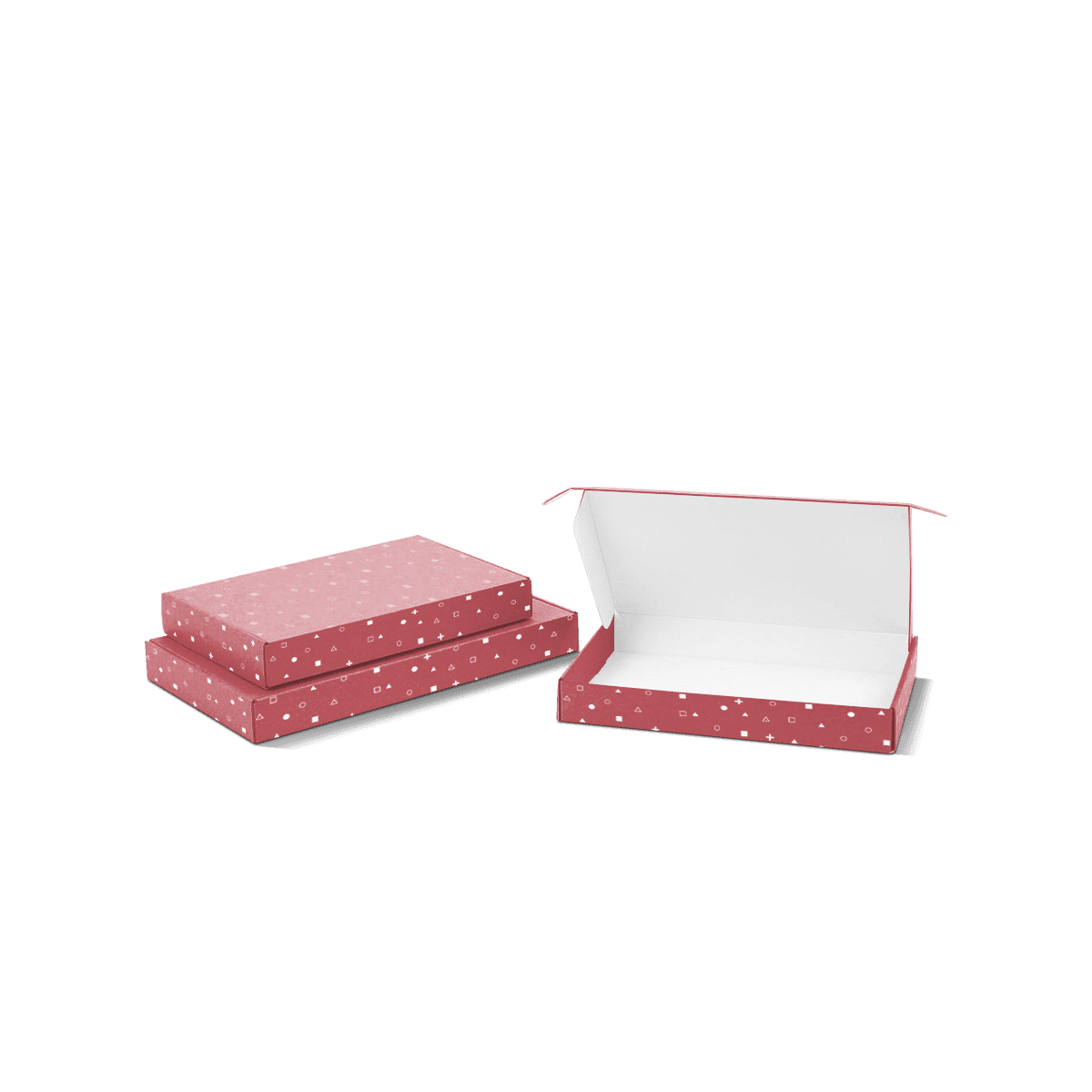
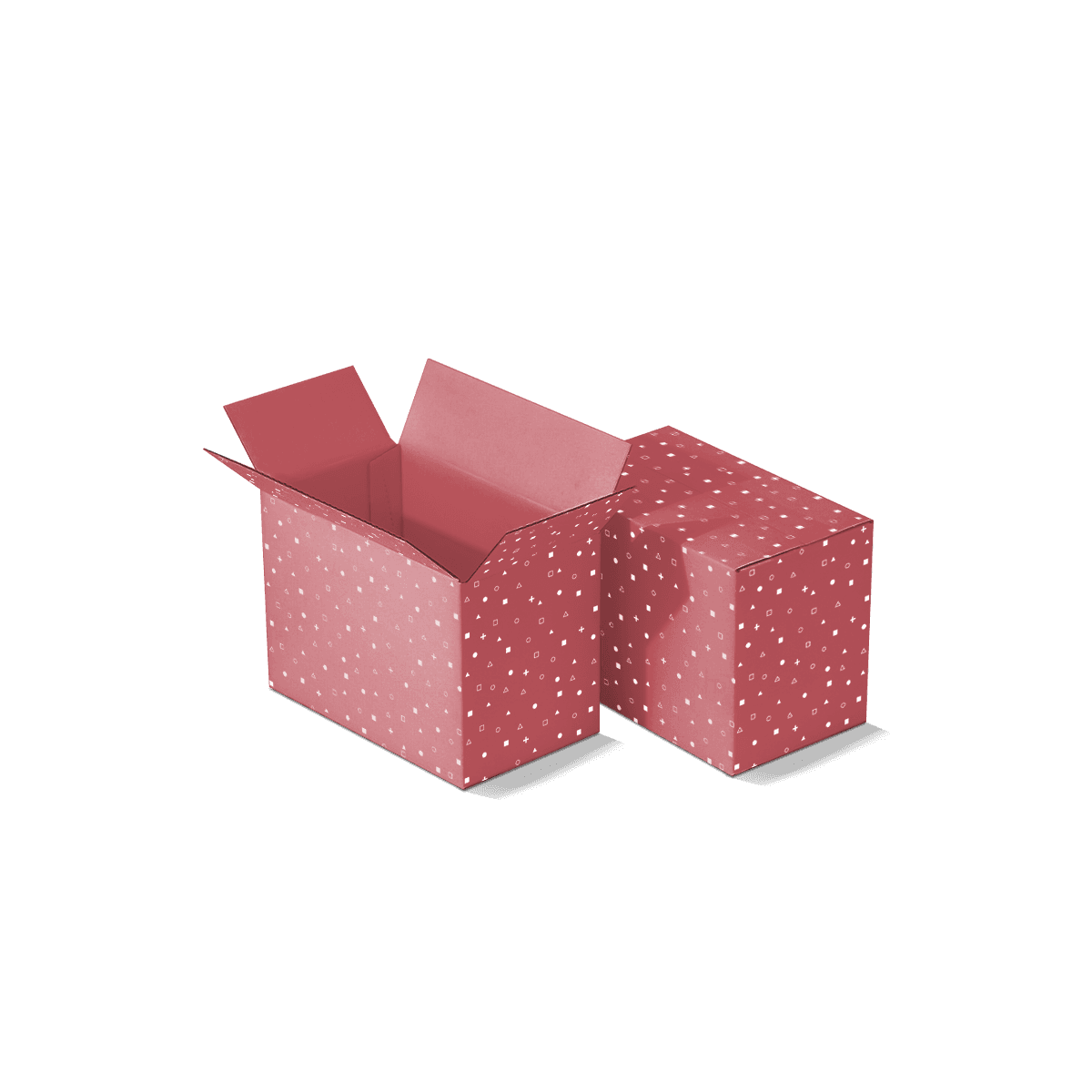
Related Packaging Styles
How it works
Simple steps from idea to delivery
Tell Us Your Specs
Tell Us Your Specs
Provide size, quantity, printing, and finishes.
Get a Fast Quote

Get a Fast Quote
Instant transparent pricing, no hidden fees.
Design and Approval

Design and Approval
Artwork checks, revisions, and final sign-off.
Produce

Produce
Expert manufacturing to meet deadlines.
Ship to Your Door

Ship to Your Door
Hassle-free, flexible delivery options.
Start Your Custom Packaging Quote
Share your product details, dimensions, quantity and artwork needs. We’ll help choose the right packaging style and send a clear quote.