
Custom Mailing Tubes
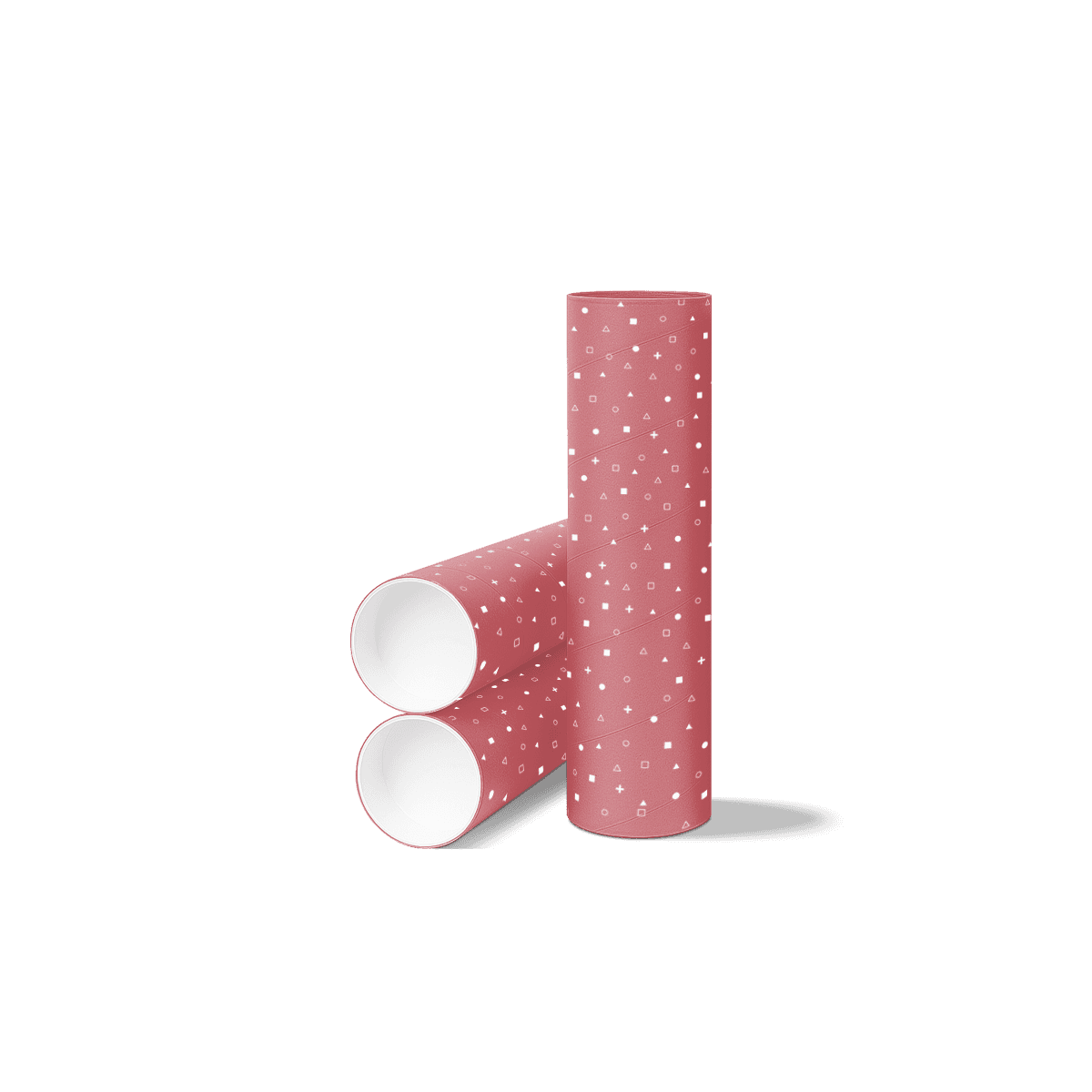
Protect posters, documents, artwork, labels and rolled products with custom tube lengths, secure end caps, durable board and branded print.
Free Design Support
Clear Pricing
Flexible Quantities
Unlimited Customization
Premium Materials
Offset Precision
Free Shipping
Quick Turnaround
Built for Rolled Products That Must Arrive Flat
Custom Mailing Tubes are made for rolled items that cannot be folded, creased or pressed flat during delivery. They suit posters, art prints, architectural plans, certificates, calendars, maps, decals, labels, banners, fabric samples, documents and promotional print material.
The main job is simple: keep the roll protected from edge damage, crushing, dust and rough handling. A standard satchel can bend. A loose carton can let the roll slide. A mailing tube gives the product a firm round structure so it stays controlled from packing bench to customer handover.
The right mailing tube depends on the rolled product, not only the outside length. Roll diameter, paper thickness, document length, cap style, wall strength and courier handling all affect the finished pack. A thin poster needs different clearance than a thick art print. A long blueprint needs a different tube length than a rolled label sheet.
Custom Packly can help plan Custom Mailing Tubes for one-off campaigns, ecommerce dispatch, print orders, event kits and larger repeat runs. The goal is packaging that protects the roll, looks clean in transit and gives your brand a more professional delivery experience.
What Custom Mailing Tubes Are Used For
Custom Mailing Tubes work best when the product is long, rolled or flexible and needs protection from bending. They are especially useful for businesses that ship printed material, creative work or promotional items.
Posters, artwork and photographic prints
Posters and artwork need edge protection because even small bends can make the product feel damaged. A mailing tube helps keep the roll away from hard corners, folding pressure and flat packaging stress.
For art prints, photographic prints and limited-edition posters, the tube should be long enough to protect the full roll without pressing the ends too tightly. Internal diameter also matters because a tight roll can mark some papers or make the product difficult to remove.
Plans, maps and business documents
Architectural plans, construction drawings, maps, certificates and presentation documents are often shipped rolled because folding would make them harder to use or display. Custom Mailing Tubes give these items a cleaner delivery format and help keep them organised.
For business documents, cap security and label placement matter. A loose cap can create risk during transit. A poor label position can make warehouse scanning or courier handling less efficient.
Promotional material and campaign packs
Event posters, banners, labels, decals, signage sheets and campaign material can use mailing tubes when the contents must arrive clean and usable. This is common for agencies, printers, retailers, event teams and ecommerce brands sending rolled items at scale.
Branded tubes can also make campaign dispatch feel more polished. A simple logo, colour band or printed message can turn protective packaging into a more visible brand touchpoint.
Tube Length, Diameter and Roll Clearance
Size is the most important decision for Custom Mailing Tubes. The tube must protect the product without forcing the roll, wasting space or making packing slow.
Length should protect the full roll
The tube length should be slightly longer than the rolled product, with enough space for end caps and handling clearance. If the tube is too short, the roll can press against the caps and damage the edges. If it is too long, the product can slide during transit.
Longer tubes may need stronger walls because they can face more bending pressure during handling. For high-value prints or longer plans, length and wall strength should be chosen together.
Diameter should suit the roll tension
The internal diameter should match how tightly the item can be rolled without damage. Thin posters may roll into a smaller diameter. Thick art paper, laminated prints or delicate stock may need a wider tube so the product is not curled too aggressively.
A wider tube can protect the product surface better, but it can also increase freight size. The best choice balances product safety, customer handling and shipping cost.
Cap space should not crush the product
End caps take up space inside or at the end of the tube, depending on the closure style. The product should not sit hard against the cap. A small gap can help protect the edge of the roll, especially for posters, certificates and printed artwork.
For repeat dispatch, cap fit should be consistent. If caps are hard to insert, packing slows down. If they pop out too easily, the contents are at risk.
Wall Strength for Transit and Storage
Wall strength decides how well mailing tubes handle courier pressure, stacking, warehouse movement and customer delivery. It should match the product value, tube length and shipping method.
Light-duty tubes for everyday printed items
Light-duty mailing tubes suit low-risk items such as standard posters, simple documents, sample sheets and short-run promotional prints. They are practical when the contents are not overly heavy and the delivery route is straightforward.
Even with lighter tubes, the board should still hold its round shape. A tube that dents too easily can make the product feel poorly protected before the customer even opens it.
Stronger walls for larger or higher-value rolls
Heavier prints, long plans, art pieces, fabric samples and larger banners often need stronger tube walls. A stronger tube can resist pressure during stacking and reduce the chance of bending along the length.
For higher-value items, the packaging should feel secure in hand. Customers notice when a tube feels too thin for the item inside. A firmer wall can improve both protection and perceived quality.
Storage needs before dispatch
Custom Mailing Tubes may sit in a warehouse, print shop, studio or fulfilment area before being used. Storage conditions matter because tubes should stay straight, dry and clean.
If the tubes are stored in bulk, consistent diameter and length make packing easier. If your team dispatches regularly, repeat-order planning can help keep the same tube size, cap type and print across future runs.
Caps, Closures and Opening Experience
The closure is not a small detail on mailing tubes. It affects security, packing speed and how the customer opens the package.
End caps for secure tube closure
End caps are common because they are quick to pack and easy for customers to open. The cap should fit firmly enough to stay in place during delivery, but not so tightly that it damages the tube or frustrates the receiver.
Cap colour can also affect presentation. White, kraft, black or branded cap options can make the tube feel more finished when matched to the artwork and outer surface.
Taped ends for extra control
Some dispatch workflows use tape over the caps for extra security. This can help when the item is valuable, the tube is long or the delivery route involves more handling.
Tape placement should look neat. Messy tape can make even a high-quality tube feel rushed. A printed seal, branded label or clean tape line can make the closure feel more professional.
Openability for customer experience
A mailing tube should protect the item, but it should not be difficult to open. Customers should be able to remove the cap and slide the roll out without tearing the product, crushing the edges or shaking the tube.
For premium prints and art products, consider the first few seconds of opening. A clean cap fit, neat label and controlled roll make the experience feel more careful.
Branding Without Overcomplicating the Tube
Custom Mailing Tubes can be printed or labelled, but the branding should not get in the way of dispatch function. The tube still needs clear shipping labels, scan zones and clean handling surfaces.
Logo print for visible delivery packaging
A logo or simple brand mark can make mailing tubes more recognisable during delivery and after arrival. This works well for art brands, print studios, creative agencies, retailers and campaign teams.
For many mailing tube projects, a clean one-colour print or repeated logo pattern is enough. It adds brand visibility without making the tube expensive or visually cluttered.
Wraparound patterns and colour bands
Round packaging is viewed from every side, so wraparound artwork can work well. A pattern, colour band or short message can help the tube feel more complete.
The artwork should leave room for courier labels and any handling marks. If the tube will be shipped directly to customers, keep the most important brand details away from label placement areas.
Print that matches repeat dispatch
Repeat dispatch needs colour and artwork consistency. If you send posters, documents or campaign material regularly, the tube should look the same from order to order.
For broader finish, material and artwork choices, Customisation can help align print, surface, colour and coating decisions before production.
Mailing Tubes Compared With Other Tube Styles
Custom Mailing Tubes are built for rolled-item delivery first. Other tube styles may look similar, but they solve different packaging problems.
Mailing tubes versus cardboard tube packaging
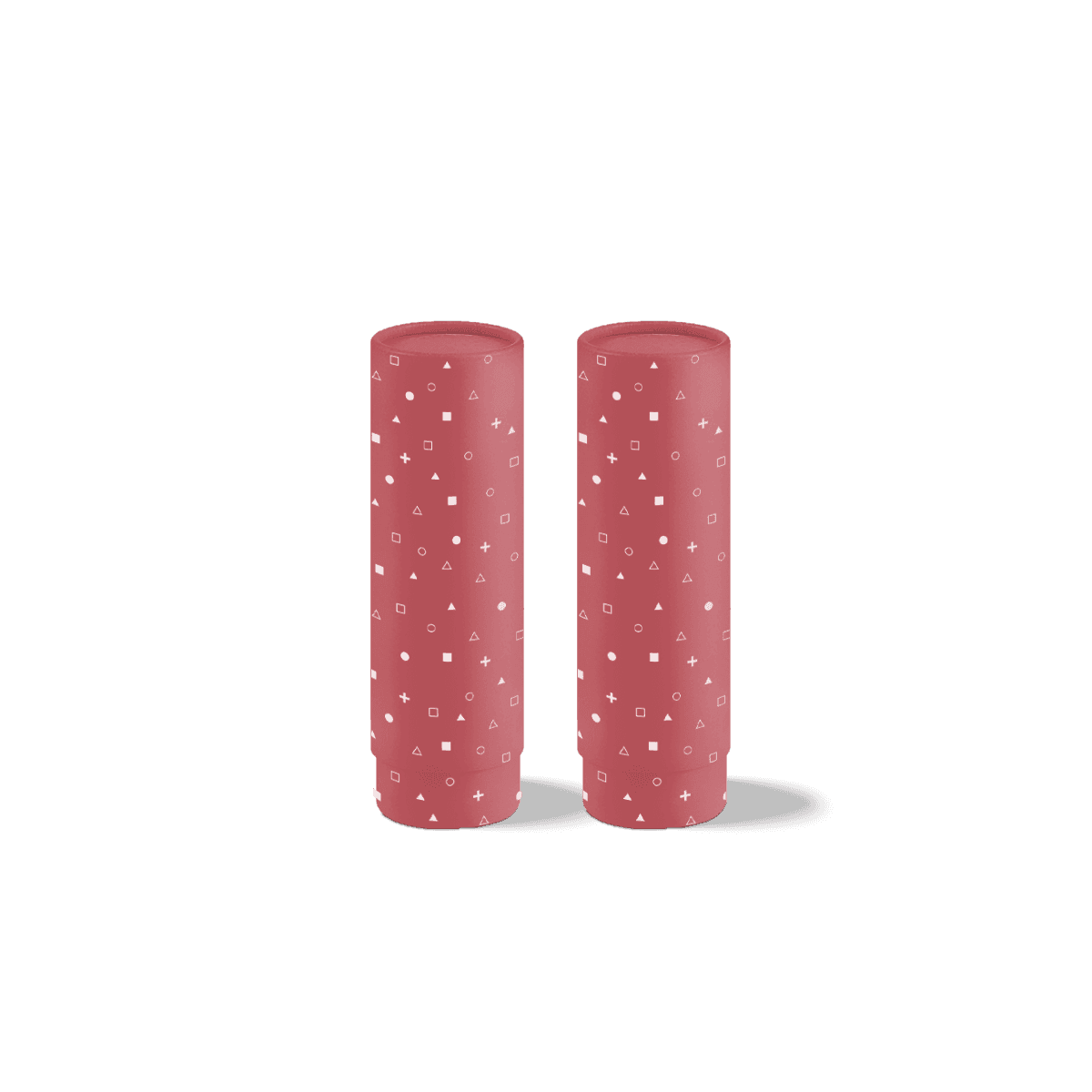
Cardboard tube packaging often focuses on retail products, candles, jars, bottles and premium shelf presentation. Mailing tubes focus on shipping rolled items safely.
If your product is a candle, jar or gift item, Custom Cardboard Tube Packaging may give better lid feel and retail presentation. If your product is a poster, blueprint or rolled print, Custom Mailing Tubes are usually more practical.
Mailing tubes versus postal tubes
Mailing tubes and postal tubes are close, but postal tubes often focus more directly on courier and postage use. Mailing tubes can include branded, printed or campaign-focused options as well as standard dispatch tubes.
For shipping-led projects where tube size, cap security and postage handling are the main concern, Custom Postal Tubes can sit closer to a pure delivery format.
Mailing tubes versus telescopic tubes
Telescopic cardboard tubes are better when the opening experience needs to feel more premium or when the tube structure needs a sliding two-part body. They can suit gifts, launch packs and higher-end product presentations.
For a premium rolled item, Custom Telescopic Cardboard Tubes may be worth considering when the tube needs to feel more like a presentation pack than a dispatch container.
Dispatch Details That Reduce Damage
Good mailing tube performance comes from the whole dispatch setup, not only the tube itself. The product roll, insert method, end protection, label position and packing workflow all matter.
Roll direction and paper memory
Printed items should be rolled in a way that protects the visible surface and reduces unwanted curl after unpacking. Some papers hold curl more strongly than others, especially thicker or coated stocks.
The tube diameter should suit the material. If the diameter is too small, the print may come out curled too tightly. If it is too large, the roll may move inside the tube.
Edge protection for delicate prints
Edges are often the first part of a rolled product to show damage. A small amount of internal clearance, tissue wrap, protective sheet or end spacer can help reduce edge impact.
This is especially important for art prints, certificates and premium posters where small bends or dents can lead to customer complaints.
Label placement and courier handling
Shipping labels should sit smoothly on the tube without covering important brand details. Long tubes can roll during scanning or handling, so label placement should be practical.
If the tube shape causes handling issues in your dispatch setup, it may be worth reviewing cap grip, label area, outer surface and storage method before placing a larger order.
Small Runs, Bulk Dispatch and Reorders
Custom Mailing Tubes can start from MOQ 50, with support for larger production runs, repeat orders and high-volume dispatch programs as your business grows.
Small runs suit product launches, artist drops, event campaigns, sample mailouts and seasonal printed material. Larger runs suit printers, agencies, ecommerce stores, retail teams and fulfilment operations that send rolled items often.
Repeat orders should keep the same length, internal diameter, wall thickness, cap style and artwork file. This helps your team pack faster and keeps the customer experience consistent.
For regular dispatch, bulk planning can also reduce last-minute stress. Keeping a planned tube specification makes reordering easier and helps avoid switching between mixed tube sizes that confuse packing teams.
What to Prepare Before Requesting a Quote
A useful quote for Custom Mailing Tubes needs the rolled product details, not just the flat print size. The product’s rolled diameter, length and handling risk affect the tube specification.
Useful quote details include:
- Flat product size before rolling
- Expected rolled diameter
- Product material, such as paper, card, fabric, vinyl, canvas or label stock
- Tube length and internal diameter if known
- Product value and delivery risk
- Wall strength preference
- Cap style and cap colour
- Kraft, white or printed outer surface
- Logo, pattern, label or full wrap print needs
- Quantity for first run and expected repeat volume
- Artwork status and dispatch deadline
The Dieline Tool can help with artwork setup and structure planning before production. For mailing tubes, the team can also guide size, cap fit and print placement because the tube needs to work with both the product roll and the delivery method.
When the product details are ready, you can get a packaging quote with the roll size, quantity, branding needs and dispatch timing. If the tube size is uncertain, send the flat product size and the team can help estimate the right direction.
FAQs
Related Packaging Styles:


How it works
Simple steps from idea to delivery
Tell Us Your Specs
Tell Us Your Specs
Provide size, quantity, printing, and finishes.
Get a Fast Quote

Get a Fast Quote
Instant transparent pricing, no hidden fees.
Design and Approval

Design and Approval
Artwork checks, revisions, and final sign-off.
Produce

Produce
Expert manufacturing to meet deadlines.
Ship to Your Door

Ship to Your Door
Hassle-free, flexible delivery options.
Start Your Custom Packaging Quote
Share your product details, dimensions, quantity and artwork needs. We’ll help choose the right packaging style and send a clear quote.