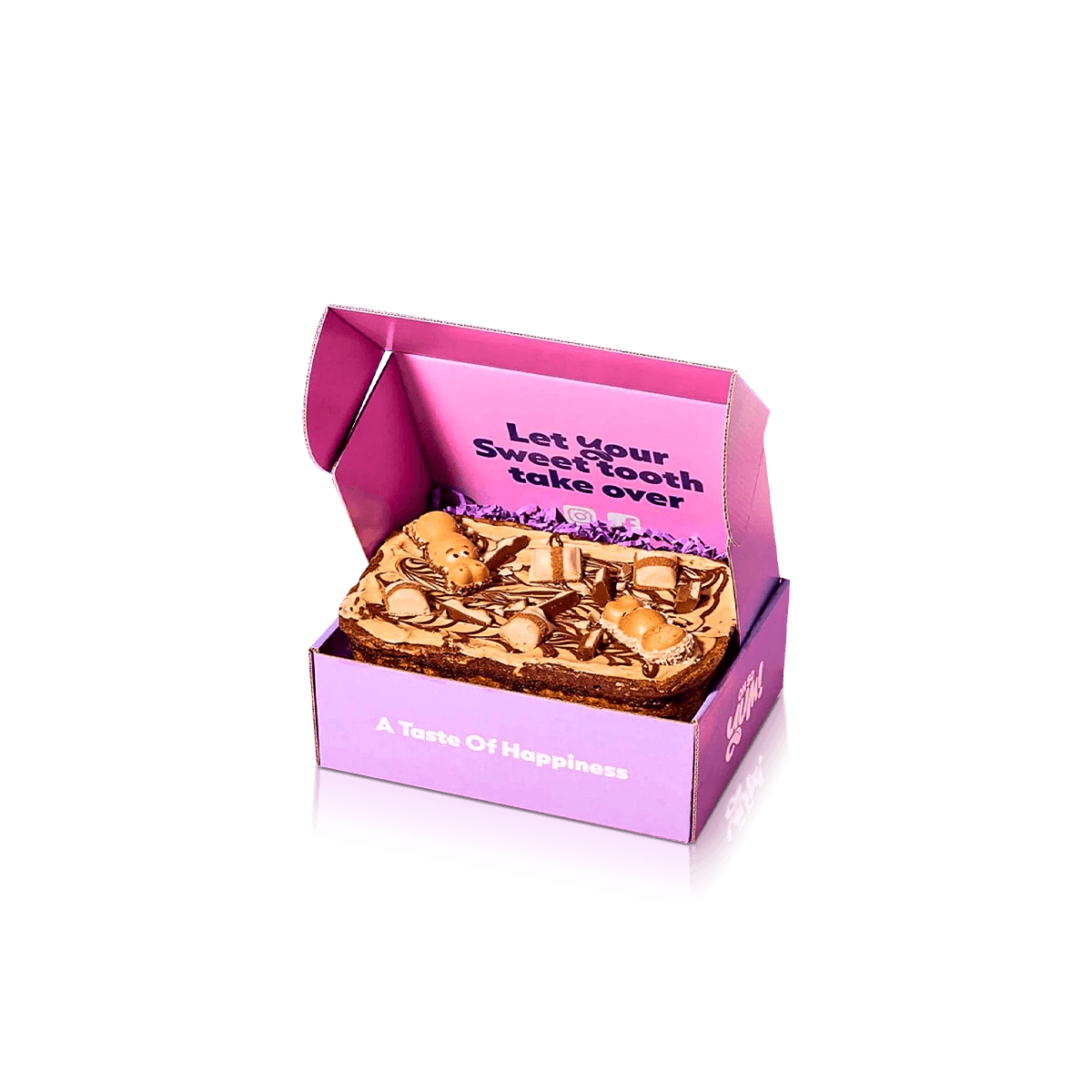
Custom Bakery Boxes
Move from one pastry to a mixed counter order with box sizes that organise different heights, control crumbs and keep daily service moving.
Free Design Support
Clear Pricing
Flexible Quantities
Unlimited Customization
Premium Materials
Offset Precision
Free Shipping
Quick Turnaround
Custom Bakery Boxes for Mixed Bakes, Counter Service and Gifting
Custom Bakery Boxes should make it easier to move from one pastry to a mixed counter order without crushing toppings, losing crumbs or forcing every item into one depth. The best box family is planned around product height, filled weight, surface texture and the way staff hand the order to the customer.
A bakery may need a shallow box for slices, a medium box for cookies and pastries and a deeper box for muffins or breakfast orders.
Custom Bakery Boxes can sit within Custom Bakery and Confectionery Packaging, so cakes, confectionery and everyday baked goods share one visual identity while keeping product-specific structures.
Create a Useful Box Family
Custom Bakery Boxes work best as a small set of useful sizes rather than one oversized carton filled with empty space. A clear set of Custom Bakery Boxes reduces staff guesswork and makes flat storage easier.
Group products by footprint and height
Flat cookies, brownies and slices may share a shallow size. Croissants, danishes and filled pastries often need more height. Muffins and small cakes need deeper walls and clear lid space.
Measure finished goods after cooling and decoration. Include icing, fruit, paper liners and toppings. The baking tray or cutter does not show the final height.
Choose sizes from common orders
Review the combinations staff fill most often. A box for two pastries, another for four mixed items and a larger family order may cover more daily work than many rarely used sizes.
Custom Bakery Boxes should allow quick loading without leaving enough space for products to slide or make the order look sparse.
Reuse footprints where practical
Two boxes can share the same length and width but use different depths. This can simplify storage and matching paper bags.
Custom Bakery Boxes with the same footprint do not need the same divider for every product. Inner support still needs to follow the food.
Separate Height, Weight and Surface Texture
Mixed bakery orders often contain products that behave very differently. Custom Bakery Boxes should keep heavy slices away from soft pastries and protect decorated surfaces from rubbing.
Keep dense items away from delicate ones
Brownies and filled slices can be much heavier than macarons, meringues or flaky pastries. Place dense items in their own row or use a divider so they cannot move into softer goods.
For pastry-only orders, Custom Pastry Boxes can use a shallower layout that supports flaky layers without sharing space with heavier slices.
Custom Bakery Boxes need a firm base when several heavy pieces share one carton. It should stay level when lifted from the sides.
Protect icing, glaze and crumb toppings
Soft icing can mark the lid. Glaze can transfer to another pastry. Loose sugar and crumb toppings can spread during carrying.
Allow clear space above the tallest item and use paper cups, trays or dividers where surfaces should not touch.
Control flavour and moisture transfer
Strong spices, chocolate, fruit fillings and savoury items may need separation. Use cells, paper wraps or small trays when flavours or moisture could move between products.
Illustrative mixed-order case study
Consider an order with two croissants, two muffins and four brownie pieces. One open carton lets the brownies move under the croissants while the muffin crowns touch the lid.
A better layout uses a firm shallow base, a raised area for the muffins and a divider between dense slices and flaky pastries. The order stays organised without giving every item a separate outer box.
Keep Daily Filling Fast and Consistent
Custom Bakery Boxes should support the pace of the bakery. Slow assembly, confusing sizes and awkward closures create delays during rushes.
Choose closures staff can repeat
A simple tuck lid or top-opening tray can suit daily orders. The flap should close without dragging across the food or pushing the walls inward.
Custom Folding Cartons and Tuck Boxes suit lighter bakery orders that need flat storage, quick forming and a clean printed surface.
Make each size easy to identify
Use clear size names, discreet marks or colour cues on flat cartons. Staff should know which box suits a two-item order without opening several bundles.
Keep similar depths apart on the shelf because small differences are hard to see when boxes lie flat.
Set a loading order
Place the heaviest items first and keep delicate goods away from the closure path. A short packing note can help different shifts repeat a fixed event arrangement.
Reserve ribbons, bands and extra tissue for gift orders rather than adding slow steps to daily Custom Bakery Boxes.
Use Windows as Order Checks
Windows can show freshness, colour and portion count. They also help staff confirm a pre-order before handover. Custom Bakery Boxes need the opening placed over the real product layout, not empty tray space.
Match the window to the assortment
A wide top window suits flat assortments and rows of pastries. A smaller corner opening can show colour while leaving more room for print and labels.
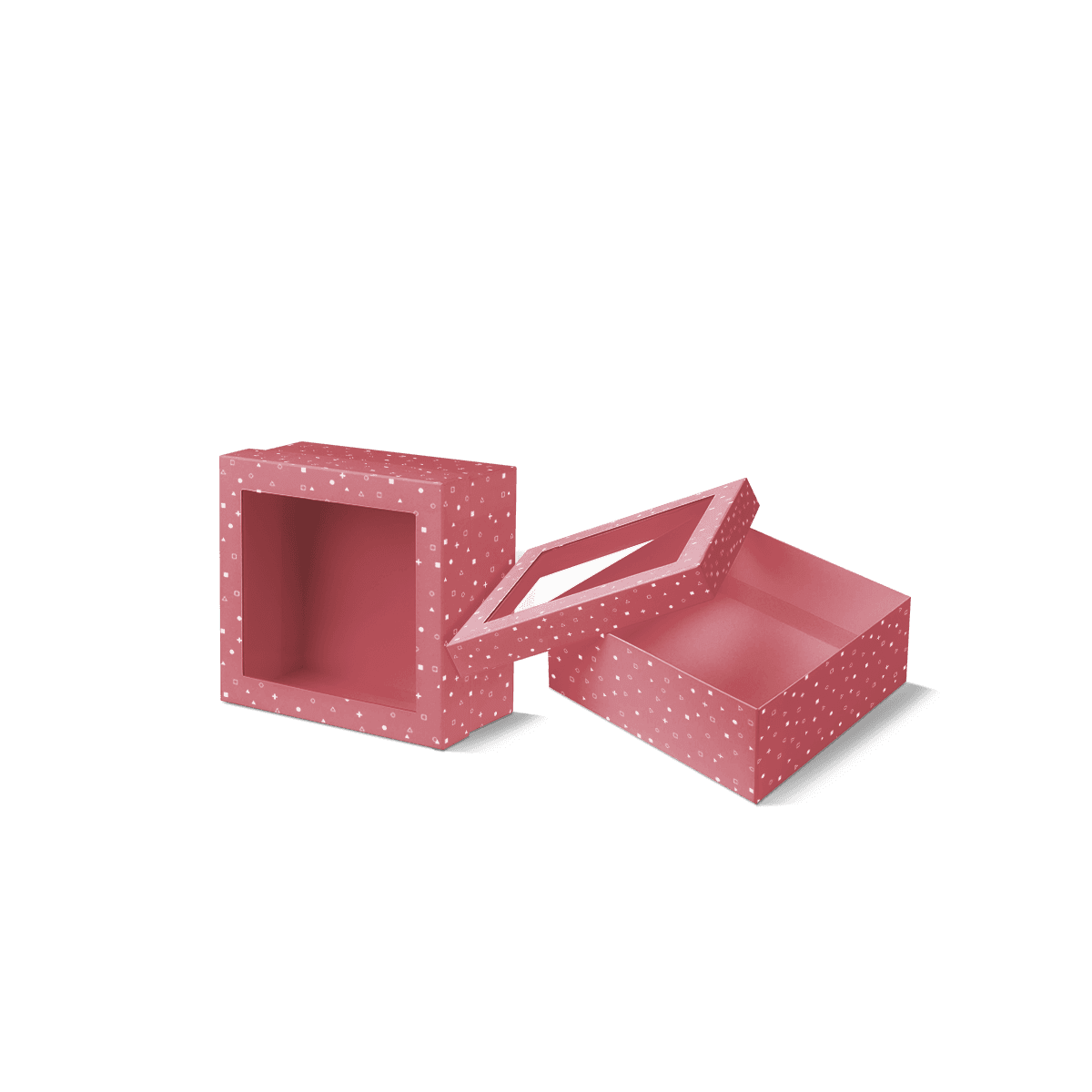
Custom Window Carton Boxes can use a partial opening when the bakery needs product visibility and a firm lid border.
Leave enough board around the cutout
A large window can weaken a wide lid. Keep a strong border around folds, corners and locking points.
The border also gives staff a clear place for order labels, flavour notes and required food information.
Keep food below the film
Tall icing, fruit and crumb toppings should not touch the clear panel. Measure the tallest normal product and allow for batch changes.
A tray or divider should also stop light items from lifting during transport.
Choose Board for Crumbs, Butter and Weight
The right board for Custom Bakery Boxes depends on the heaviest order, richest recipe and longest normal handling time.
Paperboard for detailed bakery print
White paperboard gives a smooth surface for logos, colour and small text. It suits many counter, gift and retail orders.
The grade should match the span and filled weight. A wide box may need a firmer base even when the products are not tall.
Kraft for a simple bakery look
Kraft gives Custom Bakery Boxes a warm, natural surface and suits dark ink, simple artwork and paper labels.
Colours appear different on brown stock, so pale tones may need adjustment before artwork approval.
Add inner protection where needed
Butter, oil, glaze and fruit fillings can mark unprotected board. A suitable liner, tray or food-contact barrier can keep the outer carton cleaner.
Confirm which surfaces may touch food. The inner material should suit the recipe and intended use rather than relying on an outer decorative finish.
Use stronger support for heavy movements
A corrugated base or outer carton can help with large mixed orders and local delivery. It may be unnecessary for a small counter purchase.
Design Print Around Menus and Labels
Print should help the bakery organise changing products, not lock every box to one short menu. Custom Bakery Boxes can keep permanent brand elements separate from details that change often.
Keep core branding permanent
Place the logo, main colour, pattern and contact details on the box. These elements can remain consistent across several sizes.
A clear label panel gives room for customer names, collection times and flavour notes.
Use labels for short menus
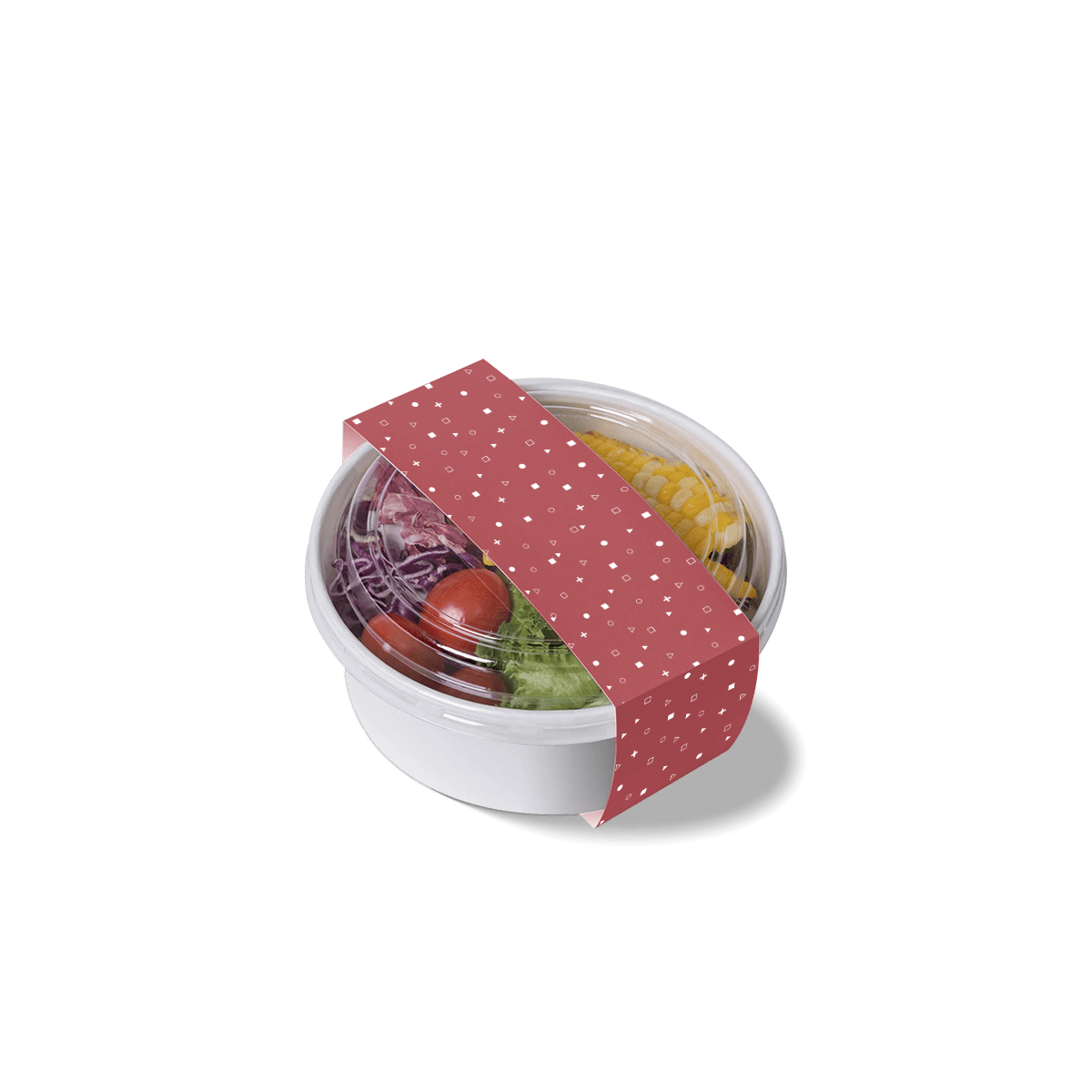
Seasonal products and rotating pastry lists may not justify new direct print each time. Use labels, cards or a sleeve for short campaigns.
Inside-lid print can carry serving notes, storage advice or a simple product key when it remains away from direct food contact.
Choose finishes for real handling
Matte, gloss, foil and spot gloss can change the appearance of Custom Bakery Boxes. Use them where they support the brand and can handle normal rubbing at the counter.
Customisation can bring the material, window, print and finish choices together before artwork is placed on the final dieline.
Plan Flat Storage and Repeat Supply
Custom Bakery Boxes need to fit the back room as well as the food. Large stacks of assembled cartons can quickly use valuable space.
Give every size a clear role
Use simple purposes such as two pastries, four mixed items or a large family order. This makes stock checks easier and reduces the use of a costly large box for a small purchase.
MOQ starts from 50, with support for larger bakery runs, seasonal orders and high-volume repeat production. Order quantities should reflect how quickly each size is used.
Separate evergreen and seasonal print
Keep regular Custom Bakery Boxes on one repeat schedule. Use sleeves, seals or labels for short events and holiday collections.
Recheck fit when products change
A new muffin liner, larger pastry or thicker slice can affect the carton even when the product name stays the same. Record approved finished measurements and update them when portions change.
Protect Orders Beyond the Counter
Custom Bakery Boxes may look right at handover but still need more protection for markets, catering and delivery.
Choose a bag that does not squeeze the carton
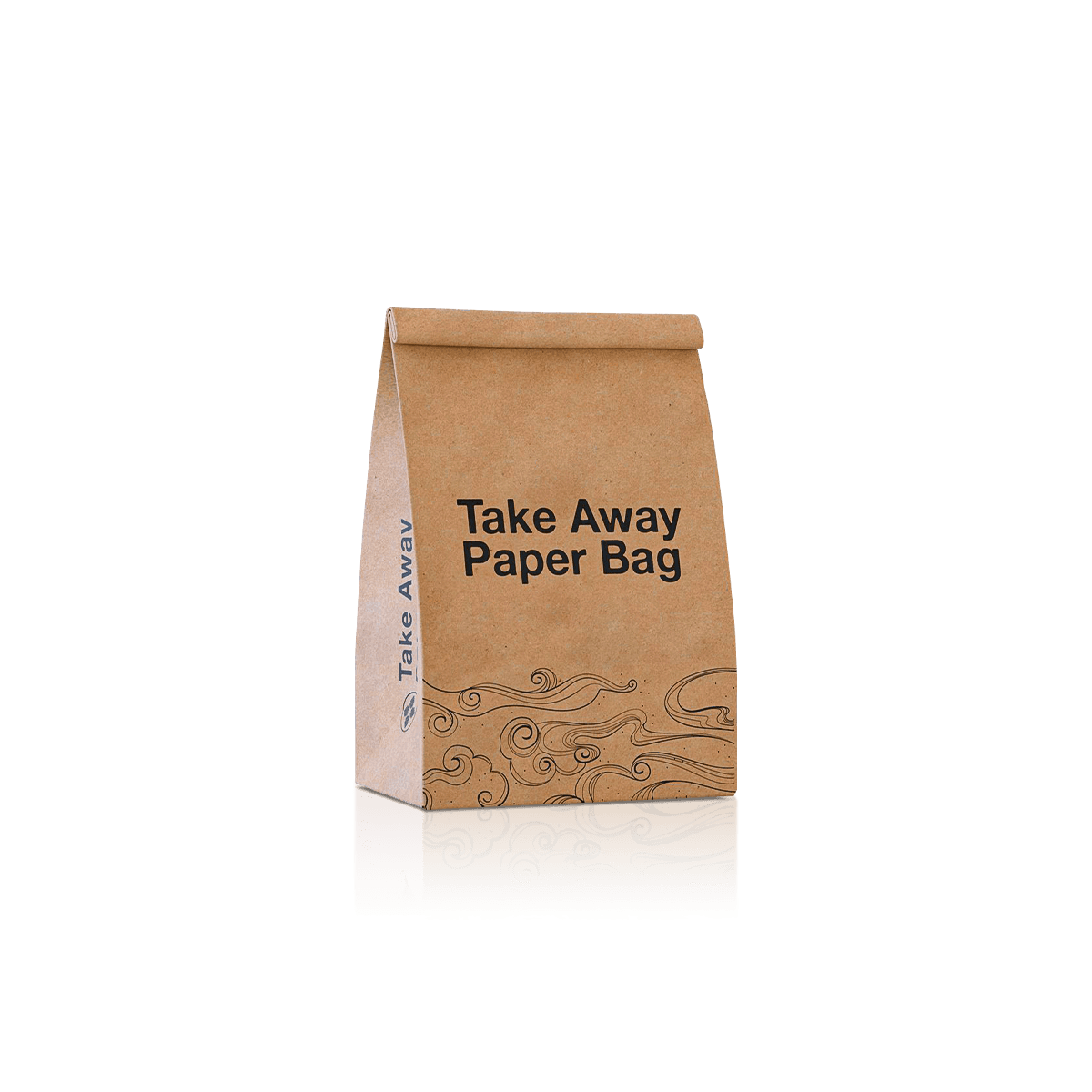
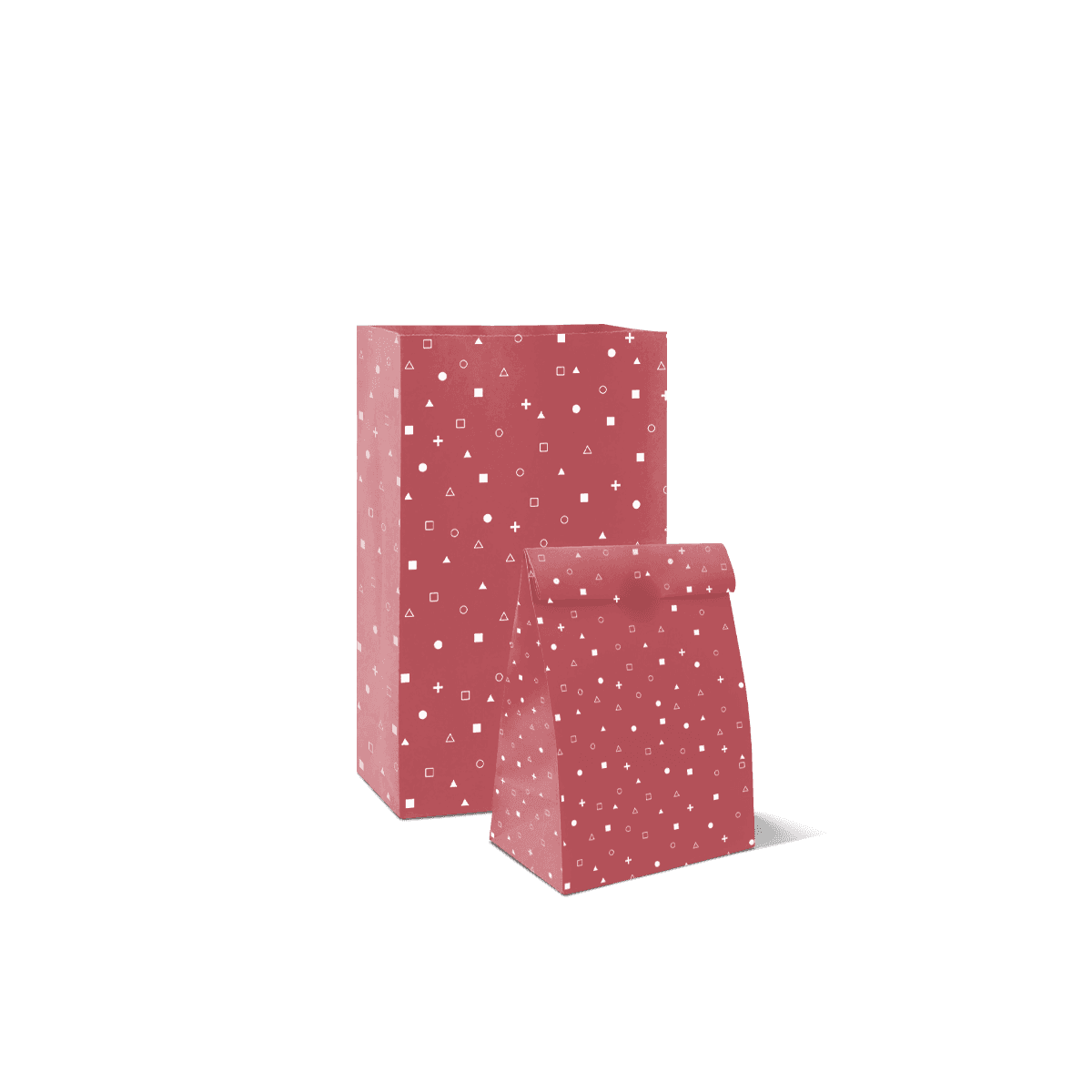
A paper bag for Custom Bakery Boxes should fit without pressing the side walls. Staff should be able to lower the carton into it while keeping the base level.
Add an outer carton for delivery
The printed bakery box is usually the presentation layer. Local van or courier delivery may need a stronger outer carton, cushioning and a snug fit around the inner box.
Custom Food Packaging can connect the printed bakery carton with wider food handling, delivery and repeat-order needs.
Test the filled order
Carry the real product mix over the normal journey. Check base flex, lid clearance, window marks and movement between items.
Testing Custom Bakery Boxes while empty will not show what happens when dense slices and tall pastries share one order.
Quote the Box Family, Not One Empty Size
An accurate quote for Custom Bakery Boxes should show the products, common order combinations and sizes the bakery will actually use. One outer dimension cannot describe a full bakery box system.
Send these details:
- Finished product sizes after cooling and decoration
- Common order combinations
- Heaviest normal mixed order
- Shallow, medium and deep box needs
- Window, divider or tray preferences
- Products that need liners or food-contact barriers
- Flat storage space and preferred assembly style
- Print coverage, label area and finish ideas
- Quantity for each size and artwork version
- Counter, market, catering or delivery use
- Required date and artwork status
Photos of a normal mixed order beside a ruler can show height differences and weak points. A 3D mockup is usually enough to approve artwork and panel order. A physical sample is most useful when several product heights share one box or the filled order is heavy.
Send the size list and product details through Get a Quote. Custom Packly can review the boxes as one connected family and help avoid repeated dimensions, weak bases or unnecessary empty space.
FAQs
Related Industries
Related Packaging Styles
How it works
Simple steps from idea to delivery
Tell Us Your Specs
Tell Us Your Specs
Provide size, quantity, printing, and finishes.
Get a Fast Quote

Get a Fast Quote
Instant transparent pricing, no hidden fees.
Design and Approval

Design and Approval
Artwork checks, revisions, and final sign-off.
Produce

Produce
Expert manufacturing to meet deadlines.
Ship to Your Door

Ship to Your Door
Hassle-free, flexible delivery options.
Start Your Custom Packaging Quote
Share your product details, dimensions, quantity and artwork needs. We’ll help choose the right packaging style and send a clear quote.