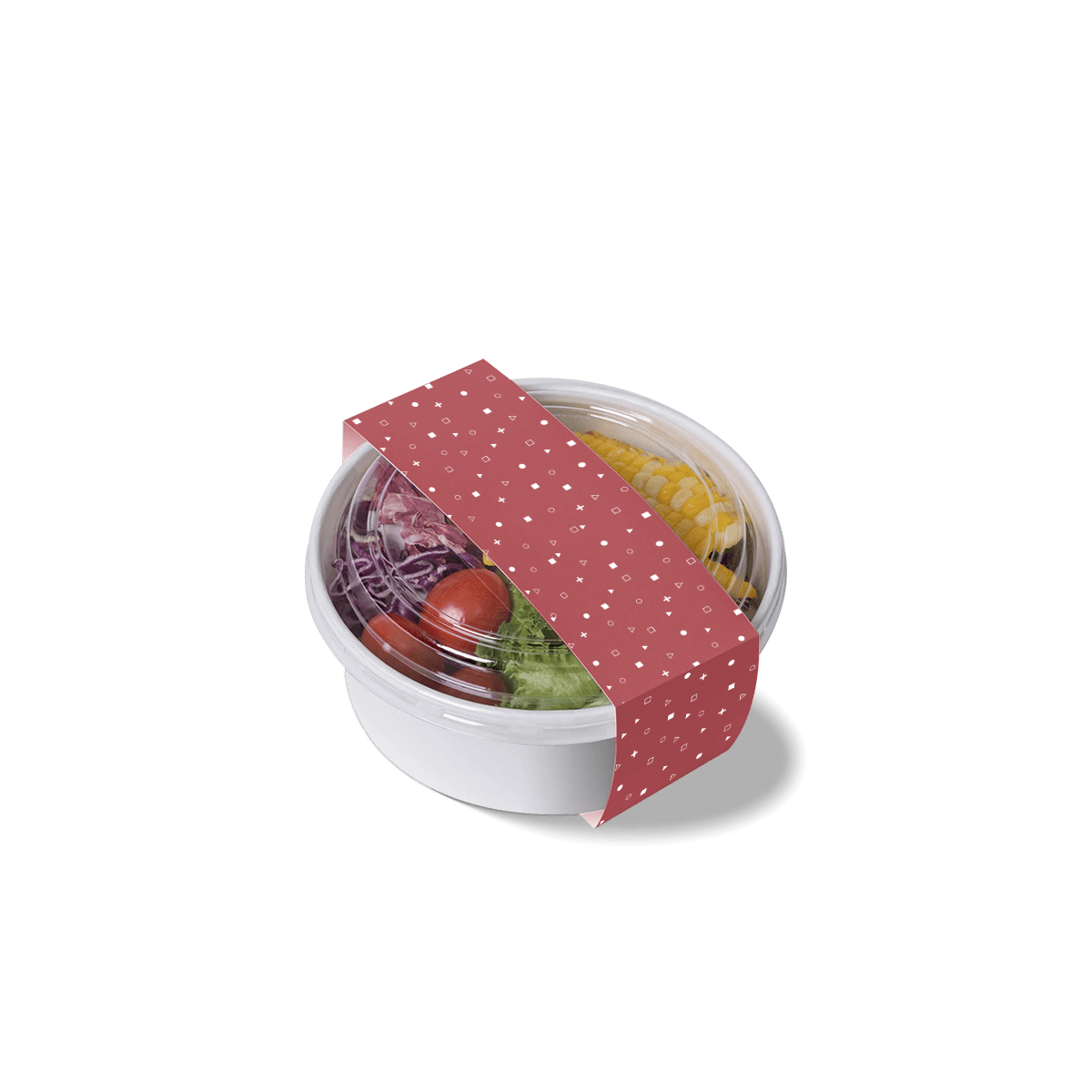
Custom Food Packaging Sleeves
Printed food sleeves for trays, boxes, containers and takeaway packs that need clear branding, product information and practical handling.
Free Design Support
Clear Pricing
Flexible Quantities
Unlimited Customization
Premium Materials
Offset Precision
Free Shipping
Quick Turnaround
Custom Food Packaging Sleeves for Branded Food Packs
Custom Food Packaging Sleeves are printed wraps made to sit around food boxes, trays, tubs, cartons, containers or wrapped food products. They give food packaging a branded face while leaving the main pack practical for filling, sealing, stacking, chilling, heating instructions or takeaway service.
A food sleeve can carry the product name, flavour, menu item, ingredients, barcode, QR code, heating notes, storage advice, batch details, logo and campaign message. This makes it useful for bakeries, cafes, meal prep brands, dessert makers, confectionery businesses, ready-meal suppliers and food retailers that need neat presentation without changing the full container for every product.
Unlike a general product sleeve, food sleeve packaging has to think harder about service conditions. The sleeve may sit near condensation, grease, fridge storage, freezer handling, warm takeaway packs or fast packing benches. That means the wrap fit, material, print finish and information layout need to match how the food is packed, stored, carried and opened.
For the broader sleeve family, Custom Sleeve and Band Packaging covers box sleeves, kraft sleeves, belly bands and printed packaging sleeves. Custom Food Packaging Sleeves focus on food packs where branding, handling and product information need to work together.
Food Packs That Work Well With Sleeves
Custom Food Packaging Sleeves work best when the main food container already protects or holds the product, but needs a printed layer for branding, display or product details.
Takeaway Trays and Meal Containers
Takeaway trays, meal containers and prepared food tubs often need a sleeve that wraps around the outside without interfering with the lid, seal or opening point. The sleeve can make the pack look more professional while still allowing staff to fill, close and stack containers quickly.
This is useful for salads, rice bowls, pasta meals, meal prep packs, bento-style trays, curry tubs, catering boxes and ready-to-eat meals. The sleeve can carry flavour, date, heating instructions, dietary notes or barcode details.
For daily service, sleeve alignment matters. Staff should be able to apply the sleeve quickly without checking every corner. A sleeve that looks good but slows the bench can create problems during lunch rushes, events or high-volume delivery windows.
Bakery, Dessert and Confectionery Packs
Bakery boxes, dessert trays, cookie packs, brownie boxes, macaron trays and chocolate sleeves often need a balance of product visibility and branding. A sleeve can add colour and product information while leaving the food pack simple and easy to handle.
For clear-lid dessert trays or window boxes, the sleeve should avoid covering the part of the pack that shows the product. For premium confectionery, the sleeve can carry flavour systems, gifting artwork, batch notes or seasonal messaging.
Sleeves are also useful for seasonal bakery packaging. A bakery can keep the same base tray or box and change the sleeve artwork for Christmas, Easter, Valentine’s Day, local events or limited menu items.
Cafe Retail and Grab-and-Go Items
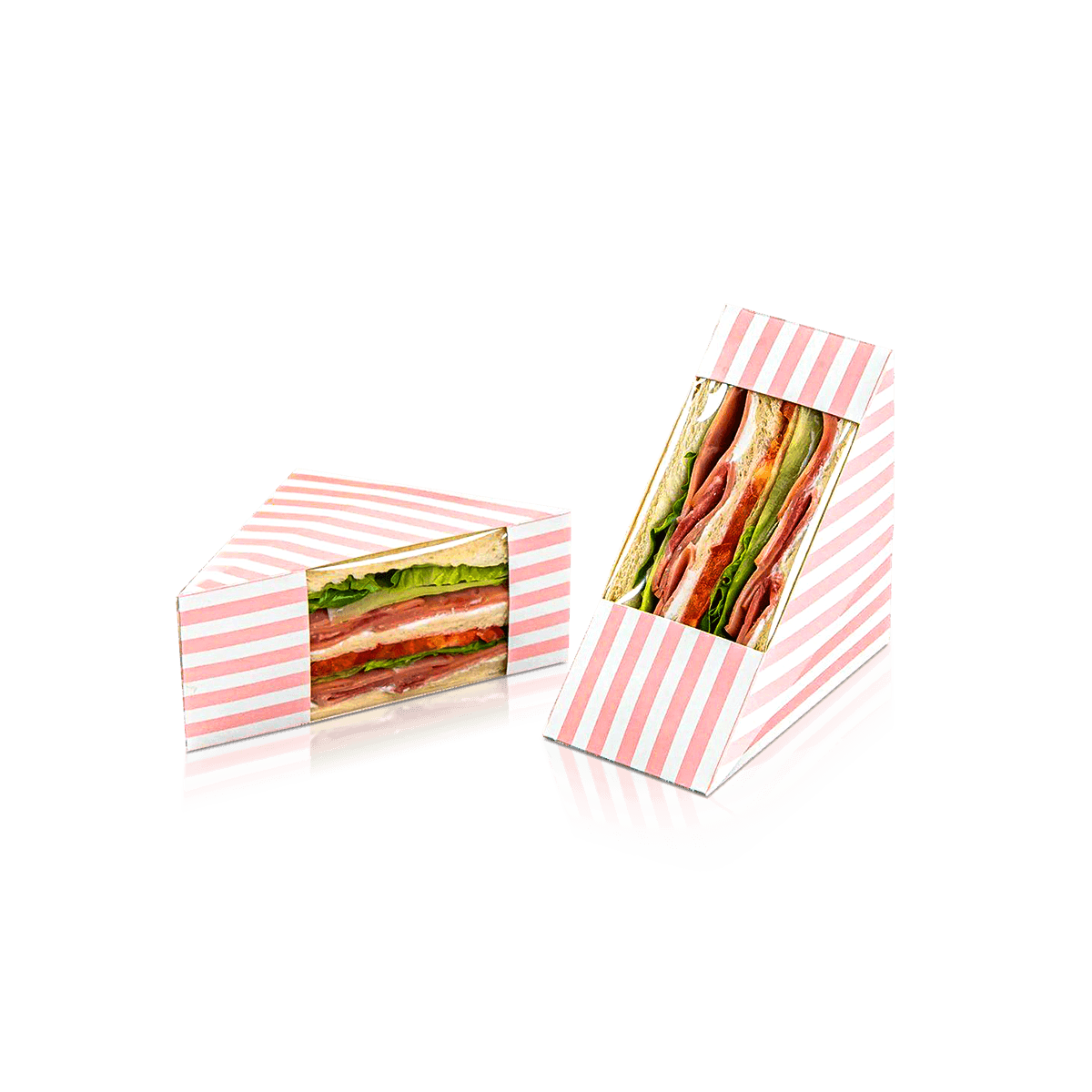
Food sleeves are practical for cafe shelves, fridge displays and grab-and-go counters. They can wrap sandwiches, wraps, snack boxes, pastries, coffee retail products, tea packs, protein bars or small takeaway boxes.
Brands planning wider cafe packaging can connect sleeves with cups, trays, paper bags and takeaway boxes through Custom Cafe and Takeaway Packaging. The sleeve then becomes one branded part of a larger customer experience.
The key is to make the sleeve easy to read while customers move quickly. Product name, flavour and dietary cues should be visible without forcing customers to turn the pack several times.
Cone, Wrap and Handheld Food Items
Some food products need shaped sleeve support rather than a flat box wrap. Ice cream cones, waffle cones and similar handheld items need sleeve shapes that guide grip, branding and serving comfort.
For cone-specific packaging, Custom Cone Sleeves is the more focused option. Custom Food Packaging Sleeves suit wider trays, boxes, tubs, cartons and packed food products where the sleeve wraps around a base pack.
Fit Must Respect the Food Container
Food sleeve packaging should fit the real container, not only the product idea. A sleeve that is too tight can crush the pack, lift the lid or slow service. A sleeve that is too loose can slip in storage, rotate in transit or look careless on the shelf.
Measure the Container With Its Lid On
Food containers often change size once filled and lidded. The lid rim, container taper, raised edge or sealed film can affect the final wrap measurement.
A sleeve for a lidded tray should be measured with the lid attached. A sleeve for a bakery box should account for folded edges and any window area. A sleeve for a wrapped food item should consider the real packed thickness, not only the food’s starting size.
Useful measurements include:
- Container length, width and height
- Lid or rim height
- Wrap distance around the pack
- Sleeve depth from top to bottom
- Window, seal or opening position
- Stack direction
- Fridge, freezer or ambient storage needs
- How staff will apply the sleeve during packing
Leave Opening and Seal Areas Clear
Food sleeves should not block the customer from opening the pack properly. They should also avoid covering tamper seals, film seals, clear lids, pull tabs or important handling points unless the design intentionally includes them.
If the pack needs to be opened quickly, the sleeve should remove cleanly. If it needs to stay on until purchase, the sleeve should grip well enough to hold during display and handling.
For ready meals, the sleeve should not confuse heating instructions or safety notes. If the container must be removed from the sleeve before heating, that message needs to be clear.
Plan for Tapered Containers
Many food trays and tubs are slightly wider at the top than the bottom. A straight sleeve may feel tight at one edge and loose at the other.
Tapered containers may need a narrower sleeve, a different sleeve depth, a shaped dieline or a wrap position that avoids the strongest taper. This is especially important for tubs, bowls, clamshells and some takeaway trays.
A quick mockup can help check whether the sleeve sits straight or climbs out of position during handling.
Food Information Needs Clear Panels
Custom Food Packaging Sleeves often carry more required information than standard retail sleeves. The design must leave room for practical details while still looking branded.
Front Panel for Fast Choice
The front panel should help customers choose quickly. It should show the product name, flavour, main image or menu identifier in a clean hierarchy.
For fridge displays and takeaway counters, customers may only glance at the pack for a second. Clear naming, colour coding and dietary icons can help them pick faster.
If the product is part of a range, the sleeve should make each flavour or menu type easy to identify. This also helps staff pack orders correctly.
Back Panel for Instructions and Details
The back panel can carry ingredients, heating instructions, storage notes, nutrition information, barcode placement, QR code details, allergens, batch codes or social details.
Important food information should sit on a flat, readable panel. Fine print should not cross folds, seams, curves or high-friction areas. Barcodes and QR codes also need enough clear space so they scan properly.
If labels or ingredients change often, keep the information panel structured so updates can happen without rebuilding the whole design.
Side Panels for Shelf and Fridge Visibility
Side panels can help when food packs are stacked, lined up in fridges or displayed in rows. A colour strip, product name or short flavour cue on the side can make the pack easier to recognise.
This is useful for ready meals, sandwich packs, confectionery boxes, salad tubs, bakery trays and multi-flavour retail food ranges.
Materials for Food Service Conditions
The material choice should match where the food pack will be used. A sleeve for a dry bakery box has different needs from a sleeve for a chilled meal tray or warm takeaway container.
Paperboard for Light Food Packs
Paperboard works well for bakery boxes, snack packs, dessert trays, sandwich sleeves, confectionery boxes and dry food products. It folds neatly, prints well and keeps the sleeve light.
It is a good choice when the sleeve is mainly for branding, product naming and shelf presentation. It can also support short-run seasonal food packaging when the base pack stays the same.
Cardboard for Stronger Handling
Cardboard can add more structure when the sleeve is deeper or the food container is handled often. It can help the sleeve stay straight around boxed meals, gift food packs, retail trays or heavier food products.
A stronger board may also help when products move through catering setups, delivery bags, market stalls or retail display shelves.
Kraft for Natural Food Brands
Kraft sleeves suit food brands that want a natural, simple or handmade look. They work well for bakery, organic, cafe, deli, tea, coffee, wellness food and artisan ranges.
Kraft can look strong with simple black print, muted colour or minimal artwork. For bright food photography or heavy colour, white board may give a cleaner print result.
Moisture, Grease and Temperature Considerations
Food sleeves usually sit outside the primary food container. That makes them useful for branding without needing the sleeve to touch the food directly.
However, the sleeve may still face grease marks, fridge moisture, condensation, freezer handling or warm takeaway conditions. If the sleeve will sit near oily, damp or chilled packaging, that should be discussed before production so the material and finish suit the use case.
For direct food contact or special grease-resistant needs, confirm the correct material setup before ordering. The safest approach is to treat the sleeve as part of the full food packaging system, not only as a printed marketing wrap.
Printing That Keeps Food Branding Easy to Read
Food packaging often has to sell quickly, explain clearly and still look appetising. Print quality matters because food sleeves carry both brand presentation and practical information.
Colour Systems for Menu Ranges
Food sleeves often use colour to separate flavours, meals, dietary types or product families. A dessert range may use colour by flavour. A ready-meal range may use colour by cuisine. A cafe may use colour for breakfast, lunch and snack packs.
Premium offset printing can help keep colour blocks, fine text and brand marks consistent across repeat sleeve runs. Consistency matters when several products sit together on a shelf or in a fridge.
Product Photography and Illustration
Some food sleeves need photography. Others work better with patterns, icons or simple colour systems.
Photography can help if the product is hidden by the container. Minimal illustration can work when the product is visible through a window or clear lid. The design should not overpromise what is inside the pack. Food packaging works best when the print supports the actual product.
Finishes for Real Handling
Matte, gloss and spot finishes can all work on food sleeves, but the finish should match the handling environment.
Gloss can make colours and food images feel brighter. Matte can create a cleaner modern look. Spot UV or foil can work for premium confectionery or gift food items, but high-touch takeaway packs may need a more practical finish.
A finish should not crack at fold lines, scuff too easily or make the sleeve harder to apply.
Sleeves for Fast Packing and Repeat Service
Custom Food Packaging Sleeves should fit the way a food business works. A pack used once a week for gift boxes can allow more hand finishing. A lunch service sleeve needs speed, clear orientation and easy stacking.
Speed at the Packing Bench
Food sleeves should be simple for staff to pick, open and apply. The front panel should be easy to identify. The sleeve should slide on without catching the lid or crushing the pack.
For busy service, small details matter. If two sleeve designs look too similar, staff may apply the wrong one. If the sleeve is too tight, service slows down. If it is too loose, it may slip during delivery.
Good sleeve design supports the team as much as the customer.
Stacking, Fridge and Delivery Checks
Food packs often move through stacking, chilling, delivery bags and retail display. The sleeve should stay aligned through those steps.
Deep sleeves can improve visibility but may rub when stacked. Narrow sleeves may be quicker to apply but may slip if the pack is smooth or tapered. The best size depends on the container and handling path.
A sample can help test whether the sleeve moves, buckles or catches during real use.
Repeat Orders for Menu and Seasonal Ranges
MOQ starts from 50, so food businesses can use smaller runs for menu launches, market testing, seasonal desserts or event catering packs. Larger repeat orders can support regular menu items, retail distribution and ongoing product lines.
A clear sleeve system makes repeat ordering easier. Keep the same dieline for the base container and update artwork for new flavours, menu items or campaign designs.
Dieline Checks Before Food Sleeve Printing
A food sleeve dieline should show the front panel, back panel, side panels, fold lines, seam area, bleed and safe zones. It should also make the sleeve direction clear.
Wrap Length and Sleeve Depth
Wrap length controls how the sleeve closes around the container. Sleeve depth controls how much of the pack is covered.
A wide sleeve can carry more information but may hide product visibility or make opening harder. A narrow sleeve keeps the pack lighter but may not give enough space for ingredients, instructions or barcode details.
The dieline should be based on the container’s final packed size, including lid, seal or folded edges.
Seam Placement and Scanner Areas
The seam should sit away from the main display panel. It should also avoid barcode or QR code areas.
Food packs often need scanning at checkout or fulfilment. Barcodes should sit on a flat panel with enough quiet space around them. QR codes should not bend around a corner or sit near a fold.
Mockups and Samples for Chilled or Greasy Packs
A flat dieline can confirm panel layout, but a sample can reveal fit issues. Sampling is useful when the pack is chilled, greasy, tapered, lidded, film-sealed or handled in high volume.
Custom Packly’s Dieline Tool can help with early measurements and artwork planning before final production files are prepared.
When a Different Sleeve Style Fits Better
Custom Food Packaging Sleeves are best when the product is a food pack, tray, box, tub or container that needs branding and product information. Some related sleeves may suit better when the shape or purpose changes.
For ice cream cones, waffle cones and handheld cone products, Custom Cone Sleeves gives a more specific grip and serving shape.
For food brands that want the sleeve design itself to carry heavier colour, finish or artwork detail, Custom Printed Packaging Sleeves can support a more print-led packaging direction.
For wider food product packaging beyond sleeves, Custom Food and Beverage Packaging can connect sleeves with boxes, pouches, trays and retail food packs across the product range.
Quote Details That Keep Food Sleeves Practical
A good quote request should explain the container, food type and handling conditions. Custom Food Packaging Sleeves are not priced only by print size. The food pack shape, sleeve coverage, material choice, finish, number of designs and handling environment all matter.
Send these details when requesting pricing:
- Food product type
- Container or base pack size
- Whether the pack is lidded, sealed, wrapped or boxed
- Sleeve depth or coverage preference
- Chilled, frozen, ambient or warm handling needs
- Whether the sleeve needs ingredients, barcode or heating instructions
- Number of sleeve designs
- Quantity per design
- Material or finish preference
- Artwork status
- Launch, event or reorder timeline
Custom Packly can then help refine the sleeve structure, artwork setup and production plan. When the container size and quantity are ready, Get a Quote with the food pack details and any artwork files you already have.
FAQs
Related Packaging Styles



Related Industries
How it works
Simple steps from idea to delivery
Tell Us Your Specs
Tell Us Your Specs
Provide size, quantity, printing, and finishes.
Get a Fast Quote

Get a Fast Quote
Instant transparent pricing, no hidden fees.
Design and Approval

Design and Approval
Artwork checks, revisions, and final sign-off.
Produce

Produce
Expert manufacturing to meet deadlines.
Ship to Your Door

Ship to Your Door
Hassle-free, flexible delivery options.
Start Your Custom Packaging Quote
Share your product details, dimensions, quantity and artwork needs. We’ll help choose the right packaging style and send a clear quote.