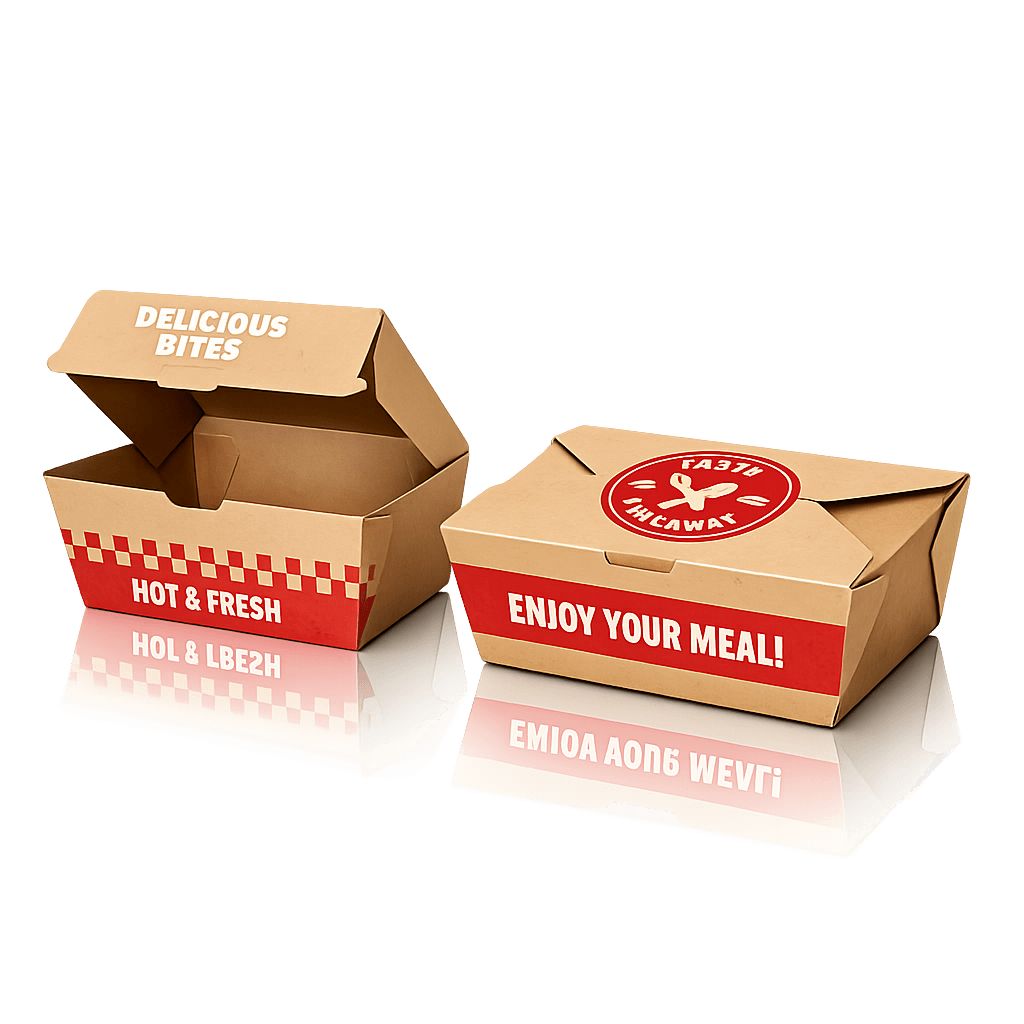
Custom Takeaway Boxes
Keep complete meals level, presentable and easy to carry with boxes planned around portion shape, closure pressure, stacking and delivery time.
Free Design Support
Clear Pricing
Flexible Quantities
Unlimited Customization
Premium Materials
Offset Precision
Free Shipping
Quick Turnaround
Printed Takeaway Food Boxes for Complete Meals
Custom Takeaway Boxes should hold the full meal without forcing the lid, soaking the base or letting the food move across the carton. The right box depends on the meal footprint, portion weight, heat, grease and expected travel time.
A shallow rice meal, stacked burger and chips, saucy pasta and mixed catering serve do not place the same pressure on a box. Start with the prepared food and the way staff close it. Then choose the board, wall height and closure.
The wider Custom Cafe and Takeaway Packaging collection can keep boxes, cups, trays and bags visually consistent while each item handles its own serving job.
Start with the meal footprint
Measure the food after it has been placed into its normal serving shape. Include liners, sauce cups, garnish and any raised toppings.
The base should support the widest part without leaving so much spare room that the meal slides. A tall box does not fix a base that is too narrow.
Set wall height around the finished food
Low walls can expose food or let toppings touch the lid. High walls may make the meal look smaller and increase board use.
Check the tallest part of the serving and leave enough headspace for closure. This is especially important for burgers, loaded meals and foods topped after cooking.
Choose the Box Structure Around Service
Custom Takeaway Boxes can use hinged lids, tuck closures, fold-over flaps or separate lids. The best structure is the one staff can fill, close and place into a bag without extra handling.
Hinged lids for quick one-piece service
A hinged lid stays attached to the base. It can suit burgers, fried food, baked items and mixed meals when fast closure matters.
The hinge must fold cleanly without pushing the food forward. Test whether staff can close the lid with one hand while holding the base steady.
Tuck tops for firmer closure
A tuck or locking top can give the box a neater closed shape. It may suit meals that need more security during pickup or delivery.
Tabs should enter easily and stay closed under normal stacking pressure. A lock that takes several attempts will slow the pass during a busy service.
Separate lids for display and meal access
A separate lid may suit broad trays, chilled meals or prepared food where customers need a clear view. It also adds another item for staff to store and match.
When open serving matters more than full enclosure, Custom Food Trays may offer easier eating and faster filling.
Keep the Lid Clear of the Food
A secure lid should control movement without crushing the meal. Closure pressure often becomes a problem when the box is too shallow or the food is filled above the intended line.
Leave headspace above toppings
Keep cheese, sauces and garnish below the fold path. A small amount of headspace protects presentation and stops food from marking the inside of the lid.
For tall items, increase the box height rather than relying on the lid to flex.
Check the front lock under real pressure
Close the filled box, lift it and place another meal above it. The front tab should remain secure and the side walls should stay upright.
Do not judge the lock on an empty carton. Food weight and steam can change how the structure behaves.
Use a seal without hiding the brand
A label can hold the closure, identify the order or show tamper evidence. Reserve a flat, dry area so the label bonds well and does not cover the main logo.
Control Grease, Moisture and Steam
Custom Takeaway Boxes must keep their shape while the food is hot. Grease can mark the board, moisture can soften corners and trapped steam can affect the meal.
The food-contact setup should match the actual recipe and holding time. A dry pastry and a saucy chicken meal need different protection.
Match the barrier to the wettest dish
A suitable grease or moisture barrier can help limit absorption. Confirm the selected paperboard, coating and inks for the intended food contact.
The broader Custom Food Packaging service can help align material choices with hot, cold, oily or moist foods.
Keep liquid away from the closure
Sauce should sit below the fold line. Separate tubs may be safer for loose dressing, gravy or extra sauce.
When liquid can reach the lid during normal carrying, the box may need a stronger closure or a different structure.
Vent only where the food needs it
Fried food may benefit from steam release. Other meals need more heat retention.
Test the real dish before adding vents. Place any openings away from wet corners, key folds and the main grip area.
Create Sizes Around Real Menu Groups
One oversized carton rarely suits every meal. It can waste board, weaken presentation and let smaller food move during delivery.
A practical family of Custom Takeaway Boxes should follow the menu rather than use equal gaps between sizes.
Compact boxes for single items
A small box may suit one burger, pastry, wrap or snack meal. The box should still open wide enough for quick placement and easy eating.
Medium boxes for everyday meals
The main size should cover the most common order without looking underfilled. Test it with the full serving, including sides or sauce when they normally share the box.
Broad boxes for mixed and family meals
Large meals need base support, usable width and stable corners. Extra height alone will not stop a wide serving from bending the base.
Meals with separate sections may need dividers or a compartment design. Use them only when they improve food separation and do not slow assembly.
Custom Folding Cartons and Tuck Boxes show how folds, locks and board strength affect lightweight carton structures. Food use still requires its own material and barrier decisions.
Design Around Hands, Labels and Folds
Custom Takeaway Boxes travel through kitchens, counters, cars and homes. The main artwork should remain visible after the box is closed, labelled and held.
Use the lid as the strongest brand surface
A broad lid can carry the logo, campaign message or simple food illustration. Keep key artwork away from fold lines and locking tabs.
For clamshell shapes, review how much of the lid remains visible when the customer holds the box from the sides.
Reserve space for order details
Leave a clear area for names, table numbers, meal notes or delivery labels. This prevents staff from covering the main design.
A light panel can support pen marks. A smooth area can support labels when the surface has been tested for adhesion.
Keep multi-size artwork consistent
Use one visual system across small, medium and large boxes, then adjust the scale and placement for each dieline.
The Customisation service can organise colour, print position and label zones across several box sizes without forcing one layout onto every shape.
Keep Assembly Fast at the Pass
The box should open, fill and close in a simple sequence. Every extra fold becomes noticeable during a lunch or dinner rush.
Choose flat or pre-glued supply around the kitchen
Flat cartons use less storage space but need forming. Pre-glued bases may speed service but take more room and require a clean, dry storage area.
The correct choice depends on daily volume, staff routine and space beside the pass.
Test the base before adding food
The base should lock fully and sit flat. Staff should be able to see when it is formed correctly.
A partly locked base may hold an empty carton but fail once a heavy meal is added.
Store cartons away from steam and oil
Unused paperboard should stay dry and clean. Keep it away from sinks, cooking vapour and splash zones.
Move only the amount needed for the service period to the counter. This reduces damaged folds and keeps the workspace clear.
Test the Box Inside the Carry Bag
A box can perform well on the counter and still fail inside a delivery order. The outer bag, stacking order and extra items all change the pressure around it.
Keep the box level
The bag base should support the carton without bending its corners. A narrow bag can squeeze the side walls while an oversized bag allows the meal to slide.
Custom Paper Bags can be planned around the complete order, including boxes, drinks, cutlery and sauce tubs.
Stack by weight and lid strength
Place heavier boxes at the bottom only when their lids can take the load. Do not stack a dense meal over a carton with tall toppings or a soft closure.
Run a short delivery simulation
Fill the box, close it, place it into the usual bag and carry it through turns and stops. Open it after the normal travel time.
Check food movement, corner strength, steam, label hold and lid security. This test often reveals issues that an empty sample will not show.
Plan Repeat Orders Around Menu Changes
Custom Takeaway Boxes may stay the same while recipes, meal deals and service methods change. Review the approved size whenever the food portion or travel time changes.
MOQ starts from 50 for suitable orders, with support for larger production runs and ongoing high-volume supply. A smaller initial quantity can confirm fit and workflow before the same specification moves into larger repeat orders.
Keep a record of the approved dimensions, board, barrier, closure and artwork version. Multi-location businesses should use clear codes so each site receives the correct carton.
Seasonal graphics can change without altering the structure when the approved print area remains the same. Record the start and end date for each campaign to stop old artwork returning later.
Quote Details That Define the Box Properly
A useful quote for Custom Takeaway Boxes needs more than a rough capacity. Include:
- the meal type and serving shape
- finished portion weight
- base length and width required
- food height and needed headspace
- hot, cold, oily, dry or saucy use
- expected holding and delivery time
- preferred hinged, tuck or separate-lid structure
- quantities for each size
- kraft or white board preference
- label, seal and writing areas
- print colours and artwork status
- required date and repeat-order plans
Photos of the filled meal beside a ruler can show toppings, width and closure risk. Custom Packly can then refine the box around the food and counter routine.
When the meal details and quantities are ready, Get a Quote for Custom Takeaway Boxes planned around secure closure, clean presentation and real delivery use.
FAQs
Related Industries
Related Packaging Styles
How it works
Simple steps from idea to delivery
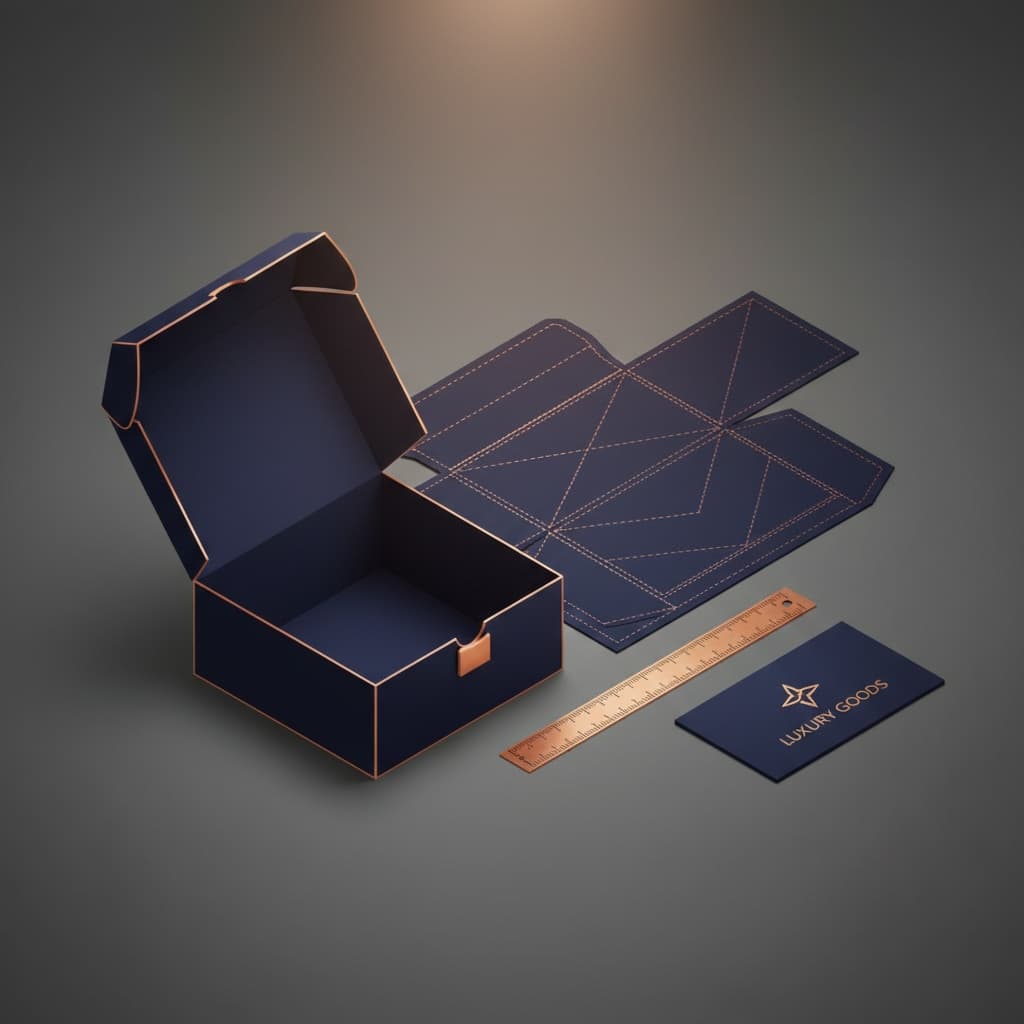
Tell Us Your Specs
Tell Us Your Specs
Provide size, quantity, printing, and finishes.
Get a Fast Quote

Get a Fast Quote
Instant transparent pricing, no hidden fees.
Design and Approval

Design and Approval
Artwork checks, revisions, and final sign-off.
Produce

Produce
Expert manufacturing to meet deadlines.
Ship to Your Door

Ship to Your Door
Hassle-free, flexible delivery options.
Start Your Custom Packaging Quote
Share your product details, dimensions, quantity and artwork needs. We’ll help choose the right packaging style and send a clear quote.