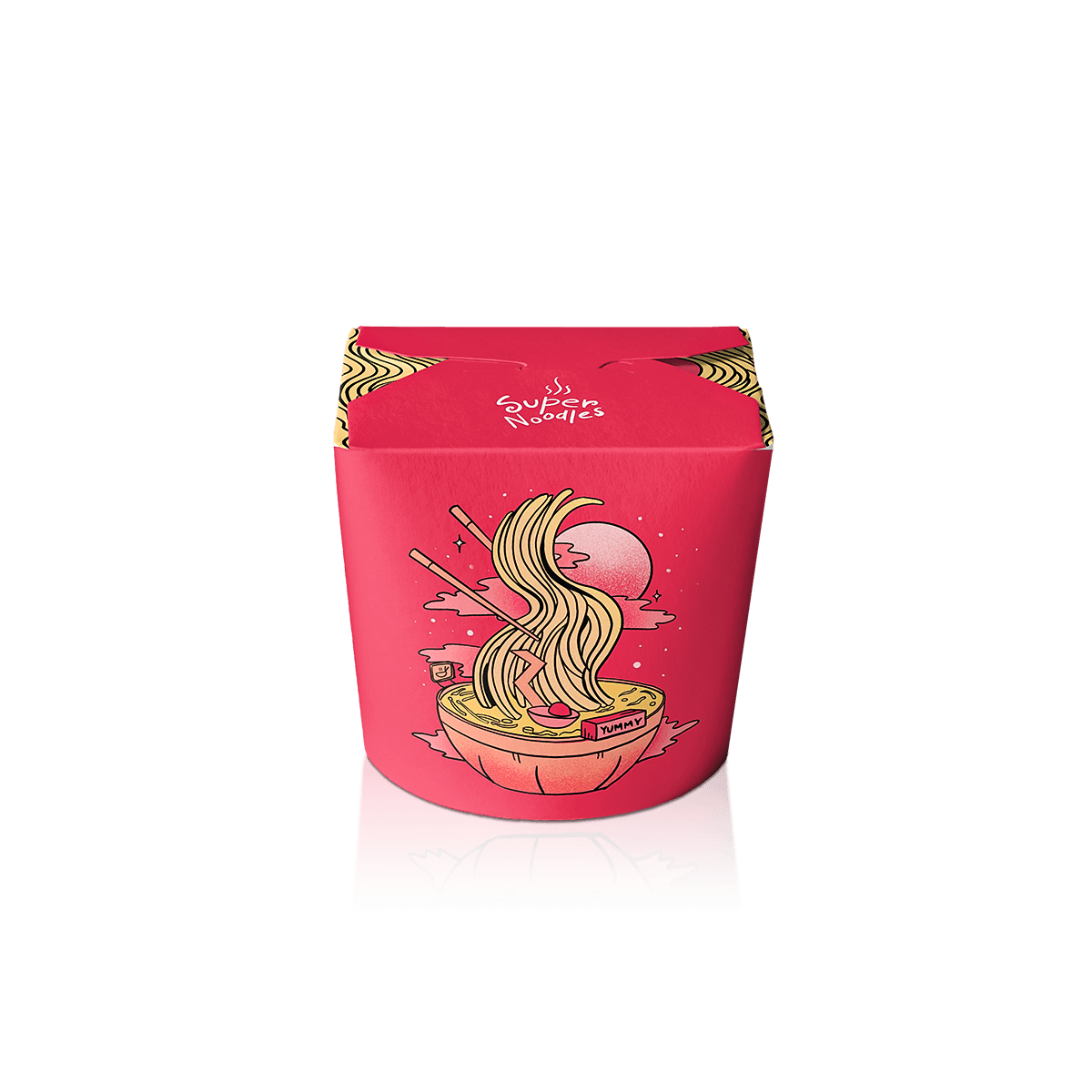
Custom Noodle Boxes
Serve stir-fries, rice dishes and saucy noodles in cartons made for secure closure and easy eating. Match each box to the portion, heat and grease level.
Free Design Support
Clear Pricing
Flexible Quantities
Unlimited Customization
Premium Materials
Offset Precision
Free Shipping
Quick Turnaround
Printed Noodle Takeaway Boxes for Hot, Saucy Meals
Custom Noodle Boxes need to hold more than noodles. A typical serving can include sauce, vegetables, protein and oil, all moving inside a warm tapered carton. The board, base and top closure must work together from filling to handover.
It should open fast and stand upright while staff fill it. The top must close without pressing the meal into the flaps. Customers also need room for chopsticks or a fork.
The wider Custom Cafe and Takeaway Packaging collection can align noodle cartons with cups, trays and carry bags. Each item still handles its own heat and food-contact needs.
Use a wide mouth for fast filling
A broad top opening lets staff add noodles without catching long strands on the edges. Test it with the scoop, tongs or ladle used during service.
Keep the base stable under a full meal
Sauce and protein add weight near the bottom. The base should sit flat and resist bowing when lifted. Heavy stir-fries often need more lower-panel support, not only extra height.
Stop Sauce From Reaching the Seams and Carry Bag
The most important material decision is how the carton handles moisture, oil and sauce. Dry noodles place less stress on the carton. Curry noodles, laksa and dressed rice dishes need stronger moisture control.
Do not treat the carton as leakproof without testing the board, barrier and closure against the wettest meal.
Match the inner barrier to the recipe
A suitable food-contact coating or lining can slow oil and moisture entering the paperboard. Confirm the exact material against the sauce level, heat and hold time. Custom Food Packaging can align food-contact needs with print and structure.
Strengthen the lower corners
Liquid often settles at the base and corners. Test the complete meal for the real waiting and travel time, then check the lower folds for softening.
Keep separate sauce cups upright
Extra sauce is often safer in a sealed cup. The outer bag should keep it upright and stop it pressing against a damp panel.
Close the Top Without Crushing the Meal
A secure top limits spills and keeps the carton neat. It should close in a few clear moves without catching noodles between the flaps.
Custom Noodle Boxes may use fold-over flaps or an interlocking top. Another closure may suit a different carton shape. The final choice should match counter speed and delivery risk.
Leave headspace above the food
Keep the fill line below the closure folds. Headspace lets staff close the carton without pressing toppings or dragging noodles across the rim.
Make the lock easy to see
The closure should show a clear fold sequence. It must stay shut after the carton is lifted.
Custom Folding Cartons and Tuck Boxes use helpful fold and locking principles. Noodle cartons still need food-specific board, taper and barrier choices.
Reserve a clean seal area
A sticker can hold the folded top or add tamper evidence. Leave a flat, dry area and test the label on the printed surface.
Balance Heat Retention With Steam Release
Noodles should arrive warm without sitting in heavy condensation. The right balance depends on the recipe, portion and travel time.
Custom Noodle Boxes with a tight top may hold heat well, but wet steam can soften noodles and board. A looser closure may release more moisture but give less spill control.
Test the actual holding time
Fill the box with the real meal. Close it as staff would. Open it after the likely travel time. Review the noodles, flaps, walls and base.
Do not add vents by habit
Vents can release steam. They can also lose heat and create a path for sauce. Use them only after testing. Keep cuts away from wet areas and main folds.
Separate crisp toppings when needed
Crisp toppings may soften above hot noodles. A small separate portion can protect texture while the main box controls heat and sauce.
Size Each Carton Around Portion Weight and Eating Style
Capacity labels help organise orders. Portion weight and ingredients show how the carton will behave. Use the prepared meal as the main sizing reference.
Small cartons for sides and tasting serves
A compact carton can suit a side dish or tasting serve. Keep the opening wide enough for quick filling and easy access.
Regular cartons for everyday meals
The core size should fit the most common meal. It should not look empty or need overfilling. Check noodles, protein, vegetables and sauce together.
Large cartons for loaded dishes
Large meals place more pressure on the base and closure. Increase base support and opening width rather than adding height alone.
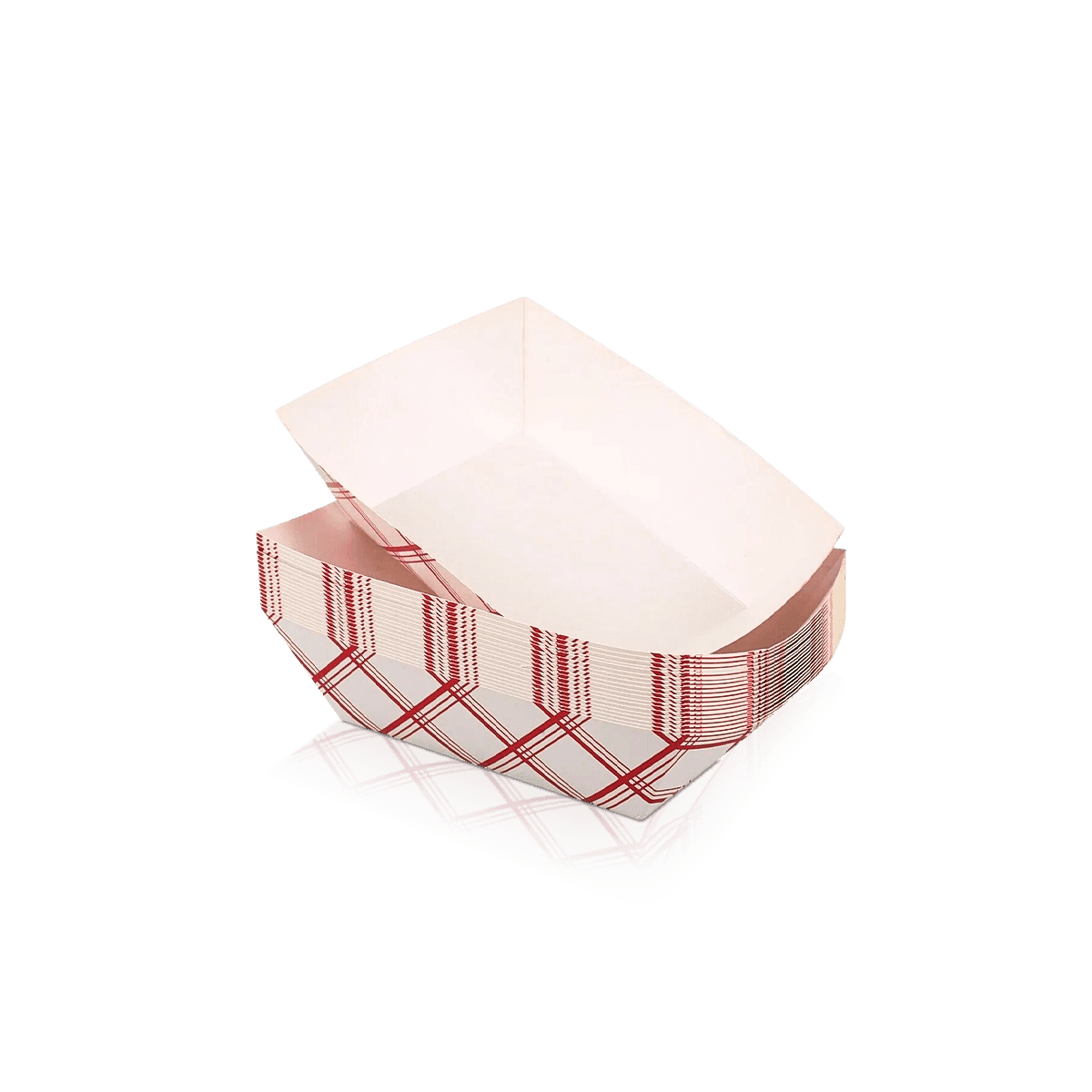
Wide rice meals may need easier top access. Custom Food Trays can suit foods served with several toppings.
Make Tapered Panels Work Harder for the Brand
Noodle cartons stay visible in the hand, but their panels narrow towards the base. Plan artwork on the finished shape.
Put the main logo on the broadest panel
Place the main logo where it remains visible in the hand. Keep small text away from lower taper lines and tight folds.
Give labels and order marks their own space
Leave a light panel for spice level or protein. It can also hold a table number or customer name. This keeps stickers away from the main artwork.
Use colour codes with restraint
Small colour bands can identify meal types or heat levels. Keep the main logo consistent.
The Customisation service can adjust artwork and colour across several carton sizes. Each taper can then use the right print placement.
Keep the Filling Station Fast and Organised
Custom Noodle Boxes should support the kitchen routine, not add extra steps during peak service. Empty cartons need to open cleanly, hold their shape and sit within easy reach.
Choose flat or pre-formed supply around storage
Flat cartons save storage but need forming. Pre-formed cartons speed filling but use more shelf space. Choose around daily volume and the room near the counter.
Prevent nested cartons from sticking
Tapered cartons should release one at a time. Tight nesting can pull out several pieces or damage the top edge.
Keep stock away from steam and splashes
Store unused cartons away from steam, sinks and oil mist. Move only the amount needed for the service period to the filling station.
Prepare the Whole Order for Delivery
A closed noodle carton still needs an outer carrying plan. The bag should keep it upright and stop heavier items from pressing on the folded top.
Use a level bag base
The carton should sit flat inside the bag. Extra width allows movement, while a narrow bag can squeeze the side panels.
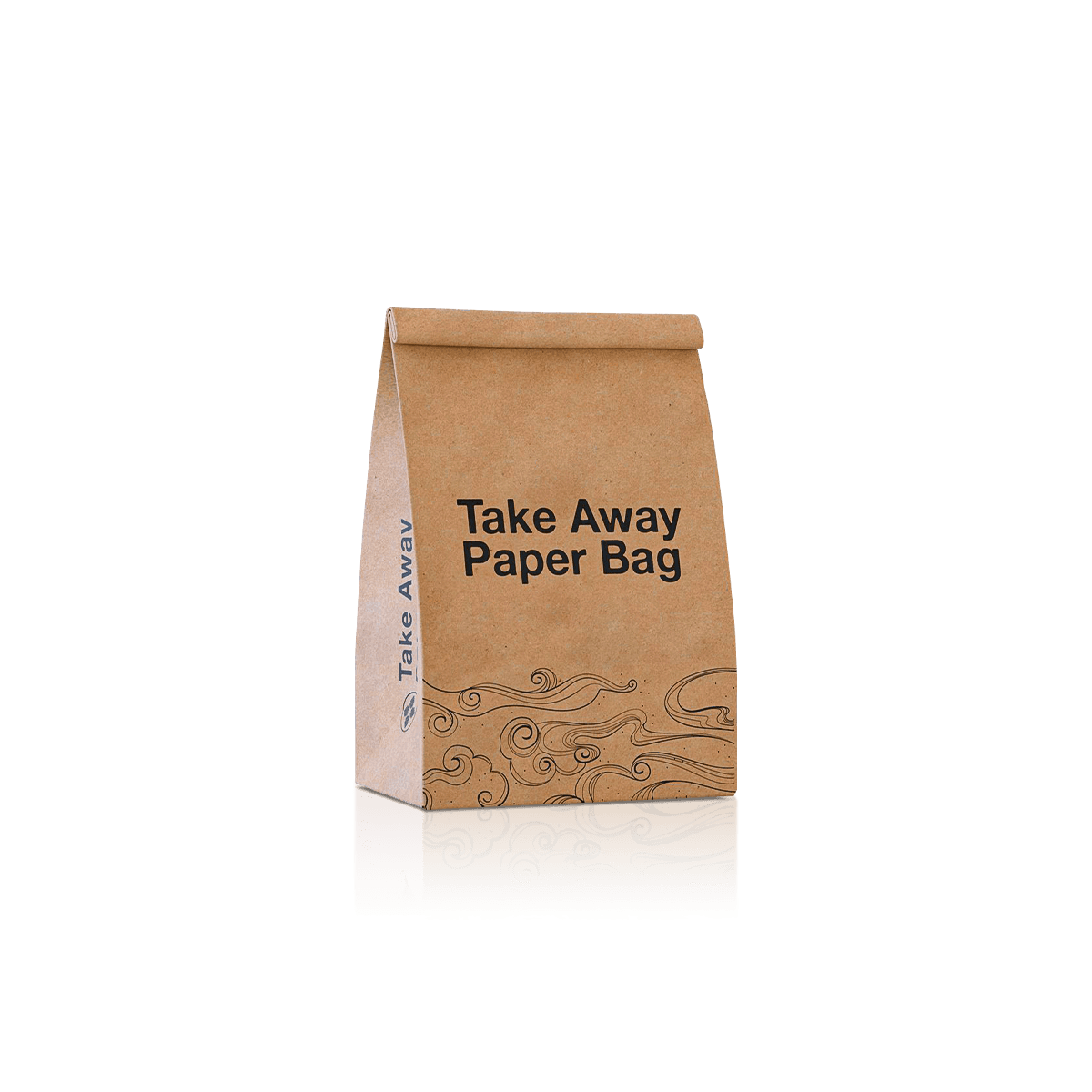
Custom Paper Bags can be sized around the noodle carton. Allow room for sauce cups, cutlery and side dishes that travel with it.
Do not stack heavy food on the closure
Heavy food can press on the flaps. It may force sauce towards the top seam. Place cartons side by side when the bag allows it.
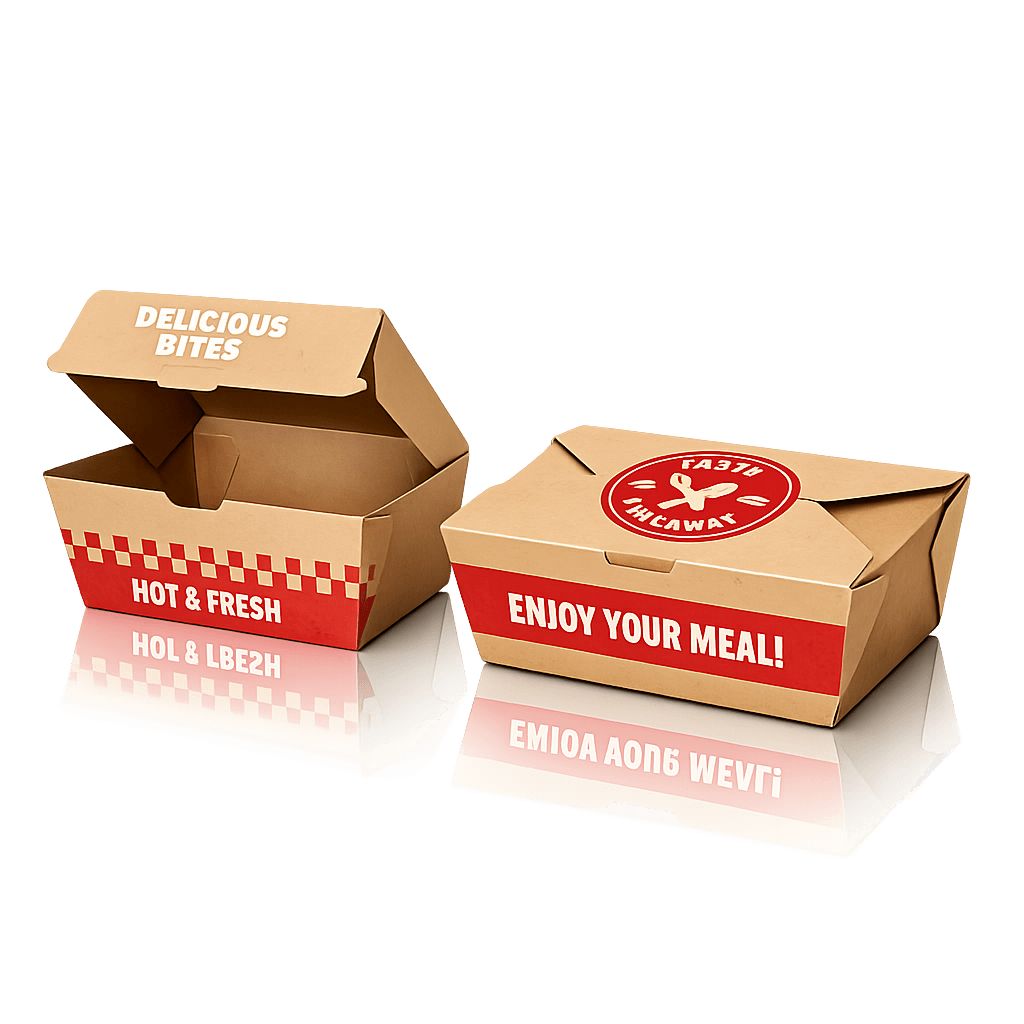
Some mixed meals need a broader closed structure. Custom Takeaway Boxes can suit dishes that do not need a tall tapered shape.
Run a carry test with the heaviest order
Fill the bag and lift it by the handles. Carry it through turns and short stops. Include drinks and sauces when they usually travel together.
Keep Reorders Consistent Across Meals and Locations
Use a clear code for every carton size, board and artwork version. This matters most across several stores or kitchens.
Record the approved capacity, measurements, barrier, closure and print file. A name such as medium is not enough when recipes change.
MOQ starts from 50 for suitable orders, with support for larger quantities and ongoing production. A smaller first run can confirm serving fit and artwork. Later orders can follow the approved specification with repeat-order planning and storage support where needed.
Track use by size and meal type so each location reorders what it actually uses.
Quote Details That Reveal the Real Box Requirements
A useful quote for Custom Noodle Boxes starts with the food and service routine. A rough capacity is not enough.
Include:
- Noodle, rice or stir-fry type.
- Portion weight and approximate volume.
- Sauce, broth, oil and moisture level.
- Serving temperature.
- Likely hold and delivery time.
- Preferred top closure.
- Required quantity for each size.
- Kraft or white paperboard preference.
- Direct food-contact and barrier needs.
- Label or writing area.
- Artwork status and print colours.
- Required date and repeat-order plans.
Photos of a filled meal beside a ruler can show headspace, topping height and utensil access. Free design support can then place artwork around the folds and taper.
Once the meal details, sizes and quantities are clear, Get a Quote. The Custom Noodle Boxes can then be planned around filling, sauce control and delivery.
FAQs
Related Industries
Related Packaging Styles
How it works
Simple steps from idea to delivery
Tell Us Your Specs
Tell Us Your Specs
Provide size, quantity, printing, and finishes.
Get a Fast Quote

Get a Fast Quote
Instant transparent pricing, no hidden fees.
Design and Approval

Design and Approval
Artwork checks, revisions, and final sign-off.
Produce

Produce
Expert manufacturing to meet deadlines.
Ship to Your Door

Ship to Your Door
Hassle-free, flexible delivery options.
Start Your Custom Packaging Quote
Share your product details, dimensions, quantity and artwork needs. We’ll help choose the right packaging style and send a clear quote.