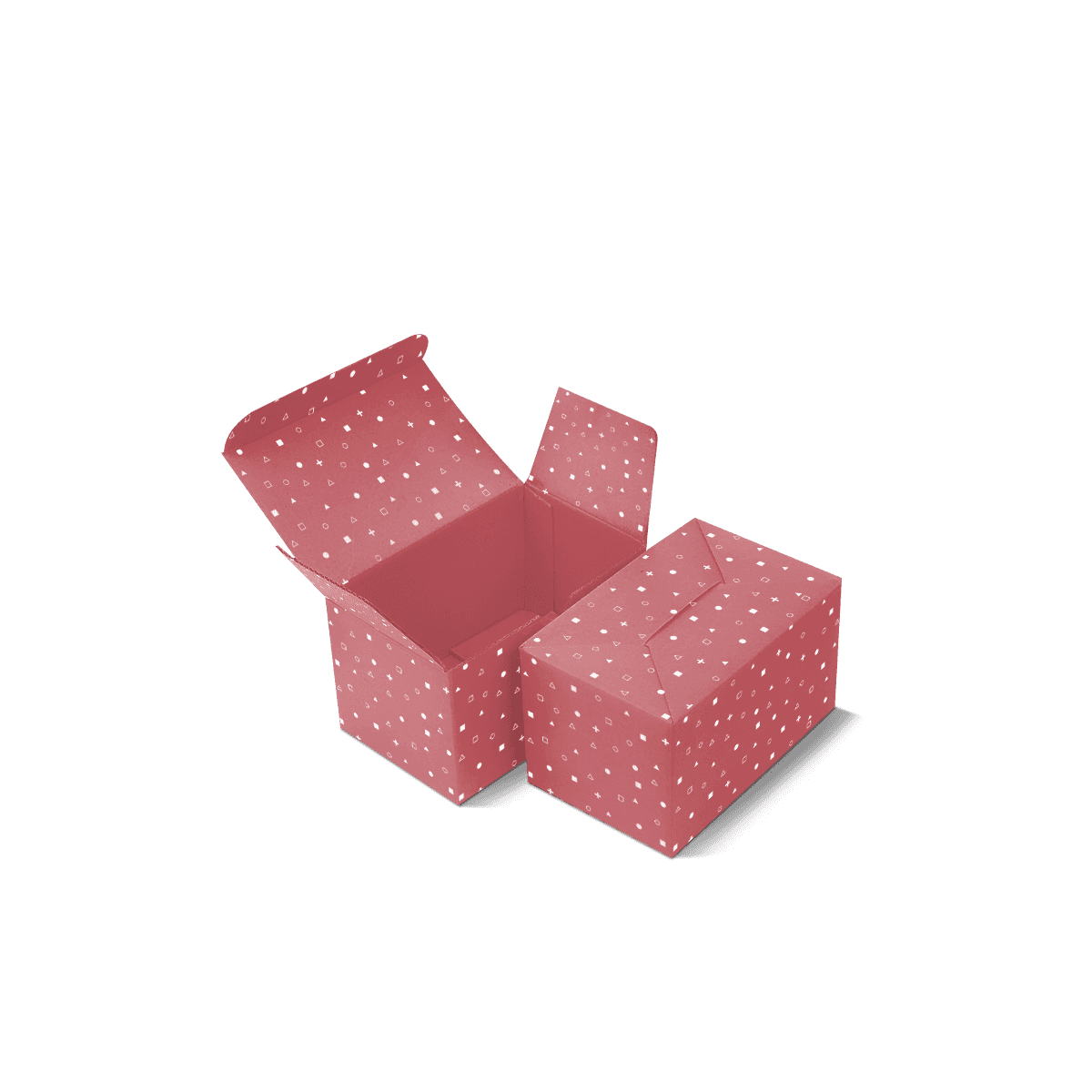
Custom Tuck Top Auto Bottom Boxes
Retail cartons with a tuck-top opening and fast-forming auto bottom for products that need easy access, stronger base support and clean display.
Free Design Support
Clear Pricing
Flexible Quantities
Unlimited Customization
Premium Materials
Offset Precision
Free Shipping
Quick Turnaround
Easy Top Access With a Stronger Base
Custom Tuck Top Auto Bottom Boxes combine a simple tuck-top opening with a pre-glued automatic bottom, making them useful for products that need easy access from the top and stronger support underneath. The structure is practical for retail cartons where the customer or packing team needs a neat top flap, while the product weight needs a base that forms quickly and holds well.
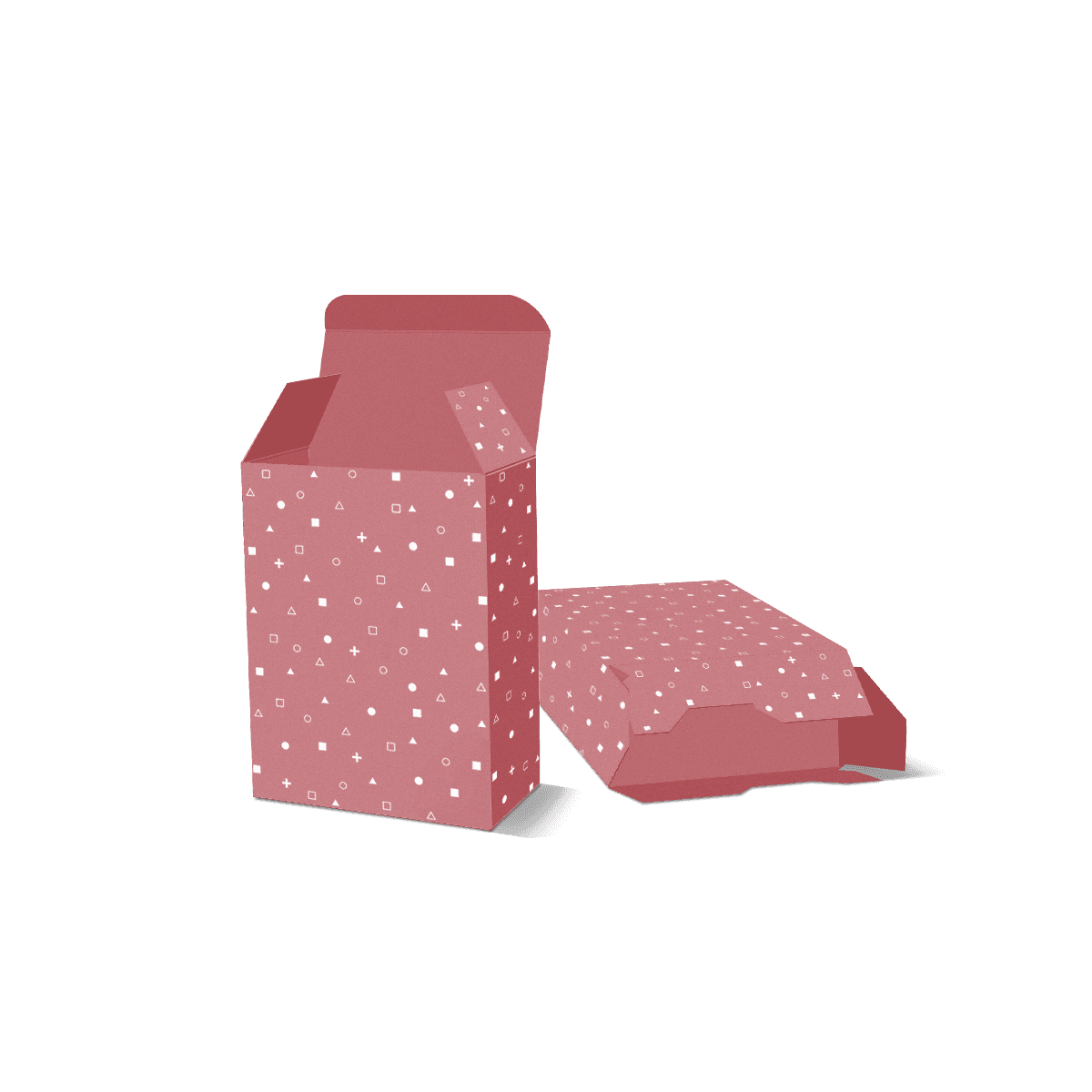
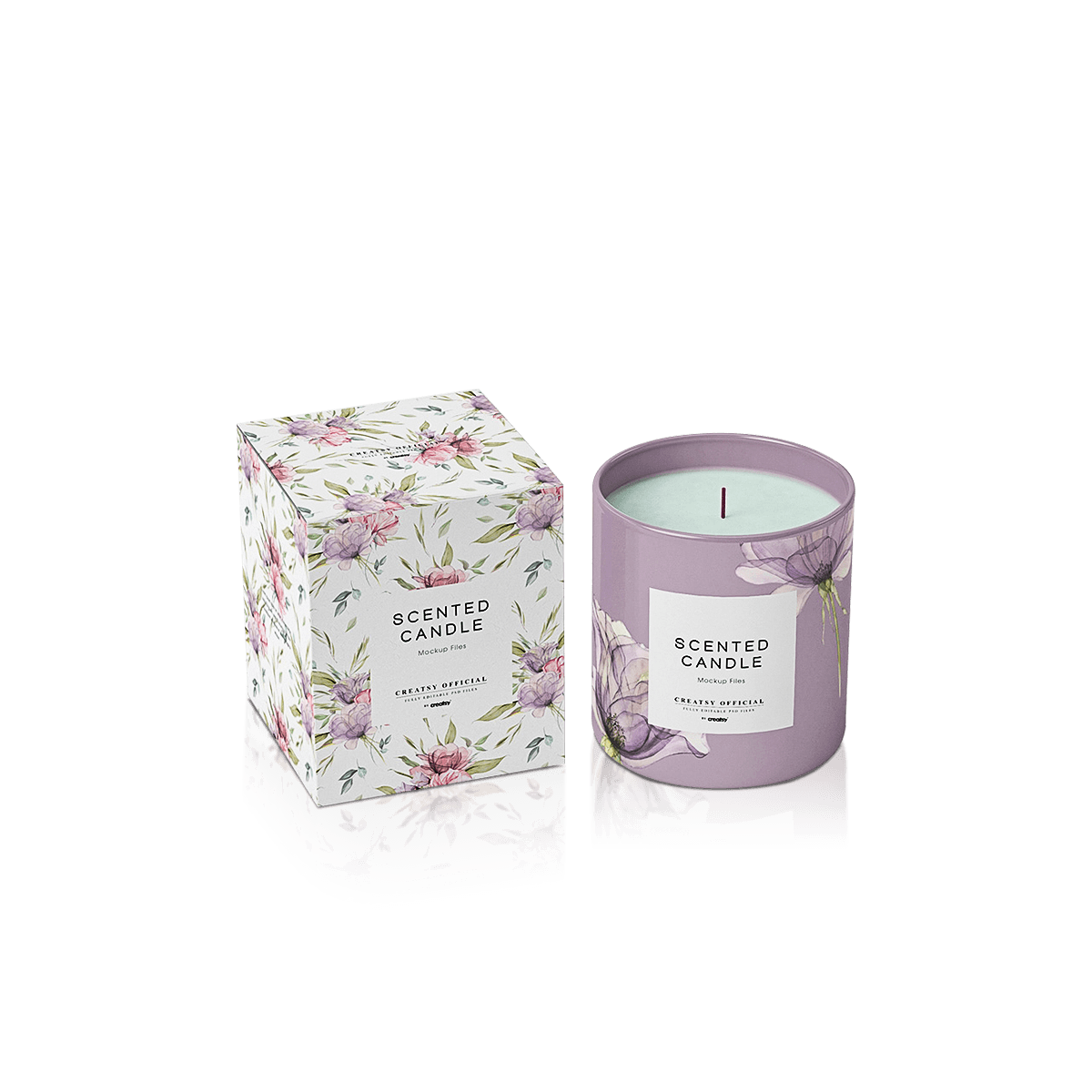
This box style suits cosmetics, wellness products, dry food items, candles, jars, small bottles, boxed accessories, gift products and sample kits. The tuck top gives a familiar opening experience. The auto bottom helps the carton stand up faster during packing and supports the product better than a simple tuck base.
Custom Packly creates Custom Tuck Top Auto Bottom Boxes around your product dimensions, weight, packing method, print design and finish preferences. The goal is a carton that opens easily, loads smoothly, holds its base and looks clean on the shelf.
Why the two-part structure matters
The top and bottom do different jobs. The tuck top controls access, opening feel and customer use. The auto bottom controls packing speed, base stability and product support.
That combination works well when a simple tuck carton feels too light, but a fully sealed carton is not the right experience for the product.
Best use case for this style
This style is best when the product should load from the top, stand securely after filling and remain easy to open without tearing the carton. It gives brands a practical middle ground between basic tuck boxes and stronger lock-bottom cartons.
Products That Need Top Loading
Custom Tuck Top Auto Bottom Boxes work best for products loaded from above. This makes them useful for bottles, jars, tubes, boxed food portions, candles, small retail products and grouped product sets that need a stable base before the item goes in.
Top loading matters because it changes the way the carton behaves on the packing table. The box can be opened, squared, loaded and closed without turning the carton several times. That can save time when product teams pack repeat orders or seasonal runs.
Beauty, wellness and food products
Beauty and wellness items often need clear product presentation, accurate fit and a carton that opens cleanly. Dry food and beverage products may need a box that stands well during filling and supports a neat printed front panel.
Products in Custom Food and Beverage Packaging can use this structure when the item is dry, light to medium in weight and suited to paperboard carton packaging.
Products with taller profiles
Taller products can put extra pressure on the base because their weight sits higher in the carton. A tuck top auto bottom structure helps the box stand properly during filling, while the top flap keeps access simple.
Packing Speed From the Auto Bottom
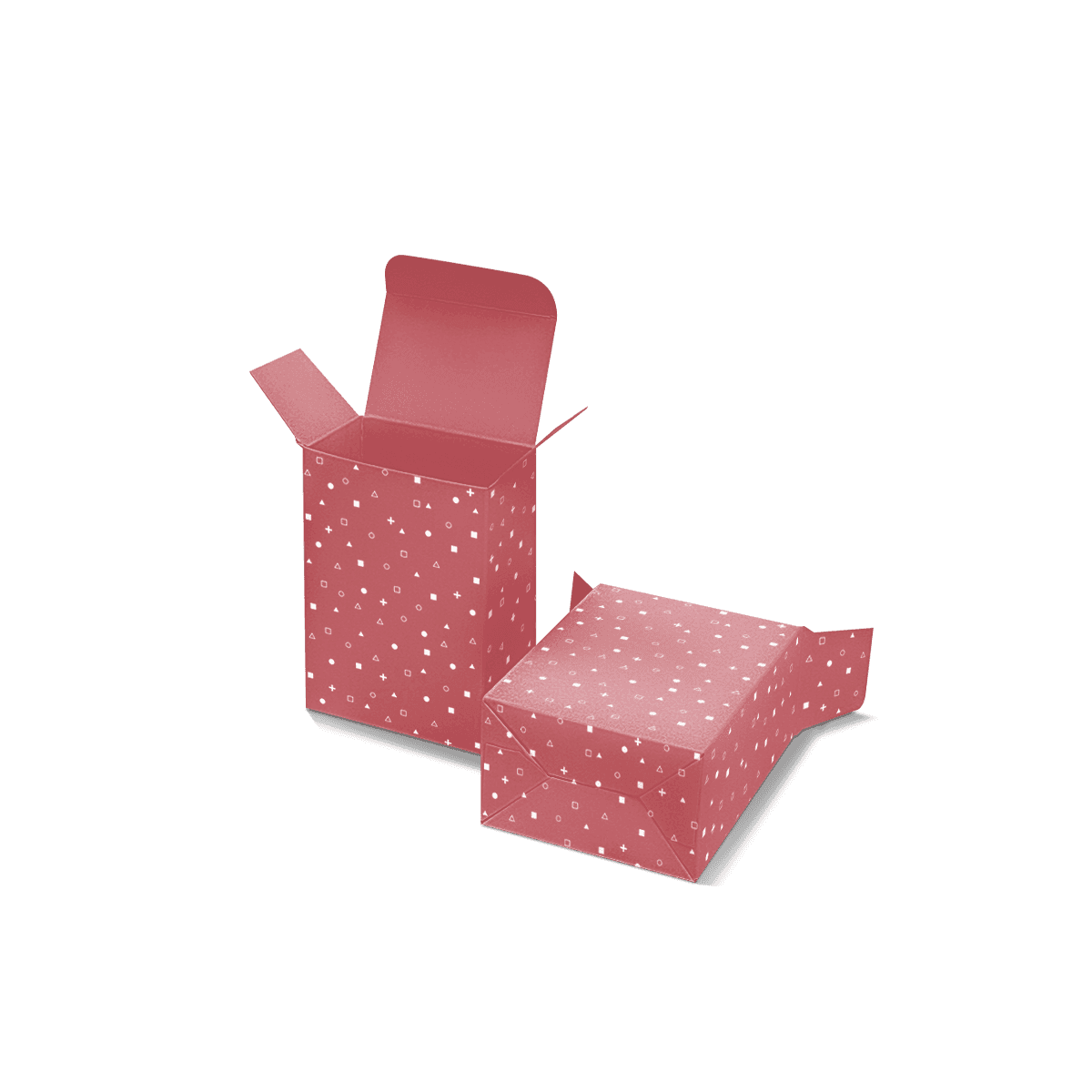
The auto bottom helps the carton form faster because the base is pre-glued and folds into position as the box opens. This is useful for teams that want stronger base support without manually folding several bottom flaps for every unit.
Compared with a standard tuck base, the auto bottom reduces repeated hand movements. That difference becomes more valuable when packing larger batches, preparing retail stock or filling several product variants in one run.
Faster setup before filling
A good auto bottom should open cleanly from flat storage, form a square base and stay stable while the product is loaded. If the carton needs force to open or does not sit flat, packing slows down.
The base should be tested with the actual product weight before a large run. A carton may look correct when empty, but behave differently once filled.
Useful for repeat packing
Custom Tuck Top Auto Bottom Boxes are well suited to products packed again and again. Once the dieline, board and base action are approved, repeat orders can focus on timing, print consistency and stock planning rather than rechecking the basic structure.
Tuck Top Details That Affect Opening
The tuck-top flap should open easily, close neatly and avoid damaging the printed front panel. The flap depth, dust flap shape, crease position and panel alignment all affect the customer experience.
A top flap that is too tight can slow packing and frustrate customers. A flap that is too loose can make the carton feel unfinished. The right tuck depth helps the box close securely without making the opening feel stiff.
Top flap depth and grip
The tuck flap needs enough depth to hold the top closed. It also needs enough clearance to slide into the carton without scraping print or catching on the product.
A small thumb notch or opening cue can help when the product needs easy access. This should be planned with the artwork so it does not cut into key branding or product information.
When the top is opened more than once
Some products are opened once and discarded. Others may be opened several times before the product is fully used. If the carton needs repeated access, the top flap should be tested for wear, crease strength and ease of reclosure.
Board Choice for Height, Weight and Print
The right board for Custom Tuck Top Auto Bottom Boxes depends on the product’s height, weight, size and finish. Paperboard is often used because it prints cleanly, folds well and suits shelf-ready cartons. Kraft board can suit natural or handmade products, while white board works well for sharp colour and premium retail graphics.
The board must support both the auto bottom and the top flap. If it is too light, the base may feel weak. If it is too heavy, the tuck top may resist closing or show stress on the creases.
Creasing around the base and lid
Good creasing helps the bottom form quickly and the top flap close neatly. Poor creases can cause the base to twist or the lid to sit unevenly.
The fold behaviour should be checked before production, especially for taller cartons, tight-fit products or premium finishes.
Finish placement near moving parts
Matte, gloss, foil, embossing, debossing, spot UV and soft-touch finishes can work well on this structure. Place heavier finishes on stable panels where possible. Avoid forcing premium effects across tight fold areas, glue zones or moving base panels unless production confirms the layout can handle it.
Print Planning for Shelf and Handling
Custom Tuck Top Auto Bottom Boxes give strong print space on the front, back, sides and top. The front panel should carry the clearest product message, while side panels can hold product details, ingredients, instructions, barcode information or variant markers.
The top flap can also support branding, opening cues or simple copy. Because customers may interact with the top before the product, the top panel should feel intentional rather than empty or awkward.
Keep the front panel clean
A clean front panel helps the product read well on a shelf, in a gift pack or in an ecommerce unboxing. Avoid placing key artwork too close to fold lines, dust flaps or panel joins.
If a product range uses several colours, flavours, scents or strengths, the print system should make each variant easy to identify without making every carton feel unrelated.
Use the top panel carefully
The top panel can show a product name, shade, scent, flavour, icon or small brand mark. It can also help retail staff and customers identify products from above when cartons sit in trays or stacked displays.
Fit Checks Before the Base Is Approved
A tuck top auto bottom carton should hold the product securely without forcing the item into the base or lid. The internal size must allow the product to load smoothly from the top, sit evenly and close without pressure against the tuck flap.
Product fit should include caps, lids, labels, wraps, inner bags, seals, trays or inserts. A few millimetres can affect whether the top flap closes cleanly or the base feels stable.
Clearance for top loading
Top-loaded products need enough room to slide in without catching. If the product has a shoulder, pump, cap or irregular profile, the carton may need extra clearance or an insert.
The loading direction should be decided before the dieline is finalised. It affects panel orientation, opening feel and packing speed.
Inserts for upright products
Inserts can help bottles, jars and paired products stay centred inside the carton. A paperboard insert can reduce movement, improve shelf presentation and help protect the product from pushing into one corner of the base.
Dielines for a Tuck Top and Auto Base
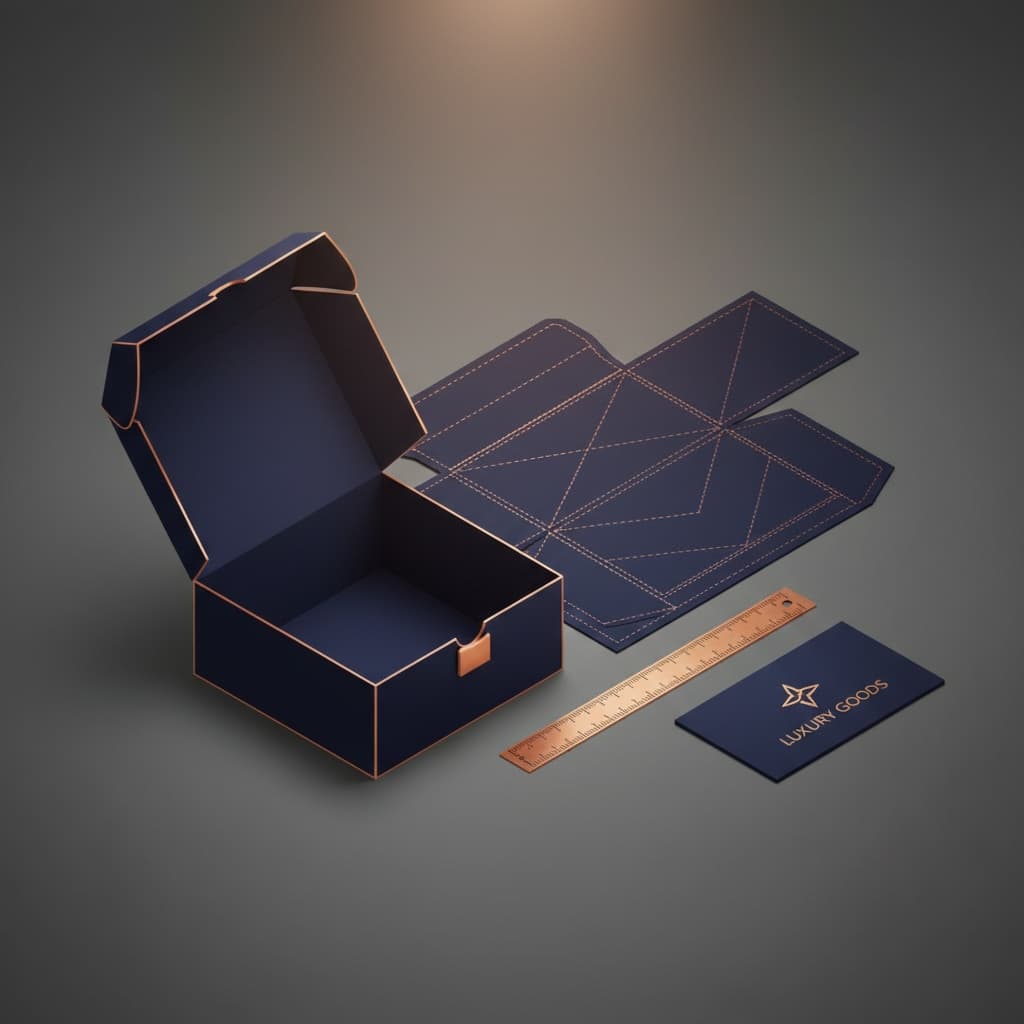
A dieline for Custom Tuck Top Auto Bottom Boxes must show both the top closure and the automatic bottom clearly. The layout should include cut lines, crease lines, glue areas, base flaps, tuck flap, dust flaps, safe areas and bleed.
The Dieline Tool can help with early structure planning and sizing. Final artwork should still be checked around the auto bottom and tuck-top closure, because the flat layout can be easy to misread if panel direction is not reviewed carefully.
What to check on the dieline
Check which panel becomes the front, where the glue seam sits, how the bottom forms, which direction the top flap tucks and where important artwork lands after folding.
Barcodes, mandatory copy, ingredients, claims and product instructions should stay away from fold lines and hidden base panels.
Why a sample helps
A free sample before full production helps test top loading, base strength, flap fit, product clearance and print placement. This is especially useful when the carton holds a tall product, a jar, a bottle or a product set.
Runs From Launch to Repeat Supply
Custom Tuck Top Auto Bottom Boxes can start from MOQ 50 and scale into larger production runs, repeat orders and high-volume packaging programs. This helps new products launch without overcommitting while also supporting established product ranges that need steady supply.
For first runs, the focus should be product fit, base action, lid closure and artwork accuracy. For larger runs, the focus moves to packing efficiency, colour control, carton storage, reorder timing and SKU consistency.
Testing the structure before scaling
A first order can confirm whether the tuck top, auto bottom and board choice suit the product. This matters when moving from a standard tuck carton to a stronger base structure.
Planning multiple product variants
Many brands use this structure across several SKUs. A consistent carton system can help a range look organised while changing colour, copy, flavour, scent or product strength between variants.
How This Style Compares With Nearby Cartons
Custom Tuck Top Auto Bottom Boxes sit within the wider Custom Folding Cartons and Tuck Boxes range. They are strongest when you need top access and a fast-forming base in the same carton.
If the product needs a manually locked base with more deliberate flap assembly, Custom 1-2-3 Bottom Boxes can be useful. If the product needs a tray-like carton with stronger corner support for display or grouped products, Custom Four Corner Carton Boxes may suit the brief better.
Tuck top auto bottom versus crash lock
Both styles use a fast-forming bottom, but this style puts more emphasis on top access and reclosure. A crash lock bottom page often focuses on base pressure. A tuck top auto bottom carton needs the top flap, filling direction and base action checked together.
Tuck top auto bottom versus seal end
Seal end cartons stay more permanently closed and can support controlled opening. Tuck top auto bottom cartons are better when the product needs easy top access after packing.
Quote Details That Shape the Final Carton
A useful quote for Custom Tuck Top Auto Bottom Boxes should include the product size, product weight, loading direction, quantity, board preference, print coverage, finish ideas and artwork status. The top flap and auto base both affect the structure, so the quote should not rely on outer size alone.
Send measurements with caps, lids, labels, wraps, inserts or inner packaging included. Mention whether the carton will be opened repeatedly, whether it needs a thumb notch and whether the same structure will be used across several product variants.
Details that prevent packing friction
Helpful details include product length, width, depth, weight, fill direction, packing method, print sides, finish choice and any insert requirement.
If the carton will be packed in large batches, mention that early. The structure can then be planned around faster setup, easier loading and stable stacking.
From dieline to approved production
Custom Packly can help turn your product measurements into a carton structure, dieline, sample and production-ready artwork. Accurate details make it easier to recommend a carton that opens cleanly, packs quickly and holds the product properly.
FAQs
Related Packaging Styles

Related Industries
How it works
Simple steps from idea to delivery
Tell Us Your Specs
Tell Us Your Specs
Provide size, quantity, printing, and finishes.
Get a Fast Quote

Get a Fast Quote
Instant transparent pricing, no hidden fees.
Design and Approval

Design and Approval
Artwork checks, revisions, and final sign-off.
Produce

Produce
Expert manufacturing to meet deadlines.
Ship to Your Door

Ship to Your Door
Hassle-free, flexible delivery options.
Start Your Custom Packaging Quote
Share your product details, dimensions, quantity and artwork needs. We’ll help choose the right packaging style and send a clear quote.