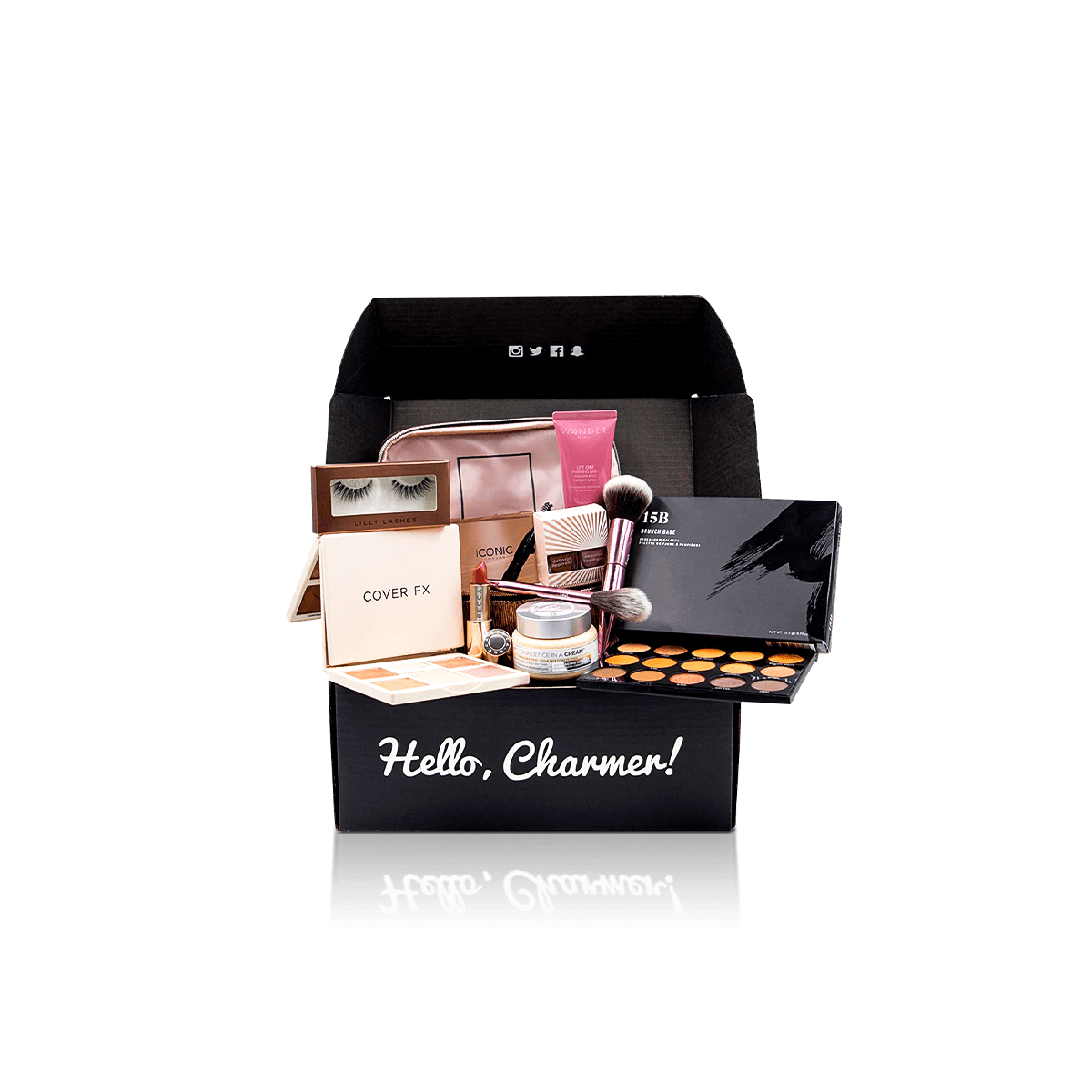
Custom Cosmetic Boxes
Coordinate jars, tubes, compacts and bottles with product-specific boxes that protect each item while keeping the full cosmetic collection visually consistent.
Free Design Support
Clear Pricing
Flexible Quantities
Unlimited Customization
Premium Materials
Offset Precision
Free Shipping
Quick Turnaround
Custom Cosmetic Packaging for Mixed Beauty Collections
Custom Cosmetic Boxes give creams, powders, balms, sticks, tubes and small bottles a product-specific outer carton. They avoid the weak fit of a generic beauty box. The aim is to protect each container, organise required information and keep the full collection visually connected.
A cosmetic collection rarely uses one container shape. A moisturiser jar may sit low and wide. A concealer tube may be tall and narrow. A compact needs protection across a broad, shallow face. One design system can connect them, but each structure still needs its own dimensions and handling details.
The parent Custom Beauty Packaging collection covers makeup, skincare, fragrance and personal care. These cartons coordinate several cosmetic types under one commercial system while preserving product-specific fit.
Separate Products by Container Risk
Plan Custom Cosmetic Boxes by container shape, weight and breakage risk. Choose the outer structure after those risks are clear.
Jars, Pots and Compacts
Jars and compacts often have wide bases and low profiles. Their cartons need enough side control to stop rotation without pressing against lids, mirrors or decorative closures.
Glass jars need more control than lightweight plastic pots. The board and delivery box should reflect the filled weight. A folded platform can centre a round container and keep its front label facing the intended panel.
Tubes, Sticks and Pencils
Cosmetic tubes and sticks usually need slim cartons with clean end clearance. Measure the closed cap, crimped end and widest shoulder because these details often extend beyond the main body.
The carton should let staff load the product without scraping printed tubes or metallic caps. Products with very different closure shapes should not share one dieline simply because their stated volume is similar.
Bottles, Pumps and Droppers
Bottles need clearance around pumps, collars and dropper caps. Support the stronger body or base rather than the dispensing part.
For serums, treatment oils and facial drops, Custom Skincare Boxes address glass containers, formula families and treatment-led labelling in more detail.
Build One Collection Without One Box Size
A consistent cosmetic collection does not require identical cartons. It requires a repeatable visual system that can adapt to each product.
Fix the Core Brand Elements
Keep the logo position, typefaces, colour rules and finish treatment consistent where panel proportions allow. A logo that suits a cream carton may need a different scale or position on a narrow eyeliner box.
Change Product Markers Deliberately
Use controlled colour blocks, product names, formula descriptions or icons. These details can separate moisturiser, cleanser, primer, concealer and powder products.
The main marker should remain visible in the likely retail position. When cartons stand upright, the top panel may need the product name. When they lie flat, the broad front panel carries more responsibility.
A broader Custom Product Packaging system can connect cosmetic cartons with launch mailers and retail bags. Each item can still keep its own role.
Size From the Finished Primary Container
Measure Custom Cosmetic Boxes from the complete filled container. Include the lid, pump, cap, base and decorative parts.
Measure the Widest Working Point
Record length, width and depth at the points that control loading. Include cap overhang, raised logos, curved shoulders, crimped tube ends and projecting pump parts.
Round and faceted containers may need diagonal clearance. Flat-face measurements alone can make corners catch during filling.
Allow Space Where Components Move
Pumps, hinged compacts and twist mechanisms need clearance around moving or delicate parts. The carton should not depress a pump or pull against a hinge. It should not grip a cap so tightly that the customer must shake the product free.
The Dieline Tool can support early dimensions and artwork setup. Final production sizing should still use the complete product and selected board. Crease position and material thickness change the internal space.
Choose Structure by Product Weight and Presentation
The best structure controls the cosmetic product without adding unnecessary material or assembly.
Folding Cartons for Individual Products
Custom Folding Cartons and Tuck Boxes suit many individual cosmetics because they store flat, print cleanly and can follow compact product dimensions.
Straight tuck, reverse tuck and stronger base styles suit different loading directions and weights. Let the container and filling process decide the structure.
Inserts for Sets and Uneven Shapes
Custom Inserts and Dividers help when one box holds several products, a container has an irregular base or a premium presentation requires an organised reveal.
An insert should support strong areas of the container. It should also leave finger access for removal. Keep it away from droppers, mirrors, pump heads and cap seams.
Windows With a Clear Reason
A window can reveal a distinctive jar, shade or decorated bottle. It works best when the visible area helps customers understand the product.
Place the opening after confirming the filled position. A rotating bottle can reveal the wrong area. A loose compact may show a barcode, hinge or empty space.
Give Product Information Enough Room
Custom Cosmetic Boxes often carry more copy than their size suggests. Each panel therefore needs a defined job.
Keep the Front Commercially Clear
Use the front for the brand, product name and strongest product distinction. Move extra claims, ingredient highlights and usage instructions elsewhere.
A customer should be able to identify the product type quickly. Secondary details can move to the side, rear or base panels.
Protect Small Text From Folds
Keep ingredients, directions, warnings, net contents, barcodes and business information clear of creases. Avoid glue areas and tuck slots too. Review all copy at actual size because narrow panels can make small text hard to read.
Plan Variable Information Early
Batch codes, shade labels and applied stickers need clear spaces. Do not leave them until the artwork has filled every panel.
When several versions share one structure, link each artwork filename to the right product. Add its barcode and variable information area.
Control Colour and Finish Across Products
Custom Cosmetic Boxes look more credible when colour and finish choices follow an approved system.
Separate Brand Colours From Product Colours
Keep key brand colours under controlled print references. Treat shade cues, fragrance markers and formula colours as product identifiers within that system.
Premium offset printing can support sharp type and solid colour. It can also help repeat consistency across several carton sizes. Physical board colour also affects the result. Kraft, white and coated stocks will not reproduce artwork in exactly the same way.
Use Finish Zones Instead of Covering Everything
Foil, embossing, debossing or spot UV can draw attention to key details. Use them for the logo, product name or collection mark. Controlled finish zones often work better than broad decorative coverage across small panels.
Consider matte, gloss and soft-touch surfaces alongside handling. Dark or tactile finishes may show rubbing. They may also show fingerprints in busy retail and fulfilment settings.
Keep Barcodes and Fine Copy Clear
Keep reflective foil, heavy texture and raised decoration away from barcodes and small text. Finish placement should support recognition without reducing scanning or legibility.
The print choices behind cosmetic cartons also connect with Custom Printed Boxes. That matters when colour control and repeat artwork affect the wider business.
Plan for Shelf Display and Online Delivery
Retail display and parcel delivery place different demands on Custom Cosmetic Boxes. Test both settings where relevant.
Make the Display Face Predictable
Confirm whether the carton will stand, lie flat or sit in a display tray. The product name and main distinction should face the customer in that position.
Stable bases and square folds help mixed cosmetic cartons look organised. This still matters when widths and heights differ.
Protect Retail Cartons Inside Parcels
A lightweight cosmetic carton is not always a shipping outer. Online orders need a mailer or shipping box that limits movement. It should separate dense jars from delicate compacts and pump products.
Test representative mixed orders. One heavy container can damage several lighter cartons. Too much empty space increases that risk.
Keep Gift Sets Easy to Remove
Cosmetic gift boxes should hold each item securely while preserving finger access. A neat arrangement loses value when customers must pull on caps or tear the insert to remove products.
Manage Launches and Repeat Versions
A clear specification record keeps structure, artwork and quantities aligned as the collection changes.
Maintain One Record per Product
Record the finished dimensions and filled weight for each item. Add the carton structure, artwork filename, barcode, finish and approval date.
Add photographs showing the intended front and loading direction. This helps when containers look similar. They may still use different pumps, caps or hinges.
Order According to Product Demand
MOQ starts from 50 for first releases, trial collections and seasonal cosmetics. Custom Packly also supports thousands, tens of thousands and larger recurring production for established products.
Quantities should follow expected demand by product. Core moisturisers or primers may need deeper repeats. Limited shades may need less.
Illustrative Case Study: Five Products, Three Structures
A fictional cosmetics brand launches five products. They include a moisturiser jar, serum bottle, primer tube, pressed powder compact and lip balm.
The primer tube and lip balm use separate slim cartons because their caps and lengths differ. The moisturiser and serum each need fitted paperboard support. The pressed powder uses a shallow carton with side control around the compact.
All five products share one logo position and warm neutral brand colour. A small foil mark links the collection. Product-specific colour bands identify each item.
The brand begins with lower quantities across the launch, then increases the moisturiser and primer during repeat production. The visual system remains consistent while each structure continues to fit its own container.
Approve the Whole Collection, Not One Hero Box
A 3D mockup is usually enough to check artwork placement and panel order. It also shows consistency across Custom Cosmetic Boxes.
Review the cartons together rather than approving each file alone. Check logo scale and product-name hierarchy. Then compare colour markers and finish placement across tall, wide and shallow structures.
A physical sample is more useful when an insert controls several products. It also helps when a window needs exact placement or a finish needs a tactile check. Fit testing also matters for fragile glass, pumps and irregular shapes.
Prepare a Quote by Product Family
An accurate quote should separate each cosmetic item by container, artwork and quantity. One combined total can hide important differences.
Provide:
- Finished dimensions and filled weight for every product
- Container material and shape
- Cap, pump, hinge or dropper details
- Quantity required for each version
- Retail position and loading direction
- Window, insert or divider requirements
- Board and printing preferences
- Finish areas and colour references
- Barcode and variable information needs
- Online delivery or gift-set use
- Artwork status and target date
- Expected repeat-order pattern
Custom Packly can assess the structures as one connected collection. Each product can still be priced around its real requirements. Send the specification record through Get a Quote. The estimate can then reflect the actual containers, artwork versions and quantities.
FAQs
Related Industries
Related Packaging Styles
How it works
Simple steps from idea to delivery
Tell Us Your Specs
Tell Us Your Specs
Provide size, quantity, printing, and finishes.
Get a Fast Quote

Get a Fast Quote
Instant transparent pricing, no hidden fees.
Design and Approval

Design and Approval
Artwork checks, revisions, and final sign-off.
Produce

Produce
Expert manufacturing to meet deadlines.
Ship to Your Door

Ship to Your Door
Hassle-free, flexible delivery options.
Start Your Custom Packaging Quote
Share your product details, dimensions, quantity and artwork needs. We’ll help choose the right packaging style and send a clear quote.