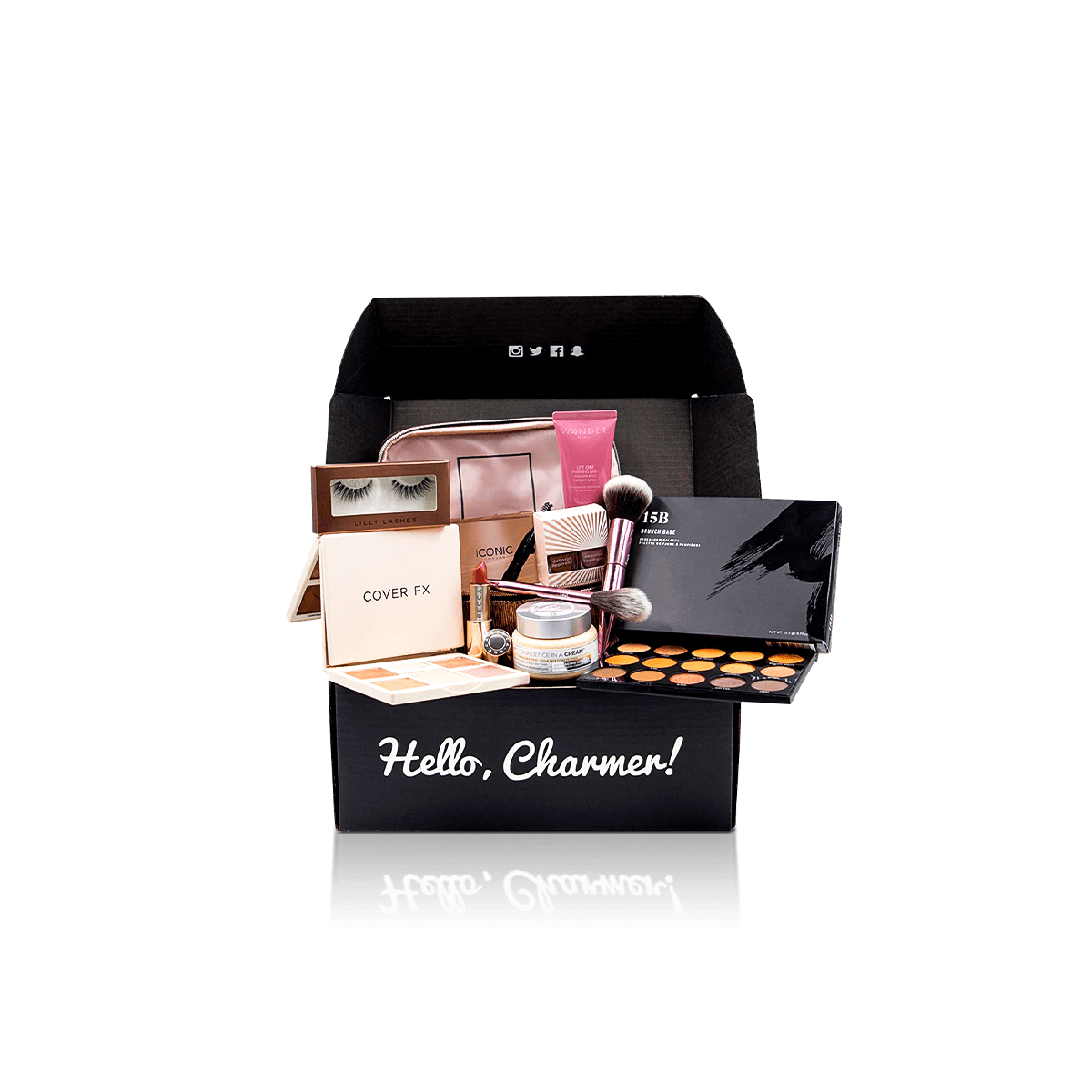
Custom Makeup Boxes
Give compacts, palettes, bottles and beauty sets a box that protects delicate parts, keeps shade families organised and looks consistent on shelf and online.
Free Design Support
Clear Pricing
Flexible Quantities
Unlimited Customization
Premium Materials
Offset Precision
Free Shipping
Quick Turnaround
Makeup Boxes That Work Beyond the Front Panel
Custom Makeup Boxes need to do more than carry a logo. They must hold small, often delicate products in the right position, make shade details easy to find and keep the presentation consistent across a growing beauty collection.
A compact, foundation bottle, brow pencil and multi-pan palette place different demands on a carton. The right packaging accounts for product weight, hinge or cap movement, glass components, applicators, retail display and online delivery. It also leaves enough room for shade names, ingredients, directions, barcodes and other required information without making the design feel crowded.
The wider Custom Beauty Packaging collection covers skincare, fragrance and cosmetics. Makeup packaging needs closer attention to colour families, small components and frequent launches.
Match Custom Makeup Boxes to the Product
The best structure depends on how the product opens, where it can be damaged and whether it will sit alone or inside a set.
Compacts, Pressed Powders and Palettes
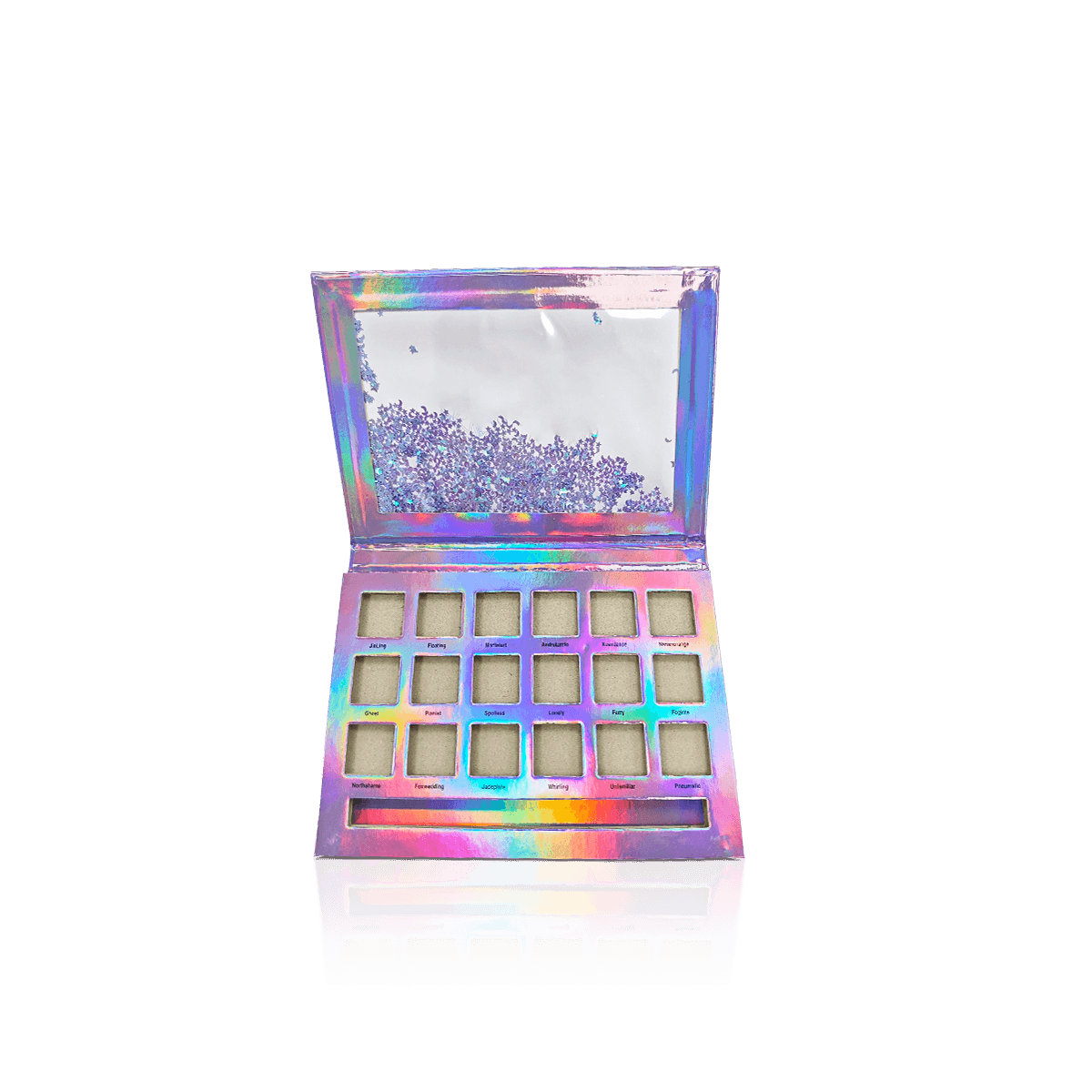
Powder compacts and eyeshadow palettes can crack when they move or receive a sharp impact. A close-fitting carton limits movement while still allowing the item to slide out without pressure on the hinge.
For an individual compact, Custom Folding Cartons and Tuck Boxes provide a lightweight retail choice with useful print space on every panel. A paperboard cradle can support rounded shapes, mirrors and unusual corners when the outer carton alone cannot control movement.
Larger palettes may need a shallow tray, fitted insert or stronger board, especially when they include several pressed pans, a mirror or an applicator.
Bottles, Tubes and Pencils
Foundation, primer and concealer bottles may have pumps, droppers or caps wider than the main container. Measure the widest point, including the closure, rather than using only the bottle body.
Long products such as brow pencils, eyeliners and mascara tubes can slide if the carton is too deep. A snug tuck carton, end stop or folded platform can keep the item centred. Where glass, heavy pumps or premium components are involved, test the full packed weight and loading direction before production.
Sets, Kits and Launch Boxes
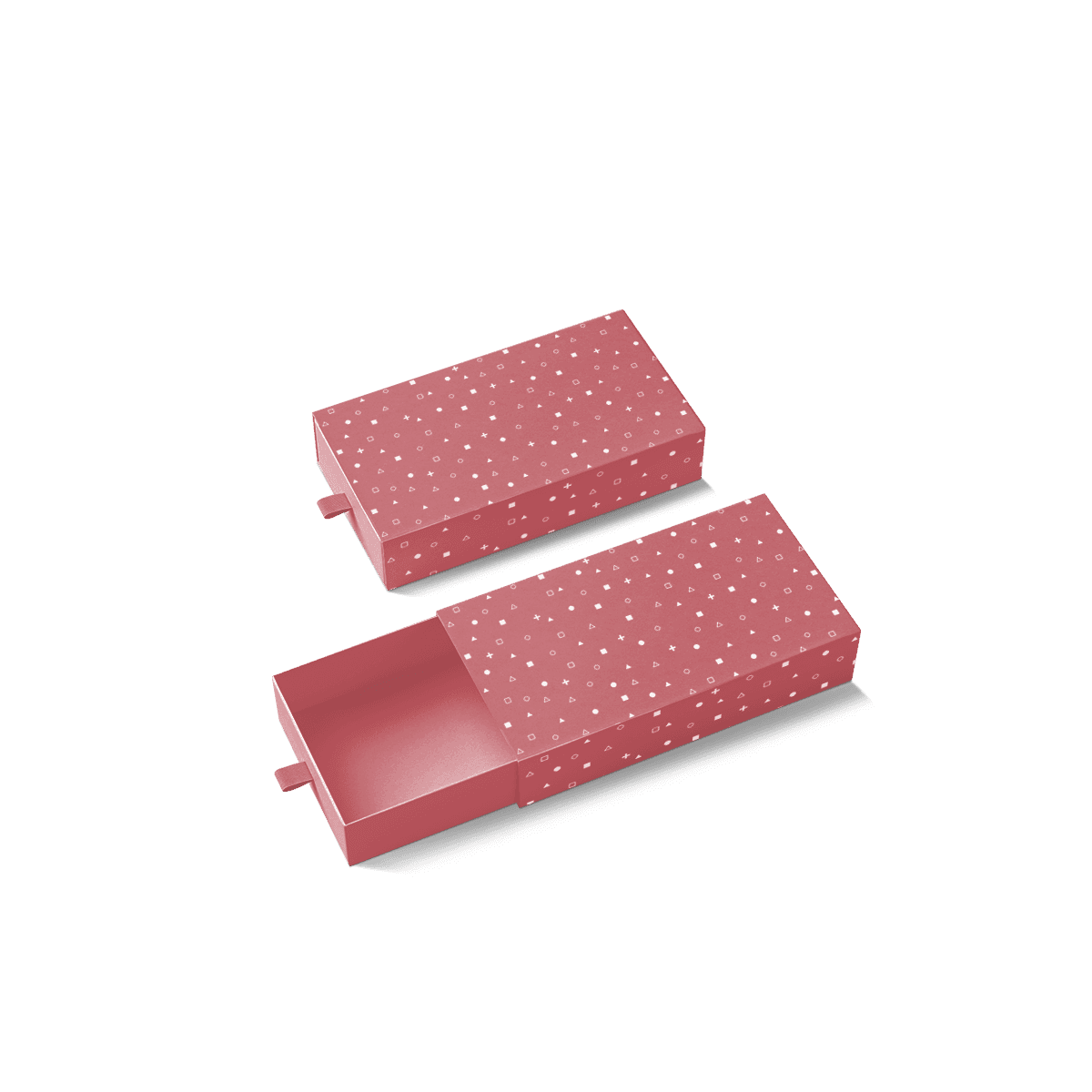
Gift sets, influencer mailers and launch collections often combine products with different heights and shapes. Custom Rigid Boxes can create a stronger presentation when the box will be kept after opening.
Finger notches, pull tabs and clear space around caps help control the reveal and make each item easier to remove.
Keep Shade Families Easy to Read
Closely related shades and finishes must remain easy to identify without breaking the visual link across the collection.
Build a Clear Front-Panel Hierarchy
The brand mark, product type, shade name and key claim should not fight for the same space. Decide which detail matters first when the carton is seen on a shelf, in a drawer or as a product image.
A consistent layout can change one colour block, shade code or small graphic for each version. This helps customers distinguish matte, shimmer and satin products without opening the carton.
Use Side and Base Panels Carefully
Small makeup cartons have limited room. Side and base panels may need ingredients, directions, warnings, batch details, barcodes and recycling information. Confirm the final copy before locking the panel sizes.
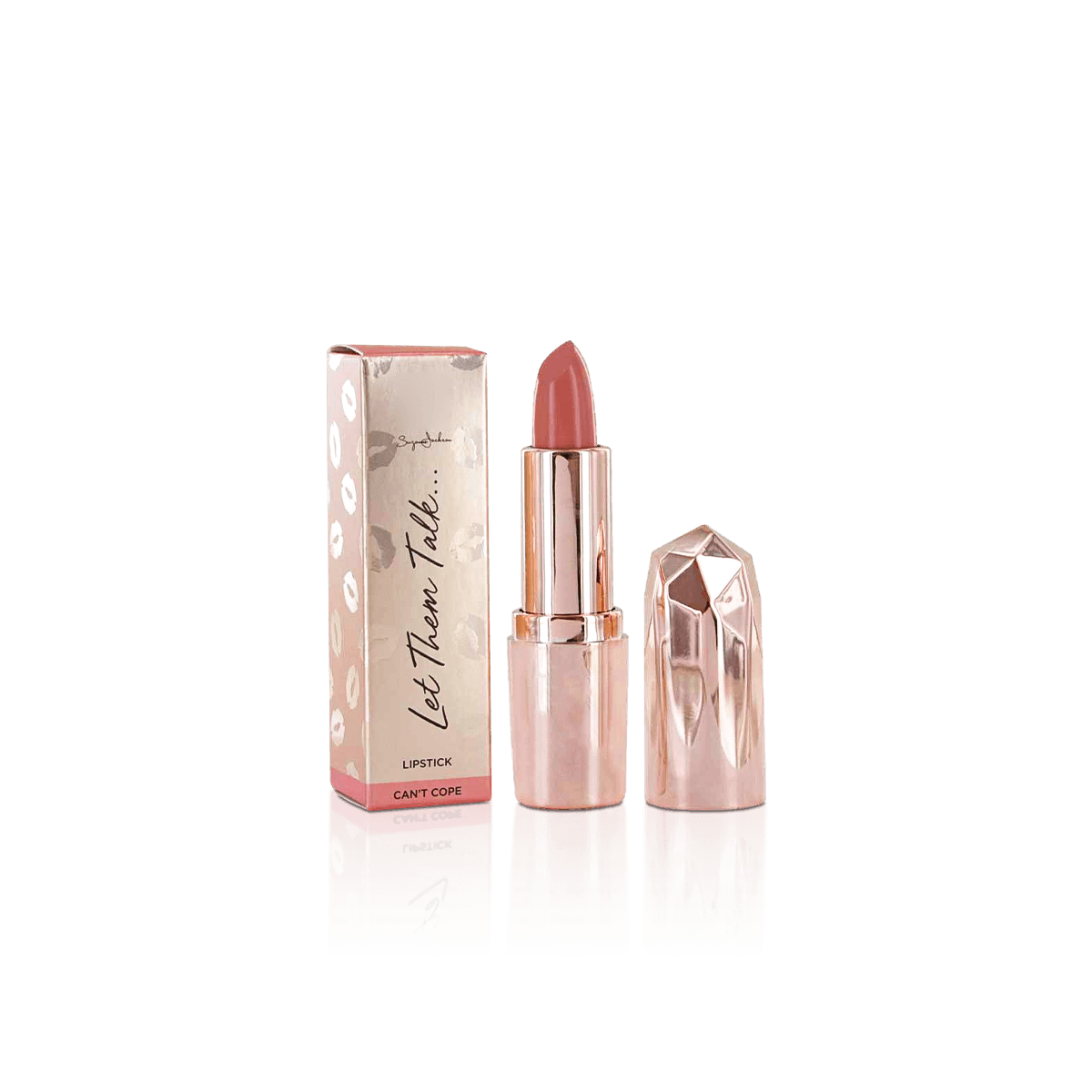
Keep critical text on a clean surface with sensible clearance from cut lines, creases and glue areas. Custom Lipstick Boxes may use a tall narrow layout similar to mascara or brow products, but the product weight, closure and shade identification still need their own artwork plan.
Stop Movement Before Adding Decorative Finishes
Decoration cannot compensate for poor fit. Control movement, pressure and removal first, then choose finishes that support the product position.
Inserts and Internal Supports
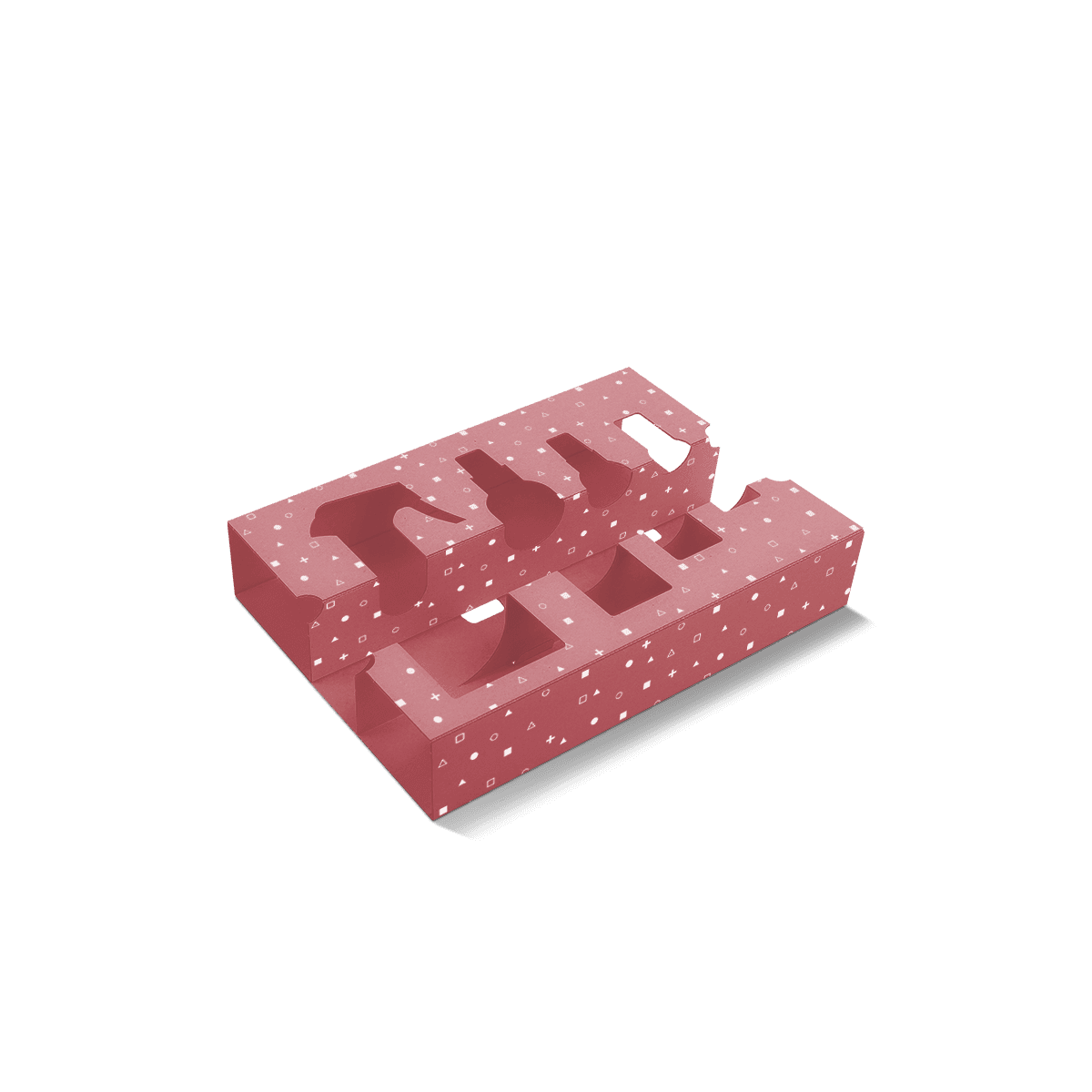
An insert is useful when a product can rotate, rattle, sink or strike another item. Paperboard inserts suit many lightweight makeup products and can hold a compact, tube or bottle by its strongest area.
For multi-product sets, a fitted tray can separate bottles from palettes and keep brushes away from powder surfaces. It should not press on pumps, caps, mirrors or hinged lids.
Do not add an insert only for appearance. A well-sized carton may already hold a lightweight product securely.
Windows and Product Visibility
A window can show a shade, applicator or decorative product surface, but it removes part of the printed panel and may reduce the space available for product information.
Use a window when seeing the item will help a customer choose. It may work for a distinctive compact or brush set. It may add little when the product already has a clear shade label or when the opening exposes a fragile edge.
Choose Board for Custom Makeup Boxes
Board choice should reflect product weight, box dimensions and route to the customer, not only the desired surface.
Paperboard for Individual Products
Paperboard suits individual compacts, tubes, pencils, small bottles and retail palettes. It folds flat before use, supports detailed printing and can be made to exact dimensions.
White paperboard gives bright colours a consistent base. Kraft suits earthy or low-ink artwork, although its natural surface changes pale colours and fine tonal work. Board thickness should reflect weight, closure, windows and inserts.
Rigid Board for Premium Kits
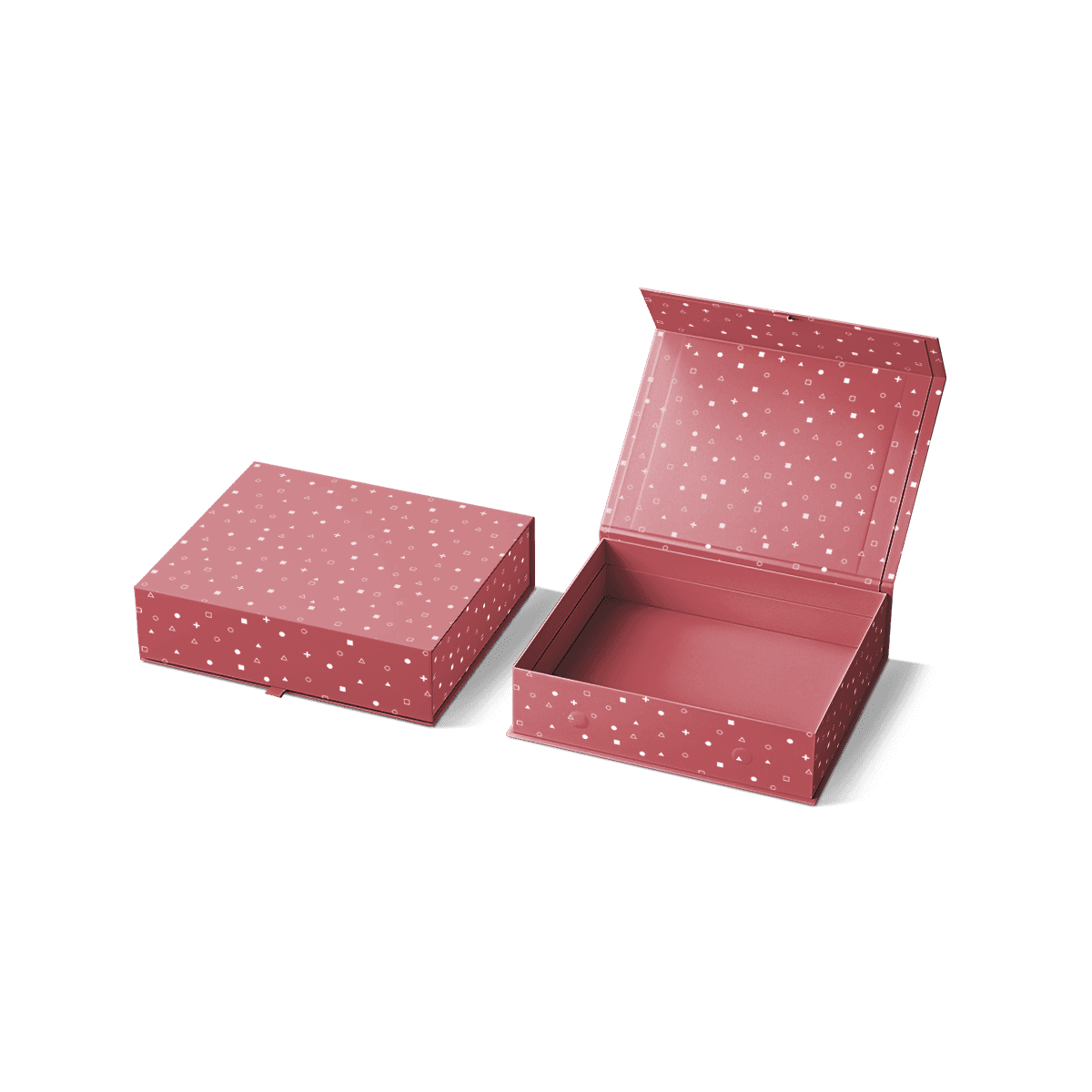
Rigid board suits gift boxes, PR presentations and higher-value sets. It can support wrapped papers, foil, textured surfaces and deep inserts.
It uses more storage and freight space than a folding carton, so reserve it for products where the stronger presentation adds clear value.
Outer Protection for Online Orders
A retail carton is not always a shipping box. When makeup travels through parcel networks, use a suitable mailer or shipping carton around the product box. Add void fill or a fitted shipping insert where heavy bottles, mirrors or pressed powders could strike the outer walls.
Test the retail box and delivery box together. This gives a more realistic view of protection than checking either one alone.
Print Details That Suit Makeup Surfaces
Custom Makeup Boxes often rely on fine type, subtle colour shifts and small finish areas. Artwork should be planned around the board and production method from the start.
Keep Colour Consistent Across the Collection
Premium offset printing supports sharp text, smooth gradients and repeatable colour across related cartons. CMYK works well for full-colour artwork, while Pantone matching can help when a key brand colour needs tighter control.
Review colour as a system. A pale pink, muted olive or warm beige can look different on coated white board, uncoated stock and kraft. Keep reference values, approved proofs and finish notes together so repeat runs follow the same standard.
A 3D mockup is usually enough to review layout and panel order. A physical sample is more useful for complex inserts, unusual fit, deep foil or demanding surface checks.
Choose Finishes With a Purpose
Matte or soft-touch surfaces can create a smooth beauty-led feel, while gloss can make colour and photography appear more vivid. Foil works best when it highlights a deliberate detail such as a logo, shade family or limited-edition mark.
Embossing needs enough clear space around fine text. Spot UV can create contrast on matte areas. Dark solids and soft surfaces may show rubbing more readily, so consider the finish alongside storage, hand packing and delivery.
The Customisation options can be matched to the exact board, artwork and handling needs rather than added as a generic decoration list.
Plan Custom Makeup Boxes Across Shade Variants
Multiple shades can create more artwork risk than structural risk. A controlled version system keeps names, codes, colours and panel copy aligned.
Share a Dieline Only When the Products Truly Match
Products with identical external dimensions can often share one dieline while using separate artwork files for each shade or finish. This simplifies structural control and repeat ordering.
Do not force different products into one carton because their heights look close. A foundation bottle with a pump and a tube with a soft shoulder may need different internal clearance even when the overall size appears similar.
Keep a master record of the product, shade, barcode, approved colour and revision date so returning shades can be reordered correctly.
Illustrative Case Study: One Structure Across 12 Shades
Consider a foundation line with 12 shades in identical bottles. One carton size can support the full line when the pump, cap and bottle dimensions match. The logo, product name and mandatory copy stay fixed while the shade panel, code and barcode change for each version.
Packing staff work with one carton shape, storage becomes simpler and repeat orders can focus on the shades that move most. The main risk shifts to artwork control, so every version still needs its own approval check.
Scale From a First Launch to Repeat Production
MOQ starts from 50, which can suit a new product, limited shade release or first retail test. The same packaging can move into thousands, tens of thousands or larger repeat runs when demand grows.
A first order may split quantity across a small number of artwork versions. Later orders should reflect real shade movement rather than dividing every colour evenly. Core shades may need deeper stock, while seasonal colours may stay in smaller quantities.
Keep the approved artwork, board, finish and insert specification fixed between runs unless a change is intentional. Even a small update to a barcode, shade name or finish should receive a new revision reference.
Prepare a Quote Around the Real Item
An accurate quote for Custom Makeup Boxes starts with the physical product. Provide confirmed dimensions including caps, pumps, hinges and protruding parts.
Useful details include:
- Product length, width, height and packed weight
- Product type and fragile components
- Quantity required for each artwork version
- Preferred carton style, board and finish
- Insert, window or internal support needs
- Retail, gifting or online delivery use
- Artwork status, barcode count and required panel copy
- Launch date and likely repeat-order pattern
The Dieline Tool is useful when a suitable box style is already clear. Makeup products with fitted inserts or unusual closures often benefit from direct structural support.
Send the product details through Get a Quote so structure, print and quantity can be priced together rather than treated as separate decisions.
Make the First Production Approval Count
Before approving Custom Makeup Boxes, check front-panel hierarchy, shade identification, barcode, product orientation and opening direction. Confirm that the item loads without scraping, sits without rattling and can be removed without pressure on a cap, hinge or mirror.
Review the carton beside the actual product and, where relevant, inside the delivery box. This can reveal a window sitting over the wrong area, a product name appearing upside down when shelved or an insert blocking the easiest removal point.
A clear approval process protects the first launch and creates a reliable reference for each repeat order.
FAQs About Custom Makeup Boxes
Related Industries
Related Packaging Styles
How it works
Simple steps from idea to delivery
Tell Us Your Specs
Tell Us Your Specs
Provide size, quantity, printing, and finishes.
Get a Fast Quote

Get a Fast Quote
Instant transparent pricing, no hidden fees.
Design and Approval

Design and Approval
Artwork checks, revisions, and final sign-off.
Produce

Produce
Expert manufacturing to meet deadlines.
Ship to Your Door

Ship to Your Door
Hassle-free, flexible delivery options.
Start Your Custom Packaging Quote
Share your product details, dimensions, quantity and artwork needs. We’ll help choose the right packaging style and send a clear quote.