Custom Sleeve and Band Packaging
Add branded wraps, product bands, box sleeves and retail sleeves to existing packaging with sharper presentation, flexible ranges and practical production support.
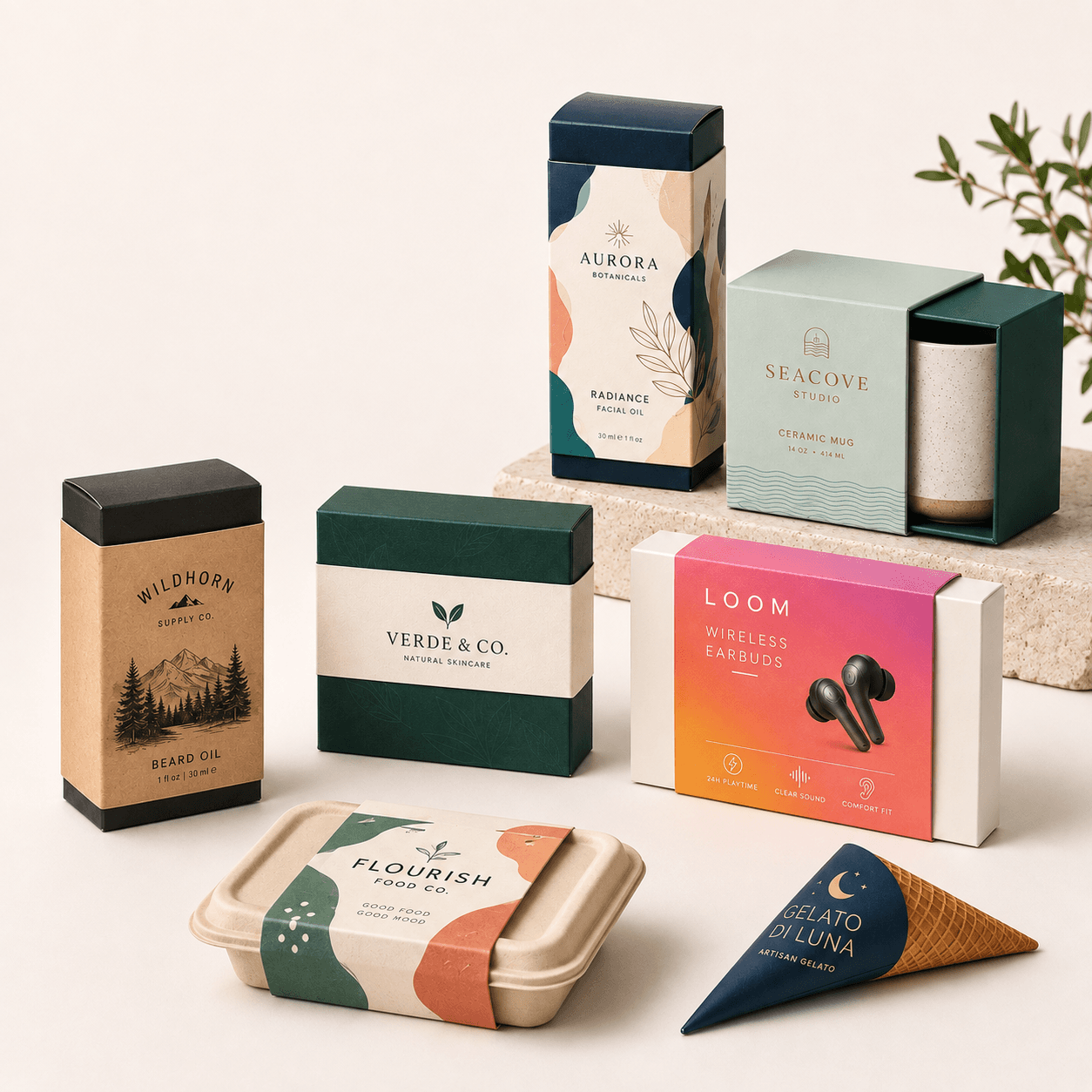

Custom Tray and Sleeve Boxes
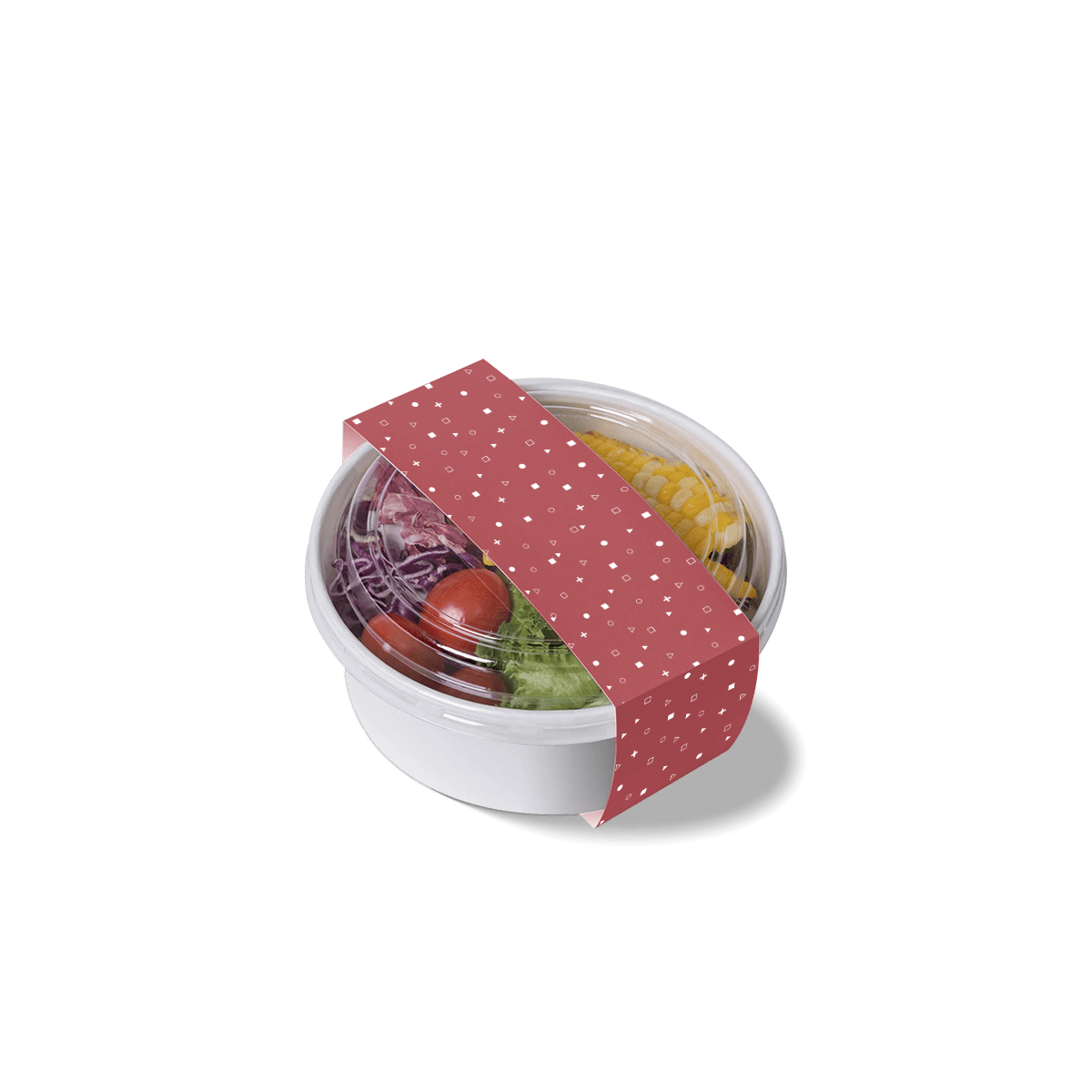
Custom Food Packaging Sleeves

Custom Cardboard Sleeves
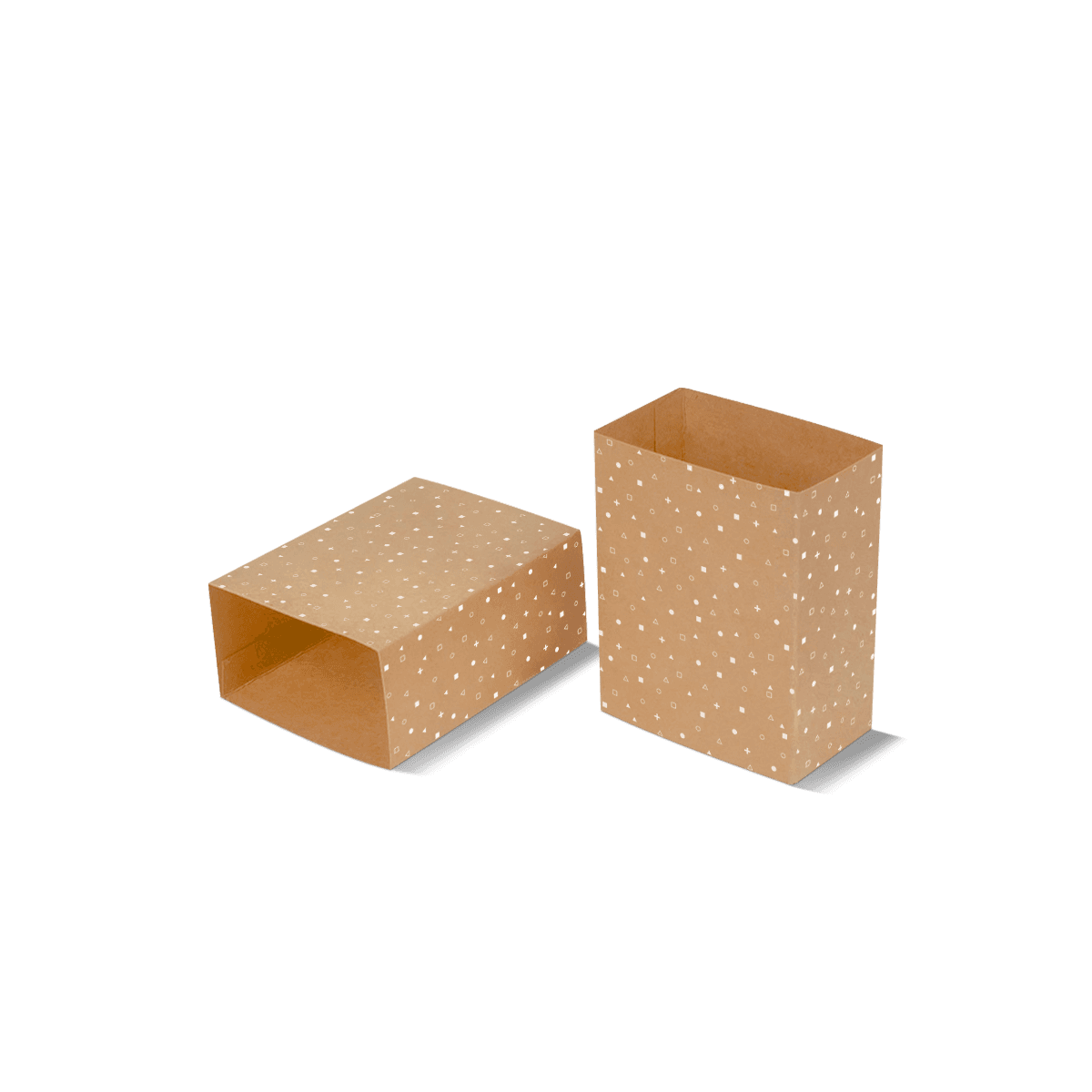
Custom Kraft Sleeves

Custom Cone Sleeves
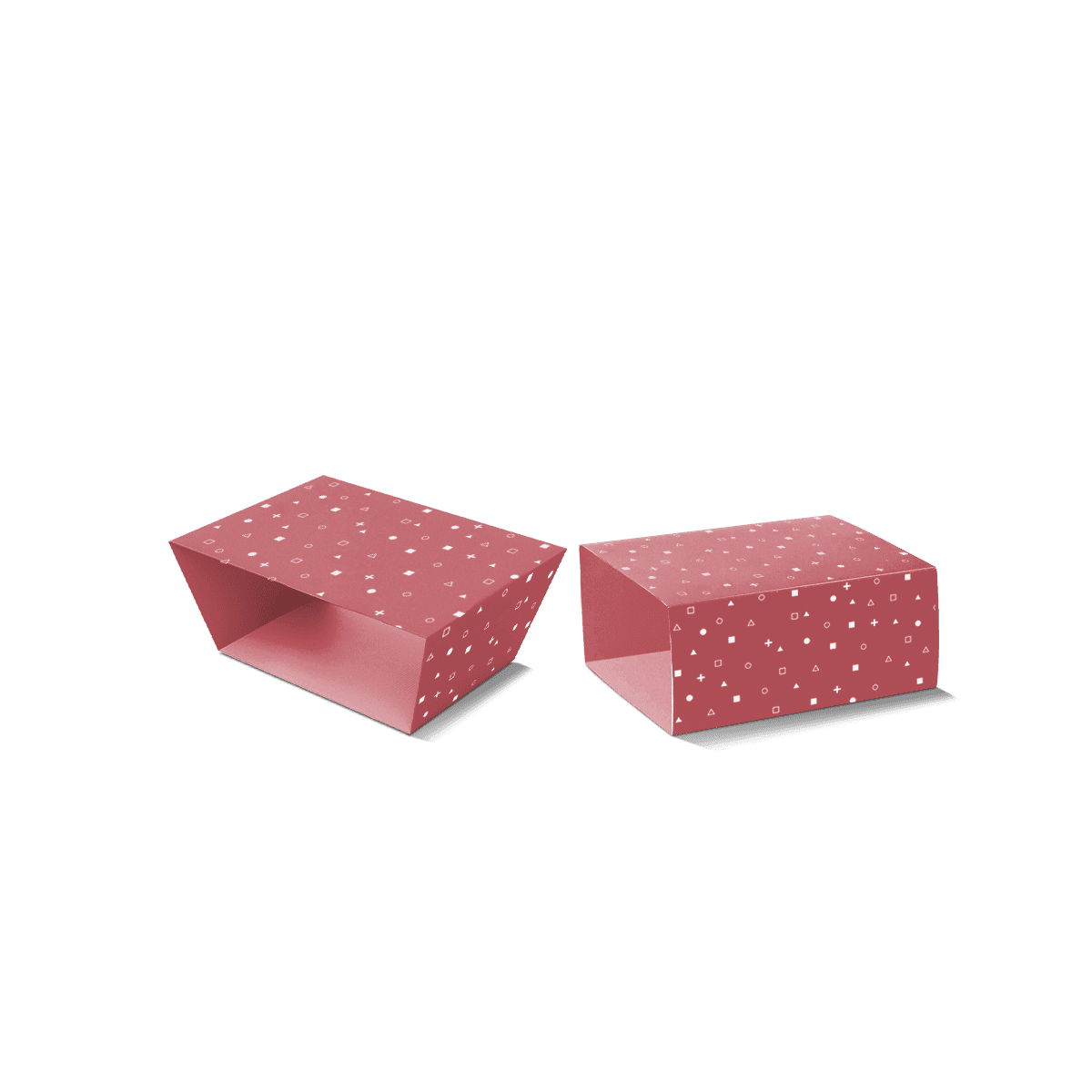
Custom Packaging Sleeves
Custom Retail Packaging Sleeves
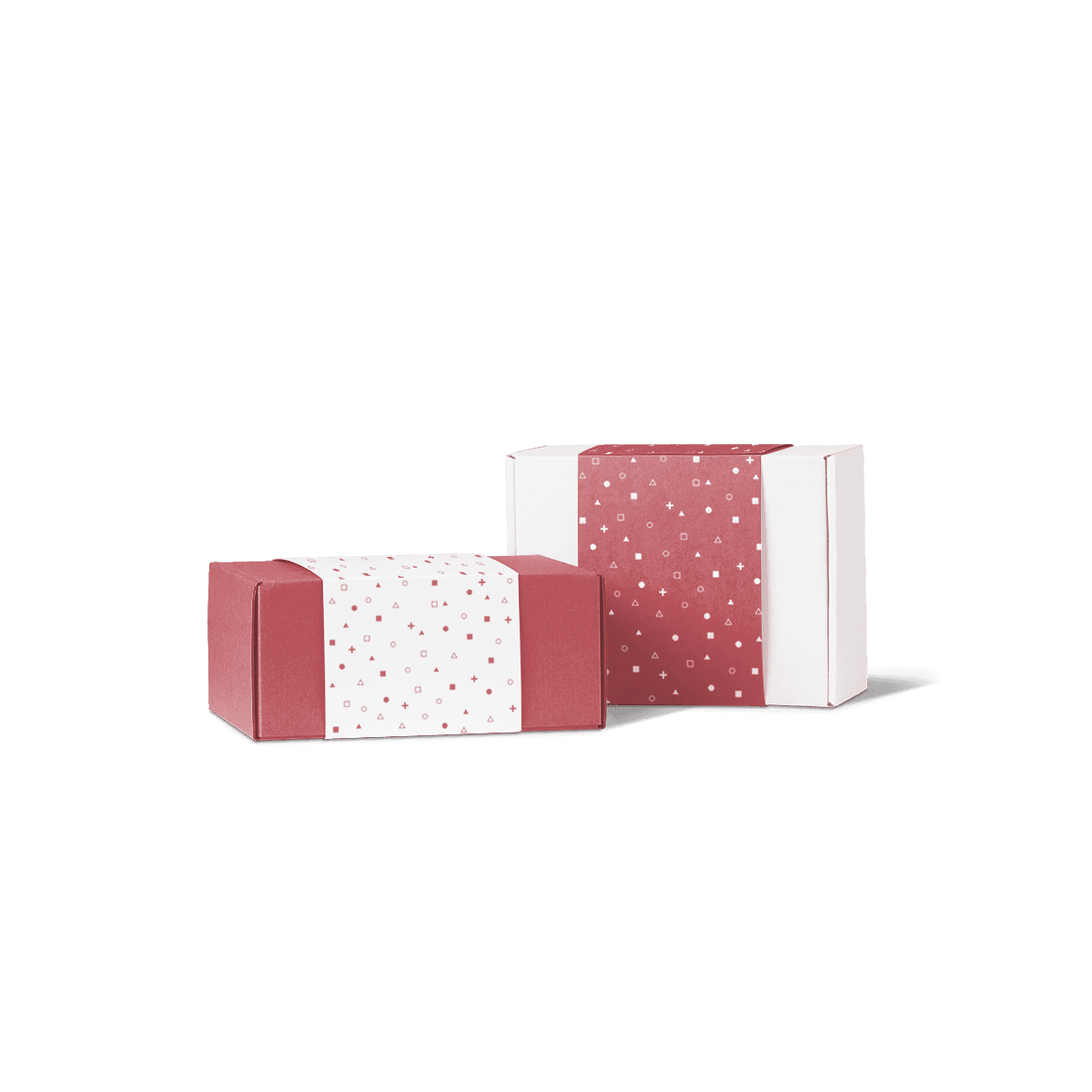
Custom Product Sleeves

Custom Box Sleeves
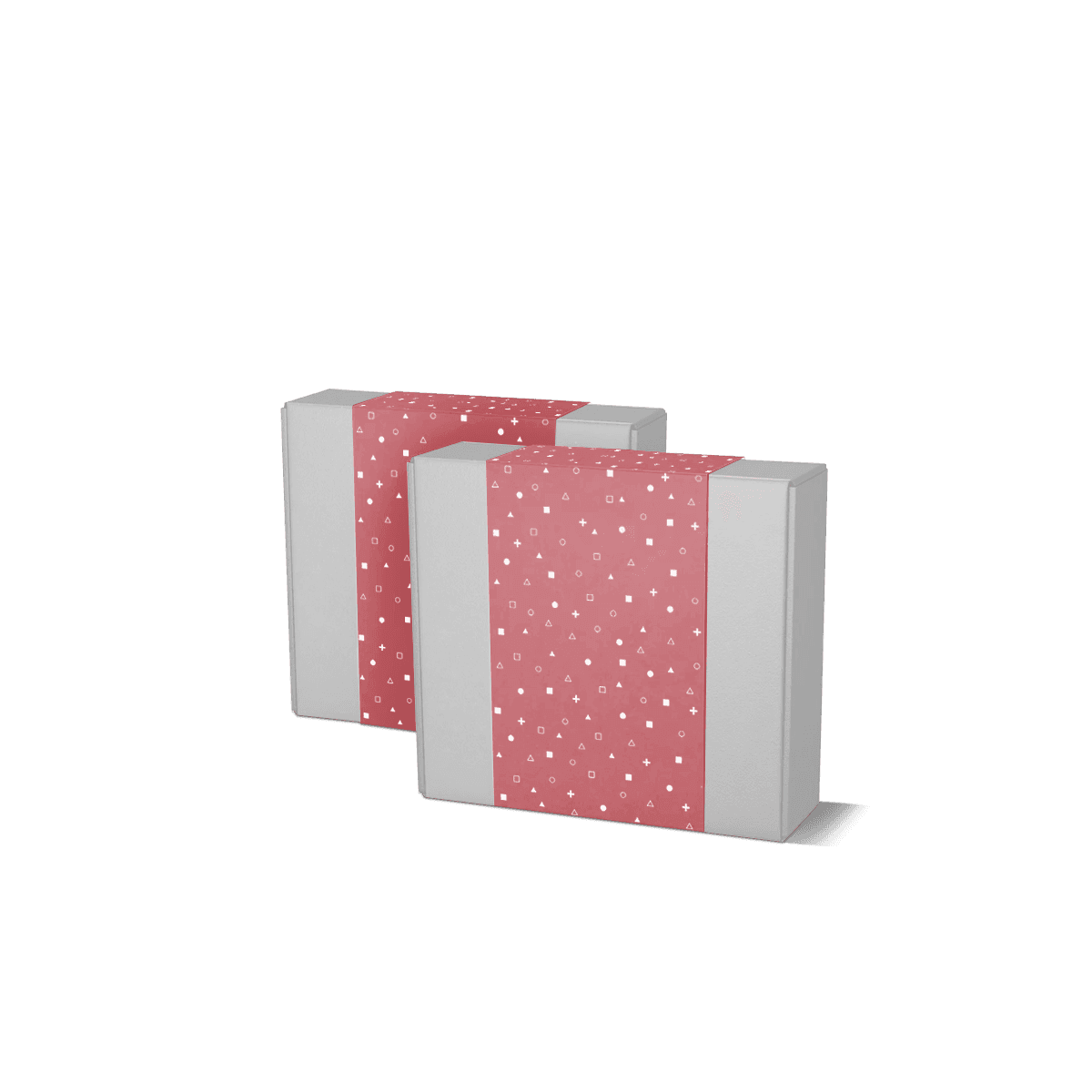
Custom Belly Band Packaging
Sleeve and Band Packaging That Changes the Pack Without Rebuilding It
Custom Sleeve and Band Packaging is a practical way to add branding, product details, seasonal messaging or a premium finish over packaging you already use. It works by wrapping a printed paperboard, kraft or cardboard band around a box, tray, food pack, garment bundle or retail product.
This style is useful when the main pack structure already works but the presentation needs more polish. A sleeve can turn a plain kraft box into retail packaging, separate product variants without changing the base carton or create a limited-edition look for launches, gifting and seasonal ranges.
The biggest value of Custom Sleeve and Band Packaging is flexibility. You can keep one core box size, tray size or container style and change the printed sleeve for different scents, flavours, sizes, product lines or campaigns. That helps reduce packaging waste, simplify storage and keep artwork changes easier to manage.
For product teams that need printed packaging without changing every structural part, Custom Printed Boxes can handle the full box while sleeve and band packaging adds a lighter branding layer over existing packaging.
Custom Packly supports Custom Sleeve and Band Packaging for retail, food, beauty, apparel, gifting, event and ecommerce uses. The focus is simple: the sleeve must fit cleanly, slide or close properly, stay aligned during handling and carry print that looks intentional rather than added at the last minute.
Where Sleeves and Bands Work Best
Custom Sleeve and Band Packaging works best when the product already has a shape worth showing or a base pack worth keeping. Instead of hiding everything inside a new box, the sleeve becomes the branded layer that gives structure, product information and shelf appeal.
Plain boxes that need a branded finish
A sleeve can wrap around a plain mailer, rigid box, tuck box or folding carton to create a premium printed look. This is helpful for businesses that use one base box for several product lines.
For example, a skincare brand might use the same white carton for several serums and change the sleeve colour, product name and ingredients panel by SKU. A candle brand might use a kraft box with different printed bands for scent families. A gift business might use one rigid box and change the sleeve for wedding, Christmas, corporate or product launch packs.
Trays and open packs that need a secure wrap
Sleeves also work around trays, product bundles and open packs. The band keeps items neat, adds a branded face and gives the customer a clear opening experience.
Custom Tray and Sleeve Boxes are better when the sleeve is part of the main structure. A simple belly band is better when the tray already exists and only needs branding, product labelling or bundling support.
Retail products with multiple variants
Custom Sleeve and Band Packaging helps brands manage multiple variants without producing a separate full box for each one. This matters for small-batch ranges, flavour sets, beauty shades, tea blends, apparel sizes and seasonal promotions.
When the base pack stays the same, your team can reorder sleeves more easily, store less packaging and update artwork without changing the whole structure.
Sleeve Formats That Solve Different Packing Problems
Not every sleeve does the same job. The right format depends on how much of the product should stay visible, how the pack opens and whether the sleeve needs to hold, label or decorate.
Box sleeves for a cleaner outer face
Box sleeves wrap around a carton, rigid box, tray, mailer or gift box. They can cover one face, two sides or the full wrap area depending on the dieline. The best sleeve style depends on whether the box should slide through, open under the sleeve or stay sealed until the customer removes it.
Custom Box Sleeves suit plain boxes, product kits, ecommerce gifts and subscription-style packs where a branded strip can do the work of a full printed outer box.
Belly bands for bundling and product information
Belly bands are narrower wraps used around products, boxes, folded garments, stationery, food trays, soaps, candle sets or small gift packs. They are often chosen when the product needs a label, branding strip or bundle wrap rather than a full sleeve.
A belly band can carry product names, ingredients, barcodes, batch details, scent names, flavour details, QR codes and simple instructions. It also gives customers a neat tear, slide or unwrap moment.
Cardboard and kraft sleeves for simple shelf appeal
Cardboard sleeves give more structure than thin paper bands. They are useful when the pack needs a stronger branded wrap, cleaner corners or more shape retention during handling.
Kraft sleeves are popular for natural, handmade, organic or eco-led product ranges. They work well on soap, bakery, tea, candle, skincare and home fragrance products where the sleeve should feel warm, simple and tactile.
Product Fit Matters More Than the Print Area
A sleeve looks premium only when it fits properly. If it is too tight, it can crush corners, bow across panels or become hard to slide. If it is too loose, it can twist, slip or look poorly matched to the product.
Custom Sleeve and Band Packaging needs accurate product or box measurements before artwork is finalised. Width, depth, height, wrap direction, overlap area, glue tab, product bulge and packing method all affect the final dieline.
Measure the real packed product
Do not measure only the empty box if the product changes the shape once packed. Soft garments, bakery packs, food trays, soaps, pouches and bundled kits can add pressure or height. A small measurement difference can change how the sleeve slides and sits.
For boxed products, measure the packed box at the widest points. For trays, measure the tray with the product inside. For bundles, measure the final packed bundle after wrapping, folding or stacking.
Plan the slide, wrap or closure
Sleeves can be supplied as flat scored pieces, pre-glued sleeves or wraparound bands depending on the project. The best choice depends on packing speed, product shape and whether your team wants to slide the sleeve on or wrap and seal it.
A pre-glued sleeve can speed up repetitive packing. A flat belly band gives more flexibility if products vary slightly in size or need hand wrapping. A taped or glued closure may suit gift packs, retail bundles or products that need a more secure finish.
Test the grip before bulk production
A snug sleeve should stay in place without damaging the pack. That balance is important for retail shelves, takeaway packs and products handled by fulfilment teams.
Custom Packly can help check the dieline, fit tolerance and artwork position before full production. A free sample before full production is useful when the sleeve needs to slide over a rigid box, hold a bundle, wrap around a food pack or line up with a window, logo or opening point.
Materials for the Look, Feel and Function
Material choice affects sleeve strength, fold quality, print clarity and how the customer reads the brand. The right stock should match the product weight, pack surface and customer expectation.
Paperboard for crisp print and clean folds
Paperboard works well for printed product sleeves, retail sleeves and belly bands that need sharp colour, smooth folding and a polished finish. It is a strong option for cosmetics, wellness products, small food packs, gift boxes and retail products.
White paperboard gives the cleanest base for full-colour designs. It supports bright product colours, small text, fine lines and detailed branding.
Kraft for natural product ranges
Kraft sleeves create a more earthy, simple and eco-conscious look. They work well for handmade products, soaps, candles, bakery goods, organic-style food packs and natural beauty products.
Kraft changes how colours appear, so artwork should be planned with that in mind. Dark ink, simple illustrations, black linework and restrained branding often work better than pale tones on kraft stock.
Cardboard for stronger handling
Cardboard sleeves suit larger boxes, retail kits, heavier product sets and packs that need more shape retention. A heavier board can help the sleeve stay flat, hold corners better and resist bending when customers pick up the product.
For heavier goods, the sleeve should support presentation, not act as the main protection. The base box, tray or insert should still carry the product safely.
Print Placement That Makes the Sleeve Feel Intentional
Custom Sleeve and Band Packaging has less printable space than a full box, so every panel needs a clear job. The front panel should sell the product. The side or back panel should support information, barcode, ingredients, QR code or instructions. The overlap or glue area should stay clear enough for clean assembly.
Front panels need simple hierarchy
The front of the sleeve should usually show the brand, product name and one key visual or benefit. Crowding the front with every detail makes the sleeve feel more like a label than packaging.
For retail products, the sleeve should be readable from a normal shelf distance. For ecommerce unboxing, the sleeve can be more expressive because the customer holds the pack closer.
Side panels can carry useful details
Side panels are good for flavour names, shade names, scent notes, set contents or small icons. They also help the pack stay identifiable when stacked or stored sideways.
This is especially helpful for beauty, tea, chocolate, candle, apparel and subscription products where several variants may sit together in storage or on a shelf.
Back panels can handle compliance-style information
The back panel can carry barcode, ingredients, product details, batch information, recycling marks, storage advice or care instructions. For food and cosmetic products, your team should confirm the required product information before print.
Custom Packly can guide layout, print area and dieline setup, but the brand remains responsible for checking regulated product claims, ingredients and required labelling details.
Finishes That Add Value Without Overbuilding the Pack
A sleeve or band can feel premium with the right finish because the customer touches it before opening the main pack. The finish should suit the product category, not only the logo.
Matte finishes work well for soft, minimal and premium ranges. Gloss can add stronger colour contrast for food, events and bold retail products. Foil can highlight logos, flavour names, gift messaging or limited-edition marks. Embossing or debossing can add a tactile detail without covering the whole pack in heavy graphics.
Spot UV can work well on product names, pattern details or small brand marks. However, it should not be used only because it is available. A sleeve has limited space, so one focused finish usually works better than several competing effects.
Custom Sleeve and Band Packaging can also be designed with inside print where the sleeve creates a reveal moment. This is useful for gift packs, premium samples and product launches where the unwrapping step is part of the experience.
Food, Retail, Beauty and Apparel Uses
Custom Sleeve and Band Packaging crosses many product categories because it solves a simple problem: the product needs a smarter branded layer without a fully new box.
Food and takeaway packs
Sleeves are useful for sandwich packs, burger wraps, bakery trays, chocolate boxes, cookie sets, takeaway meal packs and cone sleeves. They can show flavour, brand, product name or ingredients while keeping the main container simple.
For cafes and takeaway brands, Custom Cafe and Takeaway Packaging often pairs well with food sleeves because everyday packaging needs speed, clear branding and practical handling.
Food-facing choices should consider grease, moisture, heat and how the sleeve contacts the pack. In many cases, the sleeve wraps the outer container rather than touching food directly.
Beauty and wellness products
Beauty brands use sleeves for soap bars, skincare cartons, candle boxes, serum sets, bath products and sample kits. A sleeve can carry scent, shade, product type or batch details while the base box remains consistent.
This is useful for product ranges where the brand identity stays the same but each SKU needs a different colour or information panel.
Retail and apparel products
Apparel, socks, scarves, accessories, stationery and gift products can use belly bands to keep items folded, bundled or grouped. For brands working across boutiques, markets and ecommerce orders, Custom Retail and Apparel Packaging can combine sleeves with boxes, bags and product wraps for a more consistent customer experience.
The sleeve should not fight the product. It should hold the item neatly, make the product easier to identify and add brand value without slowing packing.
When a Sleeve Is Better Than a Fully Printed Box
Custom Sleeve and Band Packaging is often the smarter choice when the pack structure is already right but the message needs to change. It lets you refresh branding, test designs, launch short campaigns or manage many SKUs without replacing the full box.
A fully printed box is better when every surface needs branding, the pack will be handled heavily or the unboxing experience depends on inside and outside print. A sleeve is better when flexibility, labelling, bundling or seasonal variation matters more than full-surface print.
This decision affects cost, storage and speed. One plain box with several sleeve designs may be easier to manage than ten different printed boxes. It can also help small brands look more polished while keeping packaging inventory under control.
However, sleeves are not a shortcut for poor product fit. If the underlying box is weak, too large or not suited to the product, the sleeve will not fix the full packaging experience. It should upgrade a good pack, not hide a bad one.
Dielines, Artwork and Assembly Checks
Sleeve dielines look simple, but small errors can create visible problems. Fold lines need to match the pack edges. The overlap needs enough room for glue, tape or sealing. The front panel needs to centre correctly after wrapping or sliding.
The free Dieline Tool helps with structure planning and gives buyers a clearer starting point before artwork is prepared. For sleeve projects, the most important details are the wrapped dimensions, sleeve width, fold positions, overlap area and print orientation.
Artwork should include bleed, safe margins and correct panel direction. Barcodes should sit where scanning is easy. Small text should stay away from creases. Important logos should not cross fold lines unless the design is intentional.
Before production, check three things:
- Does the sleeve slide, wrap or close the way your packing team expects?
- Does the main logo centre on the product after assembly?
- Does the sleeve stay aligned when the product is lifted, stacked or handled?
These checks prevent the most common sleeve issues: twisting, loose fit, hard sliding, misaligned front artwork and product information landing on the wrong panel.
Small Runs, Seasonal Sleeves and Repeat Orders
Custom Sleeve and Band Packaging is useful for brands that want to start with a smaller run, then grow into larger repeat orders. MOQ starts from 50, with support for larger production runs, repeat orders and high-volume packaging programs as your range grows.
Sleeves are also practical for seasonal packaging. A brand can keep the same base box and order new printed bands for Christmas, Eid, Mother’s Day, product launches, corporate gifts or limited flavour drops.
For repeat orders, the important part is consistency. The sleeve must fit the same box or tray each time. If the base packaging changes, the sleeve dieline may need adjustment. Even a small change in board thickness, box size or closure shape can affect the final wrap.
Custom Packly can help plan sleeve production around product families, SKU groups and campaign timing. Local production, 4 to 6 day turnaround, free delivery and 24/7 support can help when packaging needs to move quickly from artwork approval to packing table.
What to Prepare Before Requesting a Sleeve Quote
A clear quote request helps the sleeve fit correctly and keeps production decisions simple. For Custom Sleeve and Band Packaging, the most useful details are not only quantity and artwork. The product shape, wrap direction and base pack matter just as much.
Share these details when possible:
- Product or box dimensions once fully packed
- Sleeve width or the amount of product you want covered
- Quantity for first run and expected reorder volume
- Material preference such as white paperboard, kraft or cardboard
- Print needs, including one side, two sides or full wrap artwork
- Finish ideas such as matte, gloss, foil, embossing or spot UV
- Closure preference such as glued, taped, pre-glued or hand wrapped
- Artwork status and any barcode, ingredients or label requirements
- Deadline for launch, event, retail delivery or seasonal campaign
A sample is especially useful when the sleeve must slide over a rigid box, sit around a food tray, hold a bundle or align with a window. It lets you check the grip, edge position and unwrapping experience before full production.
When the details are ready, send them through Get a Quote and include the product type, size, quantity and artwork status. Custom Packly can then suggest the right material, print setup and sleeve format.
Packaging Support That Keeps the Sleeve Practical
Custom Sleeve and Band Packaging should make packing easier, not create extra problems at the packing table. That means the sleeve must suit the product, the brand and the way your team actually packs orders.
A sleeve for a retail shelf may need strong front alignment and clean side visibility. A sleeve for food packaging may need quick wrapping, clear product information and safe placement around the outer container. A sleeve for a gift box may need a slower, more premium unwrapping feel. A sleeve for ecommerce may need to stay secure during handling and delivery.
Custom Packly brings experience across boxes, rigid packaging, bags, sleeves, tubes and retail packaging. That broader view helps when a sleeve is only one part of the full packaging system.
The aim is not to add another layer for the sake of it. The aim is to make the product easier to recognise, easier to present, easier to bundle and easier to sell.
FAQs
Start Your Custom Packaging Quote
Share your product details, dimensions, quantity and artwork needs. We’ll help choose the right packaging style and send a clear quote.