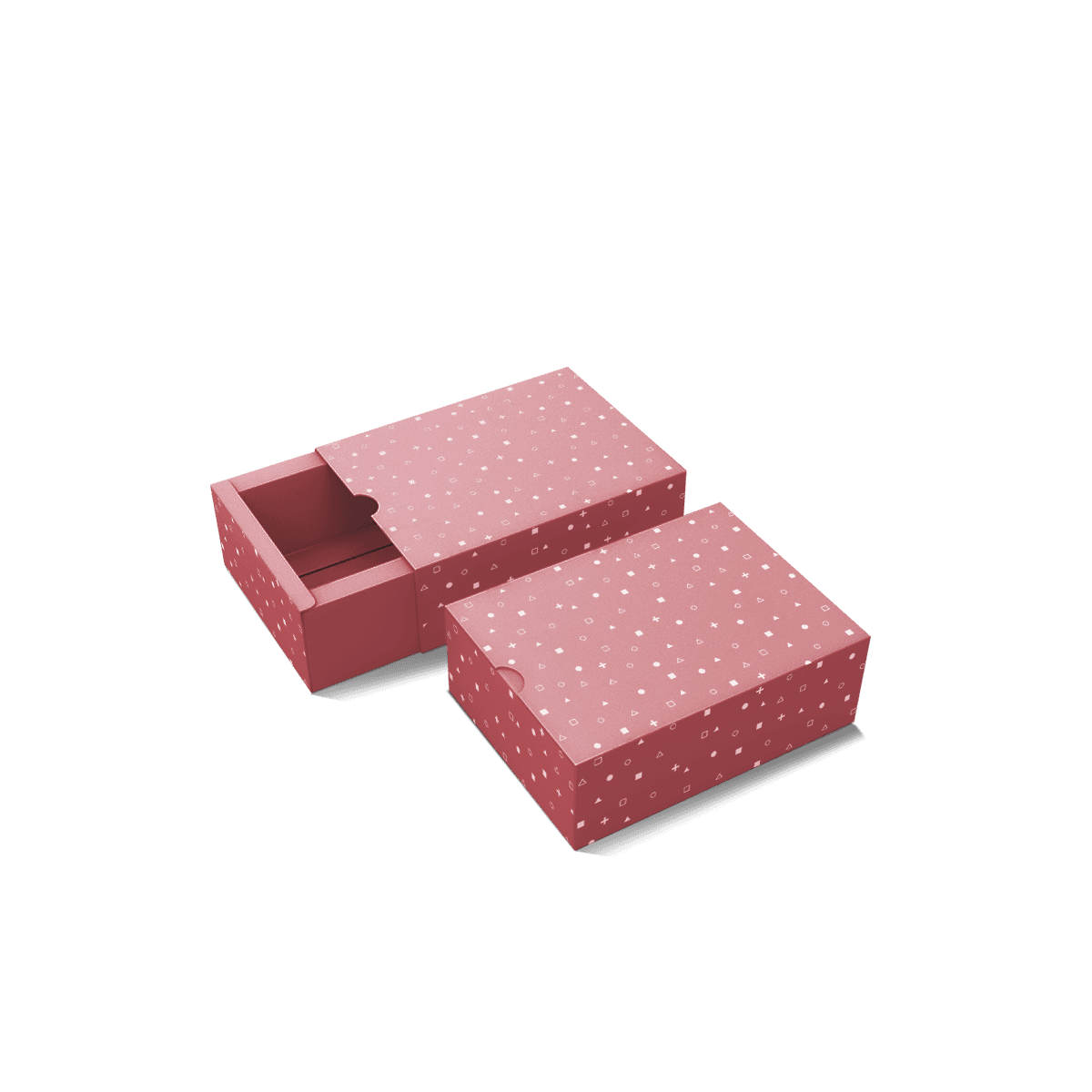
Custom Tray and Sleeve Boxes
Sliding tray boxes for product sets, premium retail packaging and gift-ready launches where product fit, reveal and brand presentation matter.
Free Design Support
Clear Pricing
Flexible Quantities
Unlimited Customization
Premium Materials
Offset Precision
Free Shipping
Quick Turnaround
Custom Tray and Sleeve Boxes Built Around the Reveal
Custom Tray and Sleeve Boxes use a fitted inner tray and a printed outer sleeve to create a smooth slide-open product experience. The tray holds the product in place while the sleeve creates the first branded surface your customer sees.
This structure suits products that need more presence than a simple wrap but do not always need a hinged rigid box. It gives the packaging a controlled opening motion, a neat closed shape and useful print space on the sleeve, tray base or both.
For brands already using sleeve-style packaging, Custom Sleeve and Band Packaging keeps the broader range together. Custom Tray and Sleeve Boxes are the better fit when the product needs its own tray, a guided slide movement and a more structured reveal.
The main detail is not just the look. The tray and sleeve must work together. If the sleeve is too loose, the tray can slide out too easily. If it is too tight, customers struggle to open it. Good tray and sleeve packaging balances hold, movement, product clearance and print layout before production starts.
Custom Packly helps with custom sizing, tray depth, sleeve fit, artwork setup and production planning so the box feels intentional from the first pull.
Products That Need a Fitted Sliding Format
Tray and sleeve packaging works best when the product should feel arranged, protected and easy to present. It is often used for boxed sets, small premium goods, retail bundles, launch kits and products where the unboxing moment affects perceived value.
Boxed Sets and Gift Ranges
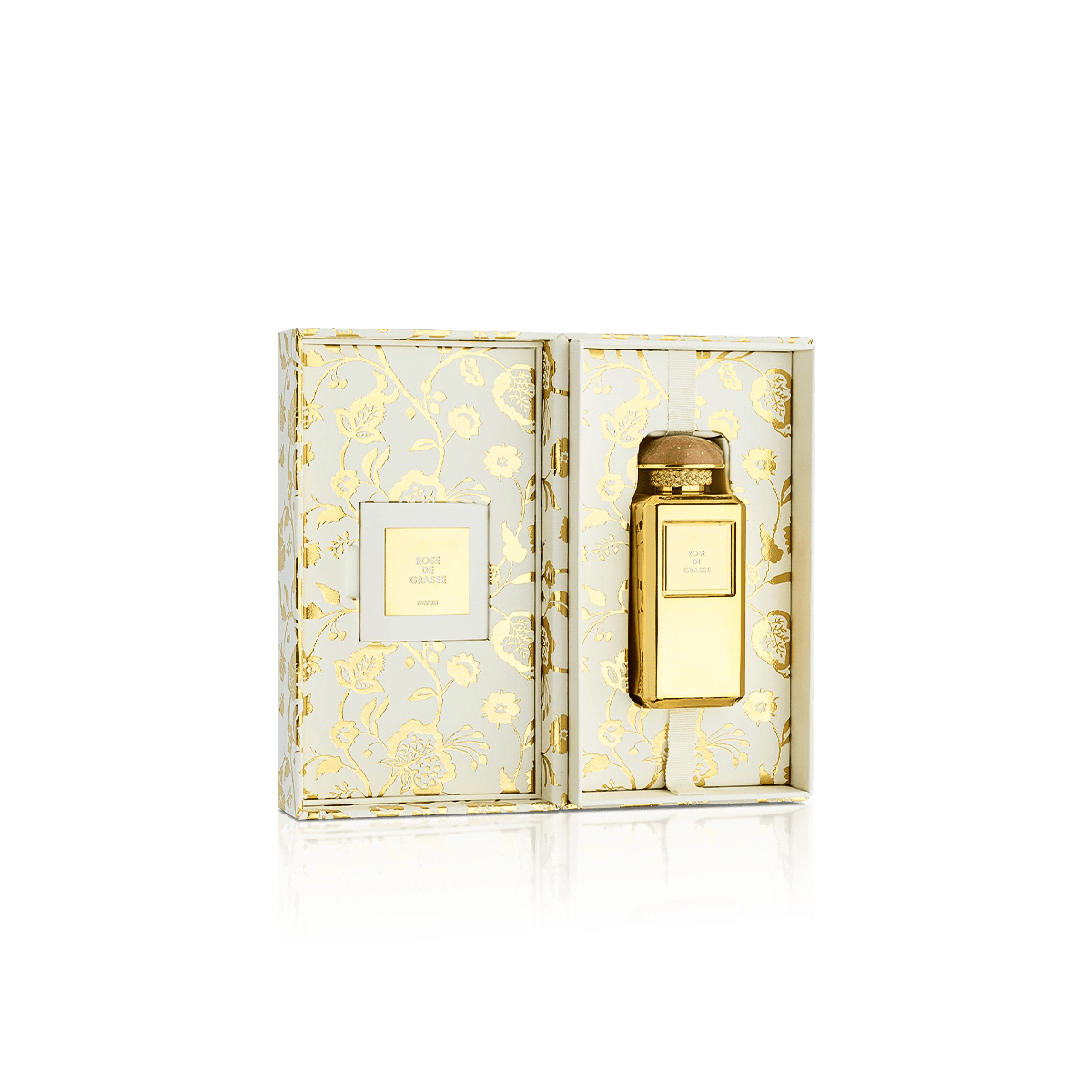
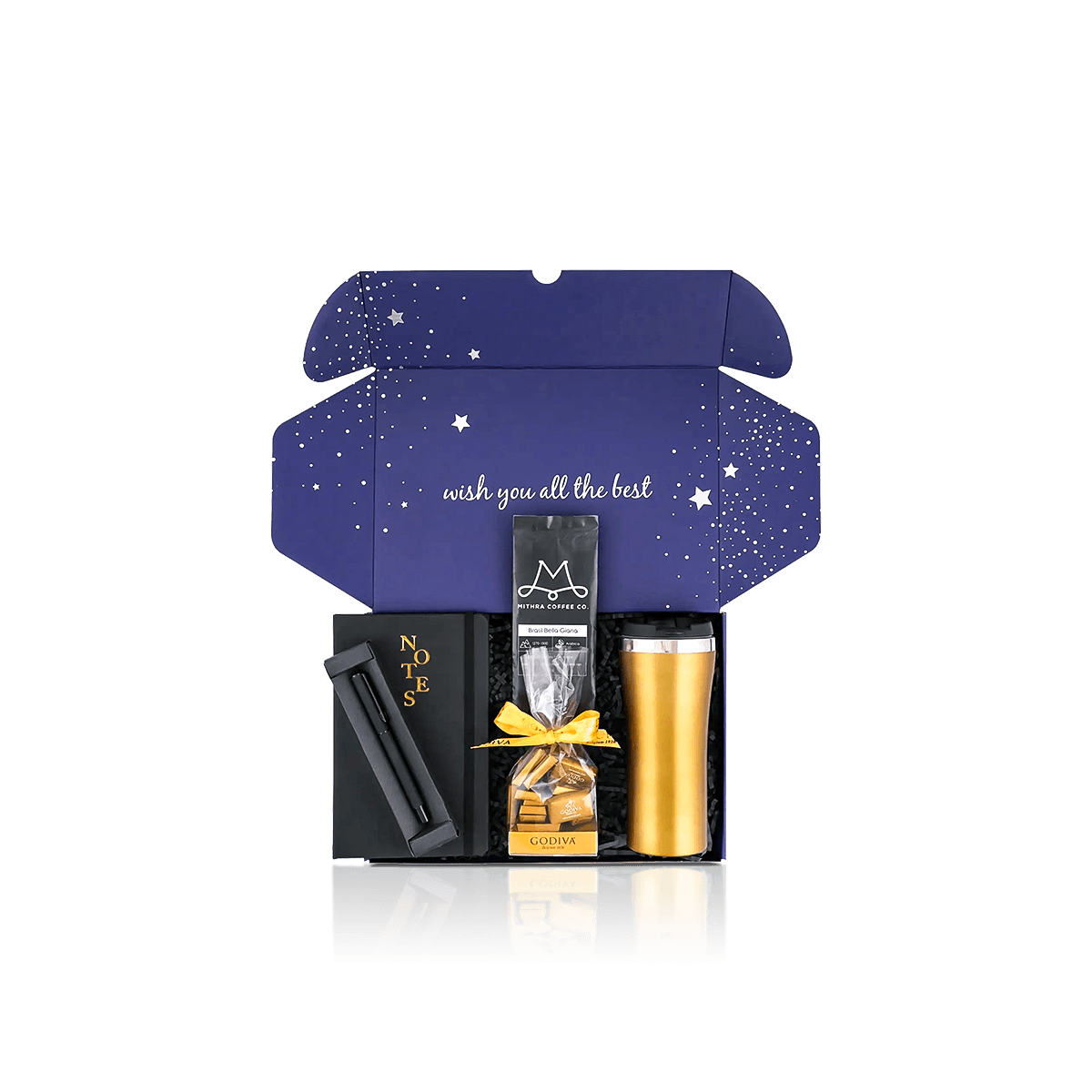
A sliding tray helps present multiple items in a fixed order. This is useful for gift sets, sample collections, PR kits, candle sets, skincare routines, tea assortments, confectionery packs and corporate gifts.
The tray can be built as a plain base or shaped around individual items. Inserts can separate bottles, jars, tubes, cards, accessories or product samples so the set looks organised when opened. For gift products, this structure also gives the customer a stronger first impression than a standard folding carton.
Beauty, Jewellery and Premium Small Goods
Beauty, jewellery and lifestyle products often need packaging that feels refined without becoming too bulky. A tray and sleeve box can create that feeling through a clean outer sleeve, a fitted tray and a controlled reveal.
For skincare, makeup, perfume samplers and premium cosmetic sets, Custom Beauty Packaging often needs strong colour control, neat product spacing and finishes that match the product’s price point. Tray and sleeve boxes can support that by keeping the artwork simple on the outside and more detailed inside the tray.
Jewellery, watches, small accessories and personal care products can also use this format when the product needs a tidy insert, soft reveal and stronger retail presence.
Retail Products With a Story to Tell
A sleeve gives space for branding, product details, scent notes, flavour information, ingredient highlights or limited-edition messaging. The tray gives space for product placement, inserts, tissue, cards or reveal copy.
That split is useful when the outer packaging needs to stay clean while the inside carries the richer brand message. It also helps if a product range needs the same tray size with different sleeve artwork for seasonal runs, flavours, scents or campaign editions.
Tray Fit Controls the Whole Experience
The most important part of Custom Tray and Sleeve Boxes is the relationship between the tray, sleeve and product. A strong design starts with the product’s real size, weight, shape and movement risk.
Clearance for a Smooth Slide
The sleeve needs enough clearance to move over the tray without catching. The right clearance depends on board thickness, finish, tray shape and product weight.
A matte or soft-touch surface may create a different slide feel than a gloss laminated sleeve. A heavier product may need a tighter hold so the tray does not slip out during handling. A light product may need a smoother slide so the box feels easy to open.
This is why tray and sleeve dimensions should not be guessed from the product size alone. The tray, sleeve thickness and finished coating all affect the final movement.
Tray Depth and Product Height
The tray depth should suit the product height and the intended reveal. A shallow tray can make products easy to see and lift out. A deeper tray can add protection and a more premium look.
For bottles, jars, small electronics or candles, the tray depth may need to protect the product sides. For flat products such as cards, apparel accessories, stationery or chocolate bars, a shallow tray may be enough.
When the product sits too high, the sleeve can rub or mark the product. When it sits too low, the reveal can feel flat. The best result comes from matching the tray depth to the product’s actual handling needs.
Inserts That Stop Product Movement
Tray and sleeve boxes often need inserts when products are fragile, uneven or sold as a set. Inserts can hold each item in position so the box looks organised after transport and during opening.
Cardboard, paperboard or corrugated inserts can be designed with cavities, slots, dividers or raised supports. The insert should not fight against the tray. It should help the product sit neatly while still being easy to remove.
For premium gift sets, the insert is part of the presentation. For shipping-sensitive items, it also reduces movement inside the tray.
Print Placement Across the Sleeve and Tray
Custom Tray and Sleeve Boxes give two useful branding zones: the outer sleeve and the inner tray. Each area has a different job.
The sleeve is the shelf-facing and first-touch surface. It usually carries the logo, product name, colour system, barcode, finish and main brand artwork. The tray is the reveal surface. It can carry a pattern, message, product instructions or a clean branded base.
Outside Print for the First Impression
The sleeve should do the fast selling work. For retail, customers usually see the sleeve first. For ecommerce or gifting, the sleeve sets the tone before the tray slides open.
Premium offset printing helps keep fine text, colour blocks, patterns and small details sharp. The sleeve can use full-colour print, kraft print, spot colour, foil, embossing, debossing or spot UV depending on the brand look.
The best sleeve artwork avoids placing key details too close to the sleeve edges or folds. Artwork should allow for crease lines, wrap points, thumb notches and any side seams.
Inside Print for a Stronger Reveal
The tray can stay plain for a minimal look or include inside print for a stronger customer experience. A printed tray base can show a logo, care message, campaign line or product sequence.
Inside print is useful for gift sets, influencer boxes, jewellery packaging, beauty kits and subscription-style product packs. It turns the opened box into part of the brand moment instead of leaving the inner tray as a blank holding piece.
Range Consistency Across SKUs
Tray and sleeve packaging can work well for product families. The tray size can stay consistent while sleeve artwork changes by scent, flavour, colour, product type or campaign.
This makes repeat production easier when a brand has multiple SKUs. It can also help with retail shelf consistency because every product in the range keeps the same box shape while the sleeve changes visually.
Materials and Finishes That Affect the Slide
The material choice should match the product weight, desired feel and expected handling. Tray and sleeve boxes can be made with paperboard, cardboard, corrugated board or rigid board depending on the use case.
Lightweight retail products may suit paperboard or cardboard tray and sleeve packaging. Premium sets may need a heavier board or rigid construction. Products that need more protection may need a stronger tray, reinforced insert or corrugated option.
Paperboard, Cardboard and Rigid Board
Paperboard works well for lighter retail products, sample kits, confectionery, stationery and small cosmetic items. It keeps the structure neat without adding too much bulk.
Cardboard options can give more strength for product sets, gift boxes and items that need a sturdier feel. Rigid board creates a more premium tray and sleeve box for high-end gifts, jewellery, beauty kits and luxury retail products.
The right choice depends on the product’s weight, how it will be displayed, how often it will be handled and whether it needs to travel through ecommerce delivery.
Kraft and White Board Choices
Kraft board gives a natural and more organic look. It suits eco-led ranges, handmade products, food gifts, wellness products and minimalist brands. White board gives brighter colour results and a cleaner print base.
A kraft sleeve with minimal print can create a simple natural finish. A white printed sleeve can support stronger colour, photography, bold patterns and high-contrast branding.
Eco-friendly material choices can also be used where the structure, print method and finish allow it. The key is to choose a material that supports both the brand message and the product’s real protection needs.
Finishes That Change Touch and Movement
Finishes do more than improve appearance. They can change how the sleeve feels in hand and how it moves over the tray.
Matte finishes give a smooth, modern feel. Gloss can make colours look more vibrant. Spot UV can highlight a logo or product detail. Foil can add a premium accent. Embossing and debossing can create touchable detail.
For tray and sleeve boxes, finish selection should be checked against the slide movement. A finish that looks beautiful still needs to open cleanly, resist scuffing and support the product’s handling environment.
Dieline Details That Prevent Fit Problems
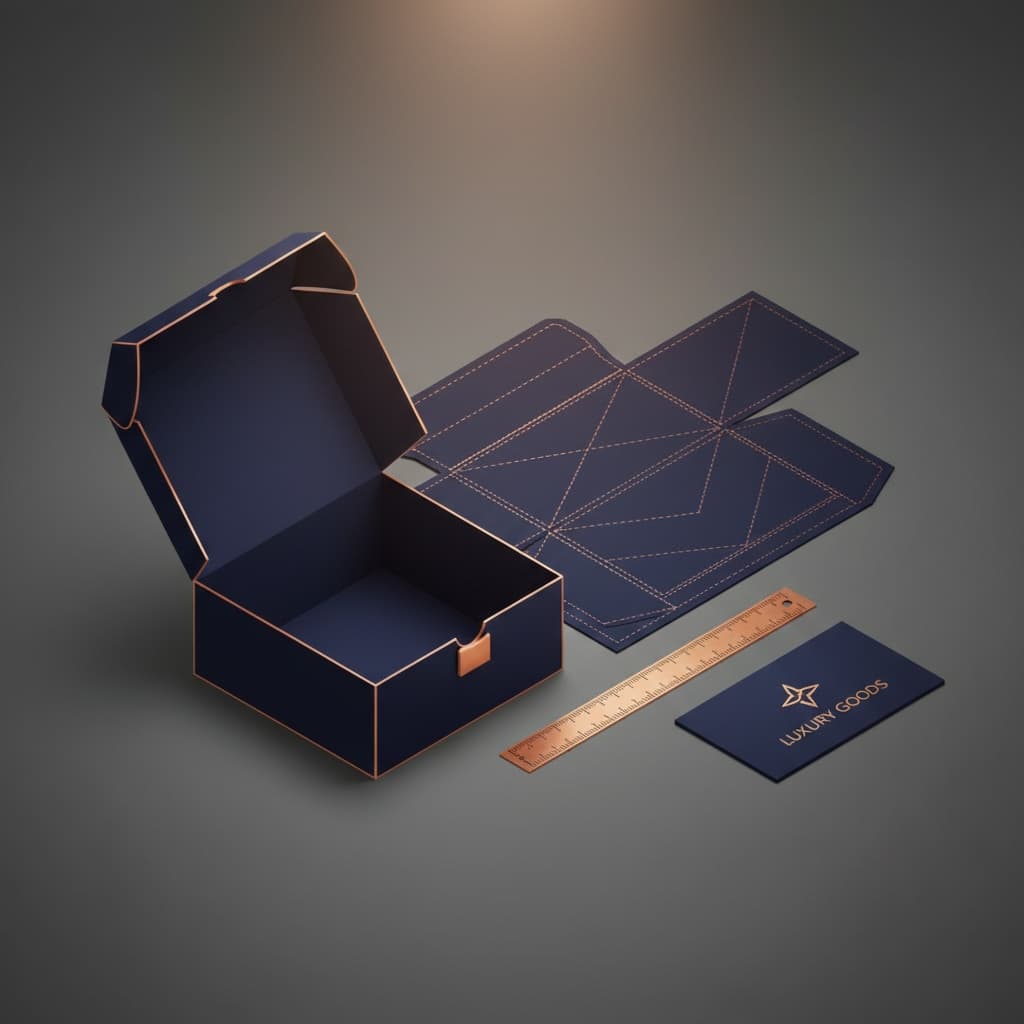
A tray and sleeve dieline must account for the tray walls, sleeve wrap, board thickness, product clearance, folding direction and artwork position. Small dieline errors can affect the opening feel, product fit or printed finish.
The sleeve dieline controls the outside wrap. The tray dieline controls the depth, corners and product hold. If an insert is included, the insert dieline must work with both the product and the tray.
A simple 3D mockup is often enough to approve artwork direction and print placement for standard builds. For tight sleeve fit, heavier products, unusual inserts or premium finishes that affect movement, a physical sample is worth checking before full production.
Useful details to confirm before production include:
- Product length, width, height and weight
- Tray depth and wall height
- Sleeve opening direction
- Thumb notch, ribbon pull or plain slide opening
- Board thickness and finish
- Insert style and product cavity size
- Artwork safe areas, bleed and fold lines
- Barcode or regulatory information position
- Quantity per SKU and total order volume
Custom Packly’s Dieline Tool can help with early sizing and artwork planning before the final production file is prepared.
Small Launch Runs and Larger Repeat Programs
Tray and sleeve packaging can support small launch runs as well as larger repeat orders. MOQ starts from 50, which helps new product ranges, sample sets and seasonal campaigns start without overcommitting.
As the product grows, the same structure can move into larger runs, multi-SKU packaging programs and repeat production. That matters for brands planning retail rollouts, gift ranges, subscription campaigns or seasonal drops.
A brand might begin with one hero product set, then add new sleeves for limited-edition variants while keeping the same tray base. Another brand may start with a small batch for influencer gifting, then reorder in higher quantities once the retail range is approved.
Bulk storage and repeat-order support can help keep packaging consistent across runs. Repeat-order discounts can also make sense when the same dieline, tray structure and sleeve format continue across future production.
The best planning detail is SKU logic. If one tray will serve several sleeves, that should be built into the quote. If each product needs a different insert, that should be separated early so the production plan stays clear.
Quote Details That Make Pricing More Accurate
A clear quote request helps avoid sizing confusion, sleeve fit issues and artwork delays. Tray and sleeve boxes have more moving parts than a flat sleeve, so the quote should describe both the product and the opening experience.
Send the product size, product weight, preferred tray depth, sleeve direction, insert needs, material preference, finish ideas, print sides, quantity and deadline. If the product has several SKUs, include the size differences and whether each SKU needs its own sleeve artwork.
For gift sets or beauty kits, also include how many items need to sit inside the tray. For fragile products, include the main movement risk. For premium products, share reference images for the type of slide, finish and reveal you want.
Custom Packly can then guide the structure, prepare artwork support and advise whether a mockup or physical sample makes sense for the tray and sleeve fit. When the product measurements are ready, Get a Quote with the details that affect the tray, sleeve and insert.
When Another Sleeve Style Makes More Sense
Custom Tray and Sleeve Boxes are ideal when the product needs a tray, a controlled slide and a structured reveal. Some products only need a band, wrap or printed sleeve.
If the product already has a box, jar, tray or pack and only needs branding around it, Custom Belly Band Packaging can be a lighter option. It adds a branded wrap without building a full inner tray.
If the product needs a simple printed cardboard wrap without the full tray-and-sleeve build, Custom Cardboard Sleeves can suit food packs, retail products, stationery, soap, apparel accessories or sample bundles.
The tray and sleeve structure becomes the stronger choice when the product needs a fitted base, a smoother reveal and a more premium hand feel.
FAQs
Related Packaging Styles
Related Industries

How it works
Simple steps from idea to delivery
Tell Us Your Specs
Tell Us Your Specs
Provide size, quantity, printing, and finishes.
Get a Fast Quote

Get a Fast Quote
Instant transparent pricing, no hidden fees.
Design and Approval

Design and Approval
Artwork checks, revisions, and final sign-off.
Produce

Produce
Expert manufacturing to meet deadlines.
Ship to Your Door

Ship to Your Door
Hassle-free, flexible delivery options.
Start Your Custom Packaging Quote
Share your product details, dimensions, quantity and artwork needs. We’ll help choose the right packaging style and send a clear quote.