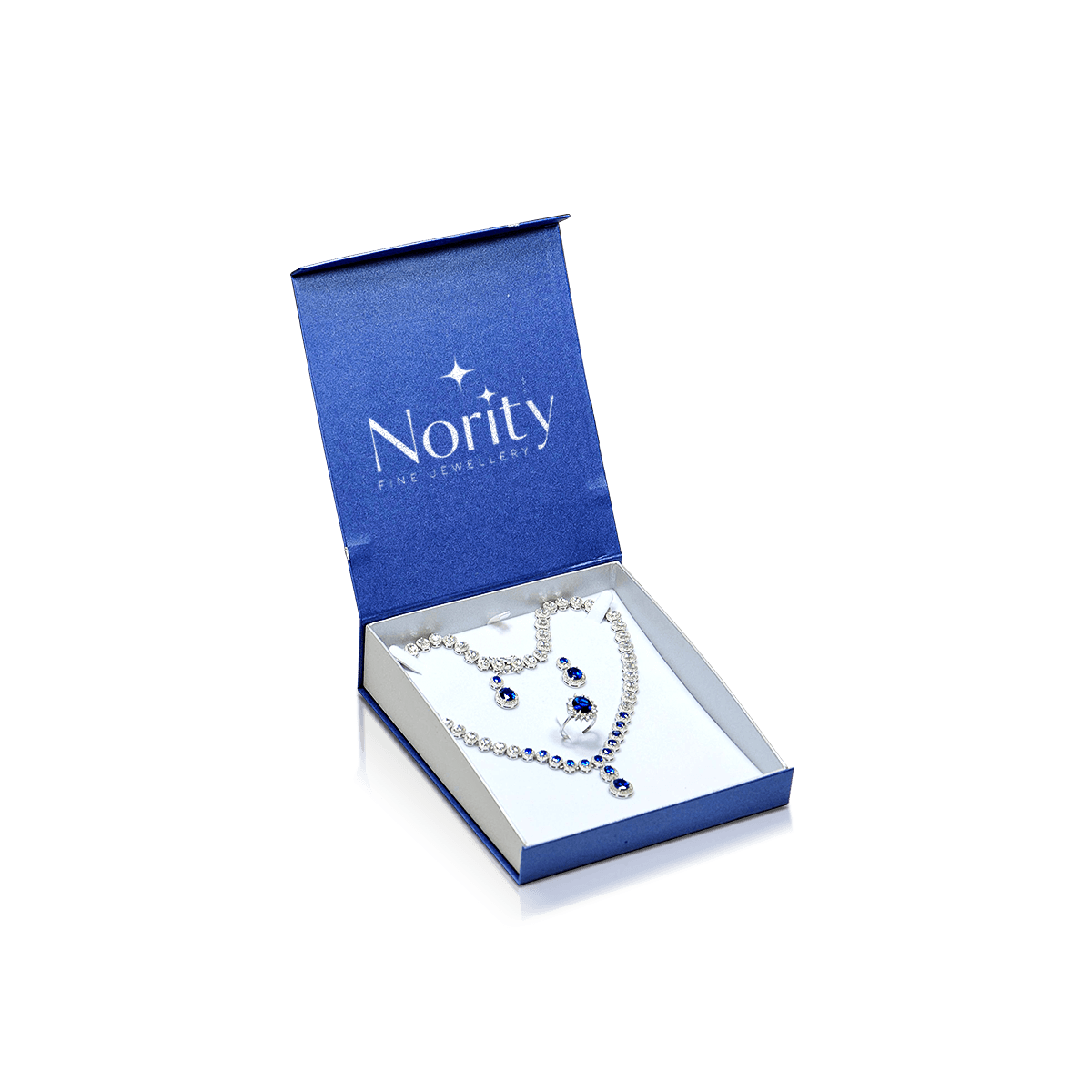
Custom Jewellery Boxes
Create a consistent box family for rings, earrings, necklaces and bracelets, with practical insert changes that keep each item secure and recognisably yours.
Free Design Support
Clear Pricing
Flexible Quantities
Unlimited Customization
Premium Materials
Offset Precision
Free Shipping
Quick Turnaround
Branded Jewellery Boxes Across a Mixed Collection
Custom Jewellery Boxes should give rings, earrings, necklaces and bracelets a clear home. They should not force every item into the same cavity or box depth.
The strongest system uses a small family of outer boxes. The insert, depth or opening can then change where the item needs it.
This approach matters when a brand sells several jewellery types. A box made only for a ring wastes space around small studs. A shallow earring carton may press on a raised pendant. A necklace can knot inside a loose square box.
Custom Jewellery Boxes need enough shared detail to look related. They also need enough variation to protect each piece.
The wider Custom Jewellery and Accessories Packaging collection can use one colour palette, logo position and finish rule. Each box can still respond to the item inside.
Start with a few useful footprints
Many jewellery collections can begin with three outer sizes:
- A compact square for rings, studs or small charms
- A slim rectangle for necklaces or bracelets
- A deeper box for larger pieces and gift use
These boxes do not need the same construction. They need clear visual links. Shared proportions, colour and print placement help Custom Jewellery Boxes feel like one planned family.
Let the insert create the product fit
An insert can turn one outer footprint into a ring, earring or pendant box. This works when the size and depth remain safe.
The insert should control the jewellery, not merely fill empty space. Slot width, card position, chain anchors and finger access all affect how the piece sits.
Use Fewer Outer Sizes Without Forcing the Fit
A neat box system makes stock easier to organise. However, too much standardisation can weaken product fit and presentation.
The aim is not one box for everything. It is the fewest sizes that can protect the jewellery well.
Custom Jewellery Boxes should be grouped by packed shape rather than product name alone. Small hoops may share a box with a pendant. A tall ring setting may need more depth than a flat bracelet.
A clear plan for Custom Jewellery Boxes uses the complete item profile before assigning an outer size.
Group products by width, length and depth
List the packed size of each item. Include clasps, stones, earring backs, chain tails and display cards.
Products with similar footprints can often share an outer box. Different insert cuts can then hold them in the correct place.
Create an exception only when it adds value
A separate size makes sense when:
- The item cannot sit safely
- Lid clearance is too tight
- The insert becomes weak
- The jewellery needs a distinct gift experience
- The outer box would contain too much unused space
Large statement pieces, tall settings and long chains may need their own Custom Jewellery Boxes. Small visual differences often do not.
Match the Box Style to Product Value and Use
The box style should suit the jewellery value, customer expectation and handling needs. Lightweight fashion pieces may not need the same structure as fine jewellery.
Both can still feel deliberate and well printed.
Custom Jewellery Boxes can use paperboard, wrapped rigid board or a mix of materials across different product tiers.
Paperboard boxes for compact retail pieces
Folding cartons suit earrings, charms, pins, small pendants and other light items. They can hold a printed card or paperboard insert.
They also arrive flat before use. This can reduce storage space at a retail counter or packing table.
A tuck closure keeps assembly simple. A printed sleeve can add a launch colour or gift message without changing the main carton.
Rigid boxes for stronger gift presence
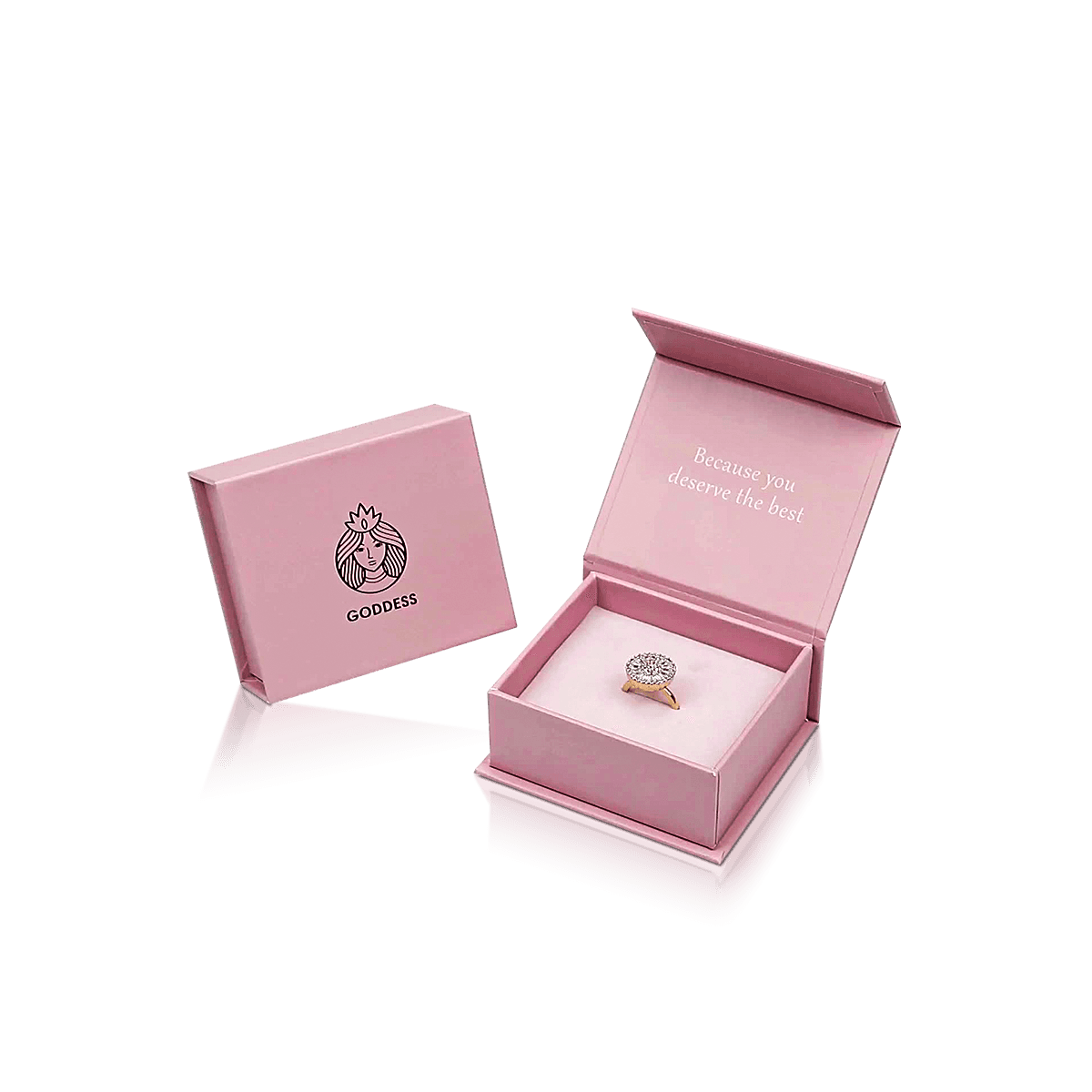
Custom Rigid Boxes suit fine jewellery, proposal pieces and items customers may keep at home.
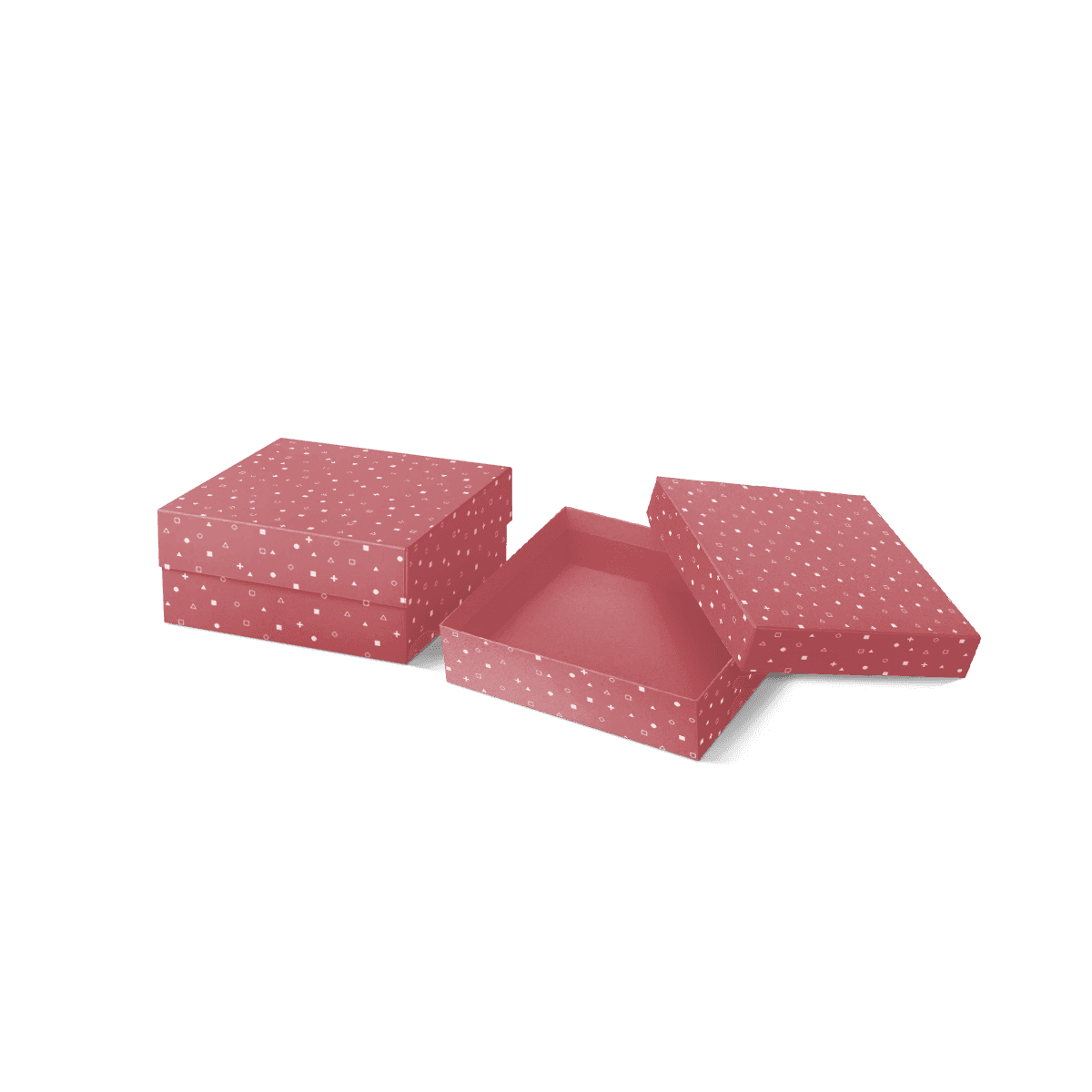
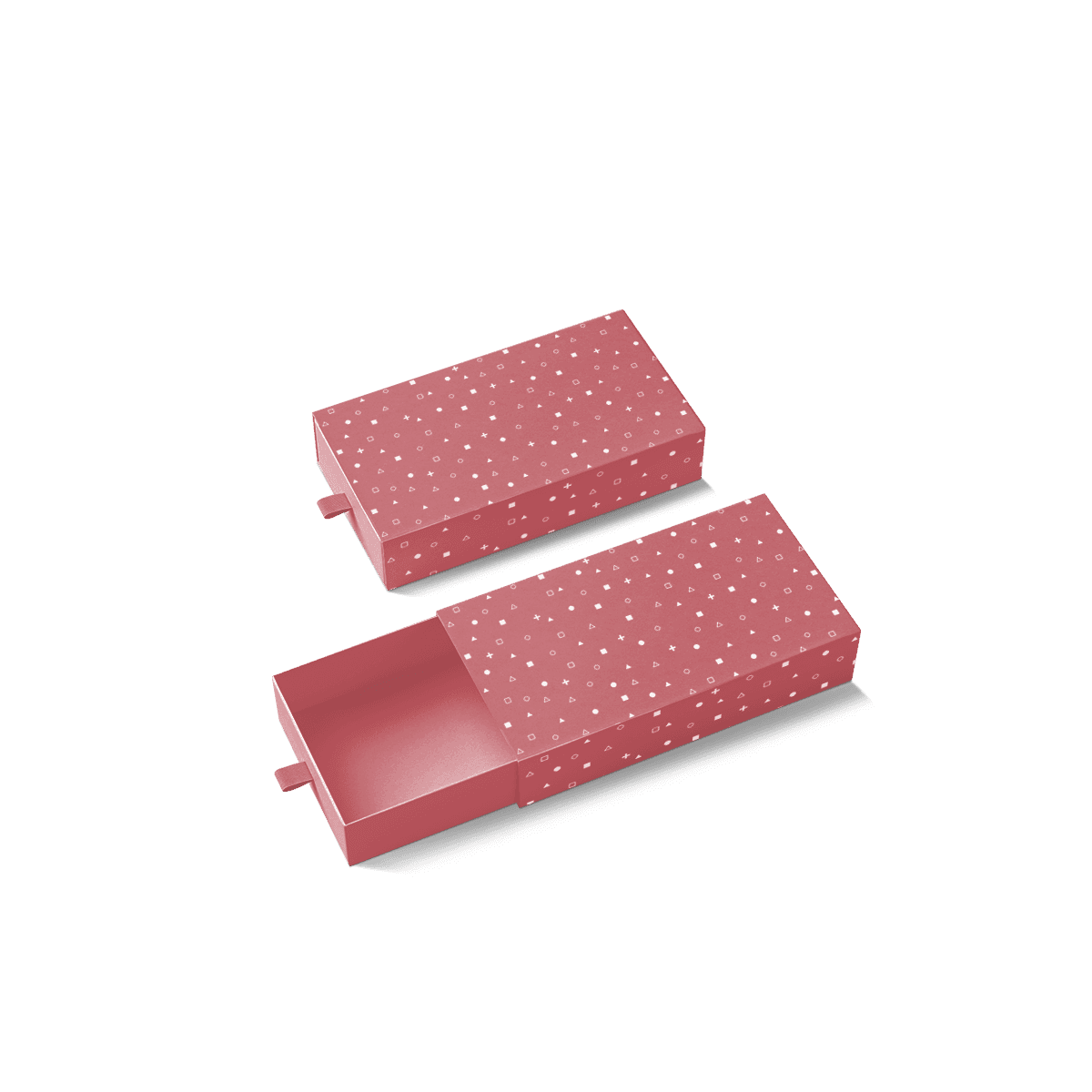
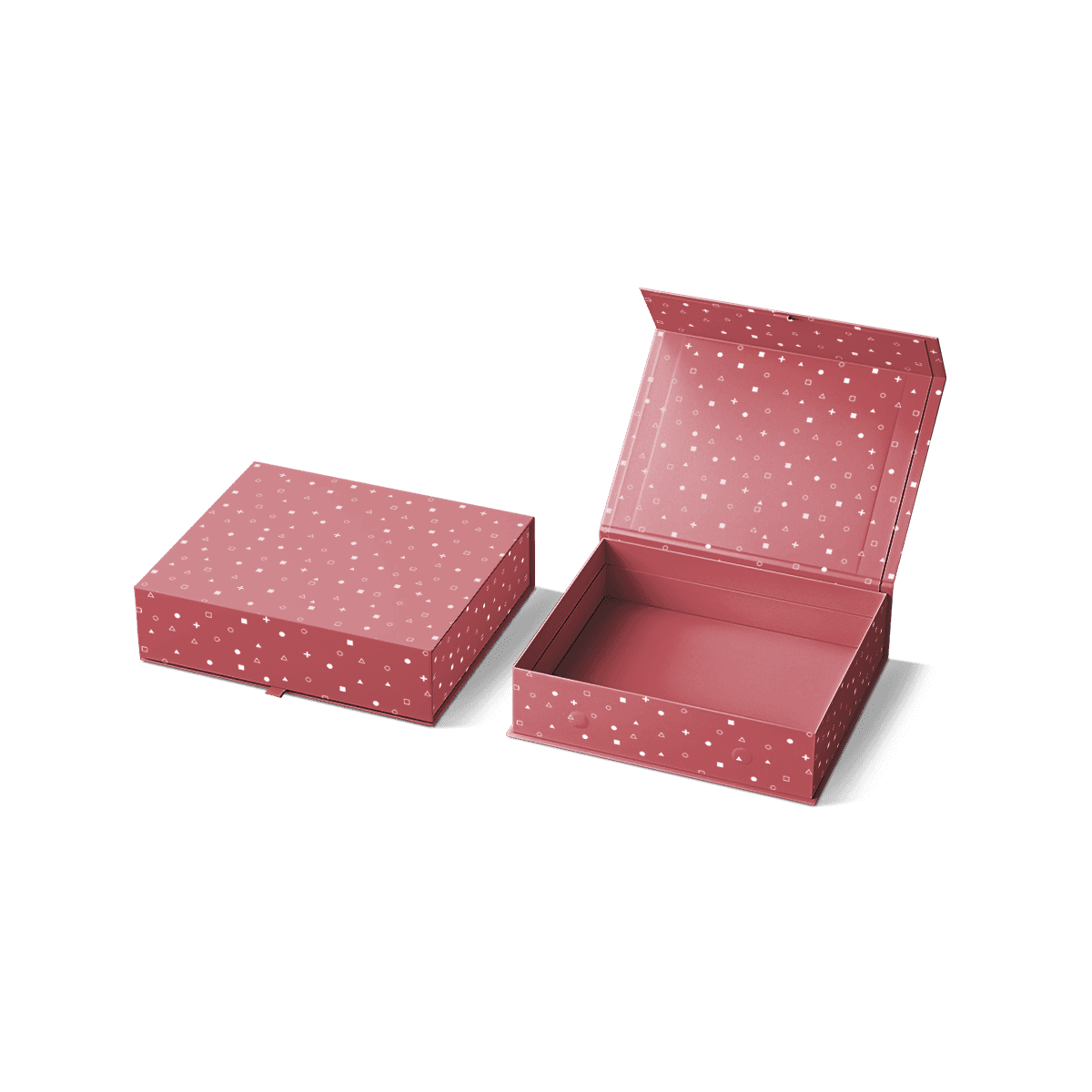
Lid-and-base, drawer and hinged boxes each create a different opening. A hinged lid gives an attached reveal. A drawer creates a slower opening. A separate lid gives a clear view from above.
Custom Jewellery Boxes made from rigid board should still stay close to the product size. Oversized boxes add storage and delivery bulk without improving the reveal.
Use premium construction where it earns its place
Not every item needs the same material cost. A core fashion collection may use printed paperboard. A fine collection may use wrapped rigid boxes with covered inserts.
Custom Luxury Jewellery Boxes can use deeper wraps, controlled closures and more detailed finishes when the product value supports them.
Give Each Jewellery Type the Right Hold
The insert is where Custom Jewellery Boxes become product-specific. It keeps the piece centred. It also protects finished surfaces and controls the first view.
For Custom Jewellery Boxes, one universal pad rarely suits rings, earrings, chains and bracelets equally well.
Use slots and pads for rings and earrings
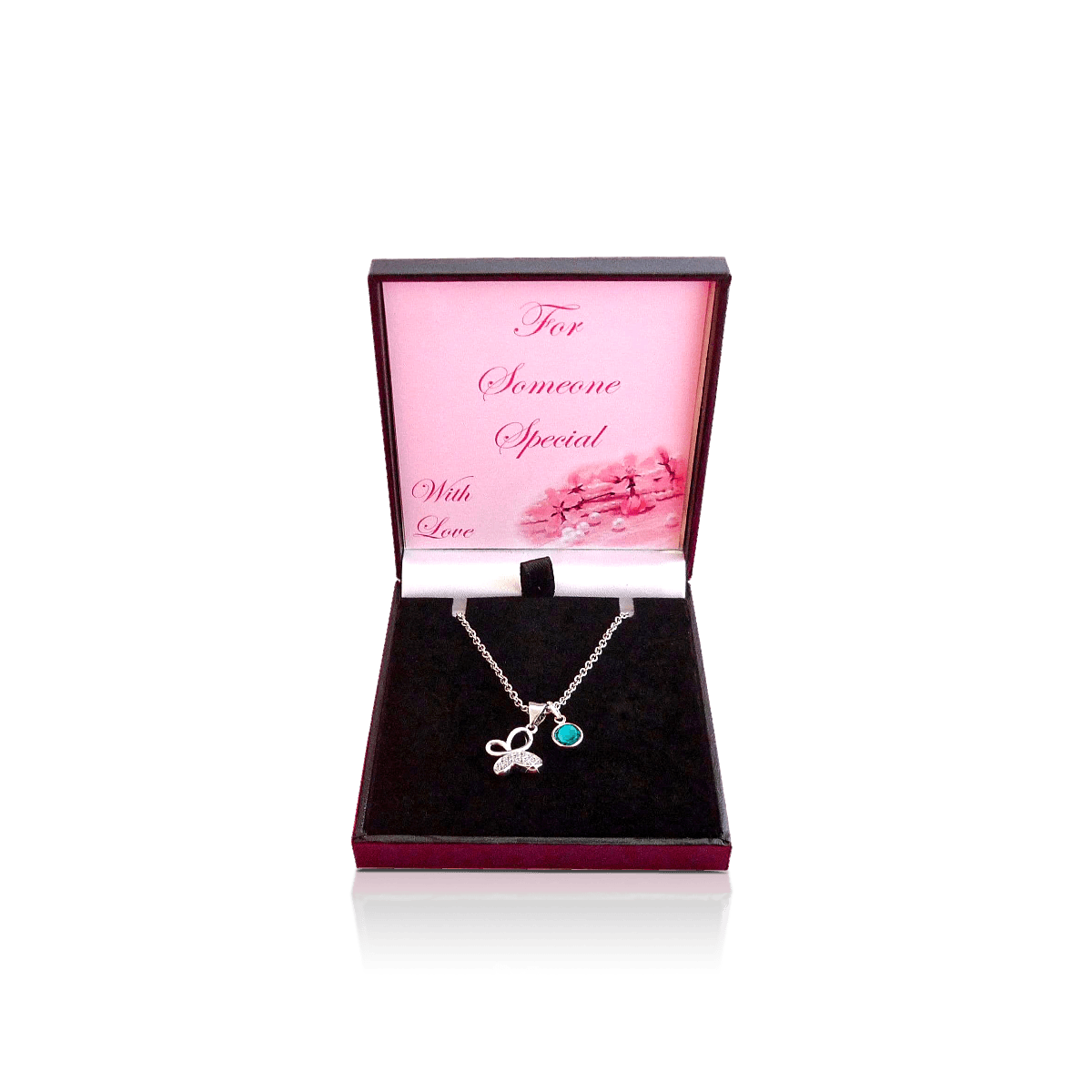
A ring slot should grip the lower band. It should not press on the stone, setting or decorative shoulders.
Earring cards or pads need even pair spacing. They also need enough space behind them for posts, hooks and backs.
The insert should release the item with light pressure. A small recess can help the customer lift it without touching the front face.
Anchor chains above and below
Necklaces and pendants need more than one top fixing point. Two upper holds can steady the chain. A lower pocket or tab can control spare length.
Smooth edges matter for fine links. The chain should not cross another piece or disappear below the insert during delivery.
Support bracelets in their natural shape
A flat bracelet, curved cuff and closed bangle each need a different internal shape.
Tabs, recesses or a soft cradle can stop movement without flattening the item. The bracelet should also lift out without catching on the box wall.
Custom Inserts and Dividers can be developed with Custom Jewellery Boxes so the cavity, finger gap and lid space work together.
Keep Brand Details Clear at Small Scale
Jewellery boxes give artwork little room to hide mistakes. Fine lines can fill in. Small foil can lose detail. Long text can crowd the lid.
A shared artwork system keeps Custom Jewellery Boxes connected even when their shapes differ.
Set one logo position across the box family
A shared top-centre position can connect square, long and deep boxes. An offset mark can also work when the same spacing rule carries across each size.
Check the logo at final print size. Artwork that looks balanced on a large screen may feel too fine or too dominant on a compact lid.
Use colour and finish as the linking thread
The same wrap colour, ink or foil can connect different box styles.
Matte lamination can reduce glare. Embossing can add depth. Foil can create one clear point of interest. Textured paper can add character without another print effect.
One confident finish often works better than several effects on a small lid. Custom Jewellery Boxes should frame the product rather than compete with it.
Reserve space for product details
Barcodes, metal type, stone colour and item references need a planned position. A base or side label can carry these details without covering the main branding.
When several products share one outer box, the label or insert card can identify the exact item.
Plan for the Counter, Gift Handover and Courier
Custom Jewellery Boxes may pass through a stockroom, display cabinet, shopping bag and courier carton. The box and insert should stay neat through each step.
Well-planned Custom Jewellery Boxes make retail handling faster while keeping the customer-facing surfaces clean.
Retail handling should be quick
Staff need to remove and replace jewellery without pulling the insert loose. The lid should align easily. The base should sit flat.
A reference image can help teams position chains, sets and asymmetrical pieces in the approved way.
The box family can also support a wider Custom Retail Packaging system with matching print, labels and carry packaging.
Gift presentation extends beyond the box
The jewellery box may sit inside tissue, a pouch or a branded shopping bag.
Custom Paper Bags can use the same colour and logo treatment for a complete store handover.
The bag should fit the box without too much empty space. Its handles and base should also suit the combined weight of the purchase.
Online orders need an outer layer
Presentation boxes should not take courier impact on their own. A close corrugated outer carton should protect corners, printed surfaces and closures.
The inner box should not slide or open during delivery. A basic shake check can reveal a loose insert, moving jewellery or poor outer-box fit.
Separate Core, Premium and Seasonal Pieces
A mixed collection often includes everyday items, higher-value jewellery and short seasonal releases.
Custom Jewellery Boxes can show these tiers without making the brand feel disjointed.
Keep core boxes easy to replenish
Core items benefit from stable materials, colours and insert plans. This makes later runs easier to match.
It also reduces the risk of unused packaging when an individual jewellery design changes.
Add premium detail without changing everything
A fine-jewellery tier may keep the same brand colour while using rigid construction, a deeper insert or foil detail.
The visual link remains clear. The opening can still feel more substantial.
Change removable parts for seasonal releases
Sleeves, belly bands, cards and labels can carry seasonal artwork. The main Custom Jewellery Boxes can stay in use after the campaign ends.
This approach suits Christmas, Valentine’s Day, Mother’s Day, bridal launches and limited colour releases. It also reduces dated packaging left after the event.
Order by Footprint, Insert and Artwork
MOQ starts from 50. Custom Packly also supports larger quantities, later runs and high-volume jewellery programs.
For Custom Jewellery Boxes, the total quantity should be divided by outer size, insert version and printed artwork. A brand may need 1,000 boxes but only three outer footprints.
The insert split then shows how many boxes are needed for rings, earrings, pendants and bracelets.
A practical order plan may include:
- 300 compact boxes with ring inserts
- 250 compact boxes with earring cards
- 300 long boxes with necklace inserts
- 150 deeper boxes for bracelets or gift pieces
This gives a clearer production plan than one combined total.
Keep the approved outer dimensions, insert drawings, colours, finishes and label positions on file. These details help new stock sit cleanly beside earlier production.
A 3D mockup is the usual first review. A physical sample may be discussed when the insert is complex, the jewellery is costly or several product shapes must share one box.
Prepare a Quote Around the Whole Collection
A useful quote for Custom Jewellery Boxes needs more than one item photo. Send enough detail to show which products can share outer sizes without weakening fit.
Include:
- Jewellery types and product photos
- Packed length, width and depth
- Ring setting height where relevant
- Earring post or back depth
- Necklace chain and pendant length
- Bracelet shape and width
- Quantity by product type
- Preferred box openings
- Insert or display card references
- Core, premium and seasonal artwork versions
- Print colours and finish ideas
- Retail, gifting or online delivery use
- Required date and artwork status
Custom Packly can identify where Custom Jewellery Boxes may share an outer footprint and where another size will give better control.
You can Get a Quote with the details already available. The box family, inserts and artwork can then be refined before production.
FAQs
Related Industries
Related Packaging Styles
How it works
Simple steps from idea to delivery
Tell Us Your Specs
Tell Us Your Specs
Provide size, quantity, printing, and finishes.
Get a Fast Quote

Get a Fast Quote
Instant transparent pricing, no hidden fees.
Design and Approval

Design and Approval
Artwork checks, revisions, and final sign-off.
Produce

Produce
Expert manufacturing to meet deadlines.
Ship to Your Door

Ship to Your Door
Hassle-free, flexible delivery options.
Start Your Custom Packaging Quote
Share your product details, dimensions, quantity and artwork needs. We’ll help choose the right packaging style and send a clear quote.