Custom Pouches and Flexible Packaging
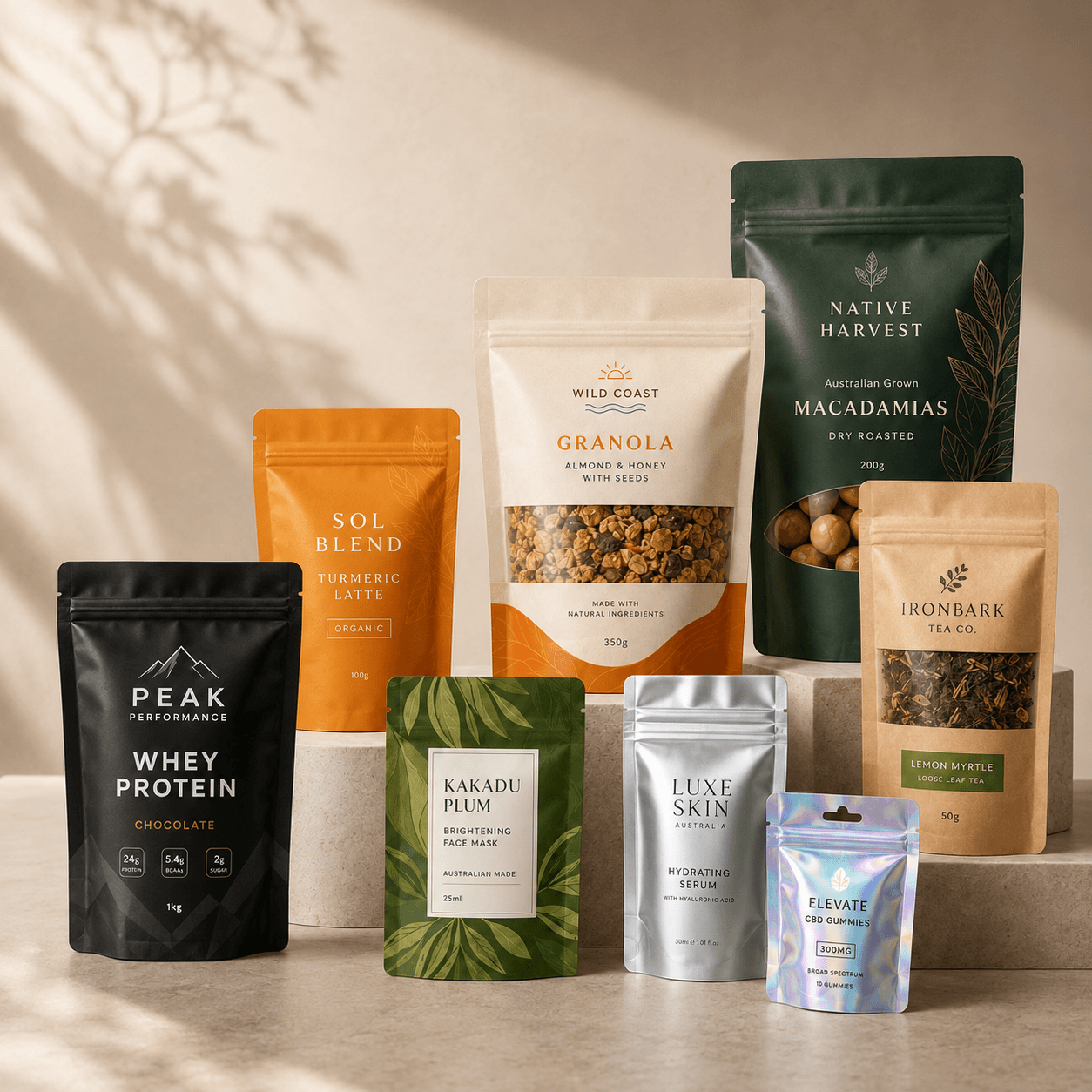
Lightweight pouch packaging for food, wellness, pet, retail and refill products that need strong shelf presence, practical closures and flexible product fit.
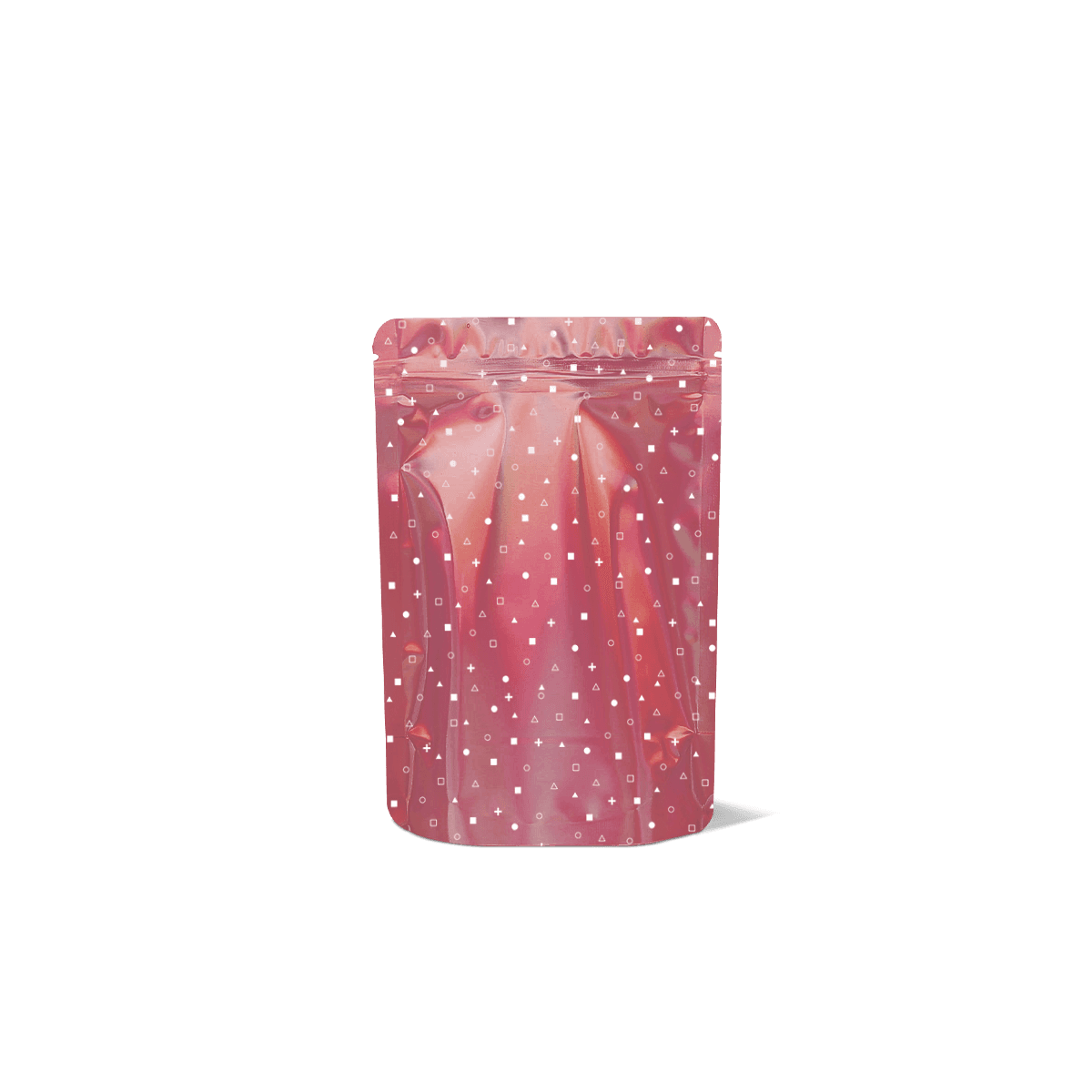
Custom Holographic Mylar Bags
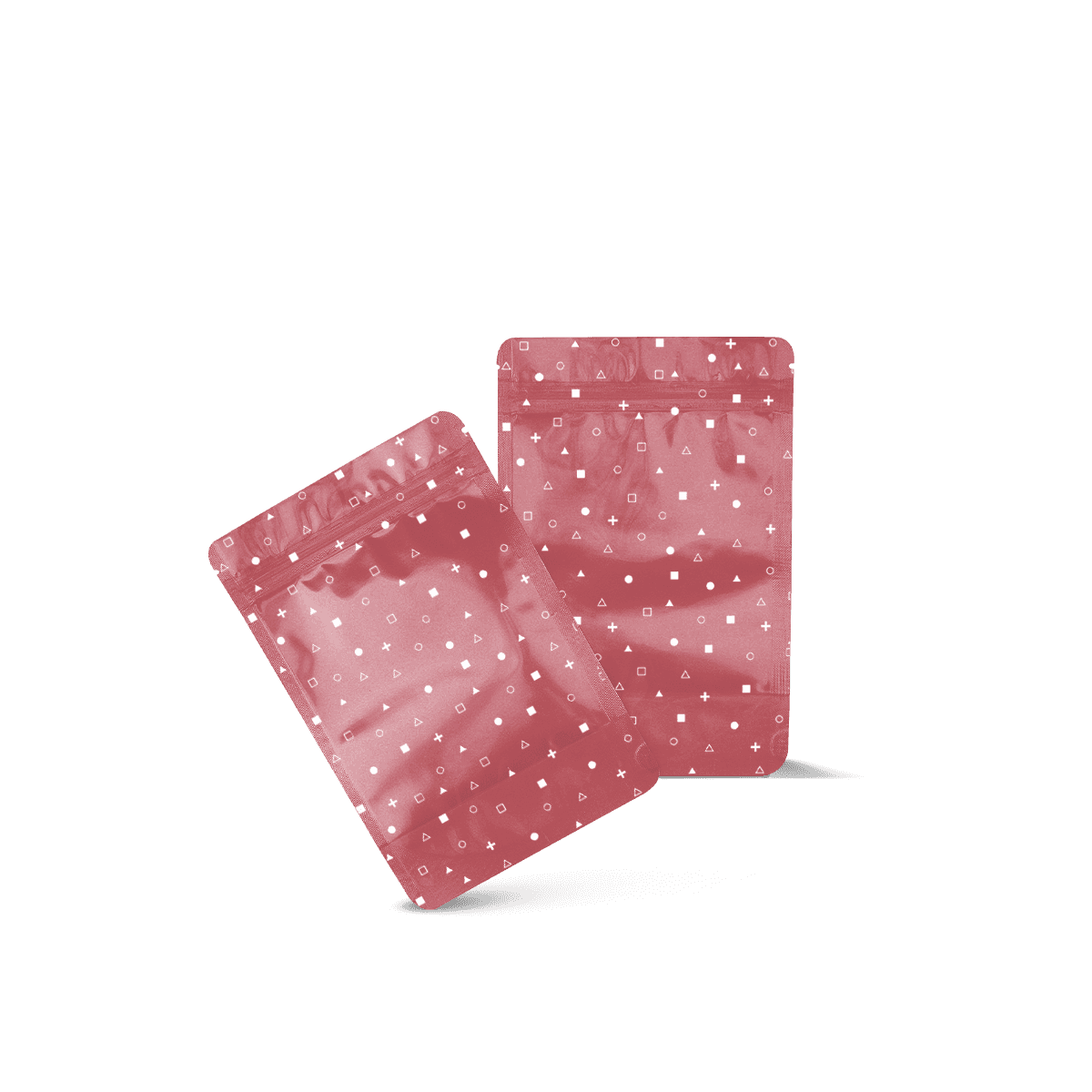
Custom Flat Pouches
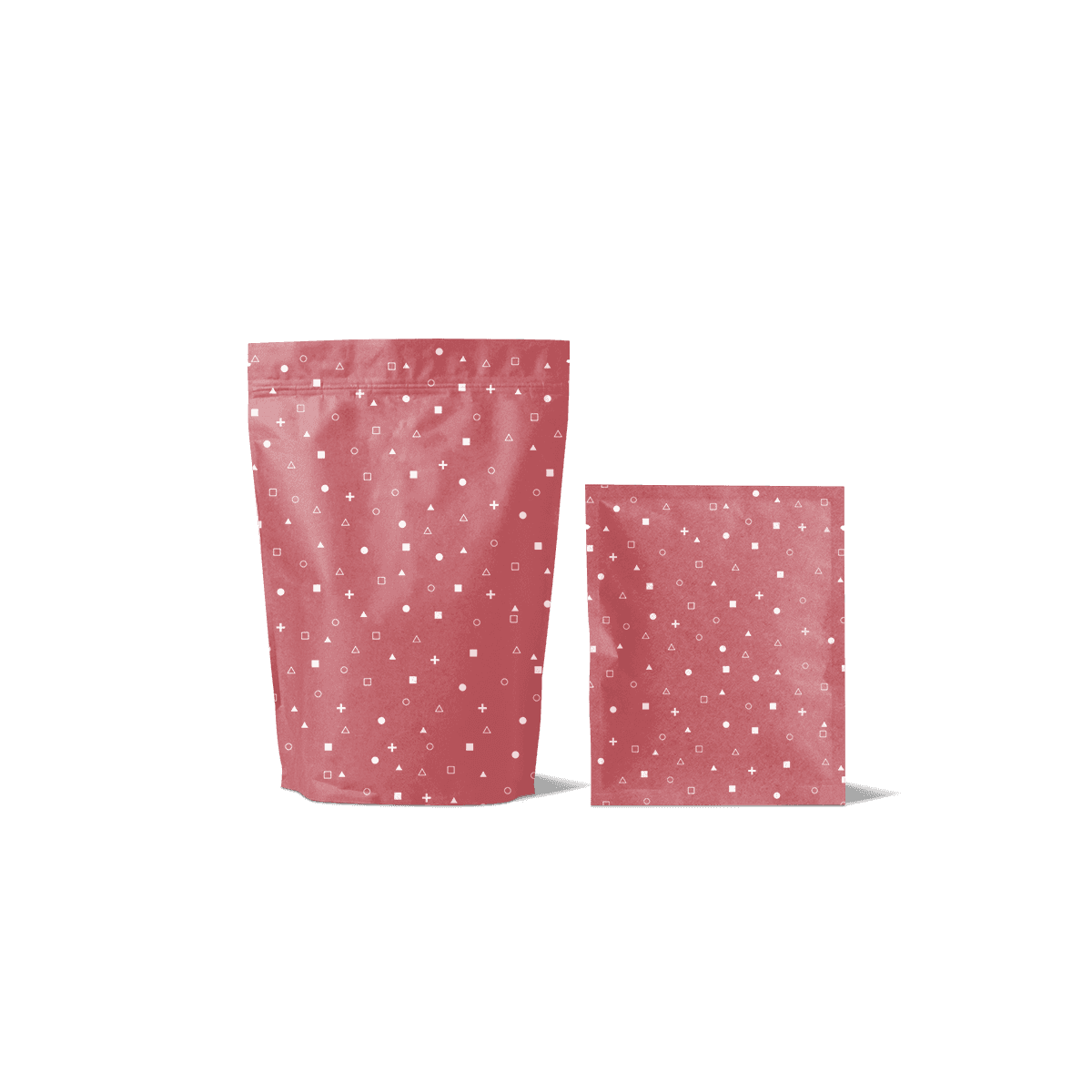
Custom Mylar Bags
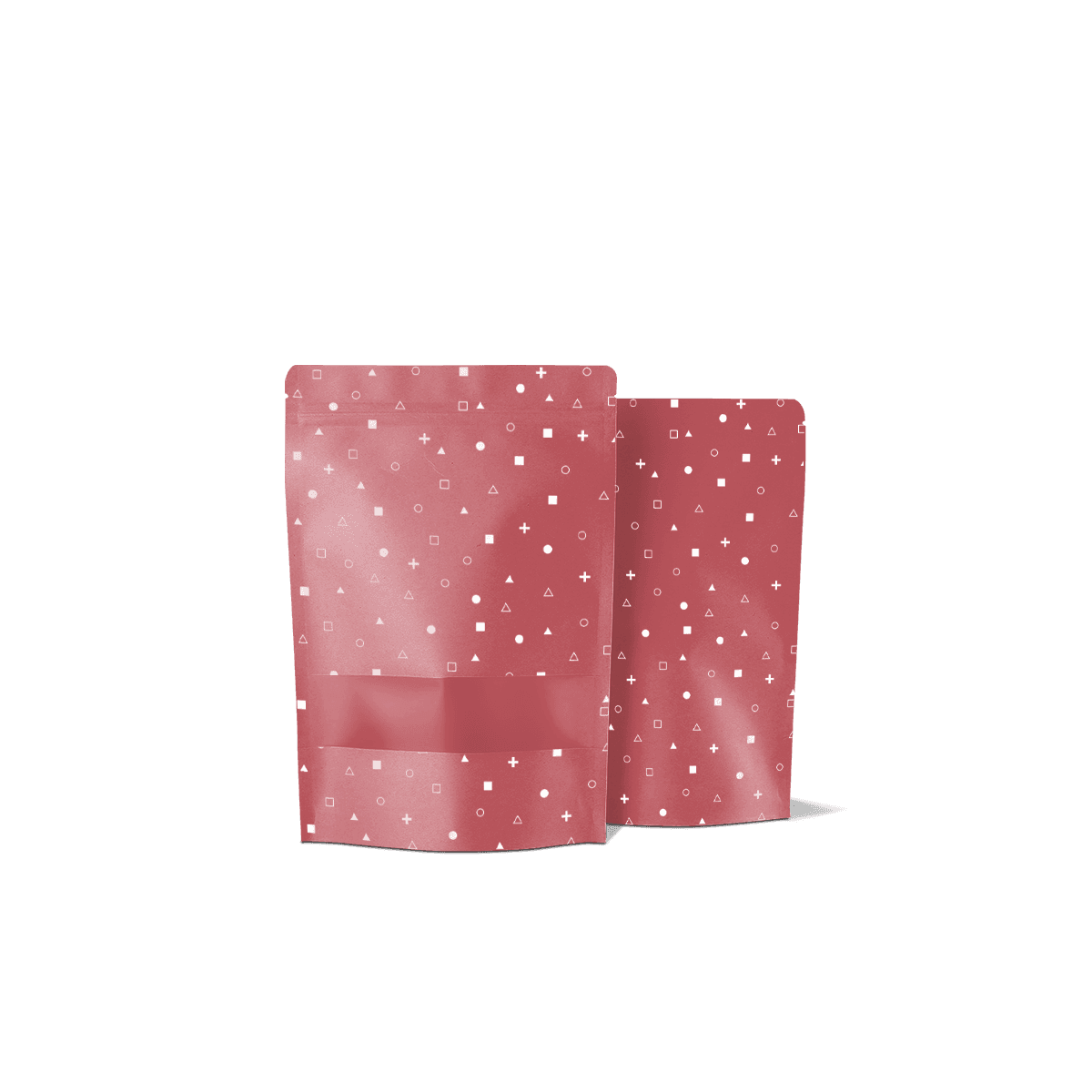
Custom Stand Up Pouches
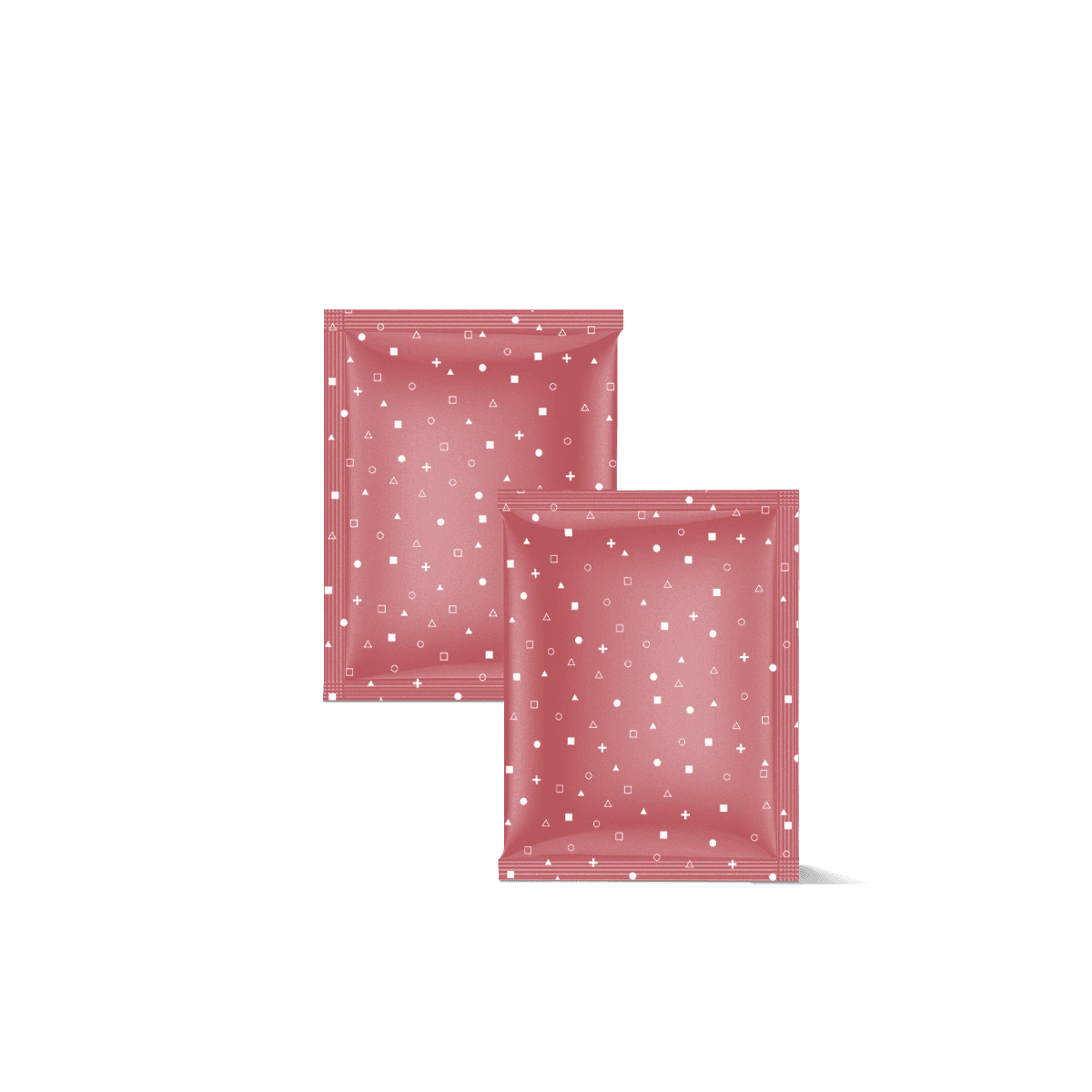
Custom Three Side Seal Pouches
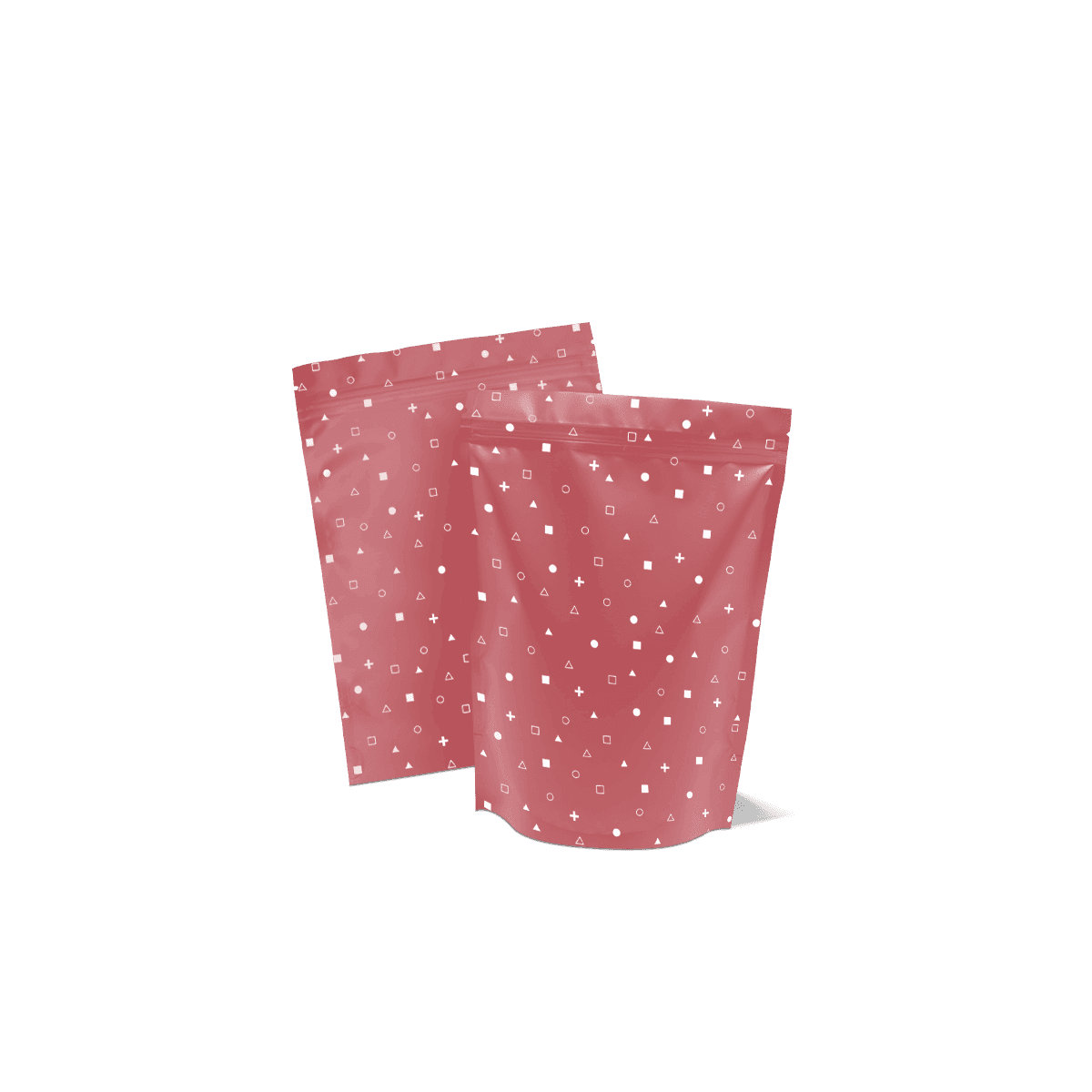
Custom Zip Lock Pouches
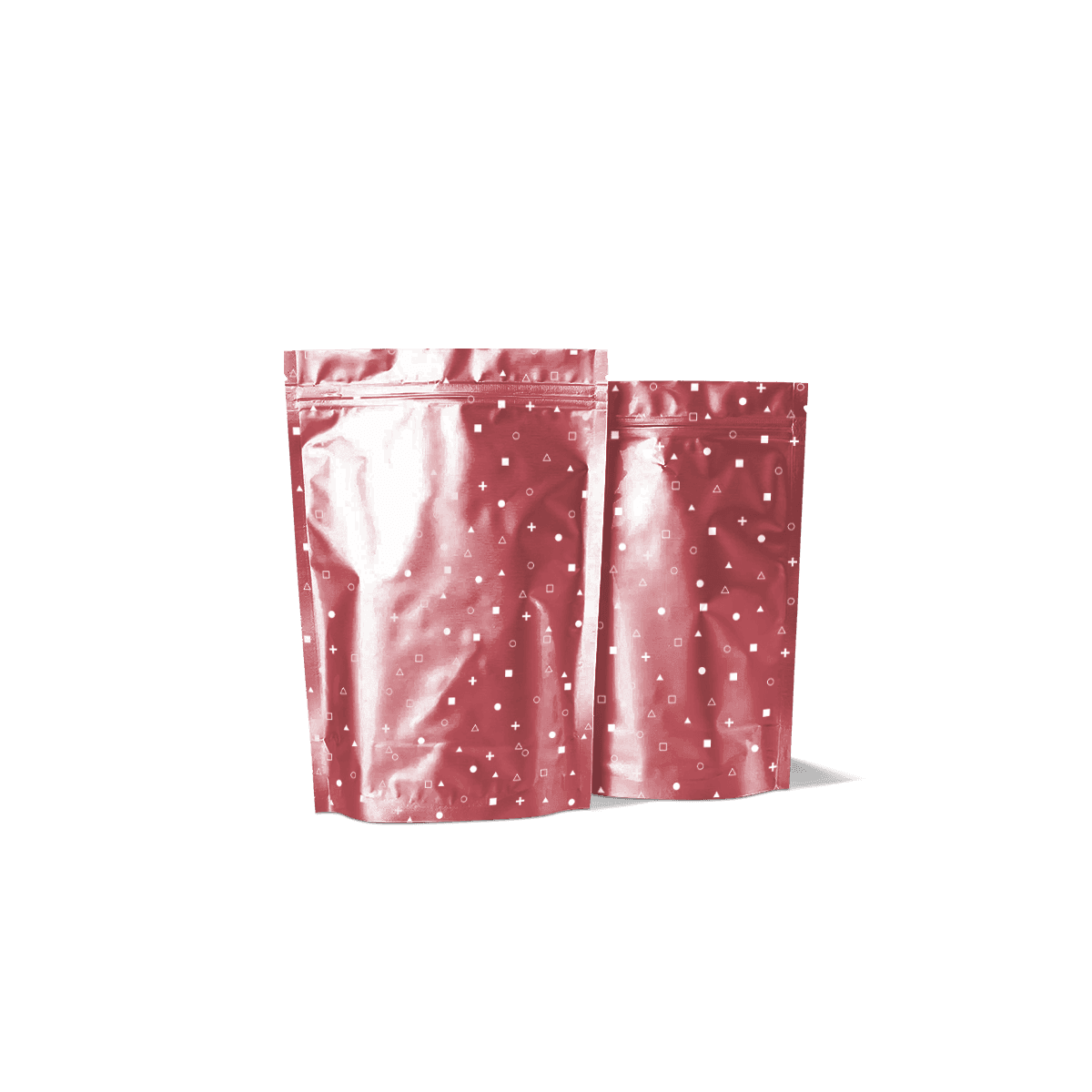
Custom Foil Pouches
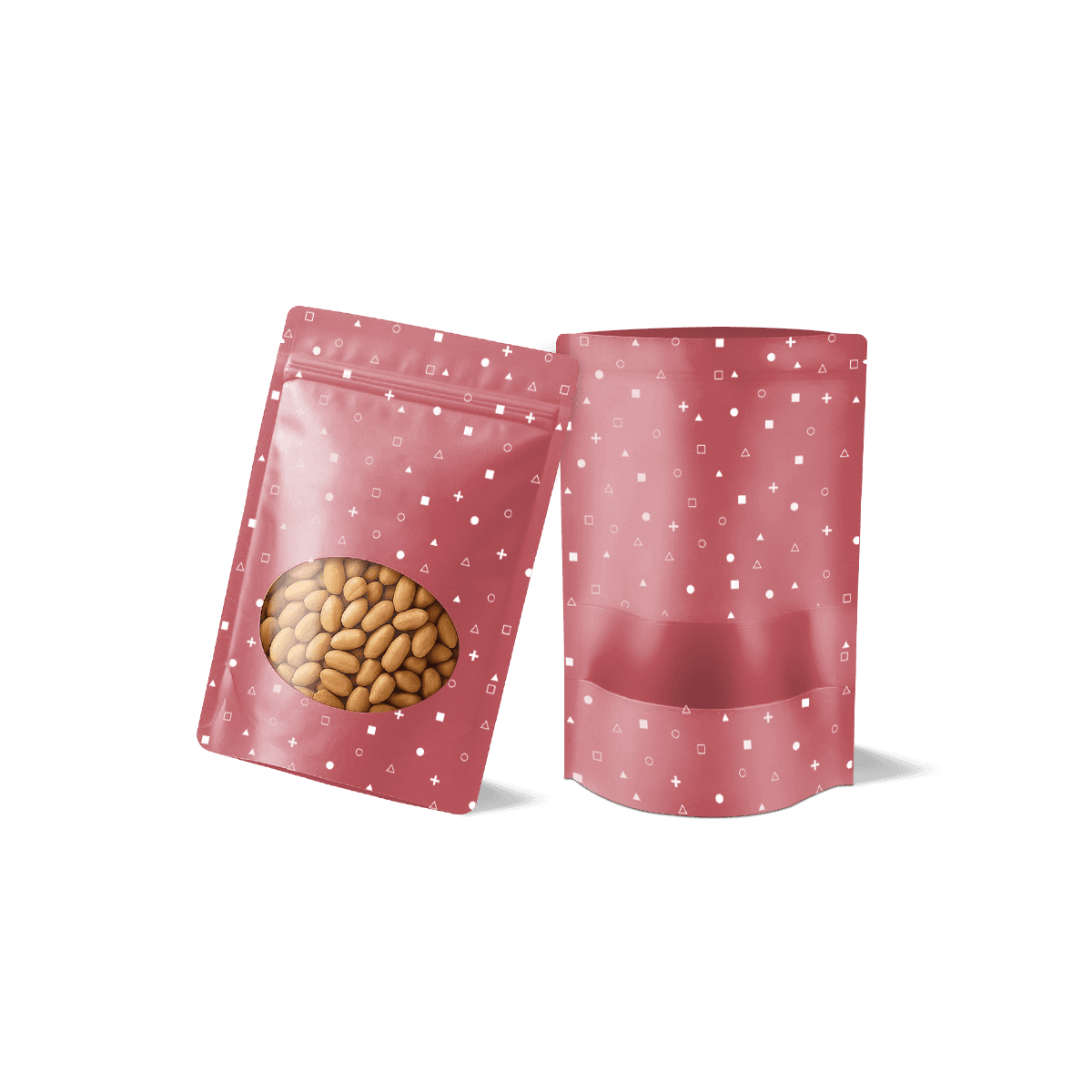
Custom Window Pouches

Custom Gusseted Pouches
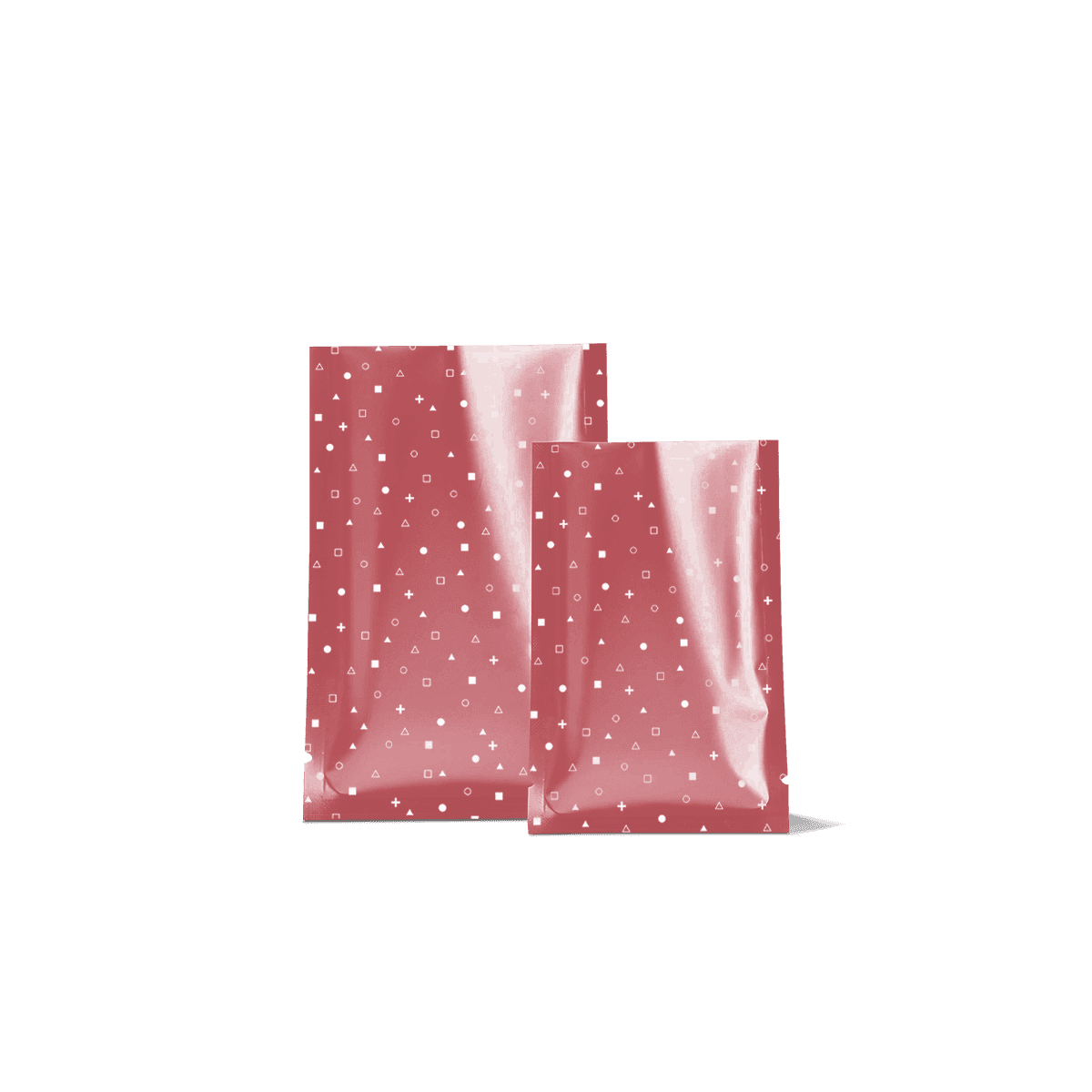
Custom Heat Seal Pouches
Pouch Packaging Built Around Fill, Freshness and Shelf Impact
Custom Pouches and Flexible Packaging give brands a lighter, space-saving way to pack products that need shelf appeal, resealing, barrier protection or flexible fill capacity. They work well for dry foods, powders, supplements, coffee, tea, pet treats, bath salts, samples, refills and selected retail products where a box may take up more room than needed.
The right pouch is not only about the look. It should suit how the product is filled, how customers open it, how long the product needs to stay fresh and how the pack will sit on shelf or in an ecommerce order.
Custom Packly helps businesses choose pouch structures, materials, closures, artwork setup and production details so the finished packaging feels practical before it feels decorative. MOQ starts from 50, with support for larger production runs, repeat orders and high-volume packaging programs as your range grows.
Product Types That Suit Pouches
Custom Pouches and Flexible Packaging can suit many product categories, including:
- Coffee, tea, granola, snacks and dry food products
- Supplement powders, collagen, protein and wellness blends
- Pet treats, grooming refills and dry pet product ranges
- Bath salts, soap flakes, sample kits and small refill packs
- Retail samples, promotional product packs and travel sizes
- Specialty powders, herbs, spices and ingredient blends
For food and beverage ranges, pouch decisions often sit alongside Custom Food Packaging because freshness, presentation, handling and product information all affect the final packaging choice.
When Flexible Packaging Makes Better Sense Than a Box
Custom Pouches and Flexible Packaging are useful when a product needs less rigid structure, lower storage volume or a more convenient customer experience. A stand up pouch can hold more volume in less space than many cartons, while a flat pouch can suit samples, single portions and lightweight refills.
Pouches also help when the product itself does not need a hard outer shell. For example, snack mixes, protein powder, coffee beans, loose tea, pet treats and bath salts often need freshness, easy opening and good shelf presence more than box-style protection.
A pouch can also reduce packing friction. Many products can be filled, sealed and packed faster when the pouch structure, seal area and fill opening are planned correctly from the start.
A Better Fit for Lightweight Products
Flexible packaging can suit products that are awkward to pack in a box, especially loose goods, powders, refills and dry product blends. It can reduce empty space, improve portability and make the product easier for customers to store after opening.
Useful for Shelf, Mailer and Refill Formats
A pouch can sit upright on shelf, slide into a mailer, fit into a kit box or act as a refill pack. This makes Custom Pouches and Flexible Packaging useful for brands that sell through more than one channel.
Pouch Styles That Change How the Product Sells
Custom Pouches and Flexible Packaging can be built in different formats depending on product weight, fill method, display needs and customer use. A pouch for a premium coffee range should not be planned the same way as a flat sample sachet or a resealable supplement pouch.
Stand Up Pouches for Shelf Presence
Stand up pouches are designed with a base that helps the pack stand upright. They are a strong option for retail shelves, market stalls, pantry products and ecommerce bundles where the pouch must look neat after filling.
They suit products such as coffee, snacks, pet treats, powders and dry food ranges. A front panel can carry brand artwork, flavour details, product claims, icons and use instructions without needing a separate label.
A stand up pouch works best when the base size, pouch height and fill weight are balanced. If the pouch is too tall for the product weight, it can feel unstable. If it is too short, the design can look cramped.
Flat Pouches for Samples and Small Serves
Flat pouches are simple, lightweight and useful for single-serve packs, samples, powders, refills and small retail portions. They take up little storage space and can be packed into boxes, mailers or display trays.
They are often chosen when the product does not need to stand upright by itself. This can be useful for sample campaigns, subscription inserts and small product lines where space, cost and shipping weight matter.
Flat pouches can also support clean branding when the artwork is simple. They give enough room for a front-facing logo, product name, flavour, weight and basic instructions without making the pack feel oversized.
Zip Lock and Heat Seal Pouches
Zip lock pouches suit products customers open and close more than once. They are practical for snacks, pet treats, tea, supplements and refill products where freshness and convenience matter after first use.
Heat seal pouches suit products that need a tighter first seal for freshness, tamper evidence or controlled opening. Some brands combine a heat seal with a resealable zip so customers get both first-open confidence and ongoing usability.
For these pouch types, seal area matters. Artwork should not interfere with the top seal, tear notch or closure zone. Custom Packly can help review the dieline so important design elements do not sit too close to the opening area.
Window, Foil and Mylar Options
Window pouches let customers see colour, texture or product volume before buying. This can be useful for tea, snacks, granola, pet treats and visually attractive dry goods. The window should be placed where it supports trust without weakening the brand panel.
Foil pouches and Mylar bags are often used when stronger barrier performance or a more premium look is needed. They can suit products that need extra protection from moisture, light or odour transfer, depending on the material structure selected.
Custom Pouches and Flexible Packaging can also include holographic Mylar options for campaigns, limited drops, beauty-adjacent products, novelty ranges and high-impact retail packaging. These should be used carefully so the finish supports the brand rather than overpowering the product.
Barrier, Closure and Fill Details to Decide Early
Custom Pouches and Flexible Packaging perform best when the technical requirements are clear before artwork starts. The pouch has to protect the product, work with the filling method and remain easy for customers to use.
Barrier needs vary by product. Dry snacks, powders, coffee, tea, pet treats and bath products can all need different levels of protection from moisture, air, light, grease, aroma loss or odour transfer. The material should match the product’s sensitivity and expected shelf life.
Closure also changes the user experience. A tear notch gives a cleaner first open. A resealable zip supports repeated use. A heat seal adds first-open confidence. A window improves visibility. A hang hole can help peg display. These details should be selected for the product, not added because they look good on a competitor pouch.
Moisture, Aroma and Light Protection
Products such as coffee, tea, powders and snacks often need barrier planning because freshness affects repeat purchase. A pouch that looks attractive but lets aroma escape or moisture enter can hurt customer trust.
For products with strong scents, oils or delicate ingredients, ask about the barrier structure before choosing the finish. The best result comes from matching product risk, fill weight, storage conditions and customer use.
Opening and Resealing Behaviour
A pouch opening should feel natural. Customers should know where to tear, how to reseal and how to store the product after opening. Poor opening design can cause product spills, torn artwork or frustration.
Resealable features are useful when customers use the product over many servings. For single-use samples, a simple heat seal or tear notch may be more practical.
Fill Weight and Pouch Stability
Fill weight affects pouch shape. A pouch that looks right when empty may change after filling. Powders settle differently from snacks. Pet treats sit differently from tea leaves. Granola, coffee beans and bath salts all create different weight distribution inside the pack.
Before approving Custom Pouches and Flexible Packaging, check how much product goes in, how much headspace is needed and whether the pack must stand upright after filling. A 3D mockup can usually support approval for standard pouch formats, while a physical sample may be worth considering for unusual fill weights, premium finishes, complex closures or high-risk product compatibility checks.
Printing and Finish Choices for Flexible Surfaces
Custom Pouches and Flexible Packaging give brands a large print area on a lightweight format. The front panel should work hard because customers often see the pouch from a distance before they pick it up.
Premium offset printing can support sharp artwork, clear product information and consistent brand colours. The design should account for pouch curves, side gussets, seal areas and any window placement.
Large artwork panels are useful, but cluttered pouch design can reduce impact. Strong pouch artwork usually has a clear product name, strong brand block, simple flavour or variant coding and enough contrast for shelf scanning.
For brands working across boxes, bags and pouches, print consistency is important. A pouch range can be aligned with Custom Printed Boxes so colours, finishes and brand details feel connected across your wider packaging system.
Matte, Gloss and Soft Brand Cues
Matte finishes can give pouches a calmer, more premium look. Gloss can make colours feel brighter and more energetic. The right choice depends on product category, shelf setting and brand personality.
For natural foods, wellness products or refill packs, kraft-style and matte finishes may feel more suitable. For bold snacks, pet products or limited campaigns, gloss, foil effects or holographic surfaces can create stronger shelf impact.
Artwork Zones That Need Breathing Room
Pouch artwork should leave space around the top seal, tear notch, gusset area and lower fold. Text placed too close to these zones may look distorted or get hidden when the pouch is filled.
Important product information should sit on flatter, easier-to-read zones. This includes ingredients, weight, directions, barcode, batch details and product warnings where required by the brand.
Pouches for Food, Wellness, Pet and Retail Ranges
Custom Pouches and Flexible Packaging can work across many industries, but each product group has different priorities. Food brands usually care about freshness, shelf visibility and product information. Wellness brands often need clean presentation, powder handling and repeat-order consistency. Pet brands may need stronger seals, larger fill weights and clear flavour or product coding.
Retail and ecommerce brands often use pouches as part of a wider product packaging system. A pouch may sit inside a mailer, carton, paper bag or display box depending on the sales channel.
For online orders, pouch packaging should also be checked against outer packaging. A delicate pouch may need extra support inside Custom Mailer Boxes when the product is part of a kit, gift set or subscription order.
Food and Beverage Products
Food and beverage pouches need practical thinking around barrier, food contact suitability, fill process, labelling space and freshness. Coffee, tea, herbs, spices, granola and snacks all need different pack details.
Some products benefit from a window because texture and colour help sell the item. Others need opaque or foil-style material to protect the contents. The right choice depends on what matters more: product visibility, barrier performance or premium presentation.
Wellness and Supplement Products
Wellness pouches often need a clean look, good powder handling and clear product information. Protein powder, collagen, herbal blends and bath salt pouches should feel easy to open, store and reseal.
A consistent pouch range can also help brands manage multiple flavours, strengths, pack sizes or product lines. Colour coding, repeatable panel layouts and clear variant names make reorders easier to manage.
Pet Treat and Refill Products
Pet product pouches often need stronger usability because customers open and close them frequently. Resealable zip closures, stable base structures and larger front panels can help with storage and brand recall.
For treats or dry pet products, fill weight and pack stability should be checked early. A pouch that tips forward or struggles to reseal can create a poor customer experience.
Sustainability Without Guesswork
Custom Pouches and Flexible Packaging can reduce material use compared with many rigid formats, but sustainable claims must be handled carefully. The best option depends on material structure, barrier needs, product safety, recyclability and the end-use environment.
Eco-friendly materials can be considered where they suit the product. However, a weaker material choice is not always better if it causes product waste, damage or shorter shelf life. The more useful question is: what material protects the product properly while reducing unnecessary packaging?
Custom Packly can help review pouch material direction, print coverage and structural choices through Customisation so the packaging supports both brand presentation and responsible material use.
Right-Sized Pouches Reduce Waste
The easiest way to reduce excess packaging is often to size the pouch correctly. Oversized pouches create more material use, more empty space and weaker shelf presentation.
A well-sized pouch should hold the product with enough headspace for sealing, filling and customer handling. It should not look half-empty after filling unless that extra space is needed for technical reasons.
Repeatable Designs Support Better Planning
Sustainability is not only about material. Repeatable sizing, consistent artwork systems and better stock planning can reduce rush changes, obsolete packaging and waste from short-term redesigns.
For growing brands, it can help to build one pouch system that supports multiple sizes, flavours or product types. This makes repeat orders easier and keeps the range visually consistent.
Small Runs, Launches and Larger Pouch Programs
Custom Pouches and Flexible Packaging can support a first product launch, a seasonal range or a larger repeat program. MOQ starts from 50, which helps smaller brands test a pouch format without committing to a very large first run.
As demand grows, larger production runs can improve planning, consistency and cost control. Repeat-order support is useful for brands managing multiple pouch sizes, product variants or campaign cycles.
For launches, keep the first run focused. Choose the most important pouch size, one or two finishes and a clear design system. After the product proves itself, expand into more sizes, closures or special finishes.
What to Prepare Before Requesting a Quote
A better quote starts with clear product information. Before requesting pricing for Custom Pouches and Flexible Packaging, prepare:
- Product type and fill weight
- Preferred pouch style, such as stand up, flat, zip lock or heat seal
- Quantity for first run and possible repeat order volume
- Size or product measurements if known
- Barrier needs, such as moisture, aroma or light protection
- Closure needs, such as zip, tear notch, window or hang hole
- Artwork status and preferred finish
- Any deadline for launch, retail delivery or campaign packing
If you are unsure about the pouch format, Custom Packly can help narrow the choice before quoting. The Get a Quote form is the best place to send product details, quantity, artwork status and timing.
Where Pouches Fit With Other Packaging Styles
Custom Pouches and Flexible Packaging often work best as part of a broader packaging system. A pouch might be the primary pack, while a box, tray, sleeve or mailer supports display, shipping or gift presentation.
Food brands may use pouches for the product itself and paper bags for retail carryout. Wellness brands may place pouches inside mailer boxes for ecommerce orders. Pet brands may use larger gusseted pouches for treats and smaller flat pouches for samples.
For products that need stronger shipping protection, pouch packaging can be paired with Custom Inserts and Dividers when the pouch sits inside a kit, box or multi-product set.
Custom Pouches and Flexible Packaging should be chosen for the job they do best: lightweight containment, shelf-ready display, customer convenience and product-specific barrier support. When the product needs crush protection, a box may still be the right outer layer.
A Practical Pouch System for Growing Brands
Custom Pouches and Flexible Packaging should make the product easier to sell, pack, ship and reorder. The right pouch system gives the customer a better first impression, protects product quality and gives your team fewer problems at the packing table.
Custom Packly can support pouch decisions across structure, sizing, print, finishes, artwork zones, barrier direction and production planning. Start with the product details, then build the pouch around how it will be filled, displayed, opened, resealed and reordered.
For a cleaner quote, send the product type, fill weight, size, quantity, closure needs, finish ideas, artwork files and launch timing. A packaging expert can help refine the pouch before production so the final result looks sharp and works in real use.
FAQs
Start Your Custom Packaging Quote
Share your product details, dimensions, quantity and artwork needs. We’ll help choose the right packaging style and send a clear quote.