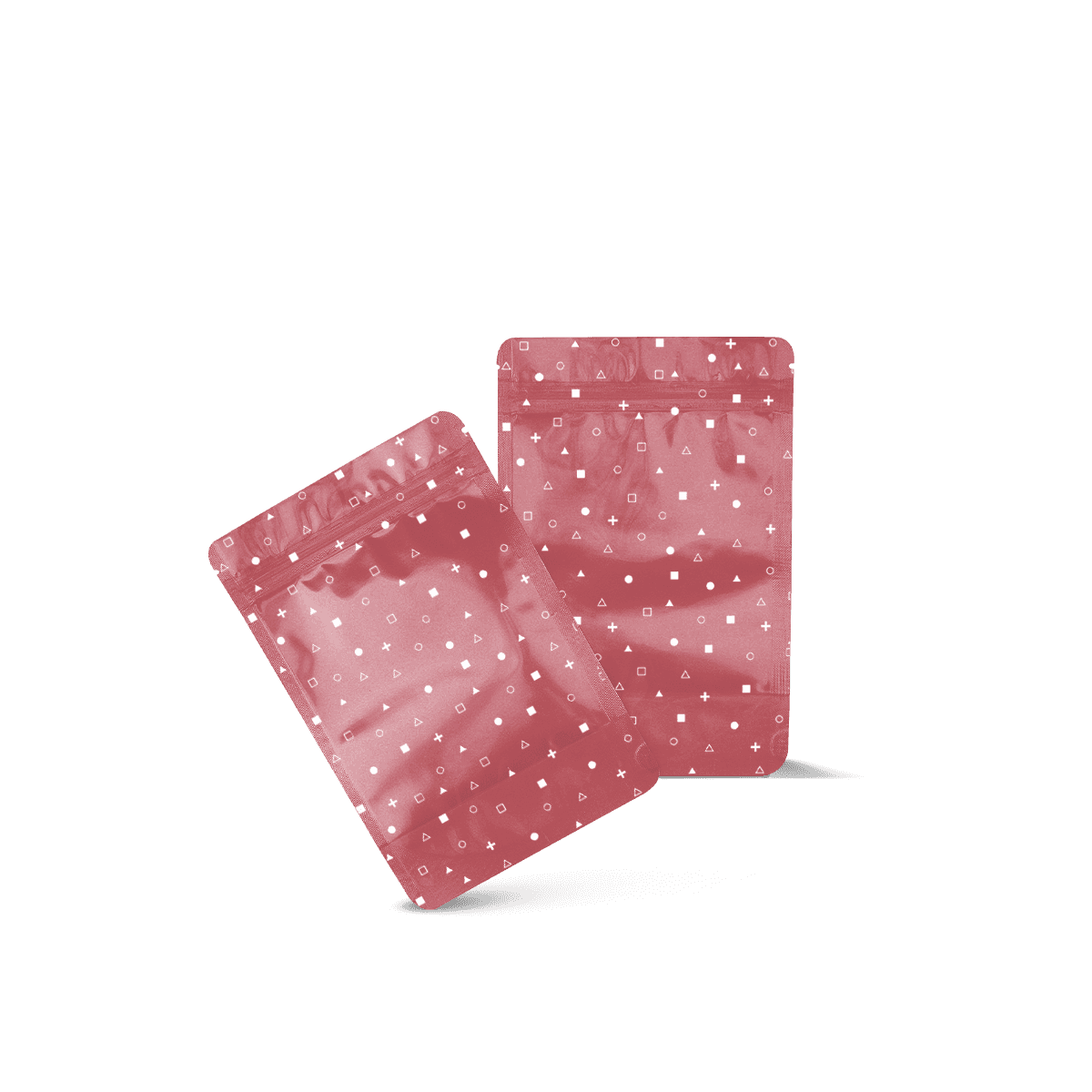
Custom Flat Pouches
Slim flexible pouches for samples, refills, powders, treats and single-serve products that need compact packing, neat sealing and sharp branded print.
Free Design Support
Clear Pricing
Flexible Quantities
Unlimited Customization
Premium Materials
Offset Precision
Free Shipping
Quick Turnaround
Flat Pouches for Compact Product Packaging
Custom Flat Pouches are best for products that need a slim, lightweight pack rather than a pouch that stands upright on its own. They work well for product samples, single serves, refill portions, pet treat testers, tea samples, spice portions, powdered blends, beauty sachets and other small flexible packs.
The main advantage is simple. A flat pouch uses less space, packs neatly in cartons, travels well in mailers and gives your brand a clean printable surface. It can hold a small quantity without making the pack look underfilled or bulky.
Within Custom Pouches and Flexible Packaging, flat pouches sit at the slim, efficient end of the range. They are different from stand up pouches because they do not rely on a bottom gusset for shelf presence. Instead, they suit brands that need compact presentation, easy handout, efficient sampling or neat retail packing in trays, cartons or display boxes.
Custom Packly helps size, print and prepare flat pouch packaging around the product, fill weight, sealing method, artwork and order quantity. MOQ starts from 50, with support for larger product launches, repeat runs and high-volume pouch programs as the range grows.
When a Flat Format Makes More Sense
Flat pouches work when the product does not need the upright display shape of a stand up pouch. They are also useful when the buyer wants lighter packaging, lower storage volume and easy distribution across multiple product variants.
Samples and single-serve packs
Sampling is one of the strongest uses for flat pouch packaging. A snack brand can use small flat pouches for flavour trials. A wellness brand can use them for powder samples. A pet brand can use them for treat testers sent inside subscription orders or launch kits.
This format lets a business give customers a real product experience without committing to a large pack size. It also keeps the packaging neat enough for retail counters, event giveaways, PR mailers and ecommerce add-ons.
Small refills and portioned products
Flat pouches suit refill-style products where the product does not need to stand on a shelf by itself. Examples include spice refills, bath salt portions, powder sachets, tea samples and concentrated dry goods.
The pouch can be sized close to the fill volume, which helps reduce loose space. That matters because a flat pouch that is too large can look underfilled, wrinkle more easily and make the product feel less valuable.
Pet, food and wellness testers
Flat pouches can support pet treat samples, snack portions, protein powder samples and similar dry product packs. For pet ranges, small trial packs can help customers test flavour, portion size or product acceptance before buying a larger bag. Brands building a pet range can connect flat pouch trials with broader Custom Pet Product Packaging when they need retail boxes, pouches, treat packs or subscription packaging across the same launch.
Flat Pouch Structure Decisions That Matter
A flat pouch looks simple, but small structural choices affect how it fills, seals, tears, stores and presents. The most important decisions are pouch size, seal area, corner style, tear notch, hang hole, film type and artwork placement.
Seal area and fill space
The pouch needs enough internal space for the product and enough external edge area for sealing. These two zones should not compete. If artwork or product information sits too close to the seal, the final pack can look crowded or become harder to read.
For powder, granules, tea, small treats or dried goods, the pouch should allow the product to settle without pushing hard against the top seal. For beauty samples or liquid-adjacent products, the fill method and sealing process need careful planning before artwork approval.
Tear notches and opening control
A tear notch helps customers open the pouch without scissors. It is useful for single-use samples, food portions, powder sachets and pet treat testers. The notch position should be planned with the top seal so the customer can open the pouch cleanly without cutting through important print.
For products that need resealing after opening, a flat pouch may not be the best fit. A resealable structure such as Custom Zip Lock Pouches can work better when the customer needs to open, close and store the product more than once.
Corners, holes and retail handling
Rounded corners can soften the look and reduce sharp edges on small packs. A hang hole can help flat pouches sit on retail hooks, sample cards or counter displays. These details should be decided early because they affect dieline shape, print zones and how the pack is arranged in boxes or displays.
Materials for Protection and Product Feel
Material choice should follow the product first, then the brand look. A pouch for dry tea samples has different needs from a pouch for bath salts, pet treats, powders or cosmetic sachets.
Barrier needs and product sensitivity
Some products need better resistance to moisture, oxygen, odour transfer or light. Others mainly need a neat printed outer pack. Dry foods, powders, supplements, herbs, spices and pet treats usually need a material discussion before production because the wrong pouch structure can affect freshness, handling or shelf confidence.
Custom Packly can guide material choices based on product type, fill method, storage conditions and the desired finish. Where food-contact or product-specific requirements apply, those details should be confirmed during quoting so the pouch material matches the intended use.
Kraft, white and clear design directions
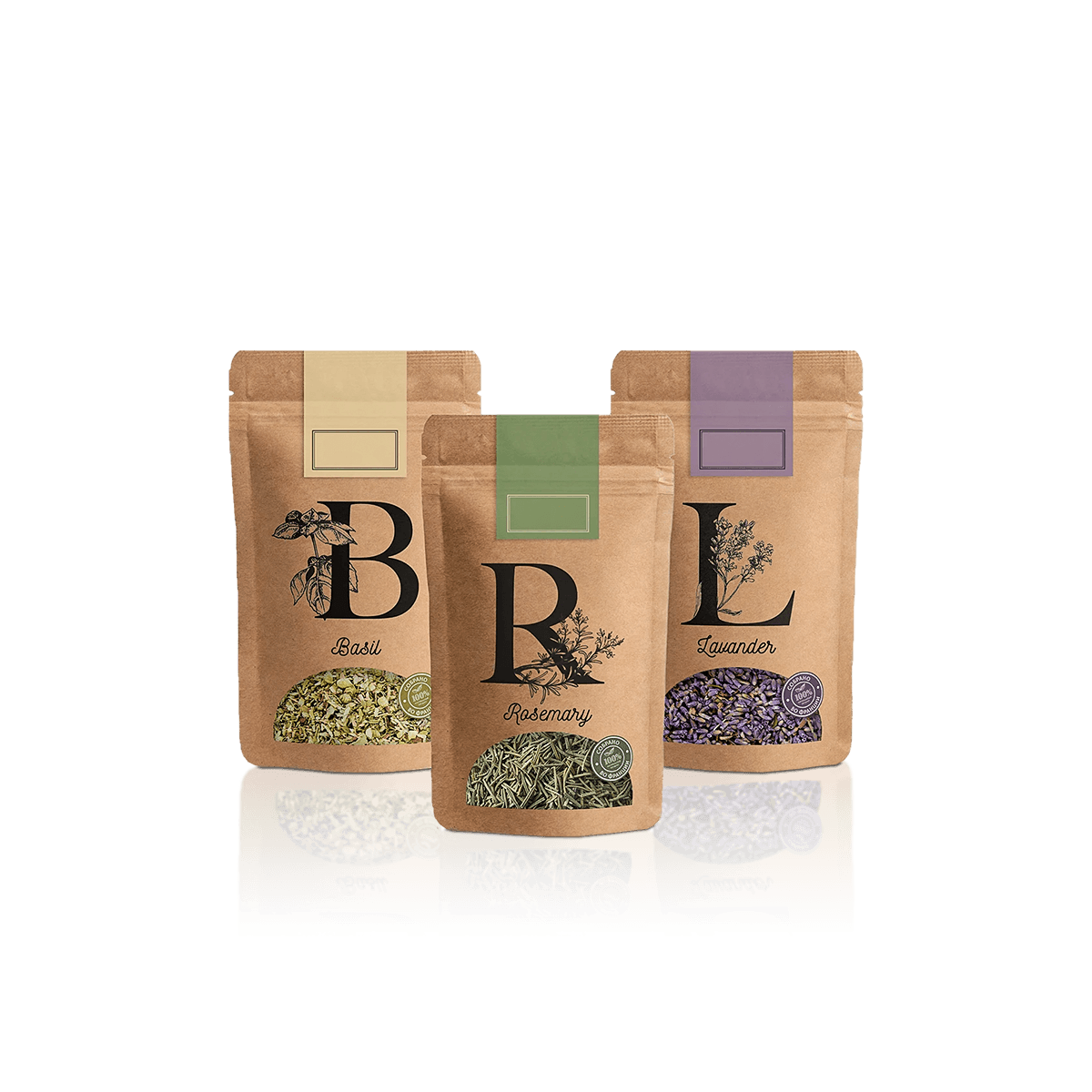
Kraft-style finishes suit natural, organic and earthy product ranges. White or light pouch surfaces help bright colours, clean branding and clear product information stand out. Clear or windowed areas can show the product, but they also change the design balance and may expose the product to more light depending on the material.
A flat pouch has limited surface space, so material and print need to work together. A high-impact front panel can show the logo, flavour, weight and key product cue without crowding the pack.
Heat seal planning
Many flat pouch applications rely on heat sealing. The seal needs to be strong enough for the product weight, shipping method and customer handling. For brands that want a seal-first pouch structure with a stronger focus on tamper-evident closure, Custom Heat Seal Pouches may be the better next option.
Print Areas That Need Careful Layout
Flat pouches can look premium when the artwork respects the seal lines, fold behaviour and small surface area. The goal is not to fill every millimetre with information. The goal is to make the pack easy to recognise, easy to read and clean after sealing.
Front panel hierarchy
The front panel should usually carry the logo, product name, flavour or variant, quantity and one clear visual cue. Small packs need strong hierarchy because customers may see them in a tray, event bag, mailer insert or retail counter display.
Avoid placing important text too close to the top seal, tear notch or side seams. Even a few millimetres of breathing room can make the pouch look more professional.
Back panel information
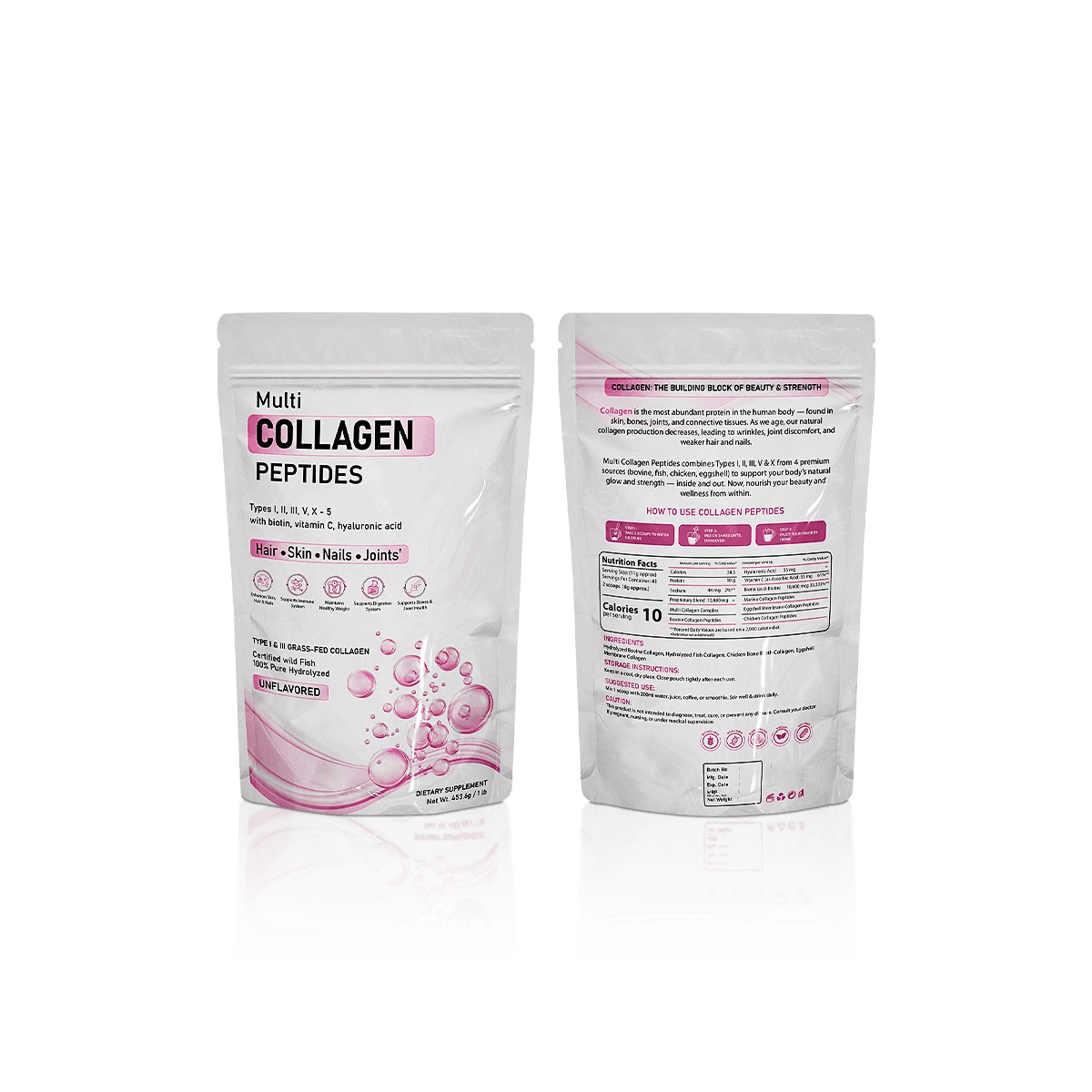
The back panel can hold ingredients, directions, barcode, batch space, storage notes or compliance-related information where relevant. The available space depends on pouch size, so small flat pouches need careful copy planning.
For very small sample pouches, keep back-panel text lean. A QR code can move longer product education online while keeping the pouch clean.
Colour and finish choices
Premium offset printing helps artwork look crisp and consistent. Matte finishes can feel softer and more modern. Gloss can lift colour and contrast. Foil, spot UV or specialty effects may work for selected launches, but they should not make the pouch harder to read or seal.
Practical Use Case: Product Sampling Without a Bulky Pack
A snack brand launching three new flavours might not want full-size pouches for every trial. A flat pouch can carry a small serve of each flavour, fit neatly into a mailer box and give customers a simple way to test the range.
The same logic works for supplement powders, pet treats, tea blends, spice mixes, bath salts and cosmetic samples. Each variant can use the same pouch size with different artwork. That keeps production more organised and helps the brand compare flavour, scent or formula response without changing the whole packaging structure.
This is where flat pouch planning becomes a commercial decision, not just a packaging decision. The right size can reduce wasted material, improve packing speed and make product trials easier to scale into repeat orders.
Sizing Details to Prepare Before Artwork
The best flat pouch size depends on the actual filled product, not only the target weight. Ten grams of one product may take more space than ten grams of another product because particle size, density and settling behaviour differ.
Before requesting a quote, prepare:
- Product type and fill weight
- Approximate product volume after settling
- Preferred pouch width and height if known
- Heat seal or tear notch requirements
- Whether the pack needs a hang hole
- Front and back artwork needs
- Number of variants or flavours
- Launch quantity and likely repeat volume
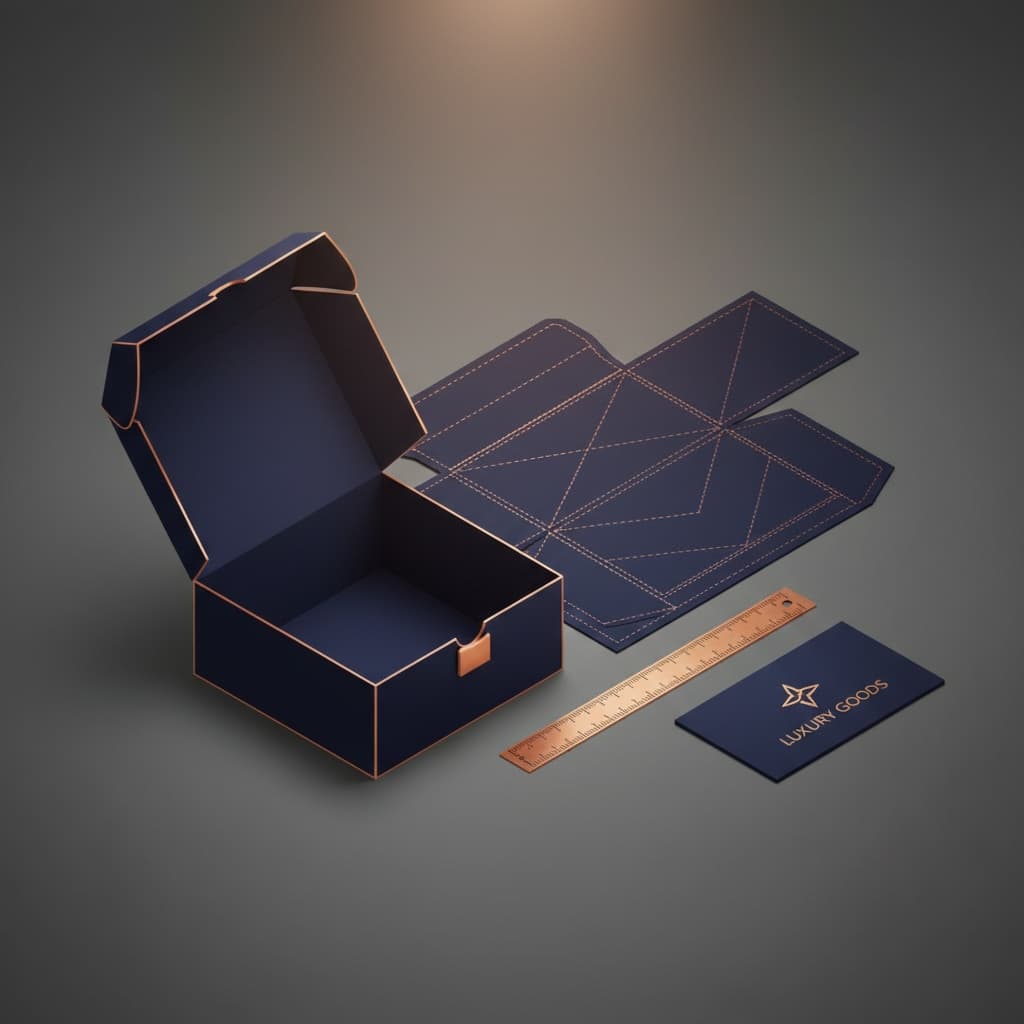
Custom Packly can help turn those details into a practical pouch size and dieline direction. For most standard flat pouches, a 3D mockup and dieline review are usually enough to approve production. A physical sample can be useful for unusual fill behaviour, strict seal checks, premium finishes or products where pouch feel is critical.
Small Runs, Variants and Repeat Supply
Flat pouches often support launches with multiple flavours, scents, formulas or sample types. That makes variant planning important. A brand may need one pouch size across five flavours or two pouch sizes across a wider range.
MOQ from 50 helps smaller brands start with a controlled run, while larger buyers can plan thousands of pouches for campaigns, retail rollouts or recurring sample programs. Repeat-order discounts and bulk storage support can help once the pouch format is proven and the brand needs steadier supply.
The best repeat setup keeps size, material and seal style consistent while changing artwork by SKU. This can make reordering easier and help keep the whole range looking consistent across seasons, campaigns and product launches.
Quote Details That Speed Up Flat Pouch Decisions
A strong flat pouch quote starts with clear product and artwork details. Guessing the size too early can lead to loose fill, cramped print or sealing problems.
Send the product type, fill weight, quantity, number of designs, preferred material look, artwork status and any sealing needs. If the pouch will sit inside another package, include those dimensions too. That helps the team check whether the pouch needs to fit inside a mailer, carton, subscription box, event kit or retail display.
When the details are ready, use Get a Quote and include any notes about product sensitivity, seal strength, variant count or launch deadline. The clearer the brief, the easier it is to recommend the right flat pouch size, material and finish.
FAQs
Related Packaging Styles
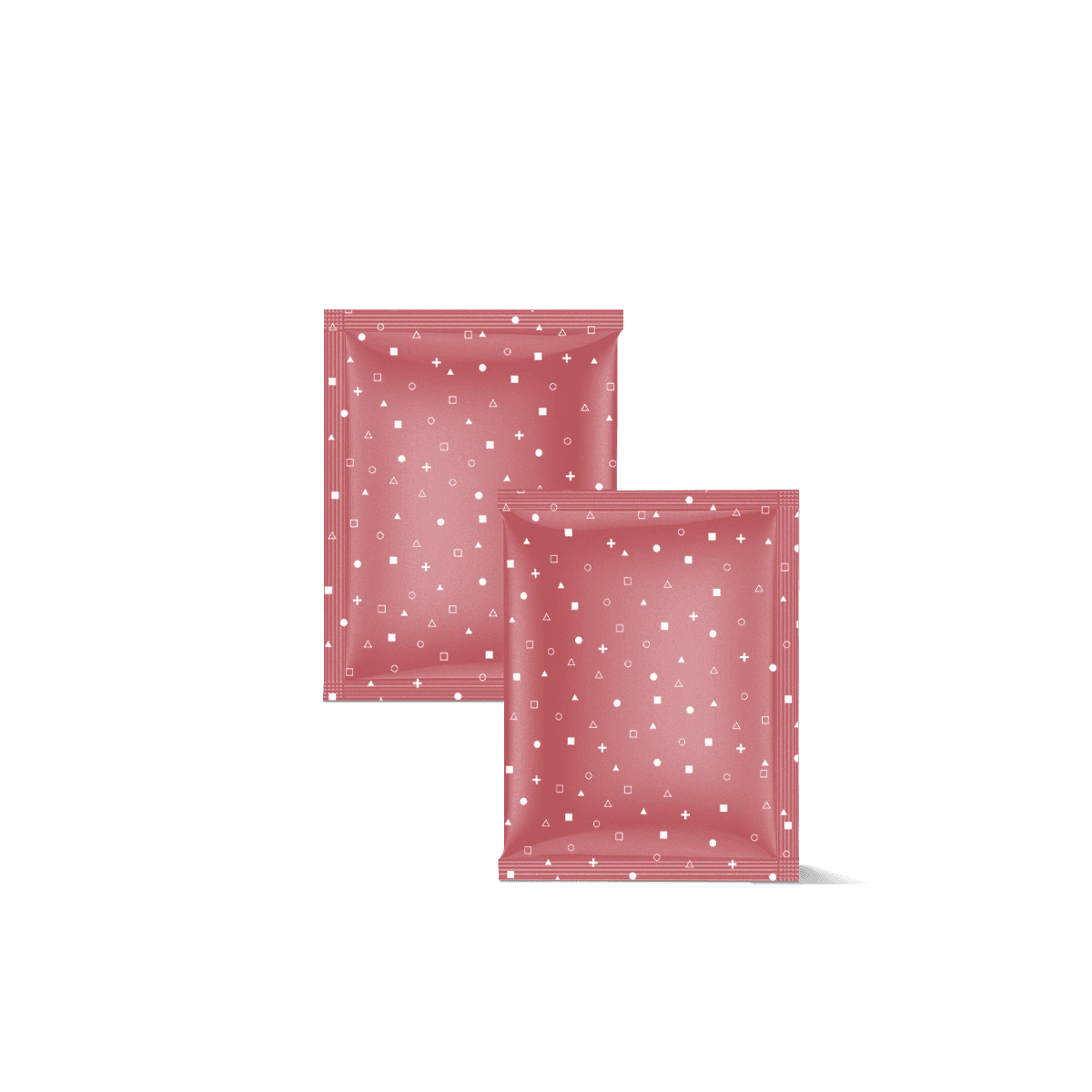
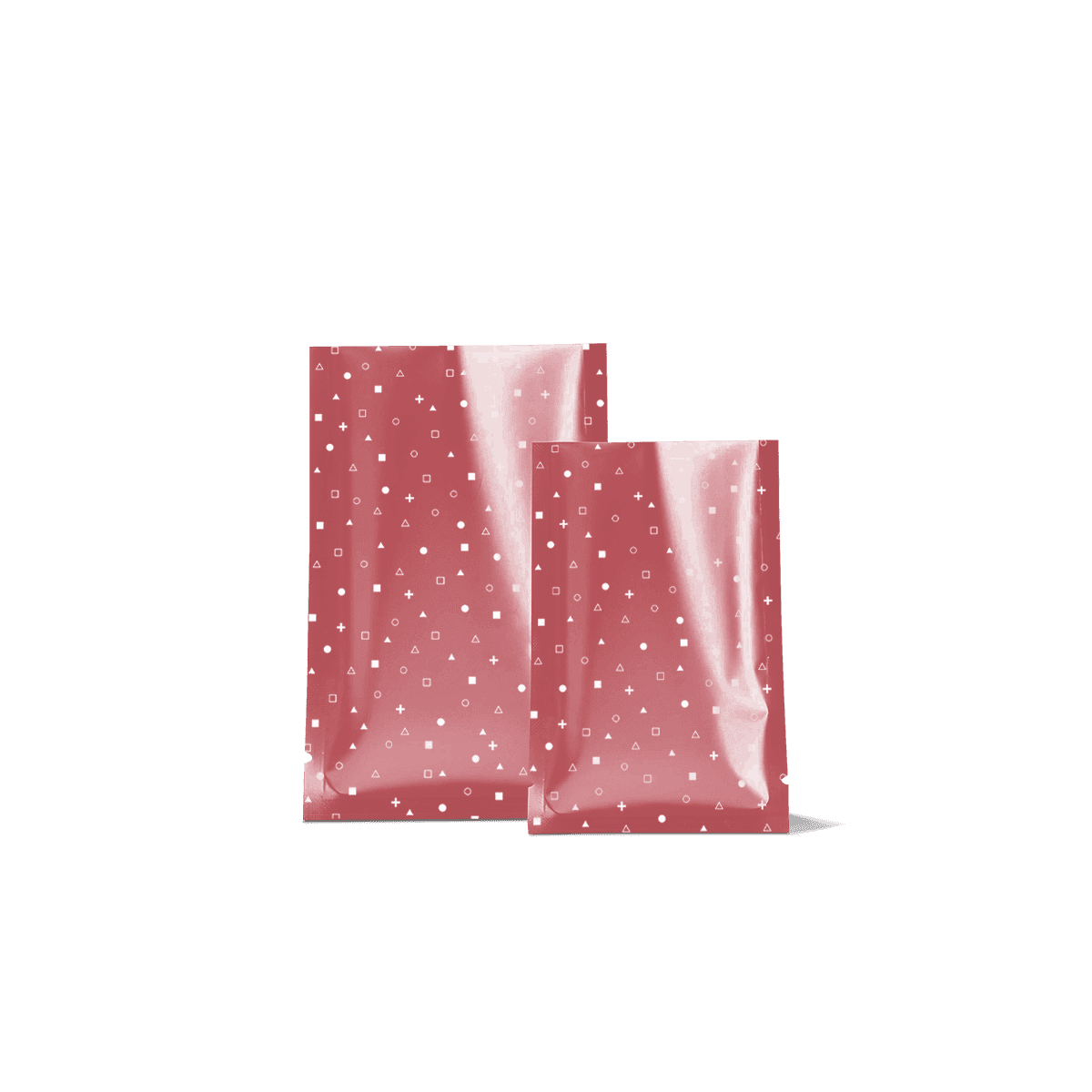
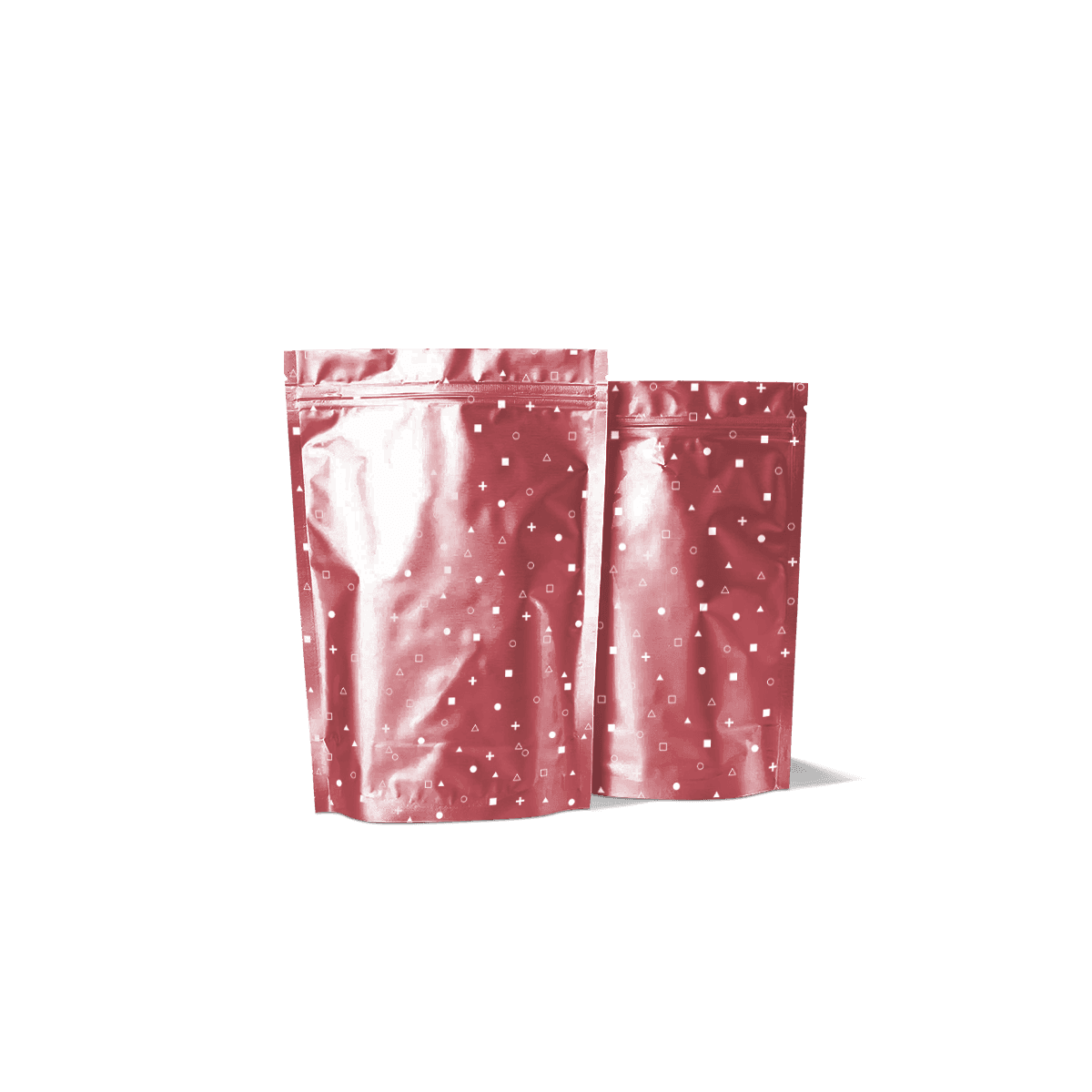
Related Industries
How it works
Simple steps from idea to delivery
Tell Us Your Specs
Tell Us Your Specs
Provide size, quantity, printing, and finishes.
Get a Fast Quote

Get a Fast Quote
Instant transparent pricing, no hidden fees.
Design and Approval

Design and Approval
Artwork checks, revisions, and final sign-off.
Produce

Produce
Expert manufacturing to meet deadlines.
Ship to Your Door

Ship to Your Door
Hassle-free, flexible delivery options.
Start Your Custom Packaging Quote
Share your product details, dimensions, quantity and artwork needs. We’ll help choose the right packaging style and send a clear quote.