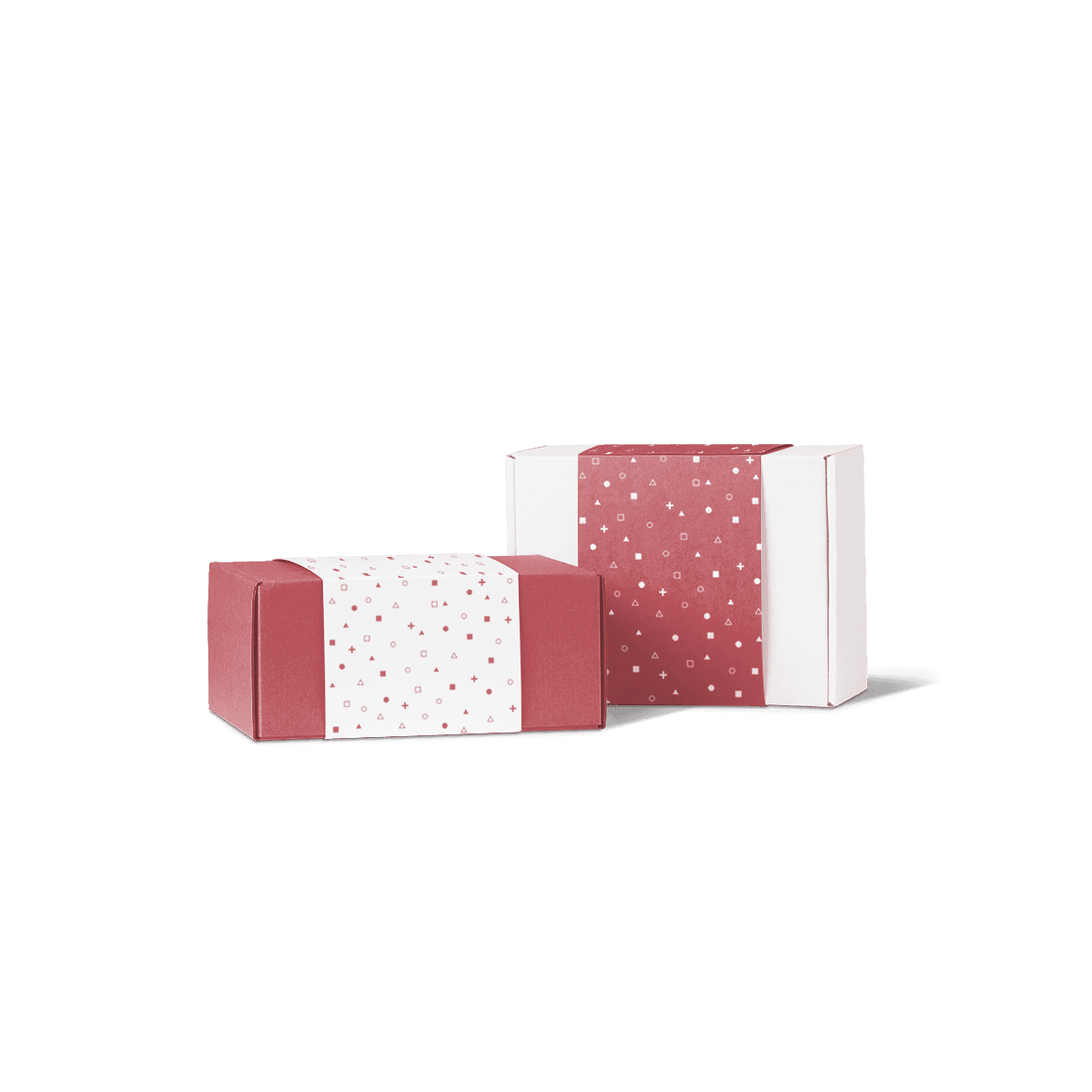
Custom Product Sleeves
Flexible printed sleeves for products, boxes, trays and bundles that need sharper branding, clearer product information and easier range variation.
Free Design Support
Clear Pricing
Flexible Quantities
Unlimited Customization
Premium Materials
Offset Precision
Free Shipping
Quick Turnaround
Custom Product Sleeves for Flexible Product Presentation
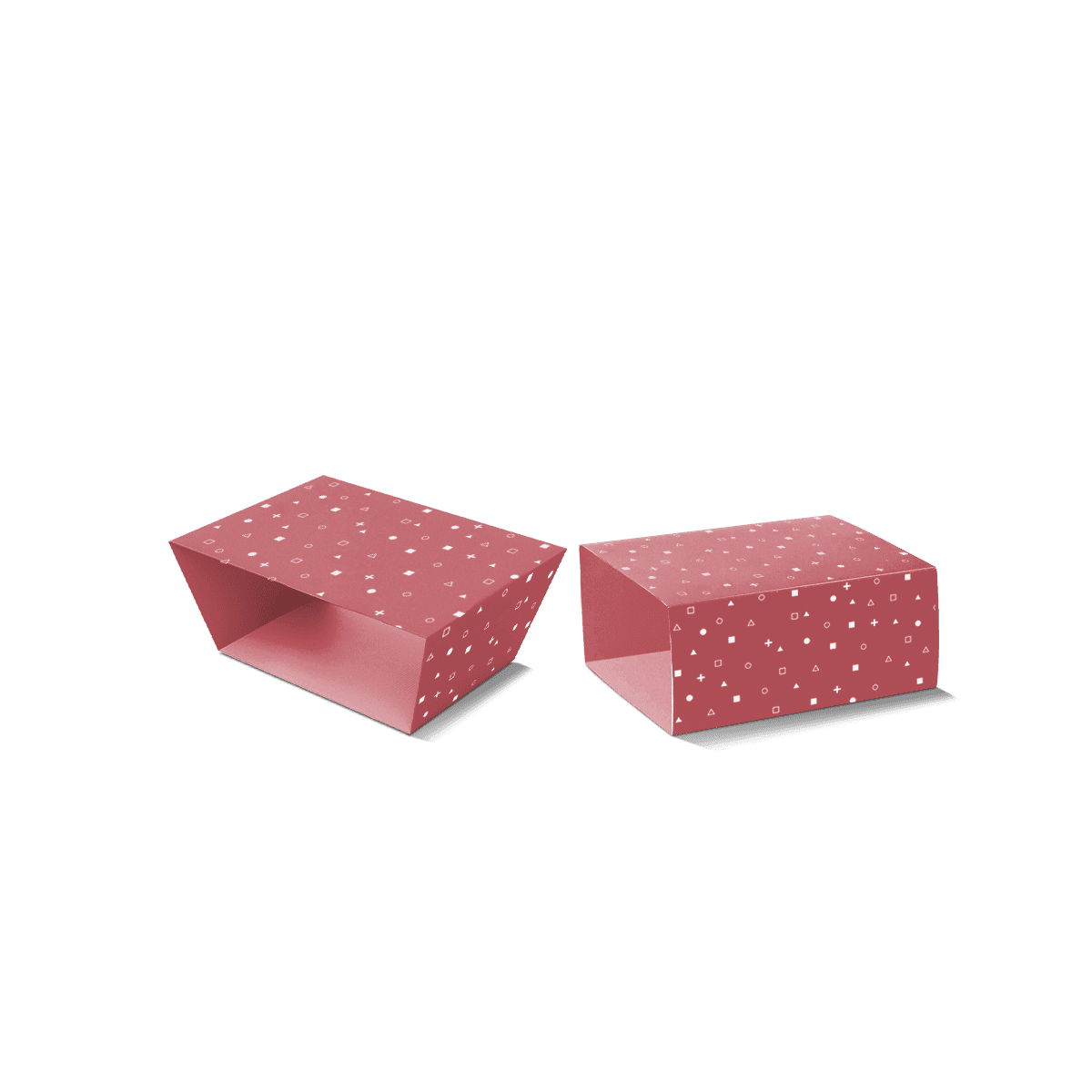
Custom Product Sleeves are printed wraps that slide over, fold around or cover a product pack to add branding, information and a more finished retail look. They can work around boxes, trays, jars, tubs, bars, bundles, food packs and product sets.
The main advantage is flexibility. A product sleeve can upgrade a plain pack, separate product variants, add campaign artwork or create a more polished retail face without changing the main packaging every time.
This makes the format useful for brands with several SKUs, seasonal ranges, product launches, promotional bundles or smaller first runs. Instead of printing a different full box for every product, the base pack can stay consistent while each sleeve carries the product name, colour cue, flavour, scent, size or sales message.
For the wider sleeve category, Custom Sleeve and Band Packaging covers box sleeves, cardboard sleeves, kraft sleeves, food sleeves and related wrap formats. Custom Product Sleeves are broader. They are built around the exact product or pack that needs to be wrapped, whether that is a box, tray, jar, carton, bundle or loose product.
A strong product sleeve should look clean, stay aligned and support the way the product is packed, handled and displayed. The right sleeve is not only about artwork. It depends on product shape, sleeve depth, wrap tension, board choice, fold placement and how the customer will open or remove it.
Products That Benefit From a Sleeve Layer
Custom Product Sleeves work best when the main product already has a pack or shape that can be wrapped, but still needs better branding or clearer product information.
Retail Products With Simple Base Packaging
A plain box, carton, pouch, jar or tray can look finished with the right sleeve. This is useful for small retail brands that want clean branding without committing to a fully printed pack for every SKU.
A soap bar can use a sleeve to show the scent and ingredients while leaving some product visible. A candle box can use a sleeve for scent variation. A stationery bundle can use a sleeve to hold items together and carry the brand story. A skincare kit can use a sleeve to explain what sits inside the set.
The sleeve becomes the communication layer. It tells customers what the product is, why it matters and how it fits within the range.
Bundles and Sets That Need Organisation
Product sleeves can help hold grouped items together. They suit small bundles where the items do not need a full tray, insert or rigid box.
Common examples include sample kits, card sets, towel rolls, apparel accessories, notebooks, chocolate bars, tea packs, small cosmetic sets and promotional items. The sleeve can keep the bundle tidy while giving the outside a branded finish.
For heavier sets or premium reveal packaging, a full tray structure may work better. But for lighter bundles, a sleeve often gives enough structure without adding unnecessary packaging.
Food and Beverage Products
Food products often need a sleeve that can carry product information while leaving the main container practical for packing, stacking or serving. This can include dessert trays, chocolate bars, sandwich packs, ready-meal trays, bakery boxes, snack packs, tea boxes and beverage gift packs.
A sleeve can show flavour, ingredients, heating instructions, serving notes, batch information or barcode details. For food brands, Custom Food Packaging may also guide the wider packaging mix when sleeves need to work with boxes, trays, pouches or takeaway packs.
The sleeve should fit without interfering with storage, handling, tamper seals or customer opening points.
Beauty, Wellness and Lifestyle Ranges
Beauty and wellness brands often use sleeves to create clean product families. The base packaging can stay simple while sleeves separate product variants by scent, shade, ingredient, product type or routine step.
This works well for soap, bath products, skincare samples, wellness kits, candles, aromatherapy products, jewellery accessories and small lifestyle goods. A sleeve can carry a soft brand look while keeping the pack lighter than a full printed carton.
Sleeve Coverage Changes the Result
The amount of product coverage changes how a sleeve looks, how it feels and how much information it can carry. Custom Product Sleeves can be narrow, medium-depth or full-cover depending on the product and buyer goal.
Narrow Sleeves for a Light Branded Touch
A narrow sleeve works like a clean product band. It can carry a logo, product name, flavour, scent or simple message without hiding the full pack.
This is a good option when the product texture, colour or base packaging is part of the appeal. Handmade soap, kraft boxes, bakery packs, fabric goods and gift bundles often benefit from this lighter style.
A narrow sleeve also uses less material and can be easier to apply by hand. It is best when the product does not need much printed information.
Medium Sleeves for Brand and Information
A medium-depth sleeve gives more space for practical details while still showing part of the base pack. It works well for retail boxes, food trays, candle cartons, gift packs and product sets.
This format can show the logo on the front, product details on the back and colour cues on the side. It gives enough room for barcode placement, QR codes, ingredients, care notes or usage instructions.
Medium sleeves are often the most balanced choice for retail products because they improve presentation without making the pack feel overbuilt.
Full-Cover Sleeves for Stronger Shelf Presence
A full-cover sleeve gives the product a stronger printed surface. It can make a plain base pack feel like a finished retail item.
This format is useful when the product needs strong shelf blocking, full artwork coverage or a more premium visual system. It can also help hide plain stock packaging while still allowing the brand to use one practical base pack across several products.
Full-cover sleeves need careful sizing because more coverage means more fold points, more print alignment and more chance for rubbing if the sleeve is too tight.
Fit Starts With the Actual Product Shape
The best Custom Product Sleeves are measured around the real product or base pack. Product sleeves can fail when the dieline is built from rough dimensions or only from the front panel size.
Straight, Round and Tapered Products
Straight boxes and cartons are usually easier to sleeve because the wrap points are predictable. Round jars, tubs, bottles and cylinders need more care because the sleeve may rotate or shift if the wrap is not planned properly.
Tapered products can be harder again because the top and bottom widths may differ. A sleeve that fits one end may feel loose at the other. In these cases, the sleeve may need a narrower depth, a different wrap direction or a shaped dieline.
The product’s real shape decides whether the sleeve should slide on, wrap around, lock with tabs or close with an adhesive seam.
Product Weight and Handling
A light product can use a simpler sleeve if the wrap does not need to hold much pressure. A heavier product may need thicker board, deeper coverage or a better closing method.
The sleeve should not become the only support system unless it is designed for that role. If the product needs protection from drops, crushing or movement, the main box, tray or insert should do that job. The sleeve should support presentation, branding and product information.
Packing Speed and Sleeve Direction
Packing teams need sleeves that apply quickly and align easily. A sleeve may look good in a flat dieline but become slow to use if it catches on corners, pulls too tight or needs careful adjustment every time.
The sleeve direction matters. Some sleeves slide from left to right. Others wrap around the pack and seal at the back. Some sit vertically across the product. The right choice depends on how the product is packed, stored and displayed.
Print Layout That Guides the Customer
Custom Product Sleeves give brands several useful print zones. The front panel sells the product. The side panels help with range recognition. The back panel carries information that helps customers choose, use or reorder the product.
Front Panel for Product Recognition
The front panel should make the product easy to understand quickly. Use it for the brand mark, product name, variant, main benefit or hero visual.
The best sleeve designs avoid crowding the front. If the product sits on a shelf with several variants, the sleeve should make each item easy to recognise without forcing the customer to turn the pack around.
Colour blocks, icons, flavour bands, scent names and product family marks can all help. The goal is fast recognition, not decoration for its own sake.
Back Panel for Details That Need Space
The back panel can carry ingredients, instructions, claims, QR codes, social details, batch notes, barcodes or product story copy.
This area needs enough room for readable text after folding. Important details should not sit too close to creases, glue seams or trim edges.
For food, beauty and wellness products, artwork should allow for any required product information. If label details change often, it may be better to design the sleeve system with a consistent information panel that can be updated across SKUs.
Side Panels for Range Control
Side panels can help organise product families. A colour strip, scent name, size marker or small icon can make products easier to identify in storage, fulfilment and retail display.
This matters when the product has several variants. It also helps warehouse teams, market stall teams and retail staff find the right product quickly.
Materials That Match the Product Role
Product sleeves can use different paperboard or cardboard stocks depending on the product, sleeve depth and brand look. The material should fold cleanly, print well and hold its shape through handling.
Paperboard for Lightweight Products
Paperboard suits light retail products, soap sleeves, snack packs, stationery bundles, small cosmetic items and product samples. It keeps the sleeve neat without adding too much weight.
It also supports crisp print, clean folds and practical hand packing. For product ranges that need several sleeve artworks, paperboard can be a strong option because it balances cost, print quality and ease of use.
Cardboard for Stronger Sleeve Structure
Cardboard gives the sleeve more presence and shape. It suits deeper sleeves, boxed products, gift packs, jars, trays and products that need a firmer branded wrap.
If the sleeve is doing more than carrying a label, cardboard may be the better choice. It can help the sleeve stay aligned and resist bending during handling.
For sleeve formats where the material itself is the main decision, Custom Cardboard Sleeves focus more directly on cardboard stock, grip and flat-board wrap performance.
Kraft Sleeves for Natural-Looking Products
Kraft stock can make a product feel simple, organic or handmade. It is often used for soap, bakery products, wellness items, candles, food gifts and eco-led ranges.
Kraft sleeves are strongest when the artwork is simple. White or coated board may be better when the design needs bright colour, photography or heavy coverage.
Finishes That Support Shelf Position
Finishes can make product sleeves feel more premium, but they should match the product’s price point, handling and use case. A sleeve used on a fresh food tray needs different thinking from a sleeve used on a candle gift box.
Matte, Gloss and Soft-Touch Effects
Matte finishes create a clean, modern look. Gloss finishes can make colour and product images feel more vibrant. Soft-touch effects can create a more premium hand feel for beauty, wellness and gift products.
The finish should also support folding and handling. A beautiful finish still needs to hold up around crease lines and edges.
Foil, Embossing and Spot UV
Foil, embossing, debossing and spot UV can make a sleeve feel more valuable. These details work well for logos, range names, product icons and limited-edition packaging.
They should be used with care. Product sleeves often have limited space, so one strong feature can look more premium than several competing effects.
Finish Choices for Short Runs and Reorders
A finish can affect cost, setup and repeat production. For first product runs, a clean printed sleeve may be enough. For premium launches or retail gifting, a finish can make the product feel more complete.
When a brand plans repeat orders, it is worth choosing finishes that can stay consistent across future sleeve runs.
SKU Flexibility Without Packaging Waste
Custom Product Sleeves are useful when a brand has many variants but wants to avoid holding too many full printed boxes. The sleeve becomes the changing part of the packaging system.
Different Sleeves for One Base Pack
One base pack can support several sleeve designs when the products share the same outside size. This helps with flavours, scents, colours, sizes, kit names, seasonal drops and limited editions.
A brand can keep a neutral box, tray or container in stock and change the printed sleeve as needed. This can reduce leftover packaging when a product name, ingredient list, campaign or barcode changes.
Launch Testing and Seasonal Runs
MOQ starts from 50, so product sleeves can support small test runs, market launches, event packs and seasonal packaging. When a product performs well, the same sleeve dieline can move into larger repeat orders.
This is useful for brands testing new flavours, holiday packs, subscription inserts, collaboration products or retail display campaigns.
Bulk Planning Across Product Families
When the product range grows, sleeve planning should be organised by SKU. Each sleeve artwork should be matched to a product code, base pack size and reorder quantity.
This makes quoting clearer and helps prevent packing mistakes. It also supports repeat-order discounts and larger runs when the same dieline is used across future campaigns.
Dieline Checks Before Printing
A product sleeve dieline needs accurate panel sizes, fold lines, glue or closure allowance, bleed and safe zones. It should also show which panel faces forward and where any seam will sit.
Wrap Length and Closure Allowance
The wrap length must cover the product correctly without pulling too tight. If the sleeve closes with adhesive, the overlap area needs enough room. If it slides over the product, the sleeve needs clearance so it moves without catching.
Small errors in wrap length can make the sleeve twist, bow or sit unevenly. For shaped products, the dieline may need extra adjustment.
Artwork Safe Areas
Artwork should stay clear of folds, trim edges and seam areas. Barcodes and QR codes should sit on a flat, readable panel. Fine text should not cross a crease unless the design is intentionally built that way.
Custom Packly’s Dieline Tool can help with early size planning before the final artwork file is prepared.
When to Sample the Sleeve
A sample is useful when the product is round, tapered, heavy, textured or packed quickly by hand. Sampling can also help when the sleeve uses a premium finish, deep coverage or a new material.
A simple flat sleeve for a standard box may only need a dieline review and mockup. A sleeve that affects fit, handling or packing speed deserves more checking before full production.
Choosing Between Product Sleeves and Related Styles
Custom Product Sleeves are the broad wrap option when the sleeve is built around a product’s real shape and selling purpose. Related sleeve styles may suit better when the main need is more specific.
If the product needs a retail-facing sleeve with strong shelf blocking, Custom Retail Packaging Sleeves may be the better fit.
If the product is food-focused and needs packaging around trays, cartons, containers or takeaway packs, Custom Food Packaging Sleeves can focus more directly on food service and product information.
If the product only needs a narrow wrap around the middle, a belly band may be lighter. If the product needs a full tray and sliding reveal, a tray and sleeve box is usually stronger.
Quote Details That Help Us Size the Sleeve
A useful product sleeve quote should describe the product, not only the sleeve. The product shape, pack style, sleeve coverage and number of artworks all affect the final recommendation.
Send the product or base pack dimensions, product shape, preferred sleeve depth, wrap direction, quantity, number of sleeve designs, board preference, print sides, finish ideas, barcode needs, artwork status and deadline.
If the product has several variants, include whether they use the same size. If the sleeve needs to hold a bundle together, include the bundle thickness and whether the items can shift during handling.
Custom Packly can then help refine the sleeve structure, check the artwork setup and guide the right production plan. When the product details are ready, Get a Quote with the measurements and artwork notes.
FAQs
Related Packaging Styles

How it works
Simple steps from idea to delivery
Tell Us Your Specs
Tell Us Your Specs
Provide size, quantity, printing, and finishes.
Get a Fast Quote

Get a Fast Quote
Instant transparent pricing, no hidden fees.
Design and Approval

Design and Approval
Artwork checks, revisions, and final sign-off.
Produce

Produce
Expert manufacturing to meet deadlines.
Ship to Your Door

Ship to Your Door
Hassle-free, flexible delivery options.
Start Your Custom Packaging Quote
Share your product details, dimensions, quantity and artwork needs. We’ll help choose the right packaging style and send a clear quote.