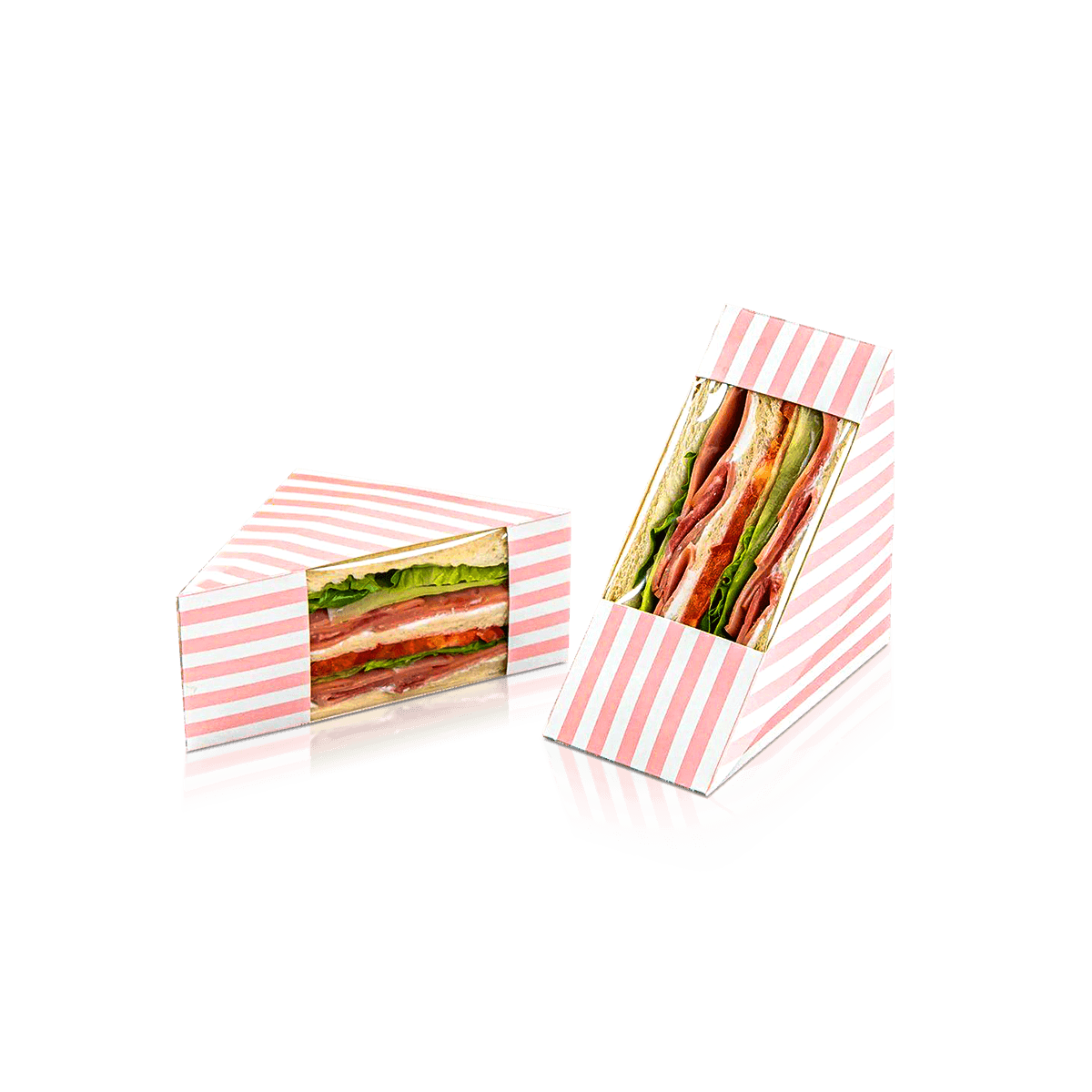
Custom Sandwich Sleeves
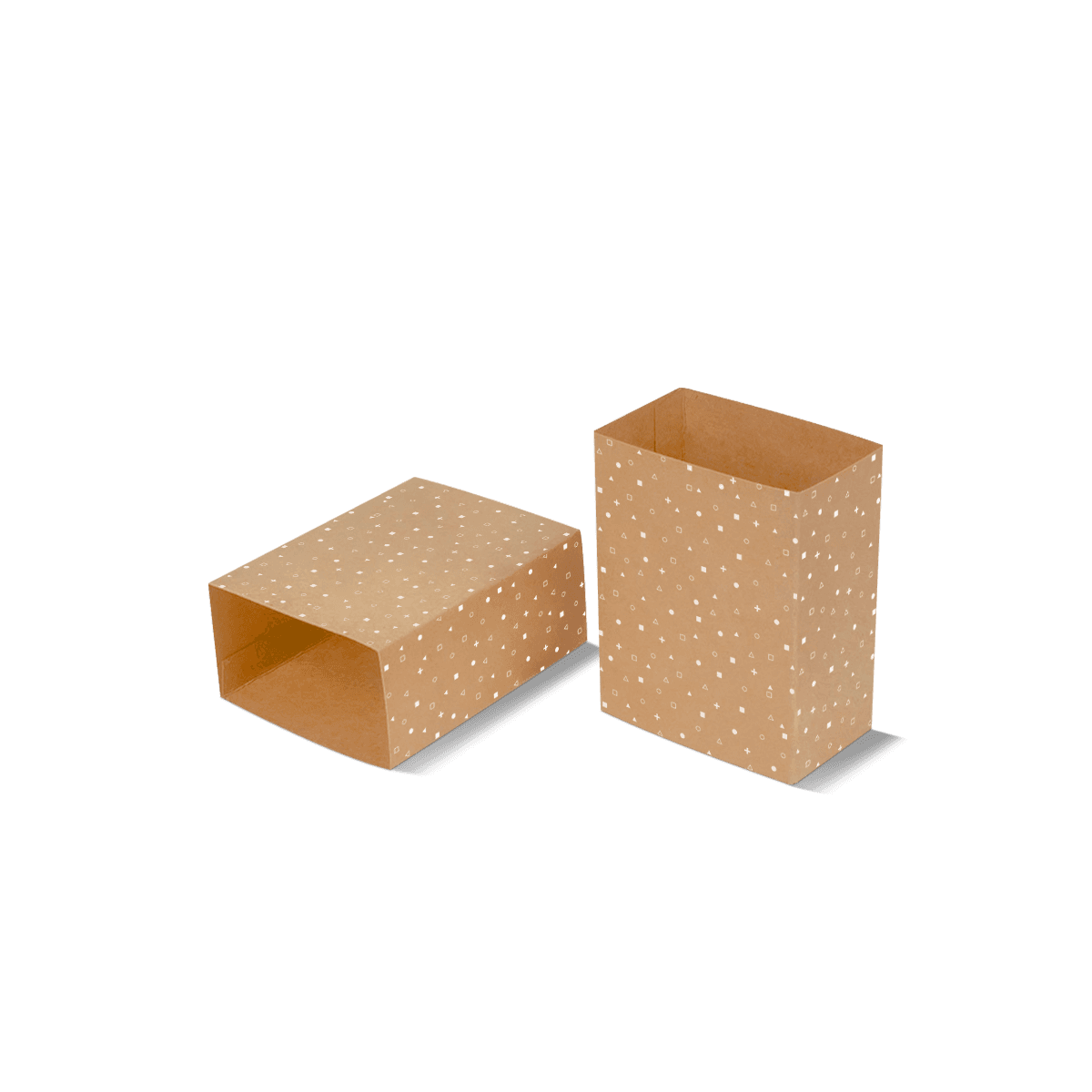
Serve toasties, wraps and filled rolls with sleeves shaped for clean grip, quick loading, clear branding and better control around the eating end.
Free Design Support
Clear Pricing
Flexible Quantities
Unlimited Customization
Premium Materials
Offset Precision
Free Shipping
Quick Turnaround
Printed Sandwich Sleeves for Toasties, Wraps and Grab-and-Go Food
Custom Sandwich Sleeves give cafes, delis and takeaway counters a compact way to hold a sandwich without hiding it behind a full box. The sleeve supports the lower section, gives customers a cleaner grip and creates a clear surface for brand print.
The sleeve should follow the finished item without squeezing the bread or letting it slide through. The opening must also suit the way staff load it during service.
A sandwich sleeve usually works with an inner wrap or another suitable food-contact layer. The printed board then adds support, grip and display. The wider Custom Cafe and Takeaway Packaging collection can coordinate sleeves with cups, trays and carry bags.
Match the opening to the food shape
A square toastie, long baguette and rolled wrap need different openings. The sleeve should follow the widest point of the wrapped item while leaving enough room for quick loading.
An opening that is too tight can catch on the bread or inner paper. An opening that is too loose may let the sandwich shift while the customer eats.
Leave enough food visible
The top should remain easy to see and reach. Too much board can make eating awkward. Too little coverage can give poor grip and allow fillings to escape.
Set the sleeve height around the hand position, not only the sandwich height.
Fit the Sleeve After the Sandwich Is Wrapped
Measure Custom Sandwich Sleeves around the finished item. Bread size alone does not show how thick the sandwich becomes after fillings, toasting and wrapping.
Use the exact inner paper planned for service. A thick fold at the base can change how the sandwich sits. Toasted bread may also be wider and less flexible than the cold version.
Check width, depth and loaded thickness
Record the width and height after prep. Then measure the thickest part, including fillings and the inner wrap.
For a long roll, check the middle and both ends. An uneven baguette may need a tapered or more open sleeve rather than a tight straight pocket.
Allow for different bread styles
Sourdough, focaccia, brioche and standard sliced bread do not hold the same shape. A sleeve planned around thin bread may press into a thick toastie.
Create separate sizes when the difference affects loading or grip. One oversized sleeve for every sandwich can look loose and waste board.
Test the loading direction
Some staff load from the top. Others slide the sandwich into an open side. The dieline should support the movement used at the counter.
A small thumb cut or shaped opening may help staff open the sleeve. It should not weaken the main grip area.
Keep Fillings Contained Without Trapping Steam
A sleeve needs to balance support with airflow. Hot toasties release steam while cold sandwiches need a neat hold that limits handling.
Custom Sandwich Sleeves should not fully seal a hot item unless the complete structure has been tested for that use. Open ends can help moisture escape while the sleeve controls the lower half.
Use inner paper for sauces and oils
Wrap oily, sauced or heavily filled sandwiches in a suitable inner paper before placing them into the printed sleeve.
This helps stop visible marks and keeps the board firm during eating. It also makes the sandwich easier to load when fillings reach the edge.
Give hot sandwiches room to breathe
Steam can soften bread and board. Leave an open top or side where the sandwich style allows it.
A tightly wrapped toastie may need vented inner paper or a different holding method. Test the food after the real counter wait and travel time.
Support thick fillings at the base
Chicken, salad, cheese and sauces can make the lower section heavy. A stronger base fold or wider lower panel can help prevent the sandwich from dropping through.
The lock, glue area and board grade must work together.
Choose Board for Grip, Grease and Fold Memory
The paperboard controls how Custom Sandwich Sleeves open, hold their shape and feel in the hand. It also affects colour, storage and assembly.
A board that is too light may collapse. A board that is too stiff may spring open.
Kraft for a natural cafe look
Kraft board suits simple branding and earthy colour palettes. Dark print often reads clearly on the brown surface.
Bright or pale colours may appear softer, so artwork should be checked against the actual stock. Green claims must match the chosen board and coating.
White paperboard for stronger colour
White board gives bright colours and detailed print a clean base. The surface should still provide practical grip.
Confirm direct food contact needs
When the sleeve touches exposed food, the chosen material and ink setup must be confirmed for that exact use. When an inner wrap separates the food from the sleeve, state that in the order details.
The Custom Food Packaging Sleeves structure can be adjusted around the required coverage, fold and handling method.
Turn a Small Print Area Into a Clear Menu Signal
Custom Sandwich Sleeves have less space than a full carton. The artwork needs to work at first glance.
The front panel can carry the logo and sandwich name. Side panels can show a food detail, heat mark or dietary icon.
Use colour to separate menu groups
A simple colour band can identify chicken, vegetarian, breakfast or spicy items. This helps staff and customers recognise the sandwich without covering the sleeve with text.
Keep the core brand colours steady. Change only the band, icon or item name when several designs share the same structure.
Keep labels away from the main logo
Prepared sandwiches may need a date, price or ingredient label. Reserve a clear area so the sticker does not hide the main artwork or cross a fold.
Confirm the real label size before the dieline is final.
Place QR codes on a flat panel
A QR code should sit away from tight curves, seams and thumb cuts. Test it on the formed sleeve, not only on the flat proof.
The Customisation service can organise several flavours while keeping the brand look consistent.
Speed Up Loading at the Sandwich Counter
The sleeve should fit the service routine. A neat design that takes too long to open or load can create delays during lunch.
Custom Sandwich Sleeves may arrive pre-glued, interlocked or flat with a simple closure. The best choice depends on storage space, staff movement and the sandwich shape.
Pre-glued sleeves for quick use
A pre-glued sleeve can open with one movement and stay ready near the prep bench. This suits venues with steady daily volume.
Check that the glue seam lies flat and does not catch the inner wrap. Keep key print away from the overlap.
Interlocking sleeves for flat storage
A tab-lock structure can store flat and avoid a glued seam. Staff need to form it correctly, so the lock should be simple and easy to see.
Test repeated assembly with the people who will use it. Small tabs can slow service or tear when handled in a hurry.
Protect unused stock near the counter
Store empty sleeves away from heat, steam and prep spills. Dry board opens more cleanly and holds its shape better.
Some venues form sleeves before the rush. Check that opened pieces can sit together without crushing the folds.
Use the Right Sleeve for Counter Service and Delivery
Custom Sandwich Sleeves suit immediate handover, food courts, markets and short takeaway trips. Longer delivery may need more outer protection.
The sleeve gives grip and display. It does not replace a secure wrap, closed carton or stable carry bag when the sandwich travels with drinks and side dishes.
Open service for immediate eating
An open-ended sleeve lets the customer see and eat the sandwich with less handling. It suits toasties, rolls and wraps served soon after prep.
The lower panel should support the food without covering more than needed.
Grab-and-go display
Cold sandwiches prepared in advance may use a clear inner wrap or labelled paper before the branded sleeve is added. This keeps the food visible while the sleeve carries the name, price and brand.
Australian sandwich packaging results often focus on boxes, windows and product display, while local sleeve pages focus more broadly on branding and custom fit.
Delivery and catering orders
For delivery, place the sleeved sandwich in a bag or outer carton that keeps it level. Do not let heavy items press on the open food area.
Custom Paper Bags can be sized around the full order. Custom Takeaway Boxes may suit sandwiches that need full cover or stack strength.
Keep Sizes and Reorders Easy to Control
A cafe may serve toasties, rolls and wraps from one counter. Use clear size names or product codes so staff can identify each sleeve quickly.
Order around actual menu use
Track how many sleeves each sandwich uses during a normal week. Breakfast items, lunch specials and seasonal products may move at different rates.
MOQ starts from 50 for suitable work. Larger amounts and repeat orders can follow the approved sizes and artwork.
Control artwork versions
Give every flavour or menu group a clear file name. Record the board, size, print version and label area with each approval.
This reduces the risk of an old food detail or seasonal design returning on a later order.
Use fit checks with purpose
A 3D mockup is usually enough to review artwork and visible panels. A real fit check is more useful when the sandwich has an unusual shape, the sleeve uses a new lock or one size must cover several items.
Australian sleeve printers also treat exact sizes and test fitting as key to a snug result.
Quote Details That Define the Sleeve Properly
A useful quote for Custom Sandwich Sleeves starts with the prepared sandwich and the way it is served.
Include:
- sandwich type and bread shape
- finished width, height and thickness
- hot, chilled or room-temperature service
- inner wrap or liner material
- sauce, oil and moisture level
- top-loading or side-loading preference
- required coverage and visible food area
- amount for each size or design
- kraft or white board preference
- logo, label and QR code positions
- artwork status
- required date and repeat-order needs
Photos beside a ruler can show taper, filling height and uneven edges.
Custom Packly can refine the sleeve depth, opening and print placement before production. When the measurements and amounts are ready, Get a Quote for Custom Sandwich Sleeves planned around the real item and counter routine.
FAQs
Related Industries
Related Packaging Styles

How it works
Simple steps from idea to delivery
Tell Us Your Specs
Tell Us Your Specs
Provide size, quantity, printing, and finishes.
Get a Fast Quote

Get a Fast Quote
Instant transparent pricing, no hidden fees.
Design and Approval

Design and Approval
Artwork checks, revisions, and final sign-off.
Produce

Produce
Expert manufacturing to meet deadlines.
Ship to Your Door

Ship to Your Door
Hassle-free, flexible delivery options.
Start Your Custom Packaging Quote
Share your product details, dimensions, quantity and artwork needs. We’ll help choose the right packaging style and send a clear quote.