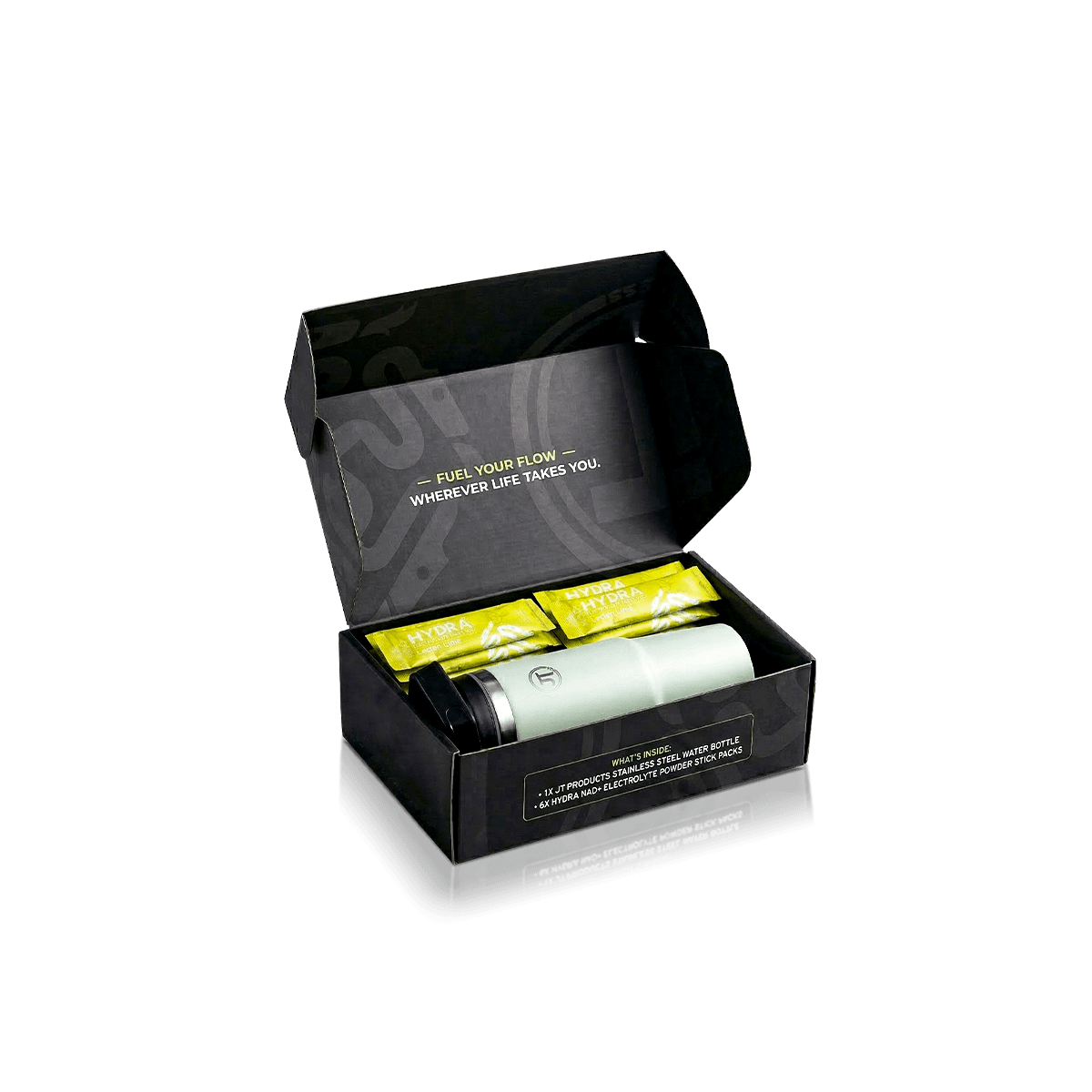
Custom Fitness Product Boxes
Structured packaging for resistance bands, grips, sliders and compact workout sets, planned around product tension, retail display, instructions and secure delivery.
Free Design Support
Clear Pricing
Flexible Quantities
Unlimited Customization
Premium Materials
Offset Precision
Free Shipping
Quick Turnaround
Custom Fitness Product Boxes for Bands, Grips and Workout Accessories
Custom Fitness Product Boxes hold compact exercise products in a controlled shape while giving brands clear space for resistance levels, sizes, instructions and product images. They suit resistance bands, lifting grips, wrist wraps, sliders, skipping ropes, ankle straps, massage balls and grouped workout accessories.
These products create unusual packaging problems. Elastic bands can expand after loading. Ropes can uncoil. Metal clips may rub against printed surfaces. Small accessories can slide to one end and make the box look half empty.
The box should match how the product will sit when customers first see it. A resistance band set may need each strength separated. A skipping rope may need a shallow tray that keeps the cable coiled. Sliders may need a slim carton that stops the pair moving apart.
Businesses selling fitness accessories alongside supplements, recovery items or self-care goods can keep their visual identity consistent through Custom Wellness Packaging. Each fitness item can still use the structure, insert and opening that suits its shape.
Flexible products need controlled presentation
Resistance bands, fabric loops and wrist wraps do not behave like rigid bottles. They compress when loaded and may push back against the carton after release.
Custom Fitness Product Boxes should hold these items without squeezing them into a permanent fold. The internal space must control movement while keeping the product easy to remove.
Hard accessories need surface protection
Sliders, massage balls, hand grips and clip-based straps can scuff each other. Metal buckles may also mark a printed insert or weaken a thin panel during delivery.
A simple divider or paperboard cradle can separate hard contact points and keep the opening tidy.
Mixed sets need a clear order
A fitness set may include several bands, handles, ankle straps and a door anchor. Each item should have a defined position.
The customer should see what is included without lifting every piece or searching beneath loose accessories.
Control Products That Coil, Stretch and Spring Back
Custom Fitness Product Boxes work best when the designer understands the product in both its relaxed and loaded state. A measurement taken while a band is tightly folded may not show how much space it needs after several hours inside the carton.
Measure the relaxed and folded dimensions
Record the full product length, width and thickness before folding. Then record the planned presentation size.
For loop bands, note whether they will sit flat, roll into a coil or fold into layers. For ropes, confirm the coil diameter and the thickness of handles placed beside it.
Custom Fitness Product Boxes need enough clearance to prevent pressure on the side panels. Excess room should also be avoided because it allows the contents to lose their arrangement.
Avoid sharp folds in resistance bands
A narrow carton may force an elastic product into a hard crease. That may affect presentation when the customer opens it.
Use wider folds, a loose coil or a card wrap where practical. A printed paperboard holder can display the resistance level while keeping each band under light control.
Secure ropes without creating tangles
Skipping ropes and cable-based accessories often need two points of control. One point holds the coil while another keeps the handles or clips from moving.
Twist ties may suit internal assembly, but they should not dominate the opening. Die-cut tabs or a shallow cradle can create a cleaner result.
Choose the Box Around Weight and Loading
The right carton depends on product weight, depth and the time needed to place each item inside. Custom Fitness Product Boxes for one light band require a different base from boxes holding handles, anchors and several resistance levels.
Folding cartons for light accessories
Paperboard cartons suit wrist wraps, fabric bands, lifting straps, lightweight grips and small accessory pairs. They arrive flat and provide strong print space across all sides.
Custom Folding Cartons and Tuck Boxes can use straight tuck, reverse tuck or stronger base closures according to the product weight and loading direction.
A top-opening carton works well when the product slides in as one organised unit. A side-opening design may suit flat items that need a wider reveal.
Stronger bases for multi-piece sets
A set containing handles, carabiners and a door anchor may place more load on the lower panel. An auto-bottom or manually locked base can offer more support than a basic tuck closure.
Check how the filled box sits on a shelf. A heavy accessory placed at one side can make a tall carton lean even when the base remains closed.
Mailer structures for larger home-workout sets
Larger sets may suit a corrugated mailer rather than a retail carton. This gives more room for layered accessories, instructions and a stable opening.
The structure should still limit empty space. A large box filled with loose accessories can look untidy and increase movement during delivery.
Separate Resistance Levels and Small Components
Custom Fitness Product Boxes should help customers understand the contents before they start training. A clear internal order makes different strengths, sizes and accessories easier to identify.
Give each resistance level a fixed place
Sets often include light, medium and heavy bands. Colour may separate them, but the insert or printed holder should also name each resistance level.
This helps when brand colours are similar or customers cannot rely on colour alone. A defined sequence can place the lightest resistance first and the strongest last.
Keep clips and anchors away from soft items
Metal clips, buckles and door anchors may press against bands or fabric straps. Small cavities can keep these parts separate.
Custom Inserts and Dividers can use folded paperboard, corrugated board or die-cut supports according to the weight and number of items.
An insert should solve movement without making loading slow. Use the fewest folds and cavities needed to keep the set ordered.
Add finger access
A product can fit securely and still be difficult to remove. Finger notches help customers lift flat sliders, massage balls or tightly placed handles.
Test the first item as well as the item underneath it. The opening should remain practical after part of the set has been removed.
Keep instruction cards in one position
Do not place an instruction card loosely where it may cover the main product or slide beneath an insert.
A narrow pocket, top recess or printed inner lid can hold exercise information in a predictable place.
Use Retail Display Space With Purpose
Custom Fitness Product Boxes may appear on shelves, hooks, counters or ecommerce product photographs. The structure should show the product type, resistance level and included quantity without forcing customers to turn the box several times.
Design the front around the exact product
The front panel should name the item clearly. Terms such as loop band, lifting grip, ankle strap or exercise slider are more useful than broad lifestyle wording.
Show the number of pieces where it affects value. A resistance band set containing five strengths should not look like a single-band product.
Add hang tabs only where they suit the weight
Hang tabs can work for light bands, wraps and compact accessories. The board and tab shape must support the filled weight without tearing around the slot.
Place heavier items low in the carton so they do not pull the box forward when displayed.
Use windows for shape and colour
A window can show fabric texture, band colour or the surface of a massage ball. It should reveal an organised part of the product rather than an empty gap.
Windows reduce printable space and may expose the insert behind the product. Confirm the exact view with a filled sample before final approval.
Keep product details easy to scan
Side and back panels can carry dimensions, material details, care instructions, warnings and exercise information approved by the brand.
Separate technical details from promotional copy. Customers should find the product size and included items without reading a dense paragraph.
Turn Instructions Into Part of the Opening
Fitness accessories often need more explanation than their size suggests. Custom Fitness Product Boxes can help customers understand set-up, exercise use and care without relying only on a separate leaflet.
Show the first action clearly
A skipping rope may need a length adjustment. Resistance bands may need a door anchor fitted in a certain direction. Lifting grips may require a short fitting explanation.
Use the first visible surface inside the box for the most important instruction. Keep longer exercise information on a card or approved digital destination.
Use diagrams that remain clear at print size
Simple line drawings can explain orientation better than long text. Test them at the final printed size.
Avoid placing fine diagrams across folds, perforations or insert edges. Key labels should remain readable under normal indoor light.
Keep codes away from curved or moving areas
A QR code may link to exercise demonstrations, care instructions or registration content. Place it on a flat panel with enough clear space around it.
The linked destination must remain under the brand’s control. The packaging should still include essential safety and product information without requiring a scan.
Print inside only when it improves use
Inside printing can show exercise order, a welcome message or product care. It works well for workout sets that open like a presentation box.
Print and finish choices can be aligned through Customisation so the outside branding and inside instructions feel like one design.
Prepare Fitness Accessories for Online Delivery
A retail carton should present the fitness product. It should not automatically be expected to handle courier impacts without an outer box.
Custom Fitness Product Boxes for ecommerce need to be reviewed as part of the complete delivery arrangement.
Stop weight shifting inside the retail box
Handles, clips and massage balls can gather at one end during transit. An insert, divider or fitted paper wrap can keep the centre of weight stable.
Shake testing can reveal movement that is not obvious on a design screen. Listen for loose metal parts and check whether they mark nearby surfaces.
Protect corners and hanger tabs
A hanger tab that works on a retail hook may bend inside a shipping carton. Leave enough clearance above it or fold it within the retail box design where suitable.
Corners can also crush when the outer shipping box is too large and relies on loose filler.
Use a close-fitting mailer for direct orders
Custom Mailer Boxes can protect boxed bands, compact workout sets and recovery accessories during delivery.
The mailer should allow room for the retail box and any required cushioning without leaving a large void. This keeps the arrival cleaner and limits sliding.
Test bundled orders separately
Two light accessory boxes may behave differently from one heavy set. Test common order combinations rather than checking only a single unit.
The outer box, internal arrangement and retail cartons should work together without pressing sharp components against lighter products.
Plan Fitness Sets Without Creating Empty Space
Custom Fitness Product Boxes can support starter sets, targeted training sets and giftable fitness collections. Each set should feel intentional rather than like several unrelated items placed in one box.
Arrange items by use
A lower-body set might include loop bands and sliders. A strength set may include handles, resistance tubes and anchors. A recovery set could combine massage balls and stretching straps.
Place items in the order customers are likely to use them. This gives the insert a practical logic and helps instruction cards match the layout.
Separate soft and hard components
Soft bands can sit in a broad cavity or folded holder. Hard handles and clips need more defined support.
A set containing several product types may suit Custom Wellness Kit Boxes when the opening experience and internal order carry more importance than compact retail display.
Avoid one oversized box for every combination
A large universal box may simplify ordering, but it can make smaller sets look incomplete. Consider a shared outer footprint with different inserts only when the product differences are modest.
When the quantity, weight or item shape changes greatly, a separate box size often gives a better result.
Create consistent naming across the product line
Keep the logo, type scale and main product-name position consistent. Use a secondary colour or icon to separate strength, training focus or set size.
Custom Fitness Product Boxes should make related products look connected without making every front panel identical.
Approve Fit Before Fitness Products Reach Production
Custom Fitness Product Boxes need approval with the real product arrangement, not only a list of external dimensions. Flexible goods, coiled cables and loose hardware can change the required depth after loading.
A dieline can be prepared once the structure, relaxed product size and planned presentation are known. The Dieline Tool can support early dimensions and artwork placement for suitable carton styles.
Use a 3D mockup for panel review
A 3D mockup can confirm the opening direction, artwork hierarchy, window position and instruction placement.
It cannot fully show how elastic products push against panels or how loose hardware moves. Those issues need a filled test.
Use a physical sample for higher-risk sets
A physical sample is useful when the product contains:
- Several resistance levels
- Springy or tightly coiled items
- Metal clips or buckles
- A fitted insert
- A window or hang tab
- Heavy handles or massage tools
- Several items with different depths
The sample should be loaded as the production team will load it. Check closure, panel shape, removal and the arrangement after normal handling.
Record the approved presentation
Photograph the final internal order and note how each item is folded, coiled or secured. This helps later orders remain consistent.
Custom Fitness Product Boxes with several pieces should not rely on verbal assembly instructions alone.
Quote From the Actual Product Arrangement
An accurate quote for Custom Fitness Product Boxes needs the final item list, not only the name of the fitness set. The number of pieces, material tension and hardware can all change the board, insert and assembly time.
Share:
- The exact fitness product or set name
- Relaxed dimensions for each item
- Planned folded or coiled dimensions
- Total filled weight
- Number of bands, straps, handles or accessories
- Resistance levels, sizes or colours
- Metal clips, buckles or other hard components
- Preferred internal arrangement
- Insert, divider, holder or tie requirements
- Retail shelf, hanger, counter or ecommerce use
- Window or hang-tab needs
- Outside and inside printing
- Instruction card or diagram requirements
- Board and finish preferences
- Quantity for each design
- Artwork status
- Target date and delivery postcode
MOQ starts from 50 for suitable first orders. Custom Packly also supports thousands of units and larger ongoing production as fitness product lines expand.
Suitable work may move through local production in 4 to 6 days after the structure and artwork receive final approval. Timing depends on box complexity, insert requirements and finishing details.
Send the finished product brief through Get a Quote. The quote can then reflect the actual folding, internal control, print and assembly needs of your Custom Fitness Product Boxes.
FAQs
Related Packaging Styles

How it works
Simple steps from idea to delivery
Tell Us Your Specs
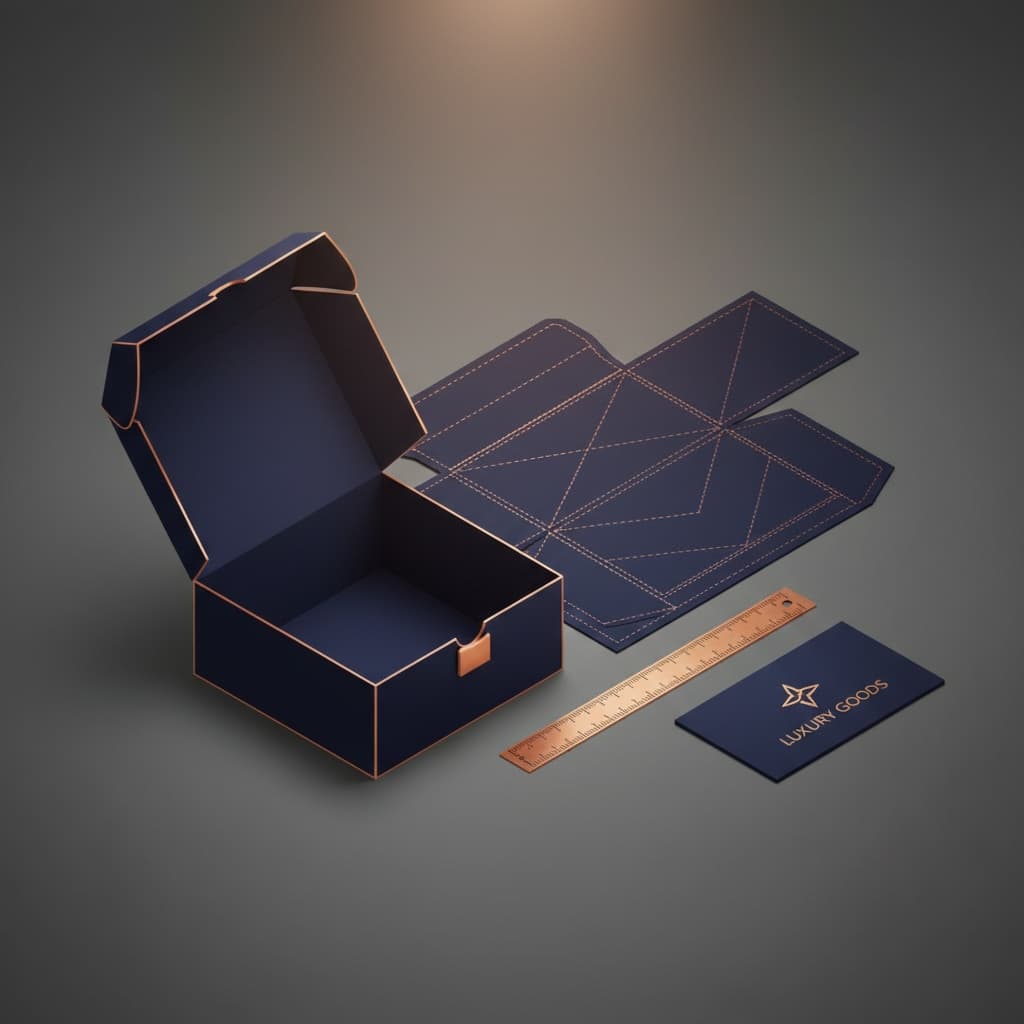
Tell Us Your Specs
Provide size, quantity, printing, and finishes.
Get a Fast Quote

Get a Fast Quote
Instant transparent pricing, no hidden fees.
Design and Approval
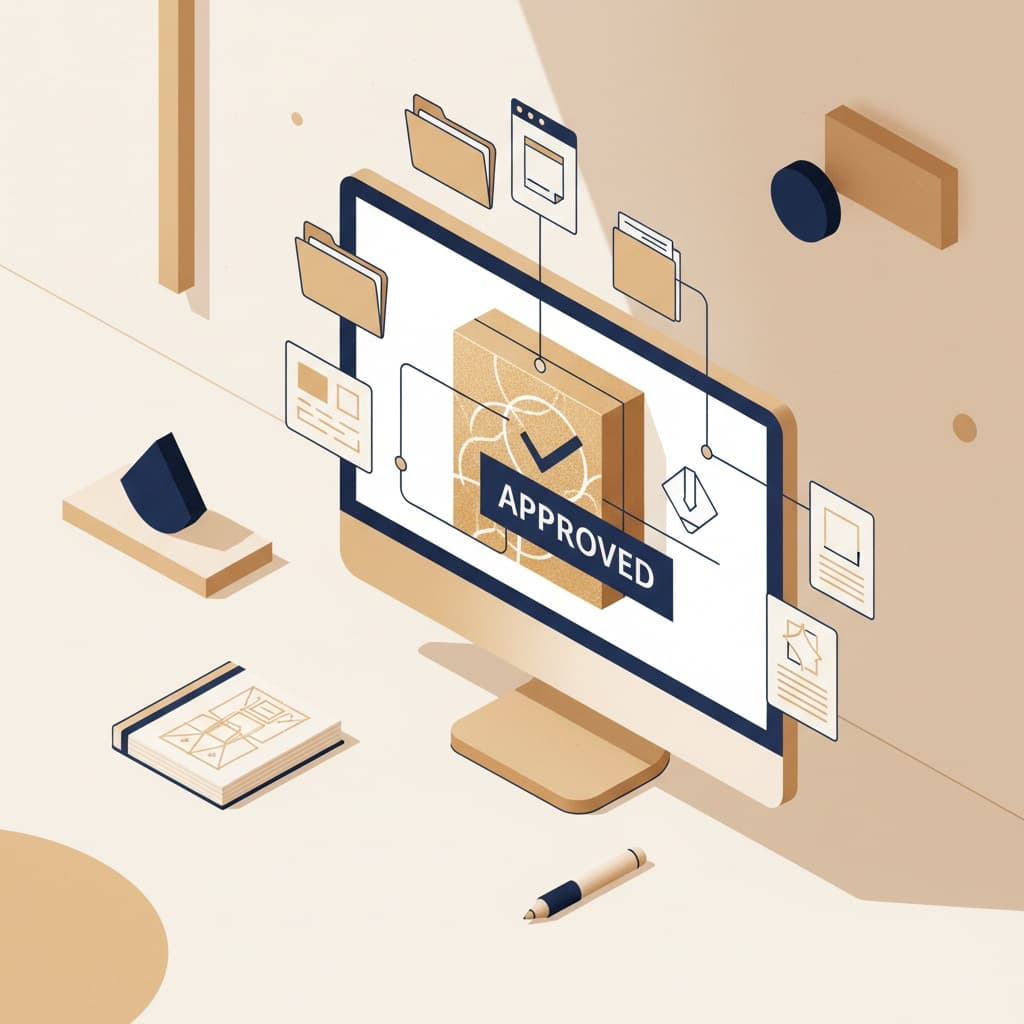
Design and Approval
Artwork checks, revisions, and final sign-off.
Produce

Produce
Expert manufacturing to meet deadlines.
Ship to Your Door

Ship to Your Door
Hassle-free, flexible delivery options.
Start Your Custom Packaging Quote
Share your product details, dimensions, quantity and artwork needs. We’ll help choose the right packaging style and send a clear quote.