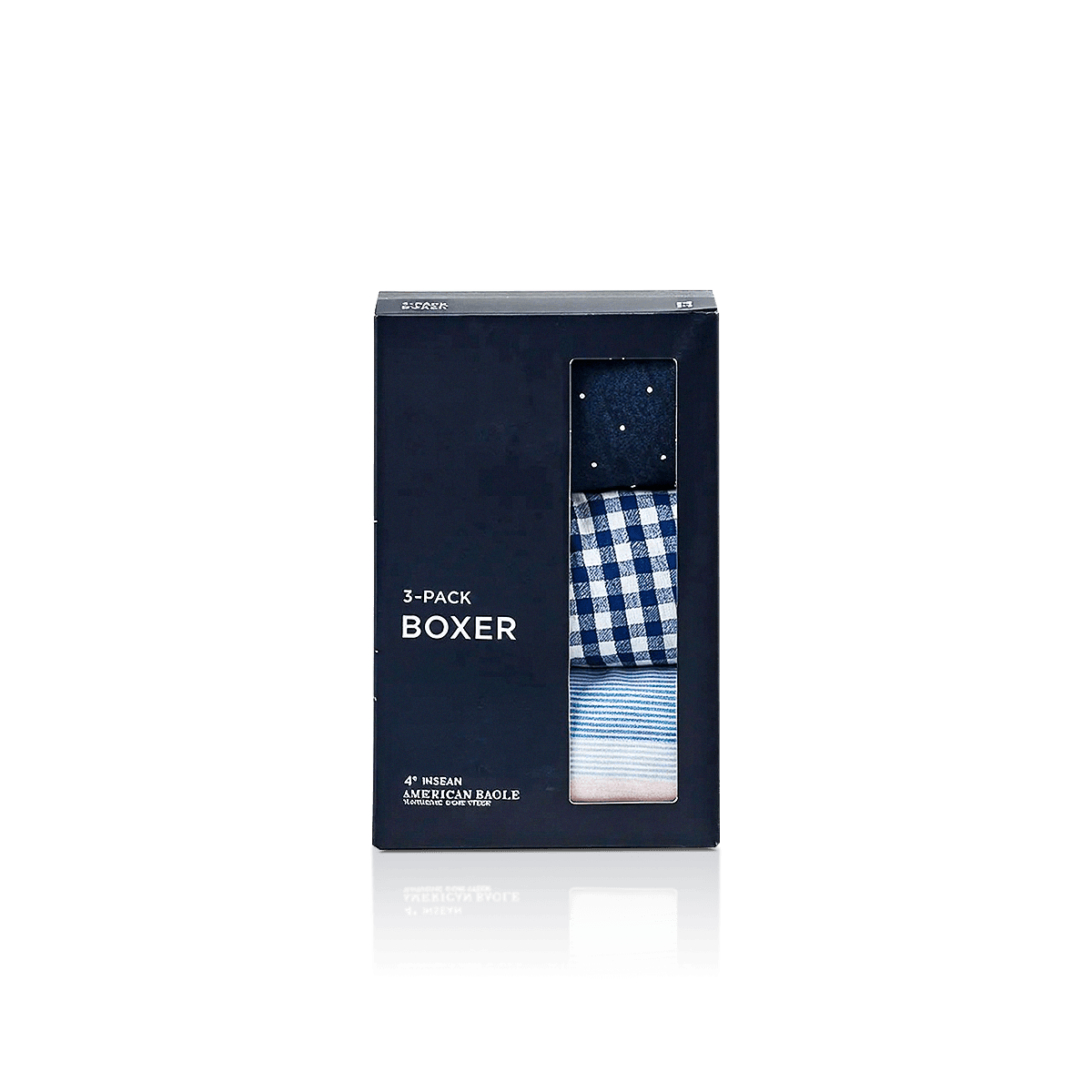
Custom Activewear Boxes
Keep leggings, sports bras and coordinated sets controlled from folding table to customer, with box dimensions and print planned around stretch fabrics, size runs and online fulfilment.
Free Design Support
Clear Pricing
Flexible Quantities
Unlimited Customization
Premium Materials
Offset Precision
Free Shipping
Quick Turnaround
Custom Activewear Boxes for Leggings, Gym Sets and Sports Bras
Custom Activewear Boxes give soft training clothes a firm shape and a tidy first view. They suit leggings, sports bras, shorts, tops, tracksuits and matched gym sets sold in stores or sent to customers.
Stretch fabric does not sit like a shirt or a pair of socks. Thin leggings fold low and flat. A padded sports bra needs more height. A brushed hoodie may need a much deeper box. Good sizing starts with the real folded clothes, not the size shown on the garment label. Well-sized Custom Activewear Boxes keep that fold neat without hard pressure.
Our Custom Retail and Apparel Packaging work helps brands keep boxes, sleeves and bags consistent across one clothing line. Custom Activewear Boxes can then use their own depth, closure and print for the garments inside.
Stop Stretch Fabrics Moving Inside the Box
Soft gymwear can unfold or rise after it is placed in a box. Custom Activewear Boxes need enough room for quick filling, but not so much that the clothes arrive in a loose pile.
Give leggings a stable fold
Leggings often form a long, shallow stack. The waistband adds bulk at one end. Place that thicker area where it will not lift the lid or push out the front panel.
A paper band can hold the fold without hiding the fabric. Tissue can also help, but too much tissue adds height. Test the box with the exact fabric because firm tights and soft winter leggings do not settle in the same way.
Protect the shape of sports bras
A plain sports bra may sit almost flat. Moulded cups and pads need more space and less pressure. Custom Activewear Boxes should close without crushing the cup shape.
For a matching set, place the flatter garment below. Set the bra on top with the front facing up. This gives a clean first view when the box opens.
Keep sets in one clear order
Two-piece and three-piece sets often have mixed folds. Decide which item appears first and where each logo faces. Use the same order at every filling table.
Keep the method simple. A complex fold may look good in one photo, yet become slow across hundreds of orders.
Choose a Box That Fits the Way You Sell
Custom Activewear Boxes have different jobs in a store, a gift set and an online order. The right box style depends on how the clothing reaches the customer.
Use mailers for online orders
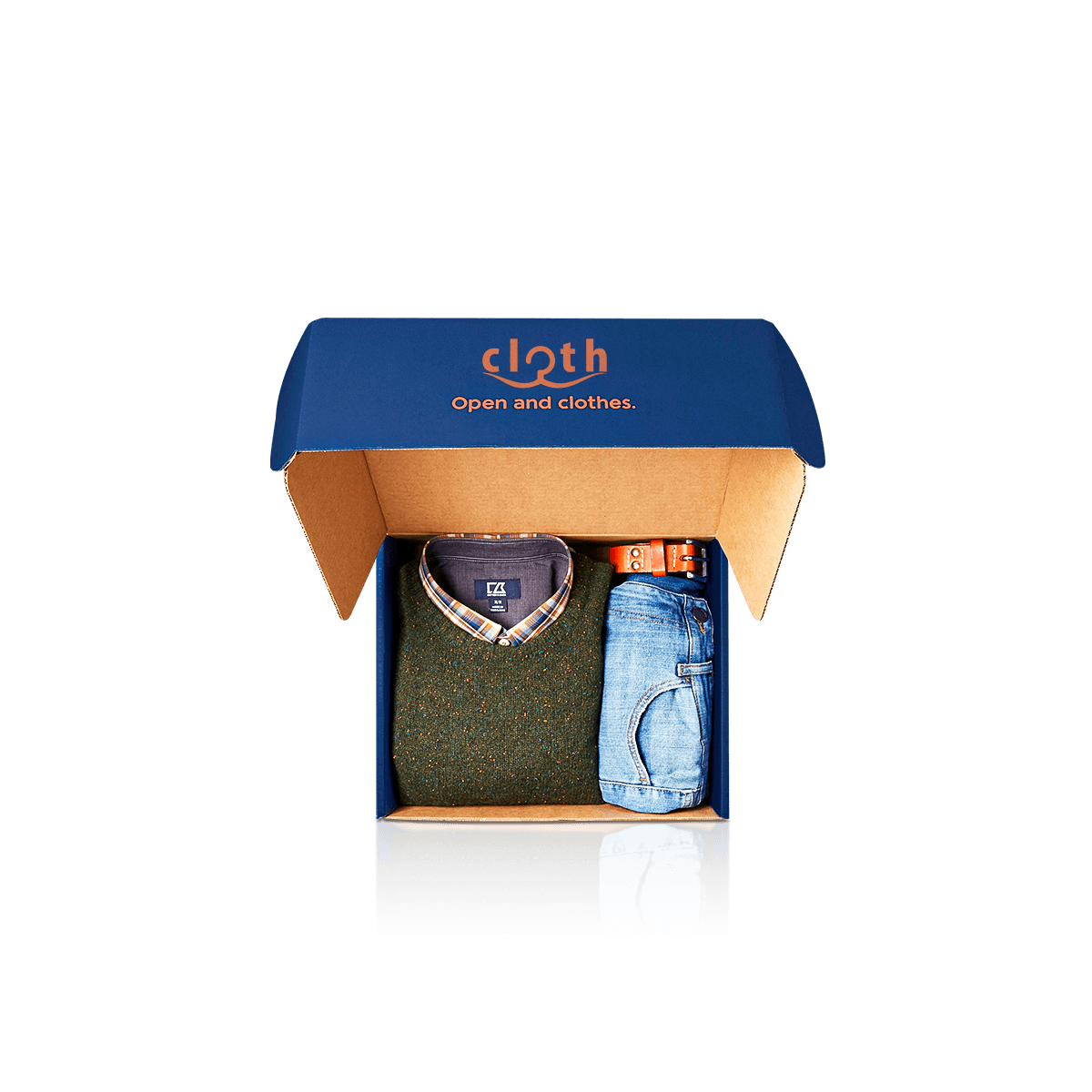
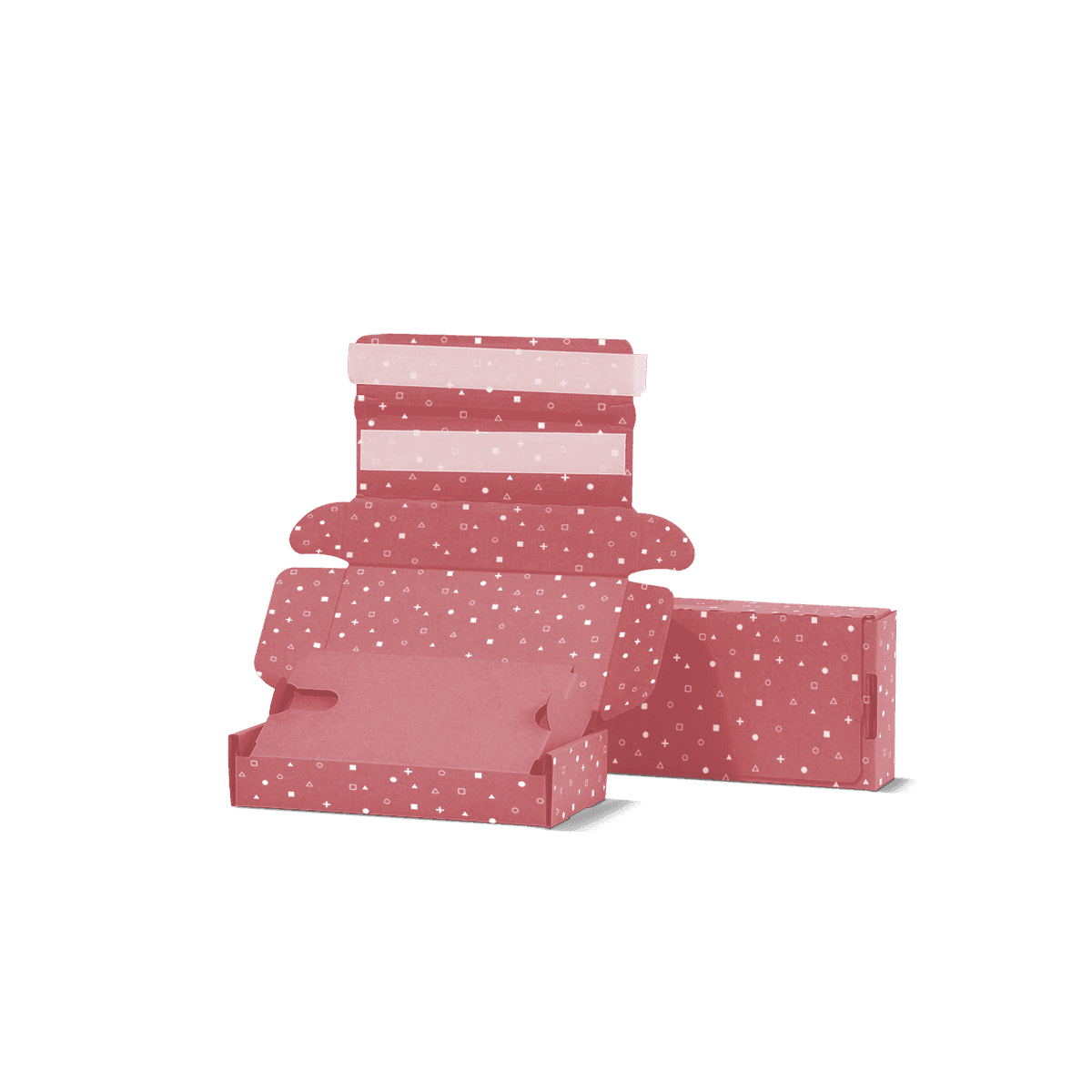
Custom Mailer Boxes give leggings, tops and gym sets firm edges during normal delivery. They can hold one outfit or several items in one order.
Keep the mailer close to the folded stack. Too much empty room lets the clothes slide and calls for more filler. Inside print can add a short training line, member note or care reminder.
Use paperboard for smaller retail items
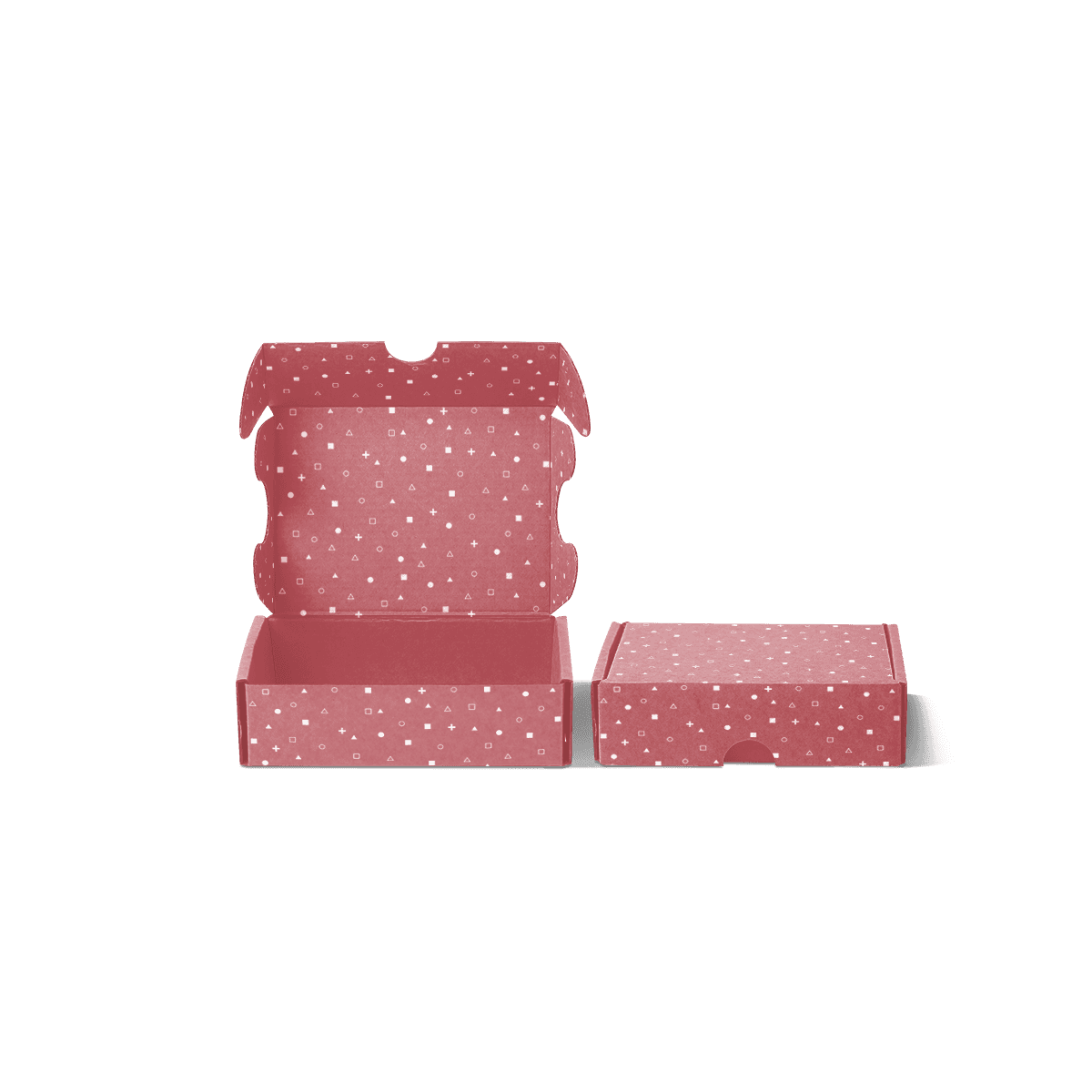
Light paperboard boxes suit sports bras, shorts, base layers and small gym items. A tuck flap keeps filling simple. A window can show the fabric colour or texture when that detail helps in-store choice.
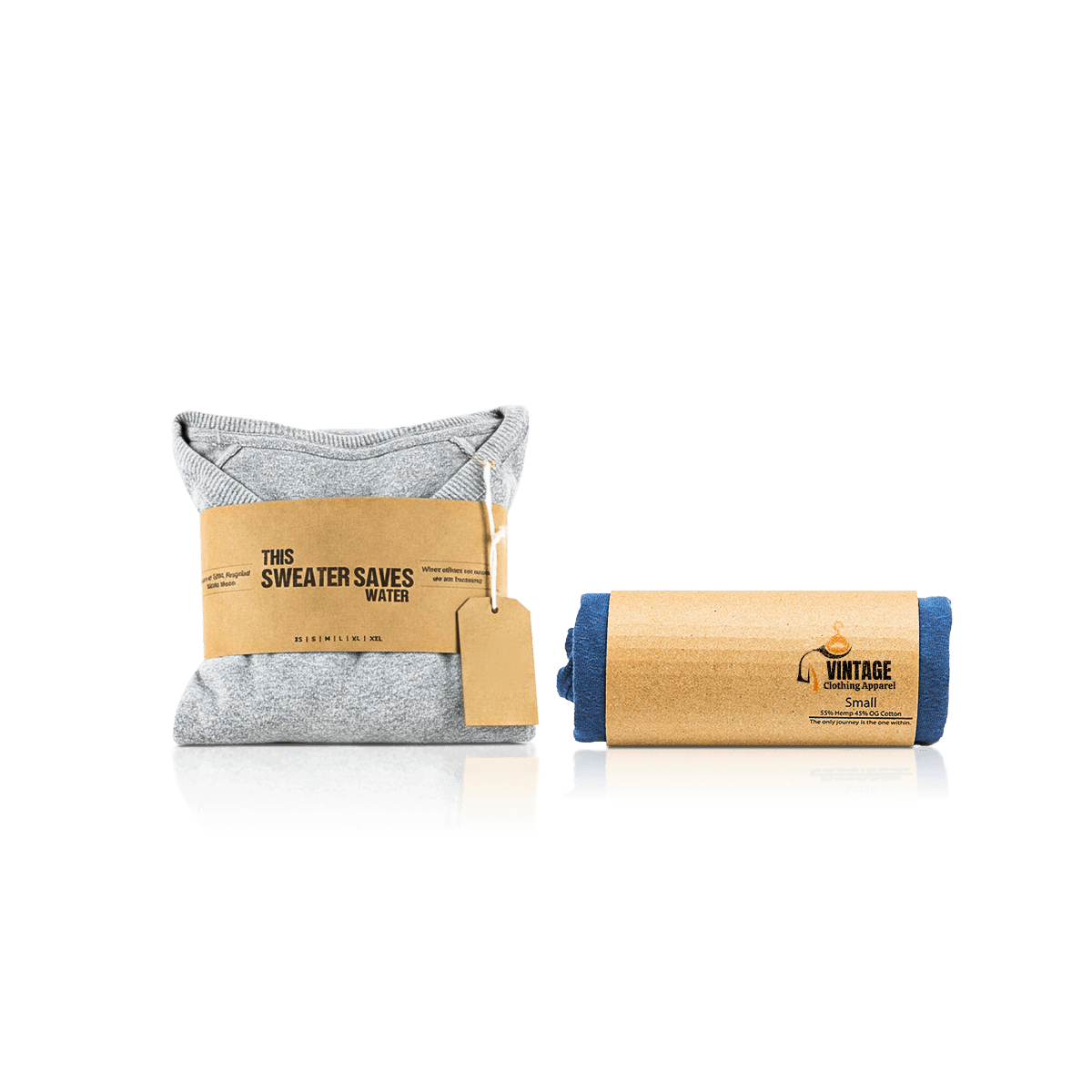
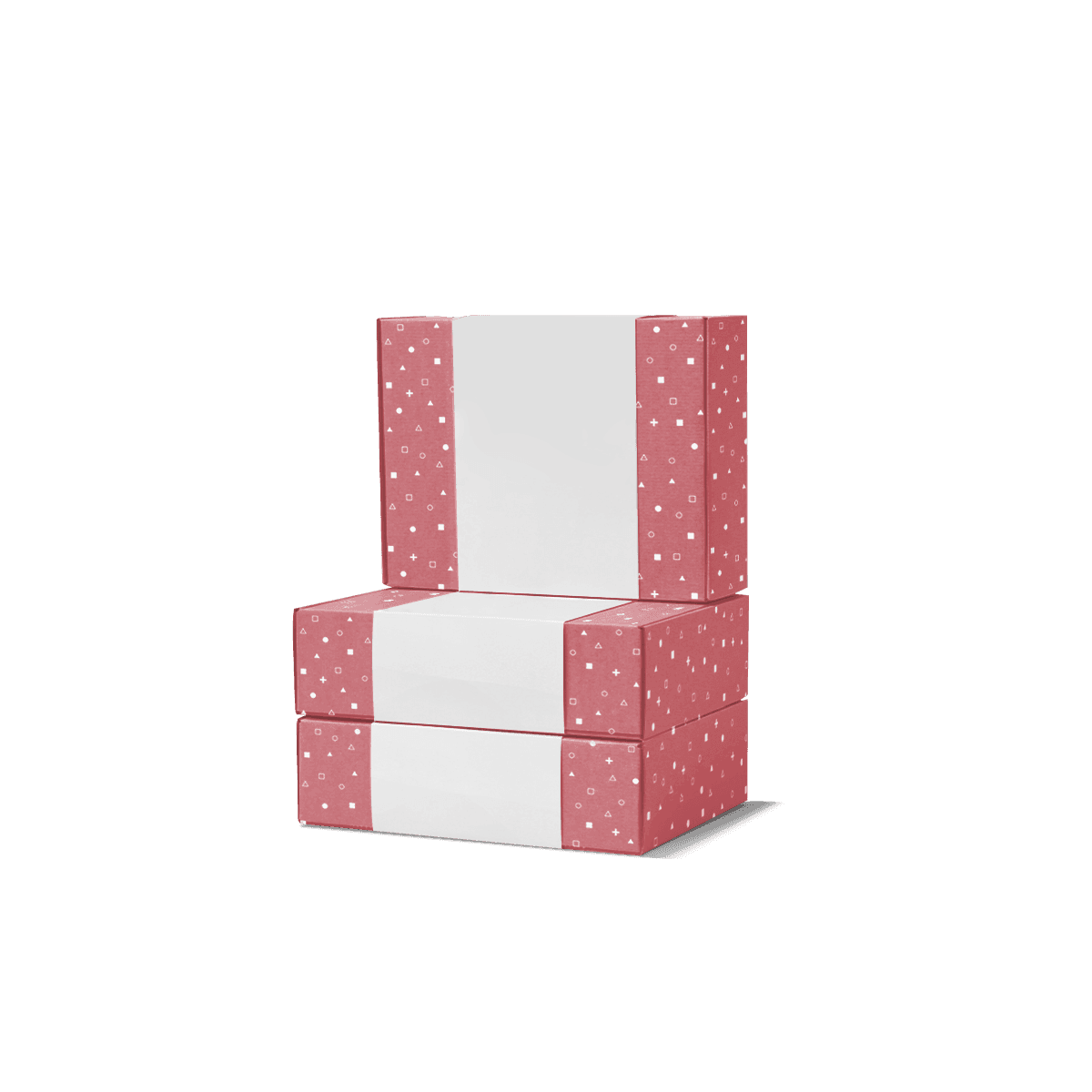
Custom Sleeve and Band Packaging also works well for a single folded garment. It holds the fold while leaving much of the cloth on view.
Use rigid boxes when the gift value is high
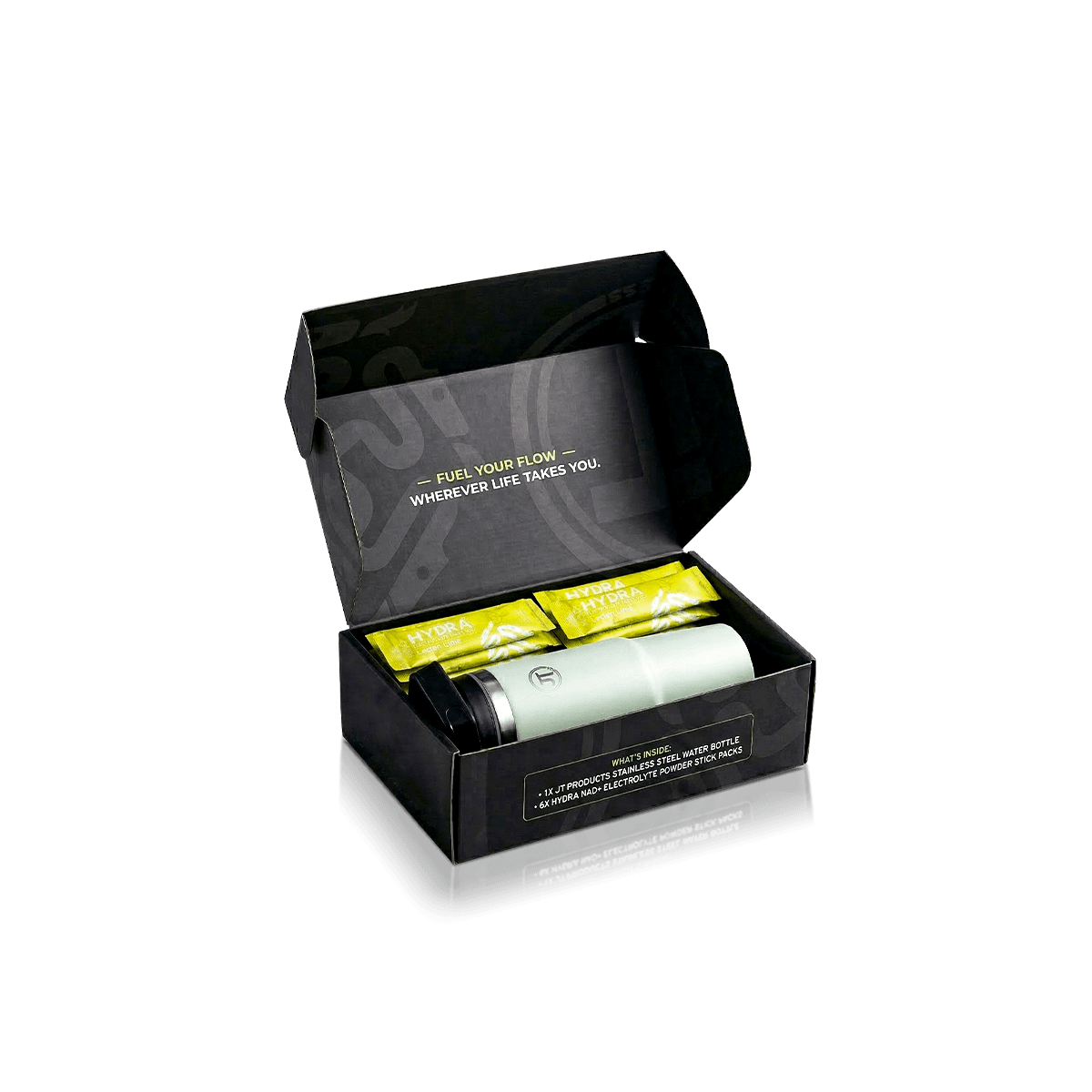
Rigid Custom Activewear Boxes suit founder gifts, member rewards, launch kits and high-value sets. A shallow lid and base often works better than a deep box because soft clothes need little heavy support.
Use rigid board when the opening feel earns its cost. A close mailer is often the better choice for an everyday ecommerce order.
Make Every Size and Colour Easy to Find
Activewear brands often sell many sizes and shades under one design. Custom Activewear Boxes should help staff find the right item without opening the lid. Custom Activewear Boxes with clear end labels also make shelf and stock checks faster.
Put key details on the end panel
Add the size, shade, style name and barcode to the end panel when boxes will be stacked. Use clear type and strong contrast. Do not hide key facts under a flap or over a busy print.
A marked tick box can suit a small hand-filled order. A set label area gives more freedom when many garments share the same printed box.
Keep one clear visual system
The logo and main artwork can stay the same while a colour strip, icon or label changes. This keeps Custom Activewear Boxes linked across the clothing line without a new print design for every size.
Core black leggings and short seasonal colours may share one box. The label can carry the changing details. This can reduce unused printed stock when one shade moves faster than another.
Plan space for garment facts
Leave a clear panel for fibre content, care steps, size, barcode and any required origin text. Add these needs before the artwork is approved.
A planned text panel is easier to read. It also stops retail labels from covering the main brand mark.
Hold the Fold Without Heavy Inserts
Most Custom Activewear Boxes do not need thick inserts. The garments are soft and light. A paper band, tissue wrap or simple divider often gives enough control.
Use bands for single garments
A printed band can hold leggings, shorts or a rolled top. It can also show the size when the outer box is shared across several garments. Custom Activewear Boxes with one shared print can then serve more than one colourway.
For store display, Custom Apparel Sleeves may be enough on their own. A full box makes more sense when the garment is gifted, grouped as a set or sent by post.
Use tissue with restraint
Tissue can keep two garments apart and improve the first view. Use only what the fold needs. Too many layers make the box deeper and add work at the filling table.
Add a divider only when items clash
A light divider may help when Custom Activewear Boxes hold clothing with socks, a band or another small gym item. It should keep items apart without making large empty spaces.
Test the filled box, not just the empty divider. Soft clothes can push a weak divider out of place.
Select Board and Print for the Real Use
The garment count, filled weight and delivery method should lead the material choice. Custom Activewear Boxes for one sports bra do not need the same board as a hoodie set sent by courier.
White board keeps colour clean
White paperboard gives a smooth base for bright print, fine type and soft colour shifts. It suits retail cartons and sleeves where print does much of the brand work.
Kraft gives a simpler look
Kraft board can suit yoga, outdoor training and low-ink branding. Colour looks different on brown stock, so artwork should be checked on the real material.
Corrugated board supports larger sets
Corrugated Custom Activewear Boxes suit several garments, thick tops and direct delivery. The flute and board strength should match the filled weight and box size.
Paper-based and recyclable choices are available where they suit the box and finish. Review coatings, windows and laminations with the board so the final design matches the intended disposal message.
Keep print bold but easy to read
Full-colour offset print can hold fine patterns, gradients and steady brand colours. A one-colour box can also look strong when the logo and type have enough space. Printed Custom Activewear Boxes should work in product photos as well as in the customer’s hands.
Place the main mark away from shipping labels, closure flaps and store stickers. Inside print can carry one short line, but the clothes should remain the focus.
Matte, gloss, foil, embossing and spot UV can add detail. Use them with care. The Customisation options can be planned as one design across board, print, sleeves and finishes.
Size the Box From the Final Fold
Do not size Custom Activewear Boxes from the flat clothing shape. Fold the real garment as it will sit in the order. Then measure its length, width and full relaxed height.
Let the fabric settle first
Do not pull or press the cloth while measuring. Stretch fabric may spring back after the box is closed. Include pads, swing tags and any paper band used in the final order.
For a set, measure the whole stack in the correct order. Add only enough room for smooth filling and easy removal.
Test the largest clothing size
Several sizes may share one box when their folded shape stays close. Test the largest and thickest garment before approving one size for all.
When the largest item lifts the lid, use a second depth. Two well-sized boxes often look better than one large box used for every garment.
Check the print on the dieline
The free Dieline Tool can support early size and artwork work. Final checks should cover folds, safe areas, flaps and label space before print begins.
Plan Boxes Around Core Styles and Short Drops
A clothing line may have steady basics and short colour releases. Custom Activewear Boxes should support both without leaving old boxes when names or shades change.
Keep short-lived details removable
Keep the main box print focused on the brand. Put shade names, sizes and short campaign text on a label, band or outer sleeve where practical.
This lets several colourways share one box. Shared Custom Activewear Boxes also make a small launch easier to manage.
Order by the garment mix
MOQ starts from 50. Custom Packly also supports larger runs and high-volume needs. Box quantities should follow the garment mix, not an even split across every size.
Core leggings may need more boxes than a limited print. A matched set may need fewer boxes but more filling time because each order has several pieces.
Example: a four-colour studio launch
Consider leggings, a sports bra and a cropped top sold as one set in four colours. One mailer size may hold all three pieces. A printed band can show the colour and size mix.
The shared Custom Activewear Boxes keep each delivery consistent. The changing band carries the product detail. A later shade can launch without replacing the main box print.
Send the Details That Shape the Quote
An accurate quote needs the clothes in their final folded state. For Custom Activewear Boxes, provide:
- Folded length, width and relaxed height
- Garment type and items per box
- Largest clothing size using the box
- Filled weight
- Retail, gift or ecommerce use
- Preferred carton, mailer, sleeve or rigid box
- Quantity for each printed design
- Window, divider or band needs
- Print colours and finish ideas
- Barcode or label space
- Artwork status and required date
A photo of the intended fold can also prevent size errors. Custom Activewear Boxes can then be planned around the real stack and delivery need.
Use Get a Quote to send the garment details, quantity and artwork status. We can suggest a box that protects the clothes without extra depth or board.
FAQs
Related Industries
Related Packaging Styles
How it works
Simple steps from idea to delivery
Tell Us Your Specs
Tell Us Your Specs
Provide size, quantity, printing, and finishes.
Get a Fast Quote

Get a Fast Quote
Instant transparent pricing, no hidden fees.
Design and Approval
Design and Approval
Artwork checks, revisions, and final sign-off.
Produce

Produce
Expert manufacturing to meet deadlines.
Ship to Your Door

Ship to Your Door
Hassle-free, flexible delivery options.
Start Your Custom Packaging Quote
Share your product details, dimensions, quantity and artwork needs. We’ll help choose the right packaging style and send a clear quote.