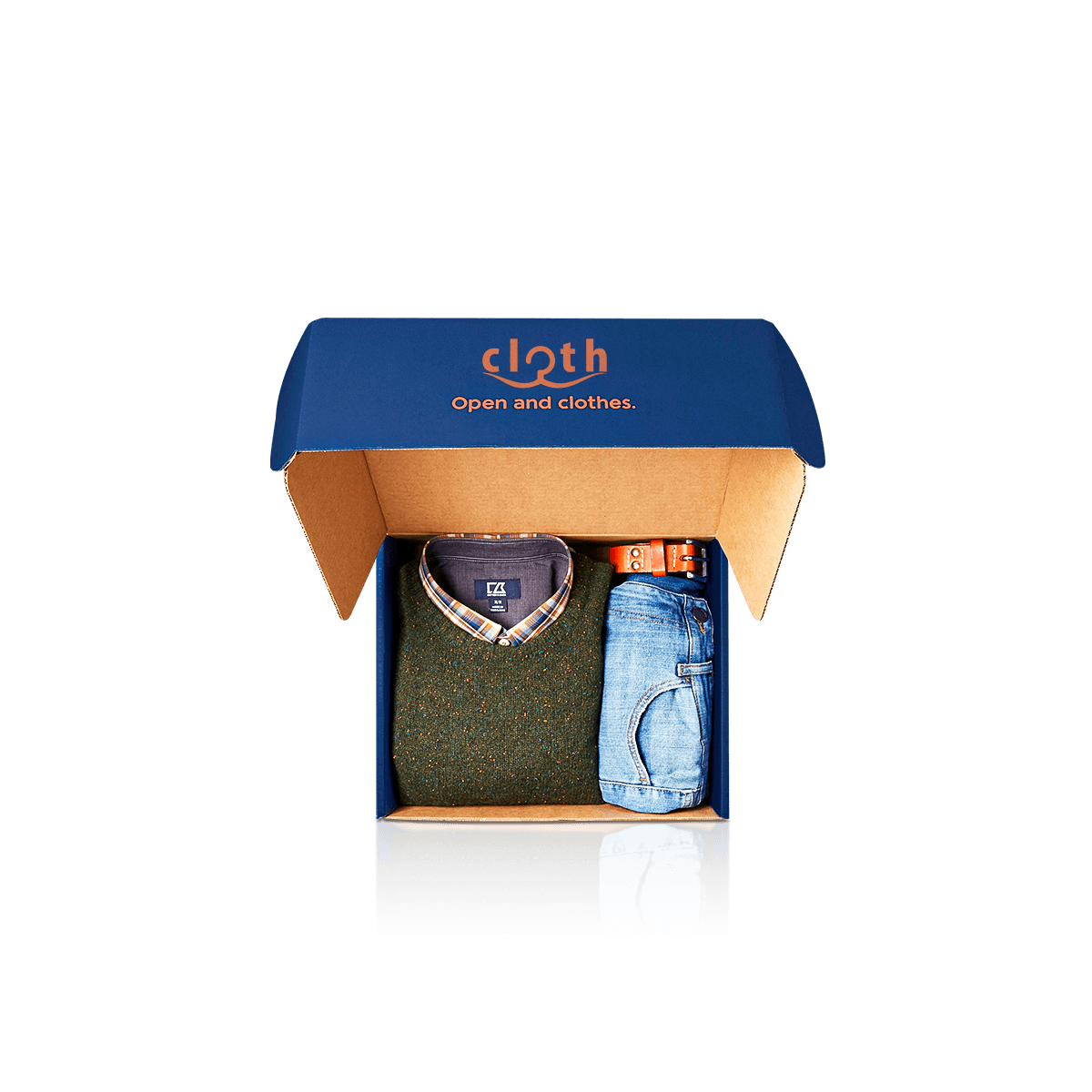
Custom Clothing Boxes
Present folded garments with a clean shape, close fit and clear branding across boutique shelves, gift orders and online delivery.
Free Design Support
Clear Pricing
Flexible Quantities
Unlimited Customization
Premium Materials
Offset Precision
Free Shipping
Quick Turnaround
Clothing Boxes for Folded Garments, Store Display and Delivery
Custom Clothing Boxes should protect the finished fold, keep garments presentable and make size or colour details easy to find. The best box starts with the item as it will be placed inside, including tissue, tags, collar cards or a paper band.
A box for a cotton tee can stay slim. Heavy knitwear needs more depth. A shirt with a formed collar needs room at the front. A mixed gift set may need a deeper base so the top item does not press against the lid.
Custom Packly plans Custom Clothing Boxes for boutiques, fashion labels, uniform suppliers, event merchandise and online clothing stores. The wider Custom Retail and Apparel Packaging collection can carry the same visual system across garment boxes, bags and sleeves without forcing every item into one shape.
Size the Box Around the Finished Fold
The folded garment, not the clothing size on its label, should set the internal dimensions. A medium tee and a medium fleece can differ greatly once folded.
Measure after folding and wrapping
Fold the garment in the same way your team will prepare it for customers. Add tissue, a card, swing tags and any inner wrap before measuring length, width and depth.
Soft garments compress, but the box should not rely on heavy pressure to close. A lid that pushes down on knitwear can leave marks or make the box bow. A loose box can let the garment unfold and slide to one side.
Custom Clothing Boxes should leave enough working room for quick placement while holding the finished fold in a neat shape. A few millimetres can matter when the box is shallow or the board is firm.
Allow for fabric thickness
Light cotton, silk and swimwear take little depth. Denim, hoodies, fleece and layered sets need more space. Thick seams, buttons and hardware can also create high points inside the box.
Measure several real items, not one ideal sample. This helps avoid a box that only works for the thinnest colour or fabric in the collection.
Check the lid before approving dimensions
A lift-off lid needs enough overlap to stay in place without gripping the base too tightly. A hinged lid needs a clean closing path. A tuck flap needs room to move past the garment and tissue.
Once the internal size is settled, the Dieline Tool can support artwork setup and panel placement. The finished dimensions should still be checked against the actual folded garment before production.
Choose a Structure That Matches the Garment
Custom Clothing Boxes can use folding board, corrugated board or rigid board. The right choice depends on garment weight, product value, store handling and whether the box will travel through a courier network.
Folding cartons for lighter clothing
Custom Folding Cartons and Tuck Boxes suit shirts, tees, scarves, underwear and other light garments. They arrive flat, use less storage space and can give a smooth face for detailed print.
A straight tuck or lid-style carton can work well for shallow clothing boxes. Larger panels may need thicker paperboard so the lid does not dip or flex.
Two-piece boxes for presentation and gifting
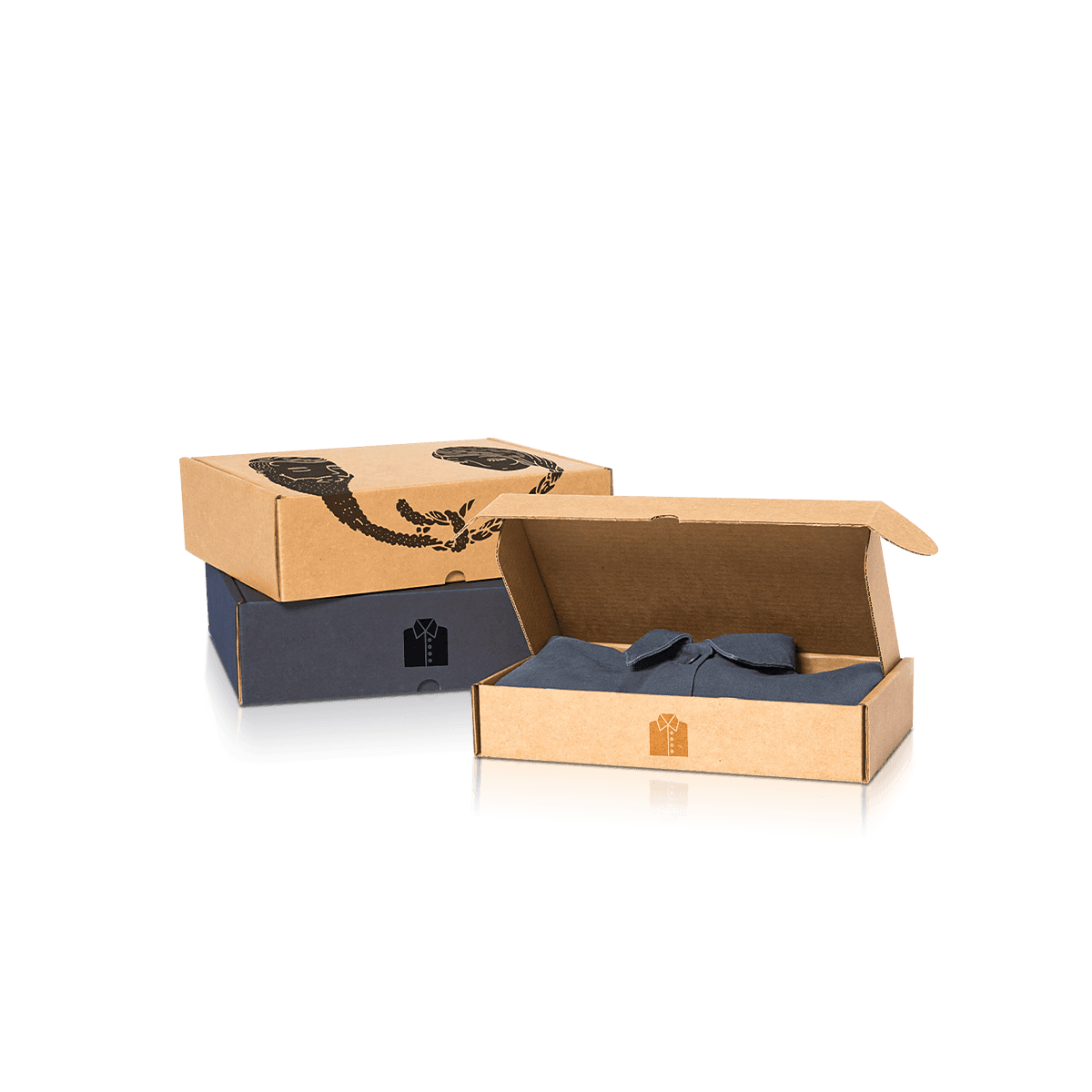
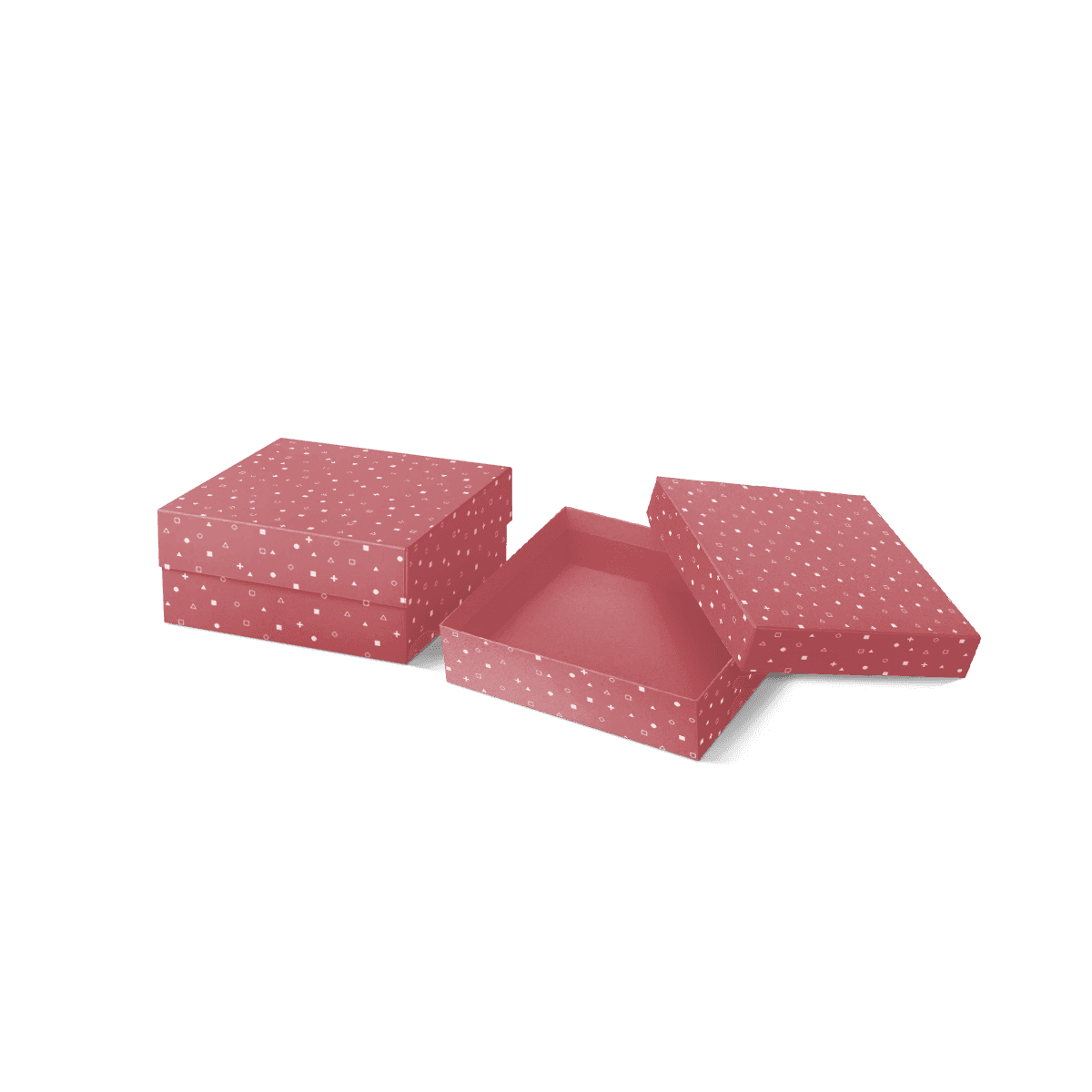
A separate lid and base creates a simple reveal and gives staff clear access to the garment. This style suits dress shirts, knitwear, baby clothing sets, uniforms and gift purchases.
The lid depth affects how firm the box feels. A very short lid can lift too easily. A deep lid feels secure but may be slower to open at the counter. Custom Clothing Boxes should balance presentation with daily store use.
Rigid boxes for premium clothing sets
Custom Rigid Boxes suit limited releases, formalwear, luxury knitwear and high-value gift sets. They hold their shape well and may be kept for storage after purchase.
Rigid board also uses more stockroom space than a flat folding carton. It works best when the garment price and gifting role support the extra material and handling.
Mailer boxes for online clothing orders
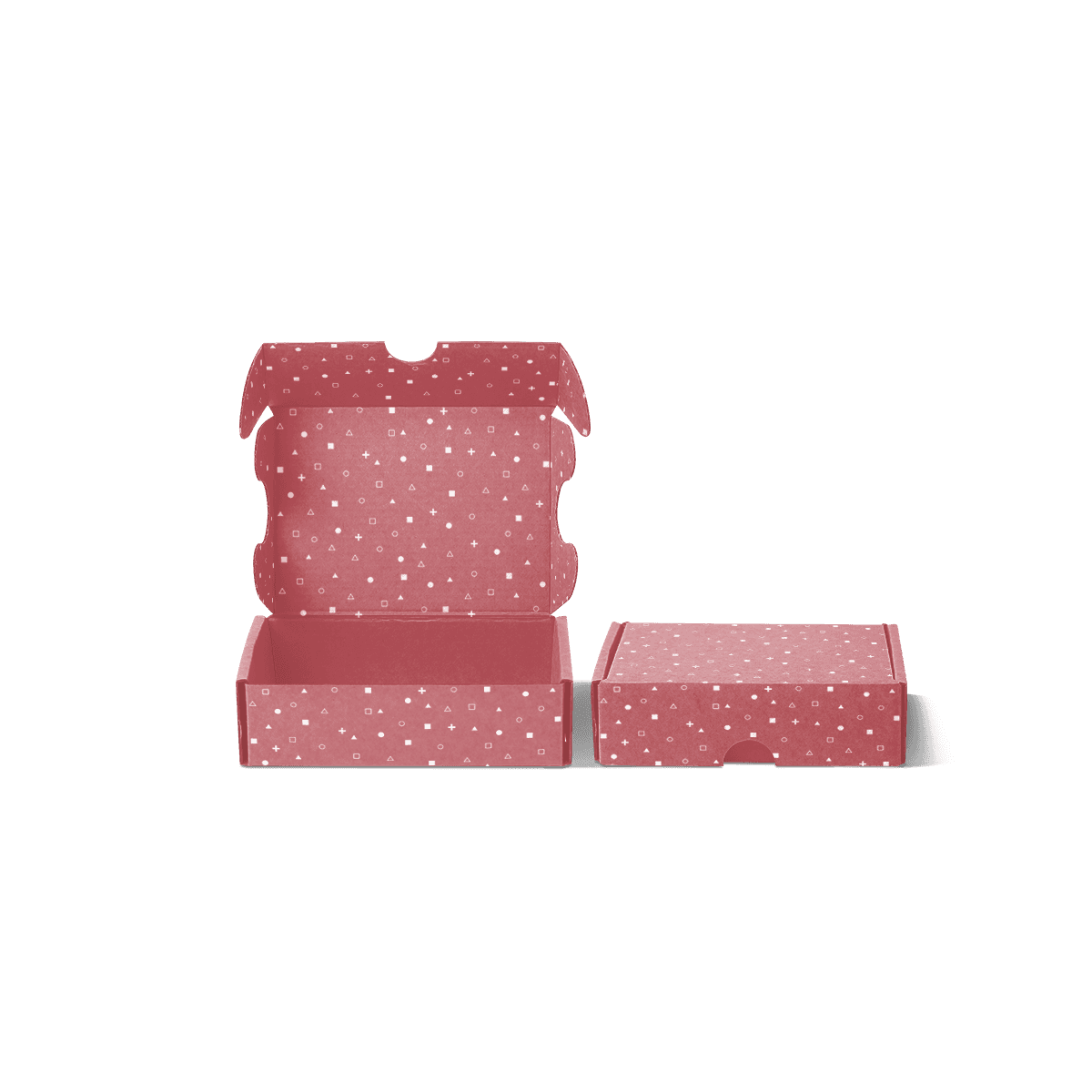
Custom Mailer Boxes add corrugated strength for delivery. They can hold a folded garment, tissue and printed card in one structure.
A retail clothing box can also sit inside a plain outer shipper when the inner box must arrive without labels or scuffs. The choice depends on garment value, box finish and the condition expected at unboxing.
Keep the Fold Neat Inside the Box
Most soft garments do not need a heavy insert. They need controlled space, clean tissue and a simple way to stop the fold from spreading.
Use tissue without overfilling
Tissue can soften the presentation and help separate printed surfaces from the fabric. Too much tissue adds depth and can make the lid rise. It can also hide the garment rather than frame it.
Test the full arrangement with the thickest item planned for that box. The customer should be able to lift the garment without pulling apart a complex layer of paper.
Add a paper band for a stable fold
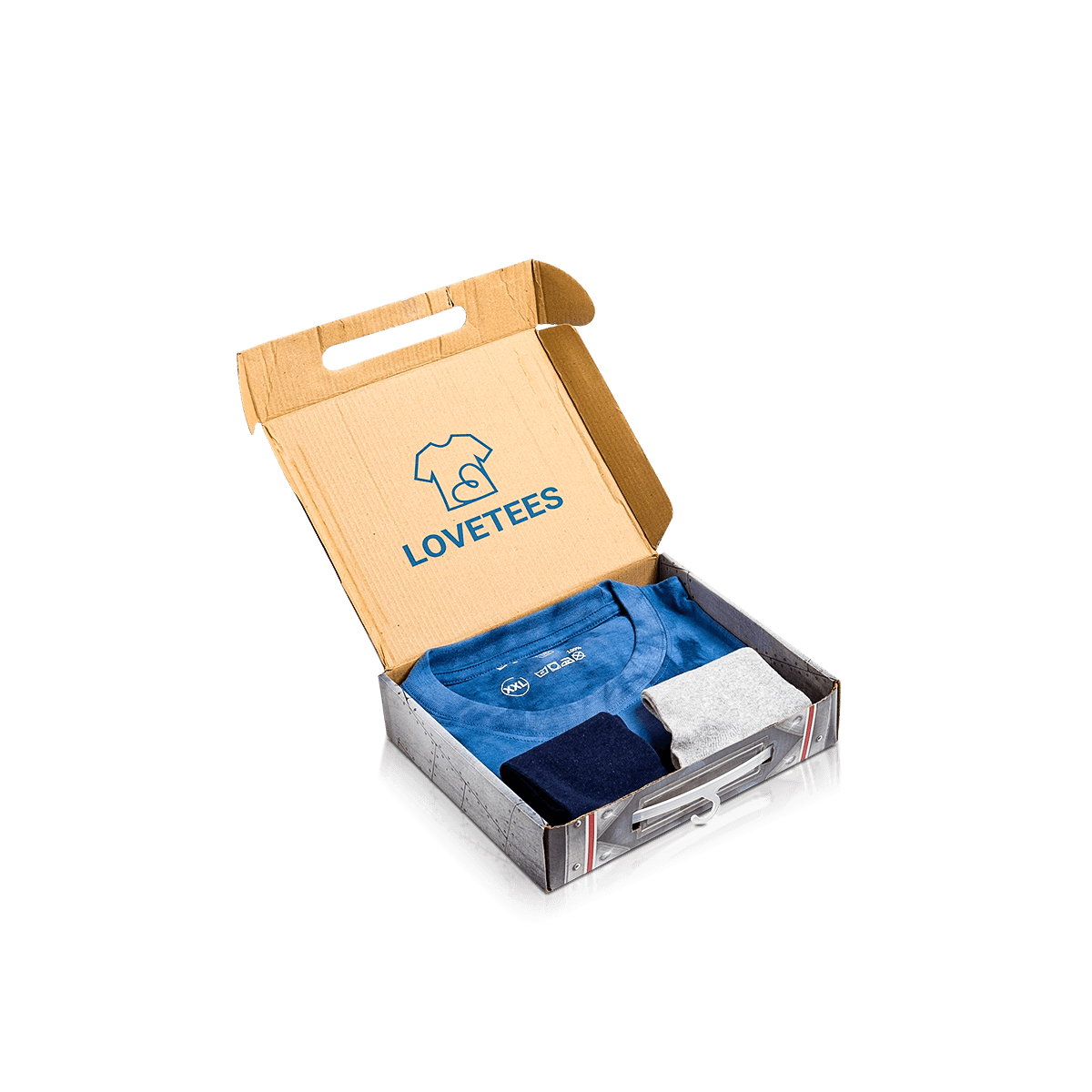
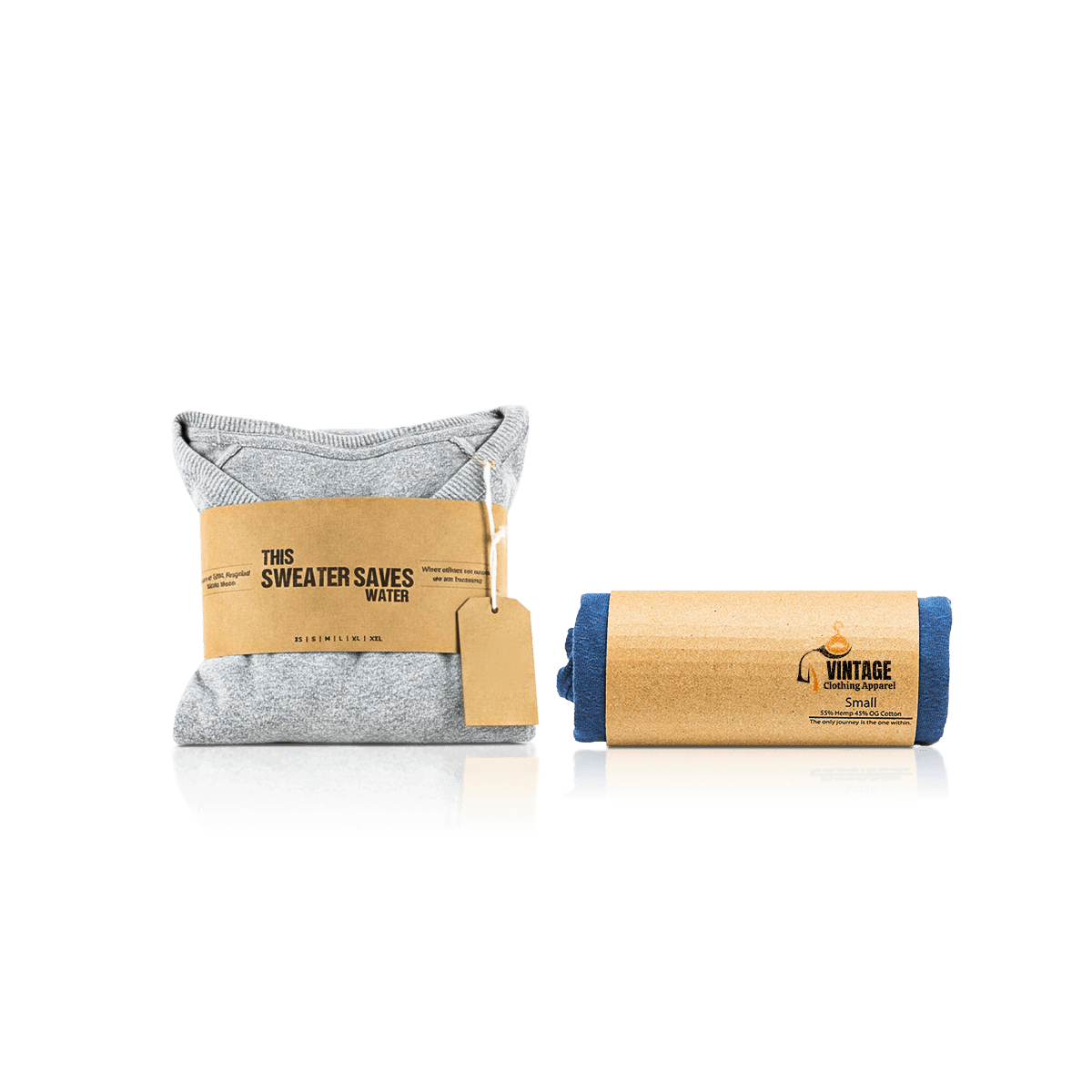
A printed or plain paper band can hold tees, shirts, socks or small sets together. It may reduce movement while leaving the garment visible when the lid opens.
The band should not be so tight that it marks the fabric. It also needs enough overlap to stay closed during handling.
Reserve inserts for sets and accessories
An insert may help when Custom Clothing Boxes hold a garment with a belt, tie, pin, voucher or small accessory. It can separate the extra item and stop it dropping beneath the clothing.
Avoid an insert when tissue or a paper band can do the same job. Fewer parts can make filling faster and reduce the need to separate materials after use.
Use dry, clean garments only
Paper-based clothing boxes are not a barrier for damp goods. Swimwear and activewear should be fully dry and clean before they are placed inside. A suitable inner wrap may be needed when the product or handling process creates a real moisture risk.
Make Print Useful on the Shelf and in the Stockroom
The front panel carries the brand. The short end often does more practical work. Plan both before the artwork is approved.
Place size and colour details on the visible end
Store teams may stack Custom Clothing Boxes with only one end showing. Keep garment size, shade, style code and barcode in a set area that remains easy to scan.
This is especially useful when one box design covers several garment colours. A clear label zone avoids placing stickers over the logo or finish.
Keep the lid artwork centred after assembly
Large flat lids show small alignment errors. Check where the logo sits after the lid is folded or wrapped, not only on the flat artwork file.
Fine borders near a cut or fold can look uneven if normal production movement becomes visible. A simpler edge treatment is often safer for wide clothing boxes.
Use inside print with a clear purpose
A short message, care note or brand story can sit under the lid. Inside print works best when it adds to the reveal without competing with the garment.
Custom Clothing Boxes do not need every panel covered. White space can make the item look more considered and keep key information easy to read.
Choose finishes around handling
Matt and gloss coatings change the look and help protect print. Foil, embossing, debossing or spot gloss can focus attention on a mark or name.
Dark soft-touch surfaces can look refined but may show fingerprints during store handling. A finish should suit the way staff stack, open and present the box, not only the artwork preview.
Material, print and finish choices can be planned through Customisation before the design is finalised.
Control the Number of Clothing Box Sizes
A useful size set reduces wasted space without making stock hard to manage. Group garments by finished fold and depth rather than by every labelled clothing size.
Share one size across close garment groups
Several tees may use one clothing box if the fold stays consistent. Shirts may share another size when collar depth and tissue are similar. Heavy knitwear may need a deeper box even when its folded length matches a tee.
Custom T-Shirt Boxes can suit a more focused tee collection where shallow depth, quick folding and repeat colour releases need their own plan.
Separate single items from gift sets
A box sized for one shirt will often feel cramped when a second item or accessory is added. Plan a separate gift-set depth rather than forcing the lid over a bundle.
This also keeps the standard box efficient for everyday orders. Custom Clothing Boxes should not carry spare space all year just to cover a small seasonal set.
Test the slowest item to fill
A box may look right but still be awkward at the packing table. Test the garment with tags, tissue and any paper band. Check how long it takes to place, close and label.
A small change to depth or lid fit can make repeated filling much easier.
Prepare for Launches and Repeat Clothing Orders
Fashion demand can rise around a new drop, gifting season, event or uniform issue date. The box plan should match how often the garment changes and how much storage space is available.
MOQ starts from 50, with support for larger production runs, repeat orders and high-volume clothing programs. A smaller run may suit a first release or event. Core garments may need a larger quantity and a steady reorder plan.
Keep one approved record for each box size. It should include internal dimensions, board choice, print colours, finish, label zone and artwork version. A change to tissue, fold style or garment fabric can affect the fit even when the outer design stays the same.
Flat cartons are easier to store than set-up rigid boxes. Deep lids and large square boxes need more shelf space. Order quantity should reflect the expected use rate, next launch and room available for clean, dry storage.
Custom Clothing Boxes can share a common layout across sizes. Keep the logo scale and label position consistent, then adjust the artwork carefully to each dieline instead of stretching one file.
Send the Right Details for an Accurate Quote
A clear quote starts with the garment in its finished presentation. Send:
- garment type and fabric weight
- folded length, width and depth
- tissue, card, band or accessory details
- preferred box style
- each required size and quantity
- store, gift or online delivery use
- print area and brand colours
- finish ideas
- artwork status
- required date
Photos of the folded garment or an existing box can help narrow the first recommendation. Final dimensions should be confirmed with the real item and all inner parts in place.
Use Get a Quote to send the garment details, quantities and artwork status. Custom Packly can then price Custom Clothing Boxes around the actual fold, presentation and delivery needs rather than a general clothing size.
FAQs
Related Industries
Related Packaging Styles
How it works
Simple steps from idea to delivery
Tell Us Your Specs
Tell Us Your Specs
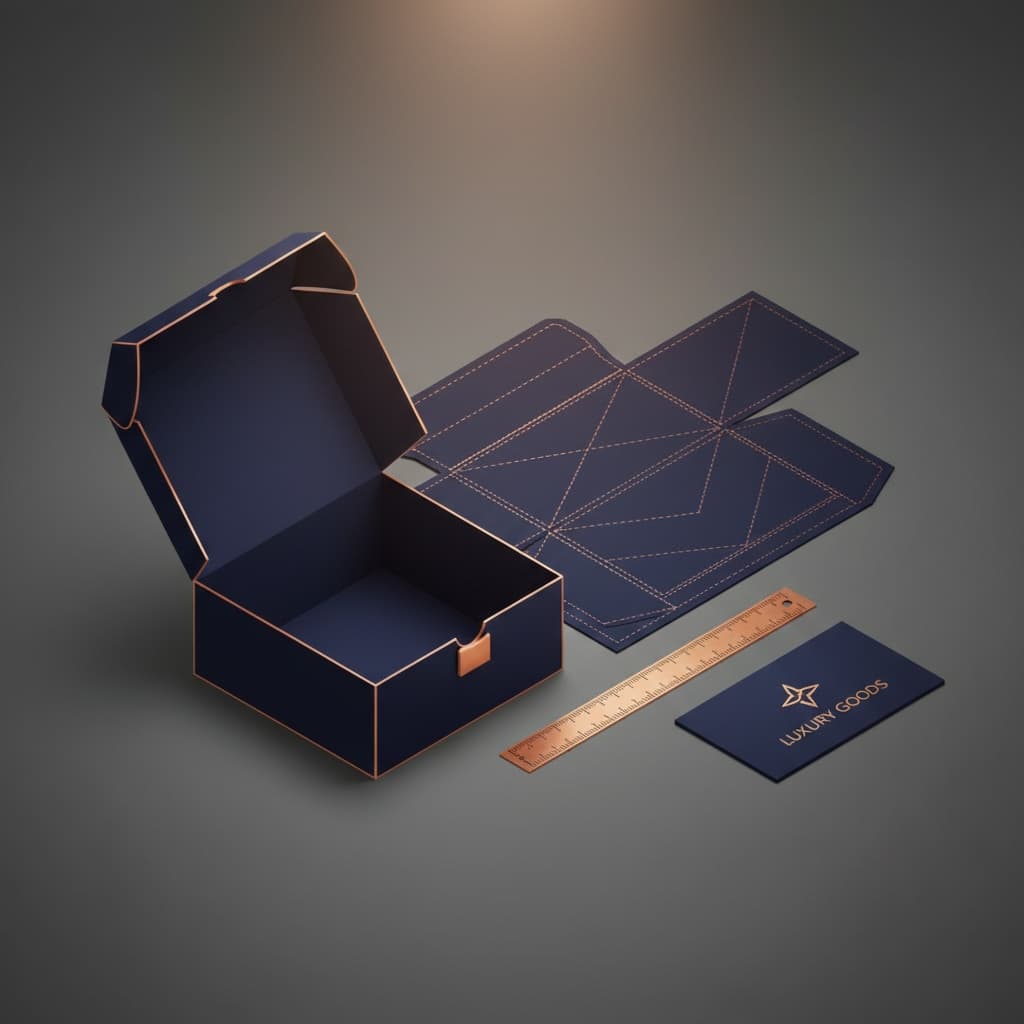
Provide size, quantity, printing, and finishes.
Get a Fast Quote

Get a Fast Quote
Instant transparent pricing, no hidden fees.
Design and Approval

Design and Approval
Artwork checks, revisions, and final sign-off.
Produce

Produce
Expert manufacturing to meet deadlines.
Ship to Your Door

Ship to Your Door
Hassle-free, flexible delivery options.
Start Your Custom Packaging Quote
Share your product details, dimensions, quantity and artwork needs. We’ll help choose the right packaging style and send a clear quote.