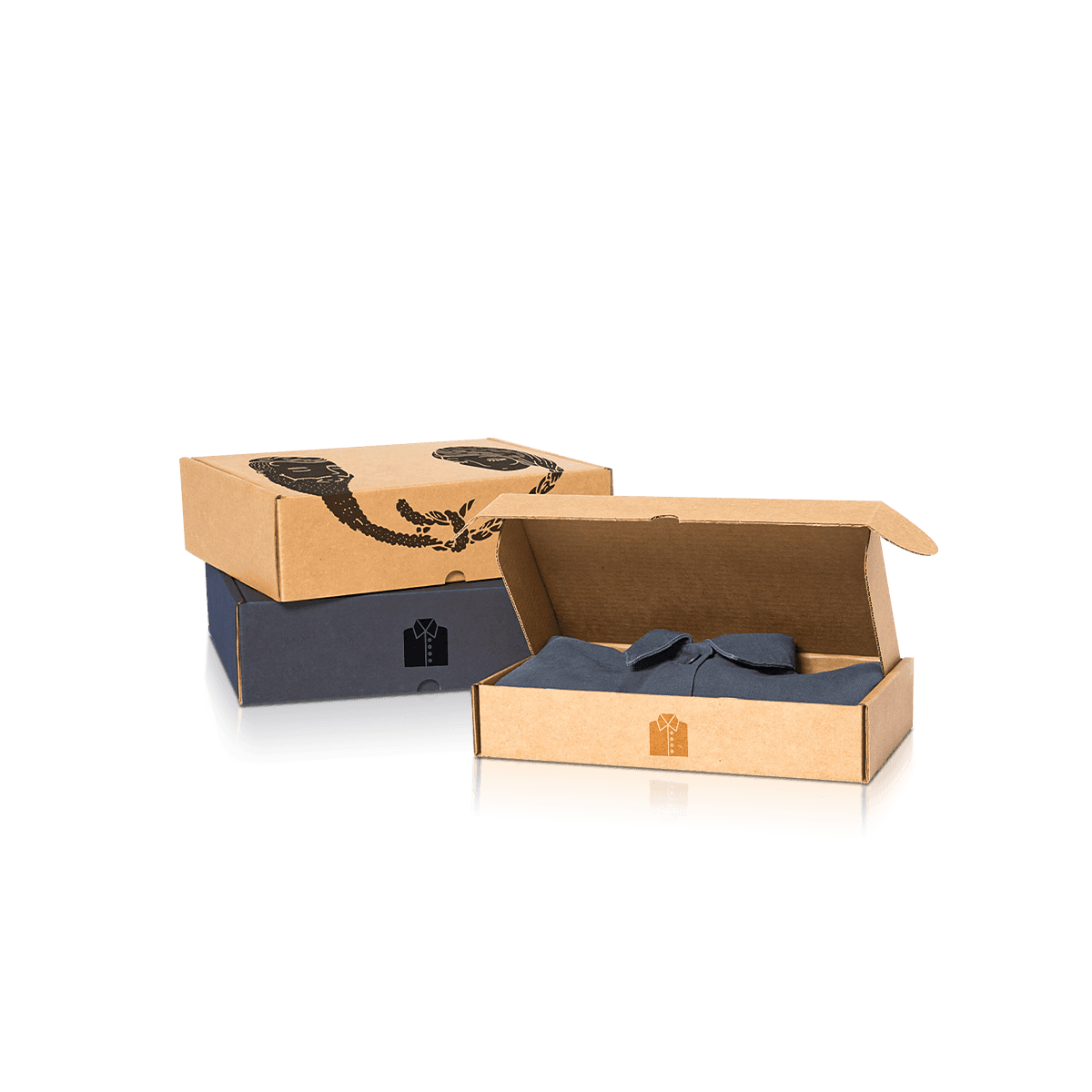
Custom Shirt Boxes
Keep collars upright, cuffs aligned and folded shirts presentation-ready with boxes planned for retail gifting, uniform orders and careful delivery.
Free Design Support
Clear Pricing
Flexible Quantities
Unlimited Customization
Premium Materials
Offset Precision
Free Shipping
Quick Turnaround
Shirt Packaging That Protects the Collar and Front Fold
Custom Shirt Boxes need to hold more than a folded piece of fabric. They must protect the collar shape, keep the front placket straight and present the cuffs without pressing them into the shirt.
The box depth should follow the finished fold after tissue, tags, collar supports and any fold board are in place. A shallow box can flatten the collar or leave an outline across the fabric. Too much depth allows the shirt to move, lose its fold and reach the customer with visible creases.
Custom Packly supports fashion labels, menswear stores, uniform suppliers and corporate clothing teams with shirt packaging for shelf presentation, gifting and delivery. The same branding can continue across boxes, sleeves and store bags through Custom Retail and Apparel Packaging.
The collar sets the box depth
A formed dress-shirt collar usually creates the highest point inside the box. Measure from the base of the folded shirt to the top of the collar support rather than using the fabric stack alone.
Spread collars, cutaway collars and button-down collars can sit at different heights. A shirt with collar stays may also need more clearance than a soft casual shirt.
Custom Shirt Boxes should close without the lid touching the collar. However, the space above it should remain small enough to stop the shirt from lifting and shifting during handling.
Cuffs and plackets need a flat surface
The shirt should sit with its front panel facing the main opening. Buttoned cuffs can be placed evenly near the centre or folded behind the shirt, depending on the presentation.
Check that buttons, cufflinks or thick seams do not create pressure points. A firm fold board can support the shirt from beneath and stop the centre from dipping into a wide base.
Formal and casual shirts need different treatment
Formal shirts often use a structured fold, tissue and collar support. Linen, overshirts and relaxed casual styles may use a softer fold with fewer inner parts.
Do not force both into one depth without testing. Custom Shirt Boxes can share the same outer artwork while using more than one internal size for different shirt styles.
Custom T-Shirt Boxes are usually shallower because tees do not need the same collar clearance or formal front presentation.
Choose an Opening That Frames the Shirt
The opening style changes how the shirt is placed, shown and removed. It also affects store storage, filling time and the customer’s first view.
Lift-off lids for classic presentation
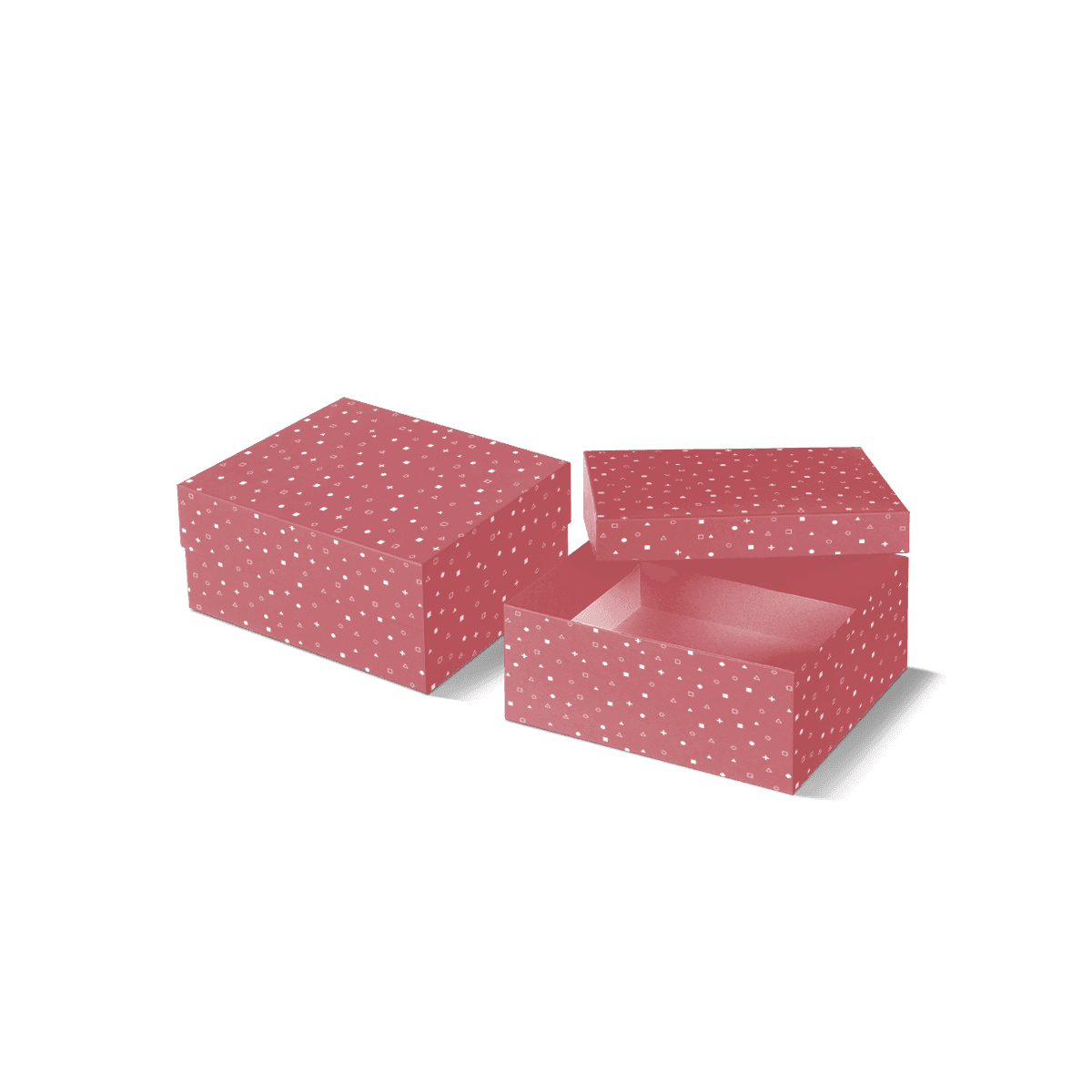
A two-piece lid and base gives the full shirt a clean reveal. It suits formal shirts, premium uniforms, wedding garments and gift purchases.
The lid should overlap enough to stay secure without gripping the base. A very tight lid can pull tissue out of place or force staff to shake the box open. A loose lid may lift during handling.
Shallow lids give fast access at a retail counter. Deeper lids feel more secure and can suit gift orders, though they take slightly longer to remove.
Sleeve and tray boxes for a staged reveal
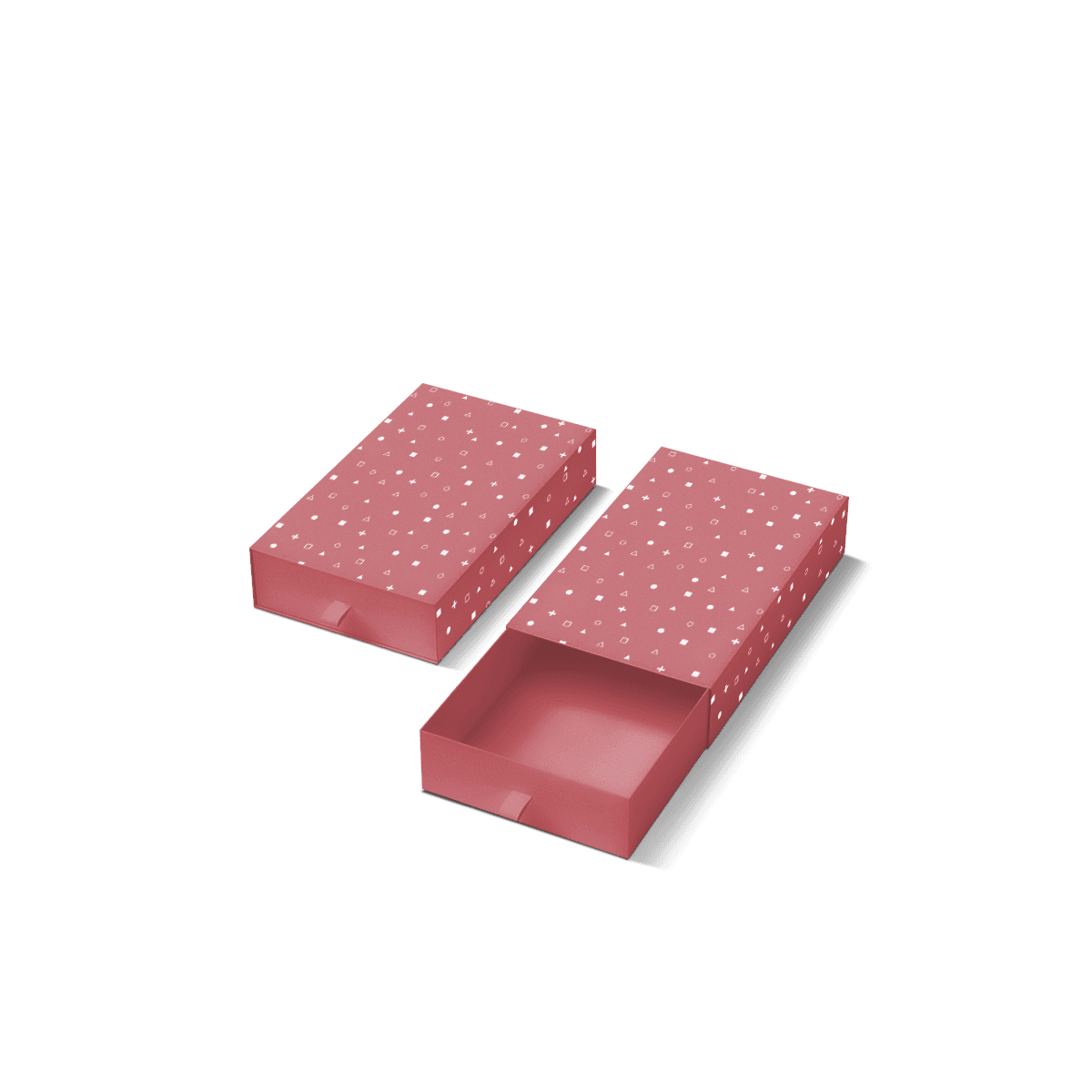
A sliding tray can make Custom Shirt Boxes feel more considered without covering the shirt with several layers. The tray may include a ribbon tab or thumb cut for easier opening.
Custom Sleeve and Band Packaging can also add branding around a plain shirt box or folded garment. A sleeve works well for seasonal artwork, corporate branding or limited collections when the main inner box stays the same.
Sleeve tension must be checked with the finished box. A tight sleeve can scrape the print or bow the side panels. A loose sleeve may slide off when the box is carried.
Folding cartons for efficient storage
Custom Folding Cartons and Tuck Boxes arrive flat and use less stockroom space than set-up gift boxes. They can suit lightweight shirts, large store orders and businesses that fill boxes as needed.
A wide shirt carton needs the right board thickness. Thin board can dip across the lid even when the shirt itself is light. Side-wall depth and closing flap length also affect how firm the finished box feels.
Rigid boxes for high-value shirt sets
Rigid board can suit designer shirts, formal gift sets and shirts presented with a tie, belt or accessory. The firm structure keeps its shape and may be retained for storage.
However, rigid Custom Shirt Boxes take more room before use. Choose them when the garment value, gift purpose and desired experience support the extra structure.
Hold the Shirt Neat Without Too Many Parts
Most shirts need light internal control rather than a complex insert. The goal is to support the collar and fold while making the garment easy to remove.
Use a fold board for a straight shape
A paperboard insert behind the shirt helps keep the front panel flat. It can also set a repeatable fold width for staff preparing many orders.
The board should stop below the collar so it does not push the neck area forward. Rounded corners reduce the risk of catching fine fabric during removal.
A printed fold board can carry care details or a short brand message. Plain board is often enough when it will remain hidden behind the garment.
Support the collar only where needed
Collar supports can use folded paperboard or another suitable paper-based shape. They should hold the collar upright without stretching the neck opening.
Test the support across every collar style intended for the box. A shape that works for one formal shirt may distort a softer or wider collar.
Plastic collar forms and pins add separate parts. Use them only when the desired presentation needs them and plan how the customer will remove or dispose of each component.
Keep tissue controlled
Tissue can line the base, wrap the shirt or sit beneath the lid. One or two well-placed sheets usually create a cleaner result than several loose layers.
Excess tissue can raise the lid, hide the shirt and slow filling. It can also bunch beneath the collar and alter the internal depth.
Use bands for casual shirts and sets
A paper band may hold a soft shirt or folded casual item in shape. It can also group a shirt with a tie, pocket square or printed card.
The band must be loose enough to avoid marking the fabric. Test the overlap and adhesive position so it opens without pulling threads or leaving residue near the garment.
Make Size and Fit Easy to Read in Store
Shirt packaging has two audiences. The main face presents the brand while the end panel helps store teams find the right item quickly.
Reserve one end for shirt details
Place neck size, sleeve length, fit, colour and barcode on the short end when Custom Shirt Boxes will be stacked.
Keep the information in the same position across all box sizes. Staff can then identify slim, regular and relaxed fits without opening each lid.
A clean label zone also prevents shop stickers from covering foil, logos or key artwork.
Keep the front panel simple
The lid may carry the brand name, garment collection or one clear design element. Shirt boxes are often wide and flat, so artwork alignment becomes easy to judge.
Avoid fine borders too close to cut or fold lines. Normal production movement can make a narrow frame look uneven across a large lid.
Plan windows around the fold
A clear window can show fabric colour, pattern or texture without opening the box. Position it over the shirt body rather than the collar support, loose tissue or size label.
A very large cut-out can reduce lid strength. It may also expose more of the garment to light and dust during store display.
The window shape, film choice and adhesive area should be set before the artwork is final. Mixed materials may also need to be separated after use.
Print and Finish for Frequent Handling
Custom Shirt Boxes may be opened, restacked and carried many times before purchase. The print surface should suit this handling rather than only looking good in a digital preview.
Match the print to the artwork
Offset printing suits detailed logos, fine type and consistent brand colours across larger runs. CMYK can reproduce photos and multi-colour art. A Pantone reference may help when one key colour needs close control.
Inside print can add a care message, origin story or simple thank-you beneath the lid. Keep it short so the shirt remains the focus.
Use finish with restraint
Matt and gloss coatings can change the feel and help protect printed surfaces. Foil, embossing, debossing or spot gloss can draw attention to a logo or garment name.
One focused finish often looks more refined than several effects on the same lid. Dark matt surfaces can show fingerprints, which matters when staff handle display boxes throughout the day.
Custom Packly can help align board, print and finishing choices through Customisation. For most standard Custom Shirt Boxes, a 3D mockup is usually enough for approval. A physical sample becomes more useful when the design includes a tight sleeve, unusual collar support, large window or complex rigid structure.
Protect the Retail Box During Delivery
A shirt is not fragile, but pressure and movement can damage its presentation. The finished retail box may also need protection from courier labels, rubbing and damp conditions.
Decide whether the shirt box is the outer box
A corrugated shirt box can serve as the delivery container when it has enough strength and the printed surface is designed for transit.
A refined gift box may need a plain outer shipper. This keeps tape, labels and handling marks away from the box the customer sees first.
Custom Shirt Boxes sent inside an outer carton should not have large gaps around them. Excess space allows movement and can crush corners when other parcels press against the outer walls.
Stop the shirt from lifting inside
The box depth should remain close to the finished collar height. Tissue, a fold board or a light paper band can reduce movement without compressing the shirt.
Avoid heavy void fill directly on top of a structured collar. Pressure from above can flatten the collar even when the outer carton remains intact.
Keep paper packaging dry
Paperboard and corrugated board can lose strength when exposed to moisture. Shirts should be clean and fully dry before boxing.
An inner wrap may be appropriate when the fulfilment process or delivery conditions create a real moisture risk. Choose it for a defined need rather than adding unnecessary layers to every order.
Plan Sizes Around Shirt Cut and Fold
The shirt label does not give enough information to size the box. Two shirts with the same neck size may use different fabric weights, collar heights and folding methods.
Group shirts by presentation
Formal business shirts may share one box size when the fold and collar support stay consistent. Linen shirts may need more depth due to fabric volume. Overshirts may need a larger base and stronger lid.
Children’s shirts, women’s shirts and plus-size garments may need separate footprints even when the outer branding remains the same.
Create the smallest practical set of sizes. Too many boxes increase stock work. Too few can cause loose fits or compressed garments.
Test the full size mix
Prepare the thinnest and thickest shirt intended for each box. Add all inner parts before checking the fit.
The lid should close naturally. The side walls should remain straight. The shirt should lift out without catching on tabs, window edges or collar supports.
Keep the folding method consistent
A change in fold width can make an approved box feel too large or too narrow. Give store and fulfilment teams a simple folding reference.
The fold board itself can act as a size template. This helps Custom Shirt Boxes look consistent across different staff members, locations and repeat orders.
Order Around Uniform Dates and Seasonal Collections
Shirt demand often follows store launches, corporate uniform dates, school terms, hospitality openings, weddings and gifting periods. Production quantities should match those dates and the available storage space.
MOQ starts from 50. Custom Packly also supports larger production runs, repeat orders and high-volume shirt programs. A smaller run may suit a limited design or new label. Larger quantities can support core formal shirts, staff uniforms or packaging used throughout the year.
Local production supports a standard 4 to 6 day turnaround after final approval, subject to the exact structure and finishing requirements. Plan extra time when Custom Shirt Boxes include an unusual insert, rigid construction or detailed hand finishing.
Keep an approved record for every size. Include the internal dimensions, board, artwork, print references, finish, collar support and label location. A new fabric, collar shape or folding method should trigger a fit check before the next order.
Flat folding cartons use less storage space. Set-up gift boxes and rigid boxes need more room. The best order quantity should balance unit use, launch dates and clean, dry storage.
Quote Details That Prevent a Poor Shirt Fit
A useful quote begins with the shirt as it will appear when the customer opens the box. Share:
- shirt type, fabric and approximate weight
- finished folded length, width and depth
- collar style and final collar height
- neck and sleeve sizes included
- tissue, fold board or collar support details
- box opening style
- retail, gifting or courier use
- each box size and required quantity
- outside, inside or double-sided print
- window, ribbon or finish requirements
- artwork status and required date
Photos of the finished fold can help explain the desired presentation. An existing box may also provide a useful starting point, though the final internal size should be checked against the actual shirt.
Request a custom packaging quote with the shirt dimensions, quantity and presentation details. Custom Packly can then price the right structure without adding depth, inserts or finishes that do not improve the result.
FAQs
Related Industries

Related Packaging Styles
How it works
Simple steps from idea to delivery
Tell Us Your Specs
Tell Us Your Specs
Provide size, quantity, printing, and finishes.
Get a Fast Quote

Get a Fast Quote
Instant transparent pricing, no hidden fees.
Design and Approval

Design and Approval
Artwork checks, revisions, and final sign-off.
Produce

Produce
Expert manufacturing to meet deadlines.
Ship to Your Door

Ship to Your Door
Hassle-free, flexible delivery options.
Start Your Custom Packaging Quote
Share your product details, dimensions, quantity and artwork needs. We’ll help choose the right packaging style and send a clear quote.