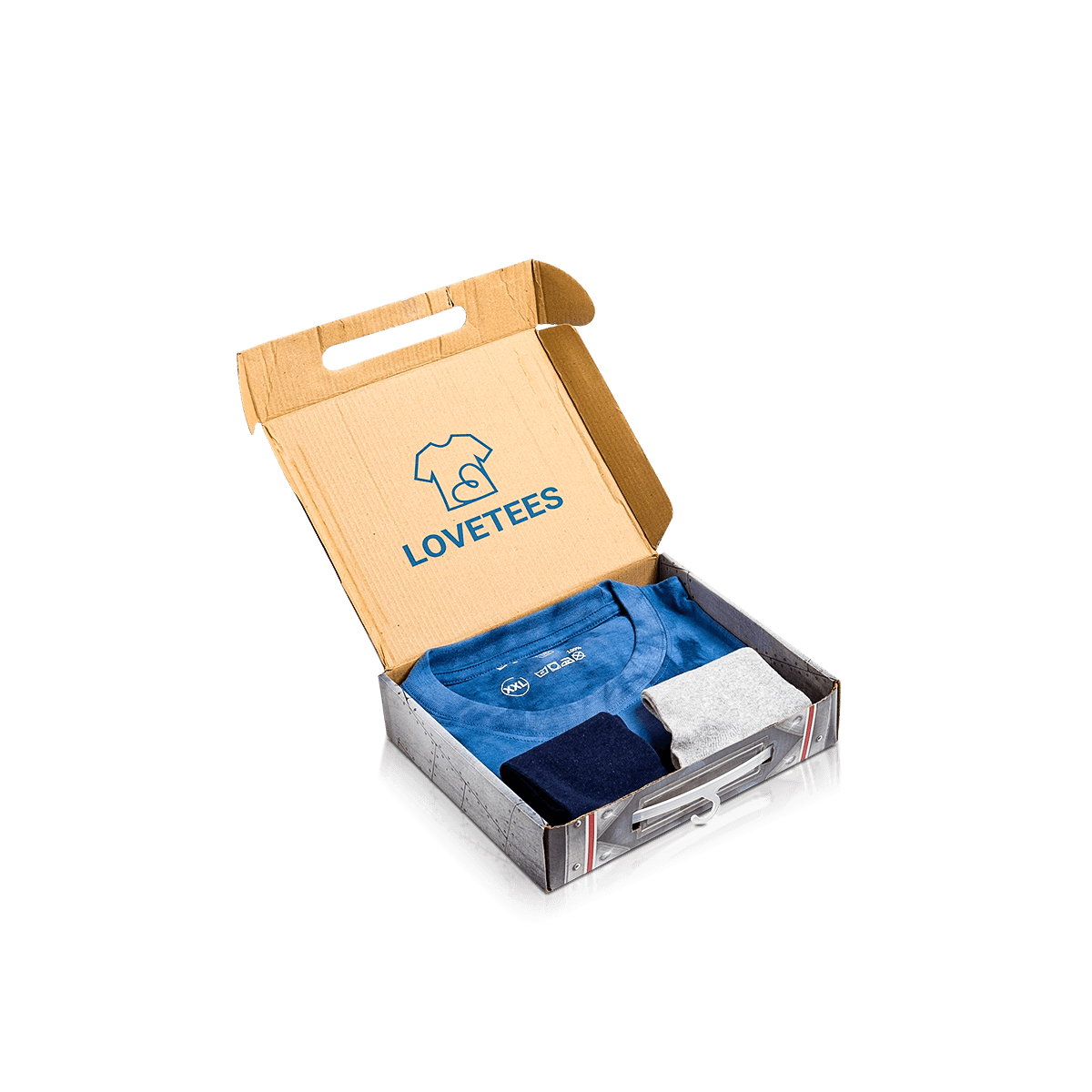
Custom T-Shirt Boxes
Give graphic tees, artist merchandise and core styles a controlled fold, clean reveal and right-sized box from counter handover to doorstep delivery.
Free Design Support
Clear Pricing
Flexible Quantities
Unlimited Customization
Premium Materials
Offset Precision
Free Shipping
Quick Turnaround
T-Shirt Packaging That Starts With a Repeatable Fold
Custom T-Shirt Boxes should keep the garment flat, control loose edges and present the printed design with care. A good box begins with the tee after it has been folded, tagged and wrapped, not with the garment laid open on a table.
Fabric weight, decoration and fold width affect the final depth. Heavy oversized tees and embroidered designs create a thicker fold than lightweight cotton. Leave room for easy filling without letting the shirt slide and unfold.
Custom Packly supports fashion labels, artist merchandise, event teams and online stores with packaging for single tees, gift sets and limited drops. The same visual system can continue across Custom Retail and Apparel Packaging when a clothing line also needs bags, sleeves or boxes for other garments.
Set one folding width
A repeatable fold makes sizing, filling and presentation more consistent. Use a folding board or simple folding template so each tee reaches the same width before it enters the box.
Test several garment sizes. Close sizes may share one fold, while oversized cuts may need a wider box. Create the smallest useful set of Custom T-Shirt Boxes.
Measure the finished thickness
Place tissue, swing tags, stickers and any printed card with the tee before measuring depth. Thick neck ribbing, embroidery and folded sleeves can create raised areas.
The lid should close without pressing a raised print or leaving a deep crease through the garment. It should also sit low enough to stop the tee lifting when the box is moved.
Keep the Printed Design in the Right Position
The tee often carries the strongest artwork. Custom T-Shirt Boxes should frame it rather than hide it under excess tissue.
Choose the first view before sizing
Decide which part of the shirt should face the customer. A front graphic may sit near the centre of the fold. A small chest mark may need a narrower fold or a printed card that supports the story.
Fold tests should use real decorated tees. Artwork placement varies between designs, so a box that frames one print well may hide another.
Protect raised and delicate decoration
Raised ink, appliqué and thick embroidery should not sit under a hard edge or tight paper band.
Make sure decorated garments are fully cured, clean and dry before they enter Custom T-Shirt Boxes. Tissue can separate the design from the box surface when rubbing is a concern.
Use tissue without covering the reveal
One neat sheet can frame the garment and help hold the fold. Several loose sheets may hide the design and make the box look deeper than it needs to be.
Custom T-Shirt Boxes for Singles, Bundles and Gift Sets
A single tee and a multi-shirt set should not share one deep box by default. Depth should follow the garment count and added items.
Single tees suit shallow boxes
A slim paperboard carton can suit one folded tee, tissue and a card. Shallow Custom T-Shirt Boxes feel neat in the hand and reduce empty space.
Wide lids still need enough board strength to remain flat. The garment may be light, but a large shallow panel can bow when the board is too thin.
Two or three tees need controlled stacking
Place each tee in the same direction so the stack stays level. Tissue can keep decorated surfaces apart.
Bundle boxes often need a deeper base rather than a much larger footprint.
Add space only for real extras
Stickers, patches, caps, vouchers and small accessories can turn a tee order into a gift set. Give each extra item a clear place so it does not disappear beneath the garment.
A card pocket or shallow divider can help. Avoid a heavy insert when a paper envelope will do.
Custom T-Shirt Boxes for Stores, Events and Online Orders
T-shirts may leave a boutique, event counter or fulfilment table. The structure should follow that use.
Flat cartons for stores and events
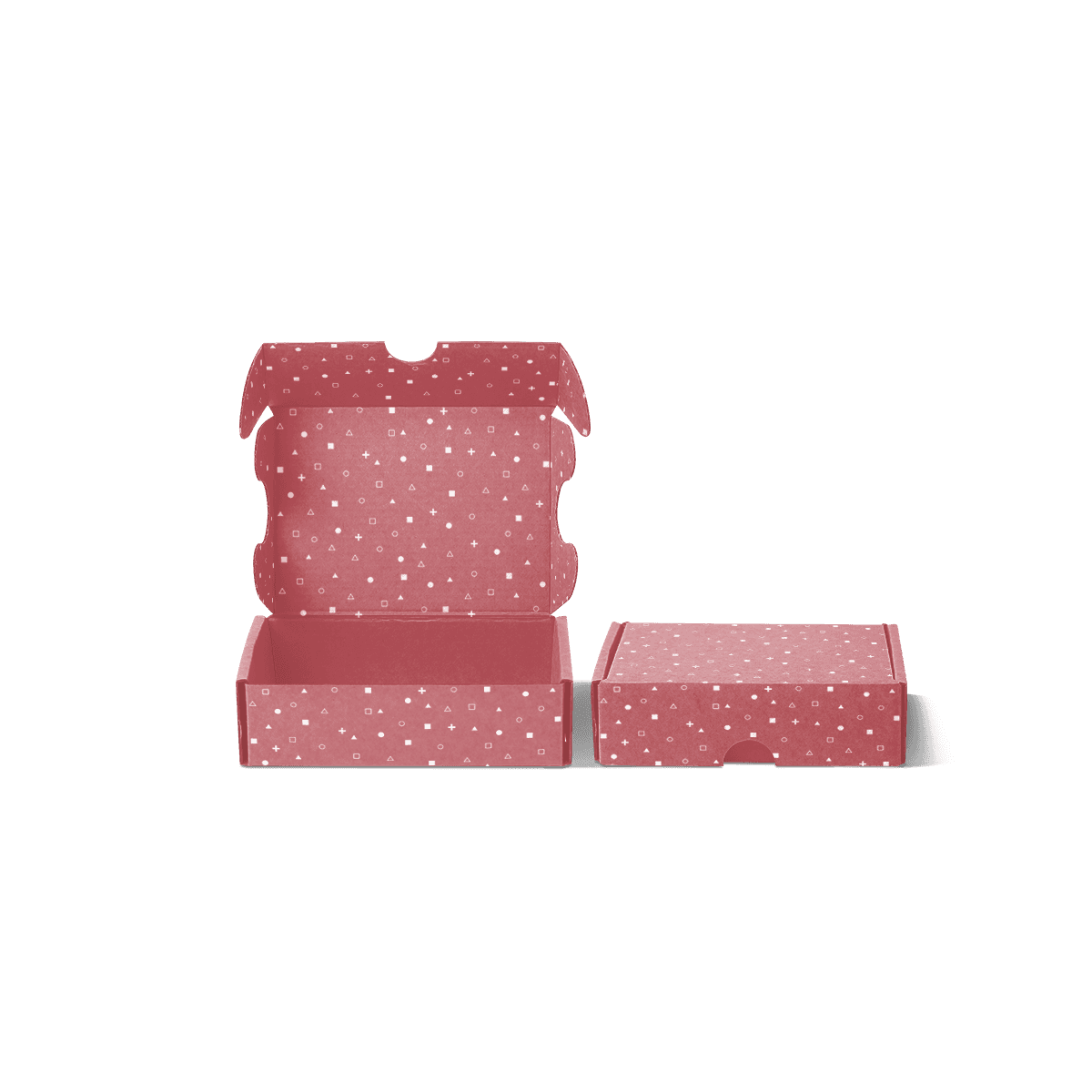
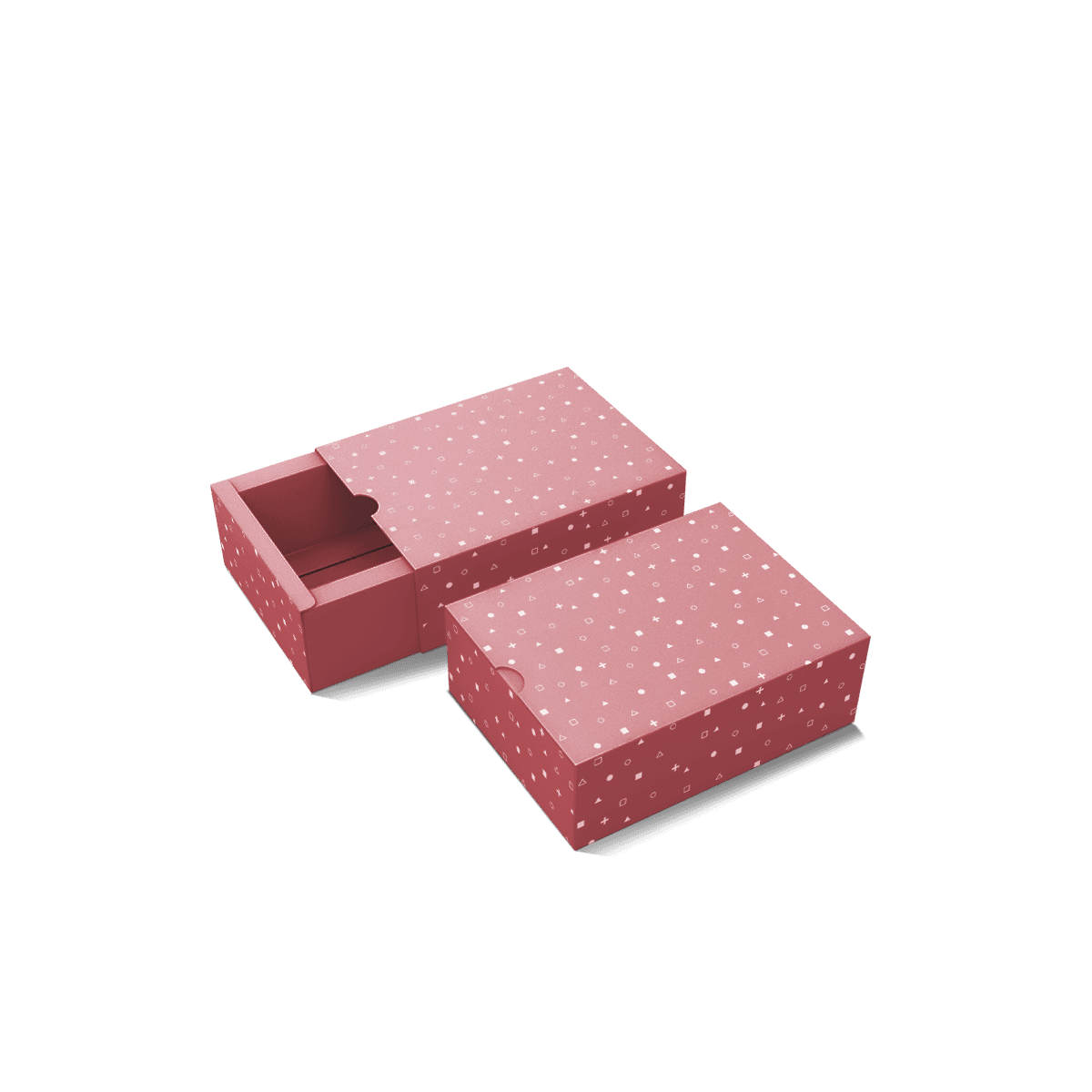
Custom Folding Cartons and Tuck Boxes store flat before filling and suit lightweight tees. A lid-and-base carton gives a broad opening, while a tuck style can suit compact retail presentation.
Flat storage helps stores and event teams with limited space. Test forming and closing speed before approval.
Sleeves for a lighter presentation
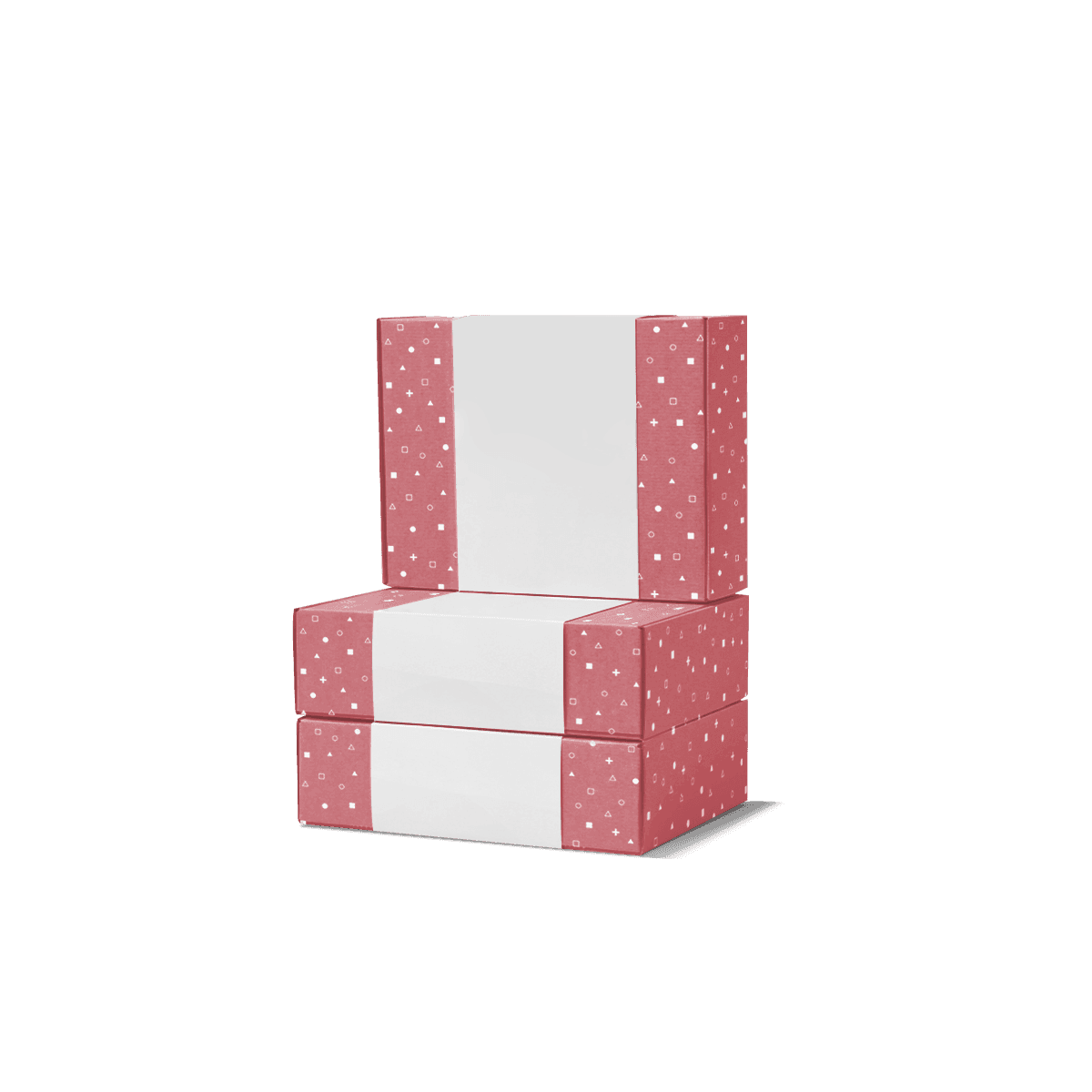
Custom Apparel Sleeves can hold a folded tee with less board than a full box. They suit counter display, event merchandise and tees already protected by tissue or an inner wrap.
Sleeves must fit the finished fold. Too much clearance lets them slide off. Too little can drag across the garment or bow around thick fabric.
Mailer boxes for online orders
Custom Mailer Boxes add corrugated strength for delivery. They can hold one tee, a bundle or a tee with small merchandise in one shipping-ready structure.
A fine presentation carton may still need a plain outer mailer when its printed surface must stay free from courier labels and scuffs.
Fill Custom T-Shirt Boxes Faster
Small changes at the folding table can save time across hundreds of Custom T-Shirt Boxes.
Create a fixed filling sequence
Fold the tee, add the card, wrap the tissue and place the item in the same order each time. This helps staff spot missing parts and keeps every opening consistent.
Avoid inner tabs that force staff to push the garment into place. The opening should expose the full base.
Keep cards and labels in one place
Size, colour and design codes should remain easy to read. Use one outside panel for the label or barcode so teams do not need to turn every box.
Inside cards should sit flat. A loose card on top of the tee can move and cover the graphic.
Test the slowest garment
Oversized tees, heavyweight cotton and embroidered pieces usually take longer to fold. Test the box with these items before approving the full set.
Custom T-Shirt Boxes should work during normal filling, not only when one sample is arranged with extra care.
Print Custom T-Shirt Boxes for Drops and Merchandise
T-shirt labels may change graphics more often than the garment itself. Custom T-Shirt Boxes should support those updates without a new structure each time.
Use one base design across several tees
Custom T-Shirt Boxes can keep the main logo, colour system and box layout fixed. A label, sleeve or small printed panel can identify the design, artist or release.
This reduces artwork changes while keeping each Custom T-Shirt Boxes unit clear in storage and fulfilment.
Let the inside carry the story
The inside lid can hold an artist note, event date, edition message or care details. Keep the copy short so the tee remains the focus.
For limited work, a numbered card may be easier to update than printing a new number on every box.
Choose finishes around handling
Matt and gloss coatings change the surface and can help with light scuffing. Foil, embossing, debossing or spot gloss can draw attention to a logo or release name.
Dark matt boxes may show hand marks at an event counter. Fine foil can also be less forgiving near folds. Print and finish choices can be reviewed through Customisation before artwork approval.
Protect Custom T-Shirt Boxes During Delivery
T-shirts do not break, but poor delivery packaging can still leave them creased, damp or badly presented.
Limit room for the tee to unfold
A right-sized box holds the fold without squeezing it. Excess width allows the sleeves and lower hem to spread.
Keep paper packaging away from moisture
Paperboard and corrugated board can lose strength when wet. Garments should be clean and dry before filling.
Use an inner layer only where the delivery process creates a clear need. Do not claim Custom T-Shirt Boxes are waterproof unless the complete construction has been tested and confirmed for that purpose.
Plan an eligible return path
Custom T-Shirt Boxes can sit inside a mailer with a second seal when a return is allowed. An outer mailer also keeps the retail carton free from tape and labels.
Return cards should not sit where they can mark a pale tee or press against a raised print.
Control Sizes, Colours and Graphic Variants
A tee collection may contain many sizes, colours and graphics. The packaging should show these differences without a separate box for each one.
Group by folded footprint
Several garment sizes may share one box when the folding width and thickness remain close. Oversized cuts or heavyweight tees may need another size.
Test the smallest and largest garment assigned to each box. Custom T-Shirt Boxes should not crush the thickest item or leave the smallest one loose.
Reserve an outside identification panel
Custom T-Shirt Boxes should reserve one area for garment size, colour, design name, barcode and item code. A small colour cue can help, but written information should remain clear.
Place the label where staff can see it when boxes are stacked or stored on fulfilment shelves.
Keep artwork versions controlled
Save the approved dieline, print file and label layout for each size. A new graphic may only need a label or artwork update.
Clear version names reduce the risk of an old release message appearing on a current order.
Plan Custom T-Shirt Boxes for Drops and Core Tees
Demand may rise around artist launches, concerts, team events and retail drops. Plan Custom T-Shirt Boxes around use rate and artwork changes.
MOQ starts from 50, with support for larger runs, repeat orders and high-volume merchandise work. A smaller first run can suit a new artist tee or limited release. Core logo tees and uniform shirts may need thousands across ongoing orders.
Store flat cartons and mailers in a clean, dry area. Quantities should suit the release calendar and available storage.
A 3D mockup is usually enough for a standard carton or mailer. A physical sample becomes more useful when the design includes a close sleeve, unusual window, shaped inner card or very tight garment fit.
Send Details That Lead to the Right Quote
A useful quote starts with the tee after folding and decoration. Send:
- T-shirt style and fabric weight
- finished folded length, width and depth
- print or embroidery type
- single tee, bundle or gift-set use
- tissue, cards, stickers or accessories
- retail, event or online delivery use
- preferred carton, sleeve or mailer
- each box size and quantity
- outside and inside print needs
- label or barcode position
- finish ideas
- artwork status and required date
Photos of the finished fold can help show where the graphic sits. Include the thickest garment and every inner item during the fit check.
Send these details through Get a Quote. Custom Packly can then price Custom T-Shirt Boxes around the garment fold, release plan and delivery use rather than a general clothing size.
FAQs
Related Industries
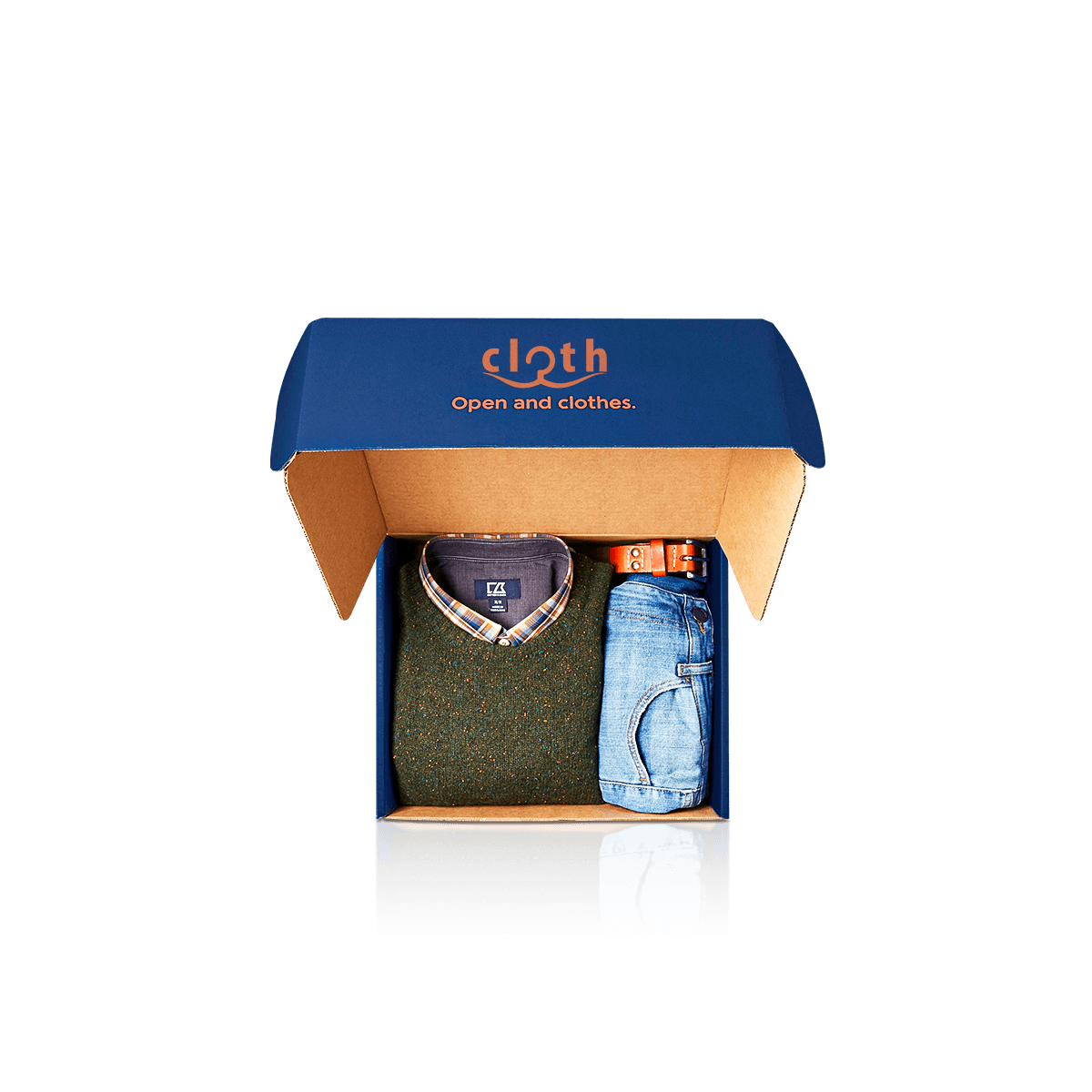
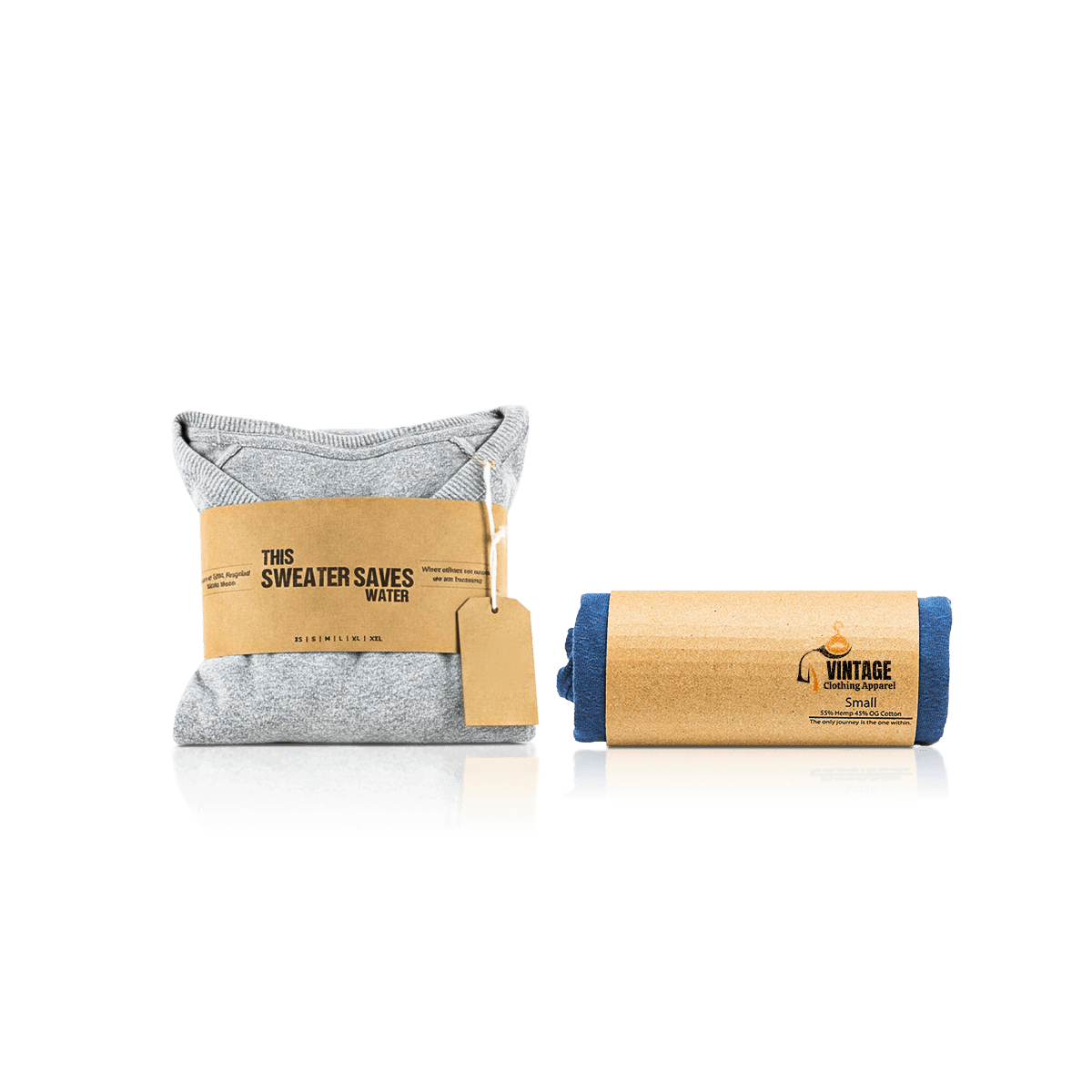
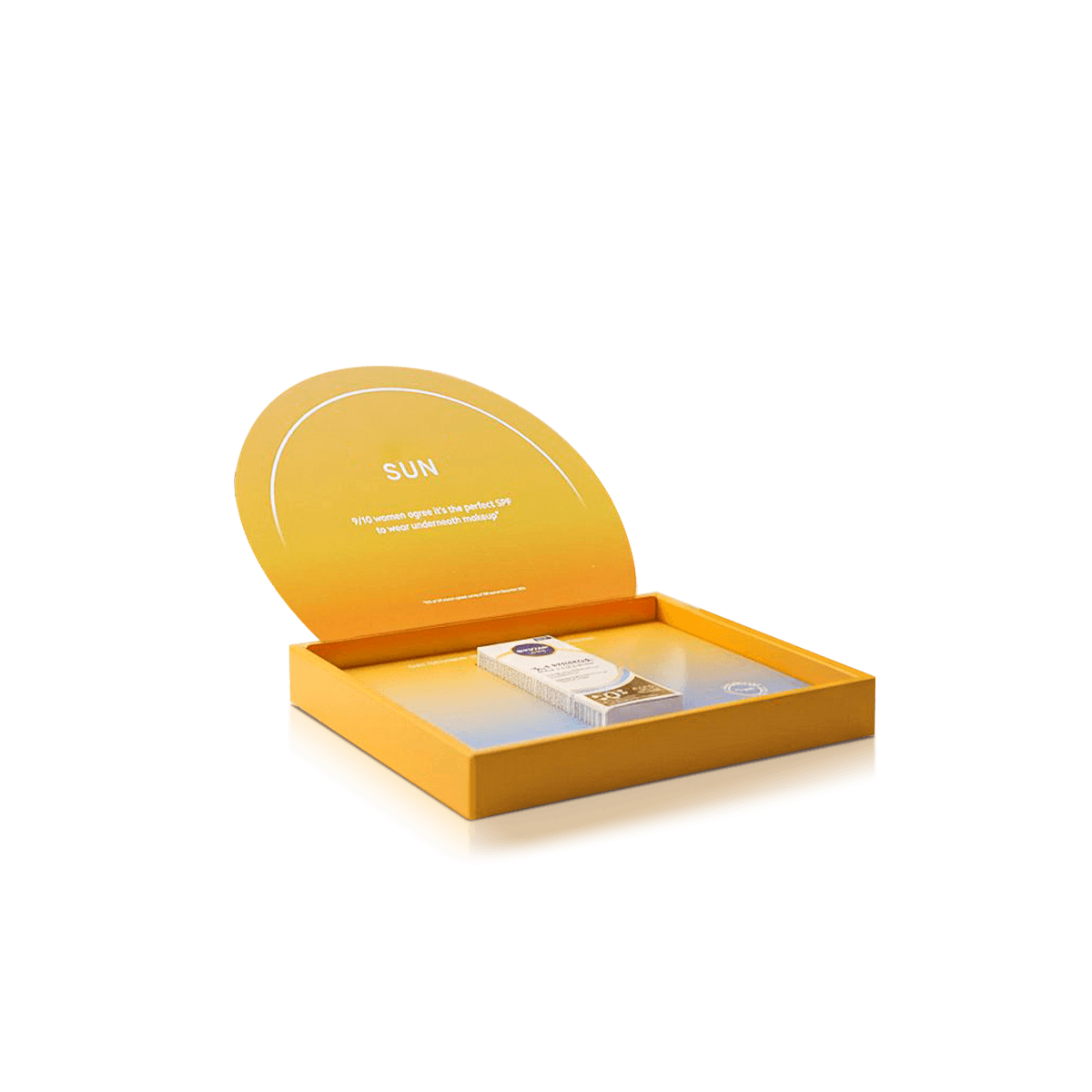
Related Packaging Styles
How it works
Simple steps from idea to delivery
Tell Us Your Specs
Tell Us Your Specs
Provide size, quantity, printing, and finishes.
Get a Fast Quote

Get a Fast Quote
Instant transparent pricing, no hidden fees.
Design and Approval

Design and Approval
Artwork checks, revisions, and final sign-off.
Produce

Produce
Expert manufacturing to meet deadlines.
Ship to Your Door

Ship to Your Door
Hassle-free, flexible delivery options.
Start Your Custom Packaging Quote
Share your product details, dimensions, quantity and artwork needs. We’ll help choose the right packaging style and send a clear quote.