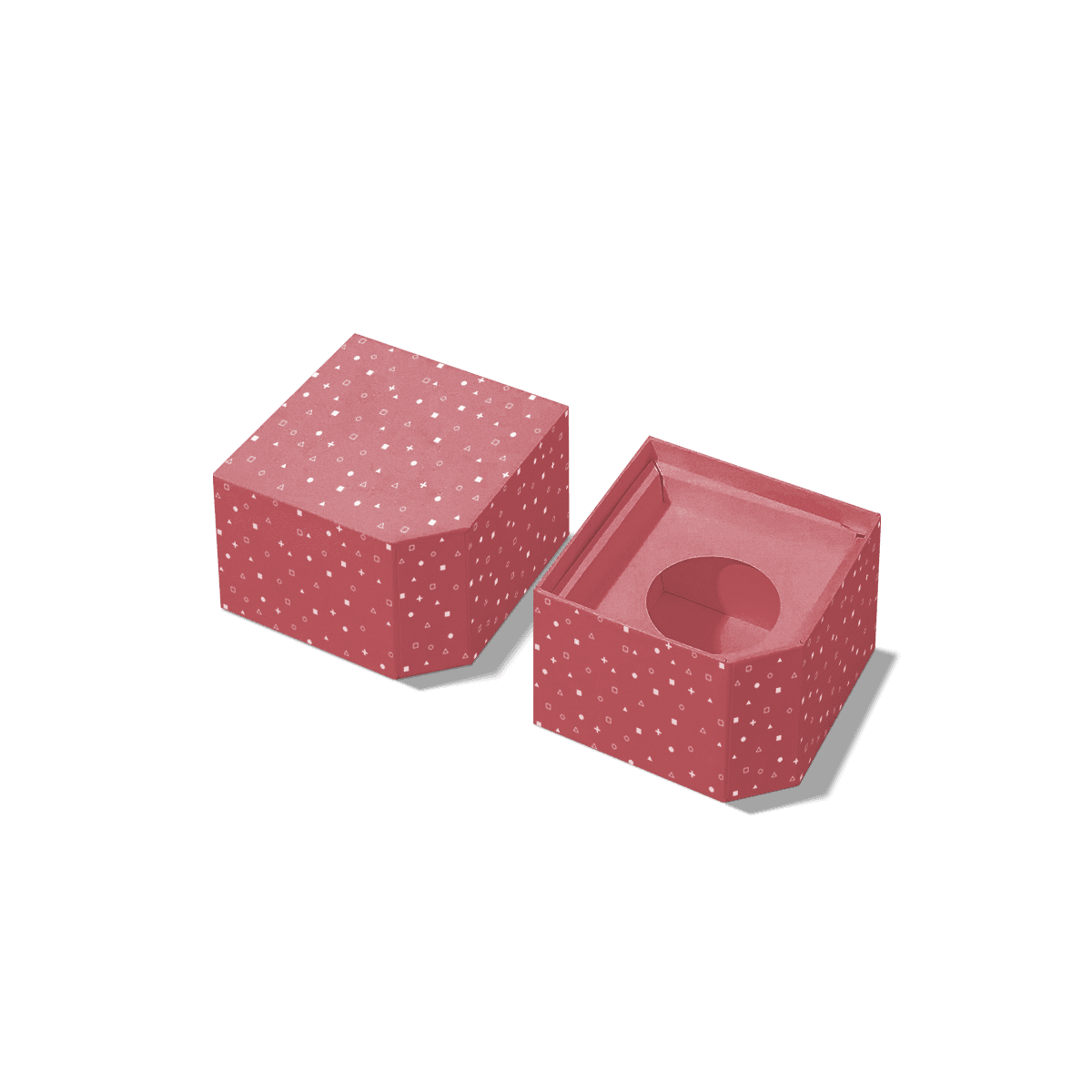
Custom Shaped Boxes
Bespoke shaped packaging for products, gifts and campaigns that need a distinct silhouette, accurate fit, sharp print and stronger visual recall.
Free Design Support
Clear Pricing
Flexible Quantities
Unlimited Customization
Premium Materials
Offset Precision
Free Shipping
Quick Turnaround
Shape-Led Packaging for Products That Need Recall
Custom Shaped Boxes are made for products that should not look like they came from a standard carton range. The structure, outline and opening style can be designed around the product, campaign theme, brand character or retail display goal.
A shaped box can help a product feel more giftable, more collectable or more memorable before the customer even reads the label. This makes it useful for launches, seasonal ranges, event kits, premium gifts, confectionery, beauty products, candles, jewellery, toys, accessories and promotional packaging.
The biggest decision is not only the outer shape. It is whether the shape still packs well, holds the product safely, prints cleanly and fits the way the customer will use it. A clever silhouette should still be practical at the packing table, on the shelf and during handover.
When a Standard Box Feels Too Plain
Custom Shaped Boxes make sense when the product needs a packaging moment, not just a container. A regular square or rectangular box can protect the product, but a shaped structure can help build emotion, curiosity and stronger brand memory.
This matters for products sold as gifts, products displayed at events, limited-edition campaigns and retail items competing in a crowded category. The shape can support the story. A house shape can suit home goods, a heart shape can suit Valentine’s gifting, a star shape can suit seasonal promotions and a product-outline shape can suit novelty or collectible packaging.
A shaped box should still have a clear job. If the shape makes the pack harder to open, harder to stack or weaker in transit, it needs to be adjusted. Good shaped packaging balances visual difference with real use.
Campaigns that need a theme
Seasonal campaigns often benefit from a box shape that matches the occasion. Christmas, Valentine’s Day, Mother’s Day, brand anniversaries, influencer drops and product launches can use shape to make the pack feel more limited and intentional.
The shape should support the campaign without becoming difficult to produce. Simple, strong silhouettes usually work better than overly complex outlines with weak points.
Retail products that need visual interruption
In retail, shape can interrupt the shelf pattern. If every product around yours uses standard rectangles, a shaped box can make the eye pause.
This is useful for beauty, confectionery, candles, toys, accessories, jewellery and boutique gift items. The pack must still show the brand and product clearly, so the silhouette should not hide key information.
Gifts that need a stronger first impression
Gift products need packaging that feels ready to give. Custom Shaped Boxes can make the purchase feel more complete without needing extra wrapping.
The right structure can also make the box more likely to be kept, shared or photographed, which adds value beyond the first sale.
Shapes That Still Need Structure
A shaped box works best when the structure is engineered before the artwork is treated as finished. Edges, folds, tabs, curves, windows, locks and lid areas all affect whether the box performs well.
Some shaped packs are based on folding cartons. Others use rigid board, corrugated board or sleeve-style formats. The choice depends on product weight, budget, handling and the desired opening experience.
A complex outline can create weak corners or awkward folds if it is not planned properly. Rounded areas, narrow points, handle cutouts, windows and unusual lids all need enough board support. This is why the dieline should be developed around the product and production method, not only the design idea.
Simple silhouettes are often stronger
Clear shapes are usually more effective than overly detailed shapes. A strong outline is easier to recognise, easier to cut, easier to fold and easier to print.
For example, a house, star, heart, cube variation, arch, tag, bottle outline or product-inspired shape can work well when the edges are clean and the structure has enough strength.
Complex shapes need more testing
Highly detailed shapes can look exciting on screen, but they may create pressure points, difficult folds or fragile edges. A sample can show whether the shape holds properly when filled.
This is especially important for heavier products, fragile items and packs that will be handled at events or retail counters.
Opening style changes the whole design
The opening method should be chosen early. A shaped box may use a tuck closure, lid and base, hinged opening, sleeve, drawer or tab lock depending on the product.
The opening should feel natural. If the customer has to fight the pack, the shape starts to work against the brand.
Product Fit Comes Before Decoration
Custom Shaped Boxes should start with the product’s actual size, weight and handling risk. The shape can then be built around that reality. If the outer shape is designed first and the product fit is solved later, the pack may waste space or feel unstable.
This is especially important for candles, jars, bottles, confectionery, small electronics, jewellery, toys and mixed gift sets. Some products need an insert. Others need a centred position. Some need side clearance so the product does not rub against the shaped edges.
Good fit also helps the box look more premium. When the product sits neatly inside, the packaging feels made for it. When the product moves around, even an expensive printed box can feel unfinished.
Centred products look more intentional
A centred product works well inside many shaped boxes because it gives the structure balance. This suits candles, jars, bottles, beauty items, jewellery and small gift products.
An insert can hold the item in place and make the opening feel cleaner.
Sets need a planned internal layout
Product sets need more planning than single items. The box may need compartments, dividers or a custom tray so every item has a place.
For event or corporate packs, shaped packaging can look strong from the outside, but the inside must still feel organised when opened. This is why Custom Event and Corporate Packaging often needs structure, insert and artwork decisions to work together.
Fragile products need shape plus support
Fragile products should not rely on the outer shape alone. Inserts, pads, dividers or stronger board may be needed to reduce movement and protect edges.
A shaped box can look premium, but protection still depends on fit, material and internal support.
Materials for Unusual Outlines
The material should support the shape, not fight it. Paperboard, kraft board, corrugated board and rigid board can all work for Custom Shaped Boxes when matched to the product and structure.
Paperboard suits light retail packs, gift items, samples and products that need detailed print. Kraft board gives a natural look and can suit handmade, organic or simple seasonal products. Corrugated board adds strength for heavier shaped packs or products that need more support. Rigid board works well for premium gifts, keepsake packaging and higher-value products.
The shape itself affects material choice. Narrow points, curved edges, larger windows, carry cutouts and unusual lids can weaken a pack if the board is too light. On the other hand, a board that is too stiff may not fold cleanly around detailed shapes.
Paperboard for detailed print
Paperboard is often the best starting point for light shaped packaging that needs strong print. It can support colourful graphics, product information, patterns and premium finishes.
It works well for cosmetics, confectionery, soaps, sample kits, small gifts and event pieces where the pack needs to look polished without becoming too heavy.
Corrugated board for stronger shaped packs
Corrugated board can help when the product is heavier or the box needs more strength. It can suit promotional kits, product launch packs, ecommerce-style handoffs and larger gift sets.
The flute and board grade should be chosen carefully so the shaped edges remain clean.
Rigid board for premium presentation
Rigid board gives the most substantial feel. It suits luxury gifts, jewellery, candle sets, premium confectionery and brand activation packs where the box may be kept after use.
Rigid Custom Shaped Boxes need more planning around storage, assembly and inserts because the structure usually takes up more space than flat-packed folding cartons.
Artwork That Works With the Shape
Artwork for Custom Shaped Boxes should respect the outline. A design that works on a rectangle may not work on a heart, star, arch, house, tag or product-shaped structure.
The shape can crop, bend or interrupt artwork. Logos need enough space. Text needs readable panels. Patterns need to flow around folds without looking broken. If the shape has a window, cutout or unusual lid, artwork should keep important elements away from those areas.
Premium offset printing can help shaped packaging look sharp and consistent. However, print quality still depends on clean artwork setup, correct dielines and smart placement.
Let the silhouette do some of the work
A shaped box already carries visual interest. The artwork does not always need to be loud. A clean logo, strong colour block, subtle pattern or simple product name can work better than heavy decoration.
For premium products, restraint often makes the shape feel more expensive.
Place text on stable panels
Important text should sit on panels that stay flat and visible. Avoid placing small copy across folds, corners, curves or narrow shaped points.
Ingredient details, product notes, barcodes and compliance-adjacent information should be planned before the final dieline is approved.
Use patterns where panels change direction
Patterns can help connect unusual panels. A repeat pattern, soft gradient, illustration field or brand texture can make a shaped box feel complete from every angle.
The pattern should not rely on perfect alignment at every fold unless the structure is designed for that precision.
Finishes That Add Value Without Overcrowding
Custom Shaped Boxes can use matte, gloss, soft-touch, foil, embossing, debossing, spot UV and other finishes where they support the product. The finish should make the shape feel better, not busier.
Foil can highlight a logo, border, seal or event mark. Embossing can add tactile detail to a lid or main panel. Spot UV can lift a pattern or product name against a matte background. Gloss can help colourful campaign artwork stand out. Kraft finishes can support natural or handmade product positioning.
Some shapes already feel decorative, so too many finishes can make the design feel crowded. A simple finish plan often works better for unusual structures.
Foil for gift and campaign detail
Foil can add a premium cue to shaped boxes used for gifts, events and seasonal ranges. It works best on stable areas with enough space around the artwork.
Foil should not sit too close to tight folds or narrow edges where registration may be harder.
Embossing for tactile branding
Embossing and debossing can make the pack feel more physical. A raised logo, emblem or pattern can work well when the shape is simple enough to let the texture stand out.
The artwork should be checked against the dieline so pressure points do not interfere with folds or closures.
Dielines Decide Whether the Shape Works
The dieline is the most important technical step for Custom Shaped Boxes because it controls the cut lines, creases, closure points, glue areas, panels, windows and inserts. A shaped box cannot be judged by a flat graphic alone.
The dieline should show where the product sits, how the box folds, where the closure locks and which areas carry artwork. If the box includes a window, the dieline should also show how much board remains around the cutout.
Free dieline support helps reduce mistakes before artwork goes too far. The aim is to make the structure practical before the design is polished.
Cut lines need safe spacing
Unusual shapes often use more cut edges. These edges need safe spacing from logos, text and fine artwork.
A sharp corner, small point or narrow bridge can become weak if the design pushes too close to the cut line.
Creases should support easy assembly
The best shaped box is still easy to fold. If the crease pattern is confusing, staff may slow down or damage the pack during assembly.
This is important for campaigns, retail launches and event packing where many boxes need to be prepared at once.
Samples catch shape problems early
A sample can reveal whether the structure feels strong, closes properly, holds the product and presents well. It can also show whether the shape looks as good in hand as it does on screen.
For first-time shaped packaging, sampling is worth doing before a full production run.
Launch Runs and Scalable Production
Custom Shaped Boxes are often used for product launches, limited editions, retail campaigns and event packs, so production planning should match the timeline. MOQ starts from 50, which makes it practical to test a new shape before scaling into larger orders.
A small run can help check customer response, packing flow and product fit. Once the shape, dieline, artwork and sample are approved, the same structure can move into thousands, repeat orders or larger campaign quantities.
Repeat production works best when the shape stays consistent. Brands can keep one dieline and adjust artwork for new seasons, flavours, product themes or event versions. This keeps the packaging recognisable while still allowing fresh campaign designs.
Bulk storage and repeat-order planning can help brands manage shaped packaging without reworking the structure every time. This is useful for agencies, retailers, gift brands and product teams that use themed packaging across the year.
Quote Details That Prevent Shape Rework
A clear quote request helps avoid expensive shape changes later. Custom Shaped Boxes need more detail than a standard carton because the structure may include unusual cuts, curves, windows, inserts, special closures or multi-panel artwork.
Useful quote details include:
- Product dimensions, weight and number of items per box
- Desired shape, theme or reference image
- Product use such as retail, gifting, event, food-adjacent, launch or promotional
- Preferred board type such as paperboard, kraft, corrugated or rigid board
- Print coverage, colours and finish ideas
- Window, insert, divider, handle or closure requirements
- Whether the product needs to stand, hang, stack or open flat
- Quantity, deadline and repeat-order plans
- Artwork status and any dieline files already available
When the shape is only an idea, Get a Quote with product photos, size details and the intended use. The team can help turn the concept into a structure that can be produced cleanly.
Related Styles for Narrower Shape Goals
Custom Shaped Boxes cover broad bespoke structures, themed outlines and product-led silhouettes. When the desired shape is more specific, a narrower box style may give a cleaner starting point.
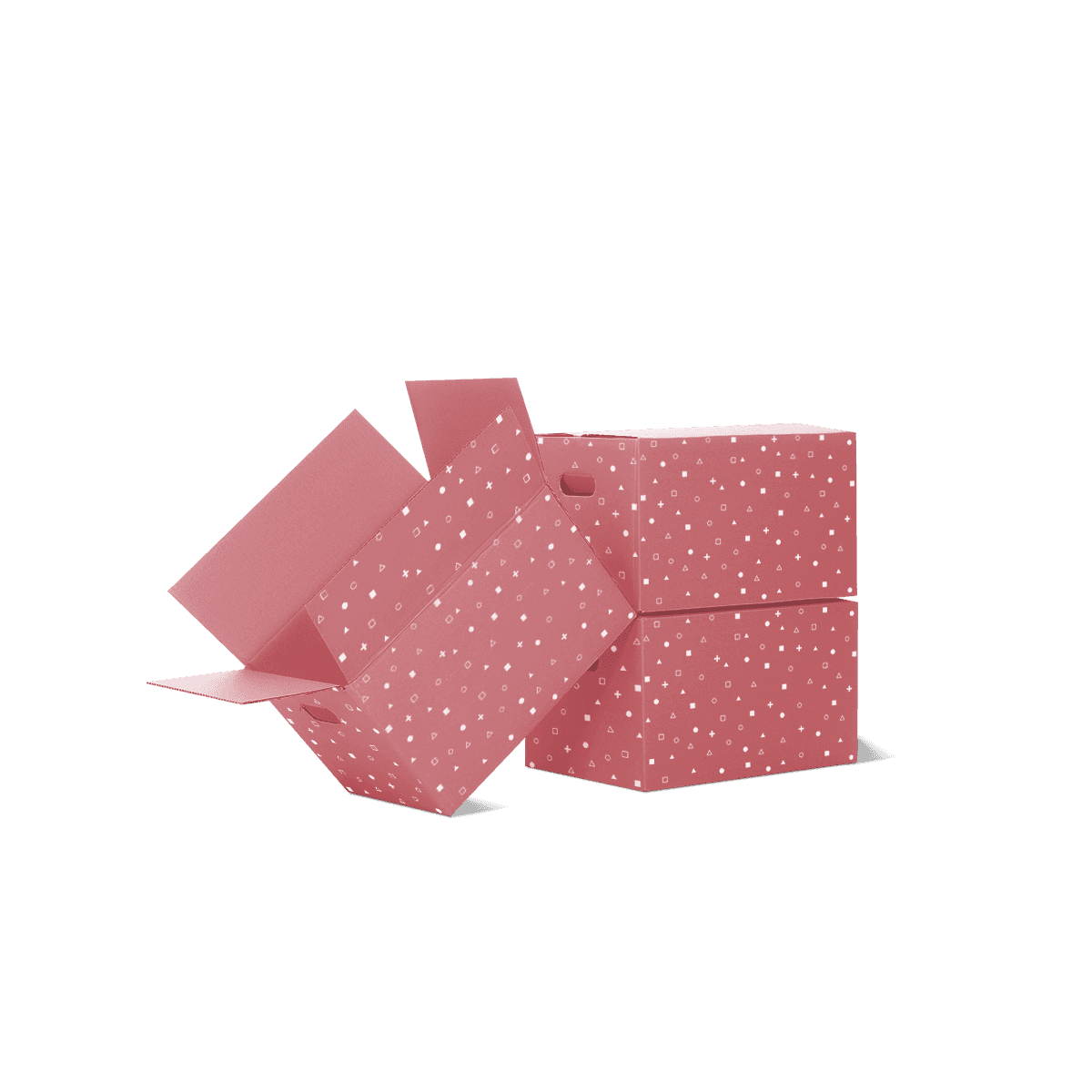
For a portable gift or event pack, Custom Gable Boxes can provide a built-in carry structure without needing a fully bespoke outline. Gable boxes suit products that need a handle, easy handoff and a familiar gift-style shape.
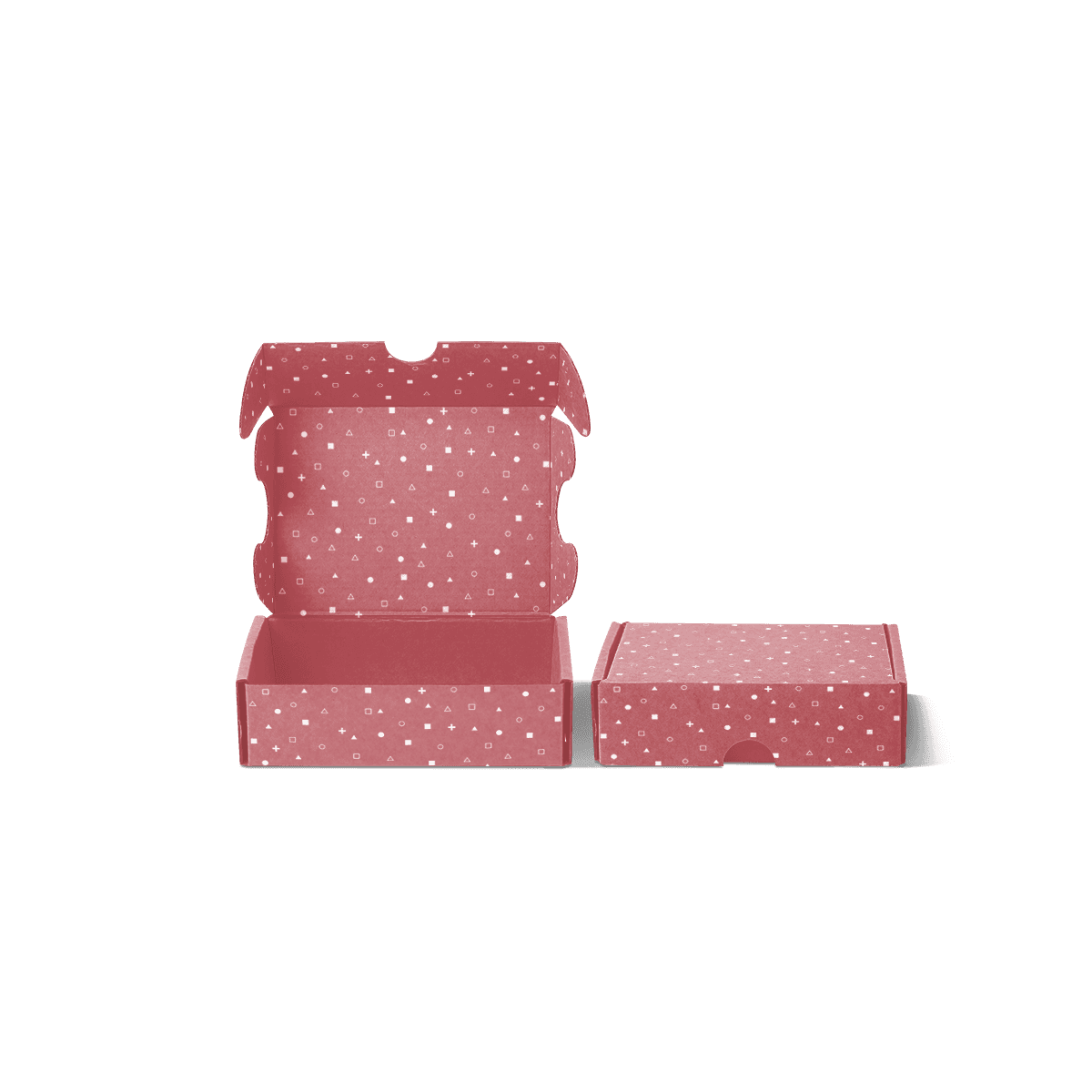
For compact decorative packs, Custom Pillow Boxes can suit lightweight gifts, accessories, soaps, cards, favours and small retail products. Pillow boxes are usually simpler than fully custom shapes while still feeling different from a standard carton.
Custom Shaped Boxes are the better choice when the outline itself needs to carry the idea. They suit products where the box shape should reflect the product, campaign, occasion or brand identity rather than only protect the item.
FAQs
Related Packaging Styles
How it works
Simple steps from idea to delivery
Tell Us Your Specs
Tell Us Your Specs
Provide size, quantity, printing, and finishes.
Get a Fast Quote

Get a Fast Quote
Instant transparent pricing, no hidden fees.
Design and Approval

Design and Approval
Artwork checks, revisions, and final sign-off.
Produce

Produce
Expert manufacturing to meet deadlines.
Ship to Your Door

Ship to Your Door
Hassle-free, flexible delivery options.
Start Your Custom Packaging Quote
Share your product details, dimensions, quantity and artwork needs. We’ll help choose the right packaging style and send a clear quote.