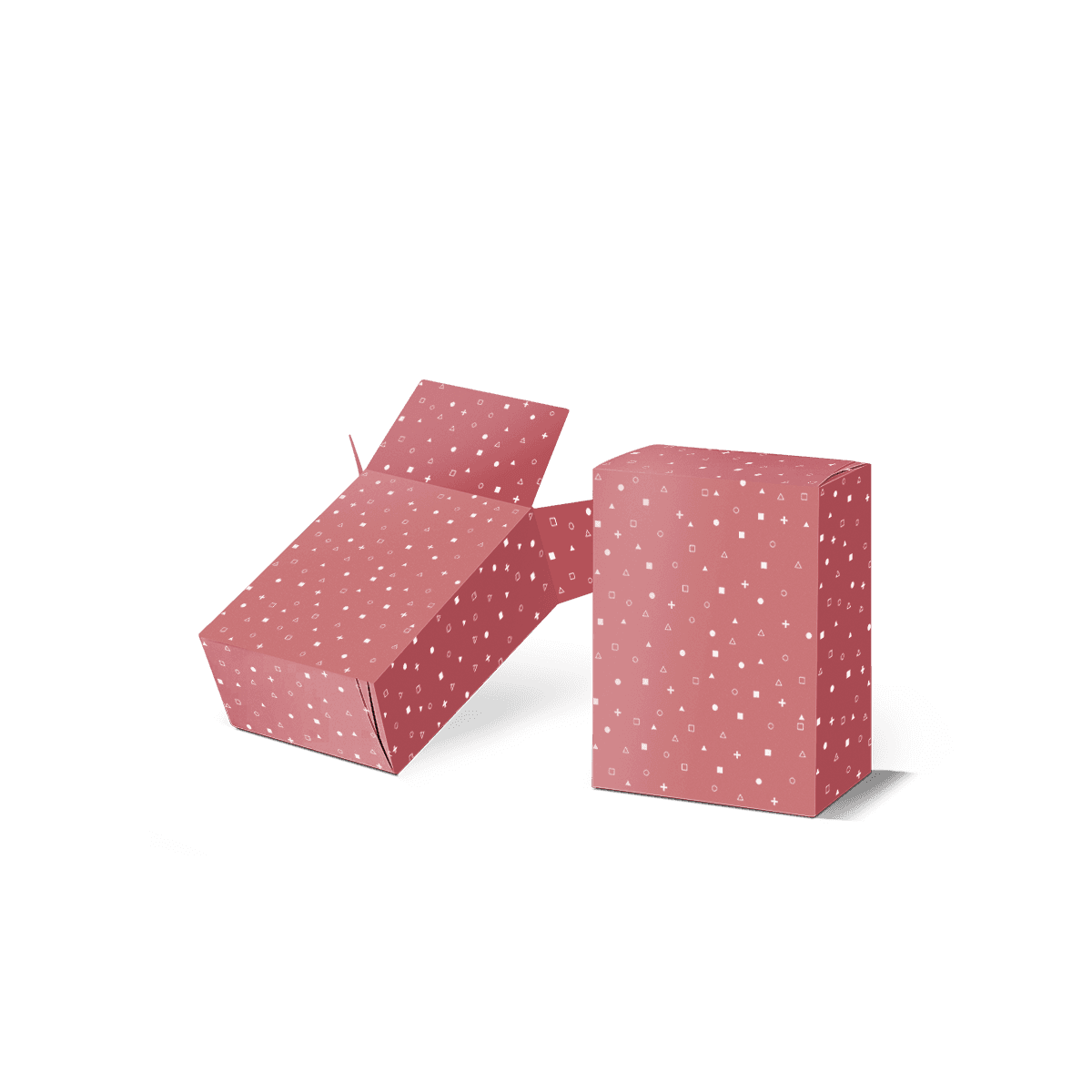
Custom Seal End Boxes
Secure folding cartons with glued end closures for retail, beauty, wellness and food products that need stronger sealing and clean shelf presentation.
Free Design Support
Clear Pricing
Flexible Quantities
Unlimited Customization
Premium Materials
Offset Precision
Free Shipping
Quick Turnaround
Secure Cartons With Sealed End Closures
Custom Seal End Boxes are folding cartons with glued or sealed end closures that help keep products more secure than simple tuck flap cartons. They suit products that need stronger closure, controlled opening, neat retail display and better protection from casual handling during storage, packing or sale.
This carton style is often used for beauty products, supplements, dry food items, health products, small retail goods, sample packs and lightweight product kits. The sealed ends help the box feel more finished because the flaps do not simply tuck in and out. For products that need a cleaner closure or a more secure retail carton, the structure can be a practical step up from basic tuck end packaging.
Custom Packly creates Custom Seal End Boxes around your product dimensions, filling method, artwork, material choice and finish needs. The aim is simple: a carton that seals properly, sits square on the shelf, supports brand presentation and suits the way your team packs the product.
Where the seal end structure helps most
Seal end cartons work well when product security, closure strength or retail handling matters more than easy repeated opening. The sealed area helps reduce the chance of the package opening before purchase.
This makes the structure useful for products that should feel closed, protected and ready for display. It also helps when packaging needs a more controlled opening experience, such as a tear strip, perforated panel or planned opening edge.
When a tuck style may be better
A standard tuck carton may be better when the customer needs to open and close the box often. Seal end packaging is usually more suited to products that stay closed until use, sale or final unboxing.
Products That Need a More Controlled Closure
Custom Seal End Boxes are best for products that should not open too easily during handling. They work well for small packaged goods that sit on shelves, move through fulfilment or need a neater sealed finish before reaching the customer.
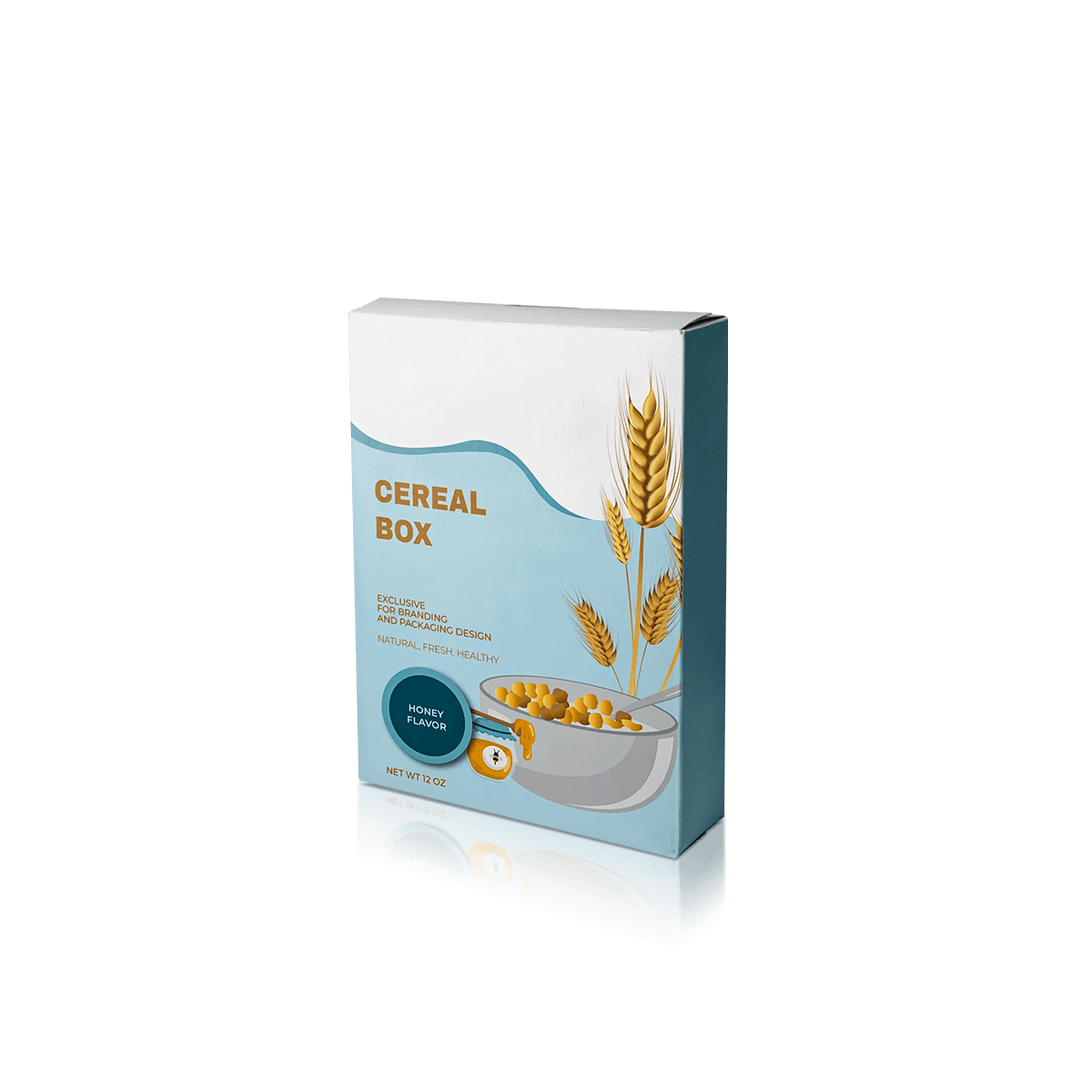
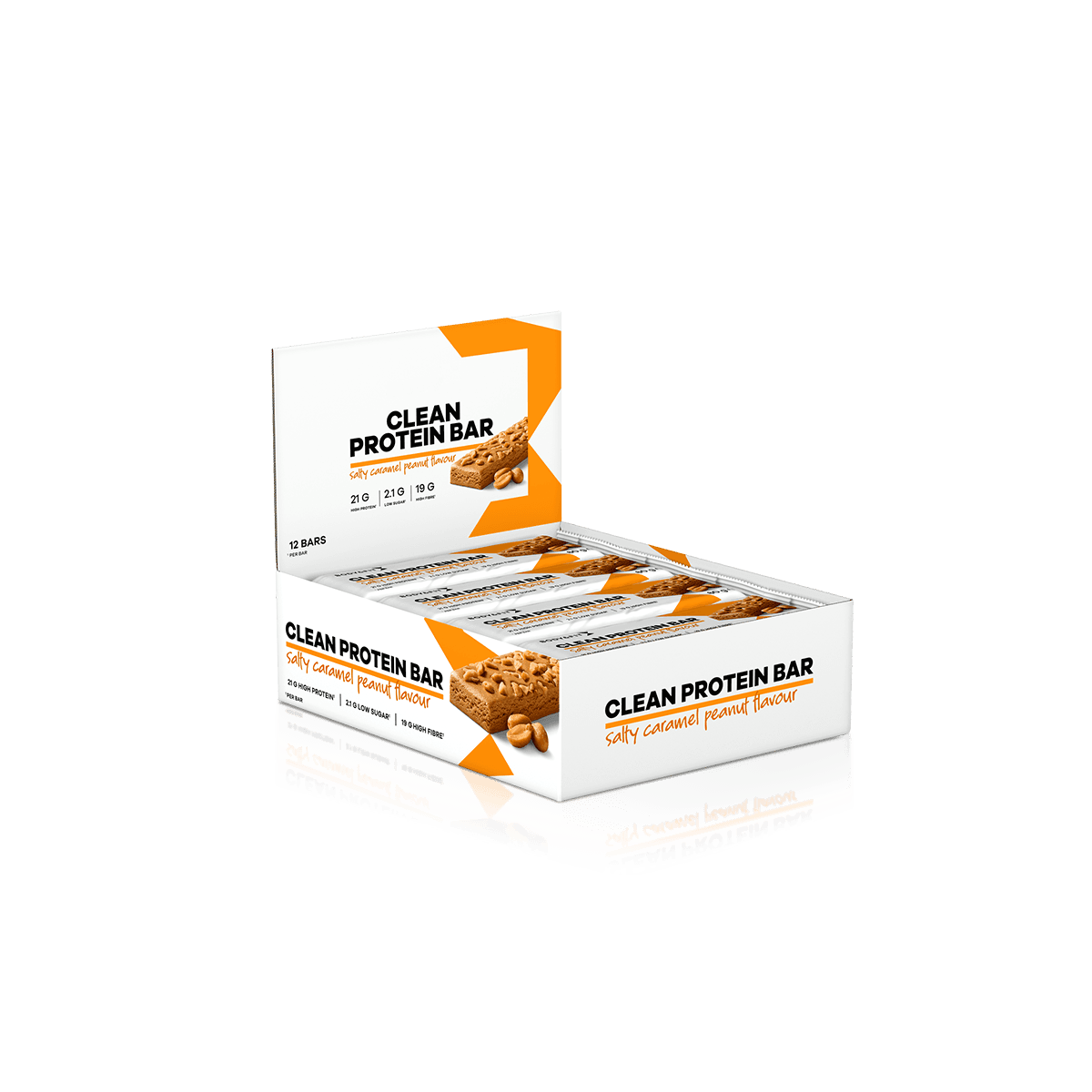
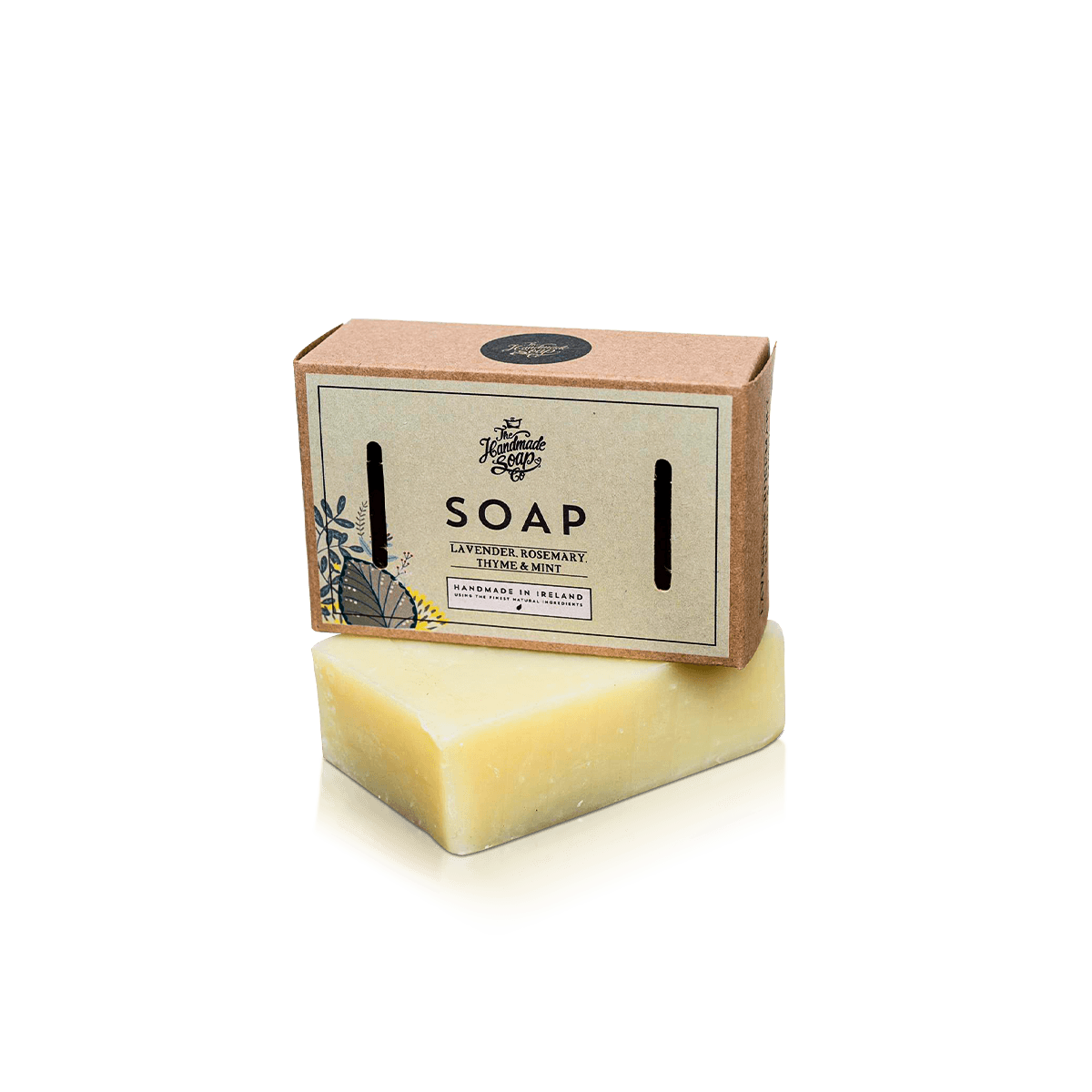
Beauty brands can use them for skincare, perfume, cosmetics, haircare, lip products and small boxed sets. Wellness brands can use them for vitamins, supplements, sachets, nutrition bars and sample kits. Food brands can use seal end cartons for dry goods, tea, snacks, confectionery, cereals and boxed product ranges where the material and coating suit the product.
Retail products handled by many people
Retail cartons often get picked up, turned around, stacked, scanned and returned to the shelf. A loose tuck flap can weaken the presentation if the product is handled often. A sealed end helps the carton keep a cleaner closed shape.
For beauty and personal care products, Custom Seal End Boxes can sit naturally alongside Custom Beauty Packaging when the product needs strong shelf appeal plus a more secure carton closure.
Products packed once and opened once
Seal end cartons are useful when the package only needs to be packed once and opened once by the customer. This applies to many retail and consumable products. A planned opening feature can make the customer experience smoother while still keeping the product secure before purchase.
Sealed Ends, Tear Strips and Opening Control
The closure is the main reason to choose Custom Seal End Boxes. The carton can be designed with glued ends, sealed panels, dust flaps, perforations or tear strips depending on how the product should be packed and opened.
A simple sealed end gives a neat finish and helps keep the product enclosed. A tear strip can make opening easier and more intentional. Perforations can guide the customer to open the carton in the right place. These choices affect both security and the customer experience, so they should be planned early.
Glued ends for a finished retail feel
A glued end gives the carton a more permanent closure than a normal tuck flap. It can help the box resist accidental opening during transit, shelf handling or warehouse storage.
The glue area must be placed correctly on the dieline. It should hold firmly without interfering with artwork, barcode placement, folding, filling or opening.
Tear strips for cleaner access
A tear strip is useful when the carton should stay sealed until the customer opens it. It can also make a sealed carton easier to open without crushing the box or damaging the product inside.
The tear strip position should match the customer’s expected opening direction. It should also avoid important artwork, legal copy, ingredients, barcode zones and product instructions.
Board Strength Around Glue and Creases
The best board for Custom Seal End Boxes depends on product weight, carton size, sealing method and print finish. Paperboard is usually the preferred choice because it prints cleanly and folds well. Kraft board can suit natural-looking retail products while white board supports brighter colour and sharper product graphics.
The board needs enough stiffness to hold the carton shape, but it must still crease cleanly. If the board is too light, the sealed panels may feel weak. If it is too heavy or poorly creased, the glued areas can strain and the carton may not fold square.
Why crease quality matters
Seal end cartons rely on accurate crease lines because the closing panels, dust flaps and glue areas must fold into the right position. A poor crease can make the carton twist, bulge or sit unevenly.
This is especially important for slim products, tall cartons and small cartons with tight panel spacing. The more exact the product fit, the more important the crease and fold behaviour becomes.
Finish choices near sealed panels
Matte, gloss, foil, embossing, debossing, spot UV and soft-touch finishes can work well on seal end cartons, but heavy finish areas should be planned away from tight folds and glue zones where possible.
Premium finishes should support the product story rather than interrupt the structure. For example, foil on a front logo can work well, while heavy foil across a crease or seal area may create production challenges.
Print That Works With the Opening Edge
Custom Seal End Boxes offer strong print space across the front, back, side and end panels. The sealed construction gives the carton a clean retail shape, so the artwork should make the most of that structure.
The front panel should carry the main product message. Side panels can hold benefits, ingredients, usage instructions, batch information or product variants. End panels can support flavour, scent, shade, size or barcode details where suitable.
Keep key artwork away from tear paths
If the box uses a tear strip or perforated opening, avoid placing critical design elements across the tear path. Logos, claims, product names and key icons should not be damaged when the customer opens the carton.
Artwork should also allow safe space around cut, crease and seal areas. A print-ready dieline helps your design team see where folds, glue tabs, opening points and trim areas sit before production.
Colour consistency across product ranges
Many brands use seal end cartons across several SKUs. Colour consistency matters when products sit side by side on a shelf. If one shade, scent or flavour uses a different colour panel, the carton layout should keep the product family aligned while making each variant easy to identify.
Fit Checks Before the Box Is Sealed
A seal end carton should hold the product securely without forcing the product against the sealed panel. The product must slide into the carton during packing, sit correctly inside and allow the final closure to seal without pressure points.
The exact fit depends on the product dimensions, weight, shape, filling direction and any inner wrap, label, cap, seal, insert or tray. Small changes in product size can affect the final closure, especially when the box has a narrow depth.
Clearance for filling direction
Seal end cartons can be packed by hand or planned for faster filling workflows. The carton design should match the filling direction. A product loaded from the wrong side can slow packing or put pressure on the glue area.
Products with pumps, caps, sachets, sleeves or irregular shapes need extra attention. Measuring only the main product body can lead to a carton that looks right on paper but feels tight during packing.
Inserts for product alignment
Inserts are useful when the product needs better control inside the carton. A simple paperboard insert can keep a bottle upright, hold a set in place or stop a fragile item from shifting towards the sealed edge.
If the product is heavier, tall or likely to move, the insert should be planned with the carton structure instead of added later.
Dielines for Glue, Perforation and Panel Direction
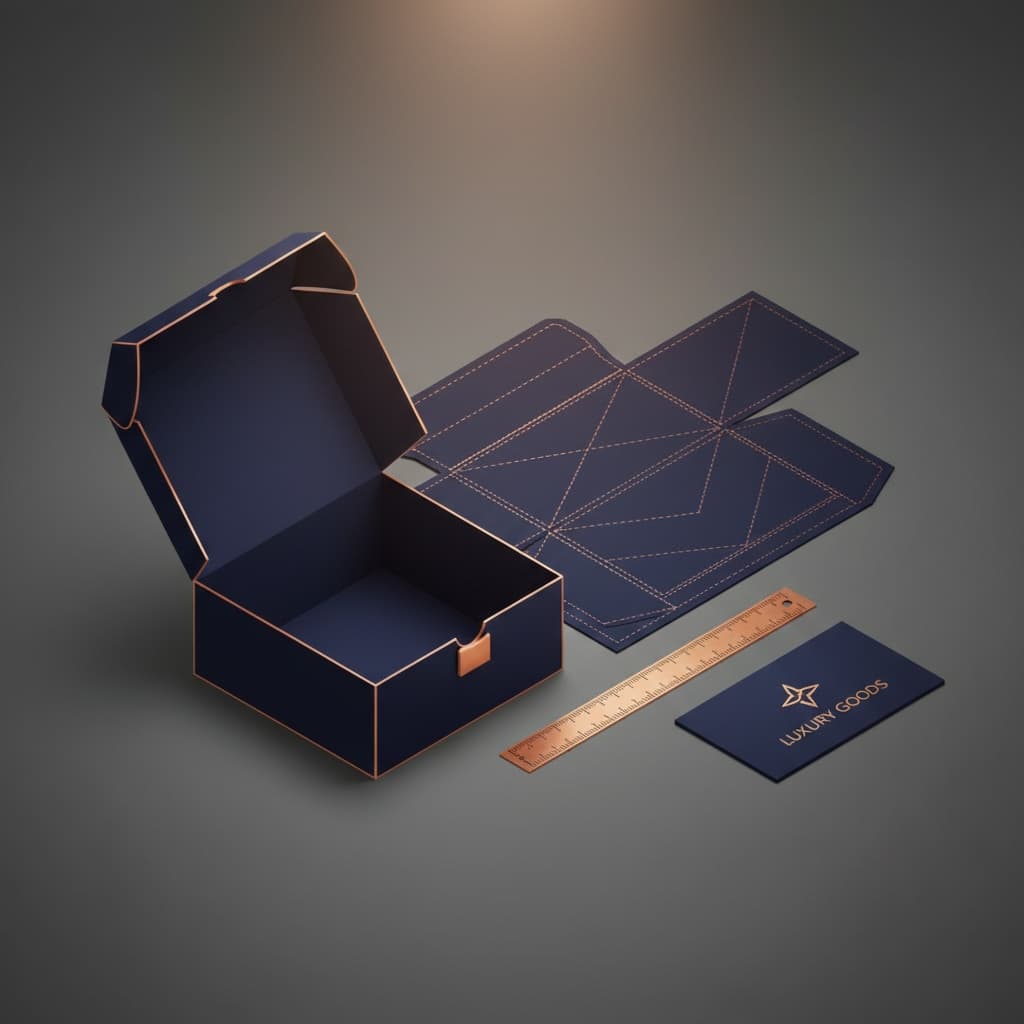
A seal end carton dieline needs more structural checking than a basic tuck carton because glue areas, opening edges and panel orientation must be correct before printing. The flat layout should show cut lines, crease lines, glue tabs, sealed panels, dust flaps, safe areas, bleed and any tear strip or perforation.
The Dieline Tool can help with early size and structure planning. Final artwork should still be checked around the seal end construction, especially when the carton includes tear strips, detailed product copy or panel-specific branding.
What to confirm on the dieline
Confirm which panel becomes the front, where the glue area sits, which end opens, how the product loads and where the tear path runs. Then check artwork direction, barcode placement, finish areas and mandatory information.
Why a sample is useful for sealed cartons
A free sample before full production can confirm the closure strength, product fit, tear strip position, crease quality and opening experience. This is especially useful for new product launches, tight-fit cartons and products with several size variations.
Packing Speed and Production Planning
Custom Seal End Boxes can support MOQ from 50 while also scaling into larger carton runs, repeat orders and high-volume packaging programs. The structure suits brands that want to test a product range first, then move into steady repeat production once the size, artwork and closure are approved.
For smaller runs, focus on fit, artwork and sample approval. For larger runs, focus on packing flow, colour consistency, storage planning, repeat order control and carton performance across every SKU.
Hand packing versus faster lines
A carton packed by hand can use a slightly different workflow from one planned for a faster filling process. If your team packs hundreds or thousands of units, small friction points matter. A flap that catches, a tight product fit or a poorly placed tear strip can slow the whole packing table.
Seal end cartons should be checked for the real packing method, not just the finished box appearance.
Repeat runs for product families
Repeat orders should use controlled dieline files, colour targets and approved finish settings. This matters when the same product family uses different variants, scents, shades, flavours or seasonal artwork.
Good production planning reduces the risk of layout drift between orders.
How Seal End Boxes Compare With Nearby Cartons
Custom Seal End Boxes sit within the wider Custom Folding Cartons and Tuck Boxes range. They are the stronger choice when a product needs a sealed closure and a cleaner retail-ready finish.
If the product needs a faster-forming base for heavier small goods, Custom Auto Lock Bottom Boxes may work better. If the base needs manual locking without glue, Custom Crash Lock Bottom Boxes can suit products where base support matters more than a sealed end.
Seal end versus reverse tuck
Reverse tuck cartons are easier to open and suit products that do not need a permanent sealed finish. Seal end cartons are better when the package should remain closed until sale, delivery or customer opening.
Seal end versus auto lock bottom
Auto lock bottom cartons focus on base speed and bottom support. Seal end cartons focus more on sealed closure, controlled opening and retail security. Some products may need a hybrid structure, depending on product weight and packing process.
Quote Details That Affect the Sealed Closure
A good quote for Custom Seal End Boxes should include the details that affect the closure, not only the outer size. Send the product dimensions, weight, filling method, preferred opening style, quantity, material preference, print coverage, finish ideas and artwork status.
If you want a tear strip, perforation or adhesive feature, mention that from the start. These choices affect the dieline, print layout and production setup. If the box will hold a bottle, jar, tube, sachet or inner tray, include those details as well.
Details that prevent closure issues
Useful quote details include product length, width and depth, product weight, pack direction, whether the carton is hand filled, whether the customer needs a tear strip and whether the product range includes several SKUs.
The more accurate the input, the easier it is to recommend a carton that seals cleanly, opens properly and supports the product without wasted space.
From sample approval to repeat supply
Custom Packly can help move the project from size planning to dieline setup, sample checking, print approval and production. Once the carton is approved, repeat orders can focus on timing, storage, artwork updates and quantity planning rather than rebuilding the structure each time.
FAQs
Related Packaging Styles
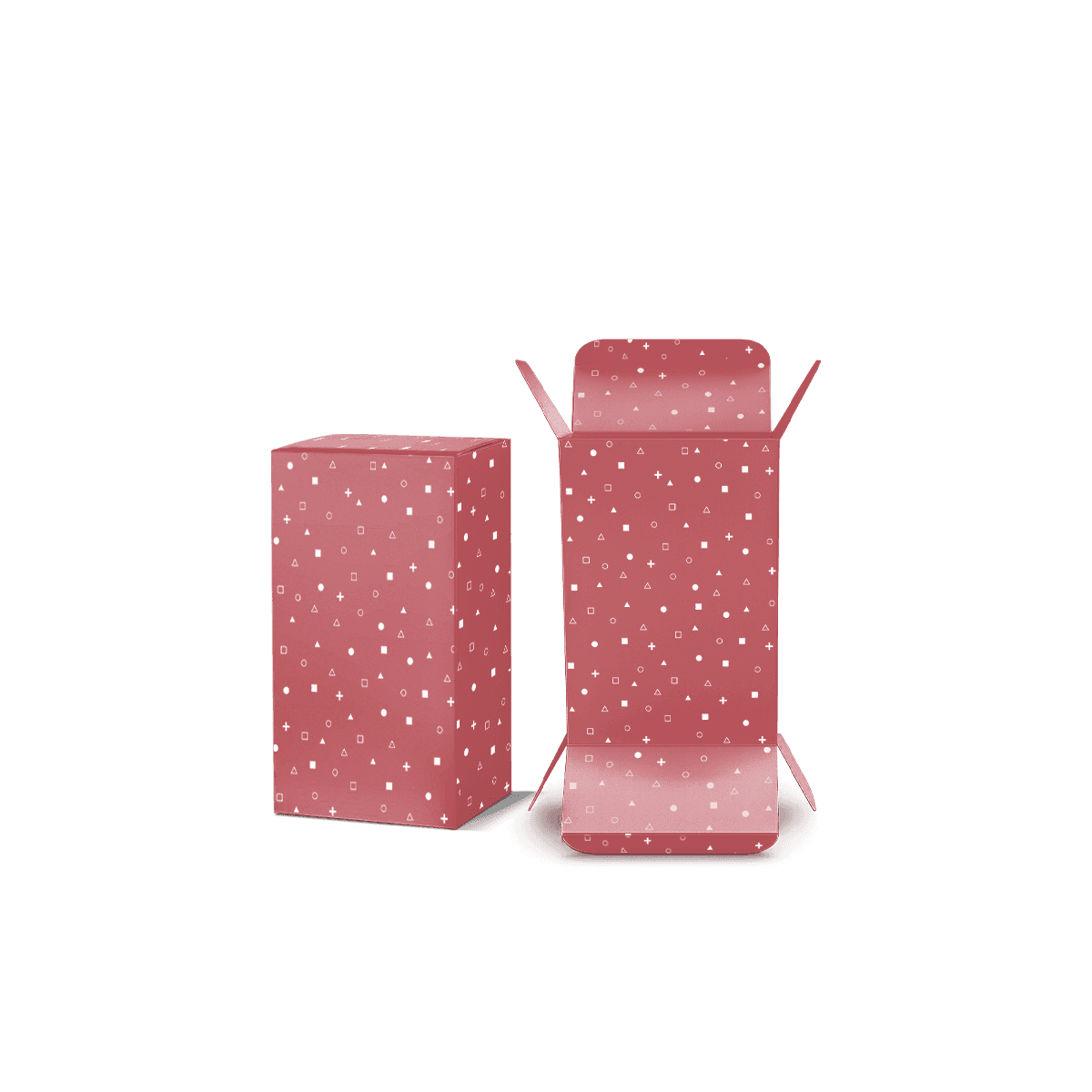
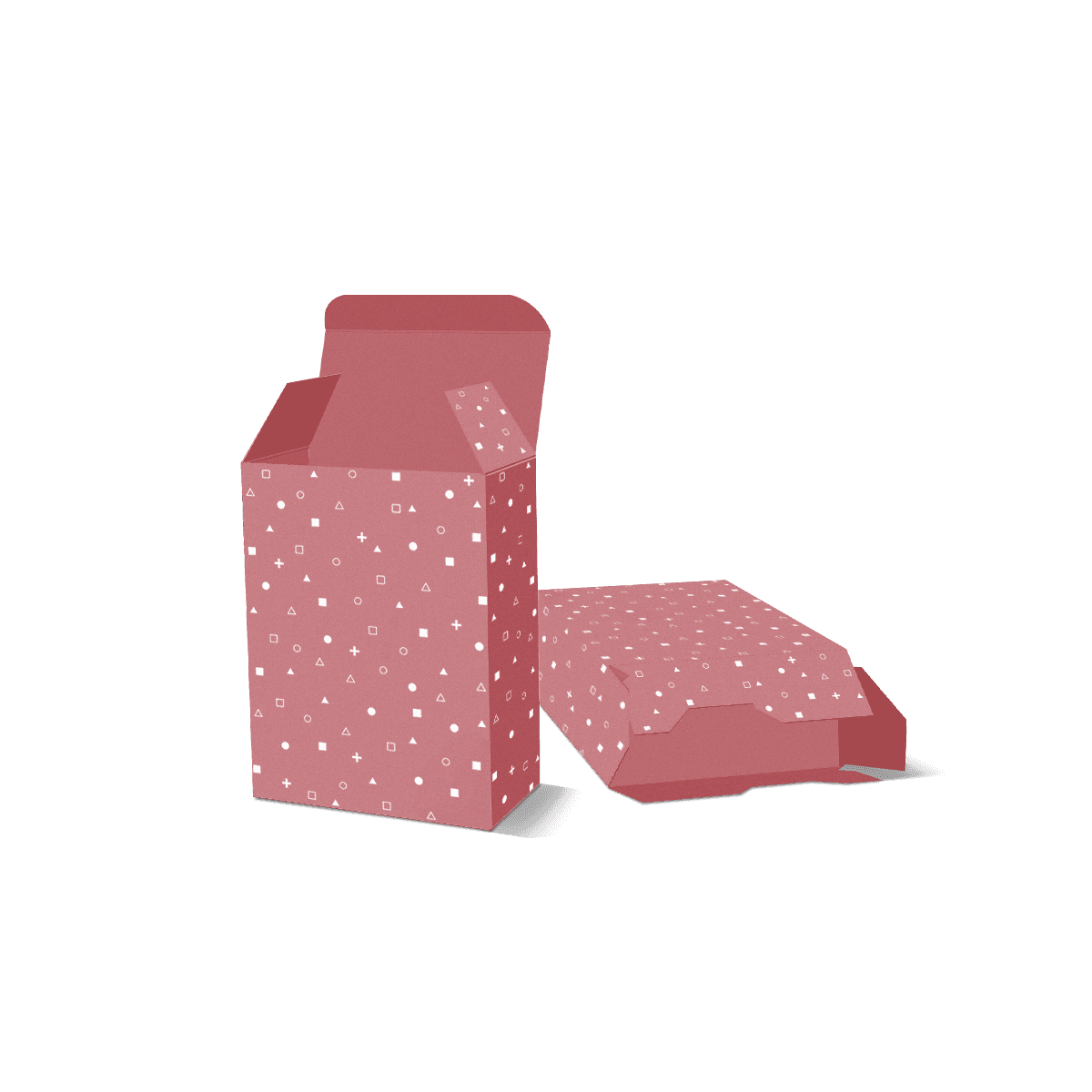
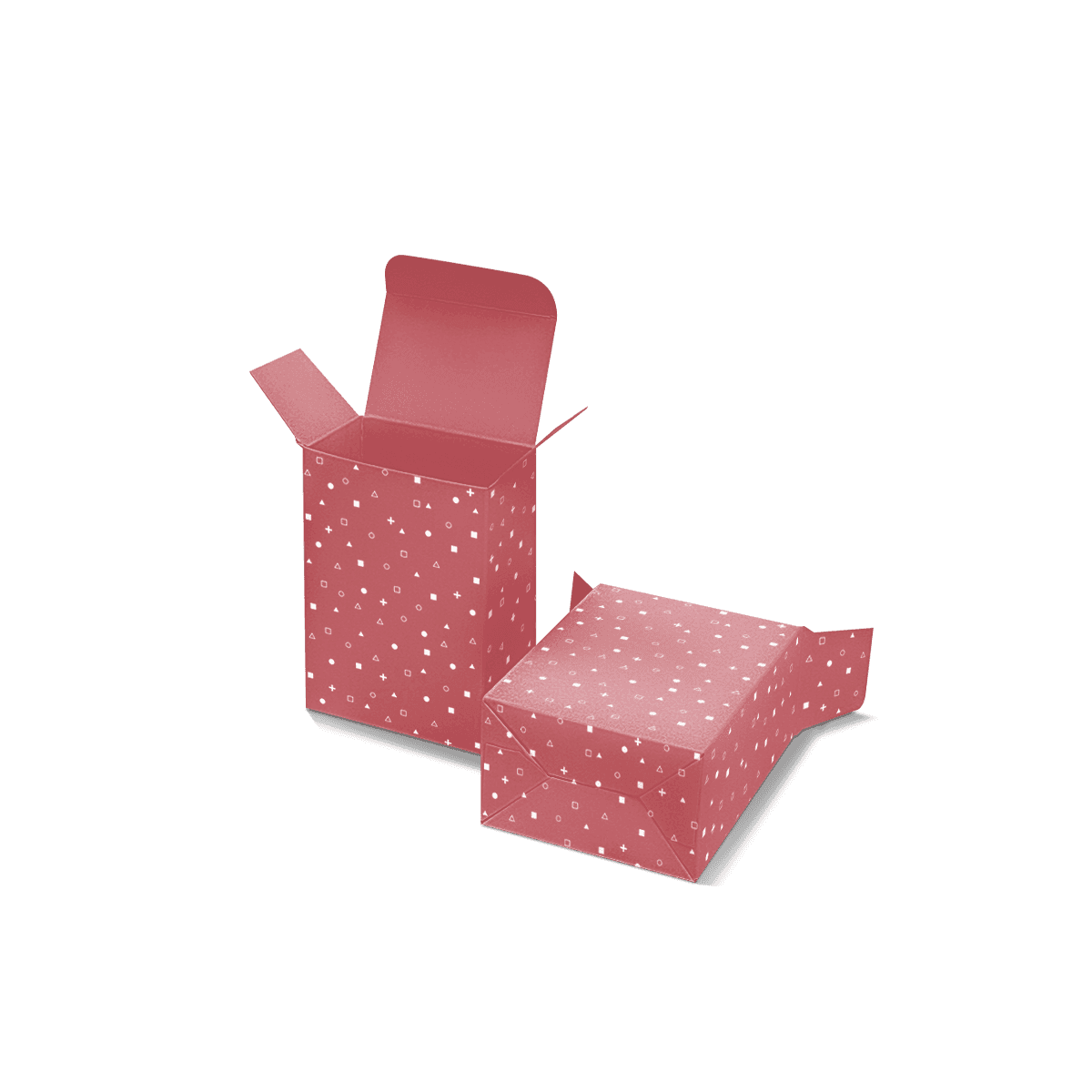
Related Industries
How it works
Simple steps from idea to delivery
Tell Us Your Specs
Tell Us Your Specs
Provide size, quantity, printing, and finishes.
Get a Fast Quote

Get a Fast Quote
Instant transparent pricing, no hidden fees.
Design and Approval

Design and Approval
Artwork checks, revisions, and final sign-off.
Produce

Produce
Expert manufacturing to meet deadlines.
Ship to Your Door

Ship to Your Door
Hassle-free, flexible delivery options.
Start Your Custom Packaging Quote
Share your product details, dimensions, quantity and artwork needs. We’ll help choose the right packaging style and send a clear quote.