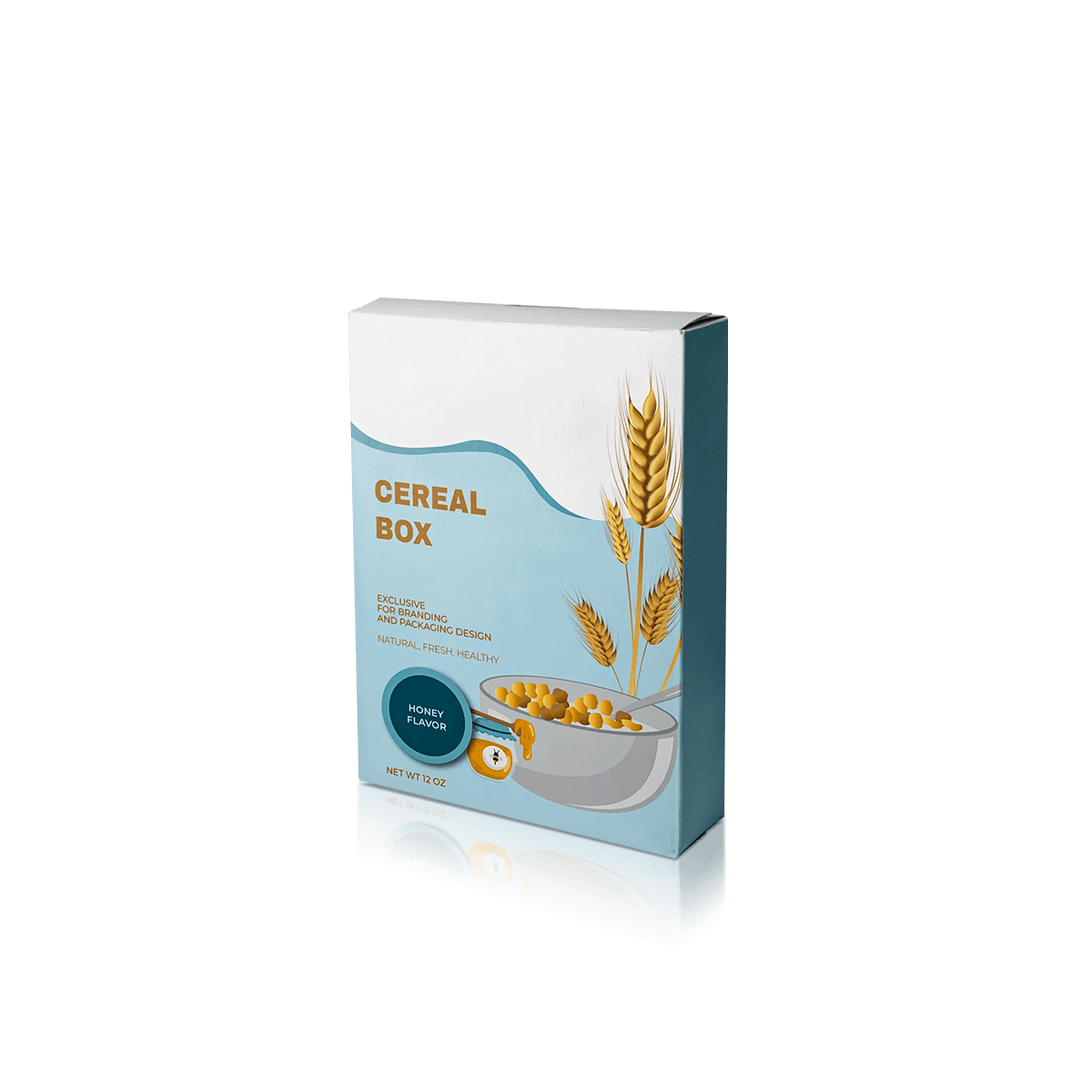
Custom Cereal Boxes
Give flakes, clusters and family-size cereals a firm retail carton planned around the inner bag, shelf stability, panel space and repeat artwork control.
Free Design Support
Clear Pricing
Flexible Quantities
Unlimited Customization
Premium Materials
Offset Precision
Free Shipping
Quick Turnaround
Printed Cereal Packaging That Stays Square on Shelf
Custom Cereal Boxes need a firm outer carton and a well-sized inner bag. They also need enough panel space for clear food information. The box should stay upright after filling. It should stack neatly in a shipping case and keep its main artwork visible on a crowded shelf.
Breakfast cereals vary in bulk and weight. Light flakes take more room than dense clusters. Granola can press harder against the base. Mini portions and family sizes also need different board strength, closure depth and print planning.
Custom Packly plans Custom Cereal Boxes around the filled inner bag rather than an empty carton estimate. This keeps the front face flat, reduces excess space and gives the cereal a more polished retail shape. Related breakfast, pantry and beverage products can sit within Custom Food and Beverage Packaging.
Plan Custom Cereal Boxes Around the Inner Bag
Custom Cereal Boxes and their inner bags must work as one unit. The bag protects the cereal while the outer box gives structure, print area and shelf presence. A mismatch can cause bulging panels, trapped air or a box that feels too empty.
Allow for settling after filling
Cereal does not stay in the same position after it leaves the filling line. Flakes, loops and clusters settle during handling. The final carton depth should allow for this movement without squeezing the product.
Use a test-filled inner bag to set the size of Custom Cereal Boxes. Measure its widest point, full height and depth after the cereal has settled.
Keep sharp folds away from fragile pieces
A carton that is too tight can press the liner into the cereal. That may increase breakage around corners and side seams. A little controlled clearance protects the contents while keeping the box face tidy.
The aim is not a loose carton. It is a close fit that lets the inner bag slide in without force.
Leave room for sealing and top loading
The sealed top of the inner bag needs space below the carton closure. If the bag reaches the top flap, filling becomes slow and the carton may not close cleanly.
Custom Cereal Boxes should also match the way your team loads them. Hand-filled runs may need more opening room. Automated loading may need closer control over carton squareness and flap position.
Keep Custom Cereal Boxes Stable and Square
Custom Cereal Boxes are often tall, wide and shallow. That shape gives a large front panel but can bow, twist or lean when the board is too light.
Choose board strength by height and fill weight
A small single-serve carton may use lighter paperboard. Family-size cereal or dense clusters may need a firmer grade. The right choice depends on carton height, depth, filled weight and how many units sit in each case.
Thicker board is not always the only answer. Better dimensions, grain direction and crease planning can also improve the final shape.
Use a base that holds its form
The base must stay flat when the cereal is loaded. A weak or poorly locked base can open under weight or sit unevenly on the shelf.
Straight tuck, reverse tuck and sealed-end structures can suit different filling methods. Custom Folding Cartons and Tuck Boxes gives more detail on flap direction, base strength and assembly needs.
Check the top flap after the inner bag is fitted
The top should close without pushing the liner down. It should also reopen cleanly when the customer reaches the cereal.
A thumb notch or simple tuck can improve access. The final closure should suit the carton size and the expected number of openings.
Plan Every Panel on Custom Cereal Boxes
Custom Cereal Boxes offer more print area than most food pouches. That space can support strong shelf recognition and clear product facts. It can also carry useful content without making the carton hard to scan.
Make the front panel clear from a distance
The front should show the brand, cereal name and main flavour or product difference first. A large food image can help, but it should not compete with the name or weight.
Keep key elements away from side creases. Tall cartons often curve slightly after filling, so small text near the edges can become harder to read.
Organise the side and back panels
Use the side panels for short product facts, serving ideas or brand details. The back can carry preparation ideas, sourcing notes or a brand story. Simple activities may also suit family or children’s cereals.
Retail food labels may need information such as ingredients, allergens, nutrition details, date marks and country of origin wording. Your food compliance adviser should approve the final copy and panel placement before print.
Reserve clear coding and barcode areas
Keep date coding away from dark print, gloss effects and deep creases. Barcodes need a clean area and enough contrast for reliable scanning.
The bottom panel can hold batch details or production marks when the filling process allows it. Do not place vital customer information where it becomes hidden after sealing.
Separate Flavours Across Custom Cereal Boxes
Custom Cereal Boxes may cover original, chocolate, fruit, high-protein and reduced-sugar options. The artwork needs enough variation to prevent picking errors. Every carton should still look linked to the same brand.
Keep one fixed brand grid
Place the logo, cereal name, weight and main product image in consistent positions. Change a strong colour band, illustration or pattern for each flavour.
This approach makes the shelf look organised. It also reduces artwork errors when a new cereal joins the line.
Give each size its own visual cue
Single-serve, standard and family cartons can share the same design system, but the size should be easy to recognise. A colour strip, clear weight statement or panel variation can help.
Do not simply stretch one artwork file across every carton. Text size, image crop and barcode placement should be checked on each dieline.
Plan short releases without leaving old cartons
Seasonal cereals and limited flavours may need smaller quantities than core products. Keep changing claims, dates or promotional details in areas that can be updated without rebuilding the full design.
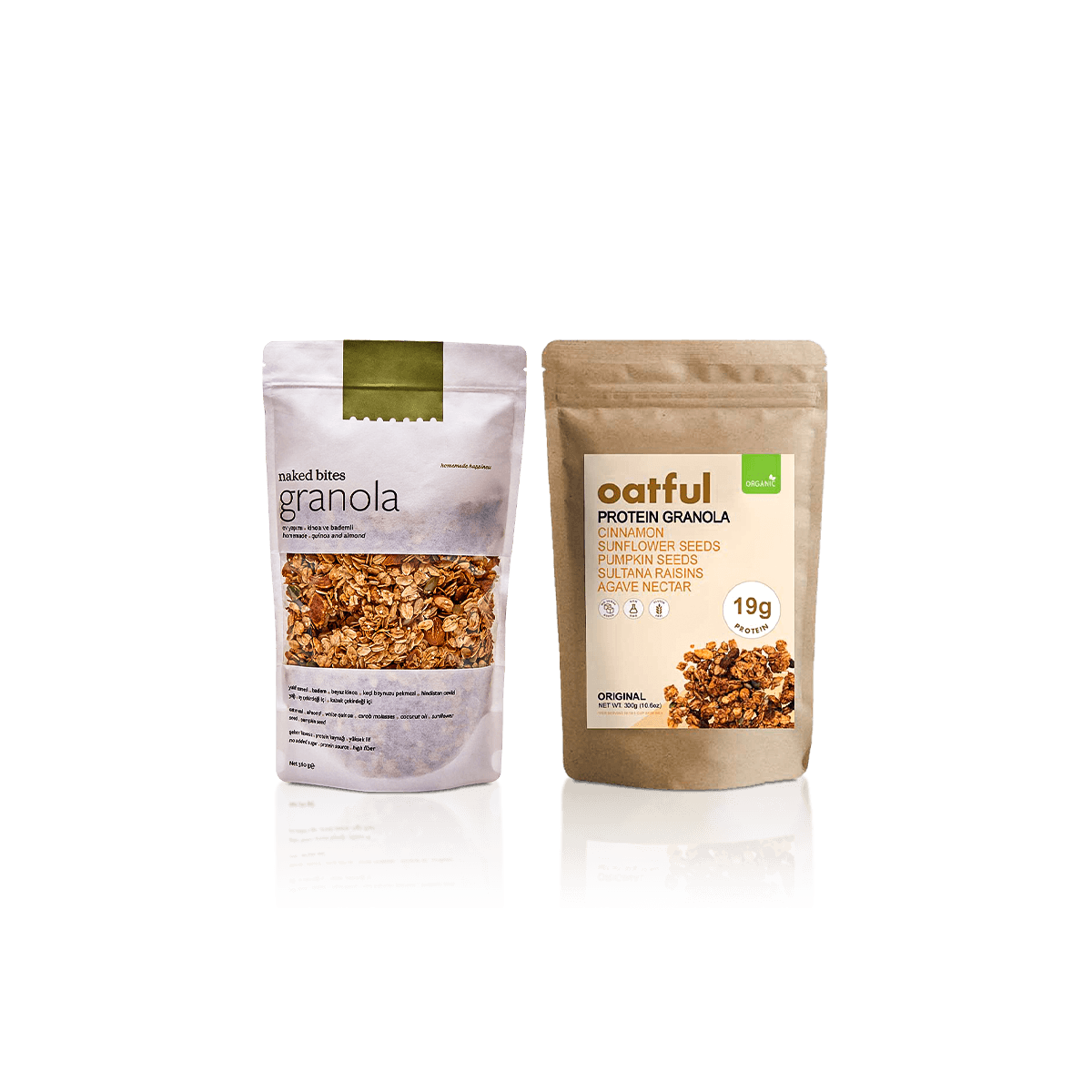
Loose granola and refill products may suit Custom Granola Pouches when resealing and lower storage space matter more than a broad carton face.
Materials and Finishes for Custom Cereal Boxes
Custom Cereal Boxes pass through filling, case packing, shelf stocking and repeated handling. The stock and finish should keep the carton neat through each stage.
Use paperboard for the retail carton
White paperboard supports bright colour, food photography and fine text. Kraft board creates a more natural look but can soften pale colours and reduce contrast.
The outer carton usually holds a sealed inner bag rather than touching the cereal. Any material that will contact food directly must be suitable for that use. FSANZ advises food businesses to confirm that packaging materials are safe for the food they contain.
Match print to the number of designs
Premium offset printing can give consistent colour across core cereal lines and larger repeat runs. The print plan should also account for the number of flavours and how often artwork changes.
Strong colour does not require every panel to be busy. Clear white space can make nutrition details, flavour names and brand marks easier to read.
Choose finishes that resist rubbing
Matte lamination can reduce glare. Gloss can make food photography look brighter. Spot UV, foil or embossing may suit a premium cereal, gift release or brand anniversary.
Finishes should support the shelf message and survive case friction. Customisation can align board, colour, coating and special effects across the complete cereal line.
Prepare Custom Cereal Boxes for Shelf Displays
Custom Cereal Boxes must work as a group, not only as single cartons. The boxes need to face well together and fit the shelf depth. They should also move cleanly from the shipping case to display.
Create a strong shelf block
Consistent logo height and colour placement help several cartons read as one brand. Side panels should also look considered because the shelf may not always show the full front.
A carton that leans or bows can break the visual block. Board strength and inner-bag fit are just as important as the artwork.
Use display trays for smaller cartons
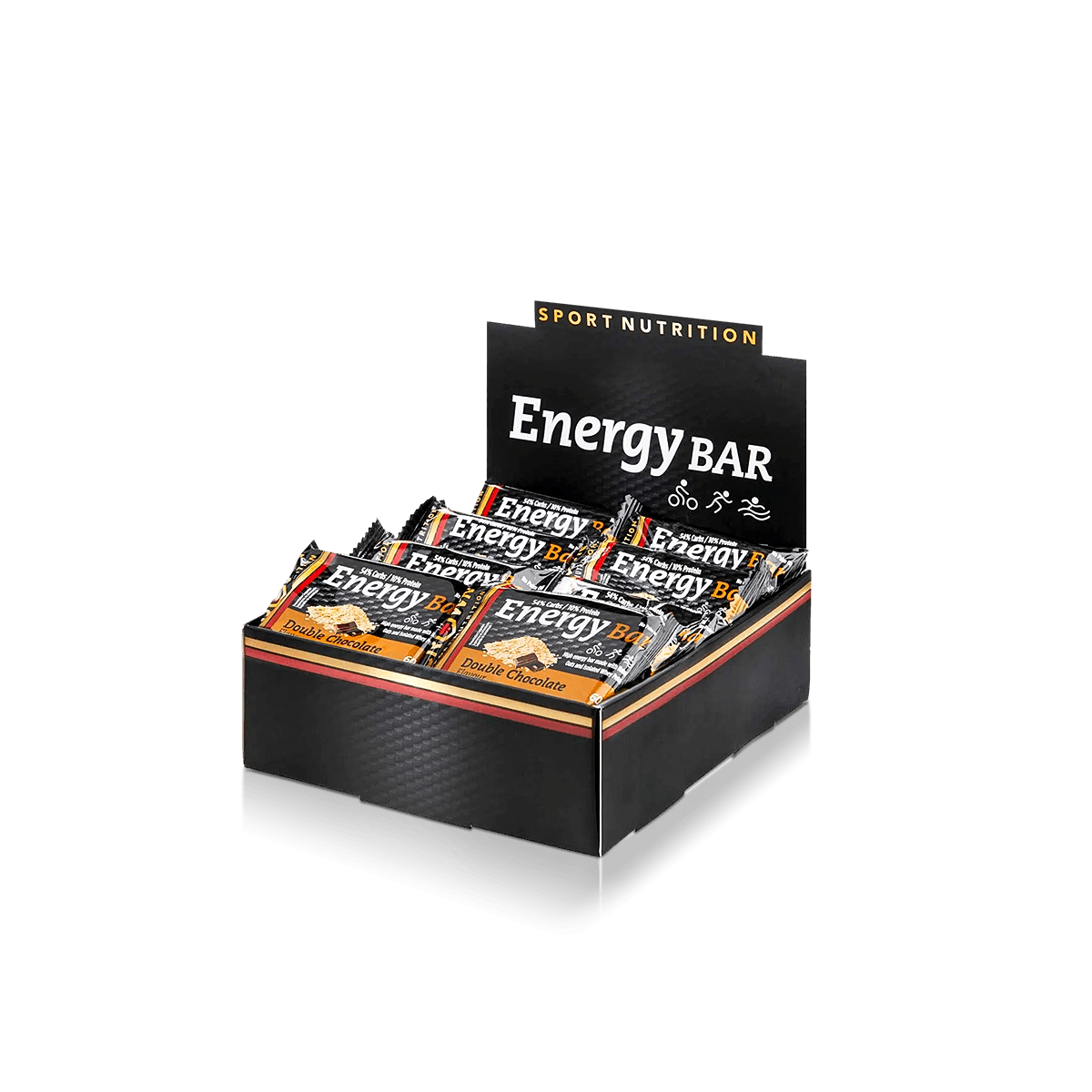
Mini cereal boxes, variety sets and sample portions may need a tray to stay organised. Custom Display Boxes can hold several units upright and make restocking easier.
The tray should not cover the cereal name or key flavour cue. Its front lip must suit the carton height.
Protect online and subscription orders
A retail carton is not always strong enough to travel alone. Online orders may need a corrugated outer box and controlled empty space.
Multipacks should prevent cartons from sliding into each other. A simple divider or snug outer carton can reduce crushed corners without adding excessive material.
Control Repeat Runs of Custom Cereal Boxes
Artwork on Custom Cereal Boxes can change more often than the carton structure. Nutrition updates, ingredient changes, new weights and seasonal graphics can all affect a reorder.
Start with the quantity each cereal can use
MOQ starts from 50. Custom Packly also supports larger orders, repeat production and high-volume cereal programs. Use smaller first runs for a new flavour and larger quantities for proven products with stable artwork.
Order size should reflect the life of the design, available storage and expected fill schedule.
Keep one approved specification per carton
Record the dimensions, board, grain direction, closure, coating, colour references and approved dieline. Store each flavour artwork under a clear file name.
Before every reorder, check the product name, weight, barcode, ingredients, nutrition panel, allergen wording and date area. This avoids printing an old version by mistake.
Coordinate cartons with filling dates
Packaging should arrive before the cereal is ready to fill. It should not arrive so early that it takes over storage space. Eligible approved orders can move through local production in around 4 to 6 days. More complex finishes or large quantities may need extra time.
Share the filling date and retail launch date during quoting so production can be planned around the real deadline.
Quote Custom Cereal Boxes From Filled Dimensions
An accurate quote for Custom Cereal Boxes needs the filled product details, not only a preferred carton height. Send:
- cereal type, shape and density
- fill weight for each carton size
- filled inner-bag dimensions
- required headspace and top-seal area
- single-serve, standard, family or multipack use
- preferred closure and loading method
- board or finish ideas
- number of flavours and carton sizes
- barcode, date-code and nutrition-panel areas
- retail, display-tray or online use
- quantity required for each artwork
- artwork status and delivery date
These details help Custom Packly set the board, dimensions and dieline before artwork is placed. Submit them through Get a Quote for pricing based on the actual cereal, inner bag and order plan.
FAQs
Related Industries
Related Packaging Styles
How it works
Simple steps from idea to delivery
Tell Us Your Specs
Tell Us Your Specs
Provide size, quantity, printing, and finishes.
Get a Fast Quote

Get a Fast Quote
Instant transparent pricing, no hidden fees.
Design and Approval

Design and Approval
Artwork checks, revisions, and final sign-off.
Produce

Produce
Expert manufacturing to meet deadlines.
Ship to Your Door

Ship to Your Door
Hassle-free, flexible delivery options.
Start Your Custom Packaging Quote
Share your product details, dimensions, quantity and artwork needs. We’ll help choose the right packaging style and send a clear quote.