Custom Food and Beverage Packaging
Packaging planned around aroma, freshness, shelf display and product handling for coffee, tea, snacks, pantry foods, sauces and bottled drinks.
Custom Cereal Boxes
Custom Granola Pouches
Custom Snack Boxes
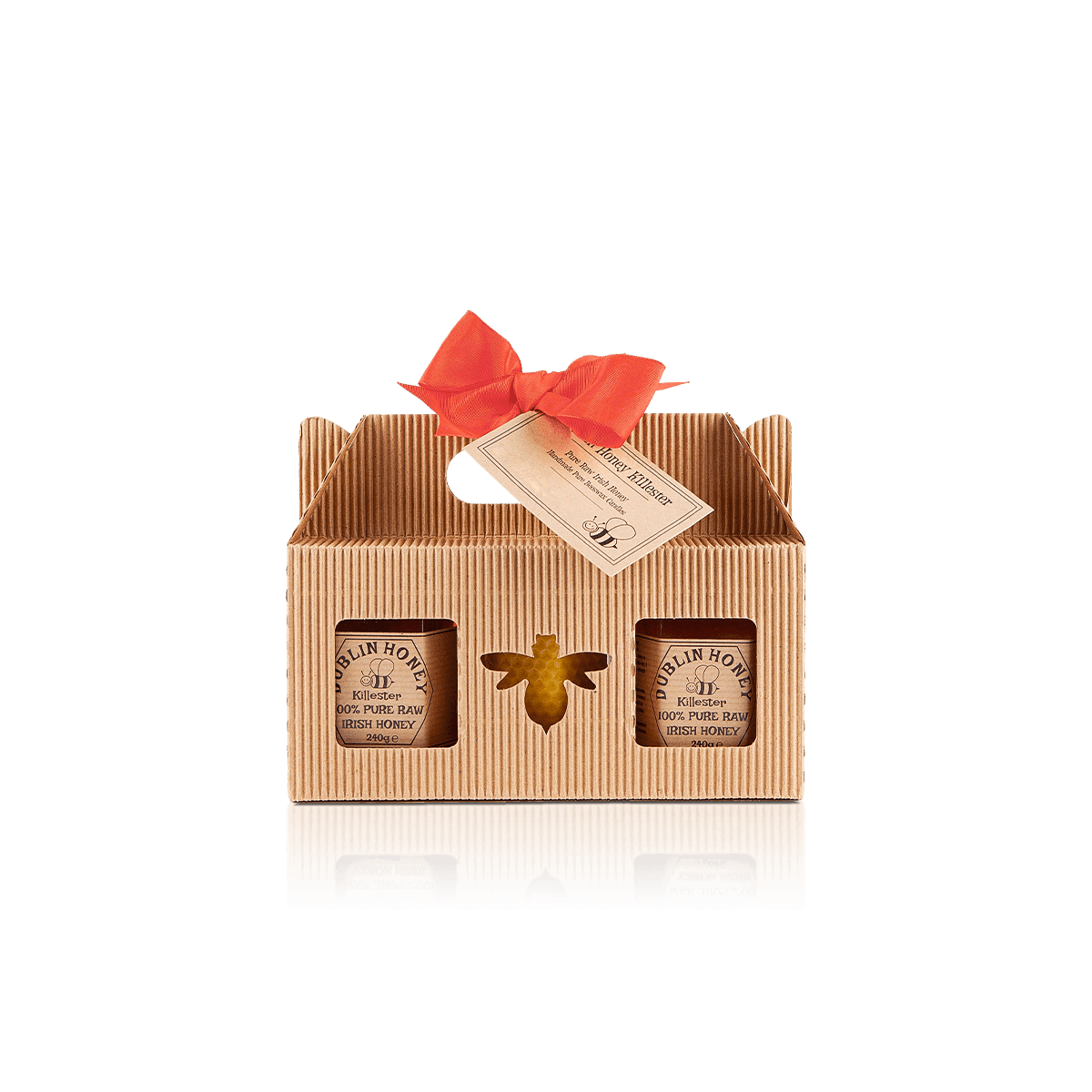
Custom Honey Jar Boxes
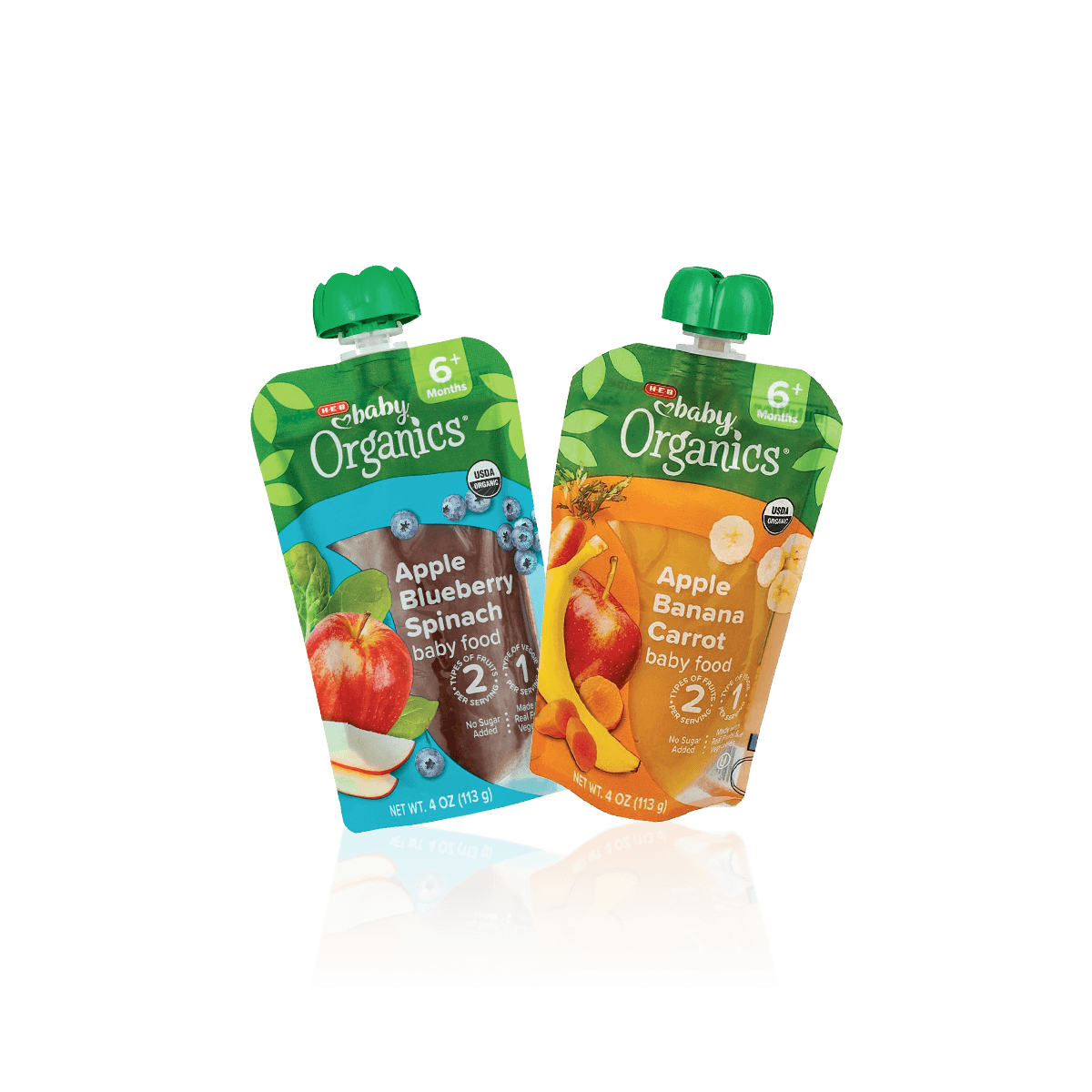
Custom Food Pouches
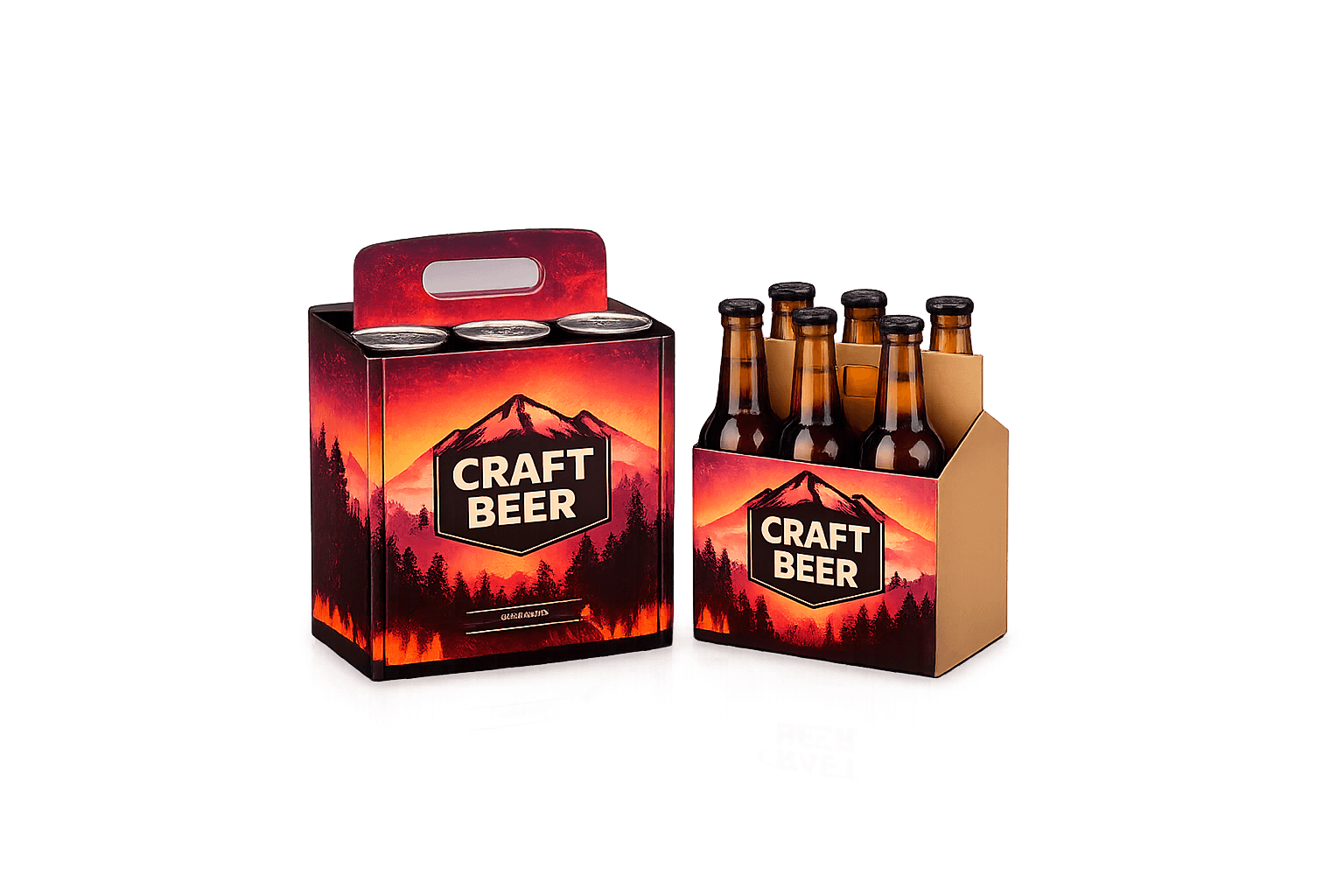
Custom Beverage Packaging
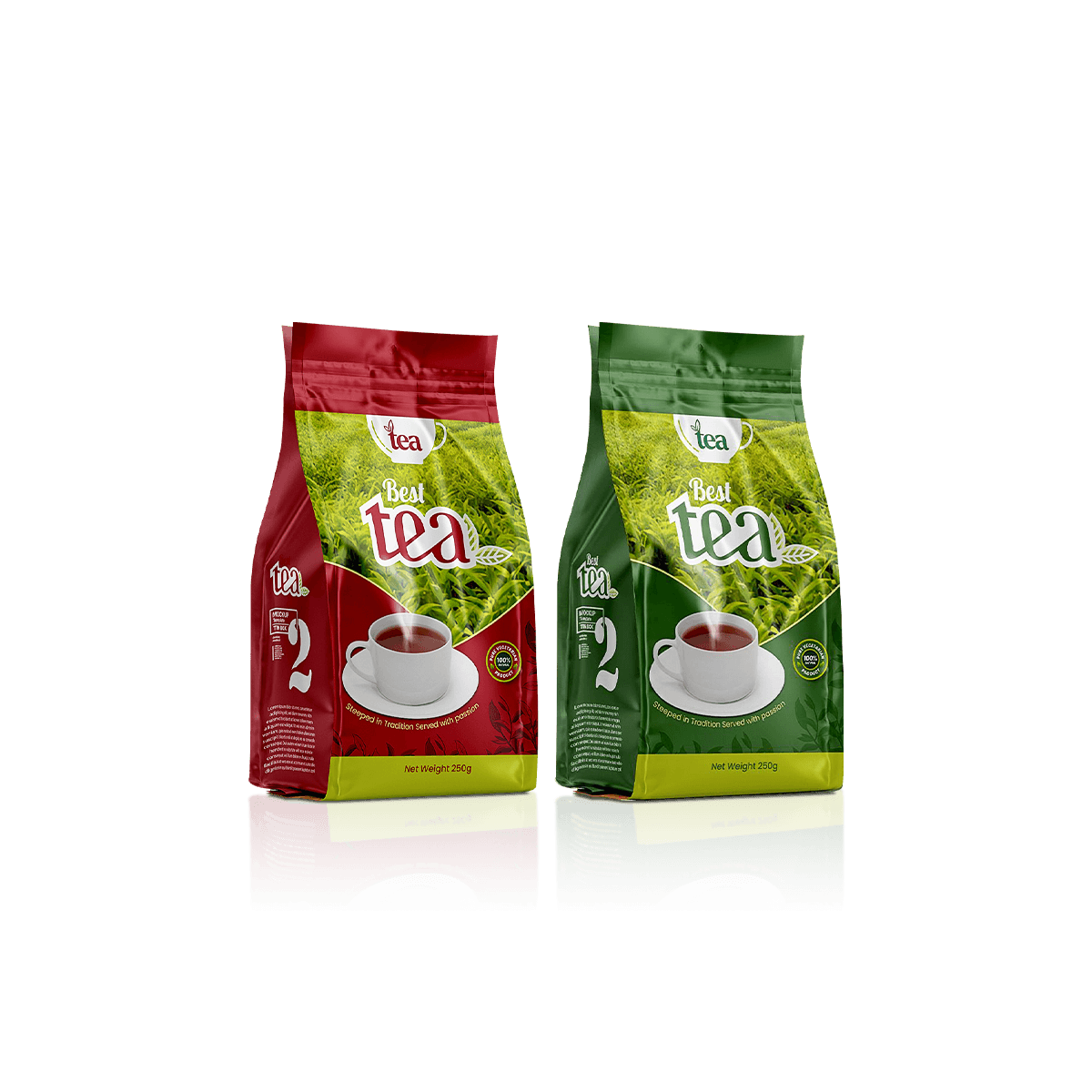
Custom Tea Pouches
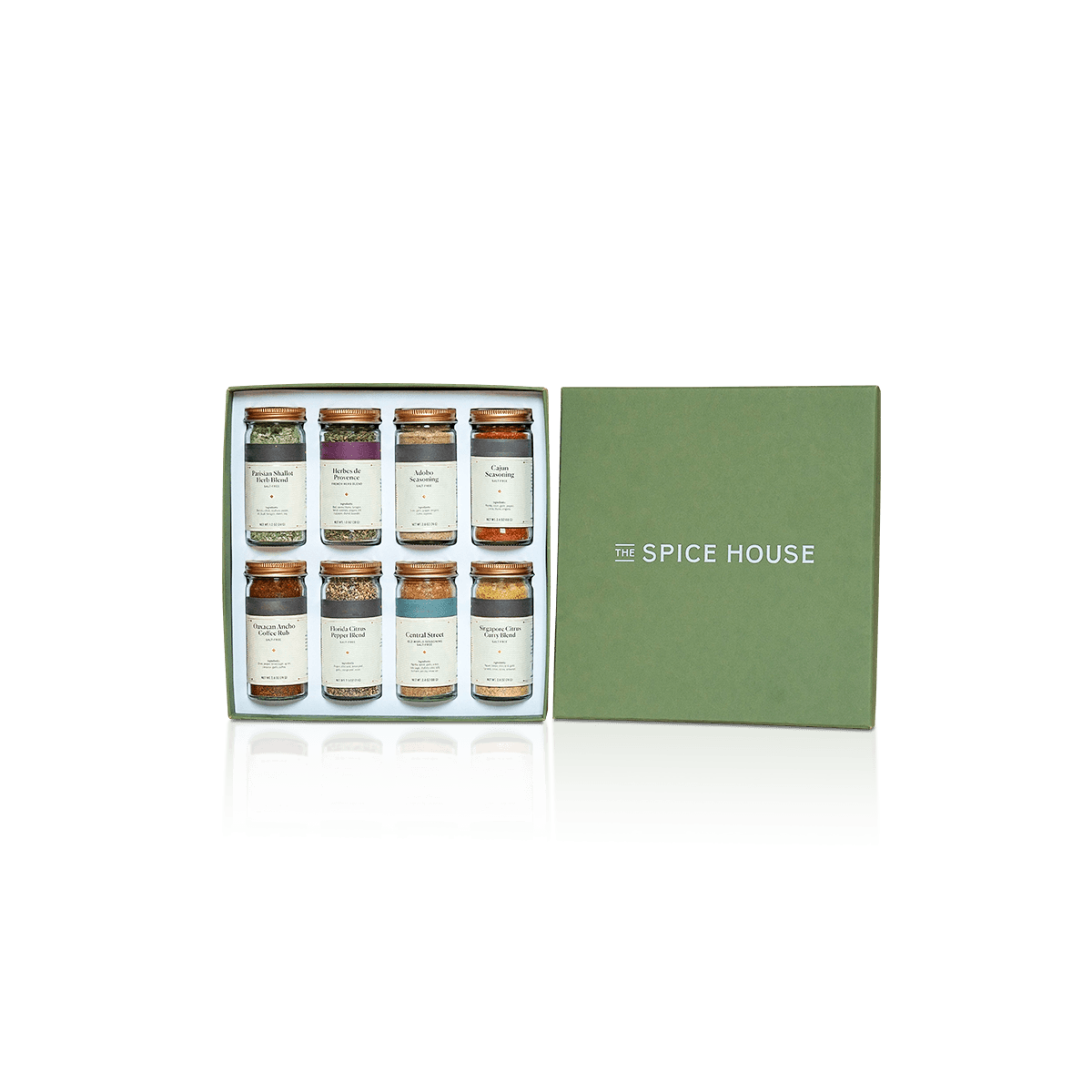
Custom Spice Boxes
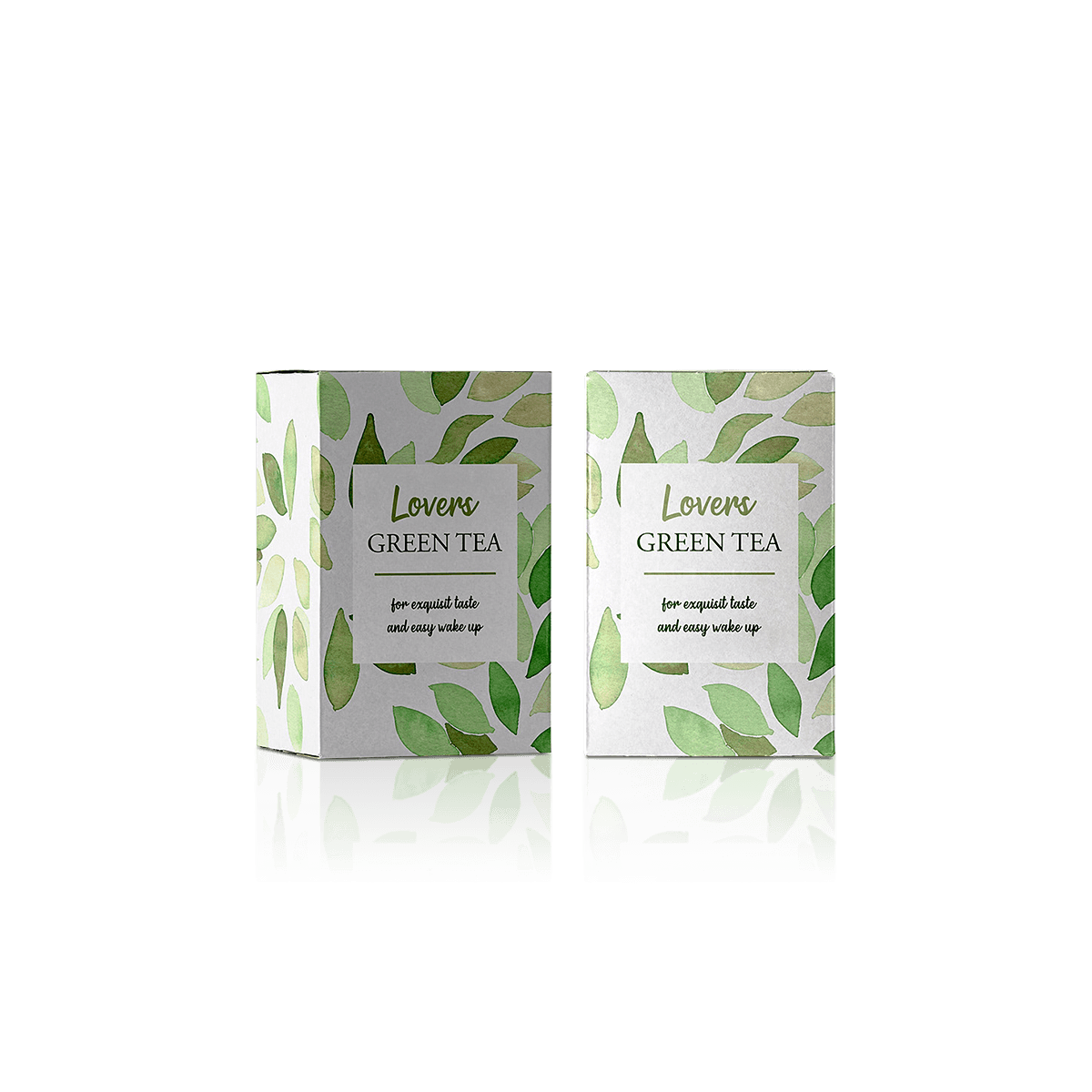
Custom Tea Boxes
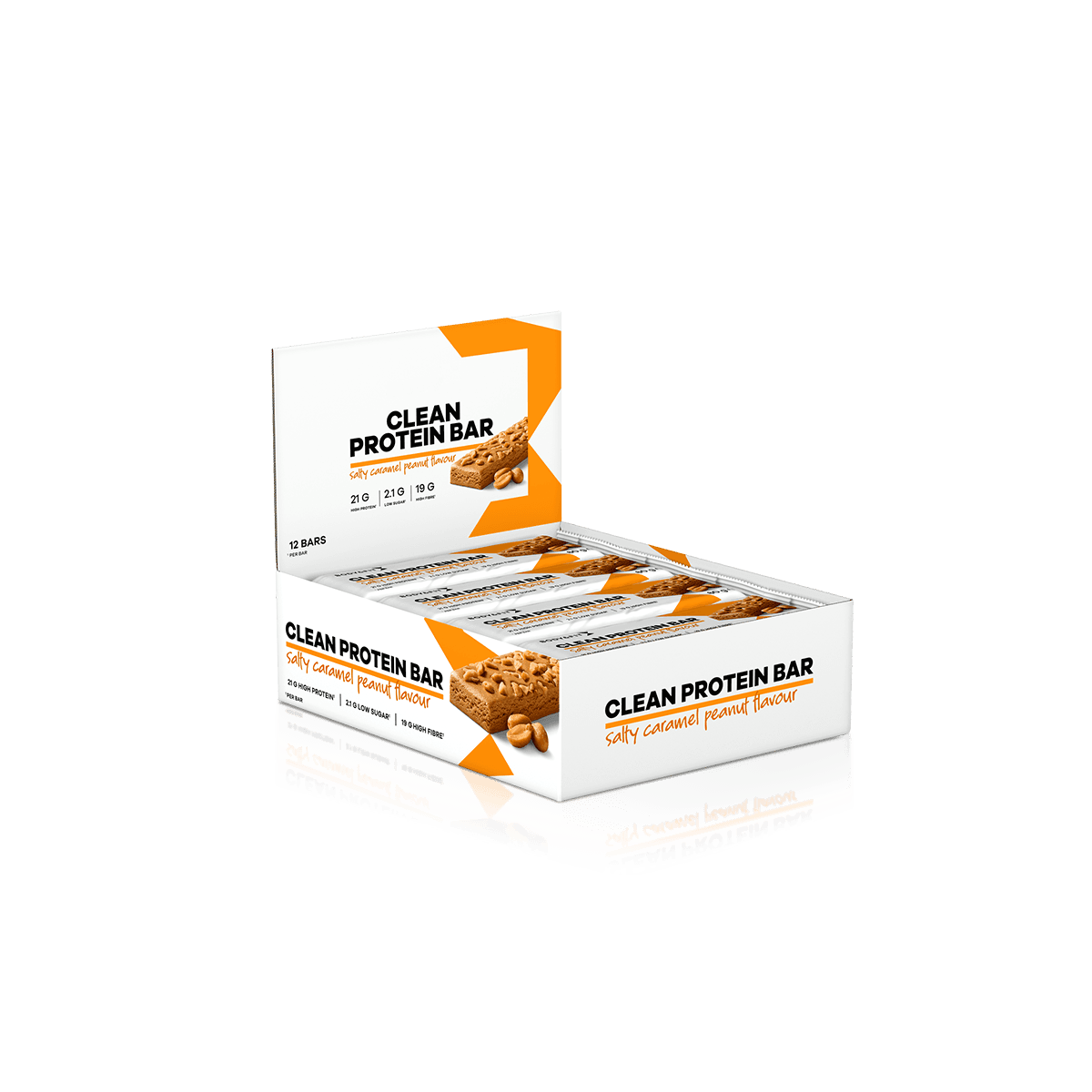
Custom Protein Bar Boxes
Custom Food Packaging
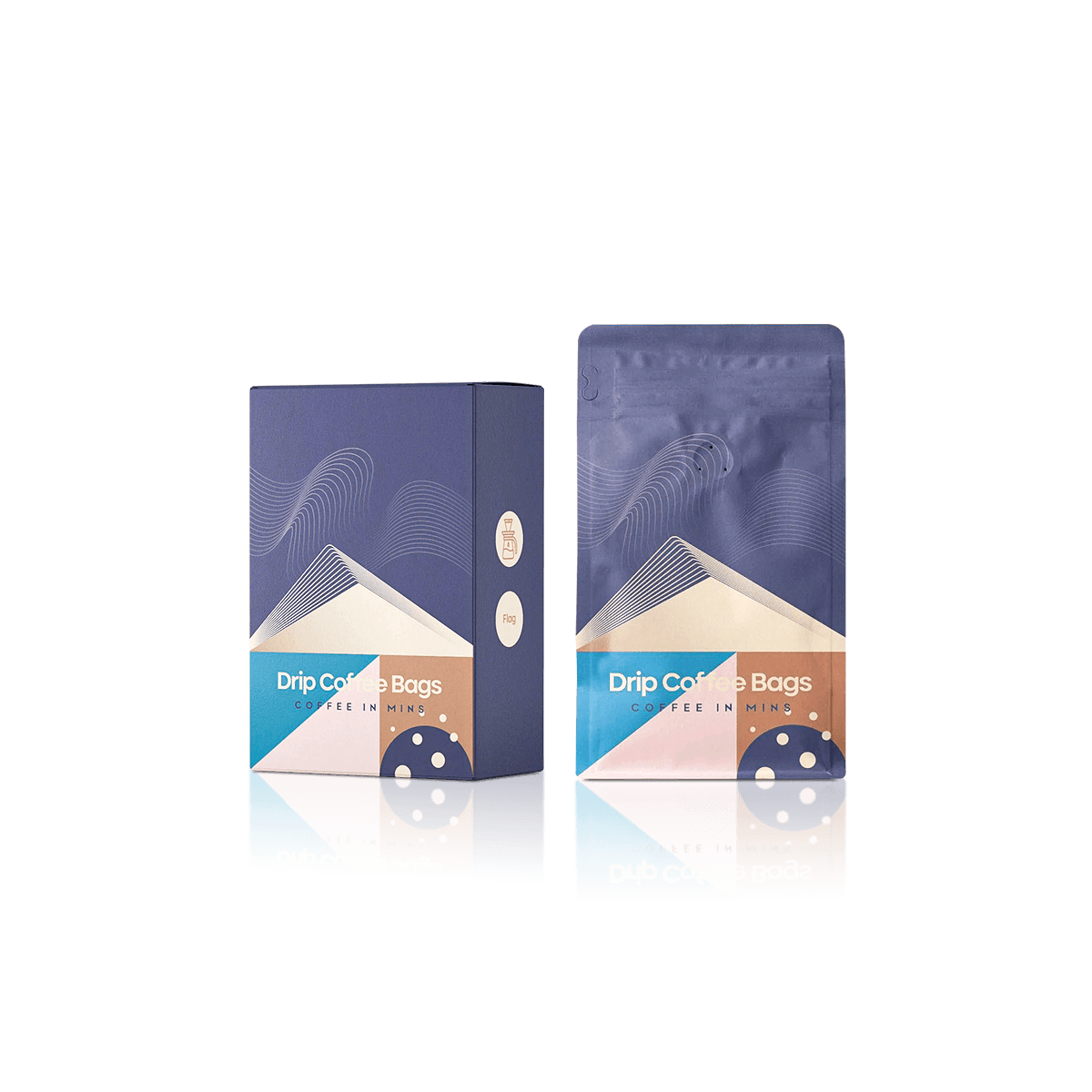
Custom Coffee Bags
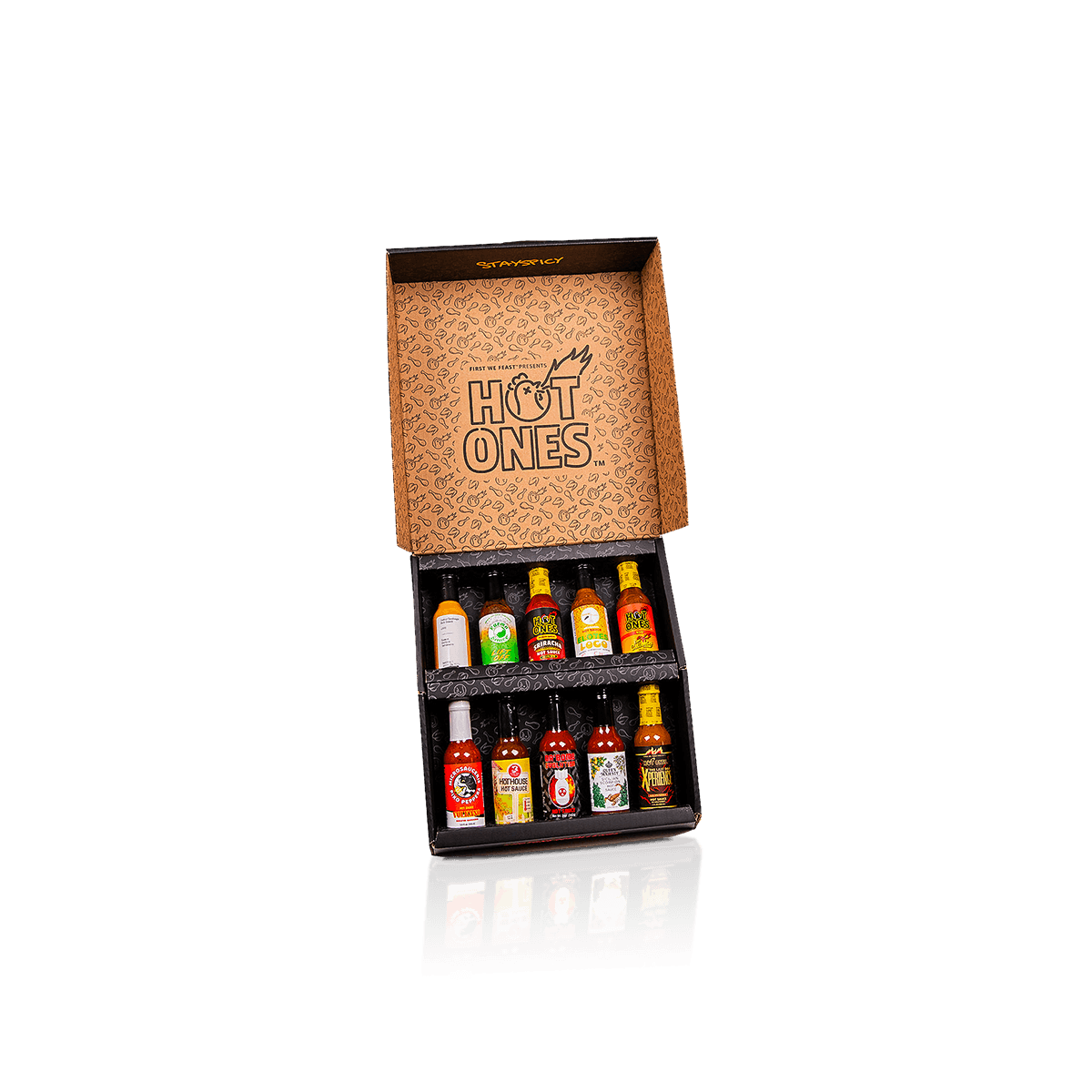
Custom Sauce Bottle Boxes
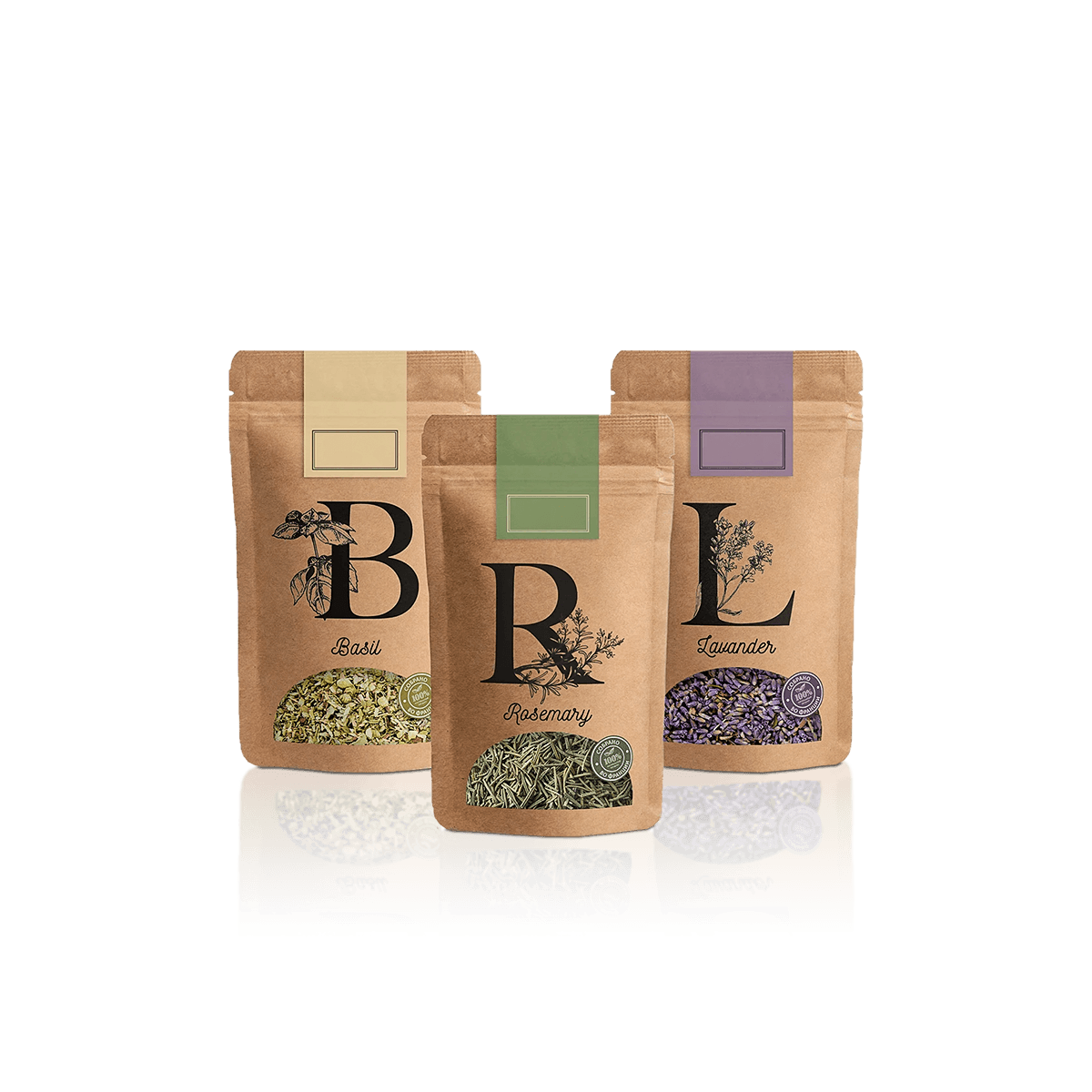
Custom Herb Pouches
Custom Food Packaging for Coffee, Tea, Snacks and Drinks
Custom food and beverage packaging must suit the food inside. It should hold aroma, keep out damp, carry the right weight and look neat on the shelf. A coffee bag has very different needs from a cereal box or a sauce bottle carton.
The place of sale matters too. A tea box needs clear shelf appeal. A snack pouch may need a zip. A glass bottle may need a snug carton and a strong outer box for online orders. Custom Packly can bring these needs into one clear plan.
This group suits dry food, pantry goods, bottled drinks and gift food lines. Wider Custom Food Packaging can cover other food needs. Hot meals, cups and takeaway service fit better within Custom Cafe and Takeaway Packaging.
Choose the Box or Pouch From the Food Inside
The best custom food and beverage packaging starts with the food, the fill method and the shelf life. Do not start with print alone. Two items can share the same weight yet need a very different pouch or box.
Coffee and tea need aroma care
Coffee and tea can lose aroma when air, damp or light gets in. The bag, seal and zip should suit the food and its shelf life. Fresh roast coffee may also need a valve. That will depend on the roast and fill process.
Custom Coffee Bags can be sized for the fill weight, base depth and zip point. Tea may use a pouch for loose leaves. Custom Tea Boxes can hold tea bags, sachets or gift sets.
Snacks, cereal and bars need shape control
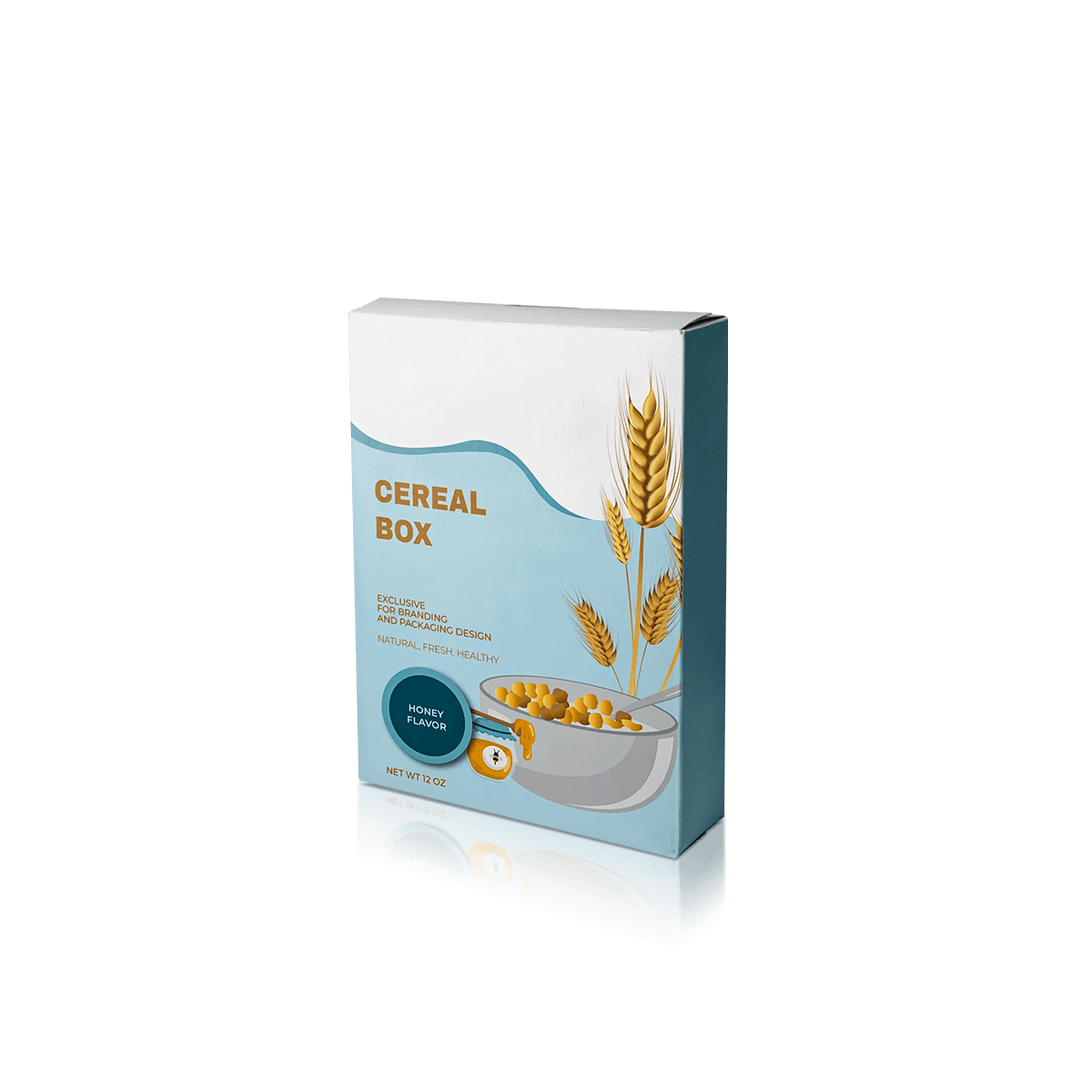
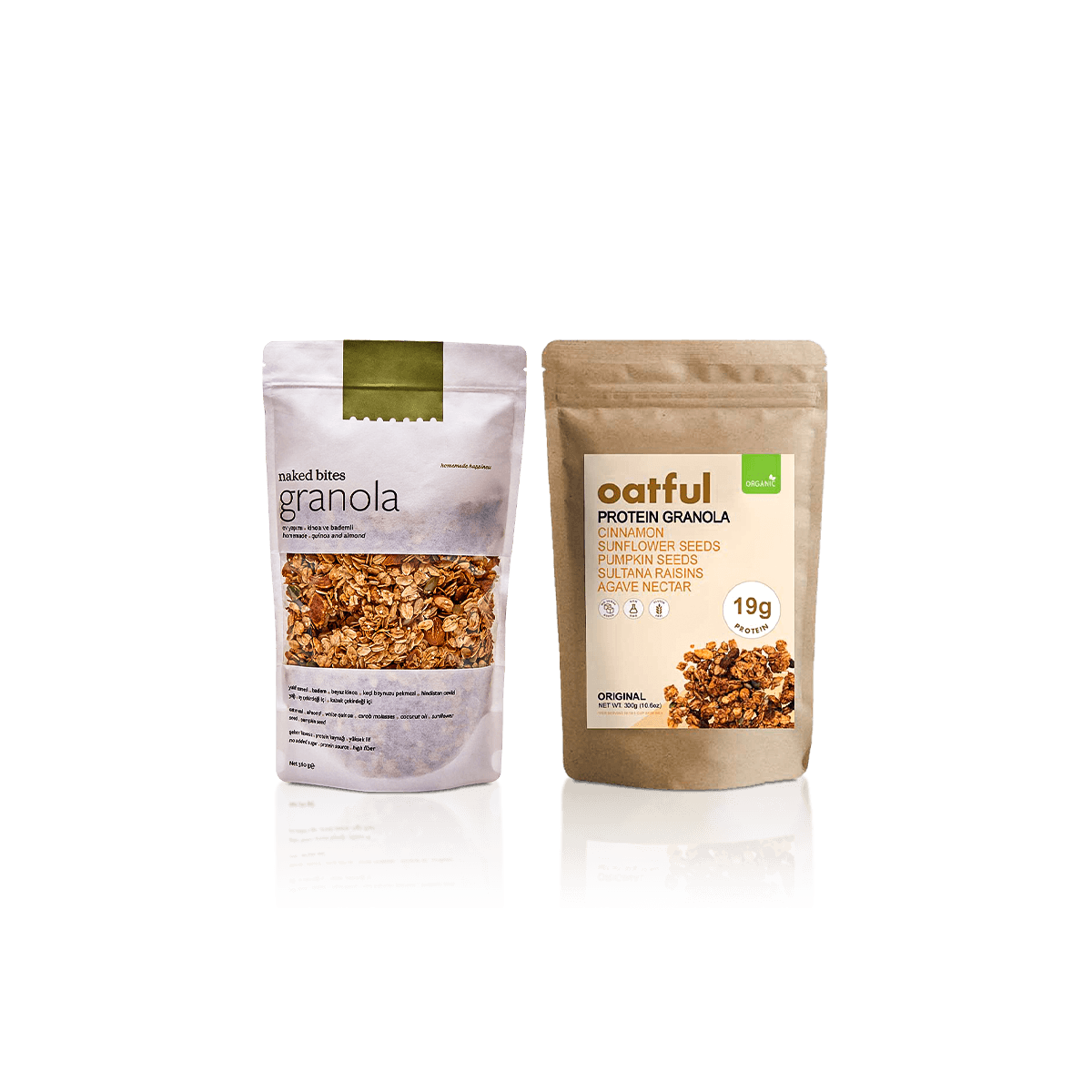
Snacks can crush or sink to the base. Cereal boxes can bow if the board is too light. Bar cartons need to load fast and keep each bar in line. Granola often works well in a pouch that stands up after opening.
Use the filled volume, not just the food weight. A light snack may take more space than a dense food. The right size helps the item look full and stops waste.
Sauces, herbs, spices and honey bring new risks
Fine powders need clean seals. Herbs need good aroma care. Spice boxes should hold small jars or sachets in place. Sauce and honey cartons must allow for the cap, label and full glass weight.
The food contact need must be clear. A box around a sealed jar is not the same as a pouch that holds food. The stock and inner layer must suit the food, fill step and planned use.
Use Pouches and Cartons for Different Jobs
Custom food packaging often needs more than one type of outer wrap. Pouches help with seal, shelf life and low storage space. Cartons give firm print panels and a square shelf face.
Pouches help with seal and reclose needs
Stand-up, flat and gusseted pouches can suit coffee, tea, herbs, spice, cereal and snacks. They may use a zip, tear notch, clear window or heat seal. Each part should match how the food is filled and used.
Custom Pouches and Flexible Packaging can suit food that needs a tight seal or easy reclose. The final film and seal must match real shelf tests. Good looks alone do not prove the pouch will work.
Cartons give a firm shelf face
Cartons give set panels for the name, flavour, weight and key facts. They suit tea bags, cereal, bars, spice jars, sauce bottles and small sets.
Custom Folding Cartons and Tuck Boxes can use many base and flap types. A light tea box may need a simple tuck end. A jar may need a firm base and closer fit.
Glass jars and bottles need a second layer of care
Glass needs tight space control. A small insert can stop a bottle from leaning. Dividers can keep jars apart in a set. A strong outer box may be needed for parcel delivery.
Plan the retail box and shipping box at the same time. A good retail carton still fails if it moves in the outer box.
Help Each Flavour Stand Out on the Shelf
Food and beverage packaging has only a short time to make sense on the shelf. The front should show the brand, food type and flavour fast. It should not feel busy or hard to read.
Keep one design system across the line
Use one base layout for all flavours. Keep the logo and food name in the same place. Then change a colour band, image or small pattern for each item.
This works well for tea blends, coffee roasts, cereal, bars and spice lines. It also makes the next launch much easier. A new flavour can use the same print plan.
Leave clear space for key facts
The art should leave room for the facts your food needs. This may include the food list, allergy notes, weight, storage notes, date marks, barcodes and recycle marks. Your own food or legal team should check the final text.
Keep small text clear. Do not print it over a fold or seal. Leave plain space for date codes. Give barcodes enough clear space to scan well.
Think about shops, markets and online photos
Shelf food needs a firm base and a clear front. Market food must read well from a table. Online food must look clear in a small photo and stay safe in transit.
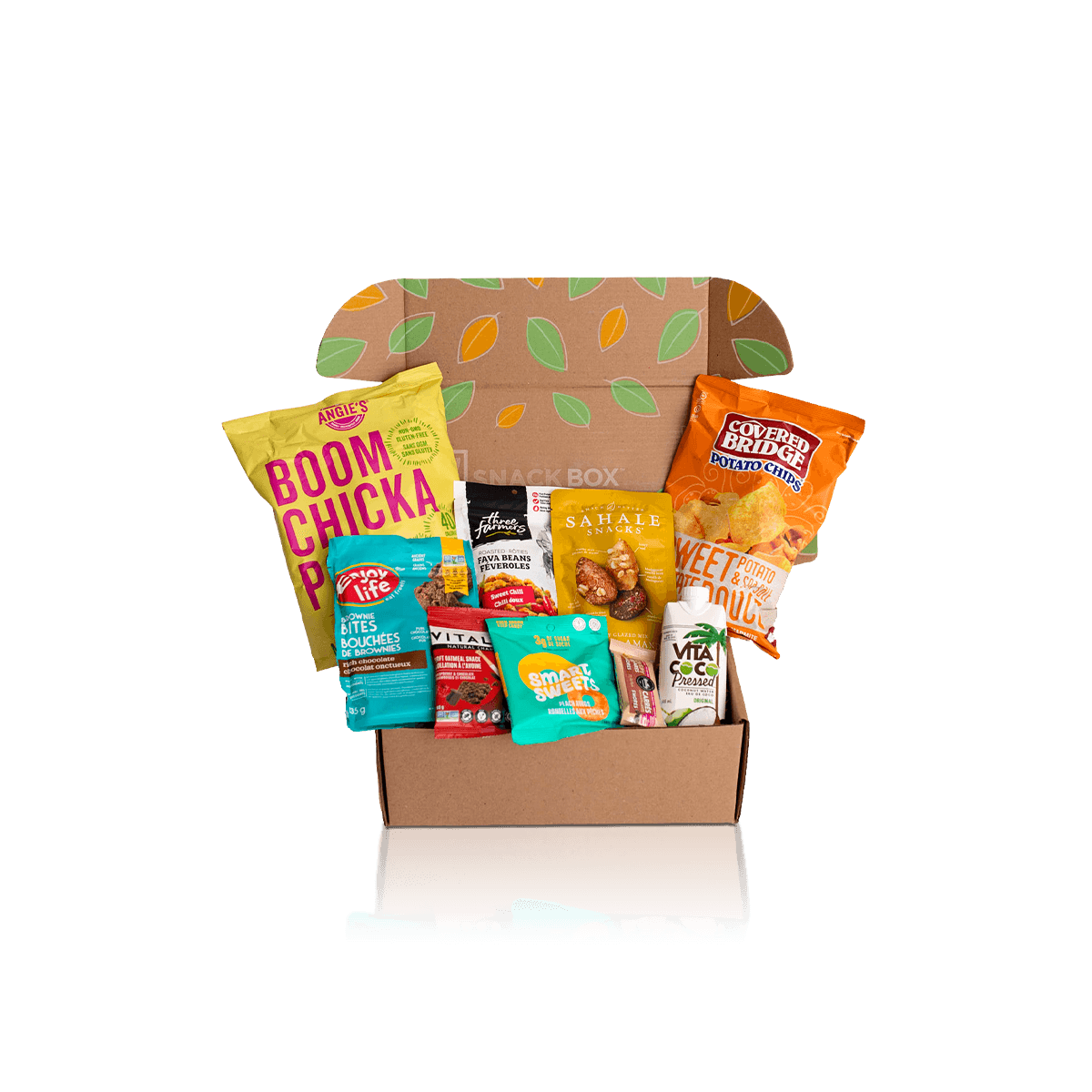
Custom Snack Boxes can carry bold shelf art. The shipping box can stay more plain. The logo, type and key colours should still match.
Pick Stock That Suits Weight, Oil and Damp
Material choice in custom food and beverage packaging must suit the food and the way it is stored. A fine print finish cannot fix a weak seal or a box that bends.
Dry food may still need a strong barrier
Coffee, tea, herbs, spice and snacks can react to air, light or damp. The pouch layers must fit the real shelf goal. A zip helps after opening, but it does not replace the first heat seal.
A clear window can help show granola or tea leaves. It may also change the barrier. Plan the window size and film from the start.
Paperboard gives clean print and firm panels
White board gives a smooth face for bright print. Kraft gives a plain, natural look. It can make light colours look duller. A thicker board can help cereal, jar and set boxes stay square.
Corrugated board is better for heavy sets and shipping. The flute and board grade should match the weight, stack height and delivery risk.
Glass needs fit, not just thick board
A bottle box should control side move, top space and base load. An insert can hold the neck or body. A snug fit can also stop labels from rubbing.
For a sauce or honey gift set, each jar needs its own space. One loose jar can shift and damage the rest.
Keep Print Clear Across Every Food Line
Print on custom food and beverage packaging should help each item feel part of the same brand. The aim is not to make all boxes look the same. The aim is to keep the main brand cues steady.
Use colour to split flavours with care
Keep one brand colour or mark across the whole line. Add a second colour for each flavour or type. This helps people scan the shelf with ease.
CMYK works well for photos and full colour art. Pantone may help with a key brand shade. The final stock will still change how the colour looks, most of all on kraft.
Choose finishes that can take real use
Matte and gloss coats can change the look and help guard the print. Foil, raised print or spot gloss may suit tea, coffee and gift food. Use them to guide the eye, not to hide key text.
A finish will not act the same on a pouch and a carton. Customisation should be set for each item, while the brand look stays linked.
Check the art on the dieline
Keep key text away from folds, seals, gussets and glue zones. Check which face sits at the front after the item is filled. Match each flavour name, weight and barcode to the right file.
A 3D mock-up is often enough for a simple carton or common pouch. A real sample can help when bottle fit, pouch fill, valve point, window size or insert hold has more risk.
Size the Pack From the Filled Item
Good food and drink packaging starts with the item as it will be sold. An empty bottle or flat pouch will not show the full space needed after fill.
Measure the widest point and full height
For a carton, give the widest point, full height and weight. Include the cap, pump, lid and label. For a pouch, give the fill weight, food type, headspace and seal needs.
Powder, cereal and snacks fill space in very different ways. A fill test can stop a pouch from looking too empty or being hard to seal.
Check shelf, case and ship size as one plan
The retail size sets how many units fit on a shelf. The case size affects storage and freight. The ship size sets how much empty space sits around the food.
A small change in box width may improve the case count. That can save space on a large repeat run.
Use inserts only when they solve a real issue
An insert may stop a jar from turning. It may hold sachets in order. It may keep bottles apart in a gift set. Each extra part adds stock, cost and hand work, so it should have a clear job.
Plan First Runs, New Flavours and Reorders
Custom food and beverage packaging should support the first launch and the next one. Food lines often grow through new tastes, new weights, gift runs and short events.
Start with a useful first quantity
MOQ starts from 50. Larger runs, repeat orders and high-volume needs are also supported. A small first run can suit a test launch or short food line.
Local production can support a 4 to 6 day turn when the art and approvals are ready. The exact time will still depend on the box or pouch, print finish and order size.
Keep each reorder easy to check
Keep the approved dieline, stock, finish, colour notes and art file for each item. This cuts risk when a flavour comes back months later.
Use clear file names. Check whether the new run has a new weight, code, recipe or date area. Do this before print starts.
Plan short food runs with less waste
Gift coffee, festive tea and short snack lines can sell in a small time frame. Order plans should allow for fill time, launch day and left stock.
A plain box with a new sleeve or label may suit a short run. A full print box may suit a key event. The best choice rests on the order size and how new the item must look.
Send the Right Details for a Fast Quote
A quote for custom food and beverage packaging needs more than a logo and rough size. Clear food and use details help set the stock, seal, print and box style.
Include:
- the food or drink name
- what the box, bag or pouch will hold
- whether it will touch the food
- the filled size, weight or fill amount
- the number of flavours or art files
- any zip, seal, valve or window need
- any jar, bottle or break risk
- where the item will be sold
- the amount needed for each item
- the art stage and due date
Send these points through Get a Quote. Custom Packly can then suggest a sound first route and flag any part that needs a fill or fit test.
FAQs
Start Your Custom Packaging Quote
Share your product details, dimensions, quantity and artwork needs. We’ll help choose the right packaging style and send a clear quote.