Custom Electronics Packaging
Protect devices, accessories and launch kits with made-to-fit boxes, organised paperboard inserts and print that stays clear from retail shelf to doorstep.

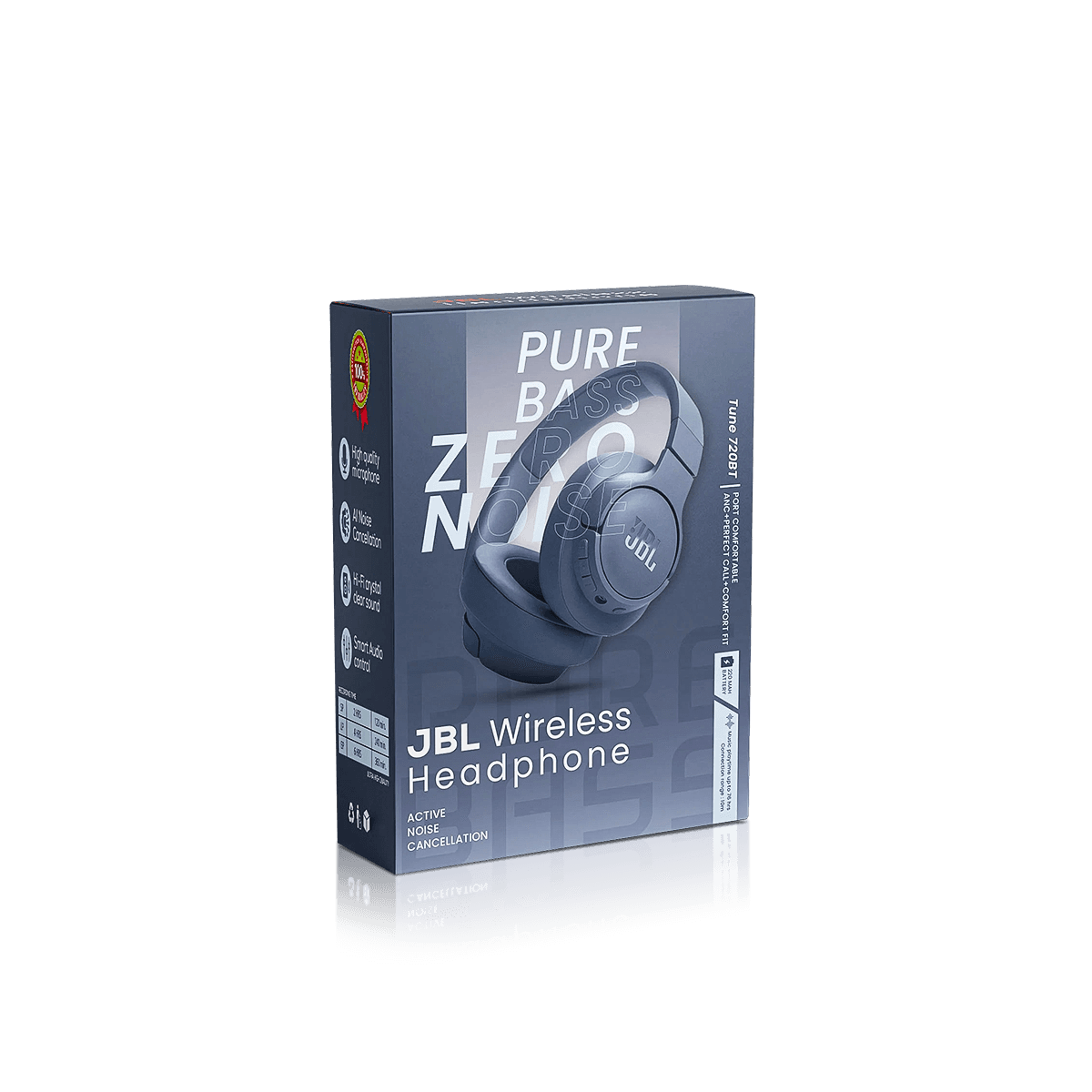
Custom Headphone Boxes
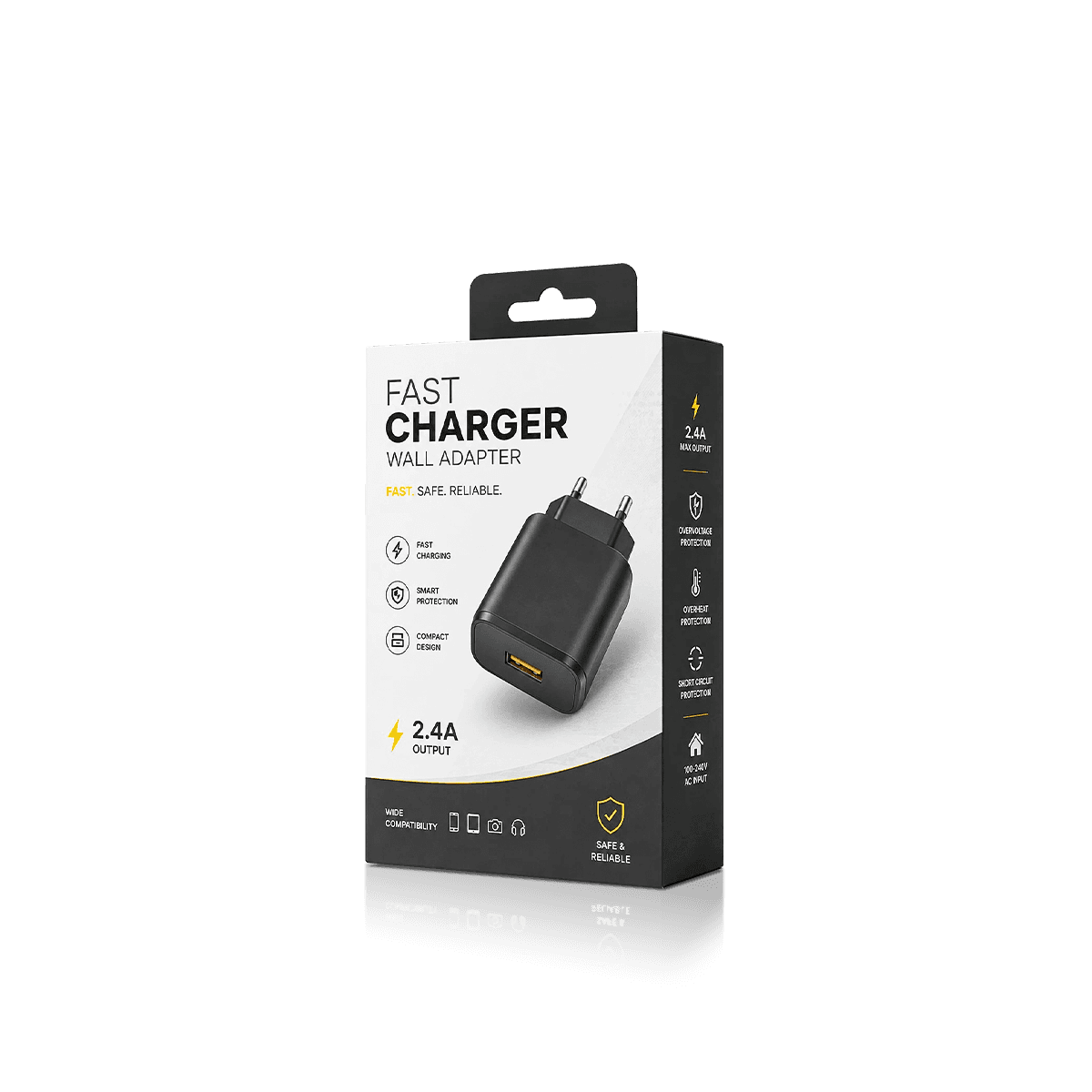
Custom Charger Boxes
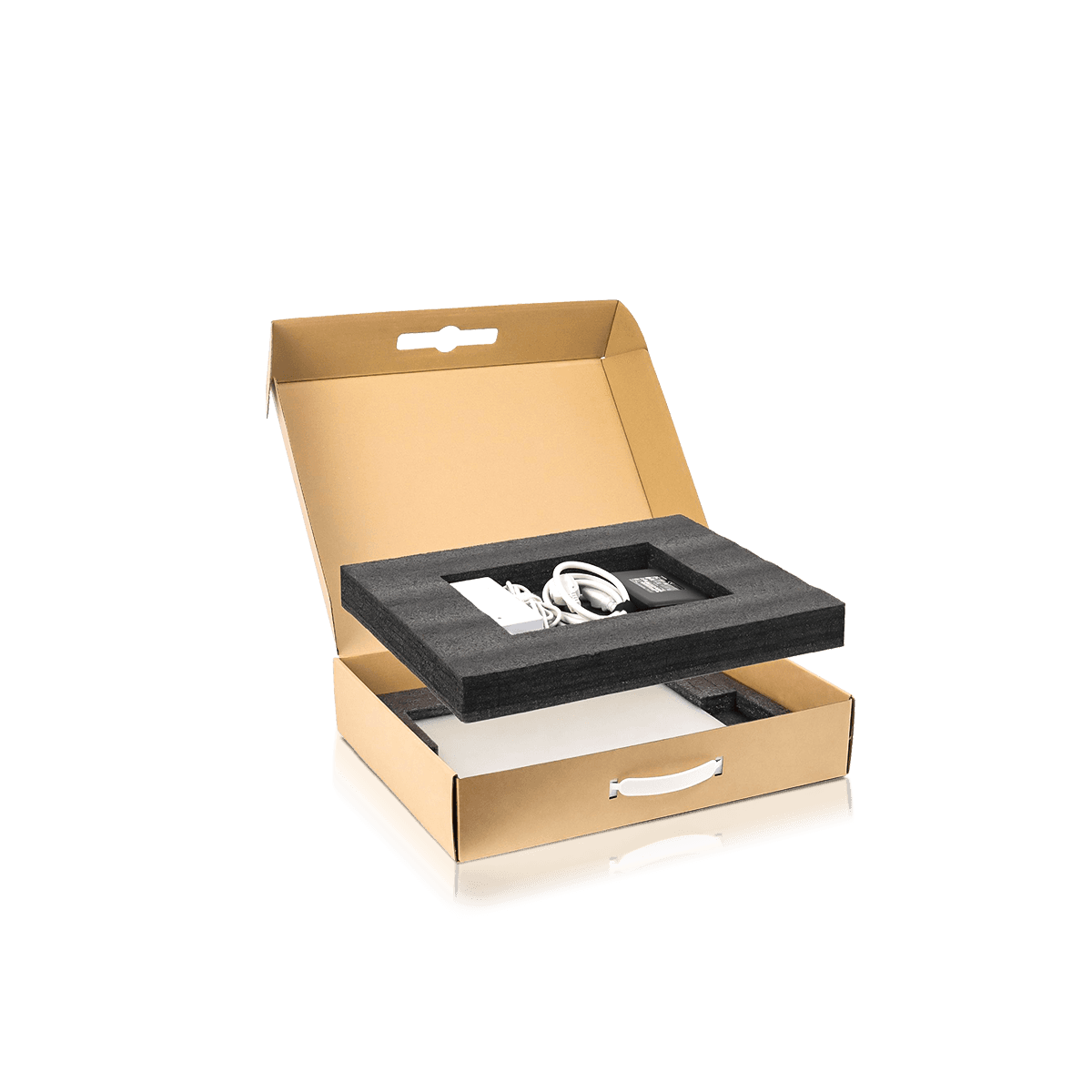
Custom Electronics Boxes
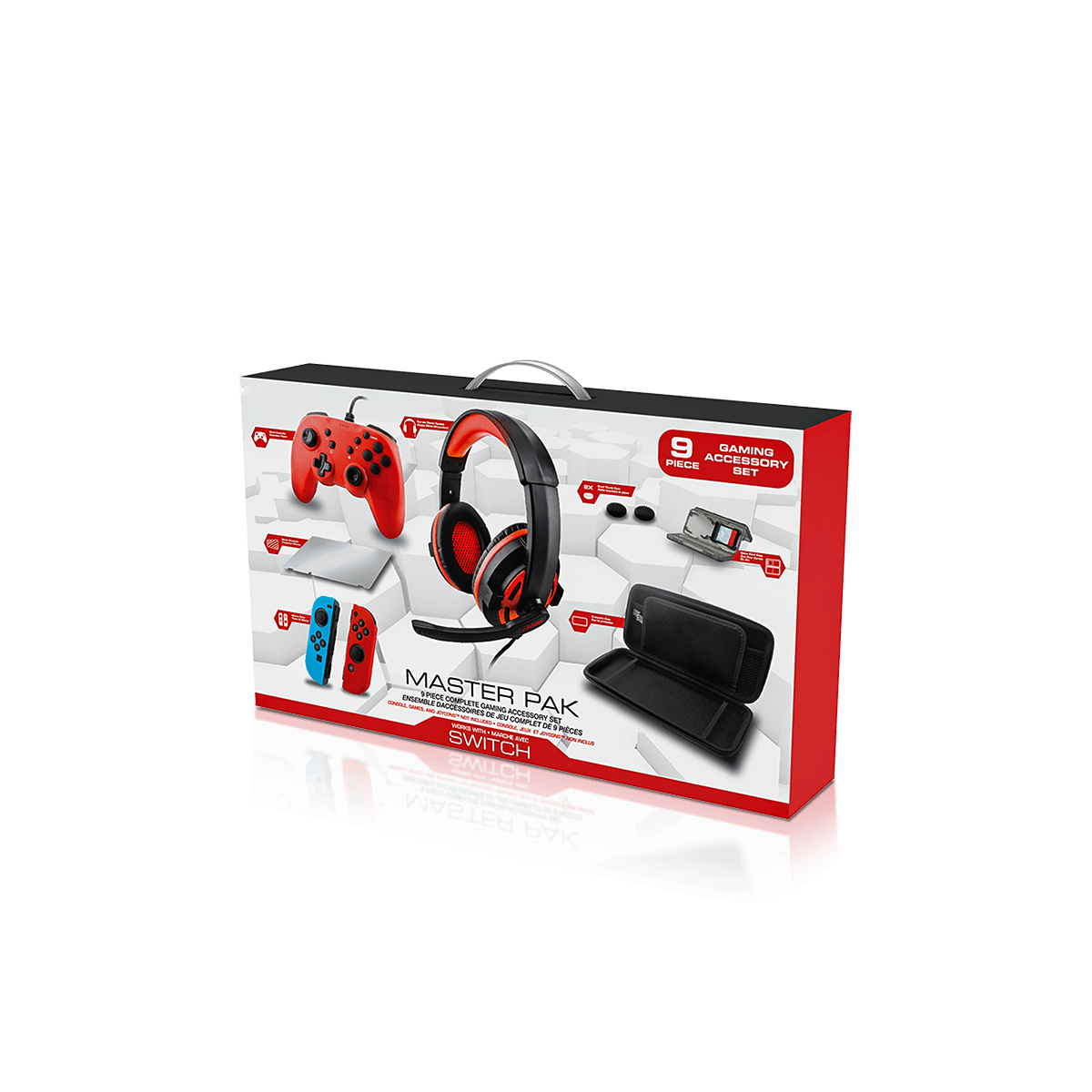
Custom Tech Product Packaging

Custom Mobile Accessory Boxes
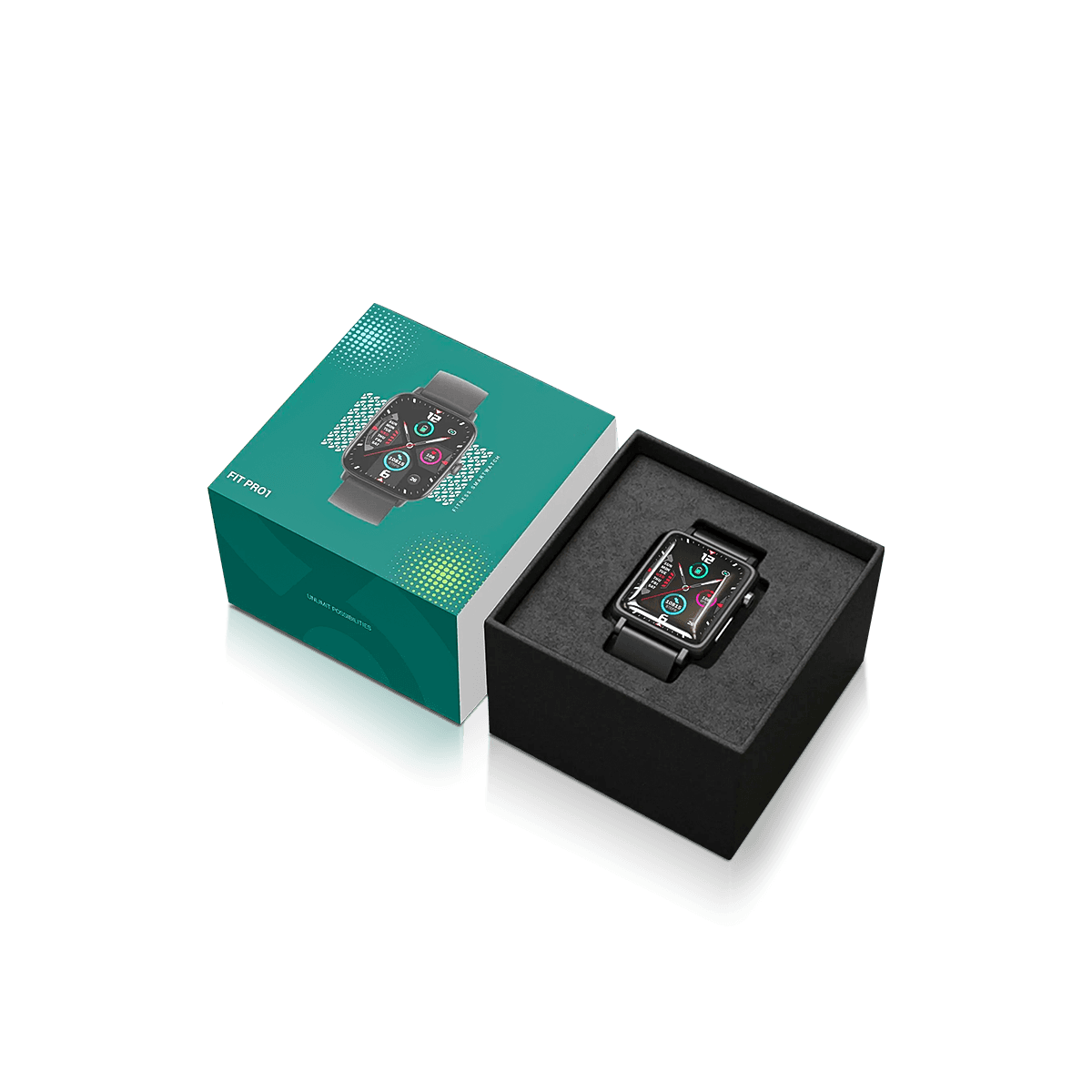
Custom Smartwatch Boxes
Custom Protective Electronics Packaging
Custom Gaming Accessory Boxes
Custom Electronics Insert Boxes
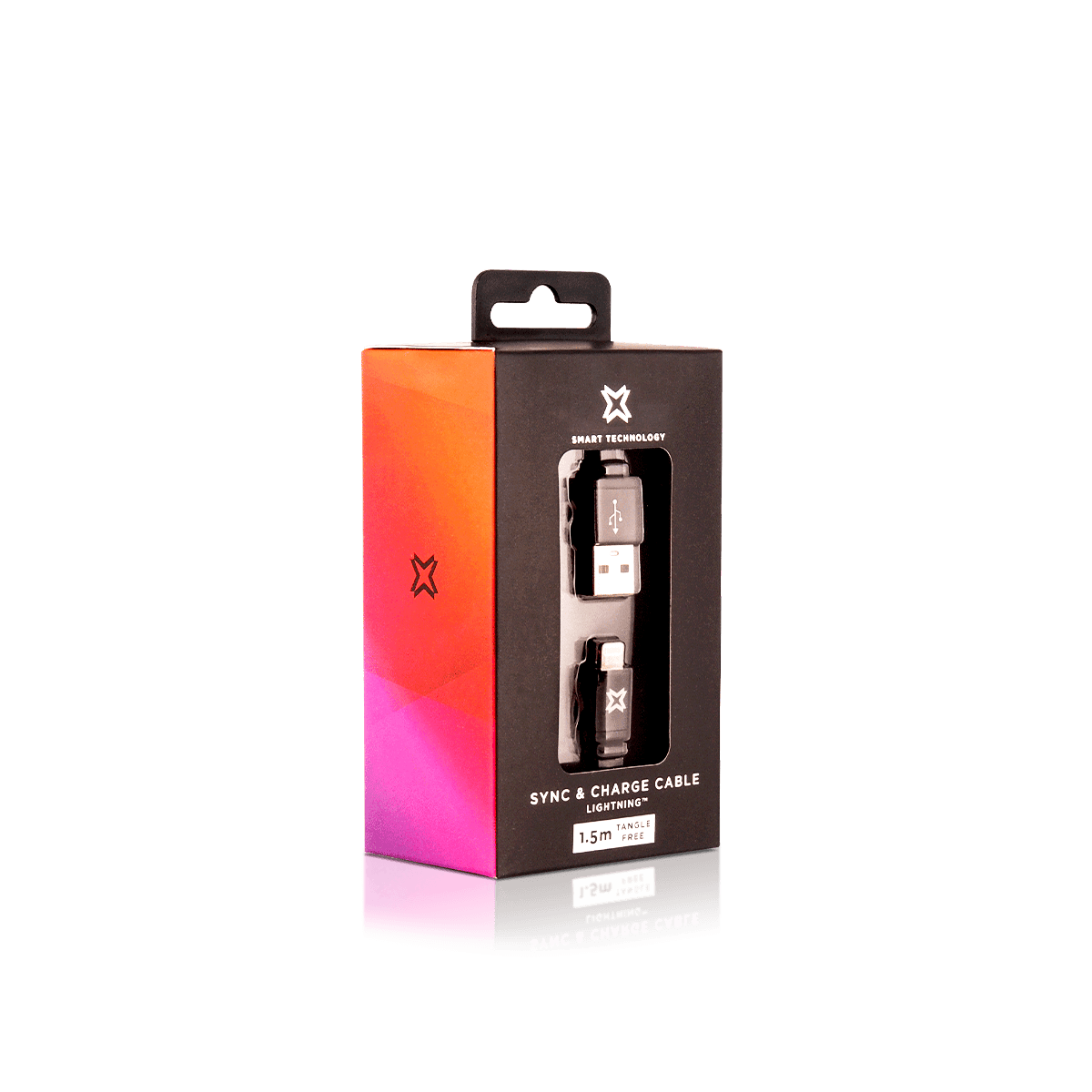
Custom Cable Boxes
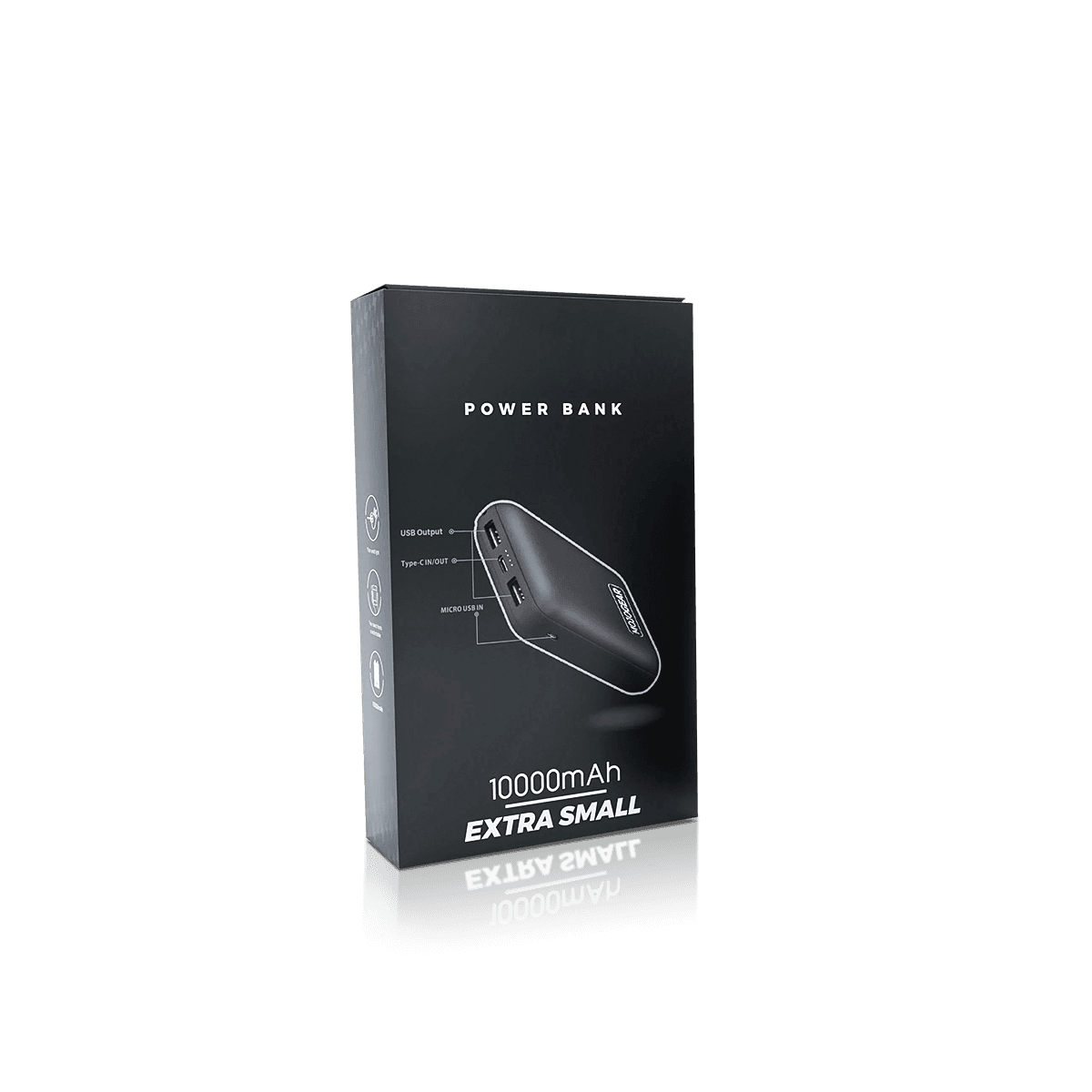
Custom Power Bank Boxes
Custom Tech Product Packaging That Protects Every Component
Custom electronics packaging should keep the main product steady. It should separate loose parts and explain what is inside before opening. A strong structure does all three without making a compact device look overboxed.
The right starting point is the complete boxed set, not the device alone. Measure the product with its charging lead and adapter. Include instructions, the warranty card and any protective wrap. Then decide which items need their own cavity. Some parts can sit beneath a tray. Nothing should press against a screen, button or connector.
For compact devices and accessories, Custom Electronics Boxes can use a printed outer carton. A folded insert can keep the opening neat. Larger kits may need corrugated board, layered compartments or a mailer-style outer box for safer delivery.
Separate the device from the accessories
Loose plugs, cable ends and adapters can mark a finished surface or shift beneath the main product. A paperboard cradle, divider or stepped tray gives each part a clear place. It also helps staff load every box in the same order.
Make the first opening easy to understand
A customer should see the main device first. The needed accessories should then be easy to find. Clear compartment order reduces confusion and gives the product a more considered presentation.
Protection Starts With Movement, Weight and Contact Points
Damage risk often comes from movement inside the box rather than the outer carton alone. Good custom electronics packaging controls side-to-side travel. It supports strong points and leaves space around delicate controls.
Control movement without overfilling the box
A tight box is not always a safe box. Pressure on a screen, dial or raised button can create a new risk. The insert should hold the product at stable edges. It also needs enough tolerance for easy removal.
Headsets and earphones need different support from flat accessories. Custom Headphone Boxes may need a shaped cradle for the headband. They may also need cable storage and space around the ear cushions.
Support heavier power products
Power banks, adapters and bundled chargers place more load on the base. Custom Power Bank Boxes can use stronger paperboard or a locked base. Corrugated board may suit heavier products or tougher delivery use.
Keep cables and connectors organised
Cables should sit in a controlled curve without sharp bends near the plug. Custom Cable Boxes can use a simple tuck carton for one lead. Sets may need a tray for adapters, clips and instruction cards.
Boxes for Retail Shelves and Online Delivery
The same product may need to hang on a retail peg. It may also need to stand on a shelf and survive parcel delivery. Custom electronics packaging should be planned around the toughest use rather than styled for one product photo.
Folding cartons for compact accessories
Paperboard cartons suit chargers, cables, screen accessories, small controls and lightweight wearable products. Custom Folding Cartons and Tuck Boxes can include hanger tabs and windows. Reinforced bases and trays can be added when the weight allows.
The front panel should show the product name, compatibility and key feature in a clear order. Side and rear panels can carry instructions, model details and barcode space without crowding the main face.
Mailer and shipping cartons for direct delivery
A retail carton may still need a separate delivery box. Custom Shipping and Postal Boxes provide more resistance to knocks, compression and mixed parcel handling.
The outer carton should limit movement around the retail box rather than relying on excess void fill. Brands sending products direct can align this layer with Custom E-commerce Packaging.
Rigid presentation for premium launches
Smartwatches, gaming devices and high-value sets may need a slower, more staged opening. Custom Smartwatch Boxes can use a rigid lid-and-base structure.
A drawer box with a fitted tray is another option. The extra material and freight space must suit the product position.
Paperboard Inserts Can Do More Than Hold a Device
A well-designed insert protects the product. It also controls the opening order and reduces loose filler. Custom Inserts and Dividers can be cut and folded around devices, cables, adapters, manuals and spare parts.
One-piece cradles for simple products
A folded cradle can lift a small product into view. It can also create a cavity below for instructions or a lead. This works well when the device has a simple shape and the accessory count is low.
Layered compartments for complete kits
Gaming accessories and creator tools often arrive as a set. Custom Gaming Accessory Boxes may need a top tray for the main item. A lower space can hold cables. A narrow slot can hold instructions.
Use approved ESD protection where the product requires it
Paperboard gives physical order. It should not replace a specified electrostatic discharge barrier.
For an ESD-sensitive item, apply the approved protective layer first. Then design the carton and insert around it. The ESD Association notes that packaging for sensitive items needs properties that protect them through production, transport and storage.
Print and Finish Choices That Clarify the Product
Electronics packaging works best when the print helps a customer identify the product quickly. Strong colour and finishes matter, but clear hierarchy matters more.
Use the front panel for the buying decision
Give priority to the product name and device image. Add compatibility and one or two useful features. Avoid filling the main panel with every technical point.
Custom Mobile Accessory Boxes often need immediate compatibility cues because several similar products may sit side by side.
Keep technical information readable
Reserve space for model numbers and input details. Also plan for barcodes, supplier information, warranty wording and recycling marks where required.
Some electrical and communications products may also need Regulatory Compliance Mark labelling. Confirm the exact duty before artwork approval. ACMA and EESS rules depend on the product and supplier role.
Use finishes with restraint
Matte or gloss lamination can protect printed surfaces from normal handling. Foil, embossing and spot UV can draw attention to a logo. Too many effects can make technical information harder to scan.
One Packaging System Across Devices and Accessories
Growing electronics brands often need several related boxes rather than one isolated design. A shared system can keep the brand consistent while each product receives the right internal support.
Custom Product Packaging can also support mixed device lines with very different box needs.
Share visual rules, not unsuitable dimensions
Using the same outer size for every product can create wasted space or weak fit. Keep the logo position, type style and colour blocks consistent. Then adjust the carton and insert to each item.
Custom Charger Boxes may use a compact upright carton, while a headphone set needs a broader cavity. The boxes can still look related through repeated graphic rules and finish choices.
Use colour coding without losing brand recognition
A controlled accent colour can separate wattage or connector type. It can also mark a device generation or product tier. Keep the main brand elements fixed so the line remains easy to recognise on retail shelves and in product photos.
Plan launches and repeat production together
Before the first order, decide which elements are likely to change. A model name or compatibility list may need updating more often than the structural dieline.
Keeping variable information in planned artwork zones can make later revisions cleaner.
From Product Measurements to a Production-Ready Structure
Accurate measurements shorten the path to a workable sample. Measure the product as it will sit inside the box. Include bags, cable ties, booklets and any fitted cap or sleeve.
Measure contact points as well as overall size
Length, width and height are only the start. Note raised buttons, curved backs, protruding plugs, display faces and surfaces that should not carry pressure.
We also need the weight of the complete boxed set and the preferred opening direction.
The Dieline Tool can help establish the outer carton layout for supported styles. A fitted electronics insert still needs the product dimensions, accessory layout and removal method to be checked as one system.
Test the opening sequence
A 3D mockup can confirm panel order, artwork position and general layout. A physical sample helps when the device is heavy. It also helps when the insert has several levels or a small tolerance.
Custom Packly can help decide which approval step suits the structural risk.
Send complete quote details
For an accurate price, provide:
- Product and accessory dimensions
- Total boxed weight
- Quantity for each product version
- Preferred carton or box style
- Insert and compartment needs
- Retail, delivery or gifting use
- Artwork status and required finish
- Target date
The Customisation page covers material, print, finish and insert choices that can be discussed before the structure is finalised.
Small First Runs and Larger Electronics Orders
MOQ starts from 50, which can suit a new accessory, limited launch or market test. Custom Packly also supports orders in the thousands and larger repeat production when demand grows.
Electronics orders often contain several product versions with different compatibility text or internal layouts. Confirm whether each version needs its own print run, insert or barcode before pricing. This prevents a low total quantity from being split into many uneconomical variations after the quote.
For repeat production, keep an approved specification for the board, dimensions, insert, print colours and finish. Artwork changes should be version-controlled so an older model name or compatibility panel is not reused by mistake.
Illustrative case: a charger kit with three loose parts
Consider a launch set containing a wall charger, cable and travel adapter. A plain carton may let the parts collide and hide the main product under the cable.
A better structure places the charger in a raised cradle. The cable sits in a curved side space. The adapter rests beneath a labelled flap. The result uses the same box volume more intelligently and gives packing staff a clear loading order.
This is an illustrative planning example, not a claimed client project. It shows why accessory count and opening sequence should be supplied with the product dimensions.
Quote Decisions That Prevent Costly Redesigns
The strongest quote starts with the actual product, not a guessed box size. Custom electronics packaging can change in cost with the board grade and insert. Printed versions, finish coverage and shipping strength also affect price.
Custom Packly has experience across printed boxes, inserts, rigid structures and corrugated packaging. That helps the outer box, support and artwork work as one piece. They are not treated as unrelated parts.
Send the product size, accessory list and quantity through Get a Quote. Include the intended use too. Add photos or a simple layout sketch when the kit has several components.
A packaging expert can then recommend the structure, material and sample method that fit the real risk.
FAQs
Start Your Custom Packaging Quote
Share your product details, dimensions, quantity and artwork needs. We’ll help choose the right packaging style and send a clear quote.