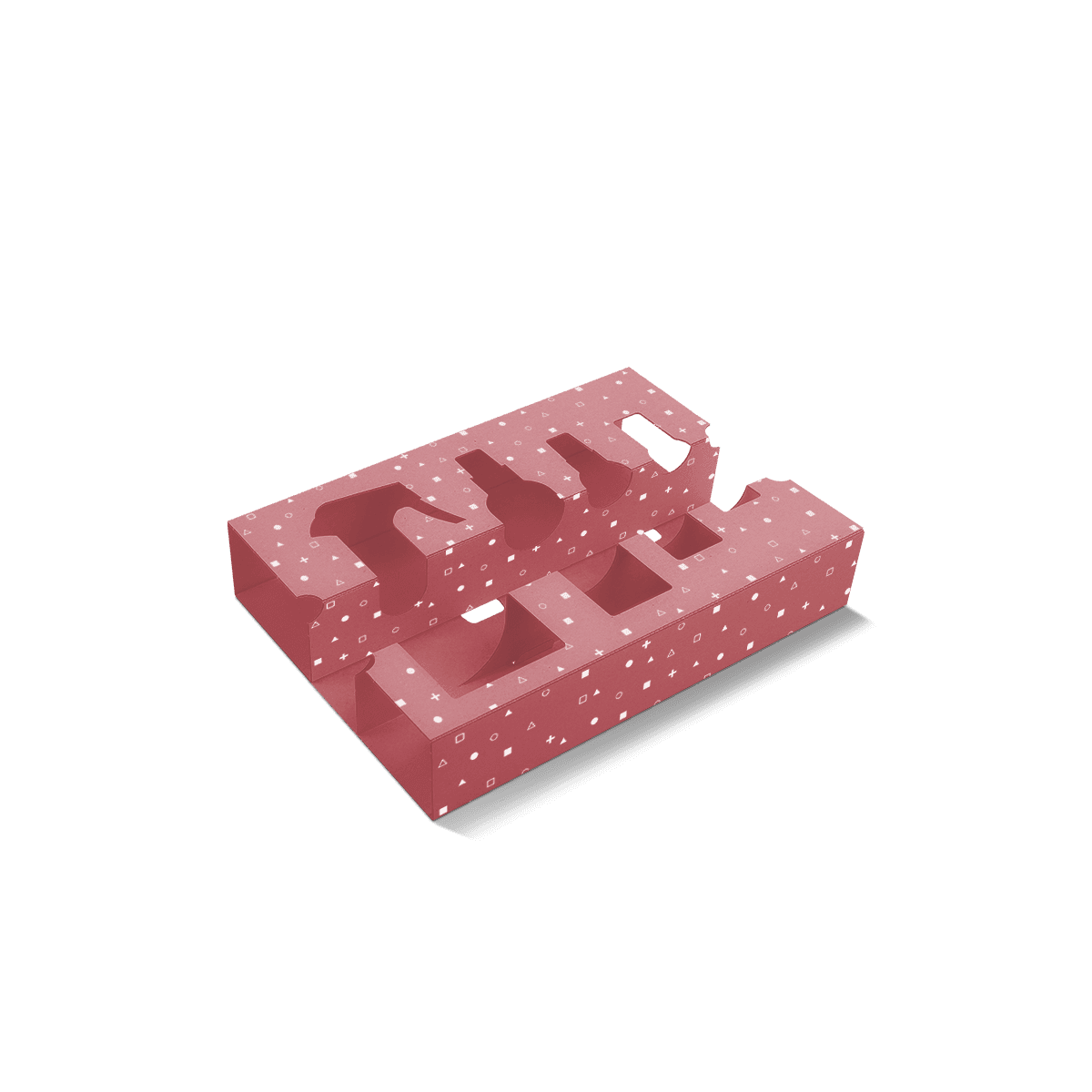
Custom Packaging Inserts
Custom insert solutions for holding products, organising kits, improving unboxing and reducing movement inside boxes, mailers and retail packaging.
Free Design Support
Clear Pricing
Flexible Quantities
Unlimited Customization
Premium Materials
Offset Precision
Free Shipping
Quick Turnaround
Inserts That Turn Empty Space Into Product Control
Custom Packaging Inserts sit inside boxes to hold, separate, lift or present products in a controlled layout. They help stop products moving around and make the inside of the packaging look planned instead of empty.
This style is useful when a standard box is not enough on its own. A product may need a shaped hold, a raised platform, a neat inner tray, a product slot, a card channel or a simple stabilising piece that keeps everything in the right place.
Custom Packaging Inserts are used for electronics, cosmetics, jewellery, candles, wellness kits, sample packs, accessories, small retail products, gift boxes and ecommerce orders. They can make packaging safer, faster to pack and more polished when the customer opens it.
The right insert depends on what the product needs to do inside the box. Some products need a snug hold. Some need separation. Some need lift-out access. Some need a cleaner reveal. Good insert planning starts with the product, not the outer box alone.
Where Packaging Inserts Add the Most Value
Custom Packaging Inserts are most useful when the product needs more control than a plain box can provide. They help with protection, presentation and packing consistency.
Products that move inside the box
A product that moves too much can rub, scratch, tilt or arrive out of position. Inserts reduce empty space and help the product stay where it belongs.
This matters for delicate bottles, small devices, printed cartons, jewellery, sample kits and products with polished finishes. The insert does not need to be complex. It needs to hold the product in the right way.
Kits that need a clear layout
Product kits can look messy when each item sits loose. Custom Packaging Inserts give each item a clear place, so the set feels more organised.
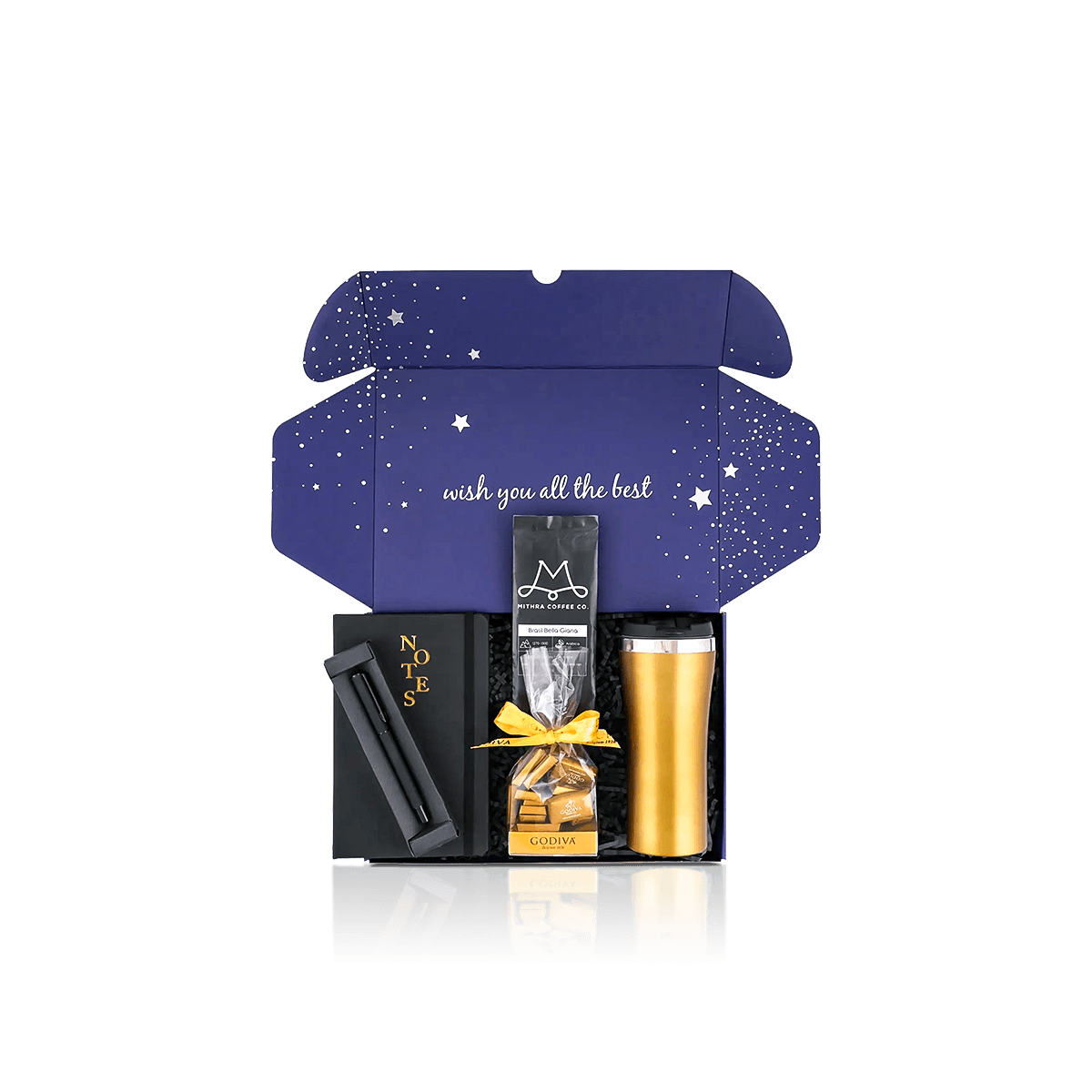
This is useful for launch kits, subscription boxes, gift packs, skincare routines, electronics accessory packs and corporate gifts. A strong layout also helps packing teams check that every item has been included.
Packaging that needs a better reveal
The inside of the box can influence how premium the product feels. A well-designed insert frames the product, controls empty space and gives the customer a clearer first view.
For giftable products, the insert often becomes part of the brand experience, not just a protective piece.
Insert Formats for Different Packaging Goals
Custom Packaging Inserts can be simple or detailed. The best format depends on product shape, weight, visibility, packing speed and how much support the product needs.
Holder inserts for one hero product
A holder insert supports one main product inside the box. It can centre the product, lift it higher or hold it in place so the opening feels cleaner.
This format works well for candles, jars, watches, small devices, accessories, compacts and hero product launches. It is often the right choice when one product should be the focus.
Tray-style inserts for grouped products
Tray-style inserts can organise multiple products without creating a full grid. They may include raised areas, slots, folded walls or simple holding panels.
This is useful for small kits where the products vary in size. The tray can create order without making the structure too heavy or slow to pack.
Flat and folded inserts for simple support
Not every insert needs a shaped cavity. Some products only need a support panel, backing board, separator or folded shelf.
For lighter products, Custom Paperboard Inserts can create a clean internal presentation while keeping the insert light, flat and easy to handle.
Fit Details That Prevent Insert Mistakes
Custom Packaging Inserts should be sized around real products, not rough guesses. Small errors can lead to loose products, hard loading or poor customer removal.
Product size is more than length and width
A good insert fit needs product height, depth, weight, shape and any raised parts. Caps, lids, hinges, labels, handles, seals and rounded edges can affect how the product sits.
For round products, include diameter at the widest point. For irregular items, photos or sketches help show where the insert should touch and where it should not.
Lift-out access should be planned early
An insert can hold a product well but still frustrate the customer if the product is hard to remove. Finger notches, side gaps, thumb cuts or raised platforms can make the opening experience smoother.
This is especially important for jewellery, electronics, cosmetics and products that sit deep inside the box.
Packing staff need easy loading
The insert must work for the team packing the order. A tight cavity may look neat, but it can slow production if staff have to force products into place.
For repeat runs, the insert should guide the product into position quickly. The best layouts feel obvious at the packing bench.
Materials for the Right Level of Support
Custom Packaging Inserts can use different paper-based materials depending on the product weight, presentation level and delivery risk.
Paperboard for clean presentation
Paperboard works well for light products, retail boxes, beauty packaging, jewellery packaging, sample kits and gift sets. It gives a clean surface and can support crisp folds, printed details and neat product placement.
White paperboard suits bright and polished packaging. Kraft paperboard suits natural, handmade or eco-led products.
Cardboard for everyday product hold
Cardboard inserts are useful when the product needs a stable internal structure without adding too much bulk. They can support folded holders, cavities, shelves, trays and simple positioning pieces.
Custom Cardboard Box Inserts work well when a product needs a practical hold inside a carton, mailer, rigid box or product box.
Corrugated board for more movement risk
Heavier products, fragile items and delivery orders may need a stronger insert. Corrugated board gives more stiffness and can help absorb pressure better than thinner board.
It is often suitable for electronics, glass products, candle jars, heavier kits and ecommerce packaging where the product must stay protected during handling.
Packaging Inserts for Electronics and Fragile Products
Custom Packaging Inserts are especially useful for products with accessories, delicate finishes or parts that should not touch each other.
Devices, cables and accessory sets
Electronics often include more than one item. A device, charging cable, card, adapter or small part can sit in separate zones so the pack feels tidy and easy to check.
For Custom Electronics Packaging, inserts can reduce product movement and help stop accessories from scratching the main item.
Glass, jars and coated items
Glass jars, bottles and polished containers need careful contact points. The insert should support the product without pressing against delicate labels, caps or coated surfaces.
A shaped holder, tray support or divider-based insert can help keep these items stable while still giving a clean opening.
Small premium items
Small products can look lost inside a box if empty space is not managed. Inserts help frame the product and make the pack feel more intentional.
This works well for jewellery, watches, accessories, cosmetics, fragrance samples and gift products where perceived value matters.
Printing and Branding on Insert Surfaces
Custom Packaging Inserts can stay plain or become part of the brand presentation. The right choice depends on how visible the insert is when the box opens.
Plain inserts for hidden support
Plain kraft, white or corrugated inserts are often enough when the insert’s main job is internal support. This keeps the structure practical and avoids adding print where the customer will not see it.
Plain inserts can still look polished when the cuts, folds and product layout are clean.
Printed inserts for visible unboxing
Printed inserts make sense when the insert is part of the customer experience. A short message, colour area, product name, step label or brand pattern can make the inside of the box feel more complete.
Custom Packly can support premium offset printing where colour quality and sharp details matter. The print should highlight the product rather than compete with it.
Contact areas need practical finishes
If the product touches the insert, heavy ink coverage or raised finishes may not suit that contact point. A practical design may use print on visible panels and keep product-contact areas cleaner.
This helps protect labels, gloss surfaces and delicate product finishes.
How Inserts Work With the Outer Box
The product should sit at the right height when the box opens. If it sits too low, the presentation can feel flat. If it sits too high, the lid or flap may press on the product.
Box depth, insert height and product height should be checked together before approval.
Inner clearance affects stability
The insert should fit the inside of the box without sliding, bowing or catching on flaps. Internal seams, folds and box corners can all change the usable space.
This is why internal box dimensions are more important than outside box dimensions for insert planning.
Dielines should show the full system
The Dieline Tool can support early structure planning, but Custom Packaging Inserts need product dimensions and outer box details as well.
A 3D mockup is usually enough for simple insert layouts. A physical sample is useful for tight cavities, heavy products, premium finishes or unusual product shapes.
Choosing Between Insert Types
Custom Packaging Inserts are part of the wider Custom Inserts and Dividers range. The right choice depends on whether the product needs hold, separation, layering or shaped positioning.
Use shaped inserts for exact profiles
A shaped insert works best when the product outline needs to control the fit. This is useful for bottles, jars, compacts, small devices and products with a clear silhouette.
Use dividers for repeated compartments
Dividers are better when multiple products need separate cells. They work well for jars, bottles, cartons, multipacks and products that should not touch during handling.
Use layer pads for stacked products
Layer pads are better when products sit in levels. They separate stacked rows, protect printed surfaces and help spread weight across a carton or box.
The best internal packaging may combine more than one insert style when the product set needs both separation and presentation.
Small Runs, Launches and Repeat Packaging
Custom Packaging Inserts can support first product launches and larger repeat orders. The important part is to choose an insert structure that can scale without slowing the packing process.
MOQ starts from 50, with support for larger production runs, repeat orders and high-volume packaging programs. For a launch, an insert can help make the first order look more polished. For repeat production, the same insert can keep product placement consistent across future runs.
Planning for repeat orders should consider:
- product dimensions and possible SKU changes
- insert material and board thickness
- outer box size and inner depth
- packing speed
- storage before use
- visible print areas
- reorder consistency
- whether one insert can support more than one product set
Bulk planning and repeat-order support can help once the insert layout becomes part of your regular packaging system.
Quote Details That Help Shape the Insert
A strong quote request explains what the insert must hold, how the product should look and how the pack will be used. The more practical detail you provide, the better the insert can be designed.
Send these details where possible:
- product dimensions and weight
- product shape, photos or rough sketch
- outer box style or internal box size
- number of products per box
- whether the product must sit upright, flat or raised
- areas that should not be scratched or covered
- preferred material such as kraft, white, paperboard or corrugated board
- whether the insert needs visible print
- order quantity and repeat-order plans
- artwork status or dieline status
For wider choices across materials, printing, finishes and packaging structure, Customisation can help align the insert with the full packaging plan before pricing is finalised.
A Better Inside Fit for Custom Packaging
Custom Packaging Inserts make the inside of a box work harder. They help products stay in place, improve presentation, reduce product contact and make packing more repeatable.
The best insert is not chosen by name alone. It is chosen by product shape, movement risk, packing speed, surface finish, box depth and the customer’s opening experience.
Send your product details, box idea, quantity and artwork status through Get a Quote. Custom Packly can help turn the inside of the box into a cleaner, safer and more useful part of the packaging.
FAQs
Related Packaging Styles

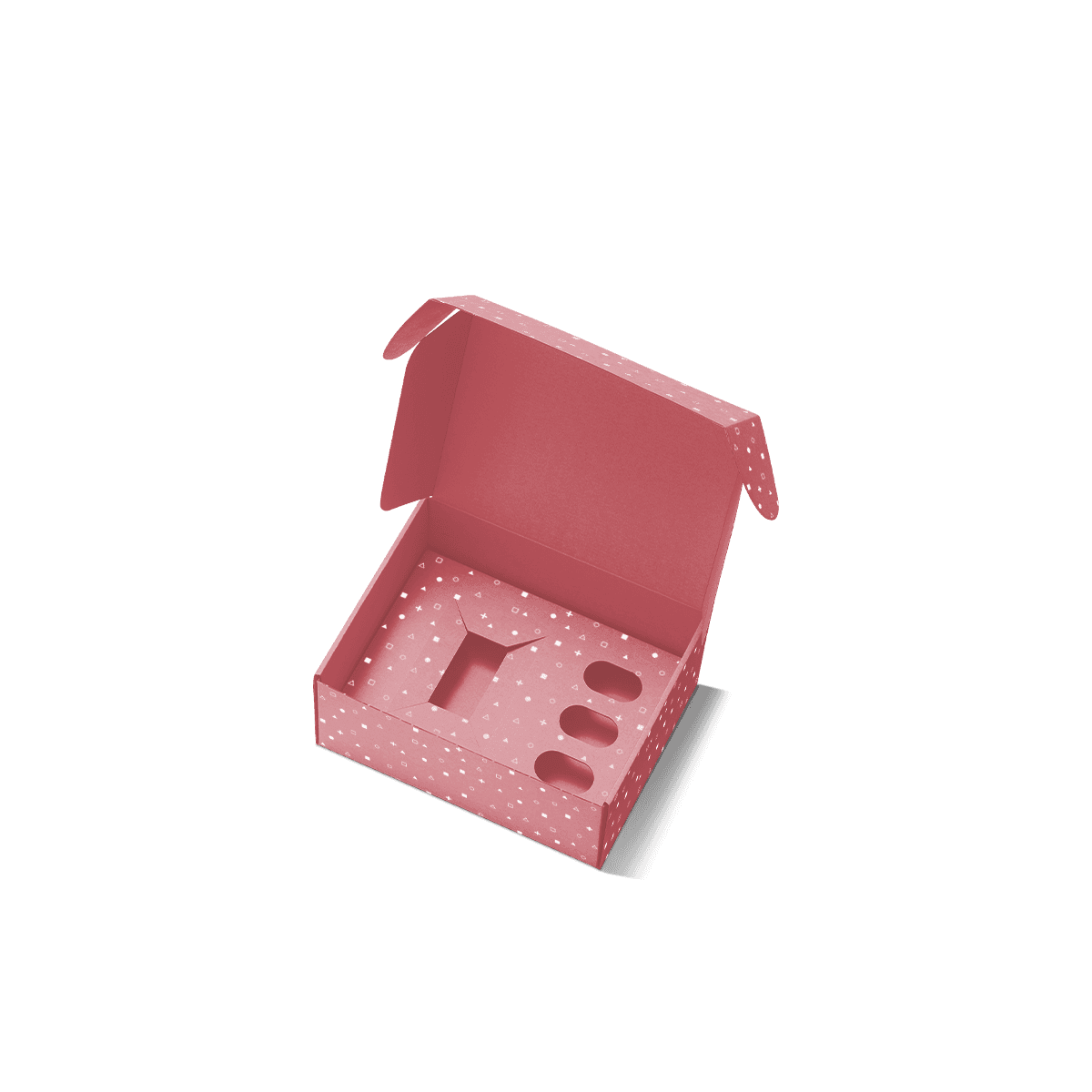
Related Industries
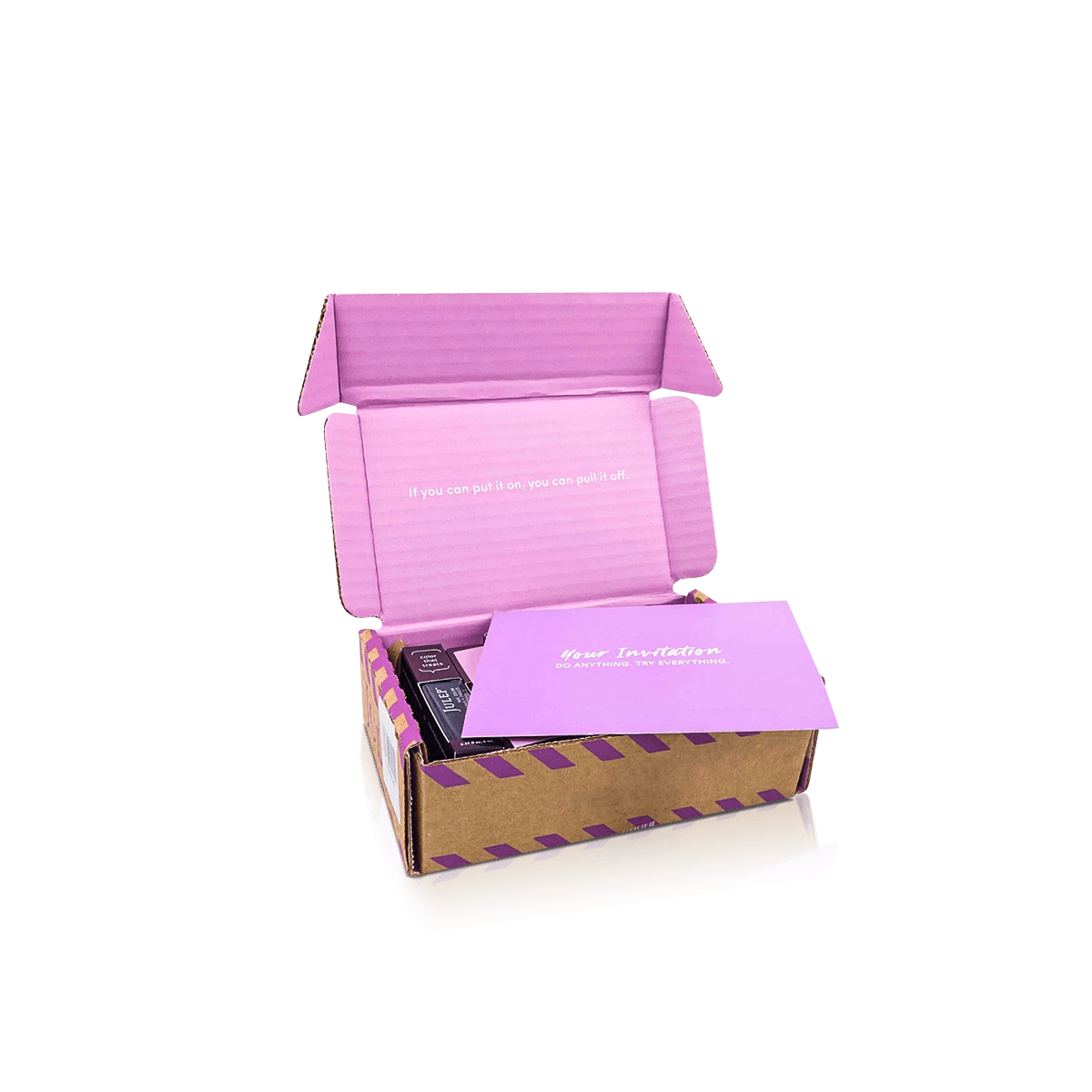
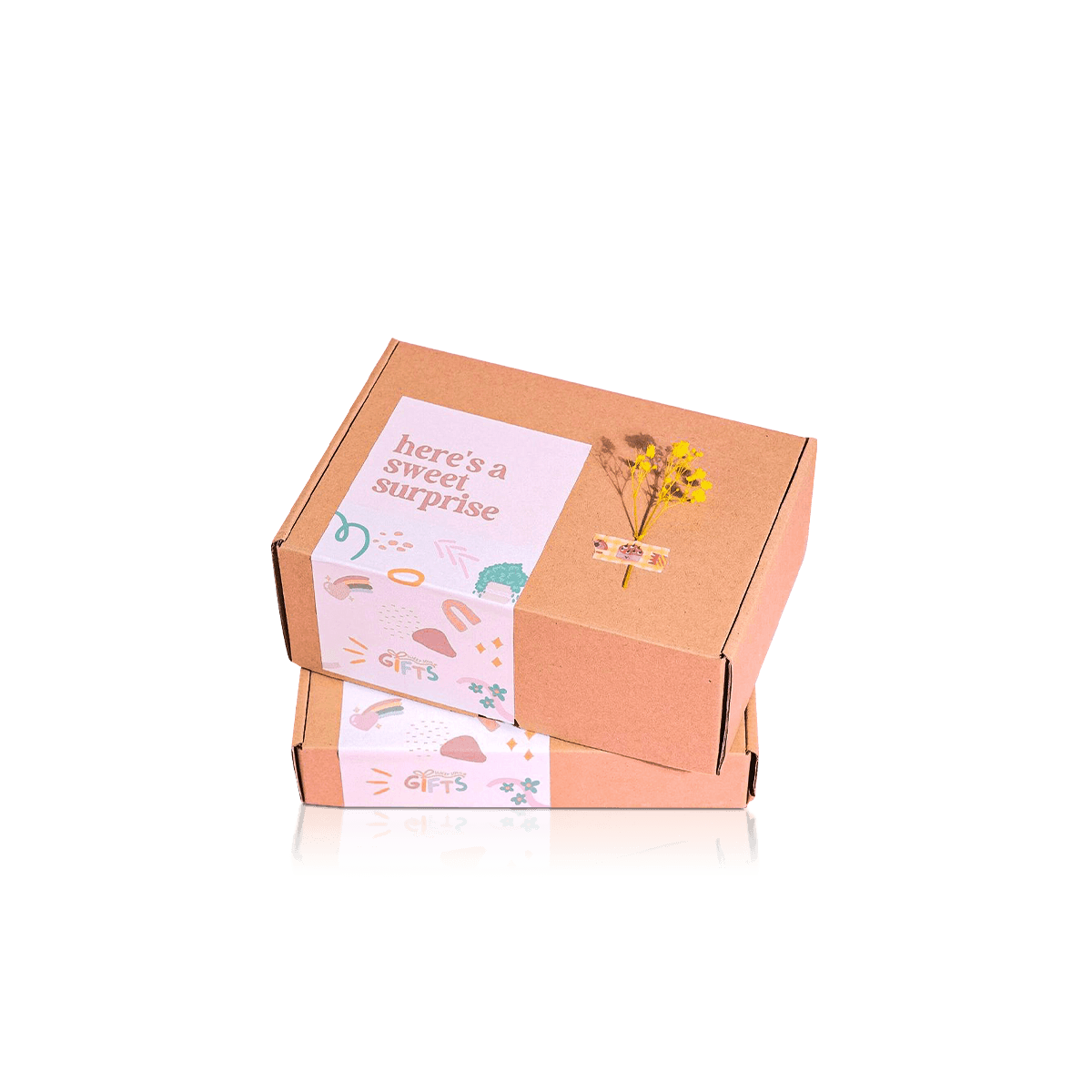
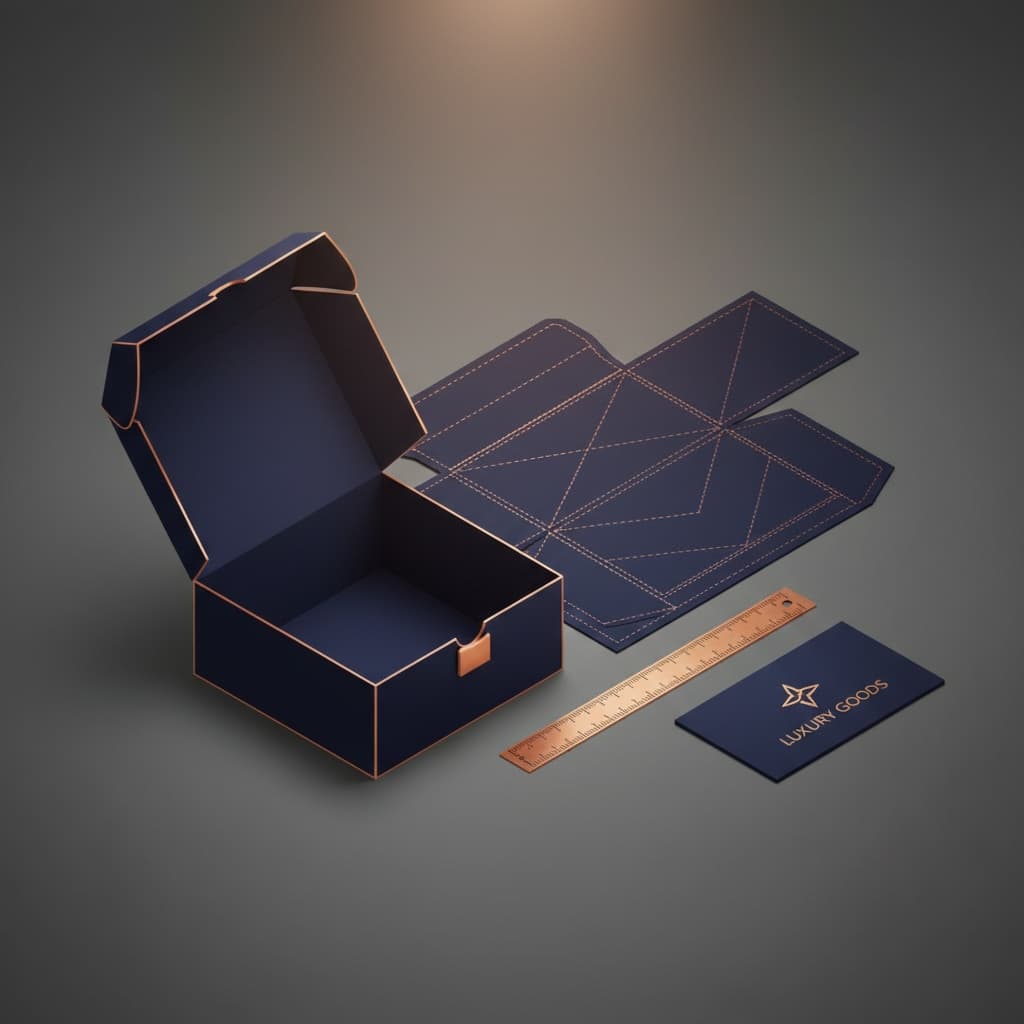
How it works
Simple steps from idea to delivery
Tell Us Your Specs
Tell Us Your Specs
Provide size, quantity, printing, and finishes.
Get a Fast Quote

Get a Fast Quote
Instant transparent pricing, no hidden fees.
Design and Approval

Design and Approval
Artwork checks, revisions, and final sign-off.
Produce

Produce
Expert manufacturing to meet deadlines.
Ship to Your Door

Ship to Your Door
Hassle-free, flexible delivery options.
Start Your Custom Packaging Quote
Share your product details, dimensions, quantity and artwork needs. We’ll help choose the right packaging style and send a clear quote.