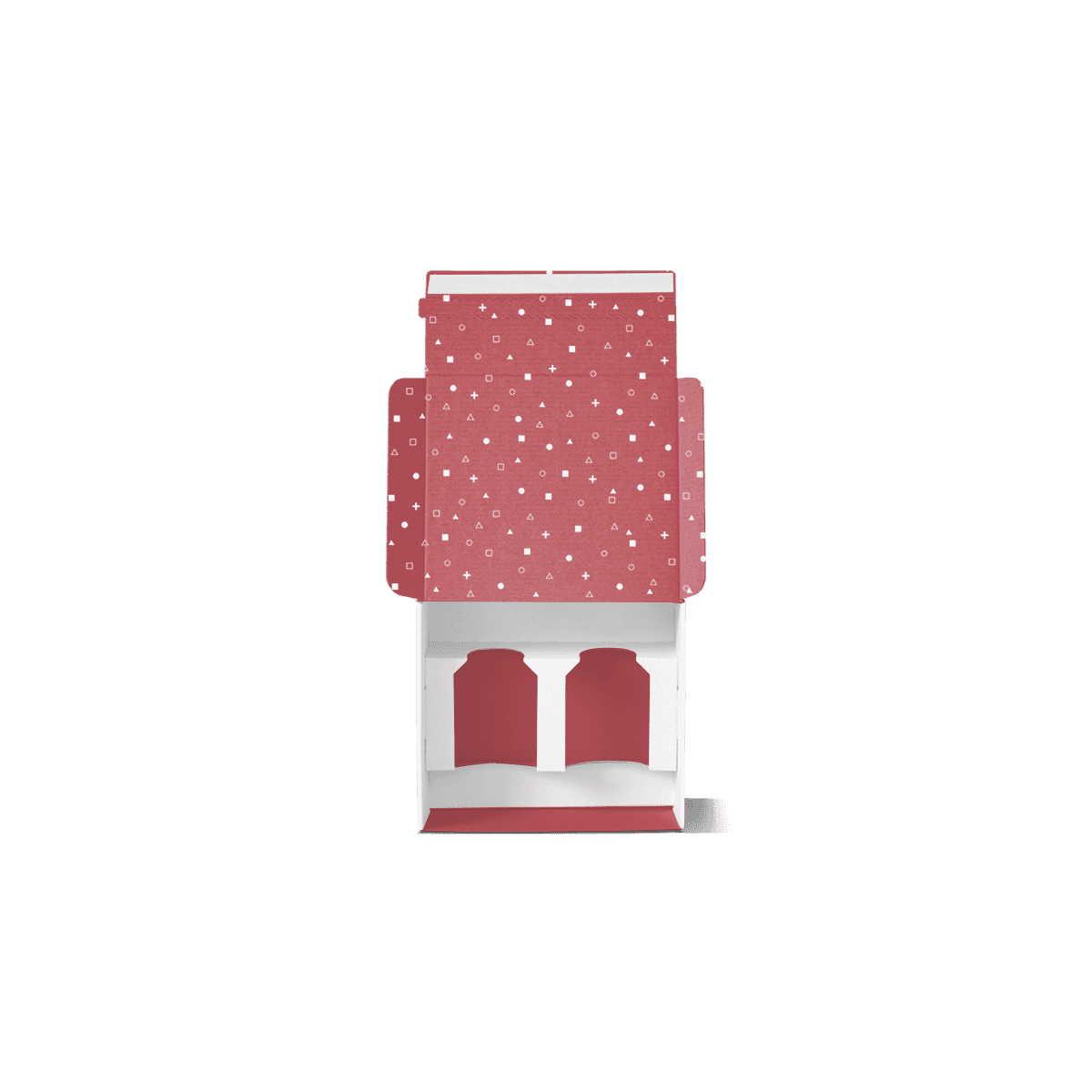
Custom Cardboard Box Inserts
Cardboard inserts shaped for product hold, neat presentation, faster packing, safer movement control and cleaner unboxing inside custom boxes.
Free Design Support
Clear Pricing
Flexible Quantities
Unlimited Customization
Premium Materials
Offset Precision
Free Shipping
Quick Turnaround
Cardboard Inserts That Make Products Stay Put
Custom Cardboard Box Inserts hold products inside the box so each item sits where it should when the customer opens the packaging. They help stop movement, reduce rubbing and turn an empty box into a structured product presentation.
This style works best when the product needs a clean internal hold without the bulk of heavier corrugated partitions or loose void fill. It is useful for beauty products, jewellery, small electronics, candles, sample kits, retail sets, gift boxes and lightweight product bundles.
The main job of a cardboard insert is simple: keep the product organised while still making it easy to pack, remove and display. If the cavity is too loose, the product moves. If it is too tight, packing becomes slow and the customer may struggle to lift the item out.
Custom Packly plans Custom Cardboard Box Inserts around the product, outer box and packing workflow. That means cavity size, board choice, fold points, finger access and visible surfaces all work together before production starts.
Why Cardboard Is Often the Smarter Insert Choice
Cardboard is a practical insert material when you need presentation, structure and light protection without overbuilding the inside of the box. It gives products a planned position while keeping the packaging easy to store and assemble.
A cleaner alternative to loose filler
Loose filler can hide a product, create mess and make the unboxing feel less controlled. Custom Cardboard Box Inserts give each item a fixed place, so the customer sees the product clearly instead of searching through paper, shred or padding.
This is useful for product kits, launch packs and retail boxes where the first view matters. The insert becomes part of the presentation, not just a protective extra.
Better order packing for repeated SKUs
When the same product is packed many times, a consistent insert helps the packing team work faster. Staff can see where each item belongs, which reduces missed pieces, wrong placement and last-minute adjustments.
For brands with repeat orders, a cardboard insert can also make training easier. The layout tells the packing team how the box should look without needing long instructions for every order.
Useful structure without heavy bulk
Cardboard inserts are usually lighter and more compact than thicker internal supports. They can ship and store flat in many designs, which helps with storage space before packing.
For heavier or more fragile delivery packs, Custom Corrugated Box Inserts may be a better option. For lighter products where presentation and controlled placement matter most, cardboard is often enough.
Insert Shapes That Change the Customer Experience
The shape of a cardboard insert controls how the product sits, how it looks and how the customer removes it. Good insert design does not only ask “will it fit?” It asks “will it feel right when opened?”
Single-product cavities
A single-product cavity works well for one hero item, such as a jar, bottle, compact, candle, watch, soap bar or small device. The insert frames the product and keeps it centred inside the box.
The cavity should match the product footprint with enough clearance for packing. A slight hold can feel premium. A forced fit can damage labels, slow assembly or make the product hard to remove.
Multi-item layouts
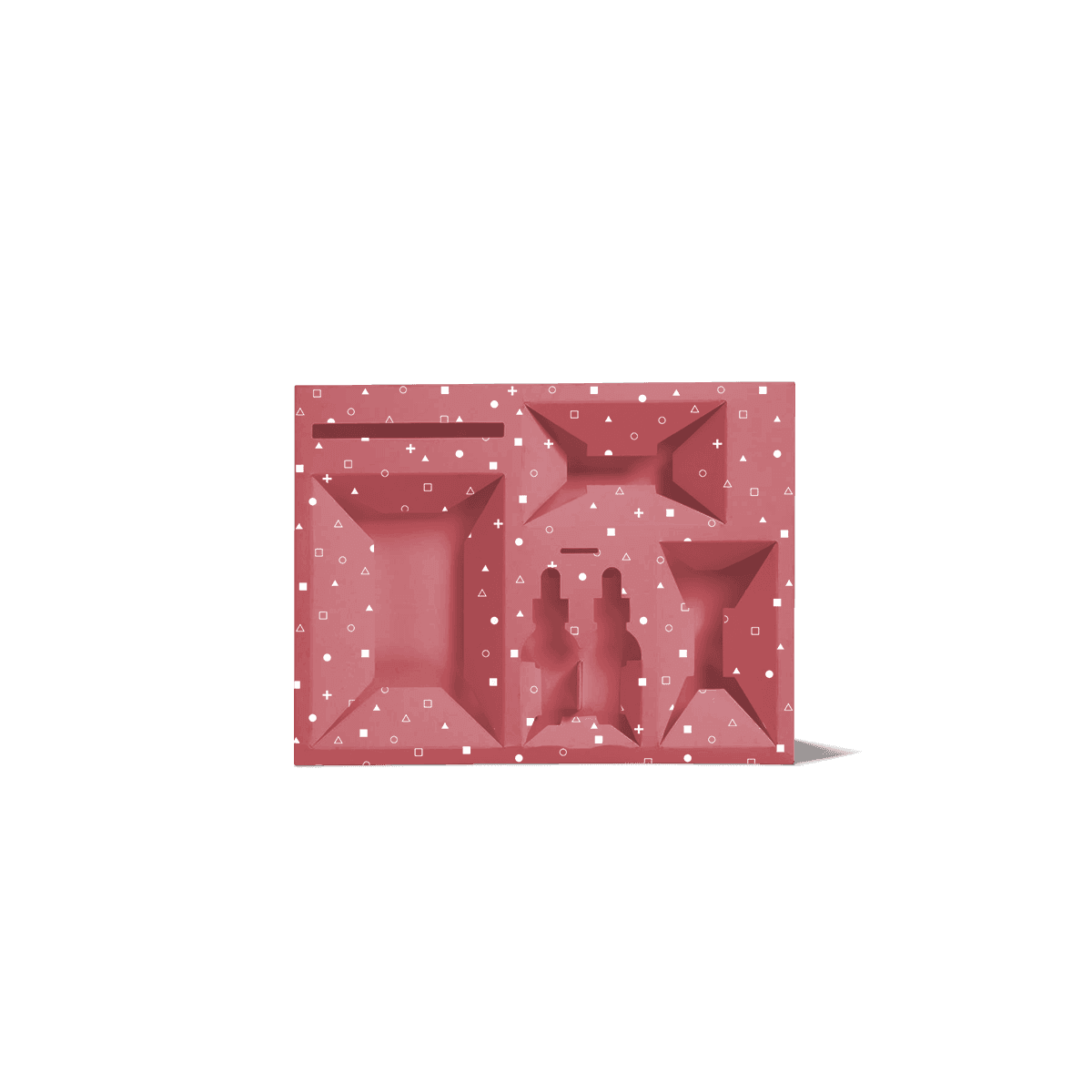
Custom Cardboard Box Inserts are strong for kits that include more than one item. A skincare set may need one cavity for a jar, one for a tube and one for a card. A jewellery set may need a long section for a chain and a smaller hold point for a pendant or accessory.
The best layout follows the product priority. The main product should feel like the focus. Smaller pieces should support it without making the box look crowded.
Card slots and accessory channels
Small items often need their own space. Instruction cards, sample sachets, brushes, charging cables, refill packs or product cards can sit in narrow slots or channels.
These details help prevent a kit from feeling messy. They also stop smaller pieces from sliding under the main product during delivery or handling.
Design Details That Prevent Common Insert Problems
Custom Cardboard Box Inserts fail when the design ignores real product handling. The insert may look right on a screen but still cause problems if product tolerance, finger access or fold strength is not planned.
Clearance around labels and caps
Bottles, jars and tubes often have parts that stick out, including caps, collars, lids, pumps, labels and seals. The insert should hold the product body without scraping printed or labelled surfaces.
For round products, the diameter is not the only size that matters. Cap width, shoulder shape and label position can affect the cavity. Sending full product measurements helps avoid a tight cut that damages the finish.
Finger notches for lift-out
Customers should be able to remove the product without shaking the box or digging under the item. Finger notches, half-moon cutouts and raised edges can make a simple insert feel much better.
This detail is important for beauty, wellness, jewellery and gifting products because the removal moment is part of the experience.
Fold direction and loading path
The way an insert folds affects packing speed. If the insert has several small tabs, locks or bend points, it may look secure but take longer to prepare.
For higher quantities, the folding sequence should be simple. MOQ starts from 50, with support for larger production runs, repeat orders and high-volume packaging programs when the layout needs to scale.
Board Choice for Strength, Finish and Feel
The right board for Custom Cardboard Box Inserts depends on product weight, presentation level and how much the insert is seen when the box opens. A light retail insert does not need the same structure as a packed ecommerce kit.
White board for clean product display
White board works well when the insert sits behind colourful products, cosmetics, gift items or printed labels. It keeps the inside of the box bright and clean.
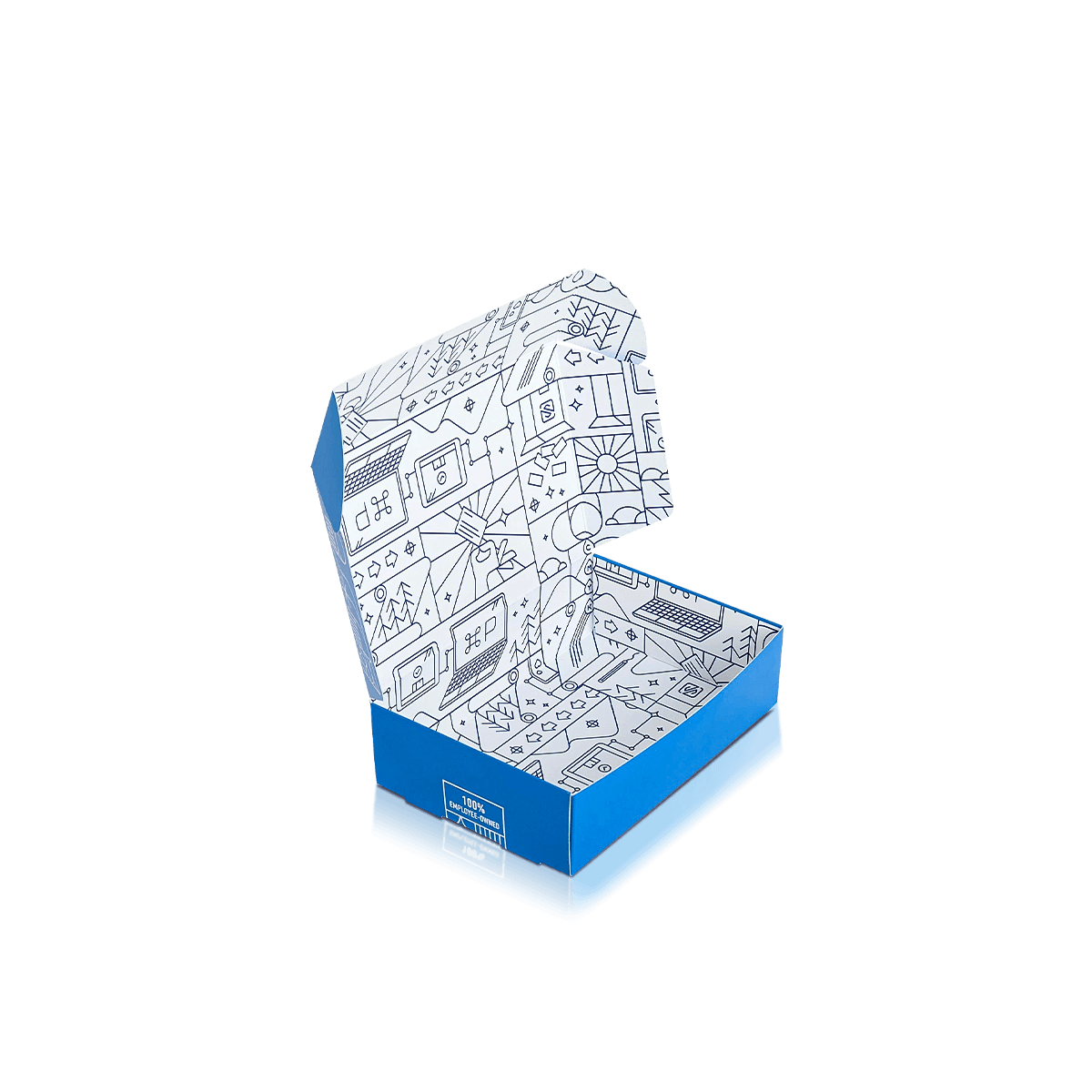
It can also support printed brand details where the insert becomes part of the visual design. This is useful for product names, small icons, usage prompts or a simple branded message inside the packaging.
Kraft board for a natural look
Kraft cardboard inserts suit eco-led products, handmade ranges, food-adjacent gift packs, candle boxes and natural skincare sets. The finish feels warm, simple and less polished than white board.
Kraft can also help reduce the need for heavy printed coverage. A neat cut and a strong layout can be enough when the brand direction is natural or minimal.
When to move beyond standard cardboard
Some products need more pressure resistance than flat cardboard can provide. Heavy glass, stacked jars, freight cartons or products with high transit risk may need corrugated board, thicker dividers or extra support.
Custom Cardboard Box Inserts are best when the product is light to medium weight and the main goal is neat hold, clean layout and controlled presentation.
Printing the Insert Only Where It Adds Value
Printed inserts can improve the unboxing experience, but not every surface needs print. The best approach is to print where the customer sees value and keep hidden support areas practical.
Brand detail on visible panels
A small printed message, colour block or logo can make the insert feel built for the product. It works especially well when the insert sits under or around the hero item.
For Custom Beauty Packaging, printed insert surfaces can support shade names, product steps, routine order or campaign branding without adding extra cards.
Colour matching and finish restraint
Custom Packly can support premium offset printing where colour quality matters. However, insert print should be planned around product contact. Heavy ink or high-gloss coating in tight contact areas may not be ideal if the product surface can scuff.
Matte finishes, clean white board or simple kraft board often work better than a heavily decorated insert when the product itself already carries the main branding.
Inside print that supports instructions
Some products need more than a logo. A printed insert can show product order, usage steps, refill placement or simple “lift here” cues.
This can reduce separate printed cards and make the packaging feel more organised. It also helps if the product set has several similar-looking items.
Where Cardboard Inserts Work Best
Custom Cardboard Box Inserts are most effective when the product is not too heavy, the box needs a clean opening moment and the layout matters to the buyer or customer.
Skincare, cosmetics and wellness kits
Skincare jars, dropper bottles, tubes, compacts and wellness products often need controlled placement. Cardboard inserts can keep items upright, align labels and make a routine set feel complete.
They are also useful for launch kits, influencer packs, gift boxes and sample sets where the brand wants a neat reveal without heavy internal packaging.
Jewellery, accessories and small gifts
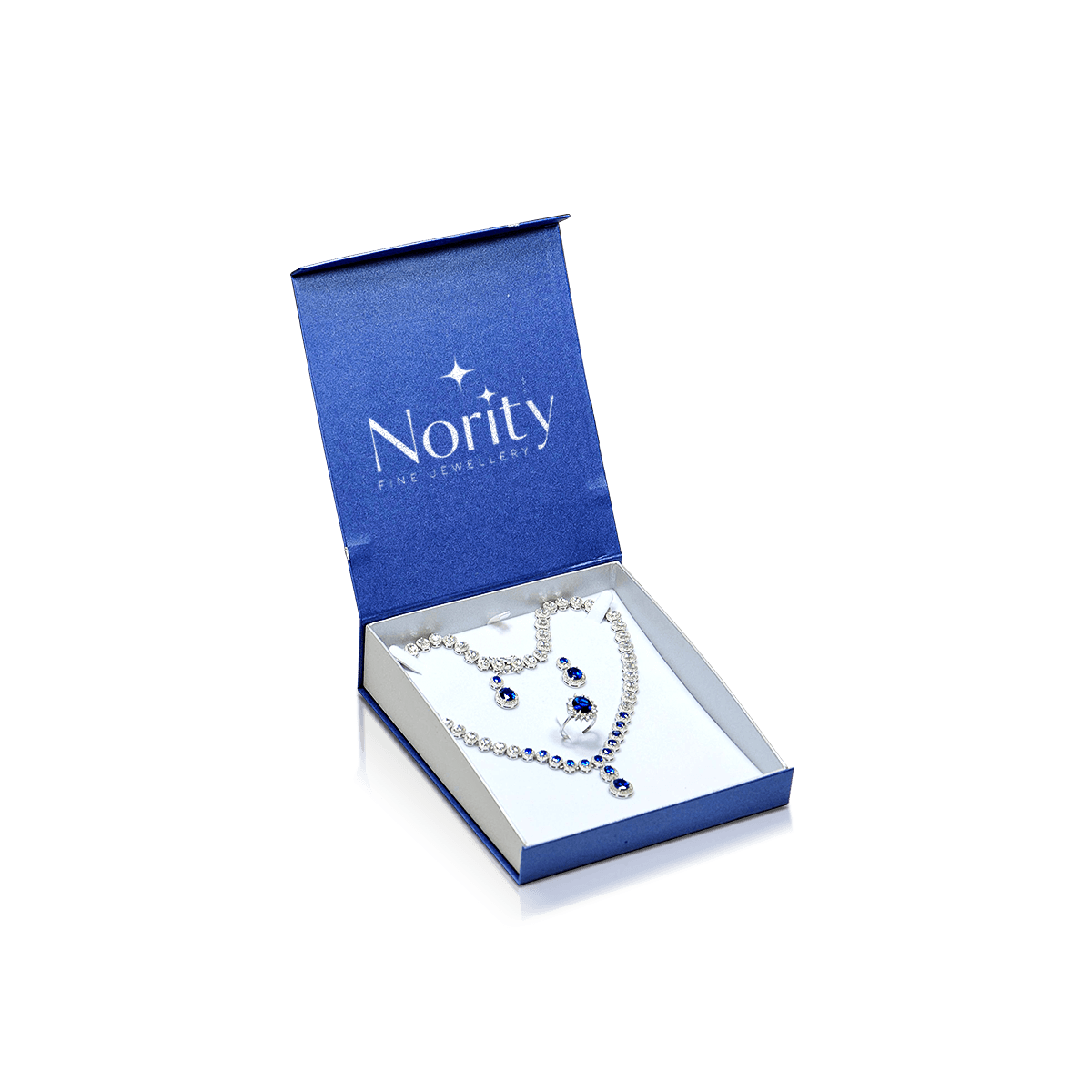
Small products can look underwhelming inside a large empty box. A cardboard insert helps frame the item, control empty space and make the product feel more valuable.
For jewellery, sunglasses, watch accessories and gift items, the insert should consider both product hold and touch. The customer should be able to lift the item out without damaging tags, cards or delicate parts.
Retail sets and sample packs
Retail sample kits often include different shapes and sizes. A cardboard insert can create a cleaner product map so each sample has a clear home.
This is useful for product launches, subscription boxes, corporate gifting, event kits and trial packs where several smaller items need to arrive in one tidy layout.
Dielines for Cardboard Inserts Need Product Detail
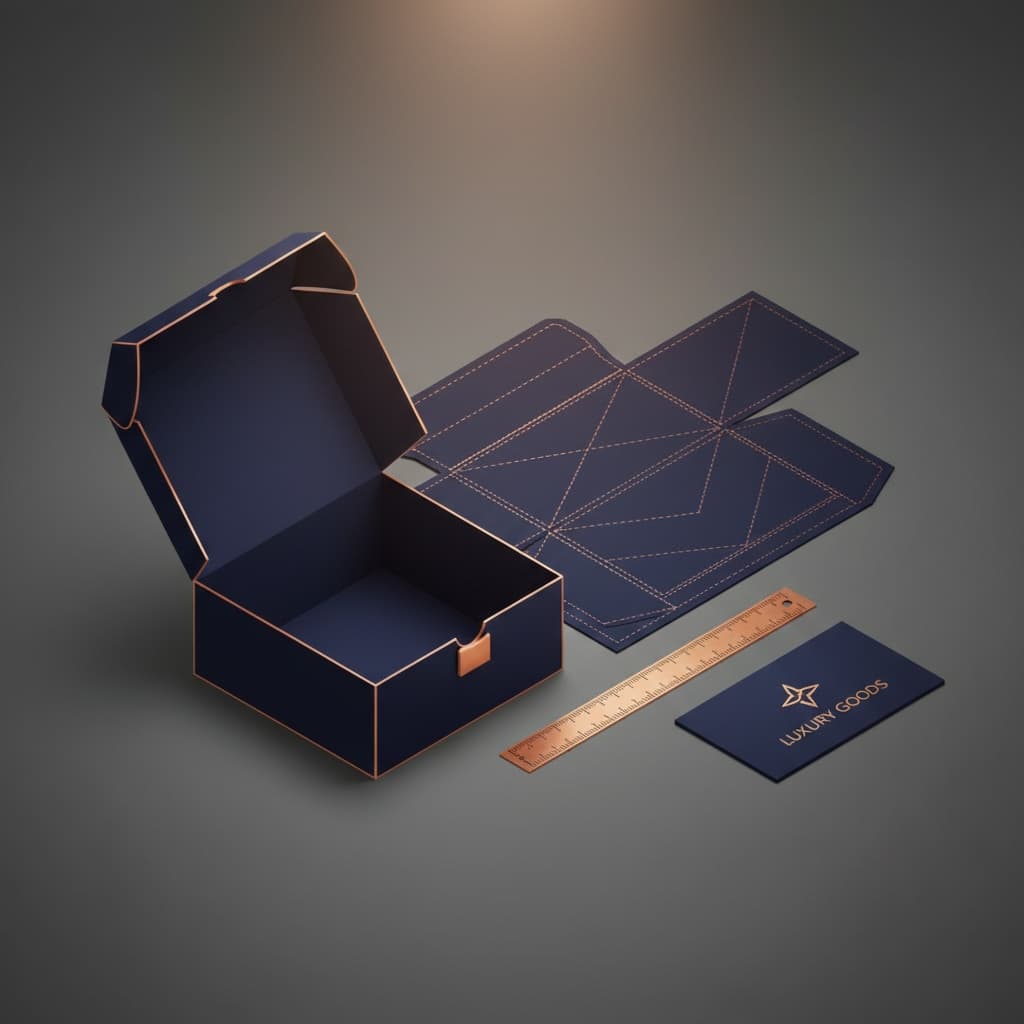
A cardboard insert dieline should be built from real product dimensions, not just the outer box size. The product shape, height, surface finish, weight and access points all affect the final insert.
Measurements that matter
For an accurate insert setup, provide the product length, width, height, diameter for round items, cap size, label position and product weight. If the item is soft, flexible or irregular, send photos or a rough sketch as well.
The outer box dimensions also matter because the insert must sit correctly inside the box without bowing, sliding or lifting.
Fit tolerances and cavity depth
A cavity should hold the product without forcing it. This is where tolerance matters. Too little space can make packing slow. Too much space can let the product move or rattle.
For shallow products, the insert may need a support panel or raised platform. For taller products, the cavity may need extra side hold or a deeper box.
Mockups, samples and approval
The Dieline Tool can support early setup and structure planning. For simple Custom Cardboard Box Inserts, a 3D mockup is usually enough to approve the direction.
A physical sample is worth considering when the insert has tight cavities, unusual product shapes, premium finishes, multiple product heights or a high-risk fragile item.
Cardboard Inserts Compared With Other Insert Styles
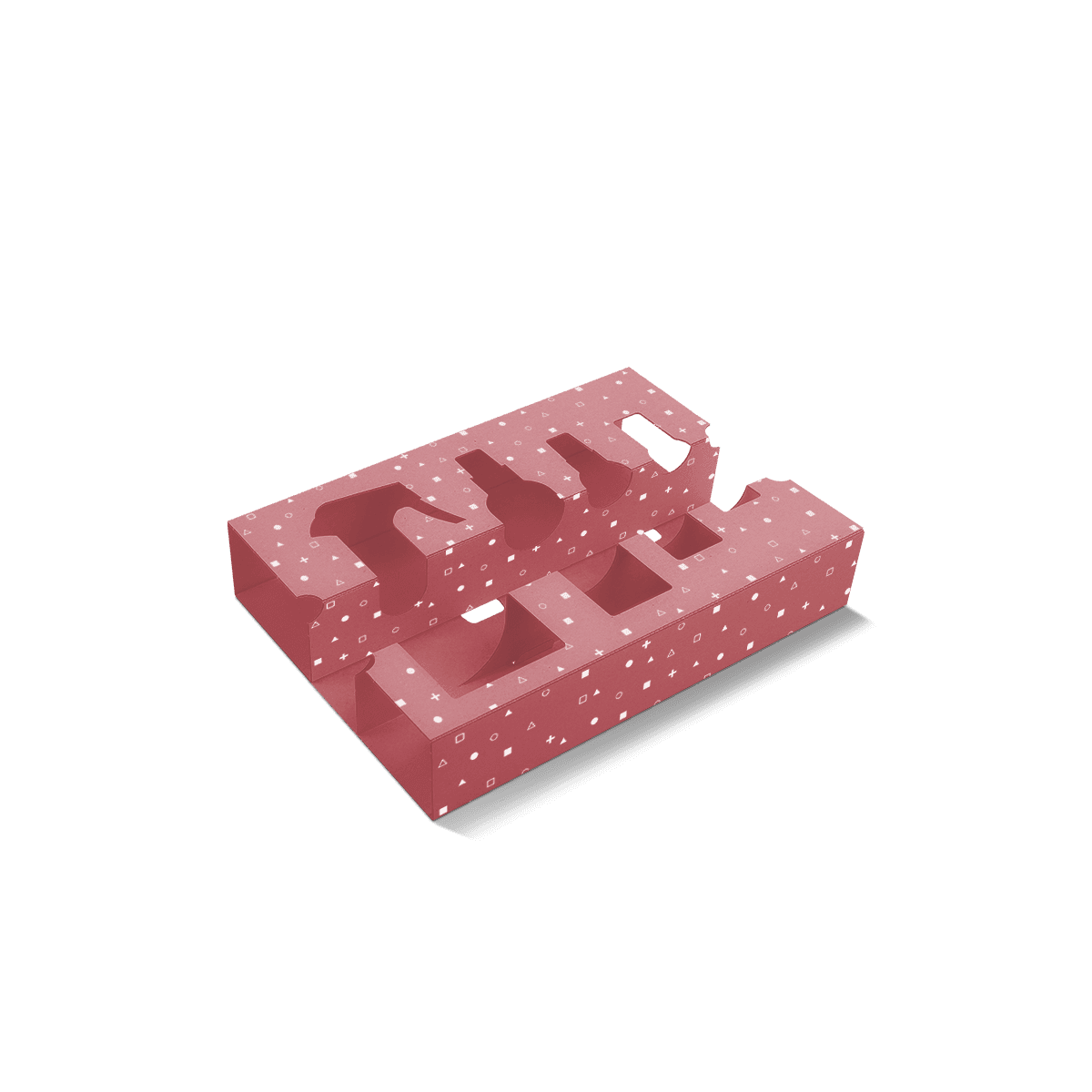
Custom Cardboard Box Inserts are one option inside the wider Custom Inserts and Dividers range. They are not always the strongest option, but they are often the neatest and most efficient for light to medium products.
Cardboard inserts versus corrugated inserts
Cardboard inserts are usually cleaner for retail presentation and gift packaging. Corrugated inserts provide more cushioning and stiffness for heavier products, ecommerce delivery and fragile goods.
If the product travels in a courier network or needs more impact support, corrugated inserts may be safer. If the product needs a clean display inside a printed box, cardboard inserts often look better.
Cardboard inserts versus die cut inserts
Cardboard inserts can be simple folded platforms, holders or trays. Custom Die Cut Inserts are more shape-specific when the product needs a detailed cut cavity or custom profile.
A die cut insert is useful for irregular shapes, bottles, tools, compacts or exact product silhouettes. A simpler cardboard insert may suit rectangular, boxed or easy-to-hold products.
Cardboard inserts versus loose padding
Loose padding fills space, but it does not control product placement with the same accuracy. Cardboard inserts give a repeatable layout and a cleaner opening.
For brands that care about presentation, product order and reduced packing variation, a fitted insert is usually a better long-term choice.
Ordering Small Runs and Scaling the Same Layout
A cardboard insert layout can start with a small product run and later become part of a larger repeat packaging program. The important part is to approve a structure that can scale without slowing packing.
Custom Packly supports MOQ from 50 for first runs, product launches and smaller batches. Larger quantities can follow once the insert fit, artwork and packing method are approved.
For repeat orders, keep these points consistent:
- product dimensions and packaging position
- cavity clearance and lift-out notches
- board choice and surface colour
- outer box size
- folding sequence
- visible print details
- SKU naming for the packing team
Repeat-order discounts and bulk planning support can help when the same insert is needed across ongoing product runs, seasonal kits or subscription packaging.
Quote Details That Help Us Design the Insert Correctly
The most useful quote request explains what the insert must hold and how the box will be packed. A product photo, sketch or rough layout can be more helpful than a long description.
Send these details when possible:
- product dimensions and weight
- number of products per box
- outer box style or preferred box size
- whether the product must stand upright, lie flat or sit at an angle
- areas that cannot be scratched or covered
- preferred board colour such as kraft or white
- print needs on visible insert panels
- order quantity and repeat-order plans
- artwork status, dieline status or sample needs
For broader structure, material, print and finish planning, Customisation can help shape the packaging direction before the quote is finalised.
A More Controlled Way to Present and Protect Products
Custom Cardboard Box Inserts are ideal when a product needs a fixed position, a neat opening moment and a packaging layout that staff can repeat easily. They reduce movement, organise product sets and make the inside of the box look more intentional.
The best insert is not just a cut piece of cardboard. It is a fit decision, a packing decision and a brand presentation decision in one. When the cavity, board, fold line and lift-out point are planned correctly, the packaging feels simple for your team and polished for the customer.
Send your product details, quantity, box idea and artwork status through Get a Quote. Custom Packly can help turn the inside of the box into a cleaner, safer and more useful part of the packaging.
FAQs
Related Packaging Styles
Related Industries
How it works
Simple steps from idea to delivery
Tell Us Your Specs
Tell Us Your Specs
Provide size, quantity, printing, and finishes.
Get a Fast Quote

Get a Fast Quote
Instant transparent pricing, no hidden fees.
Design and Approval

Design and Approval
Artwork checks, revisions, and final sign-off.
Produce

Produce
Expert manufacturing to meet deadlines.
Ship to Your Door

Ship to Your Door
Hassle-free, flexible delivery options.
Start Your Custom Packaging Quote
Share your product details, dimensions, quantity and artwork needs. We’ll help choose the right packaging style and send a clear quote.