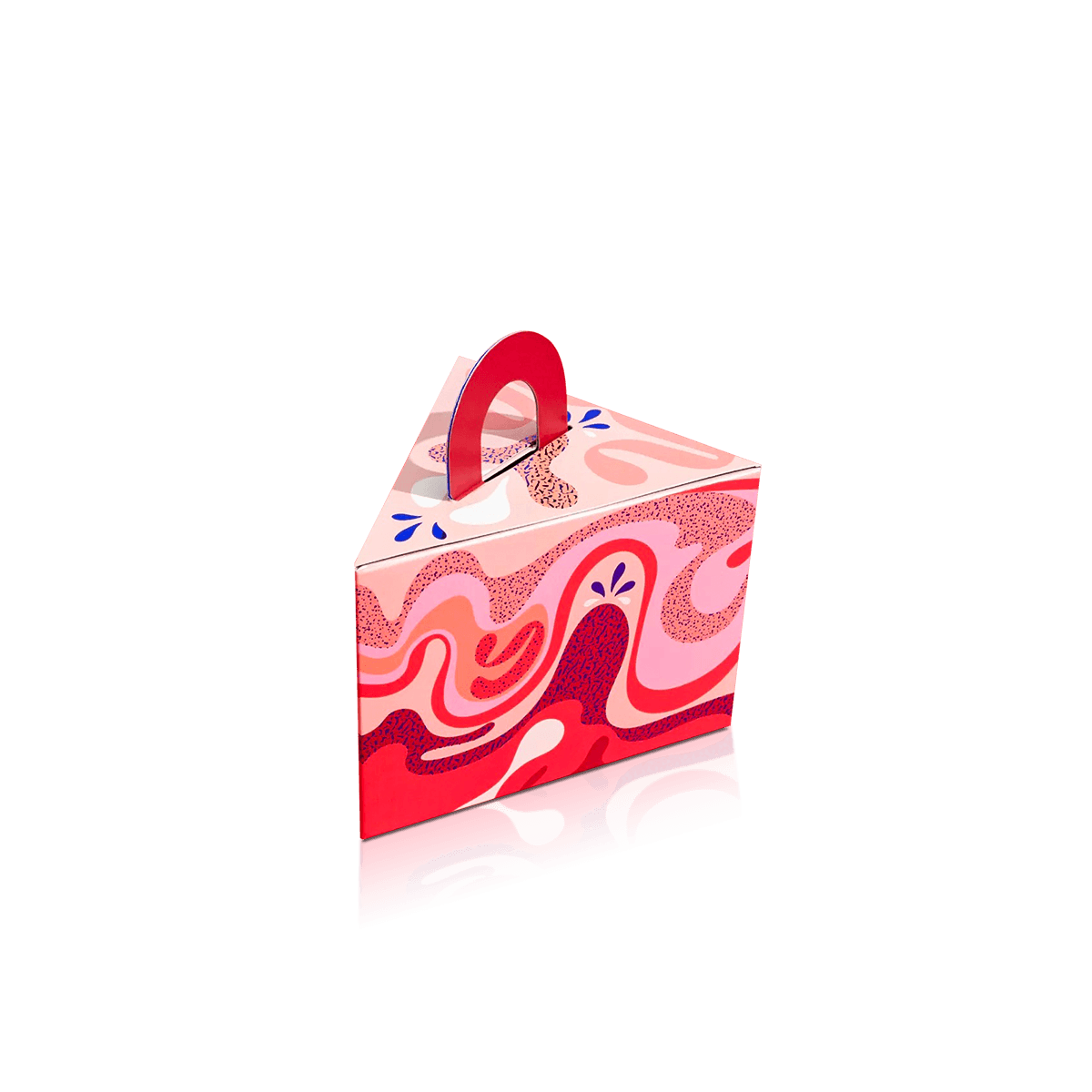
Custom Pastry Boxes
Help croissants, danishes, tarts and filled pastries arrive with crisp layers, clean bases and enough room for toppings, fruit and icing.
Free Design Support
Clear Pricing
Flexible Quantities
Unlimited Customization
Premium Materials
Offset Precision
Free Shipping
Quick Turnaround
Custom Printed Pastry Boxes for Flaky and Filled Bakes
Custom Pastry Boxes need to protect more than the outer shape. Flaky layers can crack. Toppings can shift. Butter can mark the base before the order reaches the customer.
The right carton follows the finished pastry, its filling and the way it leaves the bakery. A flat croissant, tall fruit danish and delicate tart should not be forced into the same deep box without a clear layout.
Bakeries can coordinate daily cartons, gift orders and seasonal artwork through Custom Bakery and Confectionery Packaging.
Measure the widest finished point
Measure each pastry after baking, filling and decoration. Include curved croissant tips, icing, fruit, nuts and chocolate pieces.
The internal width should prevent side pressure. It should also limit sliding when the carton is lifted or turned.
Leave room above fragile layers
Flaky products need safe top clearance. A lid that brushes the surface can flatten a croissant, crack glaze or pull fruit from a danish.
Use the tallest regular item as the height reference. Avoid needless depth because too much space can make the order look sparse.
A Shallow Base Supports Pastries Better
Many pastries carry their weight across a wide, low footprint. A shallow carton gives staff easy access. It also reduces the distance each item must be lowered into the box.
The base must stay level when the customer lifts it. Large assortments or dense filled pastries may need stronger paperboard than a small counter order.
Use one layer for delicate finishes
One layer suits croissants, fruit tarts, glazed danishes and pastries with exposed cream. It stops an upper item from pressing into the one below.
Stacking may work for firm, wrapped or plain pastries. Even then, use a liner or layer pad when crumbs, oil or pressure may cause damage.
Keep the base close to the arrangement
An oversized box gives pastries room to slide into each other. A close footprint keeps the display neat and reduces broken corners.
The fit should still leave enough hand space for fast filling. Staff should not need to squeeze pastries between the walls.
Grease and Steam Need Different Answers
Grease affects the surface under the pastry. Steam affects the air inside the box. Each issue needs its own response.
A liner, suitable barrier or grease-resistant treatment can help with butter and oil. Proper cooling and sensible vents can help with remaining heat.
Cool pastries before closing
Warm pastries release moisture after the lid shuts. This can soften crisp layers or leave damp marks inside the carton.
Use the bakery’s normal cooling time when testing Custom Pastry Boxes. Vents should support that routine, not replace it.
Match the base to the pastry
Butter-rich croissants, sausage rolls and filled pastries may need more base protection than dry biscuits.
State whether the food sits directly on the board, in a cup or on paper. Broader Custom Food Packaging support can align the carton, liner and print areas with the intended food contact.
Mixed Pastry Orders Need a Planned Layout
A mixed order may include long croissants, square danishes, round tarts and small filled bites. The arrangement should look complete. It should also keep firm edges away from soft toppings.
Start with the most common order size. Then decide whether each pastry keeps a fixed place or staff can arrange the box more freely.
Group pastries by height
Place products of similar height together. This lets the lid clear the whole order without leaving one side open to excess movement.
Tall cream or fruit pastries may need a separate carton from flat croissants. Custom Dessert Boxes can suit mixed sweets when an order includes slices, chilled desserts or varied shapes.
Add dividers only when they help
Low dividers can separate savoury and sweet pastries. They can also stop small pieces moving under larger ones.
Keep each divider below delicate toppings. A simple base sheet may be enough for an everyday selection. Extra parts should reduce damage or mistakes, not slow the filling process.
The Opening Should Suit Counter Service
A pastry carton may be opened and closed many times during a busy morning. Staff need a structure that forms quickly, stays open while filling and shuts without pushing flaps over the food.
Custom Folding Cartons and Tuck Boxes can provide hinged lids, corner locks and quick-forming bases for daily bakery use.
Give staff full access
A wide opening makes it easier to place fragile items without brushing the walls. The lid should stay clear while the order is arranged.
A shallow tray or front opening may help with long pastries and tarts. These items can be hard to lower through a small top opening.
Use a closure that stays neat
Tuck tabs and locking corners should hold the lid during collection and short delivery. The closure should not need hard pressure near the food.
Test the carton with a full order. An empty box may close well but bow once the base carries more weight.
Windows Should Show the Best Pastries
A clear window should reveal colour, texture and a neat arrangement. It should not show empty corners, liner folds or grease marks.
The opening also removes part of the supporting board. Leave enough material around it to keep the lid firm.
Align the window with the first view
A long window can suit a row of croissants. A centred opening may suit tarts or a mixed gift selection.
Custom Window Carton Boxes can place the clear panel around the real pastry layout instead of using a standard cut-out.
Check fogging and visible marks
Warm filling, chilled cream and room temperature changes can fog a clear panel. Grease on a liner may also look more obvious through a large window.
A 3D mockup can confirm the balance between print and the clear area. A physical sample is more useful when moisture, window size or board strength creates a real risk.
Print Must Work During Service and Gifting
Pastry packaging needs to look good after staff add labels, close the lid and place the carton in a carry bag.
Outside print makes collection orders easy to recognise. Inside print can add a short message when the customer lifts the lid.
Reserve space for order details
Leave a clear area for the customer name, collection time, flavour note or warming instruction.
Keep this area away from the logo and window. Side-panel print can help staff identify sweet, savoury or mixed orders when cartons are stacked.
Choose finishes for the occasion
Matte or gloss can change colour depth and surface feel. Foil, embossing or spot UV may suit holiday gifts, hotel orders and branded events.
For daily service, strong colour and clear type often matter more than several decorative finishes. The customisation options can bring print, board, windows and coatings into one approved specification.
Carry Pastry Boxes Without Tilting the Order
The carton protects the pastries only while it stays level. A narrow bag can squeeze the side walls. An oversized bag can let the box tip.
Custom Paper Bags can be sized around regular pastry cartons. This helps staff load orders quickly and gives customers a more stable hold.
Match the bag base to the box
The bag gusset should support the full carton footprint. The handles must suit the total order weight.
When several cartons travel together, place the heaviest one at the bottom. Avoid pressure on windowed lids.
Add a stronger outer for longer delivery
A printed pastry carton suits presentation and normal takeaway handling. Longer delivery or courier use may need a stronger outer box and fitted support.
Do not place loose fill where it can reach the food. Support the closed pastry carton as one complete item.
Plan Weekday, Weekend and Seasonal Quantities
Pastry demand can change across weekdays, weekends, events and holiday releases. One broad estimate can leave the bakery short during peaks or holding too much dated artwork later.
Keep the proven structure when possible. Change print, labels or sleeves when the pastry size and order count stay the same.
Test the size before scaling
MOQ starts from 50 for suitable menu tests, event orders and seasonal designs. Custom Packly can also support thousands, tens of thousands and larger repeat orders.
A smaller first run can confirm staff handling, product fit and customer response before higher-volume production.
Record the filling routine
Keep the approved internal size, board, liner, window and closure on record. Note how many pastries fit and which items should not share a carton.
Update the details when a pastry becomes taller, wider or heavier. A new filling or decoration can change the fit.
Quote from the Finished Pastry Assortment
An accurate quote needs the real pastries and their intended arrangement. Outer length and width do not show flaky tips, raised fruit or liner space.
Include:
- Finished dimensions for each main pastry
- Maximum height after filling and decoration
- Item count and preferred arrangement
- Sweet, savoury or mixed use
- Direct food contact, cups and liner details
- Warm, chilled or room-temperature handover
- Window size and preferred viewing area
- Counter collection, gifting or delivery use
- Quantity for each box size and artwork version
- Board appearance, print colours and finish
- Launch date and expected repeat quantity
Photos of a normal completed order can make row spacing and height differences clear. Send these details through Get a Quote so the structure, material and print can be reviewed together.
Pastry Packaging Support Starts with the Product
Custom Packly reviews the finished pastry, order count, handover and staff routine before production. This keeps the advice tied to real daily use rather than a generic carton size.
Free design support and a 3D mockup can confirm print, label space and window placement. Local production and a 4 to 6 day turnaround can support planned releases once the structure and artwork are approved.
The final Custom Pastry Boxes should help staff fill orders cleanly, protect delicate layers and make each collection or delivery feel considered.
FAQs
Related Industries
Related Packaging Styles
How it works
Simple steps from idea to delivery
Tell Us Your Specs
Tell Us Your Specs
Provide size, quantity, printing, and finishes.
Get a Fast Quote

Get a Fast Quote
Instant transparent pricing, no hidden fees.
Design and Approval

Design and Approval
Artwork checks, revisions, and final sign-off.
Produce

Produce
Expert manufacturing to meet deadlines.
Ship to Your Door

Ship to Your Door
Hassle-free, flexible delivery options.
Start Your Custom Packaging Quote
Share your product details, dimensions, quantity and artwork needs. We’ll help choose the right packaging style and send a clear quote.