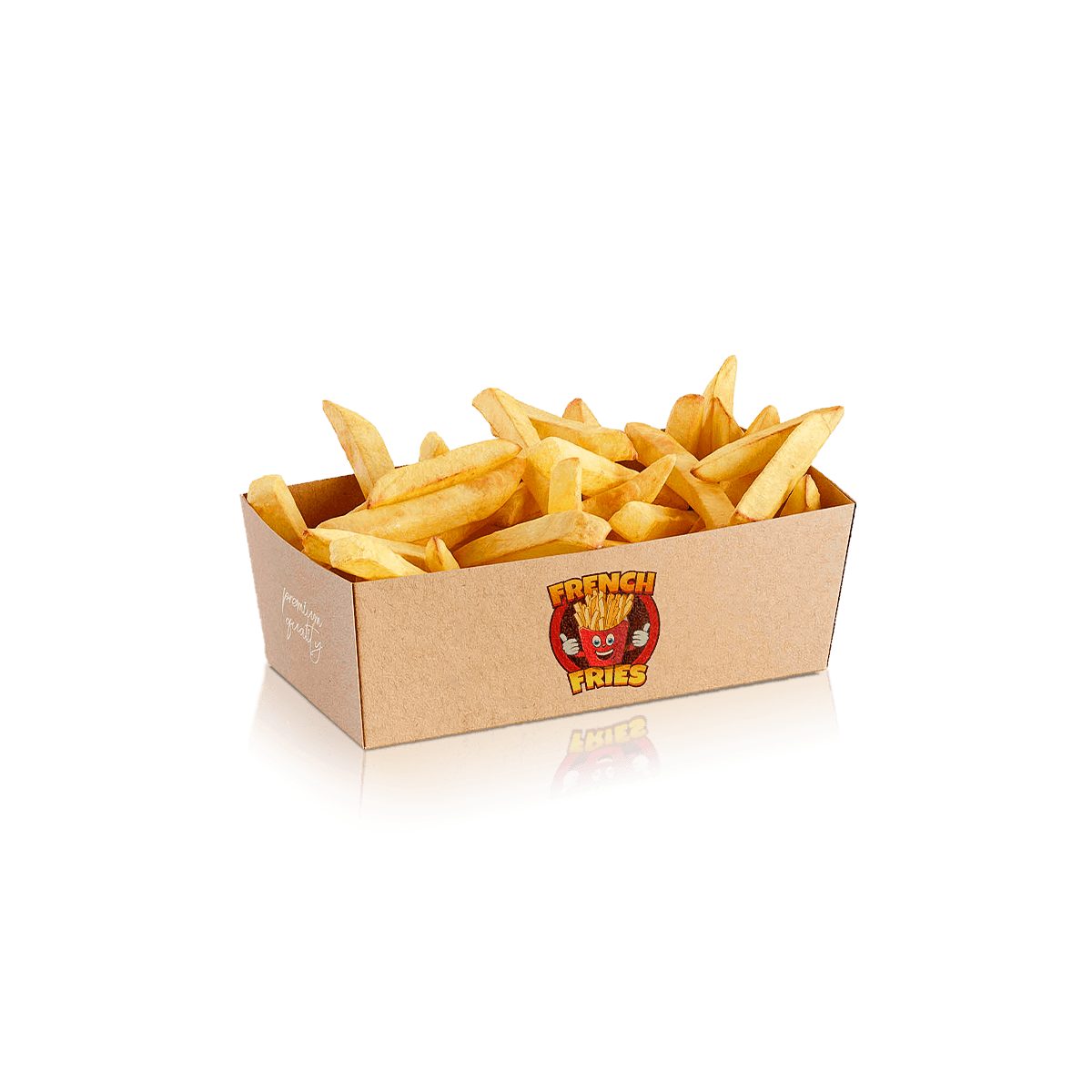
Custom Fries Trays
Serve hot chips with less mess using branded trays shaped for quick filling, portion control, grease resistance and easy eating at the counter.
Free Design Support
Clear Pricing
Flexible Quantities
Unlimited Customization
Premium Materials
Offset Precision
Free Shipping
Quick Turnaround
Printed Fries Trays for Fast Serving and Portion Control
Custom Fries Trays should help staff serve chips quickly while giving customers easy access to the food. The tray needs enough depth to hold the portion without hiding it or making the last chips hard to reach.
A shallow tray may spill when it is carried. A tray that is too deep can slow filling and trap more steam around the food. The right shape depends on the serving weight, chip length, toppings and whether the order is eaten at once or carried away.
Fry trays can carry the same colours and logo treatment as cups, bags and food boxes across Custom Cafe and Takeaway Packaging, while their board and shape remain suited to hot, oily food.
Set the width around the serving scoop
The tray opening should let staff tip fries in without stopping to arrange them. A narrow opening can catch long chips and slow service. An opening that is too wide may need more board and take up more counter space.
Test the tray with the scoop or basket used in the kitchen. The portion should fall into place without pressing against the side walls.
Use wall height to control spills
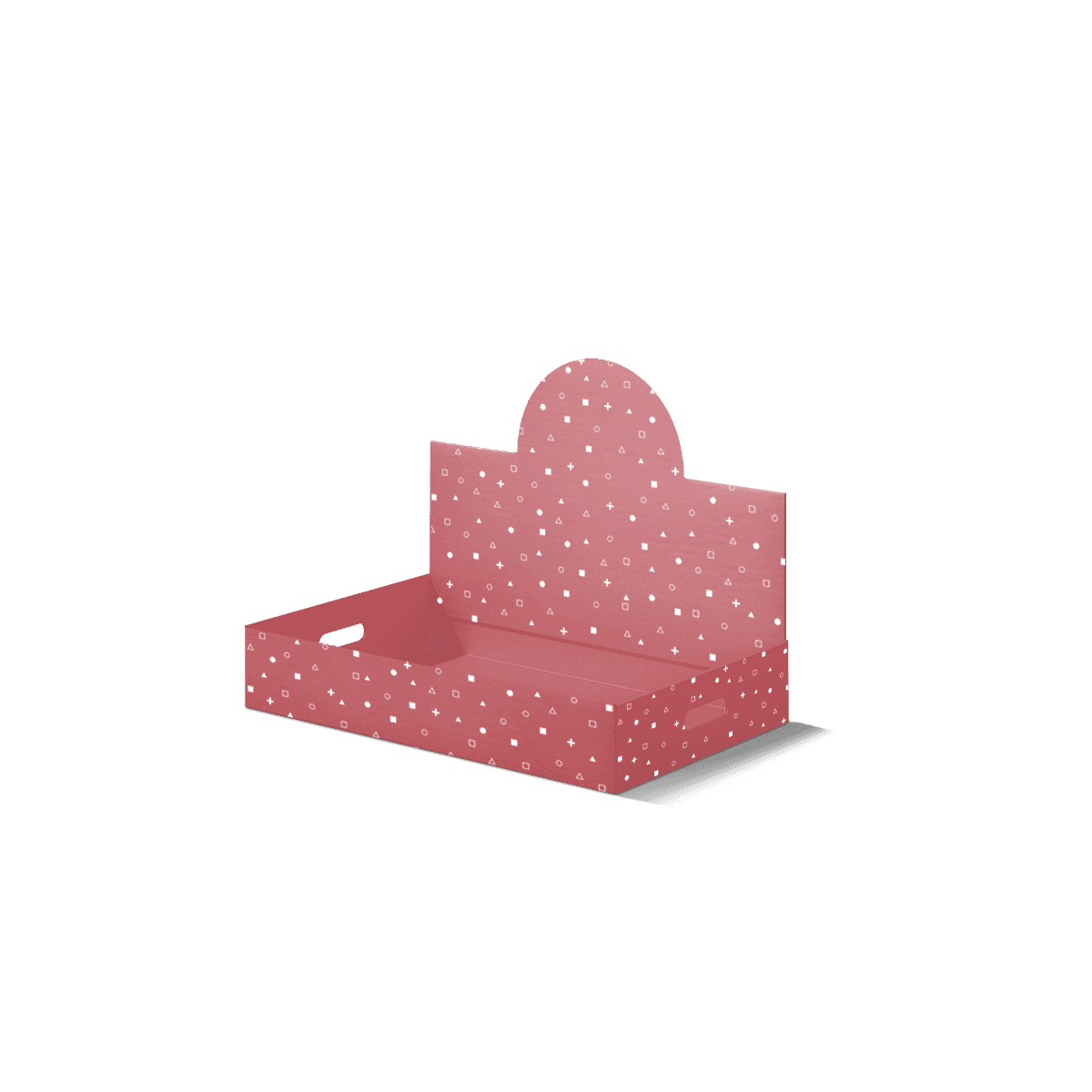
Side walls keep chips contained while the front remains open for easy eating. Higher rear and side panels can help when customers carry the tray through a food court, event or outdoor venue.
The front edge should not be so high that customers need to reach down into the carton. A curved or lower front can improve access while leaving enough support around the portion.
Shape the Tray for Plain, Loaded and Shared Fries
The best shape changes with the menu. Plain salted chips place less pressure on the walls than loaded fries with cheese, sauce or meat.
Custom Fries Trays should be planned around the heaviest and messiest item that will use each size.
Open trays for classic chips
A simple open-top tray suits fries served at the counter, food trucks, markets and casual dining venues. It gives clear food visibility and lets steam escape.
A tapered base can make filling easier and allow empty trays to use counter space more efficiently. The base still needs enough width to stand without tipping.
Deeper trays for loaded fries
Loaded fries need more wall height and a stronger base. Sauce and toppings add weight, moisture and movement.
The tray should leave room for a fork without pushing food over the edge. A wider base may be more useful than extra height because it spreads the topping and makes the meal easier to eat.
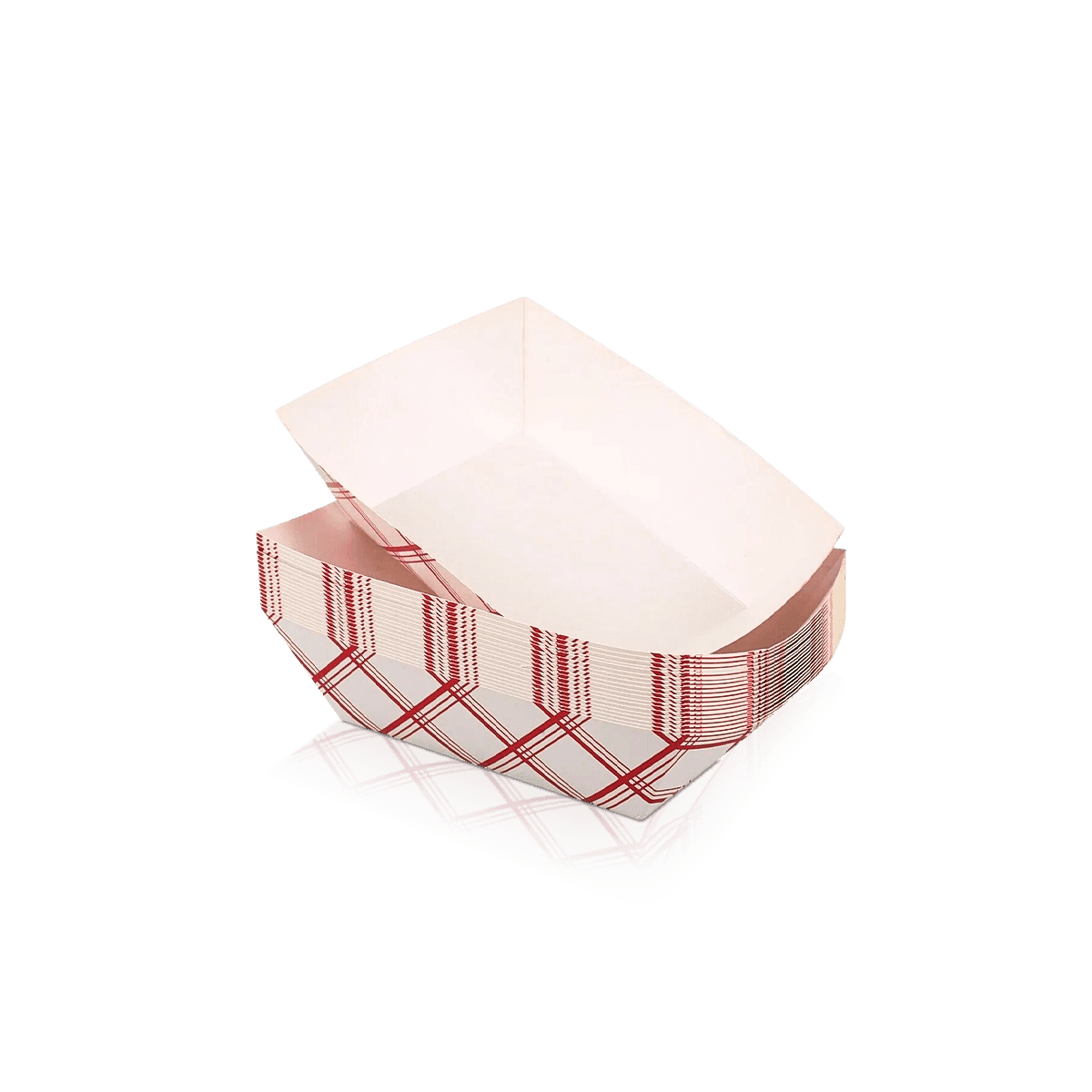
For very wet or heavy toppings, a deeper Custom Food Tray may suit the serving better than a narrow fry scoop.
Larger trays for shared sides
A shared portion needs enough base area to sit level on a table. Long narrow cartons can bend in the centre when filled heavily.
Check the full serving weight and how customers will hold the tray. Two grip points or a firm base may be needed for larger portions.
Release Steam Without Cooling the Fries Too Fast
Steam control has a direct effect on how fries feel after serving. Too much trapped moisture can soften the food. Too much open space can let heat escape faster.
Custom Fries Trays normally suit short holding times because the open top gives steam a clear exit.
Use the open top as the main vent
An open tray often provides enough airflow for counter service. It avoids the need for a lid that traps steam directly above the chips.
The tray should not be overfilled. A tall mound can fall out and may block the open surface that helps moisture escape.
Add vents only when the structure needs them
Small vent holes may help deeper fry cartons or partially closed shapes. Their position should not weaken a fold, base or hand-grip area.
More vents do not always mean better results. Test the actual fries at the expected holding time before approving the cut pattern.
Treat delivery as a separate use
Fries may change during a longer trip even when the tray works well at the counter. Placing a hot open tray inside a tightly sealed outer container can trap steam around the whole order.
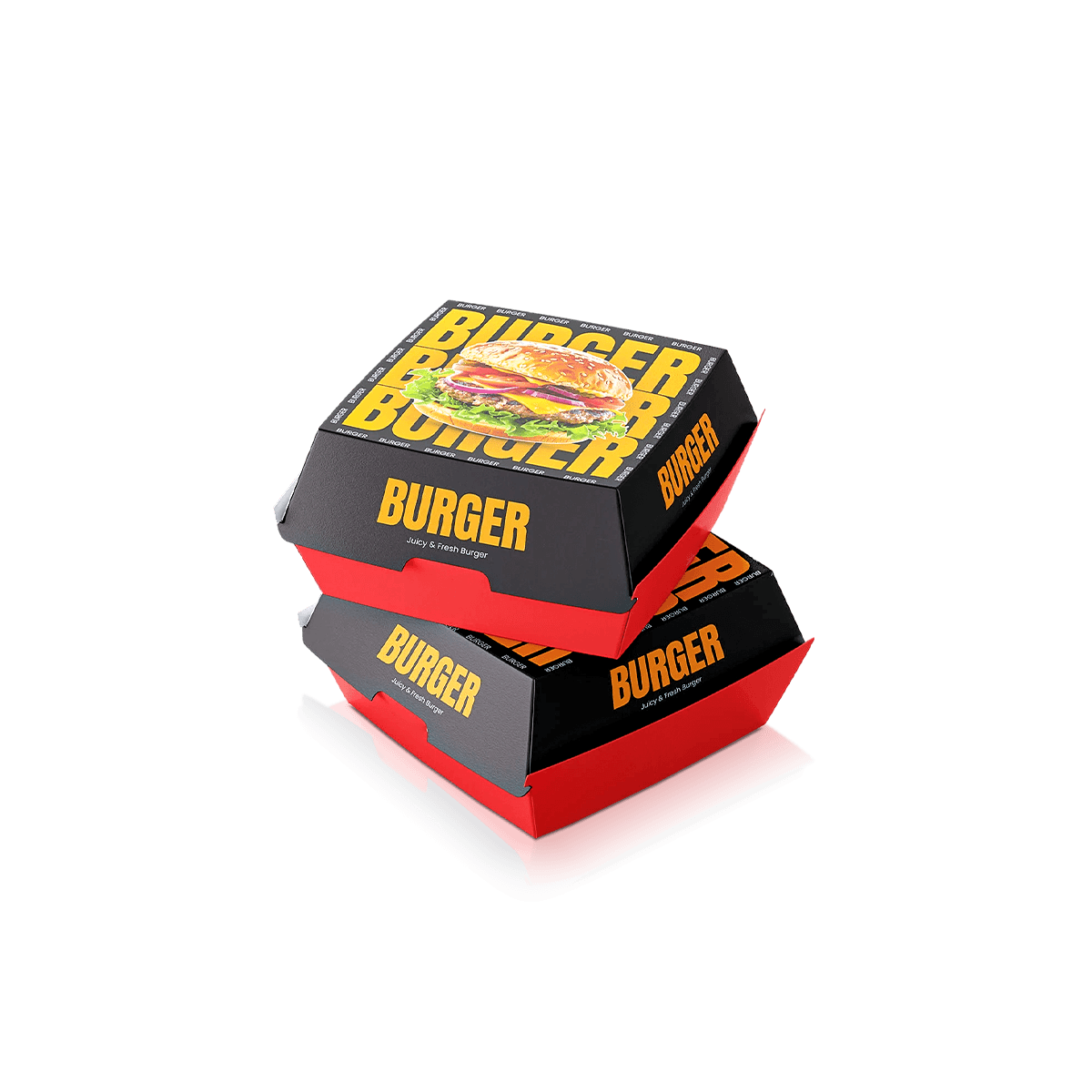
The fry carton, burger box and carry bag should be tested together for delivery. Custom Burger Boxes can be sized alongside the fry portion so both items sit securely without crushing each other.
Stop Oil and Sauce From Weakening the Board
Custom Fries Trays need board and surface protection suited to hot, oily food. Plain untreated stock may show grease marks or soften too quickly when the serving is heavy.
The correct choice depends on direct food contact, oil level, sauce use and expected eating time.
Match grease resistance to the menu
Dry fries and heavily seasoned chips may place different demands on the tray. Loaded fries with sauce need more protection than a small plain serving.
A suitable food-contact board or grease-resistant barrier can help limit oil absorption. The final material should be confirmed for the intended food and use rather than chosen from appearance alone.
Keep sauces from pooling at weak points
Sauce can collect near the base folds and corners. These are also areas where the tray relies on firm creases and joins.
A wider serving surface can spread toppings more evenly. For separate dipping sauce, consider a stable cup position rather than pouring extra sauce into a tray not designed for it.
Avoid unnecessary decorative finishes inside
The inner surface has a practical food-contact role. Keep decorative coatings and premium effects on suitable outer panels unless their use has been confirmed for the application.
Simple outer print often gives Custom Fries Trays enough visual impact without adding complex treatments around the food.
Make Every Movement at the Fry Station Easier
A tray may only take seconds to fill, but small delays repeat hundreds of times during a busy service.
Custom Fries Trays should open quickly, stand upright and stay ready near the serving station.
Choose an assembly style that suits the counter
Pre-glued cartons can open into shape with fewer steps. Flat interlocking trays may use storage space well but need staff to form each base correctly.
Test the preferred structure with the people who will use it. A carton that looks simple on a dieline may still catch at the side tabs or collapse if the base is not locked fully.
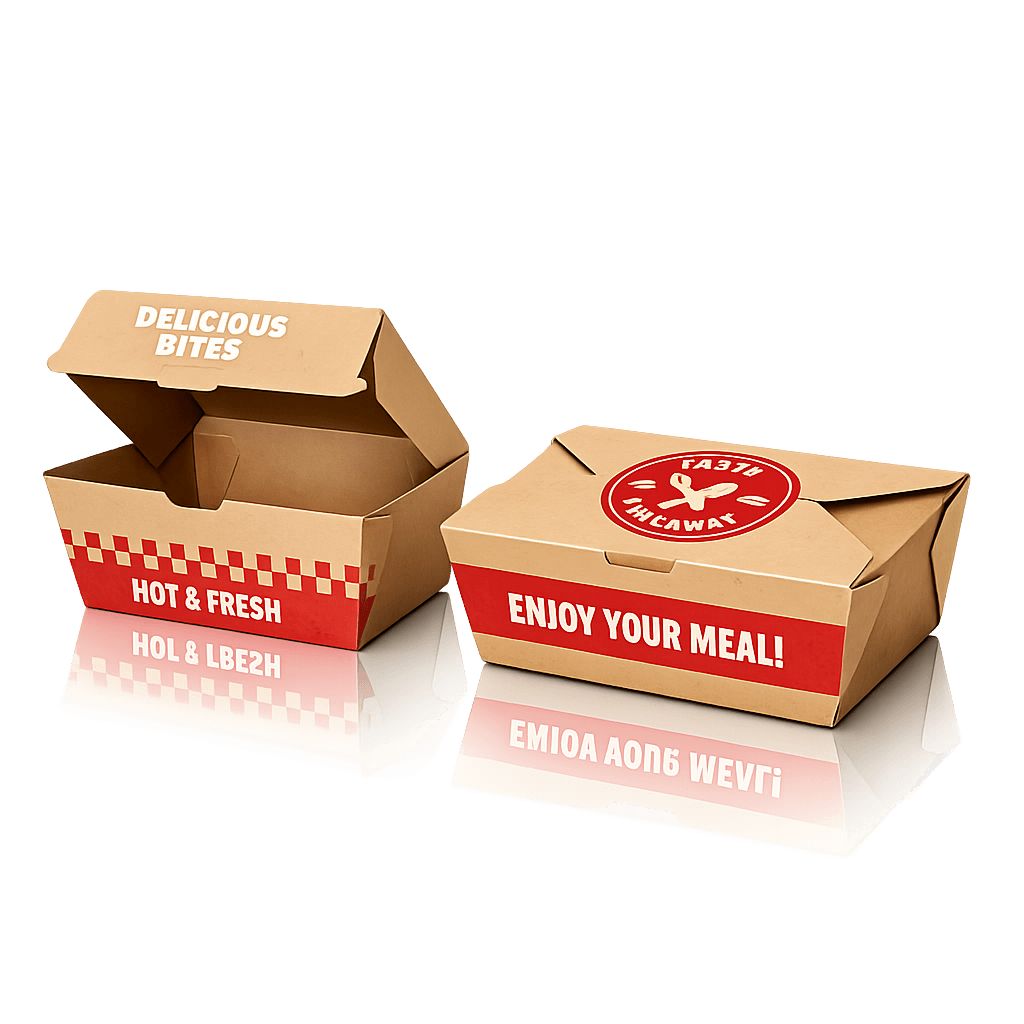
Paperboard food trays often use die-cut folds similar to lightweight Custom Folding Cartons and Tuck Boxes, although the open top, grease needs and serving access require a food-specific structure.
Mark a clear fill level
A steady fill level helps control portion size during fast service. The top of the front panel, a small inner line or the tray shape itself can give staff a visual cue.
Do not place heavy print where oil or food contact may obscure the mark. Keep it simple enough to see at a glance.
Plan storage near heat and cooking equipment
Empty cartons should stay dry and clean. Store them away from direct heat, splashes and oil mist.
The carton size should also suit the shelf or dispenser near the fry station. A large saving in unit cost is less useful if the cartons block the workspace.
Use the Front Panel as the Main Brand Surface
Custom Fries Trays have less print area than pizza boxes or carry bags, so every visible panel needs a clear purpose.
The front panel usually faces the customer while they hold or eat from the tray. It is often the best place for the logo, a short phrase or a strong graphic.
Keep the design bold and easy to recognise
Small text can disappear on a curved or tapered carton. Use clear contrast, simple shapes and a logo size that stays visible when fingers cover part of the tray.
Side panels can carry a web address, social handle or short campaign message. Avoid spreading one important sentence across several folds.
Design around the filled tray
Fries can rise above the carton and cover part of the rear panel. Sauce and seasoning may also mark the top edges.
Review the artwork on a formed and filled mockup. A flat proof alone does not show how the food changes the visible area.
Adapt seasonal artwork without losing the core look
Custom Fries Trays can support limited menus, events, sports nights and brand partnerships. Keep the main logo position steady while changing a secondary colour, pattern or short message.
Customisation can help align print placement and colour across different tray sizes and related food cartons.
Plan the Tray for Counter, Table and Carry Bag Use
The same fry serving may be handled in several ways. A customer may eat beside the counter, carry it through a market or place it inside a larger takeaway order.
Counter orders need open access
A simple scoop or open tray suits immediate eating. The customer should be able to grip the lower sides without pressing food out of the top.
The board should stay firm under normal hand pressure and resist visible oil marks during the expected eating time.
Table service needs a stable base
A wider tray can sit more securely on a table and make loaded fries easier to share. Check whether the base rocks after the carton is formed.
Sauce cups, forks and napkins should sit beside the tray rather than making the food surface crowded.
Takeaway orders need an outer carrying plan
An open fry tray should sit level inside the bag. The outer bag should not squeeze the side walls or tip the tray against another box.
Printed Custom Paper Bags can be sized around the complete meal, including the fry tray, main food box and sauces.
Create Sizes Around Portions That Staff Actually Serve
Custom Fries Trays should match the real serving rather than a broad small, medium or large label. Portion weight, chip cut and toppings can all change the space needed.
Small portions
A small tray should still have enough opening width for quick filling. Very narrow cartons may look neat but can slow service and make long chips stand too high.
Regular portions
The regular size often handles the largest share of daily use. Test it with the standard scoop and confirm the filled tray looks generous without requiring staff to overfill it.
Large and loaded portions
Large servings need more base support, not only taller walls. Loaded options may need their own structure because sauce and toppings change the weight and eating style.
Using one oversized tray for every portion can waste board and make smaller servings look less appealing.
Keep Reorders Accurate Across Sizes and Campaigns
Tray usage can change with meal deals, seasons and store location. Record use by tray size and menu item instead of treating all fry cartons as one total.
A venue may use regular trays every day but need large loaded-fries cartons only at night or during events. This matters when setting reorder levels.
MOQ starts from 50 for suitable orders, with support for larger quantities and recurring high-volume production. Keep the approved dimensions, board, grease barrier, print file and fill weight with each version.
When several locations use Custom Fries Trays, give each approved design a clear code. This reduces the risk of sending the wrong size or seasonal artwork to a store.
Quote Details That Prevent Weak or Oversized Trays
A useful quote starts with the fries and service method, not only the outer dimensions.
Include:
- fry type and average chip length
- portion weight for each size
- plain, seasoned or loaded serving
- expected sauce and topping use
- open scoop, deep tray or partially closed shape
- preferred inner width, depth and wall height
- counter, dine-in, event or delivery use
- required quantity for each size
- kraft or white board preference
- print colours and artwork status
- expected launch or reorder date
Photos of the filled serving can reveal issues that measurements miss. Show how staff scoop the chips and how customers hold the tray.
Once the portion details and quantities are clear, Get a Quote for Custom Fries Trays shaped around the food, counter routine and expected travel time.
FAQs
Related Industries
Related Packaging Styles
How it works
Simple steps from idea to delivery
Tell Us Your Specs
Tell Us Your Specs
Provide size, quantity, printing, and finishes.
Get a Fast Quote

Get a Fast Quote
Instant transparent pricing, no hidden fees.
Design and Approval

Design and Approval
Artwork checks, revisions, and final sign-off.
Produce

Produce
Expert manufacturing to meet deadlines.
Ship to Your Door

Ship to Your Door
Hassle-free, flexible delivery options.
Start Your Custom Packaging Quote
Share your product details, dimensions, quantity and artwork needs. We’ll help choose the right packaging style and send a clear quote.