
Custom Tray Display Boxes
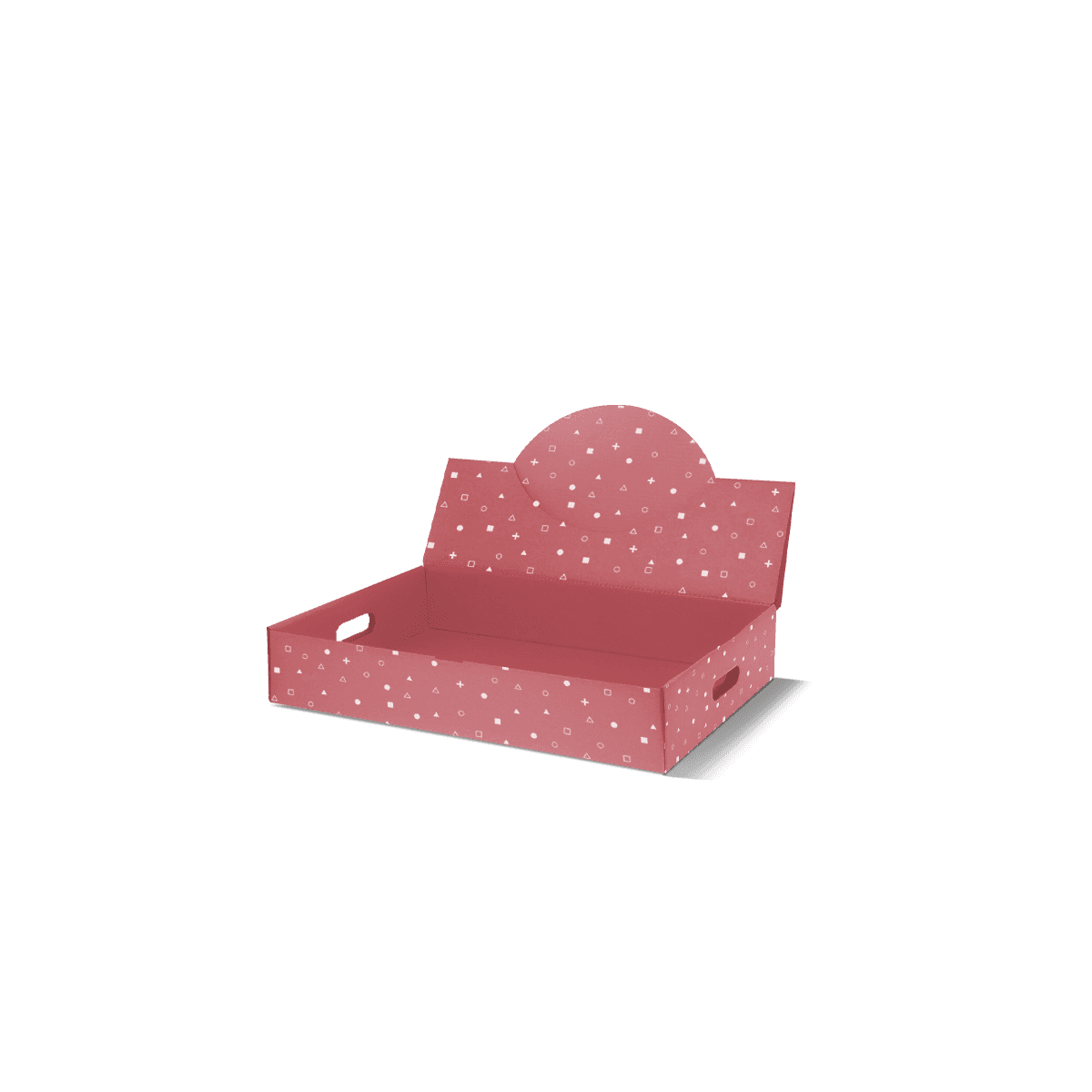
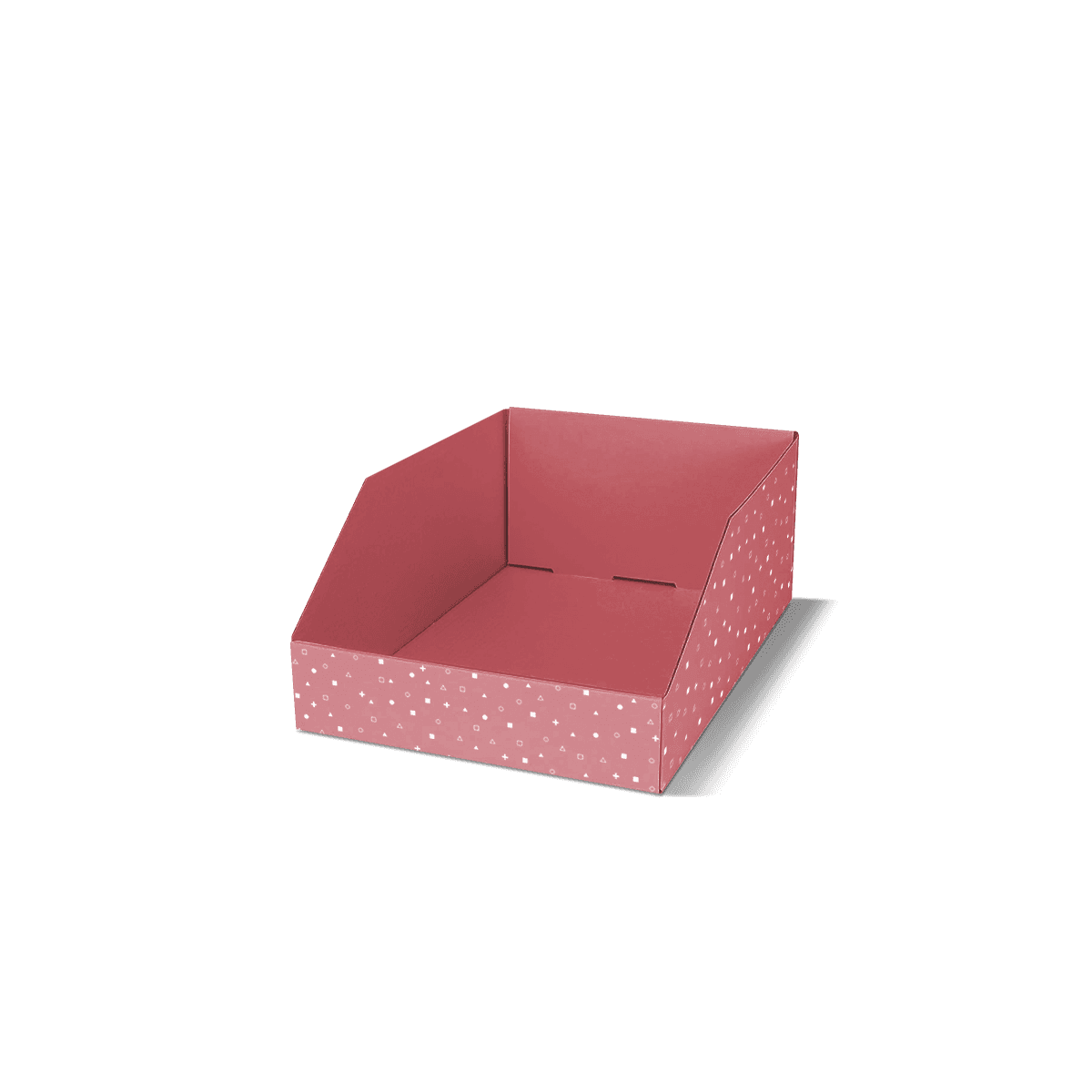
Open tray display packaging for grouped retail products, quick customer access, neat product rows and branded shelf, counter or promotional presentation.
Free Design Support
Clear Pricing
Flexible Quantities
Unlimited Customization
Premium Materials
Offset Precision
Free Shipping
Quick Turnaround
Open Tray Displays for Easy Product Access
Custom Tray Display Boxes are made for products that need to sit grouped, visible and easy to pick from a shelf, counter or promotional surface. They use an open-top or low-front tray structure so customers can see the product range without opening a carton or pulling from a dispenser.
This format suits boxed cosmetics, lip products, soap bars, sachets, wrapped snacks, accessories, trial packs, stationery, cards, small wellness products and seasonal retail items. The tray gives the product a controlled footprint while keeping the top and front open for fast browsing.
The front lip is the most important structural detail. It needs to hold stock in place without hiding the product. A lip that is too high can block labels and make picking harder. A lip that is too low can let items slide, fall forward or create messy rows.
A good tray display keeps products organised after customers start shopping from it. The base depth, side-wall height, row spacing and board strength should all support the loaded display, not only the empty shape.
Built for Rows, Facings and Fast Picking
Custom Tray Display Boxes work best when the structure is planned around how products sit in rows. The display should help customers compare items, choose quickly and remove one product without disturbing the rest.
Front facings that stay visible
The tray width should match the number of product facings you want across the front. Too many facings can make products feel cramped. Too few can waste retail space or make the tray look underfilled.
For product ranges with flavours, shades or scents, clear front facings help shoppers compare options faster. The tray can also use printed colour blocks or dividers to keep each variant easy to identify.
A front lip that controls the row
The front lip should be sized around product height and weight. For taller boxed items, a lower lip may give better visibility. For soft sachets, slim packets or small wrapped products, a higher lip can help keep the row upright.
This is where tray displays differ from standard open boxes. The lip needs to control the product without getting in the customer’s way.
Side walls that stop spreading
Side walls keep products from drifting sideways when customers browse. They also help the tray keep shape during restocking and handling.
Low side walls work well when product visibility matters most. Higher side walls can help with flexible packs, loose rows or products that need more support.
Tray Structures for Shelves, Counters and Promotions
Custom Tray Display Boxes can be adapted for different selling environments. The right structure depends on the product, surface, customer reach and how often staff need to restock.
Low-profile shelf trays
Low-profile tray displays suit retail shelves where the product itself should stay visible. They work well for boxed beauty products, sachets, bars, stationery, small cartons and compact product ranges.
The tray depth should match the shelf and product count. If the tray is too deep, back-row products may be hard to see. If it is too shallow, the display may need refilling too often.
Counter trays for quick selection
Counter trays work well for products placed near checkout, reception desks, clinic counters, market stalls, salons and event tables. They let customers browse without lifting a lid or pulling through a narrow opening.
When products need a more built-up checkout unit with a taller message panel, Custom Counter Display Boxes may suit that tighter point-of-sale use. Tray displays stay more open, simple and low-profile.
Promotional trays for launch stock
Promotional trays can hold samples, limited products, seasonal packs or campaign bundles. They are practical when the product needs to be placed quickly in multiple locations while still looking branded.
A tray format also makes it easier for staff to refill, rearrange or replace stock without rebuilding the whole display.
Product Fit That Prevents Messy Displays
Custom Tray Display Boxes should be sized from the loaded product row, not only the outside tray dimensions. The product’s width, depth, height and weight affect how the tray behaves on shelf or counter.
For boxed products, the tray should hold the row snugly enough to keep items upright but not so tightly that staff struggle to restock. For sachets or pouches, the display may need dividers, angled support or a deeper base to stop products from falling flat. For small jars, bottles or heavier products, the base and side walls need enough strength to stop bowing.
The product gap matters too. A small amount of space can help customers pick up one item. Too much space can make the tray look untidy. If the display holds multiple SKUs, the layout should stop products from mixing across rows.
Custom Tray Display Boxes are often simple to look at, but the product fit does most of the work. A well-sized tray makes the product look organised even when the display is no longer full.
Board Strength for Open Display Trays
Custom Tray Display Boxes need board that keeps the base flat and the walls upright while the products are loaded. The right board depends on product weight, tray size and campaign length.
Paperboard suits lightweight products and clean retail presentation. It works well for cosmetic cartons, sample packs, small accessories, cards, stationery and wrapped products. Kraft board suits natural, handmade, wellness, soap, food and eco-led ranges where the material look supports the brand.
Corrugated board helps when the tray needs extra support. It can be useful for deeper displays, heavier products, larger product counts and trays that need to move between storage, transport and retail setup.
The board should be chosen after checking loaded weight and tray depth. A shallow tray holding sachets can use a lighter setup than a tray holding several rows of glass jars or boxed electronics accessories.
Eco-friendly material options can be considered where the product, print and finish allow. The display still needs enough strength to keep product rows clean throughout the selling period.
Print Areas That Stay Visible in an Open Tray
Custom Tray Display Boxes give strong branding opportunities on the front lip, side walls, outer base edge and back panel. The artwork should support the tray’s low-profile shape rather than fight it.
Front lip for product range cues
The front lip is close to the customer’s hand, so it works well for the product name, flavour family, shade group, campaign line or simple brand mark. It should stay readable even when products sit behind it.
Avoid placing tiny details on the front lip if the tray will sit low on a shelf. A clear logo, colour band or short message usually works better.
Side panels for shelf presence
Side panels help the tray look branded from angled views. This is useful when the display sits on a counter, table or open shelf where customers may approach from the side.
Side print can show patterns, range colours, product category cues or supporting brand details without crowding the front.
Back panel for extra visibility
A back panel is useful when the product needs a taller visual area. It can carry the logo, launch message or product benefit while the tray keeps stock organised below.
The back panel should not be too tall for the tray depth. A tall panel on a shallow tray can make the display feel unstable unless the base is designed to support it.
For broader print, finish and material planning, Customisation can help prepare artwork and production details before quoting.
Beauty, Food and Retail Tray Uses
Custom Tray Display Boxes suit products that need open access and grouped presentation. They are especially useful for product lines where shoppers compare variants before choosing.
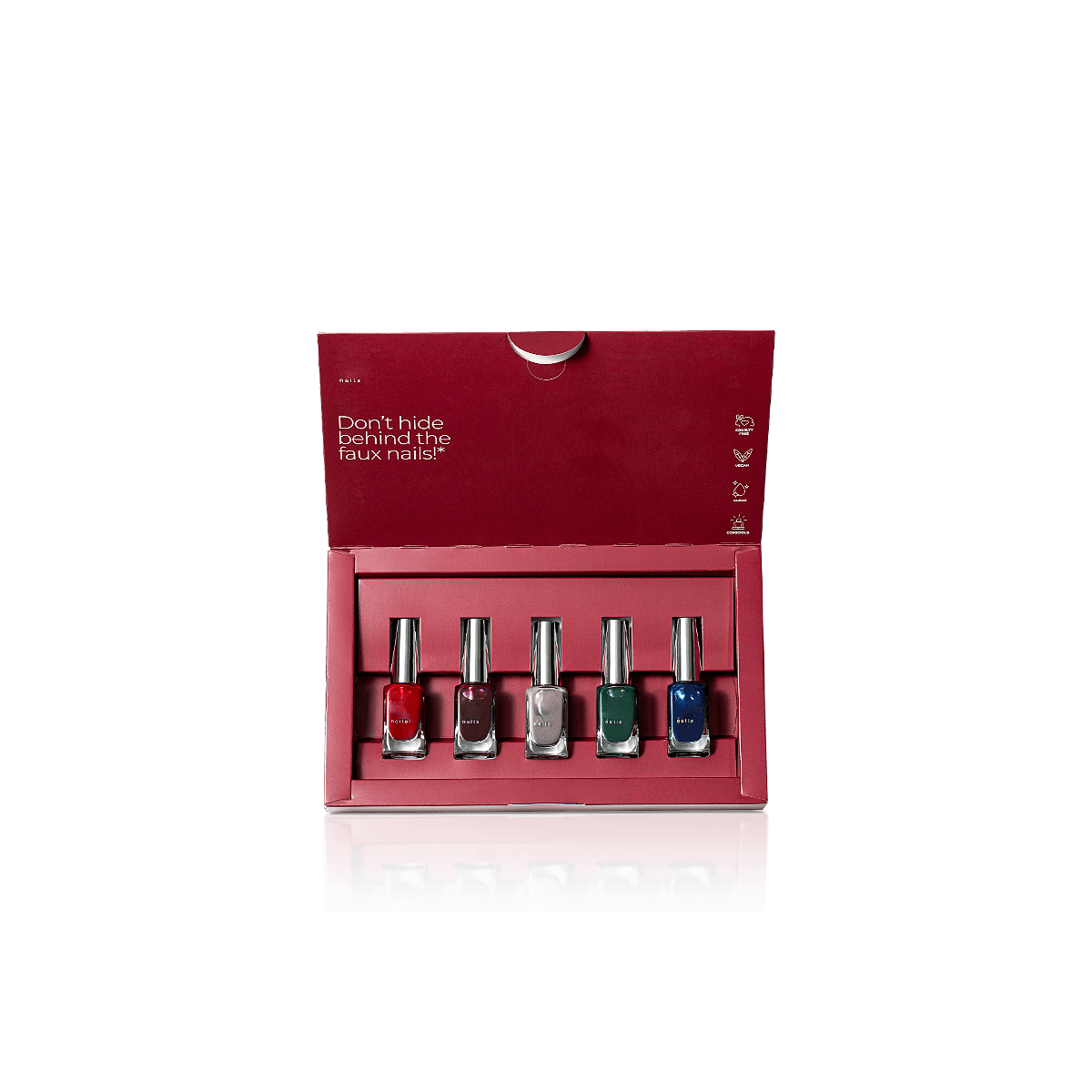
Beauty brands can use tray displays for lip balms, skincare cartons, nail products, mini soaps, sample sachets, fragrance testers and small cosmetic packs. For wider beauty launch packaging, Custom Beauty Packaging can support product cartons, inserts, sleeves and display packaging around one consistent range.
Food and beverage brands can use tray displays for wrapped snacks, confectionery, tea sachets, coffee samples, protein bars, spice packs and small takeaway add-ons. Wellness brands can use them for vitamins, trial packs, masks, sachets and supplement samples.
Retail and event teams can use trays for cards, accessories, patches, small gift items, stationery, product samples and promotional stock. The open shape makes products easy to browse, refill and move during a campaign.
Custom Tray Display Boxes work well when the product should be touched and compared, not pulled from a controlled slot or kept behind a high display wall.
Tray Displays Versus Dispenser and Gravity Boxes
Custom Tray Display Boxes keep products open and easy to browse. Dispenser and gravity boxes control product removal more tightly, so the better option depends on how the product should move.
A tray display is usually best when customers need to see several products at once, compare variants or pick items from an open row. It works well for boxed goods, grouped samples, retail accessories and products with strong front-facing labels.
A dispenser format is better when the product should be taken one at a time from an opening. Custom Dispenser Display Boxes suit sachets, cards, wipes, rolls and small products that need controlled access.
A gravity-fed structure is better when products should move forward as the front item is removed. Custom Gravity Dispenser Boxes can suit wrapped bars, sachets or packets where forward movement improves access.
The choice should come from product behaviour. If products stay neat in rows, a tray is often the simplest and most flexible structure.
Dieline Checks for Tray Shape and Stability
Custom Tray Display Boxes need accurate dielines because the base, side walls, front lip and any back panel control the final display shape. A small change in wall height or base depth can change how products sit.
A 3D mockup is usually enough for standard tray displays with simple product rows and light to medium product weight. A physical sample is more useful when the tray is large, heavily loaded, includes dividers or has a taller back panel that may affect balance.
Before approval, check:
- Product width, depth and height
- Number of products per tray
- Number of facings across the front
- Front lip height and picking access
- Side-wall height and support
- Base depth and loaded weight
- Whether dividers or row separators are needed
- Print areas after folding
- Back panel height and stability
- Flat-pack or pre-assembled supply
These checks help prevent common tray issues such as hidden products, weak bases, difficult picking and products sliding out of place.
Short Runs, Campaign Trays and Repeat Supply
Custom Tray Display Boxes can start from MOQ 50 for product trials, boutique retail runs, launch campaigns, event stock and seasonal promotions. The same tray structure can scale into larger repeat orders when the product range expands.
A first run should confirm product fit, row layout, board strength and print position. Once the tray works, repeat runs should keep the same dieline, board grade, colour setup and finish so displays look consistent across locations.
Local production, 4 to 6 day turnaround, free delivery and expert design support can help brands move from a product idea to a production-ready tray with fewer delays. Bulk storage and repeat-order support can also help when trays need to be released across several launch dates, retail groups or event programs.
Custom Tray Display Boxes are a practical option when brands need visibility without overcomplicating the structure. The open format keeps setup simple and gives staff quick access for refilling.
Quote Details for Better Tray Displays
A clear quote request helps Custom Tray Display Boxes match the product, display location and retail workflow. The outside tray size alone is not enough because lip height, board strength and row layout can change the result.
Send these details if available:
- Product dimensions and unit weight
- Number of products per tray
- Number of front-facing units
- Shelf, counter, table or event placement
- Preferred tray depth and front lip height
- Whether dividers, row separators or a back panel are needed
- Board preference such as kraft, white board or corrugated
- Print coverage and finish ideas
- Whether trays ship flat, pre-assembled or pre-filled
- First run quantity and expected reorder plan
- Artwork status and launch timing
Custom Tray Display Boxes should make products easier to see, pick and restock. When the brief is clear, Custom Packly can recommend the tray structure, board, print setup and production path before the order moves forward.
To prepare pricing, send your product details, quantity and artwork status through Get a Quote. A packaging expert can help refine the tray dimensions, lip height and display layout before production.
Related Packaging Styles
Related Industries

How it works
Simple steps from idea to delivery
Tell Us Your Specs
Tell Us Your Specs
Provide size, quantity, printing, and finishes.
Get a Fast Quote

Get a Fast Quote
Instant transparent pricing, no hidden fees.
Design and Approval

Design and Approval
Artwork checks, revisions, and final sign-off.
Produce

Produce
Expert manufacturing to meet deadlines.
Ship to Your Door

Ship to Your Door
Hassle-free, flexible delivery options.
Start Your Custom Packaging Quote
Share your product details, dimensions, quantity and artwork needs. We’ll help choose the right packaging style and send a clear quote.