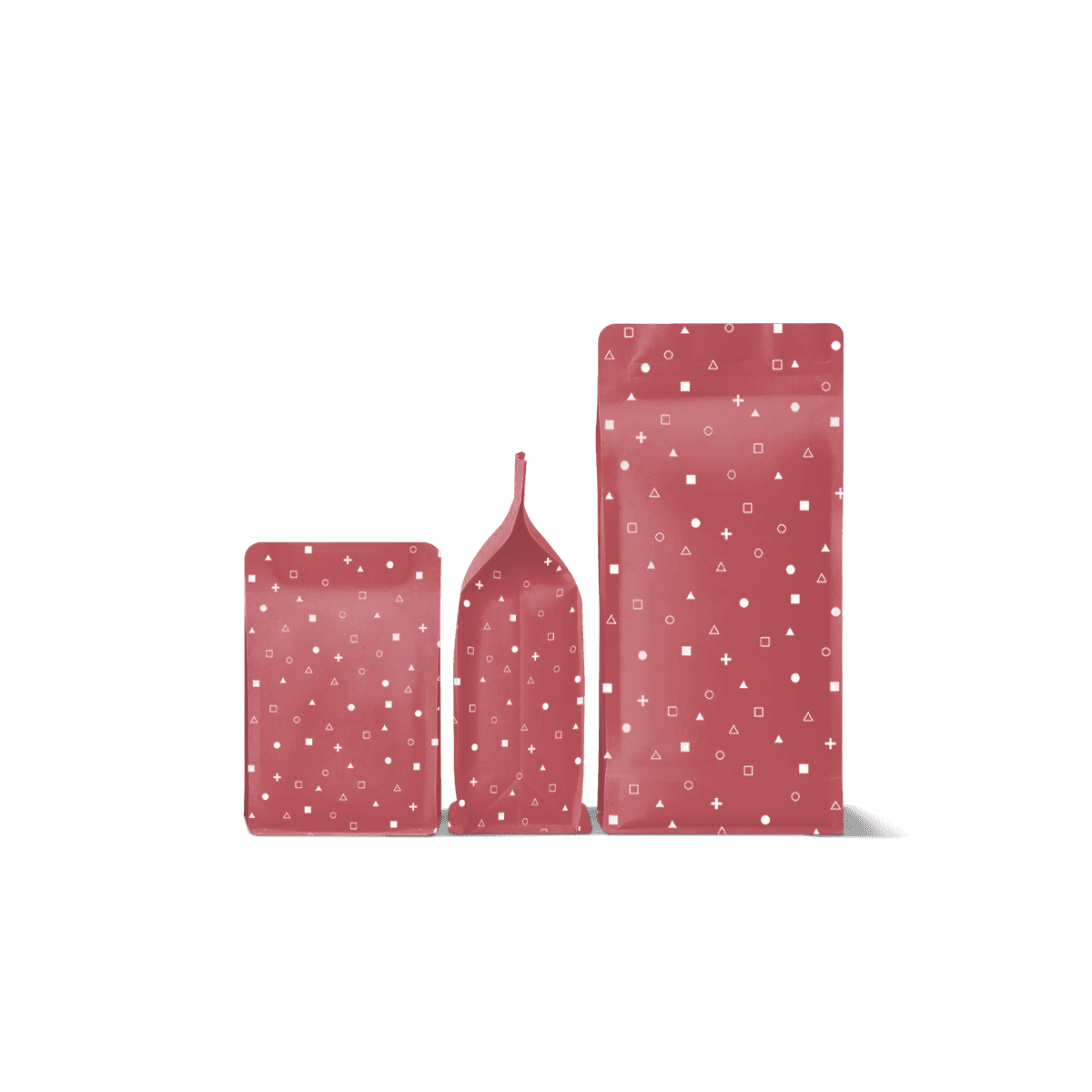
Custom Flat Bottom Paper Bags
Stable paper bags with a self-standing base, custom print and practical sizing for retail products, takeaway orders, groceries and gift handover.
Free Design Support
Clear Pricing
Flexible Quantities
Unlimited Customization
Premium Materials
Offset Precision
Free Shipping
Quick Turnaround
Stable Bags That Stand Upright
Custom Flat Bottom Paper Bags are built for products that need a stable base, easy packing and a cleaner handover at the counter.
The flat base helps the bag stand upright before, during and after packing. That makes a real difference for takeaway meals, bakery boxes, groceries, gift sets, small retail products, bottles, jars and product bundles. A bag that can stand on its own is easier for staff to fill, easier for customers to place down and less likely to tip during handover.
This style is different from handle-led paper bags. Rope handle bags focus on premium carry feel. Die cut handle bags focus on a clean built-in handle. Custom Flat Bottom Paper Bags focus on base stability, product footprint and upright presentation. The structure should be planned around how the product sits inside the bag, not only how the bag looks from the front.
Custom Packly helps size Custom Flat Bottom Paper Bags around packed products, base depth, gusset width, paper stock, artwork placement and order volume. MOQ starts from 50 for first runs, with support for larger repeat orders, retail programs and high-volume packaging needs once the size is approved.
Brands building a wider bag range can pair this style with Custom Paper Bags for handle, takeaway, kraft, printed and retail bag options across different product needs.
Why the Flat Base Matters
Custom Flat Bottom Paper Bags work well when the product needs to sit upright instead of leaning, rolling or sliding inside the bag.
A flat base changes how the bag behaves. It helps the bag open wider, hold shape better and stand more neatly on counters, shelves, pickup stations or packing benches. This makes it useful for food service, retail, markets, gifting and product sets where speed and presentation both matter.
Better balance at the counter
A flat bottom bag can sit open while staff place products inside. That can improve packing flow during busy periods, especially for cafes, bakeries, market stalls and retail counters.
The stable base also reduces the need to hold the bag open with one hand while packing with the other. For teams preparing many orders in a short time, that small detail can save time and reduce creasing.
Cleaner product placement
Products with a defined footprint sit better in a flat bottom bag. Boxed desserts, folded apparel, jars, cosmetics, small cartons and gift items can stand more neatly when the base matches their width and depth.
This can make the bag feel more intentional. Instead of the product collapsing into a loose paper bag, it sits in a more organised way.
Less tipping after handover
A bag that stands upright is easier for customers to place on a table, car seat, kitchen bench or office desk. That is helpful for takeaway meals, bakery orders, gifts and boxed products.
The goal is not only to carry the product. The bag should also behave well when the customer sets it down.
Base Depth Drives the Whole Bag
The base depth is the most important sizing decision for Custom Flat Bottom Paper Bags.
If the base is too shallow, the bag may stand poorly or squeeze the product. If the base is too deep, the product can move around and the bag may look oversized. The right base depth should match the product footprint and how the product will be packed.
Narrow bases for slim products
A narrower base suits slim items such as greeting cards, stationery, small accessories, flat wrapped gifts, lightweight apparel and narrow product boxes.
This keeps the bag tidy and prevents too much empty space. It also helps the front panel stay in proportion for logo placement.
Medium bases for retail and bakery boxes
A medium base suits many everyday retail and bakery uses. It can work for cookie boxes, cupcake packs, small cake boxes, folded shirts, skincare cartons, candle boxes and product bundles.
This is where Custom Flat Bottom Paper Bags often perform best. They give enough standing support without becoming bulky.
Deeper bases for groceries and takeaway
A deeper base helps wider products sit properly. This can suit takeaway containers, grocery items, meal packs, produce, bottled goods, larger boxed gifts and multi-item orders.
Deeper bases need stronger paper and better fold planning. The bag must hold its shape when packed, especially if the contents are uneven or heavier on one side.
Gussets Create Space Without Making the Bag Messy
Side gussets help Custom Flat Bottom Paper Bags expand while keeping the front and back panels neat.
The gusset is the folded side area that gives the bag depth. It helps the bag open wider and gives products room to sit inside. When the gusset is planned correctly, the bag looks clean from the front and still has enough space for the packed product.
Side folds for better opening
A good side gusset helps the bag open naturally. This makes packing easier and helps the base form properly.
If the side folds are too stiff, staff may need to shape the bag by hand. If the gusset is too narrow, the product may press into the sides and distort the front panel.
Front panels that stay useful for print
The gussets carry the depth, while the front panel carries the brand. That means artwork should be planned around the front face first.
A strong logo, product message or pattern can sit on the front panel while the side gusset supports the structure. Detailed side print should be used carefully because folds can reduce readability.
Fold memory for repeat use
Fold memory affects how quickly the bag opens and how neatly it stands. This matters when staff are packing high volumes of orders.
For takeaway, bakery and retail teams, fold behaviour can be just as important as print quality. A bag that opens well can improve packing speed and reduce damaged edges.
Paper Choices for Upright Loads
Custom Flat Bottom Paper Bags need paper that suits the base shape, product weight and brand style.
The paper does more than carry print. It helps the bag stand, open and hold the product. A thin paper may suit very light products, but it can lose shape when the base is loaded. A stronger paper can feel better for retail, takeaway and gift use.
Kraft paper for everyday stability
Kraft paper is a strong choice for practical flat bottom bags. It suits cafes, bakeries, markets, natural products, groceries, wellness goods and casual retail.
Brown kraft gives a natural look and works well with dark logos, single-colour print and simple branding. It also suits eco-conscious packaging ranges when the paper type and any coatings are chosen carefully.
White paper for cleaner brand colour
White paper suits brands that need sharper print, brighter colour and a cleaner product presentation. It works well for beauty, fashion, gifting, event handouts and retail products.
White stock can make Custom Flat Bottom Paper Bags feel more polished without needing heavy finishes. It also helps full colour artwork appear more accurate than on brown kraft.
Food and takeaway material choices
Food and takeaway use needs careful material planning. In many cases, the paper bag carries boxed, wrapped or sleeved food rather than touching food directly.
If grease, moisture or warmth is involved, the inner packaging and any barrier treatment should be confirmed before production. The flat base can support food orders well, but the material must suit the product conditions.
Where Flat Bottom Bags Work Best
Custom Flat Bottom Paper Bags are strongest when products need upright packing, stable placement and a practical customer handover.
This style works across different sectors because the base solves a common problem. It gives structure to products that do not sit neatly in a loose or narrow bag.
Bakery, cafe and takeaway orders
Flat bottom bags suit boxed bakery products, takeaway meals, pastries, muffins, cookies, sandwiches, snacks and small catering orders. They help staff place items neatly and hand them over without the bag folding around the product.
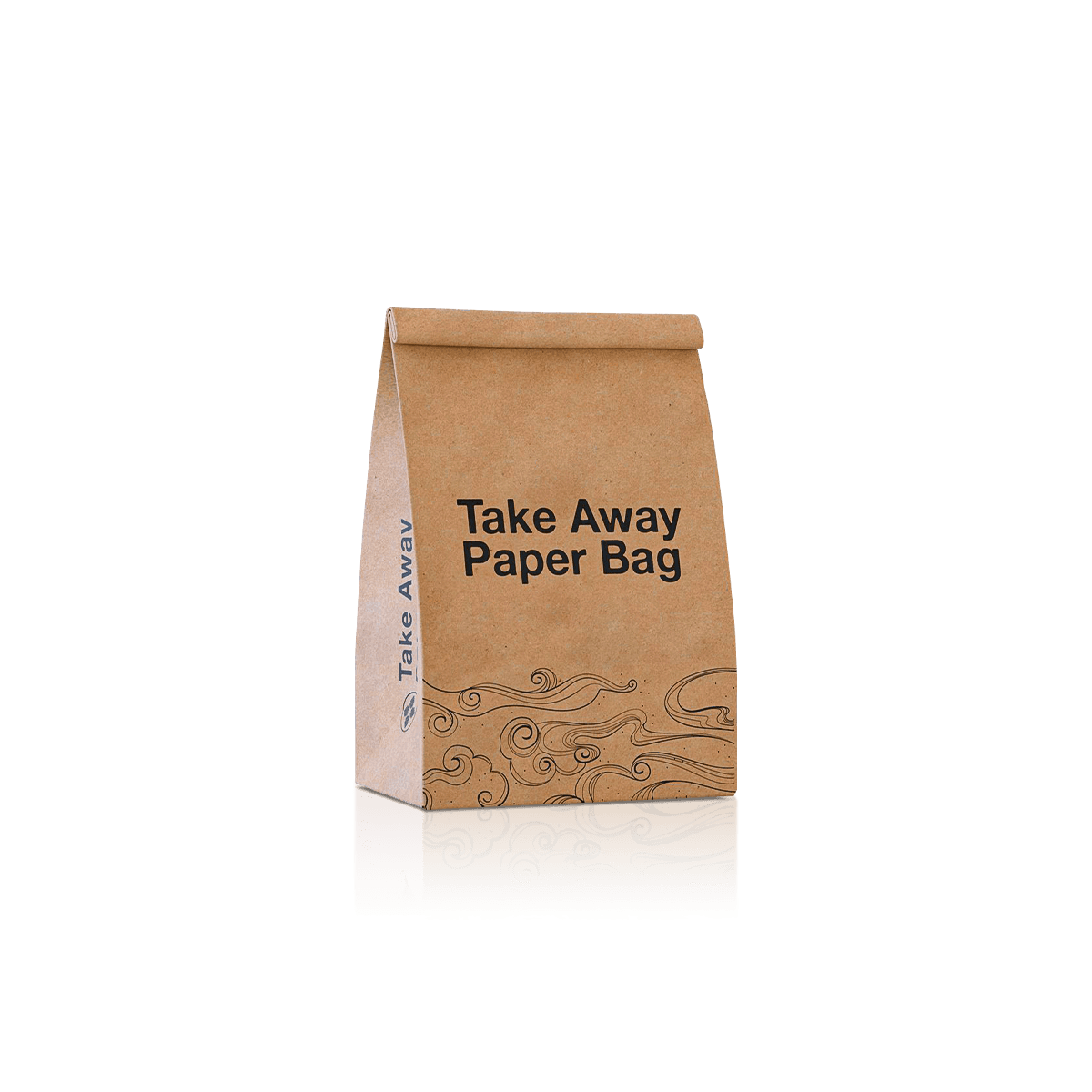
For food businesses, the bag should work with the inner packaging. Boxes, wraps, trays and sleeves protect the food first, while the flat bottom bag supports carrying and pickup. Brands planning broader food packaging can connect this style with Custom Cafe and Takeaway Packaging when the bag needs to fit everyday service.
Retail products and gift sets
Retail buyers use flat bottom bags for boxed products, candles, skincare, accessories, books, stationery, small apparel items, homewares and gifts.
The standing base makes the product feel more organised at checkout. It also helps gift sets sit neatly when tissue, cards or small extras are added.
Markets, pop-ups and product launches
Pop-ups and markets need bags that are easy to stack, quick to open and practical for mixed products. A flat bottom bag can sit open while staff pack orders, which helps during busy sales moments.
For product launches, the stable base can hold samples, cards, merchandise and small boxes in a cleaner way than a narrow flat bag.
Print Placement on a Standing Bag
Printing on Custom Flat Bottom Paper Bags should account for the way the bag stands and expands.
The front panel may look different when the bag is empty compared with when it is packed. As the base opens, the lower panel can shift slightly and the side gussets become more visible. Artwork should leave enough room for folds and product shape.
Place the logo above the base fold
The main logo should sit high enough to stay visible when the base opens, but not so high that it competes with the top opening or handle area if handles are added.
This is especially important for bakery and takeaway bags because the lower panel may curve slightly once the product is inside.
Use side panels for simple details
Side gussets can hold small logos, patterns, short messages or social handles. They are not ideal for detailed product claims or long text.
A simple side mark can make the bag feel more finished without making the design harder to read.
Keep base artwork practical
The base is not the best place for important branding. It folds, touches surfaces and may not be seen by the customer.
If the design includes full coverage or patterns, base artwork should be treated as supporting detail rather than a key message.
Flat Bottom Bags Compared With Other Paper Bags
Custom Flat Bottom Paper Bags are the right choice when standing stability matters more than handle style.
The best paper bag style depends on the product weight, handover setting and brand look. A flat bottom can be used with different top and handle options, but the key feature is always the base.
Flat bottom versus die cut handle bags
Die cut handle bags focus on a built-in grip and clean top shape. Flat bottom bags focus on standing support and base depth.
A product sample or lightweight event handout may work well in a die cut handle bag. A boxed dessert, takeaway order or gift set often benefits more from a flat base.
Flat bottom versus SOS bags
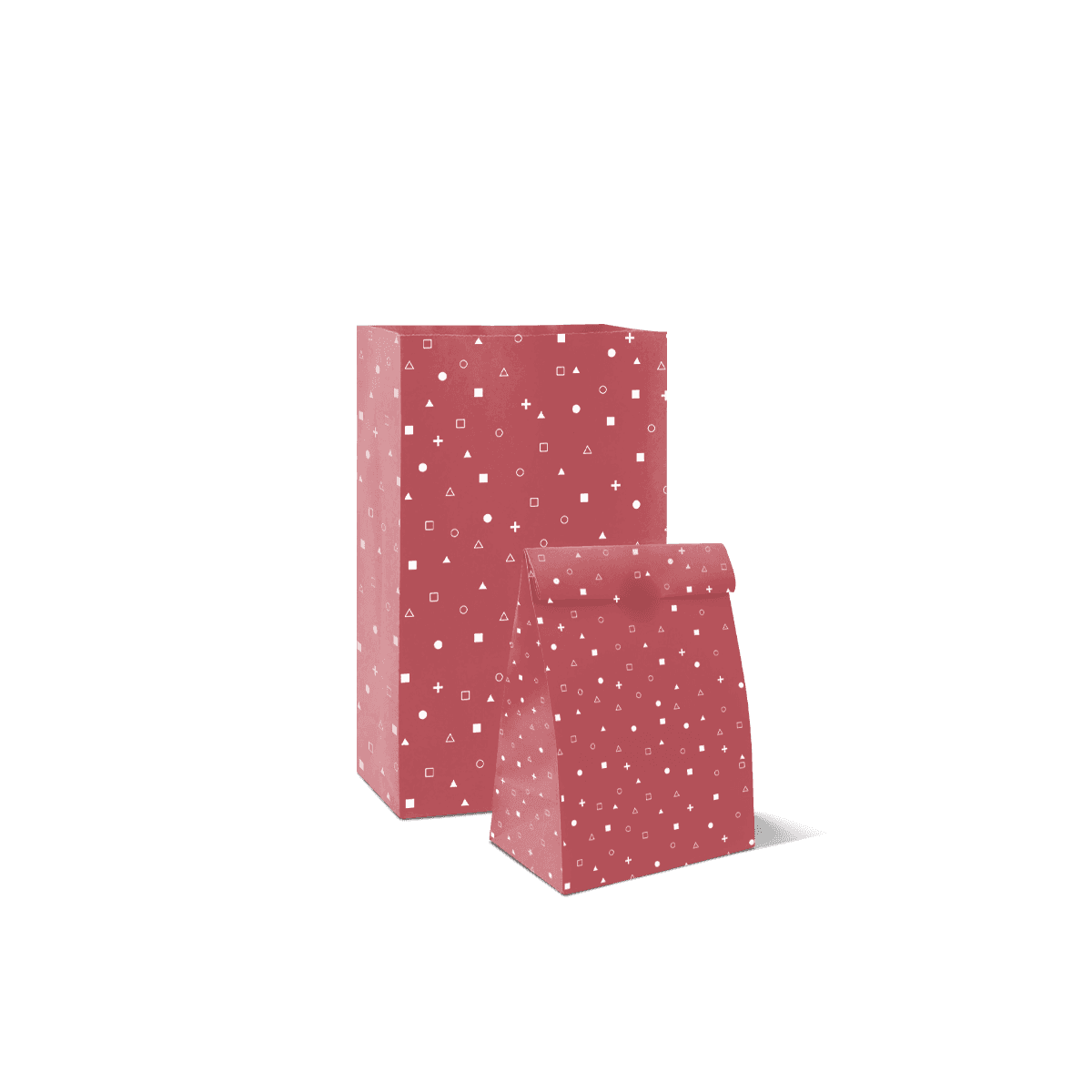
SOS bags are self-opening square bags that also use a flat base. They are often chosen for food service, groceries, bakery items and takeaway.
Custom Flat Bottom Paper Bags can overlap with SOS use, but the exact structure should be chosen around opening style, base depth, storage method and product weight. If the order needs a classic food-service format, Custom SOS Paper Bags may be the better direction.
Flat bottom versus pinch bottom bags
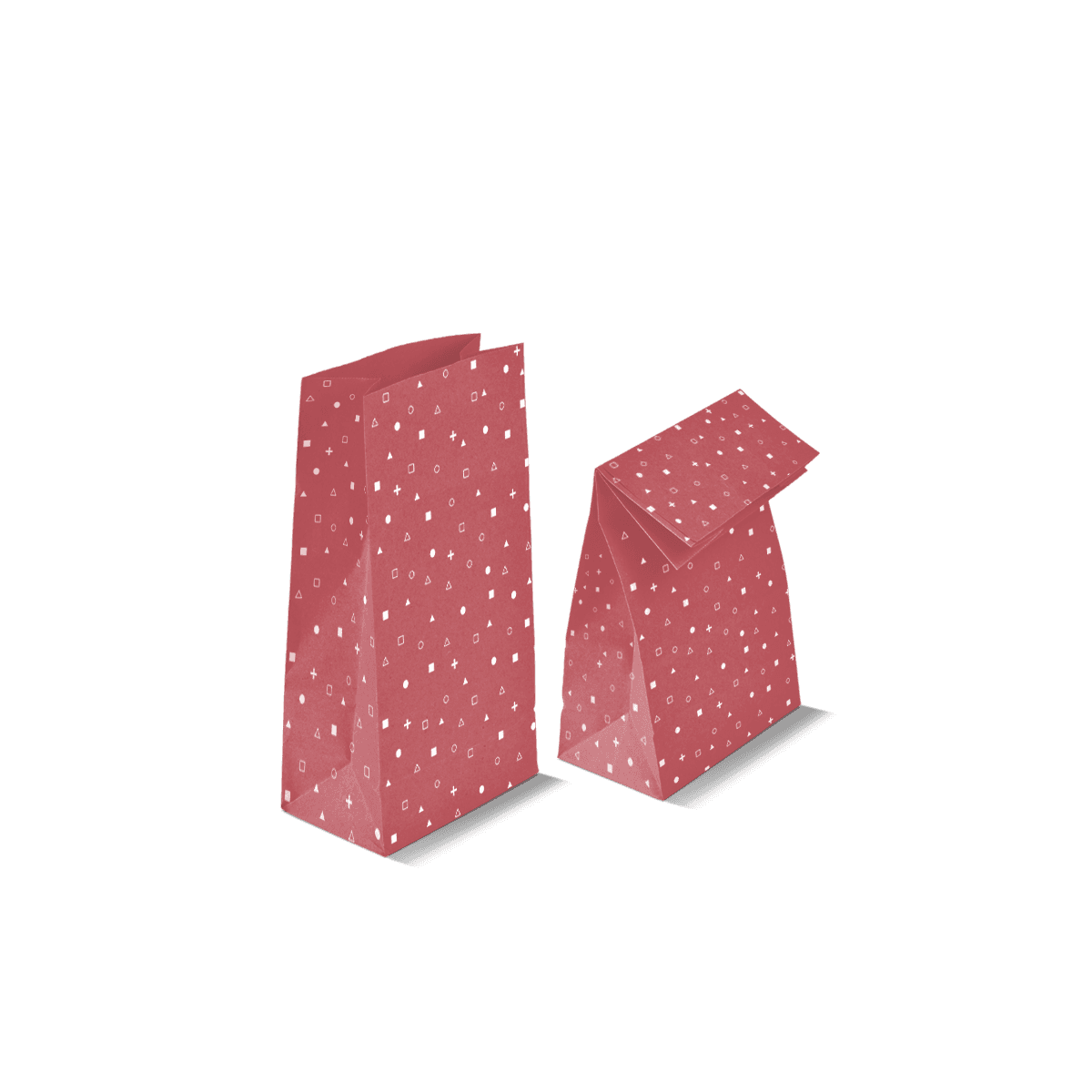
Pinch bottom bags suit products where the top can be folded or sealed. They are often used for dry food, powders, snacks and sealed product formats.
Flat bottom bags are better when the product needs to stand openly, be packed quickly or sit upright during handover. Custom Pinch Bottom Paper Bags can suit products where closure and containment matter more than open carry.
Packing Speed and Counter Workflow
Custom Flat Bottom Paper Bags can make packing faster when the size, fold and base are planned correctly.
This matters for cafes, bakeries, retail counters and event teams. A bag that stands open can reduce handling time. A bag that collapses, catches or needs too much shaping can slow staff down.
Easy opening during busy service
The bag should open without fighting the fold lines. This helps staff pack orders quickly during lunch rushes, market sales, launch events or checkout peaks.
A well-formed base also gives staff a clear target for placing the product inside.
Neater preparation for pre-packed orders
Flat bottom bags can be pre-opened or prepared for repeated use in some settings. This suits event kits, market orders, bakery pickups and retail gift packs.
If the bags need to be pre-packed, the base strength and standing shape become even more important.
Better storage before use
Flat bottom bags should store efficiently before they are opened. Stack height, carton storage and packing area space all matter when the business uses bags every day.
For repeat programs, Custom Packly can help plan runs from small first orders to larger quantities, with repeat-order support as demand grows.
Dielines for Base, Gusset and Print Zones
A dieline for Custom Flat Bottom Paper Bags should show the base, gussets, front panel, back panel and safe print zones clearly.
Flat bottom bags have more structural areas than they may seem to have at first glance. The base folds, side gussets and opening all affect how artwork lands once the bag is formed.
Check the base before final artwork
The base depth should be set before the design is finalised. A deeper base changes the front panel and can affect logo scale.
If the base changes after artwork approval, the design may need to be adjusted.
Keep key text away from fold lines
Fold lines can bend, hide or distort small text. Keep product names, URLs, claims and important brand marks away from the base fold and side gusset folds.
The cleanest designs usually keep key branding on the main front panel.
Use support for print-ready files
The free dieline tool can help prepare dimensions and artwork zones before production. For paper choices, print finishes, sizing and wider packaging decisions, the customisation page can help align the bag with the rest of your packaging range.
First Orders and Repeat Bag Programs
Custom Flat Bottom Paper Bags can start small and scale once the base size and product fit are proven.
MOQ starts from 50, which helps with test runs, product launches, market weekends, seasonal bakery ranges, retail trials and small event packs. Once the bag performs well, the same approved size, material and artwork can support larger production runs.
Test the base with real products
A first order should confirm how the bag stands with the actual packed product. Place the product inside, set the bag down and check whether it leans, bows or keeps its shape.
This is especially useful for takeaway meals, grocery items, jars, boxed gifts and multi-item sets.
Plan sizes around product groups
Many businesses need more than one flat bottom size. A bakery may need a small bag for cookies and a larger bag for cake boxes. A retailer may need one bag for accessories and another for boxed gift sets.
A size system can reduce awkward packing and make the brand look more consistent across product types.
Share details that affect the base
A useful quote should include the bag width, height, base depth, product weight, product footprint, paper preference, print coverage, quantity, finish ideas and reorder plans.
If the bag will be used for food pickup, share whether products are boxed, wrapped, warm, greasy or chilled. These details help with material and structure choices.
Better Fit Across a Packaging Range
Custom Flat Bottom Paper Bags work best when they are sized with the packaging inside them.
A flat base bag often carries inner boxes, trays, wraps, pouches or sleeves. When those layers are planned together, the final handover feels cleaner and the product sits more securely.
Boxes and cartons inside the bag
Folding cartons, bakery boxes, candle boxes and gift cartons can sit neatly in a flat bottom bag when the base depth matches the box footprint.
This improves the customer experience because the product feels stable from counter to carry.
Sleeves, wraps and food trays
Sleeves and wraps can brand the product before it goes into the bag. Food trays and boxed meals can use the flat base for more stable pickup.
For food service, the bag should support the order without replacing the need for suitable inner packaging.
Gift inserts and small extras
Gift bags often include cards, tissue, vouchers, samples or inserts. A flat bottom helps keep these extras organised around the main product.
This can suit retail gifting, event packs, product launches and seasonal orders.
FAQs
Related Packaging Styles

Related Industries
How it works
Simple steps from idea to delivery
Tell Us Your Specs
Tell Us Your Specs
Provide size, quantity, printing, and finishes.
Get a Fast Quote

Get a Fast Quote
Instant transparent pricing, no hidden fees.
Design and Approval
Design and Approval
Artwork checks, revisions, and final sign-off.
Produce

Produce
Expert manufacturing to meet deadlines.
Ship to Your Door

Ship to Your Door
Hassle-free, flexible delivery options.
Start Your Custom Packaging Quote
Share your product details, dimensions, quantity and artwork needs. We’ll help choose the right packaging style and send a clear quote.